


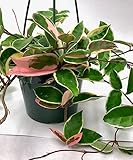



Plant Profile & Key Characteristics
Overview: Campanula cervicaria (Bristly Bellflower) is a clump-forming evergreen perennial reaching 30-70 cm (1-2.3 ft) tall, forming a spreading clump of foliage topped with nodding, bell-shaped flowers. It is grown mainly as an ornamental and naturalising plant, thriving in cool, moist conditions and suited to rock gardens, troughs and containers.
Quick Specifications
| Specification | Attribute |
|---|---|
| Plant Type / Life Cycle | Perennial (evergreen; sometimes grown as a biennial) |
| Foliage Type | Evergreen |
| Mature Size | 30-70 cm (1-2.3 ft) tall |
| Growth Rate | Moderate to fast |
| Toxicity | Non-toxic — Campanula (bellflower) is generally regarded as safe for people and pets |
| Hardiness | USDA zones 3-9 |
Growth Form & Structure
- Height & Spread: Reaches 30-70 cm (1-2.3 ft) in height and forms a clump around a third to half as wide. It also grows well in a container, where it stays a little more compact.
- Growth Habit & Form: Upright, clump-forming herbaceous perennial (a soft subshrub at the base) that sends up erect flowering stems above a tuft of basal foliage.
- Lifespan & Maturity: A hardy perennial that reaches full size within one to two seasons and returns year after year; a non-fruiting ornamental whose spent flowers form small, dry seed capsules.
Anatomy & Physical Features
- Leaves & Foliage: Green, elliptic, bristly leaves.
- Flower Characteristics: Bell-shaped flowers in purple, clustered along upright bristly stems.
Primary Uses & Landscape Value
- Functional & Ornamental Roles: Ornamental plant for borders, cottage-style and naturalised wildflower plantings, and containers.
Care Guide: Planting, Soil & Watering
Overview: The Bristly bellflower (Campanula cervicaria) grows best in cool conditions with steadily moist, free-draining soil and thrives in full sun to partial shade. Its moisture needs are moderate to high, so the goal is soil that stays evenly damp without ever becoming waterlogged.
Quick Care Requirements
| Requirement | Ideal Condition |
|---|---|
| Planting Season | Spring to early summer, after the last frost |
| Growth Rate | Moderate to fast |
| Soil Type | Moist but free-draining, humus-rich soil |
| Water Need | Moderate to high — keep the root zone evenly moist, letting the surface dry slightly between waterings |
Planting & Establishment
- Best Planting Season: Plant from spring, after the last frost, on through early summer. Cool, mild weather at planting time lets these bellflowers settle in before the heat of high summer.
- How to Plant:
- Hole Preparation: Dig a hole slightly wider than the root ball but no deeper, loosening the surrounding soil so young roots can spread out easily.
- Soil Amendments: Mix in compost or well-rotted organic matter to enrich the soil and improve both moisture retention and drainage.
- Planting Depth: Set the plant so the root collar sits level with the surrounding soil, then firm it in gently without burying the crown or stem, which invites rot.
- Growth Speed & Expectations: Expect a moderate to fast pace in good conditions, with plants reaching roughly 30-70 cm (1-2.3 ft) and knitting together into a low, spreading cushion once established.
Soil, Watering & Drainage Care
- Soil Mix & Drainage Needs: These bellflowers want soil that stays evenly moist yet drains freely — sharp drainage is essential to prevent root rot. In containers use a quality potting mix lightened with grit or perlite; in the ground, open up heavy or compacted soil with organic matter and coarse grit for aeration.
- Watering Schedule & Technique:
- Young / Newly Planted: Water thoroughly at planting and keep the soil consistently moist for the first few weeks — in warm weather that may mean watering once or twice a day at first, easing off as the roots take hold.
- Established: Once established, water deeply but let the top few centimetres of soil dry before watering again, so the roots can breathe between drinks.
- Seasonal Adjustments: Increase watering during hot, dry spells and cut right back in cool, wet weather and over winter, when the plant needs far less.
Climate, Light & Hardiness
Campanula cervicaria (bristly bellflower) is a cool-loving, cold-hardy herbaceous subshrub from temperate European meadows and woodland edges, growing best in temperate, Mediterranean and subtropical climates with full sun to light afternoon shade. The dataset places it across roughly USDA zones 3–9, so winter cold is seldom the limiting factor - prolonged summer heat and humidity are the main climatic stresses to manage.
Quick Climate Specifications
| Climate Zones | Temperate, Mediterranean and subtropical |
|---|---|
| USDA Hardiness Zones | 3–9 |
| Optimal Temp Range | Approximately 15–24 °C (59–75 °F) |
| Approx. Survival Minimum | Roughly −34 to −40 °C (−30 to −40 °F) in the coldest listed zone (established plants; varies by provenance) |
| Frost Tolerance | High |
| Light Conditions | Full sun to partial shade |
| Wind Tolerance | Moderate (taller flowering stems benefit from some shelter) |
Sunlight & Light Exposure
Optimal Light Setup
Give it full sun where summers are cool or mild, which keeps the plant compact and flowering heavy. In hotter regions, part shade - especially relief from harsh afternoon sun - suits it better and prevents heat stress.
Direct Sun Requirement
Several hours of direct sun support the best bloom. Where the climate is hot, however, intense midday sun combined with high temperatures can scorch the foliage and shorten the flowering display, so temper direct exposure.
Shade & Heat Management
In warm-summer gardens, dappled or afternoon shade and a cool root run help the plant cope. Tucking it among rocks or on a shaded slope keeps the crown cooler during heat spells.
Best Exposure / Orientation
In cool-summer areas an open or south-facing spot is ideal. In hot-summer areas favour an east-facing position with gentle morning sun and shelter from the fiercest afternoon heat.
Temperature Extremes & Hardiness
USDA Hardiness & Regional Limits
The dataset places this species at about USDA zones 3–9. It is fundamentally a cool-season plant: heat, rather than cold, sets the practical southern limit. It performs best in cool uplands, northern gardens and mild-summer areas, and tends to struggle through hot, humid low-elevation summers. Cold tolerance can vary with species, provenance, plant age and conditions.
Cold Damage & Winter Protection
These bellflowers are very cold-hardy. Where winters are mild the foliage can stay evergreen; in cold-winter zones the top growth may die back and reshoot from the crown in spring. Container-grown plants freeze and thaw faster than those in the ground, so give pots a sheltered spot or some winter mulch in the coldest areas.
Frost Sensitivity
Frost tolerance is high. Established plants shrug off ordinary frosts and emerging spring growth is rarely damaged, so frost is seldom a concern within its hardiness range.
Extreme Heat Tolerance
Heat tolerance is low, and this is the key climatic limit. Prolonged heat above roughly 27–30 °C (about 80–86 °F), especially with warm, humid nights, causes wilting, crown rot and a shortened life. Afternoon shade, good air movement and a cool, well-drained root zone are the best defences.
Wind, Humidity & Microclimate
Humidity Preferences
Moderate humidity with free air movement suits it. Hot, muggy, stagnant air is the main risk, as it encourages rot and fungal problems around the crown.
Dry-Air Tolerance
It copes reasonably with moderately dry air while temperatures stay cool. Combined heat and very dry air are harder on it than dry air alone.
Wind Tolerance
The taller flowering stems can be caught by strong wind, so a position with some shelter, or light support in very exposed gardens, keeps them standing well.
Rainfall & Seasonal Moisture
It is adapted to climates with reliable moisture and cool, moist summers, and resents hot, dry summers without seasonal relief. This is a matter of climate fit rather than watering routine.
Microclimate Recommendations
Rock gardens, wall crevices, raised beds and cool north- or east-facing slopes give the sharp drainage and cool root run it likes. It is notably taller than most rock-garden bellflowers, so exposed sites may call for a little shelter to keep the flowering stems upright. In hot regions pair morning sun with afternoon shade and avoid reflected-heat hot spots against south-facing walls or paving.
Growing in Pots, Balconies & Indoors
Bristly Bellflower (Campanula cervicaria) is a taller, upright perennial bellflower – an outdoor border and patio plant rather than a houseplant. It grows happily in a roomy, free-draining container on a balcony or patio, where its bell-shaped flowers rise on slender stems. Indoors it struggles – it wants cool air, bright light and a winter chill – so keep it outside or, at most, on a cool, bright, sunny windowsill.
Quick Details
- Container Size: Medium – a roomy 25-30 cm pot (about 7-10 L / 2-3 gal) to steady the taller flowering stems
- Indoor Suitability: Not a true houseplant; at most a compact plant on a cool, bright, sunny windowsill – it really belongs outdoors
- Best Spot: Full sun to light shade – a bright balcony, patio, trough or rock garden
- Soil & Drainage: Gritty, free-draining alpine mix (loam- or coir-based with plenty of perlite, grit or coarse sand); must drain freely
- Watering in Pots: Keep evenly moist – alpine pots dry fast; steady moisture but never waterlogged (average to generous water)
Indoors & On the Windowsill
- Houseplant limits: The grower records it as not a houseplant, and for good reason – alpine and rock bellflowers dislike warm, still indoor air and need a cool winter rest to flower well.
- On a cool windowsill: A compact plant can sit on a bright, sunny, unheated windowsill or in a cool porch or conservatory for a spell, given direct light; a warm living room makes it stretch and weaken.
- Overwintering: Hardy (roughly zones 3-9); it normally winters outdoors. In a pot the roots are more exposed to cold, so in the harshest areas plunge the pot in the ground or move it to a sheltered cold frame or unheated porch rather than a warm room.
On a Balcony or Patio
- Light & wind: Give it good light with a little shelter from the fiercest afternoon sun and drying wind; walls and railings throw back heat and small pots dry quickly, so check moisture daily in warm spells. A drip irrigation kit with a timer can take over that watering check automatically.
- Practicalities: Being small it needs little room – group several pots or plant a shared trough; make sure water drains away freely and never sits in a tray under the pot.
Choosing the Pot, Soil & Long-Term Care
- Pot & drainage: A 25-30 cm pot with strong drainage holes; skip a standing-water saucer to avoid root rot. Terracotta breathes and dries faster (good for these grit-lovers), while glazed or plastic holds moisture longer.
- Potting mix: A gritty, free-draining alpine mix – loam- or coir-based with plenty of perlite, grit or coarse sand; a gravel mulch over the surface keeps the collar dry.
- Feeding: Nutrients wash out of pots, so a light feed now and then through the growing season is plenty – avoid rich feeding, which softens these tough little plants.
- Repotting: Refresh the mix and pot on every year or two; divide congested mats or clumps at the same time to keep growth vigorous. As a short-lived biennial it flowers in its second year, so sow or add a fresh plant each year for continuity.
Fertilizing & Feeding
A light feeder: a little balanced fertilizer as growth starts in spring and through bloom, supported by organic matter, is plenty; feeding is held off during winter rest.
Quick Fertilizing Specs
| Feeding Level | Light feeder |
|---|---|
| Main Nutrient Priority | Balanced feeding with adequate nitrogen for foliage and steady bloom |
| Best Feeding Period | Spring through the flowering period |
| Organic Options | Compost, humus, and other organic matter |
| Reduce/Stop Feeding | Hold off feeding through cool weather and winter dormancy |
| Micronutrients | Usually met by organic matter and a complete fertilizer; correct only diagnosed issues such as iron chlorosis in alkaline soil |
| Soil pH | Slightly acidic to near neutral; tolerates a wide range in well-drained soil |
Feeding by Growth Stage
Spring flush of growth
Support fresh leafy growth as the plant breaks from winter rest and rebuilds its low mat of foliage.
| Nutrient direction | A balanced complete fertilizer with adequate nitrogen to fuel healthy foliage and set the plant up to bloom. |
|---|---|
| Timing | As growth resumes in spring at the start of the active growing season. |
| Frequency | A light feeding as new growth begins. |
| Fertilizer types | A balanced complete fertilizer, Compost or other organic matter worked into the soil |
| Precautions | Keep feeding light; this is a modest alpine feeder and lean, well-drained soil with a little organic matter does much of the work. |
Bell-flower bloom
Sustain the purple bell-shaped flowers carried at the ends of the stems through the flowering period.
| Nutrient direction | Continue a balanced complete fertilizer; adequate nitrogen with potassium supports bloom, while a high-phosphorus bloom booster is unnecessary because balanced feeding drives flowering. |
|---|---|
| Timing | Through the spring-to-summer bloom, which can extend toward winter in hot climates. |
| Frequency | Light feeding maintained across the flowering period. |
| Fertilizer types | A balanced complete fertilizer, Compost or humus as a light top-dressing |
| Precautions | Avoid overfeeding, especially excess nitrogen, which pushes soft leafy growth at the expense of flowers. |
Cool-season dormancy or rest
Let the plant coast through cool weather and winter rest without being pushed into new growth.
| Nutrient direction | None – withhold fertilizer while the plant is dormant or resting. |
|---|---|
| Timing | During cool weather and winter dormancy after bloom finishes. |
| Frequency | No feeding at this stage; resume only when active growth returns in spring. |
| Fertilizer types | No feeding at this stage; do not fertilize until active growth resumes. |
| Precautions | Do not fertilize a dormant plant; feeding now wastes nutrients and risks salt buildup around the roots. |
Nutrient Deficiency Signs & Corrections
Older, lower leaves fade to pale green or uniform yellow and overall growth slows.
| Possible causes | low available soil nitrogen, nitrogen leaching from heavy watering or rain, thin, lean soil low in organic matter |
|---|---|
| Appears first on | older, lower leaves |
| What to check | recent feeding history, soil organic matter, watering and drainage |
| Possible correction | Apply a nitrogen-containing balanced fertilizer and build soil organic matter, then water evenly. |
New leaves at the shoot tips turn pale yellow while their veins stay green.
| Possible causes | iron made unavailable by alkaline soil, cold, wet or poorly drained soil limiting root uptake, genuinely low soil iron |
|---|---|
| Appears first on | new leaves at the shoot tips |
| What to check | soil pH and alkalinity, drainage and how wet the root zone stays, root health |
| Possible correction | Correct soil pH toward a slightly acidic to near-neutral range, improve drainage, and if needed apply a chelated iron product per its label. |
Leaf margins brown or scorch and growth stalls despite adequate watering.
| Possible causes | fertilizer salt buildup in the root zone, under-watering that concentrates salts, excessive or too-frequent feeding of a light feeder |
|---|---|
| Appears first on | leaf margins and tips |
| What to check | recent fertilizer amounts, watering consistency, drainage, especially in containers |
| Possible correction | Ease off feeding, water thoroughly to flush accumulated salts, then return to lighter feeding. |
Pruning, Training & Seasonal Maintenance
Campanula cervicaria (Bristly bellflower) is a taller, upright species (30–70 cm) that behaves as a biennial: it forms a low rosette in its first year and sends up its bristly, purple-flowered stem to bloom and set seed in its second, after which that rosette dies. Pruning here is therefore about managing that life cycle — deadheading to prolong the single bloom spike, and deciding whether to let some flowers set seed for the next generation, rather than encouraging repeat flowering from the same plant.
Quick Pruning & Maintenance Specs
| Pruning Tolerance | Low–Moderate (deadheading and tidying; not a repeat-blooming perennial) |
| Primary Pruning Window | During its second-year bloom, spring–summer |
| Typical Frequency | Periodic, as individual flowers on the spike fade |
| Main Objective | Extend the flowering spike and manage self-seeding for succession |
| Young Plant Priority | Leave the first-year rosette essentially untouched |
| Mature Plant Priority | Deadhead the flowering spike; remove the whole spent stem once flowering and any wanted seed set is finished |
| Best Tool Type | Precision snips or bypass secateurs (bristly stems are coarser than the mat-forming Campanulas) |
| Avoid Heavy Pruning During | While the flower spike is still opening buds |
Pruning by Plant Age & Size
Newly Established
In its first year this species is just a basal rosette with no flowering stem; do not cut it back — only remove any damaged outer leaves.
Young / Formative
No structural training applies; there is no flowering stem to train until the second year, when it simply grows upright on its own.
Mature / Established
In its flowering (second) year, the priority is deadheading spent flowers along the spike to prolong bloom, and deciding how much of the stem to leave for self-seeding before removing the spent plant.
Seasonal Pruning Schedule
Ongoing Sanitary
Objective: prolong the bloom spike and keep it tidy. Remove: individual faded flowers along the stem. Do not remove: the whole stem while it is still producing new buds, or the first-year rosette. Expected response: continued flower opening further up the spike. Flowering impact: because the plant is monocarpic (it dies after flowering regardless of pruning), deadheading extends the current display rather than promising a repeat performance next year from the same rosette.
Special Growth to Remove
- Individual spent flowers along the spike.
- The entire spent flowering stem once bloom is over and any desired seed has matured — the parent rosette will not regrow.
Container & Small-Space Pruning
Less commonly grown in small containers given its height and biennial habit, which needs open ground or a deep pot to carry a rosette through a full year before flowering; where potted, the same deadhead-then-remove approach applies, with support against wind given the taller, top-heavy flowering stem.
Tools
Precision snips for individual deadheading; bypass secateurs for cutting through the coarser, bristly base of the flowering stem when it is finally removed.
Tool Hygiene & Disease Risk
Routine hygiene — clean blades between plants. No specific transmissible pathogen is flagged; spider mites, aphids and slugs are the recorded pest pressures.
Cut Placement & Technique
Snip individual spent flowers just below the bloom; when removing the whole spent stem at season’s end, cut it near the base at the rosette, wearing gloves given the bristly, coarse hairs on the stem and leaves.
Heavy Pruning & Rejuvenation
Not applicable in the usual sense: because the species is monocarpic, the flowering rosette cannot be rejuvenated by cutting back — it completes its life cycle and dies after flowering regardless of pruning. Continuity comes from self-sown seedlings or fresh sowing, not from hard-pruning the parent.
Post-Pruning Care
No special aftercare beyond normal watering; if seed is wanted for succession, leave a portion of the spike to mature and dry before removing the rest of the spent stem.
Common Pruning Mistakes
- Cutting the whole flowering stem back early hoping for a repeat bloom, which this monocarpic species will not produce.
- Removing every spent flower before any seed sets, then finding no self-sown seedlings the following year.
- Handling the bristly stems and leaves without gloves.
When NOT to Prune
Avoid cutting the flower spike back while it is still actively opening new buds; avoid disturbing or cutting back the first-year rosette, which needs to build reserves for its second-year bloom.
Recommended Tools (by task)
- precision_snips — for deadheading individual flowers along the spike.
- bypass_secateurs — for cutting through the coarser, bristly base of the spent flowering stem at season’s end.
Propagation Guide
Bristly bellflower is usually biennial or short-lived and is raised almost entirely from seed, flowering in its second year and often self-sowing where happy. Because it rarely forms a lasting clump, division and cuttings are not practical, but raising it from seed is easy.
Quick Propagation Specs
| Best Propagation Method | Seed |
| Alternative Methods | Self-sown seedlings |
| Propagation Difficulty | Easy |
| Seed True-to-Type | Mostly true to type; some variation in flower colour and habit is normal |
| Best Propagation Season | Spring |
| Seed Germination Time | Typically a few weeks; often uneven |
| Germination Temperature | around 15–21°C (60–70°F) |
| Seed Sowing Depth | Surface – do not cover (light-dependent) |
Growing from Seed
Seed Handling & Viability
The seed is dust-fine; collect it as the capsules dry and store it cool and dry, where it stays viable for a few years. It is not recalcitrant, so there is no need to sow it the moment it is ripe.
Dormancy & Pre-Sowing Treatment
Fresh seed of most bellflowers germinates without any pre-treatment. For the hardier, high-mountain kinds a few weeks of cold, moist stratification can make germination more even, but it is not essential.
Sowing Season
Sow in spring, matching the recommended spring–summer planting window; an autumn sowing left in a cold frame also works for the hardier kinds.
Sowing Depth & Orientation
Surface-sow: the seed needs light to germinate, so press it onto firmed, gritty seed compost and leave it uncovered or barely dusted with fine vermiculite. Do not bury it.
Germination Conditions
Keep the surface constantly moist — mist or bottom-water so the fine seed is not washed away — and hold at around 15–21°C (60–70°F) in bright, indirect light. Bottom heat is not needed.
Germination Time
Seedlings usually appear within a few weeks, though germination is often staggered, so keep the pots for a while before discarding them.
Seedling Care
Prick out the tiny seedlings as soon as they can be handled, grow them on in well-drained compost, and harden off before planting out. It self-sows readily, so expect volunteer seedlings you can lift and move.
Bloom & Edible Flower Guide
Quick Details
- Bloom Season: Late spring through summer
- Time to First Bloom: As a biennial it forms a leaf rosette in its first year and flowers in the second
- Flower Appearance: Purple, bell-shaped (campanulate) flowers with five spreading lobes, carried at the tips of the stems
- Edibility: Edible – bellflower (Campanula) flowers are non-toxic and mildly sweet, and are often used fresh as a colourful garnish or in salads
Detailed Blooming Overview
Campanula cervicaria – the bristly bellflower – is a low, herbaceous bellflower grown chiefly as an ornamental ground cover. From late spring through summer it carries nodding, bell-shaped flowers at the ends of its stems, and in warm, frost-free climates the show can run on into the cooler months. The blooms are purple and, like other bellflowers, nectar-rich, so they draw bees and other pollinators. It does best in cool conditions with moist, well-drained soil and is hardy in about USDA zones 3-9. It is grown as a biennial, so the flowering stems rise in the plant’s second year.
Flower Characteristics
- Purple bell-shaped blooms with five pointed lobes, borne at the ends of the stems.
- The name Campanula means ‘little bell’, after the nodding bell shape of the flowers.
- The flowers are nectar-rich and readily worked by bees and bumblebees.
Bloom Care & Thinning
- Deadheading: removing spent flowers as they fade keeps the plant neat, encourages a longer run of bloom and limits self-seeding.
- Cutting back: shearing the flowered stems after the main flush often prompts a lighter second showing.
- Self-seeding: bellflowers set seed freely and some spread strongly, so remove seed heads before they ripen if you want to keep the planting in check.
- Pollination: the flowers are insect-pollinated by bees and other visitors – leave a few blooms if you want seed or to feed pollinators.
Bloom Health & Protection
- Aphids: these can cluster on flower buds and stems and distort the opening blooms – a jet of water, insecticidal soap or neem oil usually keeps them down.
- Slugs & snails: they graze the buds and open flowers of low, cushion-forming bellflowers; nighttime hand-picking or an iron-phosphate slug bait helps protect the display.
Fruit & Uses
Campanula cervicaria is grown here purely as an ornamental bellflower, but across the genus Campanula the young leaves and the flowers are edible raw — bellflower blossoms are a recognised edible flower and the tender young leaves are used as a mild salad green. On this plant the elliptic young leaves and the purple bell-shaped flowers are the parts that can be eaten; older leaves toughen and turn bitter, so only tender new growth is used, and always in modest amounts from a positively identified, pesticide-free plant.
Quick Edible Specs
| Edible Parts | Young leaves; flowers |
|---|---|
| Main Use(s) | Culinary – young leaves as a mild salad green or cooked potherb; flowers as an edible garnish |
| Eaten Raw or Cooked | Flowers raw; young leaves raw or lightly cooked |
| Preparation Required | None beyond washing — use only young tender leaves; older leaves are best avoided |
| Harvest Season | Leaves: spring flush, before flowering; flowers: during bloom (Spring / Summer) |
| Storage | Best used fresh; leaves and flowers keep only briefly refrigerated |
| Safety/Toxicity Caveat | Not a documented food crop for this species — edible use is inferred from the wider Campanula genus; eat only young leaves and clean flowers in small amounts, from pesticide-free plants (see below) |
Leaves & Greens
The young leaves (elliptic) are picked while soft and pale-green, before the plant comes into flower, when their flavour is mildest. They are added raw to mixed salads or briefly cooked as a potherb, much as the young leaves of other bellflowers are used. As the season advances and the plant flowers, the leaves become tough and increasingly bitter, so they are no longer worth eating — take only the tender new growth. Picking a few leaves early is a cut-and-come-again harvest, but heavy stripping weakens the plant and spoils its ornamental display.
Flowers & Flower Buds
The purple bell-shaped flowers are picked fully open and used raw as an edible garnish on salads, desserts and drinks, valued more for colour and mild, faintly sweet flavour than for substance. Snip the bloom from its stalk and, if preferred, pinch off the green calyx at the base; shake gently to dislodge any insects. Because the flowers are the main ornamental feature, harvest only a few at a time.
Harvesting
Gather leaves in the spring flush before flowering and flowers as they open through the bloom period (Spring / Summer). Both parts are delicate and do not store — pick just before use. Harvest lightly so the plant keeps its foliage and floral display; there is no fruit or seed crop of culinary value here.
Preparation, Uses & Safety
Safety first: Campanula cervicaria is documented on this site only as an ornamental ground-cover bellflower, with no recorded edible use. The edibility described above is inferred from the wider Campanula genus, in which young leaves and flowers are eaten raw; it should be treated as a cautious, garnish-scale use rather than a food-crop recommendation. Eat only plants you have positively identified, use only young tender leaves and clean, fully opened flowers, keep quantities small, and never eat plant material that may have been treated with pesticides. Anyone with plant allergies or who is pregnant should be especially cautious with unfamiliar edible flowers.
In the kitchen the leaves serve as a mild salad green or a cooked potherb and the flowers as a colourful raw garnish. No reliable medicinal use is established for this species; where bellflowers appear in folk practice they are only traditionally mentioned, and no health or dosing claims are made here.
Pests, Diseases & Troubleshooting
Overview: Border bellflowers of this stature are generally tough, but their soft new growth is a magnet for slugs, snails and aphids, while the tall flowering stems are prone to flopping and to rust and powdery mildew where air movement is poor. Manage them culturally first — open spacing, support, and good hygiene — and reach for oils, soaps or fungicides only when a problem is actually building.
Quick Troubleshooting Overview
| Issue / Pest | Main Symptom | Primary Solution |
|---|---|---|
| Slugs & snails | Ragged holes and slime trails on young leaves and shoots, whole seedlings grazed off overnight | Grit/sharp mulch barriers, evening hand-picking, beer traps; iron-phosphate bait if needed |
| Aphids | Clusters of green/black insects on soft tips and flower stems; sticky honeydew and sooty mould | Blast off with water, encourage ladybirds/hoverflies; insecticidal soap or neem as a follow-up |
| Spider mites | Fine pale stippling, bronzing and faint webbing in hot, dry, still air | Raise humidity/airflow, hose foliage; horticultural oil or insecticidal soap |
| Rust | Orange-brown powdery pustules on leaf undersides, yellow flecks above | Remove infected leaves, improve spacing/airflow; sulphur or copper if persistent |
| Powdery mildew | White powdery film on leaves in humid, crowded, or drought-stressed plants | Improve airflow, avoid overhead watering; sulphur or a bicarbonate spray |
| Floppy / leggy stems | Tall flowering stems bend or splay, especially after rain or in rich soil | Discreet ring/link staking, avoid over-feeding, grow in full light |
Common Pests & Management
- Slugs & snails (various spp.):
- Symptoms: Irregular ragged holes in leaves and flowers, sheared-off seedlings and fresh cushion growth, and tell-tale silvery slime trails; damage appears overnight and is worst in damp, mild weather. On low alpine mats they can hollow out a plant from below before you notice.
- Prevention & Control: Start culturally — keep a sharp grit or crushed-stone mulch around the collar (molluscs dislike crossing it), remove hiding places, and hand-pick after dark or after rain. Set beer traps and encourage natural predators (frogs, birds, ground beetles). If pressure stays high, use iron-phosphate pellets, which are safe around pets and wildlife.
- Aphids (Aphis / Myzus spp.):
- Symptoms: Dense colonies of soft green, grey or black insects on the tender shoot tips and flower stalks; leaves curl and yellow, and sticky honeydew fuels black sooty mould. They can also transmit viruses between plants.
- Prevention & Control: Dislodge colonies with a firm jet of water and squash small outbreaks by hand. Encourage ladybirds, hoverflies and lacewings by avoiding broad-spectrum sprays. Where needed, treat with insecticidal soap or neem, covering the undersides of leaves, and spray in the cool of the evening to protect pollinators.
- Spider mites (Tetranychus urticae):
- Symptoms: Fine pale stippling that turns to bronzing and browning, with delicate webbing over shoot tips in hot, dry, still conditions — especially on plants under glass or against a warm wall. Held to the light the leaf looks sand-blasted.
- Prevention & Control: Mites hate humidity and moving air, so mist and improve ventilation, and hose the foliage (including undersides) regularly. Remove badly infested growth. Treat persistent outbreaks with horticultural oil or insecticidal soap, repeating to catch newly hatched mites; predatory mites work well under cover.
- Thrips (Frankliniella / Thrips spp.):
- Symptoms: Silvery-white streaking and speckling on leaves and petals, distorted or discoloured blooms, and tiny dark specks of frass; the slender insects scatter when a flower is tapped over white paper.
- Prevention & Control: Hang blue sticky traps to monitor and reduce numbers, remove faded blooms and weeds that harbour them, and keep plants unstressed. Insecticidal soap, neem or spinosad give control when needed; preserve natural predators such as predatory mites and lacewings.
- Froghoppers / spittlebugs (Philaenus spumarius):
- Symptoms: Blobs of white frothy “cuckoo-spit” in leaf axils and on stems in late spring, hiding a soft green nymph; feeding is mostly cosmetic but heavy infestations can distort tips. Note the adults are potential vectors of the bacterium Xylella where that disease occurs.
- Prevention & Control: Almost always tolerable — simply wash the froth (and nymph) off with a jet of water. No chemical treatment is normally warranted; good general hygiene and predator-friendly gardening keep numbers trivial.
Diseases & Fungal Issues
- Rust (Coleosporium campanulae / Puccinia spp.):
- Symptoms: Bright orange to rusty-brown powdery pustules on the leaf undersides with yellow flecking on the upper surface; heavy infection yellows and drops leaves and weakens the plant. Worst in damp, crowded, still conditions.
- Treatment & Management: Remove and bin (do not compost) infected leaves promptly, space and thin for airflow, and water at the base to keep foliage dry. Choose resistant stock where possible; if rust persists, apply a sulphur or copper-based fungicide, or a suitable rust product, following the label.
- Powdery mildew (Erysiphe / Golovinomyces spp.):
- Symptoms: A white to greyish powdery coating on leaves and stems, often starting on older or shaded growth; badly affected leaves yellow, distort and drop. Encouraged by humid nights, crowding and root dryness.
- Treatment & Management: Improve air circulation, avoid overhead watering and drought stress, and remove affected foliage. Organic sprays of sulphur, potassium bicarbonate or diluted milk help at first signs; keep plants evenly watered to reduce susceptibility.
- Ramularia & Septoria leaf spot (Ramularia / Septoria spp.):
- Symptoms: Small round to angular brown or grey spots, sometimes with a darker margin or pale centre, scattered across the leaves; spots merge in wet weather and leaves yellow and fall from the base up.
- Treatment & Management: Pick off spotted leaves, clear fallen debris, and water at the base to keep foliage dry. Improve spacing for airflow; copper fungicide can check severe outbreaks but good hygiene usually keeps it cosmetic.
- Southern blight & Sclerotinia (Sclerotium rolfsii, Sclerotinia sclerotiorum):
- Symptoms: A rapid rot at the stem base with white cottony fungal threads and small tan or black resting bodies (sclerotia) at soil level; the plant wilts and collapses, often in warm humid weather (Southern blight) or cool damp spells (Sclerotinia).
- Treatment & Management: Remove and destroy infected plants together with the surrounding soil and sclerotia, improve drainage and airflow, avoid dense mulch against stems, and rotate or rest the ground. No home fungicide reliably cures it, so sanitation and prevention are key.
- Crown & root rot (Rhizoctonia, Pythium & Phytophthora spp.):
- Symptoms: Sudden wilting despite moist soil, a browning or blackening crown that collapses and pulls away easily, and soft, discoloured roots. This is the classic alpine and rock-garden killer, striking where water lingers around the neck in cold, heavy ground.
- Treatment & Management: Prevention is everything: plant in gritty, sharply drained soil, add a collar of grit or stone chippings around the neck, never let mulch or wet leaves pile against the crown, and avoid overwatering. There is no reliable cure once established — lift and destroy affected plants, and improve drainage before replanting.
Growing Difficulties & Abiotic Problems
- Floppy / leggy growth needing support:
- Cause & Symptoms: The tall flowering stems bend, splay or snap after rain and wind, or when grown in rich soil or too much shade, leaving an untidy sprawl and broken spikes.
- Correction Strategy: Insert discreet ring or link stakes as the stems extend, grow in full sun for sturdier growth, and avoid over-feeding with nitrogen. A pinch early in the season can produce a bushier, more self-supporting plant.
- Heat & humidity collapse:
- Cause & Symptoms: In hot, muggy spells the dense flowering growth can wilt, brown and rot from the centre, especially where airflow is poor and foliage stays wet overnight.
- Correction Strategy: Space plants for good air movement, water at the base in the morning, and remove spent flowering stems to open the clump. Light afternoon shade in hot climates reduces heat stress.
- Chlorosis (nutrient / pH imbalance):
- Cause & Symptoms: Yellowing leaves with green veins signal iron or magnesium shortage, often from waterlogged roots or unsuitable soil pH locking up nutrients rather than a true deficiency in the ground.
- Correction Strategy: Fix drainage first, then correct nutrition — a balanced feed, and a chelated iron or magnesium (Epsom salts) tonic for a quick green-up. Match the plant to a near-neutral, well-drained soil.
What Helps — Products & Tools
Useful products for this type are iron-phosphate slug bait and copper/grit barriers for molluscs, insecticidal soap and horticultural (neem) oil for aphids, mites and thrips, sulphur or copper fungicide for rust, mildew and leaf spot, and discreet plant supports/link stakes for the taller stems.