Plant Profile & Key Characteristics
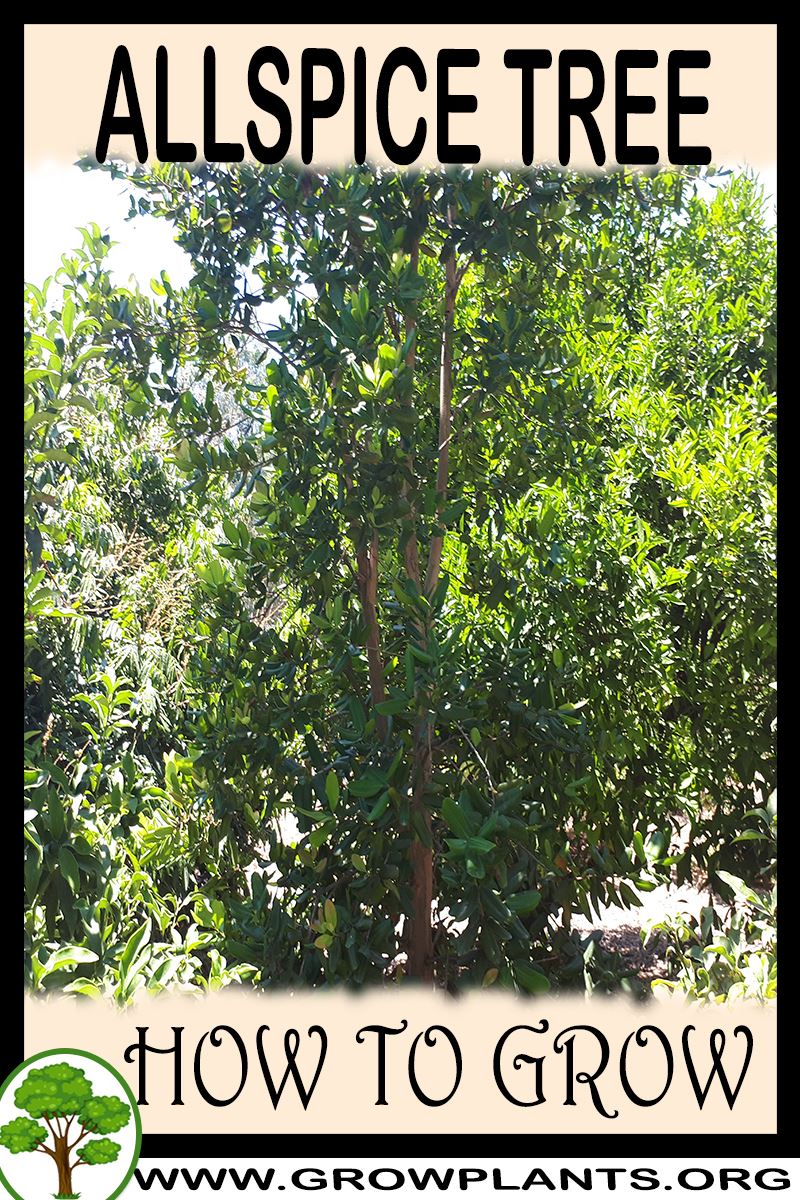
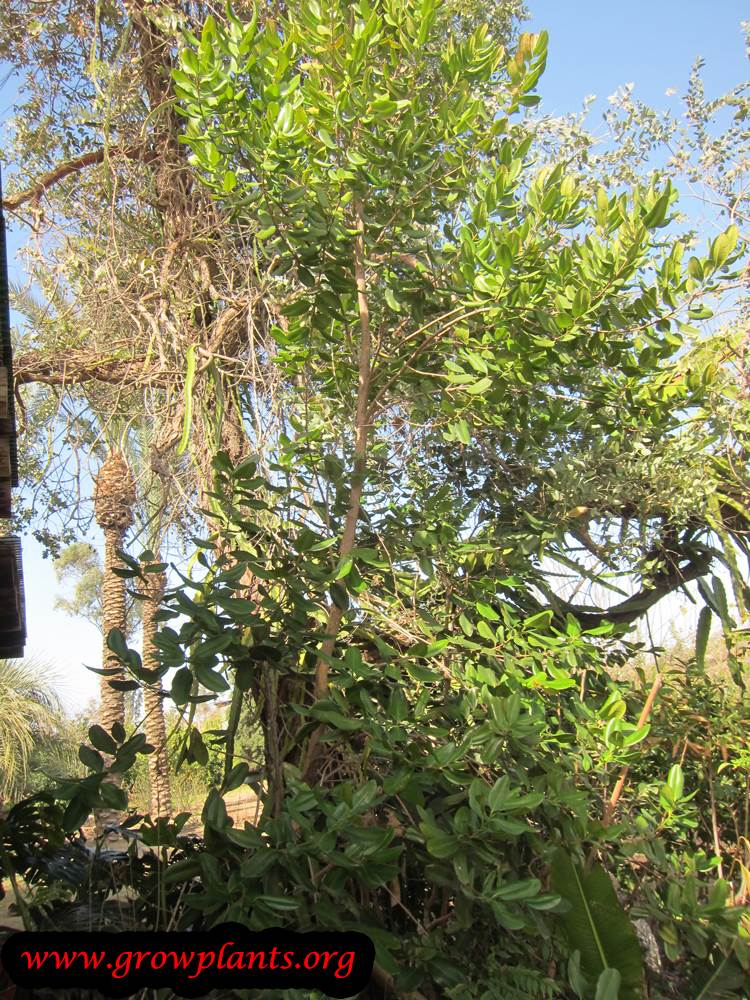
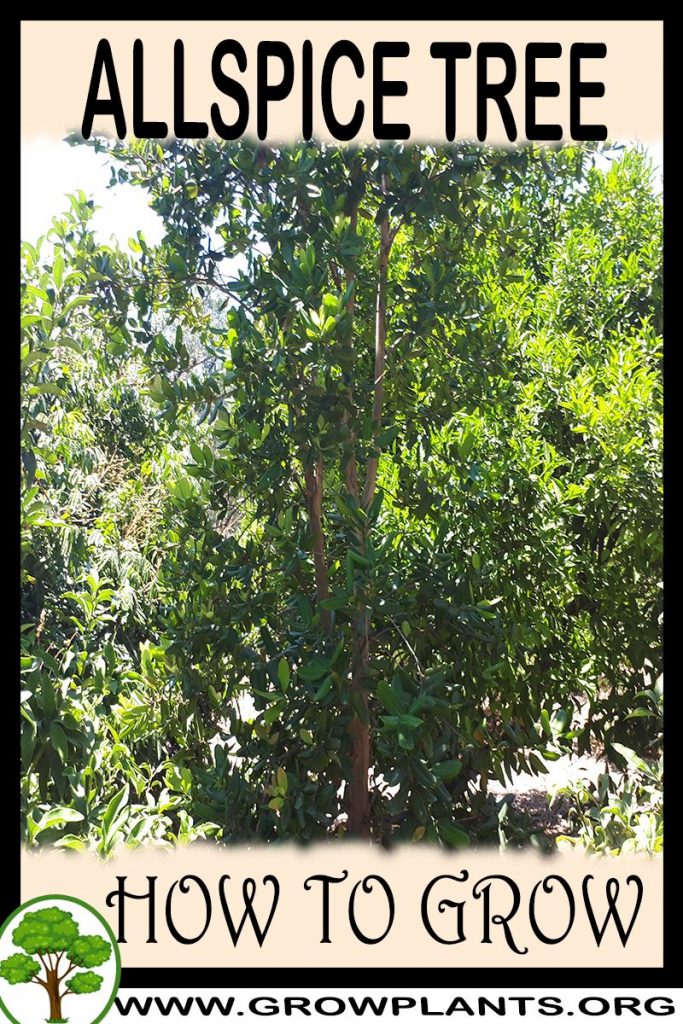
Overview: Allspice (Pimenta dioica) is an aromatic evergreen tree reaching 10–18 m (32–59 ft) in the tropics, prized for its spicy dried berries and fragrant edible leaves. It doubles as an ornamental, scented shade tree.
Quick Specifications
| Specification | Attribute |
|---|---|
| Plant Type / Life Cycle | Perennial evergreen tree |
| Foliage Type | Evergreen (aromatic) |
| Mature Size | 10–18 m (32–59 ft); 2–5 m (6–15 ft) outside its ideal climate |
| Growth Rate | Slow to moderate |
| Toxicity | Non-toxic / edible — the berries and leaves are culinary spices |
| Hardiness | USDA zone 10 and warmer |
Growth Form & Structure
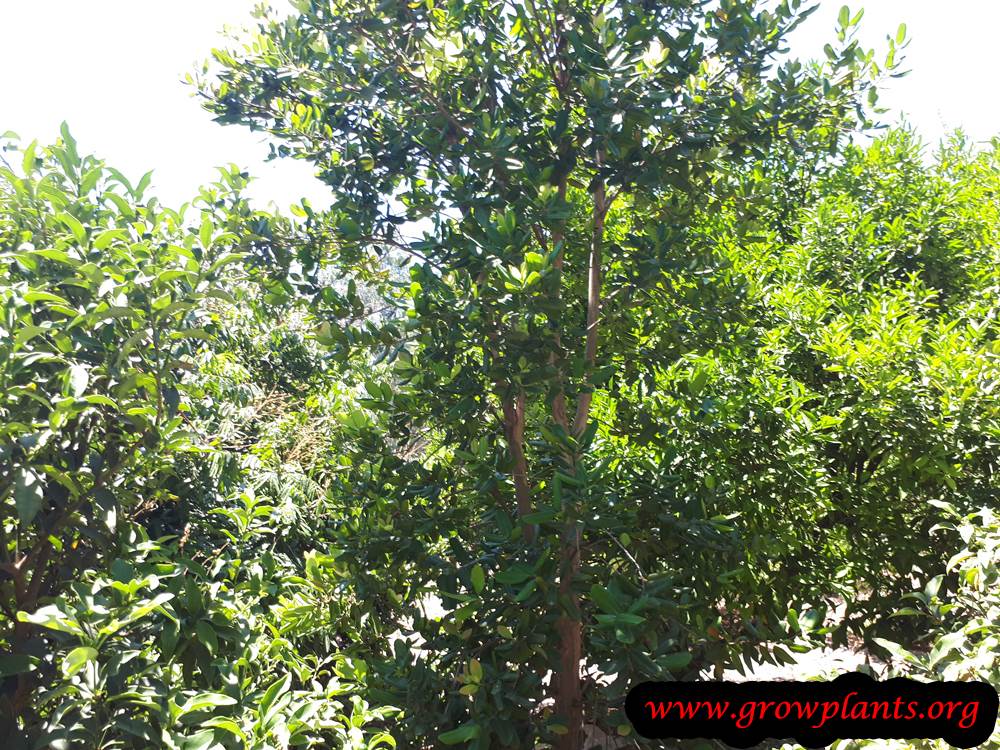
- Height & Spread: A substantial tree of 10–18 m (32–59 ft) in ideal conditions, staying a smaller 2–5 m (6–15 ft) in cooler climates; not suited to container or indoor culture.
- Growth Habit & Form: Upright, single-trunked evergreen tree with a leafy, aromatic canopy that can be pruned for shape.
- Lifespan & Maturity: A long-lived tree that begins bearing fruit after about 5–8 years; leaves can be harvested year-round once established.
Anatomy & Physical Features
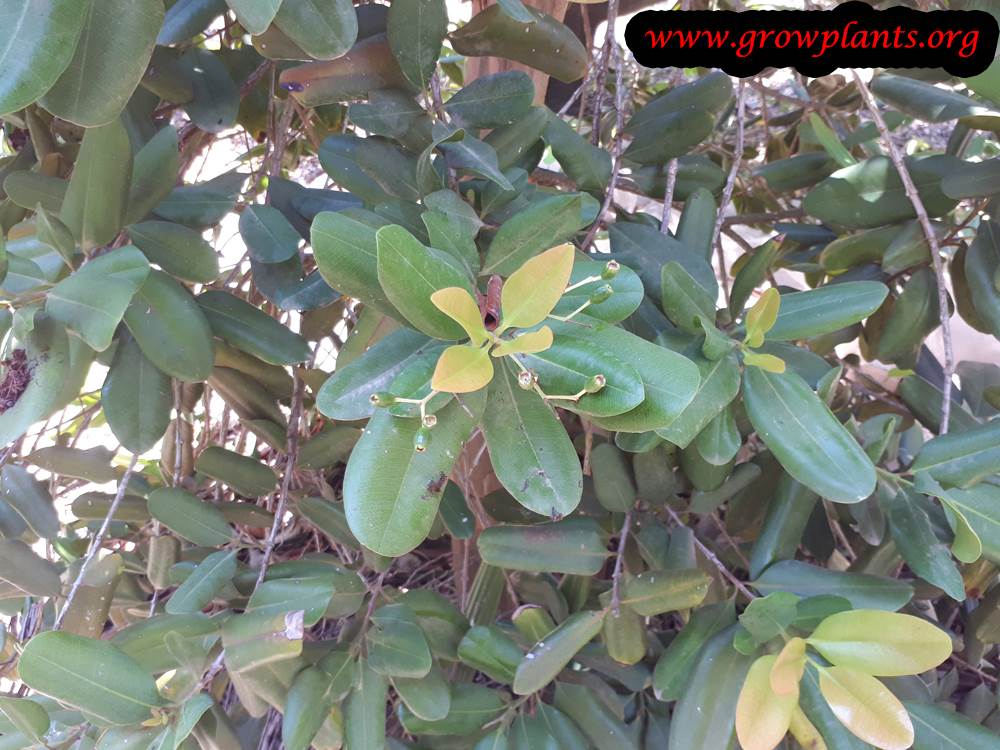
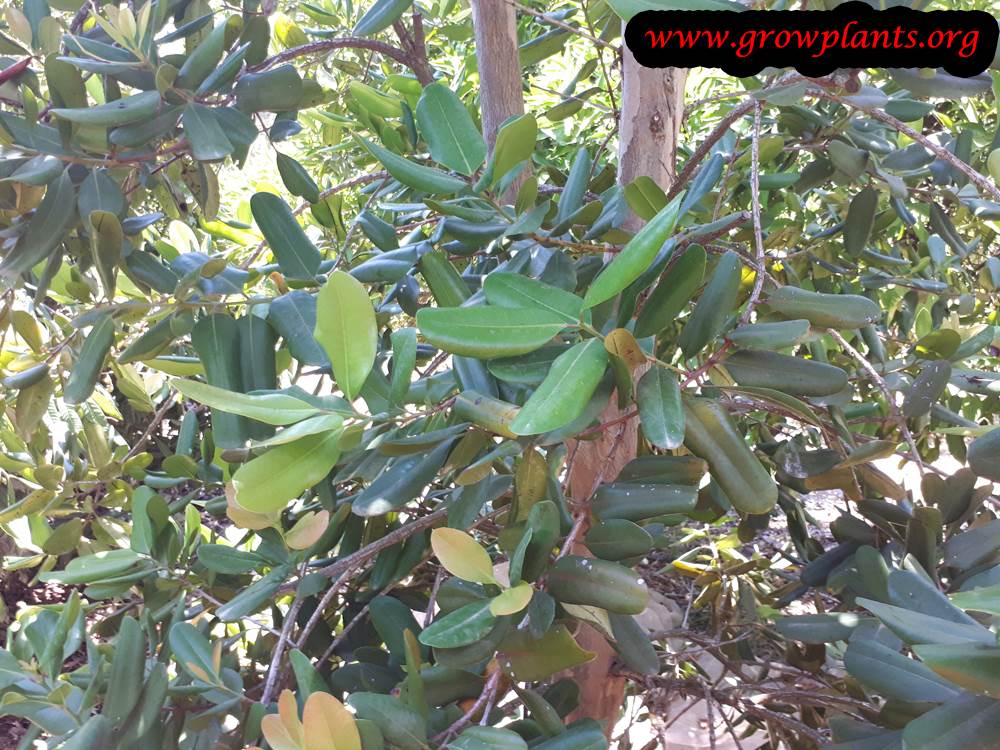
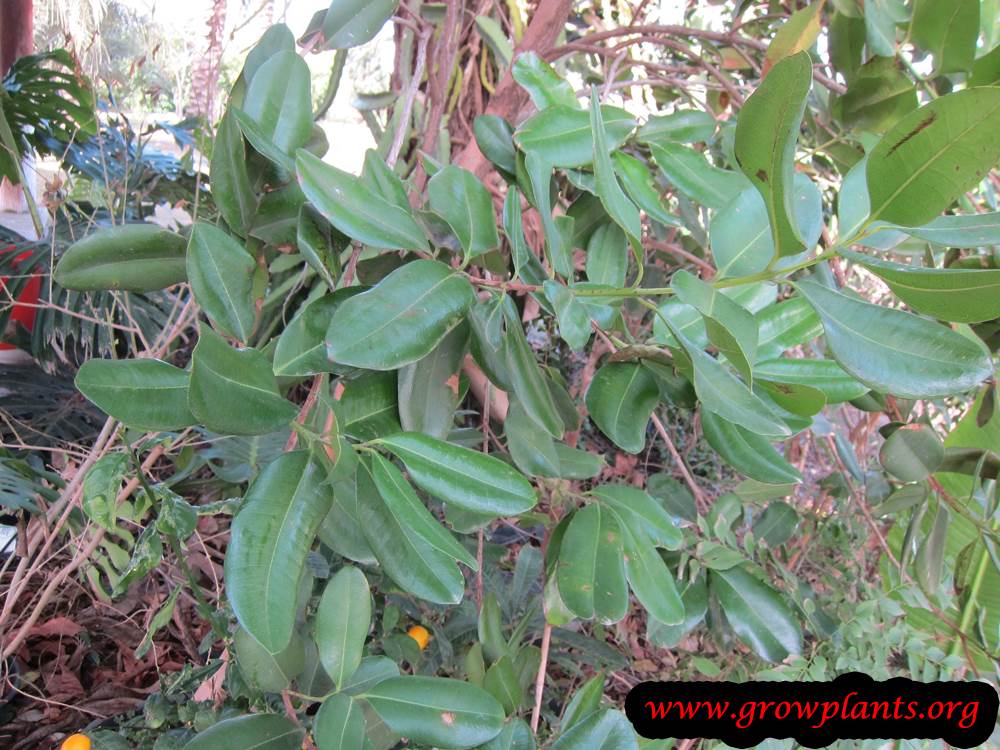
- Leaves & Foliage: Dark green, elliptic, highly fragrant leaves used as a culinary herb.
- Flower Characteristics: Small white bee-pollinated flowers borne in clusters.
- Fruit Profile: Small berries (about 0.3–0.8 cm) ripening black, used fresh or dried as the spice allspice; the seeds are edible too.
Primary Uses & Landscape Value
- Edible Uses: Dried berries are the spice allspice; both berries and the fragrant leaves are used whole, dried or cooked to flavour food.
- Functional & Ornamental Roles: Fragrant ornamental and shade tree as well as a productive spice tree.
Care Guide: Planting, Soil & Watering
Overview: Allspice (Pimenta dioica) is an evergreen tropical to subtropical tree (hardiness zone 10 and warmer) that grows best in warm, humid conditions with deep, fertile, well-drained soil. It prefers steady moisture while young and a sheltered position in full sun to light shade.
Quick Care Requirements
| Requirement | Ideal Condition |
|---|---|
| Planting Season | In spring to early summer, once the soil has warmed |
| Growth Rate | Slow to moderate |
| Soil Type | Deep, fertile, well-drained loam rich in organic matter |
| Water Need | Moderate – keep the soil moist but never waterlogged |
Planting & Establishment
- Best Planting Season: Plant in spring to early summer when the soil is warm and the risk of cold has passed; in frost-prone areas grow in a container that can be moved under cover.
- How to Plant:
- Hole Preparation: Dig a hole twice as wide as the root ball and just as deep, loosening the sides so roots can penetrate.
- Soil Amendments: Work compost or well-rotted manure into the backfill to enrich the soil and improve drainage.
- Planting Depth: Position the tree so the root collar sits level with the surrounding soil; do not bury the trunk.
- Growth Speed & Expectations: Growth is slow to moderate; over time it can reach 10-18 m (32-59 ft) in the tropics, staying much smaller (2-5 m) outside its comfort zone.
Soil, Watering & Drainage Care
- Soil Mix & Drainage Needs: Provide deep, fertile, free-draining soil; heavy or waterlogged ground leads to root rot, so improve drainage on clay sites.
- Watering Schedule & Technique:
- Young / Newly Planted: Water young trees regularly to keep the root zone consistently moist as they establish.
- Established: Once established, water deeply but less often, allowing the top few centimetres to dry between waterings.
- Seasonal Adjustments: Increase watering in hot, dry spells and reduce it in cool weather.
Climate, Light & Hardiness
Allspice is a warm-climate evergreen tree suited to tropical, mediterranean, and subtropical conditions, growing in full sun to half shade with a genuine need for consistent warmth and moisture. It has limited frost tolerance, typical of tropical spice trees.
Quick Climate Specifications
| Climate Zones | Tropical, mediterranean, subtropical |
| USDA Hardiness Zones | 10+ (per site data) |
| Frost Tolerance | Low |
| Light Conditions | Full Sun / Half Shade |
Sunlight & Light Exposure
Optimal Light Setup
Full sun to half shade suits this tree well.
Temperature Extremes & Hardiness
USDA Hardiness & Regional Limits
Zone 10+ reflects a genuinely warm-climate, frost-tender tree; it is not suited to outdoor culture where winters bring more than occasional light, brief cold.
Frost Sensitivity
Low frost tolerance, consistent with its tropical/subtropical spice-tree origin.
Extreme Heat Tolerance
Tolerates warm-to-hot climates well provided it receives an average-to-large amount of water.
Wind, Humidity & Microclimate
Rainfall & Seasonal Moisture
Prefers regular moisture (average to large amounts of water) rather than a pronounced dry season.
Microclimate Recommendations
A warm, sheltered, frost-free site is essential; not well suited to container culture given its eventual large size (per the site data it is not typically grown as a container/indoor plant).
Growing in Pots, Balconies & Indoors
Allspice (Pimenta dioica) is a large tropical tree, reaching around 10-18 m (and still 2-5 m even outside its comfort zone). The grower is clear that it is neither a houseplant nor a long-term container plant – it really wants open ground and space to grow. A pot only suits a young seedling for a season or two before it needs planting out or a very large greenhouse bed.
Quick Details
- Container Size: Not recommended long term; only a large tub for a young plant, temporarily
- Indoor Suitability: Not a houseplant – too big and too light-hungry for indoors
- Best Spot: Full sun to part shade, outdoors in a warm, frost-free climate
- Soil & Drainage: Rich, free-draining soil; water moderately to generously
Indoors & On the Windowsill
- Not a houseplant: The grower says no – a tree of this size will not settle indoors, and even a bright window can’t supply enough light long term.
- Young plants only: A seedling can be kept in a bright, warm spot for its first year or two, but plan to move it outdoors.
On a Balcony or Patio
- Short term only: A young tree in a large tub can stand on a warm, sunny, sheltered patio while small, but it will soon outgrow any pot. In cold climates a potted juvenile can at least be moved under frost-free cover for winter before being planted out.
Choosing the Pot, Soil & Long-Term Care
- If potting a young plant: Use the largest tub you can manage, with strong drainage holes and no standing water in the saucer to avoid root rot; a rich but free-draining mix (organic potting soil with added grit or perlite).
- Feeding & repotting: Feed regularly, since pot watering leaches nutrients, and pot on each year – but treat the pot as a nursery stage, not a permanent home.
Fertilizing & Feeding
Allspice trees need steady nitrogen-forward feeding while young, shifting to a balanced, potassium-aware approach once mature and bearing fruit.
Quick Fertilizing Specs
| Feeding Level | moderate |
|---|---|
| young_feeding | Nitrogen-forward feeding to build a strong young canopy |
| mature_feeding | Balanced feeding with a potassium-aware approach around fruit set |
| Main Nutrient Priority | Nitrogen while young, shifting to balanced and potassium-aware as the tree matures and bears fruit |
| Best Feeding Period | Warm active growing season |
| Micronutrients | Routine iron, manganese and zinc from a complete fruit-tree fertilizer; watch for boron only around flowering and fruit set |
| Soil pH | Avoid strongly alkaline soil, which can limit iron and other micronutrient availability |
Feeding by Growth Stage
Newly Planted Tree
Help a newly planted allspice tree establish roots without stressing tender young growth
| Nutrient direction | Keep nutrition light and let the tree focus its energy on establishing new roots |
|---|---|
| Timing | The first warm growing season after planting |
| Frequency | A single light feeding is usually enough once new growth appears; avoid frequent applications |
| Fertilizer types | A diluted, balanced starter fertilizer or a light topdressing of compost |
| Precautions | Avoid fertilizing right at planting time; wait until the tree shows active new growth |
Young Tree Growth
Build a strong framework of branches and canopy while the tree is young and not yet fruiting
| Nutrient direction | A nitrogen-forward complete fertilizer drives vigorous leafy growth |
|---|---|
| Timing | Through the warm active growing season |
| Frequency | Several light feedings spaced through the growing season rather than one heavy dose |
| Fertilizer types | A nitrogen-forward complete fruit-tree fertilizer, Organic compost or aged manure worked into the root zone |
| Routine trace nutrients | iron, manganese, zinc |
| Precautions | Water thoroughly after each feeding and keep fertilizer away from the trunk |
Established, Pre-Bearing
Maintain steady balanced growth as the tree matures toward its first fruit set
| Nutrient direction | Shift to a balanced complete fertilizer as vigorous nitrogen-driven growth is no longer the priority |
|---|---|
| Timing | Warm active growing months, before the tree begins bearing fruit |
| Frequency | A modest feeding at the start of the growing season is usually sufficient |
| Fertilizer types | A balanced complete fertilizer for fruiting trees |
| Routine trace nutrients | iron, manganese, zinc |
| Precautions | Avoid excess nitrogen, which can delay the shift toward flowering and fruiting |
Mature, Fruit-Bearing
Support reliable berry production once the tree is mature and bearing fruit
| Nutrient direction | A balanced fertilizer with attention to potassium supports fruit development |
|---|---|
| Timing | Warm active growing season, ahead of and during fruit set |
| Frequency | A light feeding as growth resumes in the growing season, with an optional light follow-up before fruit matures |
| Fertilizer types | A balanced complete fertilizer, shifting toward a potassium-forward option around fruit set |
| Routine trace nutrients | iron, manganese, zinc |
| Precautions | Avoid heavy feeding once fruit begins to ripen to prevent excess vegetative growth at the expense of fruit |
Nutrient Deficiency Signs & Corrections
Pale green to yellow older leaves and slowed shoot growth
| Possible causes | Nitrogen deficiency, Poor soil drainage restricting root uptake, Nutrient competition from weeds or turf near the root zone |
|---|---|
| Appears first on | Older, lower leaves first |
| What to check | Feeding history and soil drainage, Weed or turf competition near the trunk, Overall shoot growth compared to prior seasons |
| Possible correction | Resume balanced or nitrogen-forward feeding during the growing season and clear competing vegetation from the root zone |
Interveinal yellowing on newer leaves while veins remain green
| Possible causes | Iron deficiency induced by alkaline soil, Waterlogged or compacted soil limiting root function, High soil pH reducing micronutrient availability |
|---|---|
| Appears first on | Newest leaves at branch tips |
| What to check | Soil pH tendency and drainage, Whether yellowing is interveinal, Recent watering pattern |
| Possible correction | Correct soil pH and apply a chelated iron product per its label if chlorosis persists |
Sparse or poor berry set despite normal flowering
| Possible causes | Nutrient imbalance, particularly excess nitrogen relative to potassium at flowering, Insufficient pollination activity, Water stress during flowering and early fruit development |
|---|---|
| Appears first on | Flower clusters that fail to set fruit |
| What to check | Recent fertilizer balance and timing, Pollinator activity around bloom, Watering consistency during bloom and fruit set |
| Possible correction | Shift toward a balanced, potassium-aware fertilizer around bloom and maintain even soil moisture |
Pruning, Training & Seasonal Maintenance
Allspice is grown for its dried unripe berries, so pruning is timed around the fruiting cycle: the plant’s own guidance places pruning in autumn/winter, after the summer berry harvest and before the next spring flush of new growth, on which the following season’s flowers and fruit are borne. As the species name (dioica) signals, allspice trees can be male, female, or perfect-flowered, and only fruit-bearing specimens set berries — so avoid heavy pruning of flowering wood on a known fruiting tree right before its spring bloom.
Quick Pruning & Maintenance Specs
| Pruning Tolerance | Moderate |
| Primary Pruning Window | Autumn/Winter (post-harvest, pre-spring flush) |
| Typical Frequency | Annually while shaping, then light maintenance |
| Main Objective | Structural framework while young, then light maintenance that preserves next season’s flowering wood |
| Young Plant Priority | Build a strong single-trunk framework |
| Mature Plant Priority | Remove dead/crossing wood without stripping the coming season’s new growth |
| Best Tool Type | Secateurs and loppers for most cuts; a saw for structural limb work as the tree matures |
| Avoid Heavy Pruning During | Spring bloom; the years before the tree first bears fruit (5–8 years) |
Pruning by Plant Age & Size
Newly Established
Minimal — remove only damaged growth. Let the young tree focus energy on establishing; it takes 5–8 years to bear fruit, so there is no harvest to protect yet, but a well-formed young tree pays off later.
Young / Formative
Central-leader, single-trunk training while young, since the species can reach 10–18 m in its native range (usually smaller in cultivation, roughly 2–5 m outside its comfort zone). Decide the framework early rather than letting multiple competing trunks develop.
Mature / Established
Light maintenance — remove dead, crossing, or storm-damaged wood. Avoid heavy structural cuts on a tree that’s already fruiting, since flowers form on the new growth produced after pruning.
Seasonal Pruning Schedule
Dormant/Post-Harvest (Autumn/Winter)
Objective: shape and clean up ahead of the next flowering flush — the plant’s own stated pruning window, after summer fruit harvest and before spring bloom. Remove: dead, weak, or crossing wood; do structural shaping now. Do not remove: significant wood right before or during spring bloom, since that is the flowering wood for the coming crop.
Ongoing Sanitary
Remove pest-damaged foliage (spider mites, aphids) as seen.
Flowering & Fruiting Wood
Allspice flowers and fruits on new growth produced each season. Pruning in the dormant autumn/winter window, ahead of the spring growth flush, supports a strong new flush of flowering wood rather than removing it. Pruning hard right before or during spring bloom would cut away the wood the current season’s crop depends on.
Structural Pruning & Training
Single-trunk framework while young; as the tree matures, manage height and spread and remove crossing or shaded-out interior branches, while keeping enough of the new growth intact each dormant season to carry the next bloom.
Special Growth to Remove
- Dead or storm-damaged wood at any time.
- On a fruiting tree, avoid removing spent fruiting twigs indiscriminately in season — wait for the autumn/winter window so next year’s flowering wood isn’t cut with them.
Tools
Bypass secateurs for young growth and thin twigs; loppers for mid-size branches; a pruning saw for structural limb work as the trunk and framework mature.
Tool Hygiene & Disease Risk
Routine — the reported pests (spider mites, aphids) aren’t spread by pruning cuts, so ordinary clean, sharp tools are sufficient.
Cut Placement & Technique
Thinning cuts back to a main stem or trunk, cutting outside the branch collar. When selecting the young central leader, remove competing co-dominant stems flush to where they arise.
Heavy Pruning & Rejuvenation
Not documented as a species that’s hard-cut back for renewal. Keep structural shaping to the young-tree formative stage, and stick to light, seasonally-timed maintenance once it’s established and fruiting.
Post-Pruning Care
Water normally after autumn/winter pruning. Hold off on heavy feeding right after a structural cut, since the tree is already being directed into fresh growth ahead of spring bloom.
Common Pruning Mistakes
- Pruning in spring or summer and inadvertently removing the season’s flowering or fruiting wood.
- Letting multiple competing trunks develop when young, on what becomes a large tree.
- Over-pruning a tree that hasn’t yet reached fruiting age (5–8 years) at the expense of establishing its framework.
When NOT to Prune
Avoid pruning during spring bloom or while fruit is developing or being harvested through summer. Avoid heavy cuts on a young, still-establishing tree before it has a framework worth keeping.
Pruning Troubleshooting
| Problem | Possible Cause | What to Check | Corrective Action |
| Poor or no fruit set on a known fruiting specimen | Pruning removed the prior autumn/winter’s new growth before spring bloom, or the tree is a male/non-fruiting individual | Timing of the last prune relative to bloom; whether the specimen has fruited before | Shift pruning to the autumn/winter post-harvest window; if it has never fruited, the tree may simply be non-fruiting |
| Dieback after pruning | Cuts made during active spring growth or heat/drought stress | Soil moisture and season of the cut | Water consistently after pruning; shift future structural cuts to the recommended autumn/winter window |
| Weak, leaning, or multi-trunk structure on a young tree | No leader selected early | Whether multiple co-dominant stems were left uncorrected | Select and keep one central leader; remove competing stems while the tree is still young |
Recommended Tools (by task)
- bypass_secateurs — young growth and thin twigs.
- loppers — mid-size branch removal while shaping the young tree.
- pruning_saw — structural limb work as the trunk matures.
Propagation Guide
Allspice is most practically grown from seed, which the site lists alongside cuttings as the standard starting methods, while vegetative propagation is not necessary. Because the species is dioecious — trees are either male or female, and a seedling’s sex is not known until it eventually flowers — some growers who specifically need a fruit-bearing tree take cuttings from a proven female specimen instead, though rooting is slower and less reliable than starting from seed. Overall difficulty: Moderate.
Quick Propagation Specs
| Best Propagation Method | Seed |
| Alternative Methods | Semi-hardwood stem cuttings |
| Propagation Difficulty | Moderate |
| Seed True-to-Type | Mostly uniform for the species; sex of the resulting plant cannot be predicted from seed |
| Vegetative True-to-Type | Yes, including the sex of the parent tree |
| Best Propagation Season | Spring / Summer |
| Seed Germination Time | Often uneven, typically extending from several weeks to a few months |
| Germination Temperature | Warm, roughly 24–30°C (75–86°F), consistent with this tropical species |
| Seed Sowing Depth | Lightly covered, roughly 1 cm (0.4 in) |
Growing from Seed
Seed Handling & Viability
Seed is taken from the ripe berry-like fruit; viability appears to decline within a few weeks to months after harvest, so sowing relatively fresh seed rather than storing it long-term gives better results.
Dormancy & Pre-Sowing Treatment
Clean the fleshy fruit pulp from the seed before sowing — leaving pulp on the seed can encourage rot and slow germination, as with other berry-seeded plants.
Sowing Season
Following the site’s own best planting time for this species: spring or summer.
Sowing Depth & Orientation
Cover lightly, roughly 1 cm (0.4 in) of mix over the seed.
Germination Conditions
Warm, consistently moist, humid conditions suit this tropical species; avoid letting the sowing mix dry out or become waterlogged.
Germination Time
Germination is often slow and uneven, sometimes taking several weeks to a few months.
Seedling Care
Young seedlings generally do best with some shade before being hardened off toward the full sun / half shade conditions the mature tree tolerates.
Stem Cuttings
Cutting Type
Semi-hardwood tip cuttings from healthy, disease-free growth.
Best Timing
Warm growing periods, spring or summer.
Cutting Preparation
Select wood that is neither soft new growth nor fully hardened old wood.
Rooting Setup
A warm, humid, well-drained propagation mix, kept consistently moist.
Rooting Hormone
May improve success and is worth using, though not documented as strictly required.
Rooting Time
Not established with precision here, but rooting tends to be slow and less reliable than seed, so cuttings generally take longer to establish as an independent plant.
Bloom & Flower Guide
Quick Details
- Bloom Season: Spring into early summer
- Time to First Bloom: Several years, once the tree is well established
- Flower Appearance: Small white flowers with a fluffy tuft of stamens, borne in clusters
- Edibility: The flowers are not eaten – the spice is the dried unripe berry, covered elsewhere
Detailed Blooming Overview
Allspice carries clusters of small white flowers, each fluffy with stamens and lightly fragrant. The trees are largely dioecious – individual trees tend to be male or female – so both are usually needed nearby if you want a crop of berries.
Flower Characteristics
- Small white flowers with prominent stamens.
- Borne in clusters.
Bloom Care & Thinning
- For berries: Leave the flowers in place and grow male and female trees together for good pollination.
- Pollination: Carried out by bees.
Fruit & Uses
Allspice tree is grown for its berries (the ‘allspice’ of commerce, seeds included) and its fragrant leaves, both used as a culinary spice rather than eaten fresh as food.
Quick Edible Specs
| Edible Parts | Fruit (berries), seeds, leaves |
|---|---|
| Main Use(s) | Culinary spice, cooking, herb |
| Eaten Raw or Cooked | Used dried or cooked as a spice, not eaten fresh off the tree |
| Preparation Required | Berries dried (or used fresh) and ground or left whole as spice; leaves used fresh, dried or cooked |
| Harvest Season | Fruit: summer; leaves: all year |
| Time to First Harvest | Several years after planting, once the tree matures and begins fruiting (see the Growing section for detail) |
| Storage | Dried berries store well as a spice |
| Safety/Toxicity Caveat | None noted – allspice is a well-established culinary spice |
Fruit
The small (0.3–0.8 mm) black berries are the main product – picked in summer and used either dried or fresh, whole or ground, as the classic ‘allspice’ seasoning; birds are the main competition for the crop.
Seeds, Pods & Nuts
The seeds inside the berries are also edible and are typically used along with the dried fruit as spice.
Leaves & Greens
The dark green, elliptic, fragrant leaves are edible too, harvested with the branches once the tree is established, and used fresh, cooked or dried as a spice or herb.
Harvesting
Fruit is harvested in summer; leaves can be cut with branches at any time once the tree is established. No special processing is required for the fruit beyond drying if desired.
Preparation, Uses & Safety
Berries and leaves are used dried, cooked or as a spice in cooking; no safety concerns are noted for this well-established spice tree.
Pests, Diseases & Troubleshooting
Overview: Allspice is an evergreen member of the myrtle family (Myrtaceae), and its most important disease threat is myrtle/guava rust, a fungus that attacks new growth across the whole family; day to day it is otherwise a fairly resilient tree bothered mainly by scale, mealybugs and other sap-suckers, with birds taking the ripening berries. It prefers warm, humid, frost-free conditions and well-drained soil. Keep growth healthy and airy, watch new flushes for rust, and it is not a demanding tree.
Quick Troubleshooting Overview
| Issue / Pest | Main Symptom | Primary Solution |
|---|---|---|
| Scale insects | Bumps on stems/leaves, honeydew, sooty mold | Prune heavy patches; horticultural oil on crawlers |
| Mealybugs | White cottony masses, sticky growth | Neem or horticultural oil; encourage natural enemies |
| Aphids / thrips | Distorted, stippled or silvered new growth | Water jet; insecticidal soap; preserve predators |
| Myrtle / guava rust | Bright yellow powdery pustules on new leaves/shoots | Remove infected flush; protect new growth with fungicide; use resistant stock |
| Anthracnose / leaf spot | Dark leaf and fruit spots in wet weather | Improve airflow, sanitation; copper fungicide if persistent |
| Birds on fruit | Ripening berries stripped | Harvest berries green (as spice is used); netting for seed crops |
Common Pests & Management
- Scale insects (Coccidae / Diaspididae):
- Symptoms: Immobile brown, black or waxy bumps along stems, midribs and leaf undersides; soft scales exude honeydew that blackens with sooty mold and coats leaves.
- Prevention & Control: Prune out heavily encrusted twigs, wash off sooty mold, and treat crawlers with horticultural oil, repeating to catch successive generations. Preserve the parasitic wasps and lady beetles that usually keep scale in balance.
- Mealybugs (Planococcus, Pseudococcus spp.):
- Symptoms: White, cottony, waxy masses in leaf axils, shoot tips and under leaves, with sticky honeydew, sooty mold and stunted new growth.
- Prevention & Control: Dislodge with a water jet and spray neem or horticultural oil into the crevices where they hide, repeating weekly; control ants that farm them, and check roots for root mealybug on container trees.
- Aphids (Aphididae):
- Symptoms: Clusters of soft insects on soft new shoots and flush growth, causing curling and honeydew.
- Prevention & Control: Hose off colonies, encourage ladybirds and lacewings, and use insecticidal soap only where growth distortion is significant; excess nitrogen makes soft, aphid-prone flushes.
- Thrips (Thysanoptera):
- Symptoms: Silvery scarring and flecking on new leaves and distorted shoot tips, with tiny black fecal specks.
- Prevention & Control: Monitor with sticky traps, remove badly scarred growth, and treat persistent outbreaks with spinosad or insecticidal soap while sparing pollinators by spraying in the evening.
- Spider mites (Tetranychus urticae):
- Symptoms: Fine stippling and bronzing of foliage in hot, dry, dusty conditions, with faint webbing.
- Prevention & Control: Rinse foliage, reduce drought and dust stress, and use horticultural oil or insecticidal soap for flare-ups; avoid broad insecticides that trigger mite outbreaks.
Diseases & Fungal Issues
- Myrtle / guava rust (Austropuccinia psidii (syn. Puccinia psidii)):
- Symptoms: The key family disease: bright yellow-orange powdery pustules erupt on young leaves, shoots, flower buds and fruit, distorting and killing new growth; repeated attacks can debilitate the tree.
- Treatment & Management: Inspect every new flush, promptly remove and bag infected growth, and avoid overhead watering that spreads spores. Protect susceptible new growth with a suitable fungicide during flushing, choose more resistant provenances where available, and do not move infected material into rust-free areas.
- Anthracnose / leaf and fruit spot (Colletotrichum, Cercospora spp.):
- Symptoms: Dark sunken spots on leaves and berries in warm, wet weather, sometimes causing leaf drop and fruit blemish.
- Treatment & Management: Prune for airflow, collect fallen infected leaves and fruit, and avoid wetting foliage; a copper-based fungicide during prolonged wet spells reduces spread on valued trees.
- Root and collar rot (Phytophthora, Pythium spp.):
- Symptoms: Wilting, dieback and yellowing where the tree sits in heavy, waterlogged soil; dark, decayed roots.
- Treatment & Management: Plant high in well-drained soil, avoid overwatering, and keep mulch off the trunk. Remove severely affected trees; drenches only slow established root rot.
Growing Difficulties & Abiotic Problems
- Cold / frost sensitivity:
- Cause & Symptoms: As a tropical tree, allspice is damaged by frost and cold winds, which brown foliage and kill young shoots.
- Correction Strategy: Grow in a warm, sheltered, frost-free position or in a container that can be moved under cover; protect young trees during cold snaps.
- Chlorosis in alkaline soil:
- Cause & Symptoms: High soil pH locks up iron and manganese, yellowing new leaves between green veins.
- Correction Strategy: Acidify the soil, mulch with organic matter, and correct quickly with iron/manganese chelate; use rainwater where irrigation water is very hard.
- Poor fruit set / dioecy:
- Cause & Symptoms: Allspice trees are largely male or female, so isolated or single-sex trees set few berries.
- Correction Strategy: Grow female trees with a male pollinator nearby (or a known bisexual selection) for a berry crop; for spice, foliage and unripe berries are still usable.
What Helps — Products & Tools
For allspice the useful tools are horticultural or neem oil and insecticidal soap for scale, mealybugs, aphids and mites, spinosad for thrips, and a copper-based or registered rust fungicide to protect new growth from myrtle rust; iron chelate corrects chlorosis on limy soils. Spray oils in the cool evening to protect bees.