


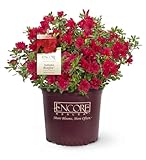


Plant Profile & Key Characteristics
Overview: Abelia triflora is a moderate- to fast-growing semi-evergreen shrub, 0.5–2 m (1.6–6.5 ft) tall, that keeps its foliage in mild winters and drops it where winters are cold. It is grown chiefly as an ornamental, fragrant flowering hedge or specimen shrub.
Quick Specifications
| Specification | Attribute |
|---|---|
| Plant Type / Life Cycle | Perennial shrub |
| Foliage Type | Semi-evergreen (evergreen in mild winters, deciduous in cold) |
| Mature Size | 0.5–2 m (1.6–6.5 ft) tall, with a comparable spread |
| Growth Rate | Moderate to fast |
| Root System | Fibrous and non-invasive |
| Toxicity | Non-toxic |
| Hardiness | USDA zones 6–10 |
Growth Form & Structure
- Height & Spread: In the ground 0.5–2 m (1.6–6.5 ft) tall with a broadly rounded, similar spread; stays more compact and tidy in a large container.
- Growth Habit & Form: Multi-stemmed, rounded shrub with slender arching branches, well suited to informal hedging.
- Lifespan & Maturity: Long-lived perennial that reaches its mature size within a few seasons in good conditions.
Anatomy & Physical Features
- Leaves & Foliage: Green, elliptic with a pointed tip.
- Flower Characteristics: Fragrant white trumpet-shaped flowers in umbel-like clusters.
Primary Uses & Landscape Value
- Functional & Ornamental Roles: Fragrant flowering hedge, ornamental specimen or mixed-border shrub, and a good subject for large patio containers; attracts pollinators.
Care Guide: Planting, Soil & Watering
Overview: Abelia triflora is a hardy, moderate-to-fast-growing ornamental shrub for full sun to half shade that thrives in well-draining soil. It is undemanding once established — keep young plants evenly moist and mulched, then water moderately, letting the soil dry slightly between waterings.
Quick Care Requirements
| Requirement | Ideal Condition |
|---|---|
| Planting Season | Spring in cooler areas; also winter or autumn in mild, frost-free climates |
| Growth Rate | Moderate to Fast |
| Soil Type | Well-draining soil, enriched with organic matter |
| Water Need | Low to Moderate — keep young plants moist, then let the soil dry slightly between waterings |
Planting & Establishment
- Best Planting Season: In cooler regions (hardy to about zone 6) plant in spring once hard frosts have passed and the soil is workable; in mild or hot, frost-free climates (up to about zone 10) it can also be planted in winter or autumn while the shrub is dormant or growth has slowed.
- How to Plant:
- Hole Preparation: Dig a hole about twice the width of the root ball and no deeper, so the shrub sits at the same level it grew in its pot.
- Soil Amendments: Work compost or well-rotted organic matter into the backfill to enrich the soil and sharpen drainage; spread a layer of mulch around the base to conserve moisture while the shrub establishes.
- Planting Depth: Set the plant so the root collar sits at soil level — do not bury the stem.
- Growth Speed & Expectations: Moderate to fast in good conditions, quickly filling out into a dense, arching shrub that takes well to hedging.
Soil, Watering & Drainage Care
- Soil Mix & Drainage Needs: Abelia needs free-draining soil to avoid root rot; in containers use a good-quality, free-draining potting mix with plenty of drainage holes.
- Watering Schedule & Technique:
- Young / Newly Planted: Keep the soil evenly moist and mulched while the roots establish.
- Established: Water moderately and deeply, letting the top few centimetres dry before watering again; established plants are fairly drought-tolerant.
- Seasonal Adjustments: Water more often through summer heat and cut back in winter, especially where the plant drops its leaves and rests.
Climate, Light & Hardiness
Abelia triflora is a fragrant, white-flowered shrub for temperate, mediterranean, and subtropical climates, staying evergreen in mild-winter regions and behaving as a cold-deciduous shrub - dropping leaves but regrowing from the base - at the cooler end of its range. It flowers best in full sun to half shade and grows across USDA zone 6 to 10.
Quick Climate Specifications
| Climate Zones | Temperate, mediterranean, subtropical |
| USDA Hardiness Zones | Zone 6–10 |
| Optimal Temp Range | Typical mild-to-warm growing-season conditions of its climate range, roughly 15–29°C (59–84°F) |
| Cold Damage Begins | New growth and flower buds typically damaged by hard freezes, approximately below −5°C (23°F) |
| Approx. Survival Minimum | Established plants generally survive into zone 6’s winter minimum, roughly −23 to −18°C (−10 to 0°F), often dying back to the base and resprouting |
| Frost Tolerance | Moderate (top growth may be lost, but the woody base typically resprouts) |
| Light Conditions | Full Sun / Half Shade |
Sunlight & Light Exposure
Optimal Light Setup
Full sun produces the heaviest bloom of its white flowers; half shade is tolerated with fewer flowers.
Direct Sun Requirement
Several hours of direct sun daily supports the best flowering.
Shade & Heat Management
Light afternoon shade helps in the hottest subtropical summers with minimal impact on bloom.
Best Exposure / Orientation
A warm, sunny, sheltered spot suits it best at the cooler zone 6–7 edge of its range.
Temperature Extremes & Hardiness
USDA Hardiness & Regional Limits
Hardy from zone 6 through 10, staying evergreen in the milder part of that range and cold-deciduous toward zone 6.
Cold Damage & Winter Protection
Hard freezes can kill back stems and buds; mulching the root zone before winter helps protect the base, especially for young plants near the cold edge.
Frost Sensitivity
Moderate; exposed top growth is more vulnerable than the crown, which usually resprouts if roots are protected.
Extreme Heat Tolerance
Handles subtropical summer heat well.
Wind, Humidity & Microclimate
Humidity Preferences
Adapts to a range of humidity levels across mediterranean, temperate, and subtropical conditions.
Rainfall & Seasonal Moisture
Suits climates with moderate, fairly even rainfall; benefits from mulch to retain moisture, particularly while young.
Microclimate Recommendations
Well-drained, moist soil in a warm, sheltered position suits it best near the cold edge of its range; also does well in containers.
Growing in Pots, Balconies & Indoors
Abelia triflora is a flowering garden shrub rather than a houseplant – the grower confirms it will not grow indoors. It does, however, do well in a large container on a sunny patio or balcony, where its long flowering season and neat habit earn their keep. Reaching about 0.5-2 m (20-80 in), it stays manageable in a pot with a little pruning.
Quick Details
- Container Size: A large tub, about 30-50 L (8-13 gal), with strong drainage
- Indoor Suitability: Not a houseplant – an outdoor shrub for full sun to half shade
- Best Spot: Full sun to half shade outdoors; the sunnier the spot, the better it flowers
- Soil & Drainage: Free-draining, organic-rich potting mix
- Watering in Pots: Low to average – let the top of the mix dry; pots dry faster than open ground
Indoors & On the Windowsill
- Not a houseplant: The grower marks this one “no” for indoors, and that is right – Abelia needs full outdoor light and a natural cool season to grow and flower properly. Even a bright, sunny windowsill cannot give a shrub what it needs, so grow it outdoors on a patio or balcony rather than as a room plant.
- Overwintering: In a pot the roots sit more exposed than in the ground, so in hard-frost areas move the container to a sheltered spot against a wall or wrap it; deciduous types simply drop their leaves and rest until spring.
On a Balcony or Patio
- Light & wind: Give it the sunniest spot you have for the best flowering. Walls and railings throw back heat and wind dries pots quickly, so water more often in warm weather and shelter or stake a young, exposed plant.
- Practicalities: A mature shrub in a big tub is heavy – set it in its final position before filling, make sure drainage water can run away freely, and stand the pot on feet so it never sits in a puddle.
Choosing the Pot, Soil & Long-Term Care
- Pot & drainage: Use a large tub with strong drainage holes and skip a standing water saucer to avoid root rot. Terracotta breathes and dries faster, while glazed or plastic pots hold moisture longer.
- Potting mix: A well-aerated, organic-rich mix – peat or coir with perlite, ideally with some loam for a long-lived shrub.
- Feeding: Potted shrubs leach nutrients with every watering, so feed through the growing season to keep flowering strong.
- Repotting & pruning: Pot up every couple of years, or refresh the top few centimetres of mix and root-prune to hold its size; prune the top after flowering to keep it bushy.
Fertilizing & Feeding
A moderate feeder: this fast-to-medium growing fragrant hedge shrub responds well to steady balanced feeding through its long spring-to-autumn bloom, eased off once growth slows for the cooler season.
Quick Fertilizing Specs
| Feeding Level | Moderate feeder |
|---|---|
| Main Nutrient Priority | Balanced feeding with adequate nitrogen; balanced feeding drives bloom and healthy new growth, not high phosphorus |
| Best Feeding Period | Spring through the flowering season |
| Organic Options | Compost or other organic matter worked into the root zone |
| Reduce/Stop Feeding | Ease off as bloom finishes and growth slows going into the cooler season |
| Micronutrients | Usually supplied by a complete fertilizer; correct only diagnosed problems |
| Soil pH | Not fussy about pH; grows best in moist, well-drained soil |
Feeding by Growth Stage
Spring growth before bloom
Build vigorous new stems and green foliage to support the coming bloom.
| Nutrient direction | A balanced complete fertilizer with adequate nitrogen; balanced feeding, not a high-phosphorus bloom product, drives flowering and keeps new growth healthy. |
|---|---|
| Timing | As growth resumes in spring. |
| Frequency | A light feeding as active growth begins. |
| Fertilizer types | A balanced complete fertilizer, Compost or other organic matter |
| Precautions | Keep nitrogen moderate rather than heavy; overfeeding pushes soft leafy growth at the expense of the coming flower display. |
Flowering season
Sustain the clustered white trumpet flowers through the main bloom flush.
| Nutrient direction | Continue balanced feeding to keep the shrub vigorous and blooming freely. |
|---|---|
| Timing | Through the flowering season. |
| Frequency | Light, steady feeding across the bloom period. |
| Fertilizer types | A balanced complete fertilizer |
| Precautions | Balanced, moderate feeding is best; excess fertilizer wastes nutrients and can crowd out flowers with leafy growth. |
Repeat bloom flushes
Support the repeat flushes of white flowers this shrub can produce into summer and autumn.
| Nutrient direction | Light balanced feeding sustains repeat flushes of bloom without pushing excess foliage. |
|---|---|
| Timing | Between flushes across the extended bloom season. |
| Frequency | Occasional light feeding to sustain the display. |
| Fertilizer types | A balanced complete fertilizer |
| Precautions | Good pruning and steady care matter as much as feeding for continued rebloom. |
Dormancy or cool-season rest
Let the shrub rest as growth and bloom slow for the season, whether it holds its leaves or drops them where winters run cold.
| Nutrient direction | None – withhold fertilizer while the plant rests. |
|---|---|
| Timing | As growth and bloom slow in the cool season. |
| Frequency | No feeding during this rest; resume only when active growth returns. |
| Fertilizer types | No feeding at this stage; hold off fertilizing until active growth resumes. |
| Precautions | Do not fertilize a resting plant; wait for new spring growth. |
Nutrient Deficiency Signs & Corrections
Older, lower leaves fade to pale green or uniform yellow and overall growth slows.
| Possible causes | low available soil nitrogen, nitrogen leaching from heavy watering or rain, thin soil low in organic matter |
|---|---|
| Appears first on | older, lower leaves |
| What to check | recent feeding history, soil organic matter, watering and drainage |
| Possible correction | Apply a nitrogen-containing complete fertilizer and build soil organic matter, then water evenly. |
Youngest leaves yellow between the veins while the veins themselves stay green.
| Possible causes | high soil pH reducing iron availability, waterlogged roots from soil that isn’t well drained, genuinely low micronutrient supply |
|---|---|
| Appears first on | new, young leaves |
| What to check | soil pH and drainage, whether the site stays consistently well drained, whether symptoms are on the newest growth |
| Possible correction | Correct soil pH if high, improve drainage, and apply a chelated iron product per its label. |
Plenty of leafy growth but few flowers.
| Possible causes | excess nitrogen feeding favoring leaves over flowers, too much shade for good bud set on a plant that prefers full sun to half shade, a young, recently planted shrub not yet settled |
|---|---|
| Appears first on | the whole plant, seen as leafy growth with sparse flowers |
| What to check | how nitrogen-heavy recent feeding has been, hours of direct sun the site receives, plant age and establishment |
| Possible correction | Ease back on nitrogen, shift to balanced feeding, and site or prune for better light; avoid high-phosphorus bloom-booster products. |
Pruning, Training & Seasonal Maintenance
Abelia triflora grows 0.5–2 m as an arching, fast-to-medium shrub with white trumpet flowers held from spring through autumn, and is grown both as a specimen and as fragrant hedging. It resprouts readily after cutting, but because flowering happens on the current season’s new shoots, pruning is most effective in late winter before growth resumes; once the spring flush is underway, cutting removes wood that would otherwise have flowered.
Quick Pruning & Maintenance Specs
| Pruning Tolerance | Moderate–High |
| Primary Pruning Window | Late winter, before spring growth |
| Secondary Maintenance Window | Light shape tidying after the bloom flush |
| Typical Frequency | One structural prune yearly |
| Main Objective | Refresh flowering wood, keep the arching form open at 0.5–2 m |
| Young Plant Priority | Minimal – damaged-wood removal only |
| Mature Plant Priority | Renewal – cycle out the oldest basal canes |
| Best Tool Type | Bypass secateurs; loppers for thicker basal canes |
| Avoid Heavy Pruning During | Spring flush and peak flowering |
Pruning by Plant Age & Size
Newly Established
Remove only dead or damaged growth in the first couple of years, leaving the young plant to build its framework undisturbed.
Young / Formative
No structural training system is needed; let the naturally bushy, arching habit develop, pinching an isolated over-vigorous shoot only if branching needs encouraging.
Mature / Established
Prune for renewal – remove a share of the oldest canes at the base each year and shorten any stem that has outgrown the desired spread back to a side branch instead of shearing the plant flat.
Seasonal Pruning Schedule
Dormant/Winter
Objective: renew the wood that will carry this year’s white flowers. Remove: oldest canes, winter-damaged tips. Do not remove: young stems about to flower. Expected response: fresh shoots blooming from spring into autumn. Flowering impact: none at this timing.
Ongoing Sanitary
Remove dead or broken stems as they appear.
Flowering & Fruiting Wood
Flowers form on growth produced after the winter cut, so pruning in dormancy costs no bloom, while cutting during or after the spring flush removes shoots that were about to flower.
Structural Pruning & Training
Keep structural work light: remove crossing or rubbing stems and rein in the occasional stem that outpaces the rest, preserving the informal arching outline rather than forcing a formal shape.
Special Growth to Remove
No rootstock suckers to manage. Thin weak, shaded interior twigs. Spent flowers can be left, as new blooms keep forming on fresh growth through the season.
Container & Small-Space Pruning
Its 0.5–2 m size suits container growing. In a pot, thin one or two of the oldest stems yearly and pinch vigorous tips through the season to keep the plant in proportion.
Tools
Bypass secateurs handle almost all the pruning on this size shrub’s soft-to-semi-woody stems; loppers are only occasionally needed for older basal canes. Shears can maintain it as a formal hedge, but selective hand cuts preserve more flower wood.
Tool Hygiene & Disease Risk
Routine – clean, sharp tools suffice; the noted pests (aphids, spider mites) are not disease vectors requiring blade disinfection.
Cut Placement & Technique
Cut to an outward-facing bud or lateral; avoid flush cuts. Take basal renewal cuts to near ground level without leaving stubs.
Heavy Pruning & Rejuvenation
Tolerates a hard cut back to roughly 15–20 cm if it becomes overgrown, at the cost of reduced bloom the following season; spread the hard renewal over two seasons to keep some flowers coming.
Post-Pruning Care
Water as usual; skip fertilizer right after pruning since the cut already drives regrowth. Watch fresh shoots for aphid or spider mite buildup.
Common Pruning Mistakes
Shearing into a tight formal shape and losing developing buds; pruning after spring growth has started; neglecting basal renewal until the plant is thin and woody with flowers only at the tips.
When NOT to Prune
Avoid pruning once spring growth is underway if maximum flowering matters. Avoid heavy cuts in summer heat/drought stress, and avoid pruning late enough to push tender growth into cold at the lower end of its zone 6–10 range.
Recommended Tools (by task)
- bypass_secateurs – primary tool for shaping and renewal cuts on soft-to-semi-woody stems.
- loppers – occasional use on thicker basal canes of a mature plant.
Pruning Troubleshooting
| Problem | Possible Cause | What to Check | Corrective Action |
| Reduced flowering | Pruned after spring growth had started | Timing of last cut | Move pruning to late winter dormancy |
| Dense outer shell, bare interior | Shearing instead of selective cuts | Tool history | Switch to selective thinning cuts |
| Bare, woody base | No basal renewal for several years | Cane age at the base | Begin annual renewal of oldest canes |
| Pest buildup on new growth | Soft regrowth after pruning | Leaf undersides on fresh growth | Monitor and treat; avoid excess feeding |
Propagation Guide
Abelia triflora, a larger and more vigorous species than most garden Abelias, is best propagated from semi-hardwood stem cuttings taken in summer, which root readily and reproduce the parent exactly. Seed grows the true species but more slowly and less predictably, and any selected form must be kept vegetatively — overall this is an Easy shrub to root from cuttings.
Quick Propagation Specs
| Best Propagation Method | Semi-hardwood stem cuttings |
| Alternative Methods | Seed (species); softwood cuttings taken earlier in summer |
| Propagation Difficulty | Easy |
| Seed True-to-Type | Usually true-to-type for the species; a named selection needs vegetative propagation to stay true |
| Vegetative True-to-Type | Yes |
| Best Propagation Season | Summer for cuttings; autumn or spring for seed |
| Cutting Rooting Time | Typically several weeks to about two months under warm, humid conditions |
Growing from Seed
Seed Handling & Viability
Seed comes from the small dry fruits left after flowering; keep it cool and dry until sowing, as with most temperate shrub seed.
Sowing Season
Sow in autumn as it ripens, or hold it over and sow in spring; germination can be slow and uneven.
Stem Cuttings
Cutting Type
Semi-hardwood tip cuttings from firm, current-season shoots root most reliably; softwood cuttings taken earlier in summer are also usable.
Best Timing
Mid-to-late summer, once new growth has begun to firm up at the base.
Cutting Preparation
Take cuttings about 10–15 cm (4–6 in) long from this taller shrub’s current-season shoots, strip the lower leaves, and cut just below a node.
Rooting Setup
Insert into a free-draining propagation mix and keep humid (a mist bench or covered tray both work); the site’s winter/spring — or autumn in hot climates — planting window applies to setting out rooted young plants, not to taking cuttings.
Rooting Hormone
Beneficial for a faster, more even strike, though not strictly required for semi-hardwood Abelia cuttings.
Rooting Time
Roots typically form within several weeks to about two months under warm, humid conditions.
Bloom & Flower Guide
Quick Details
- Bloom Season: Spring, summer and into autumn
- Flower Appearance: White, trumpet-shaped flowers gathered in rounded, umbel-like clusters
- Edibility: Ornamental only — grown as a fragrant hedge, not for eating
Detailed Blooming Overview
Abelia triflora is grown as much for scent as for looks: over a long spring-to-autumn season it covers itself in clusters of small white trumpets whose sweet fragrance carries on warm air. The flowers are a reliable draw for bees and butterflies, which makes it a fine informal or hedge shrub where you want both perfume and pollinator activity.
Flower Characteristics
- White, trumpet-shaped flowers.
- Carried in rounded, umbel-like clusters along the stems.
- Fragrant, and attractive to bees and butterflies.
Bloom Care & Thinning
- Light for bloom: full sun to half shade gives the freest flowering; the long season rewards a sunny spot.
- Pruning: shape in winter, after the display, so you keep the coming season’s flowering wood.
Pests, Diseases & Troubleshooting
Overview: Abelia are tough, largely trouble-free flowering shrubs in the Caprifoliaceae; serious pests are uncommon and the few insects they do attract are almost all sap-suckers that build up on soft new growth in warm, dry, or crowded conditions. This species is deciduous and cold-hardy and is now often placed in the segregate genus Zabelia, but it shares the same core pest and disease profile. Correct siting – full sun to light shade, free-draining soil, and open airflow – combined with a cultural, organic-first approach prevents nearly every problem before a spray is ever justified.
Quick Troubleshooting Overview
| Issue / Pest | Main Symptom | Primary Solution |
|---|---|---|
| Aphids | Curled, sticky shoot tips with clustered soft-bodied insects; ants present | Blast off with water, encourage ladybirds; insecticidal soap if heavy |
| Spider mites | Fine pale stippling and bronzing with faint webbing in hot, dry spells | Raise humidity, hose foliage; horticultural oil or a miticide if severe |
| Scale insects | Brown or cottony bumps on stems, sticky honeydew and black sooty mold | Prune out, dab with alcohol; horticultural oil applied in the evening |
| Whiteflies | Tiny white flies rising in clouds when foliage is disturbed; yellowing leaves | Yellow sticky traps, encourage predators; insecticidal soap |
| Powdery mildew | White powdery film on leaves in shade or stagnant air | Improve light and airflow; sulfur or potassium-bicarbonate spray |
| Root & crown rot | Wilting, dieback and blackened roots in wet, heavy soil | Improve drainage; avoid overwatering and deep mulch on the crown |
Common Pests & Management
- Aphids (Aphis spp.):
- Symptoms: Dense clusters of green, black, or brown soft-bodied insects on the tender tips and flower buds, causing curled, distorted new growth; a sticky honeydew coating and attendant ants often give them away before the insects are noticed.
- Prevention & Control: Knock colonies off with a firm jet of water and let ladybirds, lacewings, and parasitic wasps mop up the rest; avoid heavy nitrogen feeding that pushes soft growth. Treat only persistent outbreaks with insecticidal soap or neem, spraying in the cool of evening to protect bees.
- Spider mites (Tetranychus urticae):
- Symptoms: Leaves take on a dull, sand-blasted stippling that turns bronze; fine silk webbing appears on undersides in hot, dry, dusty spells. Look-alikes include lace bug damage, but mites show tiny moving specks under a hand lens.
- Prevention & Control: Hose foliage regularly to raise humidity and dislodge mites, mulch to keep roots cool, and avoid drought stress. Introduce predatory mites where available; use horticultural oil or a labelled miticide only for stubborn infestations.
- Soft & armored scale (Coccus / Pseudaulacaspis spp.):
- Symptoms: Immobile brown, tan, or waxy-white bumps clinging to stems and leaf veins; soft scales excrete honeydew that blackens with sooty mold and draws ants. Heavy colonies weaken shoots and thin the canopy.
- Prevention & Control: Prune out and destroy badly encrusted wood, and rub off light colonies with a soft brush or alcohol-dipped swab. Encourage lady beetles and parasitic wasps; smother survivors with horticultural oil timed to the vulnerable crawler stage in the evening.
- Whiteflies (Trialeurodes / Bemisia spp.):
- Symptoms: Clouds of tiny white moth-like insects lift off when the plant is brushed; nymphs on leaf undersides suck sap, yellowing and weakening foliage and depositing honeydew and sooty mold.
- Prevention & Control: Hang yellow sticky traps to monitor and thin adults, and support Encarsia parasitoids and other natural enemies. Rinse undersides and apply insecticidal soap or neem to the underside of leaves where nymphs feed.
- Thrips (Frankliniella / Thrips spp.):
- Symptoms: Silvery flecking and fine black frass on leaves and petals, with distorted or discoloured new flowers; slender insects are just visible when a shaken flower is tapped over white paper.
- Prevention & Control: Keep plants unstressed and remove spent blooms that harbour them; blue sticky traps help monitoring. Encourage predatory mites and minute pirate bugs, and spot-treat only heavy pressure with spinosad or insecticidal soap, sparing pollinators.
Diseases & Fungal Issues
- Powdery mildew (Erysiphe / Podosphaera spp.):
- Symptoms: A white to greyish powdery bloom on leaf surfaces and shoots, worst on plants in shade, crowded plantings, or humid stagnant air; heavy infection dulls and distorts foliage.
- Treatment & Management: Open up the canopy by thinning and correct spacing to boost airflow and light, and water at the base to keep foliage dry. Clear fallen debris; treat with sulfur, potassium bicarbonate, or a horticultural-oil spray if it recurs.
- Leaf spot & anthracnose (Cercospora / Colletotrichum spp.):
- Symptoms: Small brown to purplish spots or blotches that may merge and cause premature leaf drop, usually after wet weather or overhead irrigation.
- Treatment & Management: Rake up and destroy infected leaves to break the cycle, water at soil level, and improve air movement. Copper-based fungicide can protect new growth during prolonged wet spells but is rarely needed on a well-sited shrub.
- Root & crown rot (Phytophthora / Pythium spp.):
- Symptoms: Overall wilting, yellowing, and branch dieback despite moist soil; roots are dark, mushy, and sloughing, and the crown may be discoloured – the classic result of soggy, poorly drained ground.
- Treatment & Management: Prevention is the cure: plant on free-draining soil or a slight mound, water deeply but infrequently, and keep mulch off the crown. There is no reliable rescue once rot is advanced; remove and replace, and improve drainage before replanting.
Growing Difficulties & Abiotic Problems
- Iron chlorosis:
- Cause & Symptoms: New leaves yellow between green veins on alkaline or waterlogged soils where iron and manganese become locked up and unavailable.
- Correction Strategy: Lower and buffer soil pH with organic matter and elemental sulfur over time, improve drainage, and apply a chelated iron (and manganese) feed for a quicker green-up.
- Winter dieback & leaf scorch:
- Cause & Symptoms: Cold winds and hard frosts brown the foliage of semi-evergreen and tender types and can kill exposed shoot tips; drought and hot dry wind cause similar marginal scorch.
- Correction Strategy: Site out of harsh wind, mulch the root zone, and water before freezes and during heat. Delay pruning frost-damaged wood until new growth shows how far back the dieback goes, then cut to live tissue.
- Overwatering & poor drainage:
- Cause & Symptoms: Persistently wet feet cause yellowing, sparse growth, and set the stage for root rot; container plants suffer fastest in dense, water-holding mixes.
- Correction Strategy: Water only when the top few centimetres of soil dry, use a gritty free-draining mix in pots, and ensure containers drain freely; never let the plant stand in a saucer of water.
- Sparse flowering:
- Cause & Symptoms: Few blooms usually trace to too much shade, over-feeding with nitrogen, or hard pruning at the wrong time that removes the wood carrying flowers.
- Correction Strategy: Give at least half a day of sun, feed lightly, and prune just after the main flush since Abelia flowers on new growth – a light shaping keeps it blooming freely.
What Helps – Products & Tools
For this shrub the useful toolkit is simple and largely organic: neem or horticultural oil and insecticidal soap for aphids, mites, scale, and whiteflies; yellow and blue sticky traps for monitoring; sulfur or potassium bicarbonate for powdery mildew; a copper fungicide only for persistent leaf spot; and a chelated iron feed to correct chlorosis on alkaline soils.