
Rooting hormone contains auxins that encourage cuttings to form roots faster and more reliably — especially useful for woody or slower-to-root plants. It’s not magic (many soft cuttings root fine without it), but for tricky subjects it noticeably improves success. Here’s how to choose and use it.
GrowPlants is reader-supported. We may earn a commission from qualifying purchases made through links on this page, at no extra cost to you.
Powder, gel or liquid?
| Type | Best for | Notes |
|---|---|---|
| Powder | General use, long shelf life | Dip moist cutting; tap off excess |
| Gel | Even coating, good contact | Popular with houseplant propagators |
| Liquid / concentrate | Batch propagation, control of strength | Quick-dip or soak per label |
All three work; choose by convenience. Decant a little to dip into so you don’t contaminate the whole pot.
When it helps — and when it doesn’t
- Helps most — semi-ripe and hardwood cuttings, and plants that are slow or reluctant to root.
- Often unnecessary — easy softwood cuttings (many herbs, coleus, willow, pothos) that root readily in water or mix.
- Won’t fix — wrong timing, unhealthy cuttings, or poor aftercare. It boosts rooting; it doesn’t replace good technique.
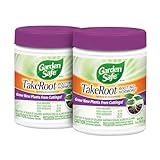
Rooting hormone


How to use it
- Take a healthy cutting and trim just below a node.
- Moisten the base, dip in hormone, tap off excess (more isn’t better).
- Insert into a free-draining cuttings mix, firm gently and keep humid and warm.
Bottom heat from a heat mat and a humidity dome further improve results. Full method in propagating from cuttings.
Quick questions
Do I need rooting hormone for cuttings? Not always — easy softwood cuttings root without it, but it improves success with woody and slow-to-root plants.
Related guides
Powder, Gel or Liquid: Which to Pick
Powder is the cheapest and most widely available, and works well for softwood cuttings, but it’s easy to apply too much or knock it off when inserting the cutting. Gel clings to the stem more evenly and is a good default for most houseplant and shrub cuttings. Liquid concentrate is diluted to different strengths for softwood versus hardwood cuttings, which makes it the most flexible option if you propagate a wide range of plants, at the cost of needing to measure it out each time.
Common Mistakes That Stop Cuttings Rooting
Dipping the cutting too deep so hormone smears onto leaf nodes that will sit below soil and rot is one of the most common errors. Reusing hormone powder by dipping straight back into the original container can introduce disease into the whole batch — tip a small amount into a separate dish instead. And rooting hormone cannot rescue a cutting that’s already wilted or was cut from unhealthy stock; it speeds up root formation on a healthy cutting, it doesn’t revive a struggling one.