
Orange Seed – Growing an orange tree from seed, first thing to consider is its season. Best season to plant oranges is during the spring, but can also be planted in the autumn to winter seasons. Sandy soil is the most compatible type for the orange tree. Remember to keep the soil moist but not wet. Oranges tend to survive drought but not oversupply of water as it can cause its roots to rot and eventually kill the plant.
Growing Orange tree form seed
In the first year, water your plant at least once or twice a week. Plant the tree in an area with at least 6 hours of full sunlight to allow it to grow healthy. You may also add natural citrus fertilizers if you wish to do so, but keep in mind that these can burn sensitive roots so you may want to avoid placing fertilizers directly in the planting hole.
 Patigrow 120-Cell Self-Watering Seed Starter Tray with Grow Light, Seed Starter Kit with 4.07”
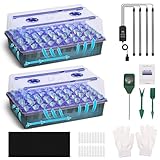 120-Cell Self-Watering Seed Starter Tray with Grow Light, 1–24H Timer, Humidity Dome, Soil pH
Orange seeds are slow and unreliable to fruit true-to-type, but if you want to try, a seed-starting mix helps: As an Amazon Associate we earn from qualifying purchases.
You can germinate your own orange seed at the comfort of your own home. Probably, the trickiest part of starting from a seed is getting the seed itself from the fruit. Pick an orange and choose seeds that do not have any blemishes. The key to germination of seeds lie in maintaining moisture throughout the process, therefore you should be mindful not to let them dry out. Here are some pointers to follow:
- Rinse the seeds carefully with water and do not leave any pulp or fruit flesh as this can cause rotting. Soak the seeds overnight in a small cup of warm water.
- The next day, take a sharp knife or blade and peel the shell off from the tip of the seed and return it into the water adding half a teaspoon of hydrogen peroxide. Keep it there for about five minutes then remove it.
- Get a moist paper towel, put the seeds within it and place it inside a plastic bag (a fold-over sandwich bag works best). The bag will not only keep the seeds moist but also allows room for air exchange. Keep the bag in a warm environment where the temperature stays between 70 to 75 degrees Fahrenheit. Check the seeds regularly and re-moisten if necessary.
Orange seeds take about 14 days to germinate. They need to be planted in a small pot once you can see a root emerging, burying it in about ½ inches below the soil.
Some people though, have no patience in preparing the seeds on their own. Don’t worry because there are orange seeds being sold in gardening shops as well. It is best to buy seeds during spring season when the risk of severe frost has passed.
You may also opt to grow oranges using a grafted tree. The decision as to where to begin is very subjective as to what you want to achieve. If you start with a seed, it has a fairly long juvenile period. It will take about 7 to 8 years for it to flower and potentially bear fruit. The same is also true for most citrus plants. For most reliable result, buy grafted trees on a hardy rootstock. These variety starts to produce crops after 2 to 3 years.
Whether to grow your orange tree from a seed or a graft depends on your target time of harvest. Either way, as long as your plant is well taken care of, you will end up with a bountiful produce from your orange tree.
Will an orange grown from seed produce fruit — and taste the same?
This is the question most people really want answered. The good news is that oranges are unusual: most are polyembryonic, meaning a single seed can produce several seedlings, and most of those are nucellar — genetic clones of the parent tree. So unlike apples (which almost never come true from seed), a seed-grown orange often does resemble the fruit it came from. The catch is that a few seedlings are zygotic (a genetic mix) and can vary, and every seedling has a long juvenile phase before it flowers.
Polyembryonic vs monoembryonic seeds
If several shoots emerge from one orange seed, it is polyembryonic — keep the strongest, most vigorous seedlings, which are usually the true-to-type nucellar ones. A single shoot may be a monoembryonic (variable) seedling. This is why orange, lemon and other citrus are among the few fruits worth trying from seed.
How long until a seed-grown orange fruits?
Patience is essential: a seedling orange typically takes 7–10 years (sometimes longer) to flower and fruit, and young seedlings are often thornier and more upright than grafted trees. A grafted tree on a good rootstock fruits far sooner — usually within 2–3 years — and stays a manageable size.
Seedling vs grafted orange trees
| From seed (seedling) | Grafted tree | |
|---|---|---|
| True to type | Often (polyembryonic), not guaranteed | Yes |
| Years to fruit | 7–10+ | 2–3 |
| Size | Larger, more vigorous | Controlled by rootstock |
| Thorns | Often thornier | Usually fewer |
| Best for | Fun, patient growers, rootstock | Reliable, quicker fruit |
If you want fruit reliably and soon, buy a grafted tree; if you enjoy the experiment (or want to raise your own rootstock to graft onto later), grow from seed. See fruit tree grafting and whether citrus needs a pollination partner (most oranges are self-fertile).
Growing your orange seedling on
Once germinated, grow the seedling in a pot of free-draining, slightly acidic mix in the brightest spot you have (6+ hours of sun, or a very bright windowsill/greenhouse in cool climates). Water when the top of the mix dries — citrus hate soggy roots and are prone to root rot — and feed with a citrus fertilizer in the growing season. Protect from frost. For related citrus, see growing a lemon tree, calamansi from seed and types of orange.
Quick questions
Do oranges grow true from seed? Often, yes — oranges are usually polyembryonic, so many seedlings are clones of the parent; but expect a 7–10 year wait to find out.
Will a seed-grown orange tree ever fruit? Yes, with enough light, warmth and years — but grafted trees fruit far sooner (2–3 years).
Related guides
- Types of orange · blood orange season · growing a lemon tree · planting lemon seeds
- Fruit tree grafting · pruning fruit trees
For guidance on choosing the right feed, see our fertilizer guide.