
Metal raised beds have become hugely popular — they’re durable, modern-looking and won’t rot like wood. Galvanised and corten steel are the two main options, in a growing range of shapes and sizes. Here’s how to choose and what to know before buying.
GrowPlants is reader-supported. We may earn a commission from qualifying purchases made through links on this page, at no extra cost to you.
Galvanised vs corten steel
- Galvanised steel — zinc-coated to resist rust; silvery finish, long-lasting and widely available.
- Corten (weathering) steel — forms a stable rust-coloured patina; premium look, very durable.
Durability and safety
Quality metal beds last many years without rotting. Modern galvanised garden beds are made for growing food; buy from reputable makers. Edges on some kits can be sharp during assembly — many include safety edging or rolled rims.
Heat and depth
- Heat — metal can warm the soil at the edges in strong sun; a reasonable depth and good watering offset this, and it can be an advantage for warming soil early in spring.
- Depth — taller beds suit root crops, poor underlying ground and easier access.
Metal raised beds

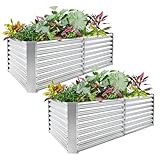
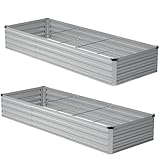
Corten steel planters


Filling and care
Fill and maintain as any raised bed — see how to fill a raised bed and best soil for raised beds. Consistent watering matters as they drain freely; see drip irrigation.
Quick questions
Are metal raised beds safe for growing vegetables? Yes — modern galvanised and corten steel garden beds are made for food growing and are widely used; buy from reputable makers.
Panel thickness and gauge
Thicker steel (a lower gauge number) resists denting and lasts longer — worth checking where stated. Thin budget panels can bow once the bed is filled unless braced.
Shape, bracing and modularity
Modular panel kits build rectangles, L-shapes and tall planters; longer beds need centre bracing (a cross-support or tie bar) to stop the sides bowing under wet soil.
When metal beats wood (and when it doesn’t)
Choose metal for longevity, a modern look and no rot. Choose wood for the lowest edge-heat in very hot climates and a traditional look. See raised bed kits for the wider material comparison.