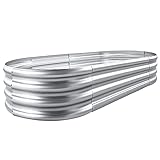
Filling a raised bed well is the difference between a productive bed and a disappointing one — and it can get expensive if you buy all bagged mix. The goal is a deep, fertile, free-draining but moisture-retentive soil, filled economically. Here’s how to do it, plus the filler myths worth avoiding.
How much soil you need
Work out the volume: length × width × depth. Beds hold more than people expect — a 1.2 × 2.4 m bed at 30 cm deep is close to 0.9 cubic metres of fill. Knowing the volume tells you whether bulk delivery is cheaper than bags (it usually is for larger beds).
The core mix
A reliable general fill is roughly:
- ~50% good topsoil — body, minerals and water retention.
- ~40–50% compost/organic matter — fertility and structure.
- Optional grit/other amendments where extra drainage is needed.
See best soil for raised beds for crop-specific ratios and soil amendments for improving structure.
Filling deep beds economically
For deep beds, you don’t need premium mix all the way down. The lower zone (well below the root run) can be bulked with coarse organic material — but do it sensibly: use clean woody material, twigs, leaves or rough compost that will break down, with plenty of good soil above where roots actually grow. This is the sound idea behind “hugelkultur”-style filling.
Settling and annual top-ups
Fresh fill, especially compost-rich mixes, settles over the first weeks and months as organic matter breaks down — expect to lose several centimetres. Fill generously, water to settle it, then top up. Each season, add a layer of compost to replace what’s been consumed.
Filler myths to avoid
- Don’t dump inappropriate waste (treated timber, plastic, painted wood, large non-degradable junk) into the base just to save money — it can leach contaminants, create voids and cause uneven settling.
- A gravel “drainage layer” at the bottom doesn’t help — it can actually raise the water table in the root zone. Good soil structure drains better than a rock layer.
- Filling with pure compost alone slumps badly and dries oddly — blend with topsoil.
Quick questions
Can I fill the bottom of a raised bed with logs and branches? Yes, well below the root zone — clean woody material and leaves break down over time; keep plenty of good soil on top.
Do I need gravel at the bottom for drainage? No — it doesn’t improve drainage and can worsen it; focus on good soil structure instead.