
Raised beds make gardening easier: better drainage, warmer soil earlier in spring, fewer weeds and less bending. Getting set up is mostly about the bed itself plus a few supporting supplies. This hub covers the kit that matters and links to the how-to guides for filling and feeding a raised bed well.
GrowPlants is reader-supported. We may earn a commission from qualifying purchases made through links on this page, at no extra cost to you.
The bed
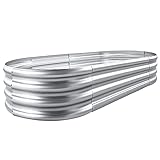
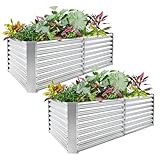
Raised beds come in wood, metal (galvanised/corten), recycled composite and fabric. Choose a width you can reach across without stepping in (about 1.2 m/4 ft for double-sided access) and a depth to suit your crops — deeper is better for root crops and poor underlying soil.
Raised beds & kits

Filling and soil
How you fill the bed decides how well it grows. See how to fill a raised bed and the best soil mix for raised beds before you buy bagged product — it can save a lot of money and disappointment.
Irrigation
Raised beds drain freely, so they dry out faster than open ground — consistent watering pays off. Rather than a separate product line, the existing drip irrigation kits & timers guide covers raised-bed drip layouts and timers.
Covers, hoops and supports
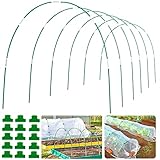
- Hoops + covers — fleece for frost, insect mesh for pests, shade cloth for heat; turn a bed into a mini season-extender.
- Supports/trellises — for climbing crops; see plant supports.
- Soil tools — a fork, trowel and rake; browse garden tools.
Covers, hoops & protection


Quick questions
What do I need to start a raised bed? A bed, a good soil mix (compost + topsoil), and reliable watering; add covers/hoops and supports as your crops need them.
Related guides
- How to fill a raised bed · best soil for raised beds
- Drip irrigation · garden tools · supports
- raised bed kits
- metal raised beds
Building or Buying a Raised Bed
A complete raised bed kit is the simplest option if you want something up and planted quickly. If you want a longer-lasting, larger structure, metal raised garden beds resist warping and rot far longer than wood, at a higher upfront cost.