Ventilation is the single most important thing many greenhouse owners get wrong. A closed greenhouse on a sunny day can climb to plant-damaging temperatures within minutes, and stagnant, humid air is what fungal diseases love. Good ventilation controls heat, moves humidity out and keeps air moving — here’s how to get it right through the year.
Why ventilation matters so much
- Heat — greenhouses trap solar heat efficiently; without venting, temperatures spike and cook plants.
- Humidity — transpiration and watering raise humidity; trapped moist air encourages downy mildew, botrytis and other diseases.
- Airflow — moving air strengthens stems, dries foliage and improves pollination.
- CO₂ — fresh air replenishes the carbon dioxide plants use in photosynthesis.
Roof vents, side vents and the chimney effect
The most effective natural ventilation uses roof vents plus low side vents or louvres: hot air rises and escapes through the roof while cooler air is drawn in low down, creating a continuous “chimney” flow. Aim for as much vent area as your structure allows — many greenhouses are under-vented as sold, and adding an extra louvre vent makes a real difference.
Automatic vent openers
Non-electric automatic vent openers use a wax-filled cylinder that expands with heat to push a vent open, then closes as it cools. They’re inexpensive and invaluable — they vent the greenhouse while you’re at work and prevent the classic sunny-day overheating disaster.
Fans and forced airflow
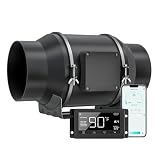
A small circulation fan keeps air moving even when vents are closed (important in cool, still, humid spells), and an extraction fan adds cooling in hot climates. Gentle constant airflow does more to prevent disease than occasional big vents.
Shading to reduce heat load
In high summer, ventilation alone may not be enough. Shade cloth or shade paint cuts the incoming heat so vents can cope, and protects plants from scorch — see protecting plants from heat and sun.
Seasonal humidity control
- Summer — maximise venting; damp floors (“damping down”) can cool the air but watch overall humidity.
- Winter — the hard case: you want warmth but trapped moist air breeds disease. Ventilate a little on milder days, avoid overwatering, and keep a circulation fan running.
Common mistakes
- Relying on the door alone — it doesn’t create through-flow.
- Too few vents for the greenhouse volume.
- Closing everything tight in winter, trapping disease-promoting humidity.
- No automatic opener, so the greenhouse overheats on workdays.
Quick questions
How much ventilation does a greenhouse need? As much as you can give it in summer — roof vents plus side/louvre vents, ideally with an automatic opener; many greenhouses are under-vented as supplied.
Should I ventilate in winter? Yes, a little on milder days, plus a circulation fan — trapped humid air causes more winter losses than cold does.
Related guides
- Choosing a greenhouse · shade cloth · heat & sun protection
- Botrytis · downy mildew
- greenhouse growing
- cooling a greenhouse
- ventilation fans