
Aphids are among the most common plant pests – tiny sap-sucking insects that cluster on soft new growth, buds and the undersides of leaves. A few rarely matter, but colonies distort growth, spread plant viruses and coat leaves in sticky honeydew that turns black with sooty mould. The good news is that aphids are soft-bodied and easy to control with simple, low-toxicity methods. This guide covers how to identify, prevent and treat them.
As an Amazon Associate GrowPlants earns from qualifying purchases. We recommend product types that genuinely suit the plant; prices and availability are set by Amazon.
Quick identification
Clusters of small (1–3 mm) green, black, grey, pink or white soft-bodied insects on new shoots, buds and leaf undersides. Often with sticky honeydew, ants “farming” them, and curled or distorted new leaves.
Damage & commonly affected plants
Distorted, curled new growth; weakened plants; sticky honeydew and black sooty mould; virus spread. Very common on roses, fruit trees, citrus, vegetables (beans, brassicas, tomatoes), and soft-stemmed ornamentals and houseplants.
Why aphids appear
They love soft, lush growth – often after heavy nitrogen feeding – and warm, sheltered conditions. Ants protect them for their honeydew, and a shortage of natural predators lets colonies explode.
Prevention
- Avoid over-feeding with high-nitrogen fertilizer, which drives soft aphid-friendly growth.
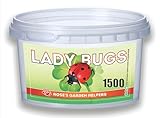
- Encourage predators – ladybirds (ladybugs), lacewings and hoverflies devour aphids.
- Inspect new growth regularly and squash small outbreaks early.
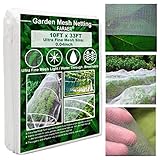
- Use insect netting or covers on vulnerable crops.
Treatment options (low-toxicity first)
Physical
Blast colonies off with a jet of water, or wipe/squash them by hand – often enough on houseplants and small outbreaks.


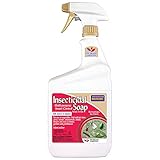
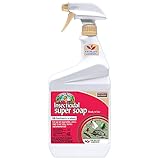
Insecticidal soap
Contact spray that works on soft-bodied aphids with low toxicity to people and pets. Cover leaf undersides; repeat as the label directs.

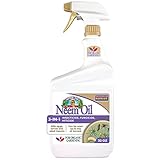
Neem & horticultural oils
Plant-derived oils that smother and deter aphids. Apply out of hot sun to avoid leaf burn, and follow the product label.


Biological controls
Release or attract ladybirds and lacewings; they clear aphids naturally, especially in greenhouses.


Common mistakes
- Reaching for a strong spray first – physical removal and soap usually handle aphids.
- Spraying only the tops of leaves; aphids hide underneath.
- Killing the ladybirds and lacewings that would control them.
- Over-feeding nitrogen, which fuels the next outbreak.
FAQ
How do I get rid of aphids naturally? Hose or wipe them off, spray insecticidal soap or neem on leaf undersides, and encourage ladybirds and lacewings.
What is the sticky stuff on my leaves? Honeydew excreted by aphids; it often grows black sooty mould. Clearing the aphids stops it.
Why do ants appear with aphids? Ants feed on aphid honeydew and protect the colony from predators – controlling ants helps control aphids.
Are aphids harmful to plants? In numbers, yes – they distort growth, weaken plants and can spread viruses.
Final guidance
Start gentle: knock aphids off with water or wipe them away, step up to insecticidal soap or neem on leaf undersides if needed, and protect the predators that keep them in check. Ease off high-nitrogen feeding, and always follow product labels rather than guessing rates.
As an Amazon Associate GrowPlants earns from qualifying purchases. GrowPlants does not sell these products.
See also: fungus gnat control · choosing a plant sprayer · sticky traps & monitoring · all plant pests & protection.