
Orchids are light feeders. In the wild they get dilute nutrients from rain and debris, so the golden rule is “weakly, weekly”: a diluted balanced fertilizer during active growth, with regular plain-water flushes to stop fertilizer salts building up in the mix. This guide covers the fertilizer types worth using, why urea-free matters for orchids, and a simple feeding schedule.
As an Amazon Associate GrowPlants earns from qualifying purchases. We recommend product types that genuinely suit the plant; prices and availability are set by Amazon.
Quick recommendations
- Best all-rounder: a balanced, urea-free orchid fertilizer
- Best for encouraging blooms: a higher-phosphorus “bloom booster” (used sparingly)
- Best gentle option: an organic orchid fertilizer
- Best low-effort: a slow-release orchid feed
How we chose
We looked at nutrient balance (NPK), whether the formula is urea-free (orchid roots use urea nitrogen poorly without the soil microbes that soil plants rely on), purity and salt content, ease of dosing, and value. We do not fabricate lab tests or product claims.
Recommended fertilizer types
Balanced, urea-free
A balanced formula (roughly equal N-P-K) that is urea-free is the safest all-round choice for orchids in bark or moss. Feed diluted during active growth.


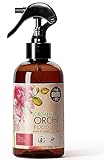
Bloom booster (higher phosphorus)
Higher-P formulas are marketed to trigger flowering. They can help going into the bloom season, but a balanced feed year-round works for most growers; don’t overdo it.


Organic orchid fertilizer
Gentler, slower-acting options for growers who prefer organic inputs. Follow the label; organic feeds can vary in strength.


Slow-release
Coated pellets that release nutrients gradually — convenient, but harder to flush if salts build up, so use with a light hand.


Fertilizer types at a glance
| Type | When to use | Dosing | Watch out for |
|---|---|---|---|
| Balanced urea-free | Year-round growth | Diluted, weekly | Little — safest default |
| Bloom booster | Approaching bloom | Sparingly | Overuse; salt buildup |
| Organic | Gentle feeding | Per label | Variable strength/odour |
| Slow-release | Low-effort | Few months | Hard to flush salts |
A simple feeding schedule
- Dilute: mix to about a quarter to half the label strength.
- Feed during growth: roughly weekly while the orchid is actively growing; less in winter or rest.
- Flush monthly: water with plain water to rinse out accumulated fertilizer salts.
- Never feed bone-dry roots: water first, then feed, to avoid root burn.
Common mistakes
- Over-fertilizing — more is not better; it burns roots and builds up salts.
- Feeding dry roots instead of watering first.
- Skipping the plain-water flush.
- Using strong urea-heavy lawn/general feeds not suited to orchids.
FAQ
How often should I fertilize orchids? “Weakly, weekly” — a diluted feed about once a week during active growth, less in winter, with a monthly plain-water flush.
What NPK is best for orchids? A balanced, urea-free formula suits most orchids year-round; a higher-phosphorus feed can be used sparingly going into bloom.
Why urea-free? Orchid roots use urea nitrogen poorly without the soil microbes that convert it, so urea-free formulas deliver nitrogen the plant can actually take up.
Should I fertilize in winter? Feed less (or pause) when growth slows in cooler months, then resume as active growth returns.
Final recommendation
Keep it simple: a balanced, urea-free orchid fertilizer, diluted and applied “weakly, weekly,” with a monthly flush, will suit almost every orchid. Add a bloom booster sparingly as flowering approaches if you want to push blooms — but don’t overfeed.
As an Amazon Associate GrowPlants earns from qualifying purchases. GrowPlants does not sell these products.
See also: orchid potting mix & bark · all orchid supplies.