

Plant Profile & Key Characteristics
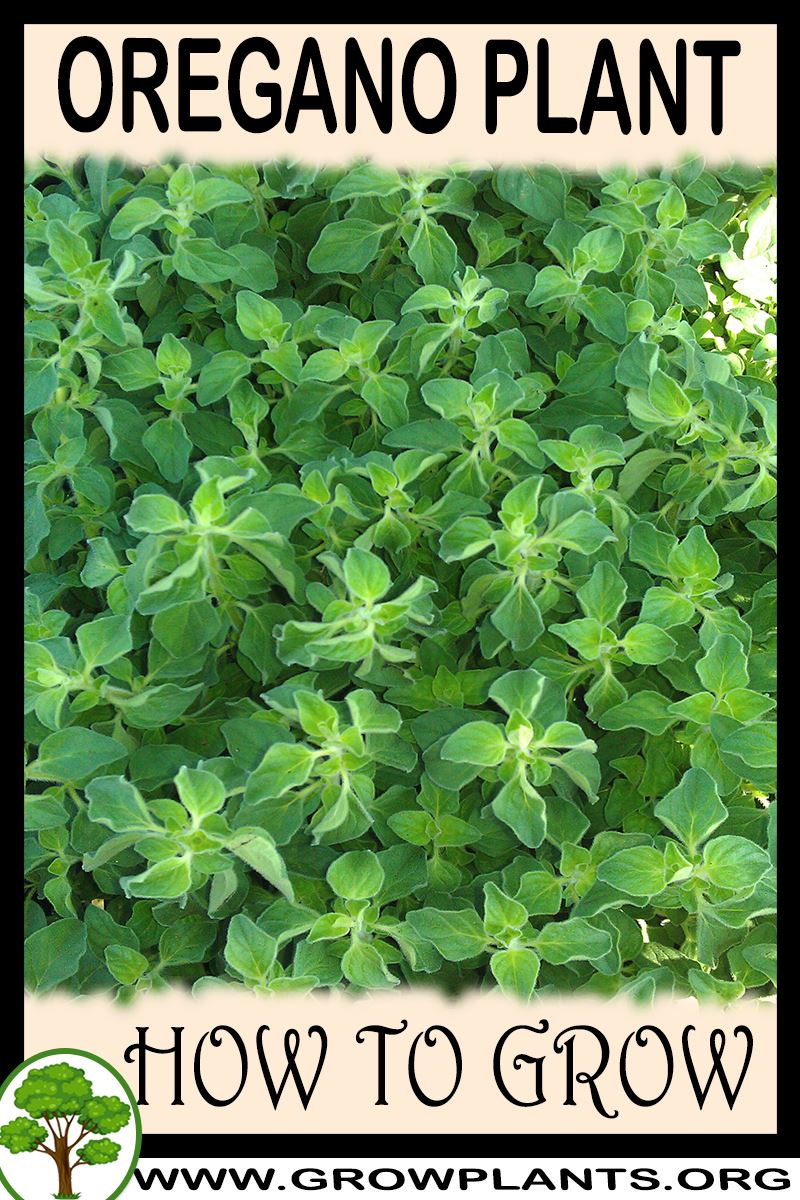
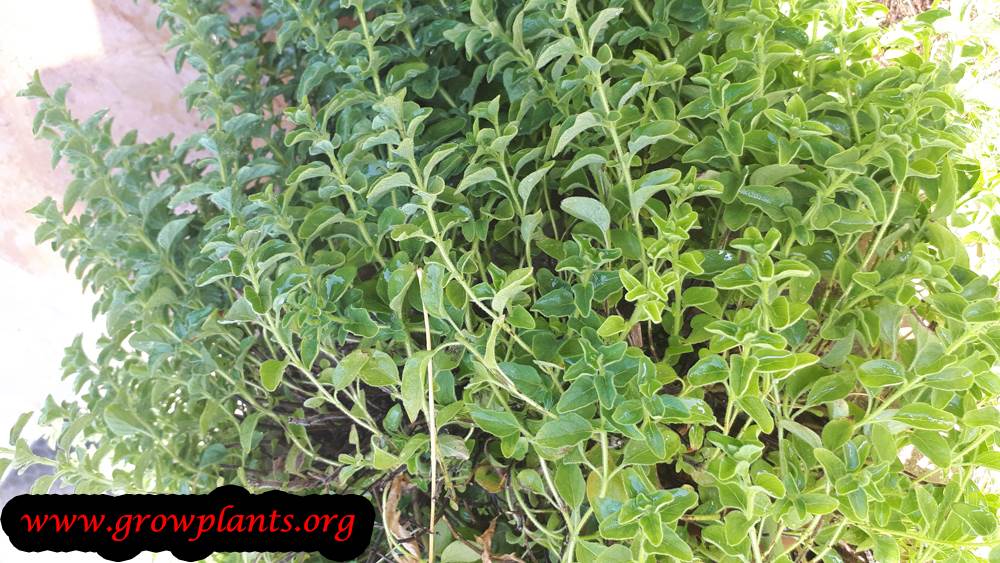
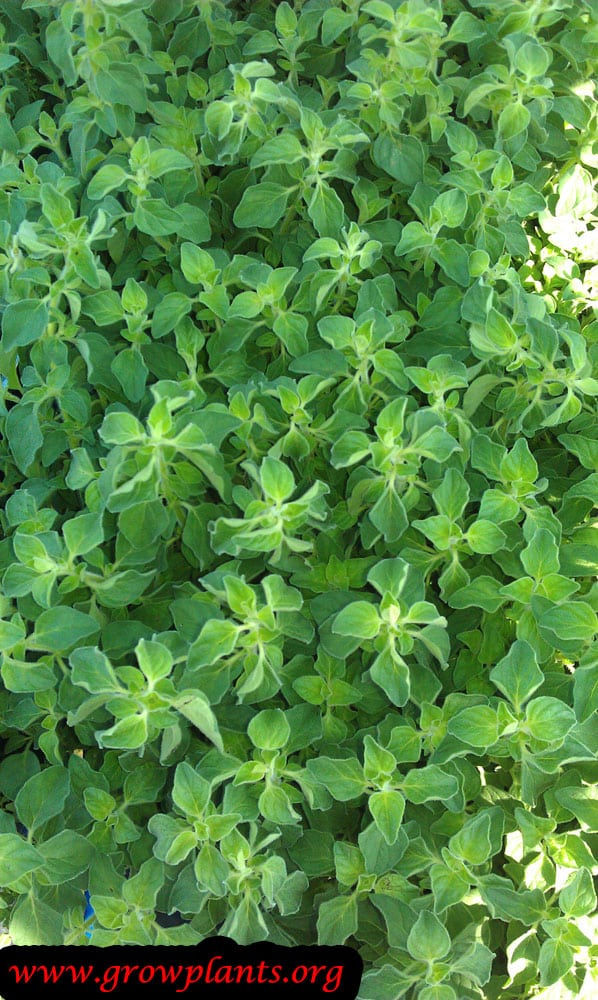
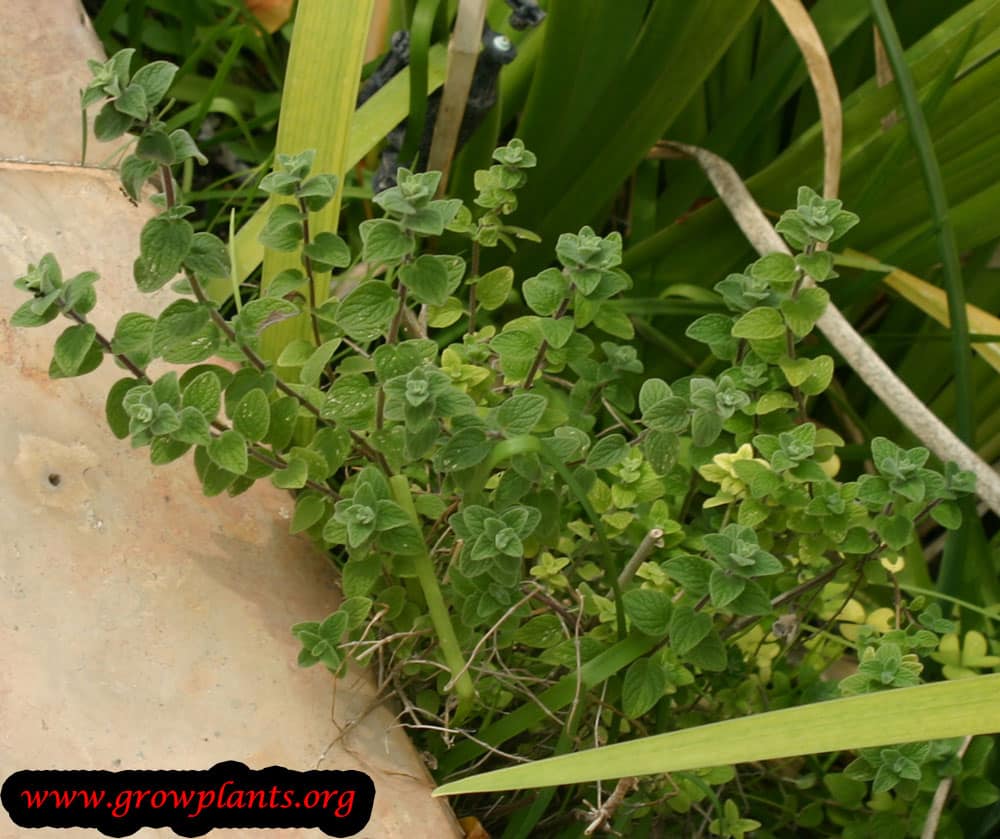
Overview: Oregano (Origanum vulgare, wild marjoram) is an aromatic, low-growing perennial herb 20-60 cm tall, evergreen in mild climates and grown as an annual where winters are cold. It is prized for its edible, pungent leaves and is also used as a fragrant groundcover.
Quick Specifications
| Specification | Attribute |
|---|---|
| Plant Type / Life Cycle | Perennial (evergreen; grown as annual in cold climates) |
| Foliage Type | Evergreen (semi-evergreen in cold climates) |
| Mature Size | 20-60 cm (8-24 in) |
| Growth Rate | Moderate |
| Root System | Fibrous |
| Toxicity | Non-toxic / edible (culinary herb) |
| Hardiness | USDA zones 4-11 |
Growth Form & Structure
- Height & Spread: 20-60 cm (8-24 in); not an indoor plant but grows well in pots.
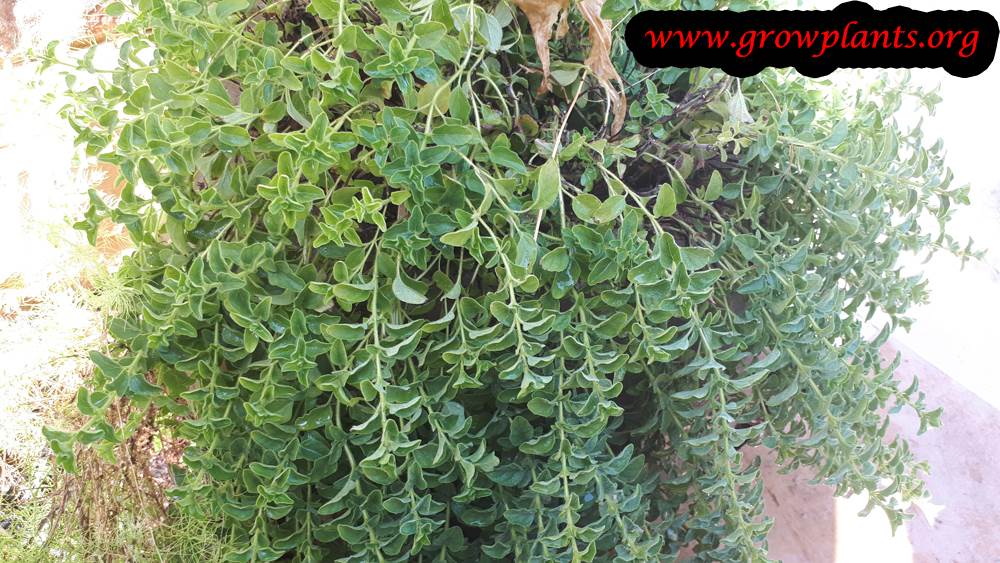
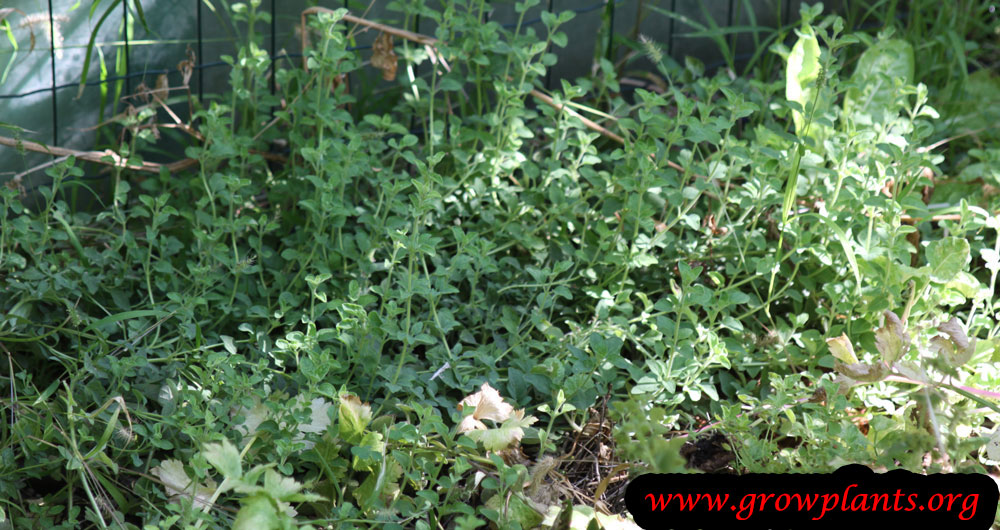
- Growth Habit & Form: Spreading, mat-forming aromatic subshrub.
- Lifespan & Maturity: Long-lived hardy perennial.
Anatomy & Physical Features
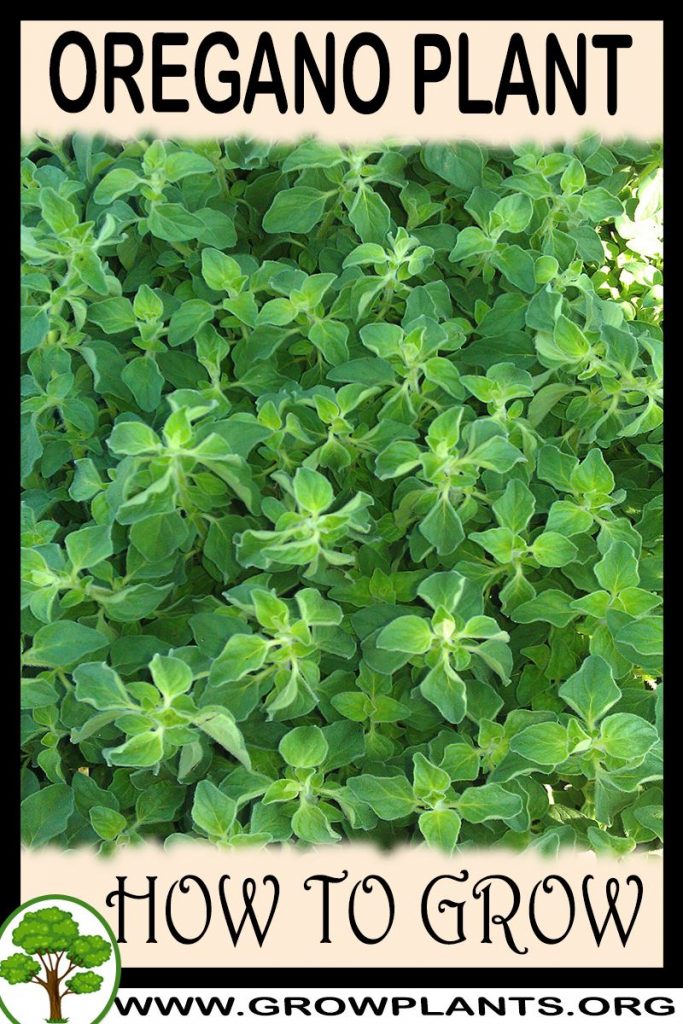
- Leaves & Foliage: Hairy 1-3 cm leaves, mostly green but sometimes variegated with grey or yellow.
- Flower Characteristics: Small purple flowers in spikes, with edible green buds (full detail in the Bloom guide).
Primary Uses & Landscape Value
- Edible Uses: Leaves used fresh or dried as the classic herb, in spices and spreads.
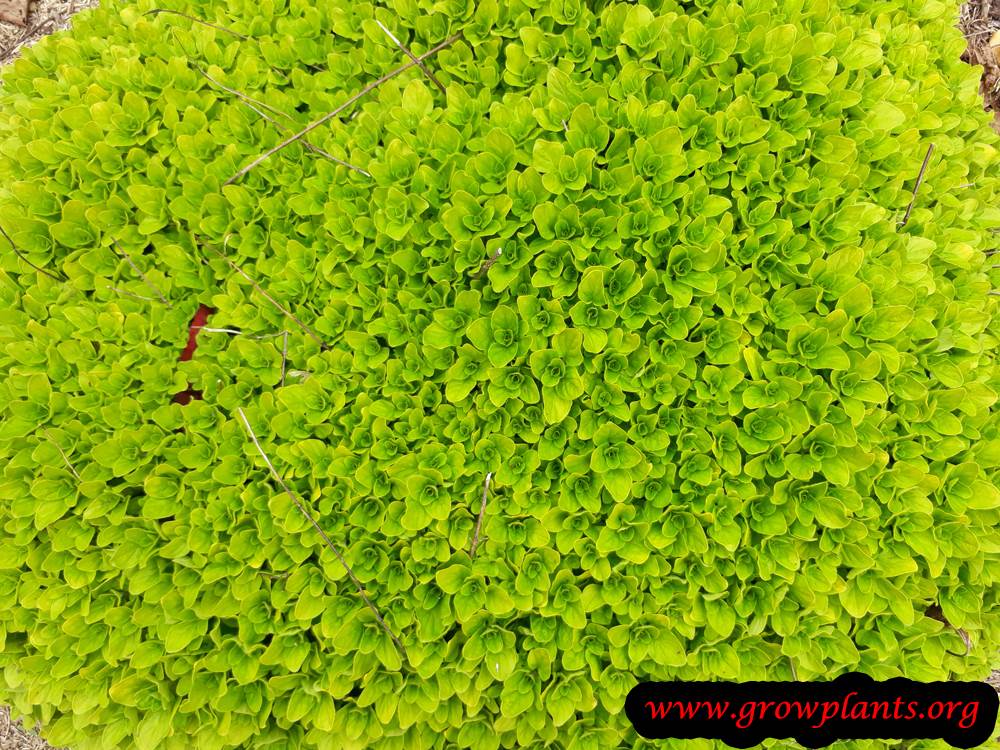
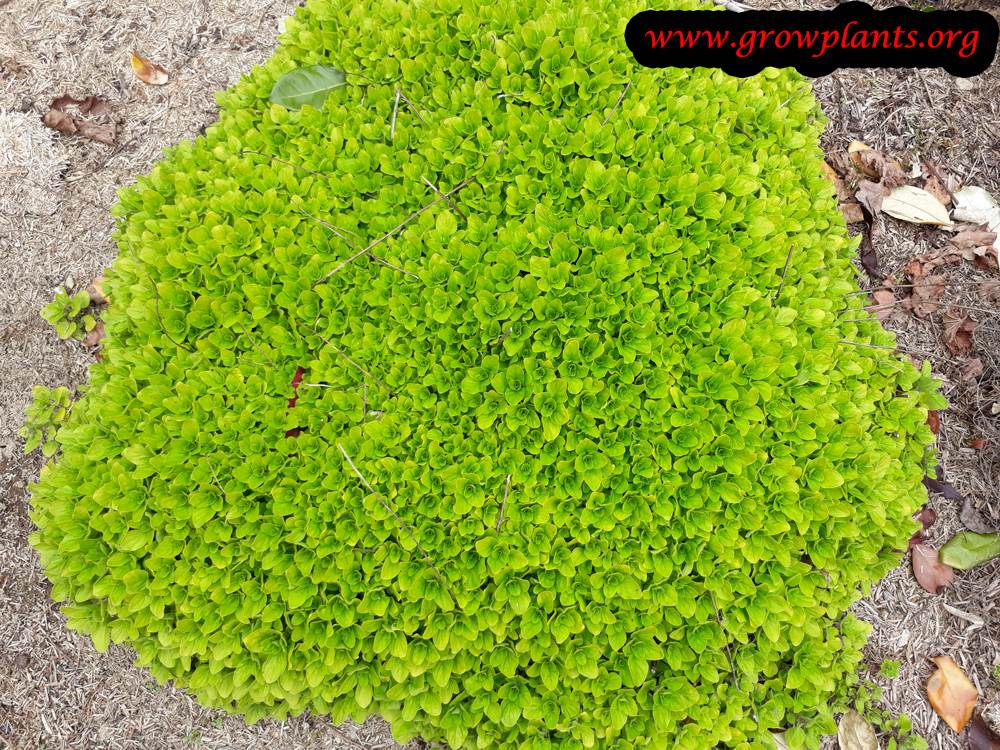
- Functional & Ornamental Roles: Culinary herb, aromatic groundcover and ornamental (including coloured-leaf forms).
Care Guide: Planting, Soil & Watering
Overview: Oregano (Origanum vulgare, Wild marjoram) is a Mediterranean herb that loves full sun, warmth and light, sharply well-draining soil. It is sensitive to excess moisture and to water sitting on its leaves, so keep it on the drier side and water at the base.
Quick Care Requirements
| Requirement | Ideal Condition |
|---|---|
| Planting Season | Spring through autumn in the warm season; year-round in frost-free climates |
| Growth Rate | Moderate |
| Soil Type | Light, lean, well-draining soil – dislikes heavy, soggy ground |
| Water Need | Moderate – let the top of the soil dry between waterings |
Planting & Establishment
- Best Planting Season: Plant in the warm season – spring after the last frost through summer and autumn; in warm, frost-free climates it can be planted almost year-round.
- How to Plant:
- Hole Preparation: Dig a hole a little larger than the root ball so the roots have loose soil to spread into. If the plant has long stems, one can be bent down and covered with soil to root and spread it.
- Soil Amendments: Mix a little compost or organic matter into the backfill, but keep the overall blend light and free-draining rather than rich and moisture-holding.
- Planting Depth: Set the crown at soil level – do not bury the stem base, as a buried, damp crown is prone to rot in this moisture-sensitive plant.
- Growth Speed & Expectations: Growth is moderate; regular light harvesting of the tips keeps the plant bushy and productive.
Soil, Watering & Drainage Care
- Soil Mix & Drainage Needs: Use a light, gritty, sharply draining mix; in containers choose a free-draining, well-ventilated potting mix and make sure the pot drains freely. Good drainage is essential to prevent root rot.
- Watering Schedule & Technique:
- Young / Newly Planted: Keep the soil lightly moist (not wet) while the plant establishes its roots, watering with a moderate amount of water.
- Established: Once established it is fairly drought-tolerant: water deeply, then let the top of the soil dry out before watering again.
- Seasonal Adjustments: Cut back watering in winter and during cool, wet spells; give a little more in summer heat. Always water the soil, never the foliage.
Climate, Light & Hardiness
Oregano is a sun-loving Mediterranean and temperate perennial, evergreen where winters are mild but dying back to treat as an annual in colder climates; the site lists it across USDA zone 4–11. It wants full sun to half shade and dry, well-drained conditions rather than humid or wet foliage.
Quick Climate Specifications
| Climate Zones | Mediterranean, temperate |
|---|---|
| USDA Hardiness Zones | 4–11 |
| Frost Tolerance | Moderate |
| Light Conditions | Full sun to half shade |
Sunlight & Light Exposure
Optimal Light Setup
Full sun produces the most flavorful, compact growth; half shade is tolerated but growth is looser.
Temperature Extremes & Hardiness
USDA Hardiness & Regional Limits
Perennial and evergreen in mild-winter parts of its zone 4–11 range; in the coldest zones it behaves as an annual or dies back hard and regrows from the roots.
Cold Damage & Winter Protection
Cold, wet winter soil is more damaging than cold air alone - sharp drainage through winter improves survival at the cold end of its range.
Wind, Humidity & Microclimate
Humidity Preferences
Prefers dry air and dry foliage; it is explicitly sensitive to moisture sitting on the leaves, which favors disease.
Microclimate Recommendations
Choose open, well-ventilated spots that dry quickly after rain or irrigation rather than damp, sheltered corners.
Growing in Pots, Balconies & Indoors
Oregano (Origanum vulgare) is a hardy, aromatic culinary herb. The grower does not rate it as a houseplant, but it is a classic kitchen-windowsill herb – on a bright, sunny sill, balcony or patio it grows well in a pot.
Quick Details
- Container Size: Start small and pot up as it grows; each pot 200-400% larger than the root ball (grower’s method)
- Indoor Suitability: Not a deep-indoor houseplant, but excellent on a bright, sunny windowsill
- Best Spot: Full sun to part shade
- Soil & Drainage: Well-drained, well-aerated mix; it dislikes staying wet
- Watering in Pots: Water moderately; let the surface dry between waterings – it is sensitive to too much moisture
Indoors & On the Windowsill
- Houseplant limits: The grower marks it as not a houseplant – indoors it needs direct light, so keep it to the sunniest sill rather than a room interior.
- Windowsill growing: A reliable kitchen-sill herb; give it the sunniest window, keep it on the dry side, and pinch often for bushy growth.
- Overwintering: Fairly hardy, but in the coldest areas a pot can be kept on a bright sill; where it is grown as an annual, simply resow.
On a Balcony or Patio
- Light, wind & heat: It is happy on a balcony or patio in good light. Pots dry quickly because walls and paving reflect heat, so check them often in warm spells; shelter tall stems from wind and mind the pot weight and drainage runoff.
- Practicalities: It loves a warm, sunny, well-drained spot and forgives fast-drying pots; avoid overwatering.
Choosing the Pot, Soil & Long-Term Care
- Pot & drainage: Well-drained, well-aerated mix in a pot with good holes; empty any standing saucer so the roots never sit in water and rot.
- Pot material: Terracotta breathes and dries quickly (handy for sun-loving Mediterranean plants); glazed or plastic pots hold moisture longer.
- Potting mix: Well-aerated, free-draining mix – a good potting mix, or peat/coir blended with perlite or vermiculite and some organic matter.
- Feeding: Potted plants use up nutrients faster because watering leaches them out, so feed a little more often than plants in open ground – lightly.
Grower’s Container Tip
- Start small, pot up, then root-prune: The grower starts in a small pot and moves up in stages, each container 200-400% larger than the root ball. Once it reaches the size you want, he switches the soil every two years and, when it outgrows the pot, prunes the roots and the leaves and lets it regrow.
Fertilizing & Feeding
A light feeder: this classic culinary herb, grown for its fragrant edible leaves and sometimes colorful variegated forms, is a poor competitor with weeds but is otherwise undemanding, and lean feeding keeps flavor concentrated and growth manageable.
Quick Fertilizing Specs
| Feeding Level | Light feeder |
|---|---|
| Main Nutrient Priority | A balanced complete fertilizer used sparingly to support foliage without diluting flavor |
| Best Feeding Period | During the active growing season |
| Organic Options | Compost or organic matter worked into well-drained soil |
| Reduce/Stop Feeding | Feeding eases off as growth slows going into the cooler part of the year |
| Micronutrients | Usually adequate from a complete fertilizer and organic matter in well-drained soil |
| Soil pH | Tolerates a wide range of well-drained soil |
Feeding by Growth Stage
Establishment after planting
Help newly planted oregano establish roots and outcompete weeds, since this herb does not compete well once crowded.
| Nutrient direction | A balanced fertilizer plus organic matter supports steady root establishment and early vigor. |
|---|---|
| Timing | At planting, during the active growing season. |
| Frequency | A light feeding at planting is usually enough while roots establish. |
| Fertilizer types | A balanced complete fertilizer, Organic matter worked into the planting hole |
| Precautions | Keep the planting area free of weeds early on, since this herb struggles when crowded by more competitive plants. |
Active growth and leaf harvest
Support steady, flavorful leaf production for ongoing culinary harvest, including any variegated or colored-leaf forms.
| Nutrient direction | Light, balanced feeding keeps growth productive without pushing overly lush leaves that can dilute flavor or, in variegated forms, favor plain green growth. |
|---|---|
| Timing | Through the active growing season while harvesting leaves. |
| Frequency | Feed sparingly through the growing season; this undemanding herb rarely needs more. |
| Fertilizer types | A balanced complete fertilizer at a light rate, Compost or organic matter as a top-dressing |
| Precautions | In containers, refresh the potting soil periodically rather than relying on feeding alone to sustain long-term growth. |
Nutrient Deficiency Signs & Corrections
Leaves are smaller and paler than expected and new growth is sparse.
| Possible causes | low available soil nitrogen, leaching from watering, competition from weeds or crowding plants |
|---|---|
| Appears first on | older, lower leaves |
| What to check | recent feeding history, weed pressure and crowding, soil organic matter content |
| Possible correction | Apply a balanced fertilizer at a light rate and clear competing weeds. |
Interveinal yellowing appears on older leaves while the veins stay green.
| Possible causes | low soil magnesium, leaching from regular watering, an imbalance from heavier nitrogen feeding |
|---|---|
| Appears first on | older, lower leaves |
| What to check | soil magnesium status, soil drainage, recent fertilizer balance |
| Possible correction | Apply a labeled magnesium source and keep overall feeding light and balanced. |
Leaf margins brown or scorch despite regular watering.
| Possible causes | fertilizer salt buildup, especially in an aging container mix, under-watering that concentrates salts, feeding more heavily than this light feeder needs |
|---|---|
| Appears first on | leaf margins and tips |
| What to check | recent fertilizer amounts, watering consistency, container soil age and drainage |
| Possible correction | Ease off feeding, water thoroughly to flush salts, then resume lighter feeding or refresh the potting soil. |
Pruning, Training & Seasonal Maintenance
Common oregano is a low, spreading, herbaceous-based groundcover that tolerates being cut back hard and reliably resprouts from its crown and self-layering stems, so pruning is used both to keep it productive for harvest and to stop it sprawling and self-seeding. The main structural cutback comes in autumn to winter, once the growing season is over, while flowering stems are best cut through summer, before or as they bloom, to keep leaf production going. This is a much more forgiving plant to prune hard than the woody lavenders or Za’atar in this batch.
Quick Pruning & Maintenance Specs
| Pruning Tolerance | High – resprouts readily from a hard cutback |
| Primary Pruning Window | Autumn to winter (main cutback) |
| Secondary Maintenance Window | Summer, cutting blooming stems as they appear |
| Typical Frequency | One seasonal cutback plus ongoing summer deadheading/harvest |
| Main Objective | Prevent woody, sprawling growth and keep leaf quality high for harvest |
| Young Plant Priority | Light pinching to encourage a dense, spreading mat rather than tall, leggy stems |
| Mature Plant Priority | Seasonal cutback to stop the clump becoming congested and woody at the base |
| Best Tool Type | Precision snips (soft, non-woody stems) |
| Avoid Heavy Pruning During | The height of summer heat/drought stress |
Pruning by Plant Age & Size
Newly Established
Pinch tips lightly rather than cutting back hard, to encourage the young plant to spread and fill in as a groundcover.
Young / Formative
No formal training system – encourage low, mat-forming growth; the plant’s own tendency to root where stems touch the soil (self-layering) can be used deliberately to fill bare patches faster.
Mature / Established
Cut the whole clump back in autumn/winter to prevent the base becoming congested and semi-woody, and remove or harvest flowering stems through summer to keep leaf production going instead of seed production.
Seasonal Pruning Schedule
Dormant/Winter
Objective: reset the clump before spring regrowth. Remove: old, spent stems and any dieback. Do not remove: the crown itself. Expected response: vigorous fresh regrowth in spring – this species resprouts readily even from a hard cutback. Flowering/fruiting impact: none, since flowering happens later in the following season’s new growth.
Summer Canopy Management
Objective: keep leaves tender and productive rather than letting the plant bolt to flower and seed. Remove: blooming stems as they start to flower. Do not remove: all the foliage at once in hot weather, which can stress the plant. Expected response: continued fresh leaf growth. Flowering/fruiting impact: cutting flowering stems reduces self-seeding, which matters since oregano can spread aggressively from seed as well as by rooting stems.
Structural Pruning & Training
No formal framework training applies to a groundcover herb; the relevant structural task is renewal – an autumn/winter cutback keeps the clump from becoming a congested, semi-woody mat over a few years, and dividing an old, overcrowded clump every few years serves the same renewal purpose.
Special Growth to Remove
- Spent flowering stems, cut through summer to redirect energy back to leaf production.
- Stems that have self-layered and rooted where they are not wanted, since this species spreads readily this way.
- Old, woody-based stems at the base once the clump has become congested after a few seasons.
Container & Small-Space Pruning
In a container, this plant’s spreading, self-layering habit needs more frequent trimming to stay within bounds than it would in the ground; an annual root and top prune when repotting (as its own care notes recommend) keeps a potted plant from outgrowing its container and becoming woody.
Tools
Precision snips for both the summer flowering-stem removal and the autumn/winter cutback – stems stay soft and non-woody, so no heavier tool is needed.
Tool Hygiene & Disease Risk
Routine: clean, sharp snips are sufficient; this species has no notable pruning-transmitted disease, though its own data flags general sensitivity to moisture and water sitting on the leaves, so avoid pruning right before or during wet weather.
Cut Placement & Technique
Cut flowering stems just above a leaf pair to encourage branching; for the seasonal cutback, shear the clump down close to the crown – this species tolerates a much lower cut than the woody herbs in this batch.
Heavy Pruning & Rejuvenation
Tolerated and, in fact, useful: a hard autumn/winter cutback close to the crown is the normal way to keep this species from becoming a congested, semi-woody mat, and it reliably resprouts the following season. This is the opposite situation from lavender or Za’atar – hard renewal here is standard practice, not a risk.
Post-Pruning Care
Water normally after the seasonal cutback; avoid over-fertilizing, since lush over-fed growth is more prone to flopping and disease in this species. Watch for weeds moving into the gap right after a hard cutback, since oregano itself is noted as a poor competitor against weeds.
Common Pruning Mistakes
- Never cutting the clump back, letting it become congested, woody at the base, and self-seed excessively.
- Pruning during hot, dry summer stress rather than in cooler autumn/winter conditions.
- Letting flowering stems run to full bloom and seed instead of cutting them back for leaf quality.
When NOT to Prune
Avoid a hard cutback during summer heat or drought stress; avoid pruning in wet conditions given this species’ own noted sensitivity to moisture on the foliage.
Recommended Tools (by task)
- precision_snips – all routine cuts, from summer flower-stem removal to the seasonal cutback, since stems stay soft and non-woody.
Propagation Guide
Oregano grows readily from seed, and the site notes vegetative propagation is not required, though bending a stem into the soil until it roots is an easy, reliable way to produce an exact duplicate of a favourite plant. Seed suits raising larger numbers economically; layering suits preserving a specific plant. Overall this is an easy herb to propagate either way.
Quick Propagation Specs
| Best Propagation Method | Seed |
| Alternative Methods | Simple/ground layering (bending a stem into the soil) |
| Propagation Difficulty | Easy |
| Seed True-to-Type | Usually true-to-type (species; variegated leaf forms should be propagated vegetatively) |
| Vegetative True-to-Type | Yes |
| Best Propagation Season | Spring for seed; spring, or autumn in warmer climates, for layering |
| Seed Germination Time | 2–8 weeks |
| Air-Layering Rooting Time | 2–5 weeks |
| Germination Temperature | 20–26°C (68–79°F) |
| Seed Sowing Depth | 2–3 mm |
| Grafting Required | No |
Growing from Seed
Seed Handling & Viability
Store saved seed in a cool, dry location until sowing.
Sowing Season
Spring after the last frost through summer in hardiness zone 5-9; spring to autumn in zone 10a; autumn to spring in zone 10b. In hardiness zone 10b-11, growth is possible year-round, though summer is less favorable.
Sowing Depth & Orientation
Very shallow – about 2–3 mm deep.
Germination Conditions
Sow at 20–26°C (68–79°F); indoor sowing is fine. Keep the soil moist but do not overwater.
Germination Time
About 2–8 weeks.
Seedling Care
Keep lightly moist with medium humidity. Once seedlings have around 10 true leaves, space or transplant them at roughly 4×5 cm (1.4×2 in) before moving them into larger pots.
Air & Ground Layering
Bend a lower, flexible stem to the ground and cover part of it with soil; nicking or lightly breaking the stem where it’s buried can help it root. Do this in spring, or in autumn in warmer climates, and keep the covered section moist. Roots typically form within about 2–5 weeks, after which the new plant can be severed from the parent and transplanted.
Bloom & Edible Flower Guide
Quick Details
- Bloom Season: Summer, occasionally into autumn
- Time to First Bloom: In summer; established plants flower reliably, seed-grown plants often in their second year
- Flower Appearance: Tiny purple-pink flowers in clustered spikes held above the foliage
- Edibility: The flowers are edible and carry the same aroma as the leaves
Detailed Blooming Overview
Oregano flowers in summer, lifting clusters of tiny purple-pink blooms on wiry stems above the foliage. The flowers are edible and share the plant’s warm, savory scent, making a fine garnish – but because flowering can make the leaves coarser, growers who want the best foliage often pinch the flower stems back. When left to bloom, the flowers are a real draw for bees and flies.
Flower Characteristics
- Tiny purple-pink (sometimes white) flowers gathered in clustered spikes.
- Held above the leaves on slender stems.
- Edible, with the familiar oregano aroma; pretty scattered over food.
Bloom Care & Thinning
- Managing the bloom: Pinch out the flower stems to keep the leaves tender and full-flavored; leave some to bloom for pollinators.
- Pollination: Pollinated by bees and flies.
Fruit & Uses
Oregano’s leaves are the classic Mediterranean seasoning, eaten fresh (milder) or dried (more pungent) in countless savory dishes, and the young flower buds are edible as well. No cooking is required for the herb itself; it is simply used as a raw or dried seasoning.
Quick Edible Specs
| Edible Parts | Leaves, Flower buds |
|---|---|
| Main Use(s) | Culinary herb / spice – pizza, pasta sauces, meats, vinegars and oils |
| Eaten Raw or Cooked | Raw (fresh) or dried; used as a seasoning rather than cooked on its own |
| Preparation Required | None for fresh use; dry for the classic pantry herb |
| Harvest Season | All year, cut-and-come-again once established |
| Time to First Harvest | Once the plant is established, qualitatively |
| Storage | Fresh for a few days, or dried and stored airtight for long-term pantry use |
| Safety/Toxicity Caveat | No toxicity noted; a widely eaten culinary herb, though dried oregano is much more concentrated than fresh so less is needed |
Leaves & Greens
Leaves are hairy, green (sometimes variegated with gray or yellow), 1–3cm, with a smaller, thicker winter form. Used fresh they are milder; dried, they become the strongly flavored oregano familiar from pizza and pasta sauces, roasted meats, and infused oils and vinegars. Harvest by cutting stems once the plant is established (see Pruning for how cutting back blooming stems affects leaf production).
Flowers & Flower Buds
The green buds are also edible, best picked young before the small purple flowers open, and can be used the same way as the leaves, though the leaves are the main harvest.
Preparation, Uses & Safety
To dry oregano for storage, the site’s own guidance is to dry it in the sun, though a food dehydrator can also be used. Store the dried herb in an airtight container out of light. Because dried oregano is far more concentrated than fresh, use noticeably less of it in recipes. No specific safety concerns are reported at normal culinary quantities.
Pests, Diseases & Troubleshooting
Overview: Oregano is an aromatic Mediterranean herb whose pungent oils make it naturally resistant to most pests; its real weaknesses are fungal rots brought on by wet soil, humid stagnant air and water sitting on the foliage. Grow it hard and lean in full sun with sharp drainage and airflow, water at the base, and you will rarely need to spray at all.
Quick Troubleshooting Overview
| Issue / Pest | Main Symptom | Primary Solution |
|---|---|---|
| Aphids | Curled shoot tips, sticky honeydew, sooty mould | Water jet, insecticidal soap, encourage ladybirds |
| Spider mites | Fine pale stippling and webbing in hot, dry spots | Raise humidity, rinse foliage, neem/soap |
| Leafhoppers | White stippling and hopping insects on leaves | Reflective mulch, soap spray if severe |
| Root & stem rot | Wilting, blackened base, plant collapse | Improve drainage, water less, avoid wet crowns |
| Botrytis grey mould | Fuzzy grey mould on damp, crowded stems | Thin plants, improve airflow, remove affected parts |
| Mint rust | Orange pustules on leaf undersides | Remove infected growth, improve airflow |
Common Pests & Management
- Aphids (Aphididae):
- Symptoms: Clusters of soft green, grey or black insects on tender shoot tips and flower stalks, causing curling and stunting with sticky honeydew and sooty mould. Usually the only insect of note on oregano-type herbs.
- Prevention & Control: Dislodge with a firm spray of water, repeated as needed. Encourage ladybirds, lacewings and hoverflies. For heavier outbreaks use insecticidal soap or a light neem spray on culinary herbs, washing leaves before use and observing any harvest interval on the label.
- Spider mites (Tetranychus urticae):
- Symptoms: Very fine pale stippling that gives leaves a dusty, bronzed look, with delicate webbing on undersides in hot, dry, still air – the classic problem on indoor or greenhouse plants.
- Prevention & Control: Raise humidity and rinse the foliage regularly, as mites hate moisture on the plant even though the roots want it dry. Spray insecticidal soap or neem oil, covering leaf undersides, and repeat to catch hatchlings.
- Leafhoppers (Cicadellidae):
- Symptoms: Small wedge-shaped insects that hop or run sideways when disturbed; their feeding leaves whitish stippling and can pale the foliage. Noted in the source and plausible on Lamiaceae herbs.
- Prevention & Control: Encourage general predators and use a reflective mulch to deter them. Knock populations down with insecticidal soap directed at leaf undersides only if numbers become damaging; light infestations need no action.
- Whitefly (Trialeurodes vaporariorum):
- Symptoms: Tiny white moth-like insects that rise in a cloud when the plant is brushed, with honeydew and sooty mould building on lower leaves, mostly under cover.
- Prevention & Control: Hang yellow sticky traps to monitor and reduce adults, rinse foliage, and use insecticidal soap or neem for persistent numbers; improving ventilation greatly limits them.
Diseases & Fungal Issues
- Root and stem (crown) rot (Rhizoctonia solani / Pythium spp.):
- Symptoms: Plants wilt despite moist soil, the base darkens and softens, and whole clumps collapse – almost always the result of heavy, wet, poorly drained soil or overwatering.
- Treatment & Management: Prevent by growing in gritty, sharply drained soil or a raised bed, spacing plants for airflow, and letting the surface dry between waterings. Remove and destroy collapsed plants; do not replant herbs into the same wet spot without improving drainage first.
- Botrytis grey mould (Botrytis cinerea):
- Symptoms: Soft browning and a fuzzy grey mould on stems and leaves in cool, damp, crowded conditions, particularly on dense or over-fertilised growth.
- Treatment & Management: Improve airflow by thinning and dividing, avoid overhead watering late in the day, and clear dead material. Cut out affected growth promptly; fungicides are rarely justified on a culinary herb if culture is corrected.
- Mint / herb rust (Puccinia menthae):
- Symptoms: Small orange-to-brown powdery pustules on the undersides of leaves with yellow flecking above, occasionally seen on Lamiaceae herbs in humid conditions.
- Treatment & Management: Remove and destroy infected leaves at once, improve air circulation, and avoid wetting foliage. Cutting the plant back hard and letting clean new growth flush is the simplest cure; a sulphur fungicide is a last resort.
- Powdery mildew (Erysiphales):
- Symptoms: A white powdery coating on leaves and stems in warm days with cool humid nights and stagnant air.
- Treatment & Management: Space and prune for airflow, avoid excess nitrogen, and remove affected leaves; a potassium-bicarbonate or sulphur spray helps in stubborn cases on ornamental (golden) forms.
Growing Difficulties & Abiotic Problems
- Root rot from overwatering:
- Cause & Symptoms: The single most common way these herbs are killed: constantly moist or heavy soil suffocates the roots, the plant yellows, wilts and rots at the base.
- Correction Strategy: Plant in free-draining, even gritty soil, use pots with drainage holes, and water only when the top of the soil has dried; err always on the dry side.
- Legginess and loss of flavour:
- Cause & Symptoms: In too little light or with too much nitrogen the plant grows soft, sprawling and pale, with weak aroma and oil content.
- Correction Strategy: Give the sunniest possible position, feed sparingly, and pinch and harvest regularly to keep growth compact, dense and flavourful.
- Fungal spotting from wet foliage:
- Cause & Symptoms: Water sitting on the leaves in humid, still conditions invites leaf spots and mould, as the source notes this herb dislikes moisture on its foliage.
- Correction Strategy: Water at the base in the morning, keep foliage dry, and ensure good spacing and air movement around each plant.
- Winter cold and wet:
- Cause & Symptoms: Marjoram and dittany in particular resent cold, soggy winters and can rot or die back where oregano would survive.
- Correction Strategy: Sharpen drainage, mulch with grit rather than moisture-holding organic matter over winter, and grow tender species in pots that can be moved under cover.
What Helps – Products & Tools
Because these are edible aromatic herbs, keep interventions gentle: a water jet and hand-removal first, then insecticidal soap or neem oil for aphids, mites and whitefly, yellow sticky traps for monitoring, and – only if a fungal problem takes hold – a sulphur or potassium-bicarbonate fungicide. The best tools of all are gritty free-draining soil, full sun and airflow. Wash harvested leaves and respect label harvest intervals.
Frequently Asked Questions
Is oregano a perennial?
Yes. Oregano (Origanum vulgare) is a hardy perennial herb, evergreen where winters are mild, though in colder climates it dies back and is often grown as an annual. It’s hardy across USDA zones 4-11.
How do you grow oregano from seed?
Sow oregano seed very shallowly, about 2-3 mm deep, in spring after the last frost. Keep it at 20-26°C (68-79°F) and lightly moist but not overwatered; germination takes about 2-8 weeks. Once seedlings have around 10 true leaves, space or transplant them at roughly 4×5 cm (1.4×2 in) before moving them into larger pots.
How do you plant oregano?
Plant oregano in the warm season – spring after the last frost through summer and autumn, or almost year-round in frost-free climates. Dig a hole a little larger than the root ball, mix in a little compost while keeping the soil light and free-draining, and set the crown at soil level, since a buried, damp crown is prone to rot.
Can you grow oregano indoors?
Oregano isn’t considered a true houseplant, but it’s a classic kitchen-windowsill herb: grow it in a pot on your brightest, sunniest windowsill rather than a room interior, since it needs direct light. Use a free-draining potting mix and water moderately, letting the surface dry between waterings.
What is oregano used for?
Oregano is grown mainly as a culinary herb: its leaves are used fresh (milder) or dried (more pungent) to season pizza, pasta sauces, meats, and infused oils and vinegars. The edible flower buds, picked young before the purple flowers open, can be used the same way. It also works as an aromatic, pollinator-friendly ornamental groundcover.
What is oregano?
Oregano (Origanum vulgare) is a hardy Mediterranean culinary herb grown for its pungent, aromatic leaves, which flavor countless dishes. It’s a low-growing, spreading perennial herb 20-60 cm tall, evergreen in mild climates, that doubles as an ornamental, pollinator-friendly groundcover.
When does oregano flower?
Oregano blooms in summer, occasionally into autumn, producing tiny purple-pink flowers in clustered spikes held above the foliage. Established plants flower reliably every year, while plants grown from seed often don’t bloom until their second year. The flowers are edible and share the same aroma as the leaves.
How do you dry oregano?
Dry oregano in the sun, or use a food dehydrator, then store the dried herb in an airtight container out of the light. Dried oregano is far more concentrated than fresh, so use noticeably less of it in recipes.