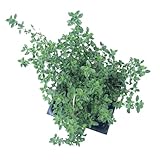


Plant Profile & Key Characteristics
Also known as: Conehead thyme, Persian-hyssop, Spanish oregano, Coridothymus capitatus, Mediterranean wild thyme
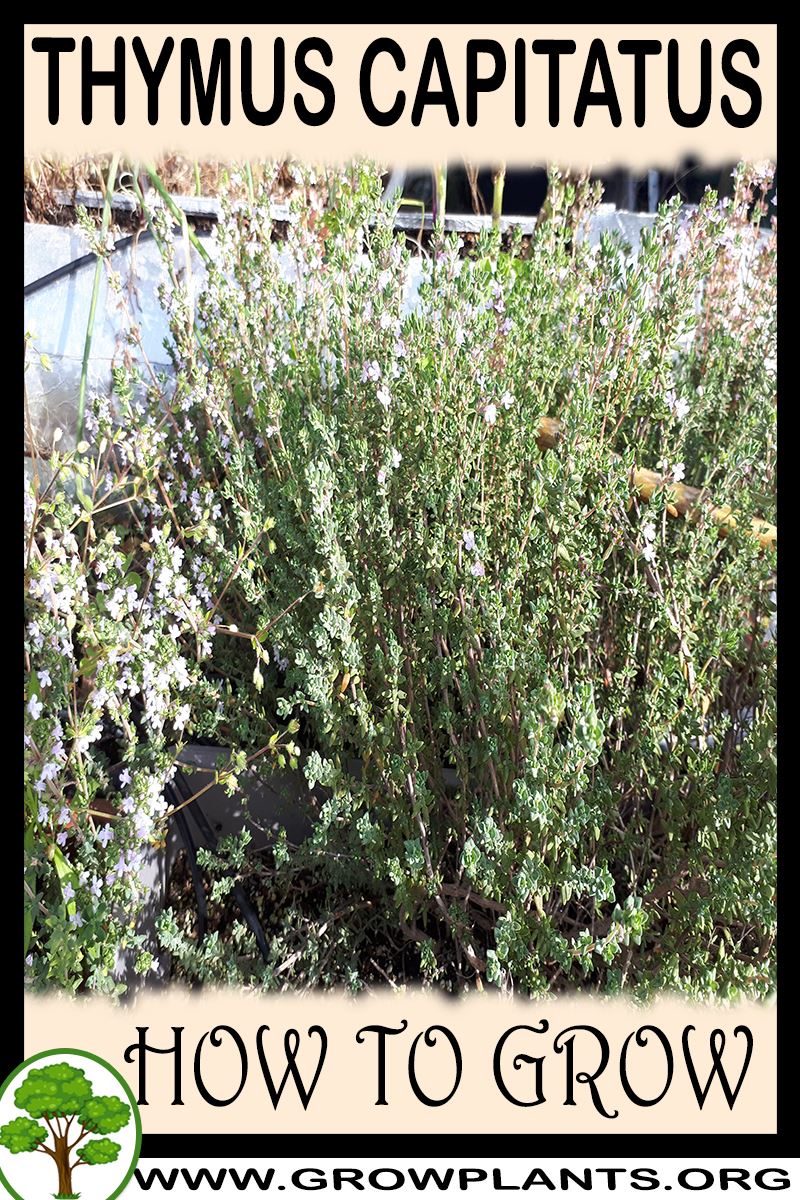
Overview: A low, evergreen, aromatic subshrub growing just 5-30 cm (2-12 in) high and spreading into a mat. Also called conehead thyme or Spanish oregano, grown as a robust culinary herb, ornamental and fragrant groundcover.
Quick Specifications
| Specification | Attribute |
|---|---|
| Plant Type / Life Cycle | Evergreen perennial subshrub |
| Foliage Type | Evergreen |
| Mature Size | 5-30 cm (2-12 in) tall, mat-forming |
| Growth Rate | Fast to moderate |
| Toxicity | Non-toxic / edible culinary herb |
| Hardiness | USDA zones 5-11a (11b with care) |
Growth Form & Structure
- Height and Spread: A ground-hugging mat 5-30 cm (2-12 in) high spreading outward by low, rooting stems; also grown in pots and troughs.
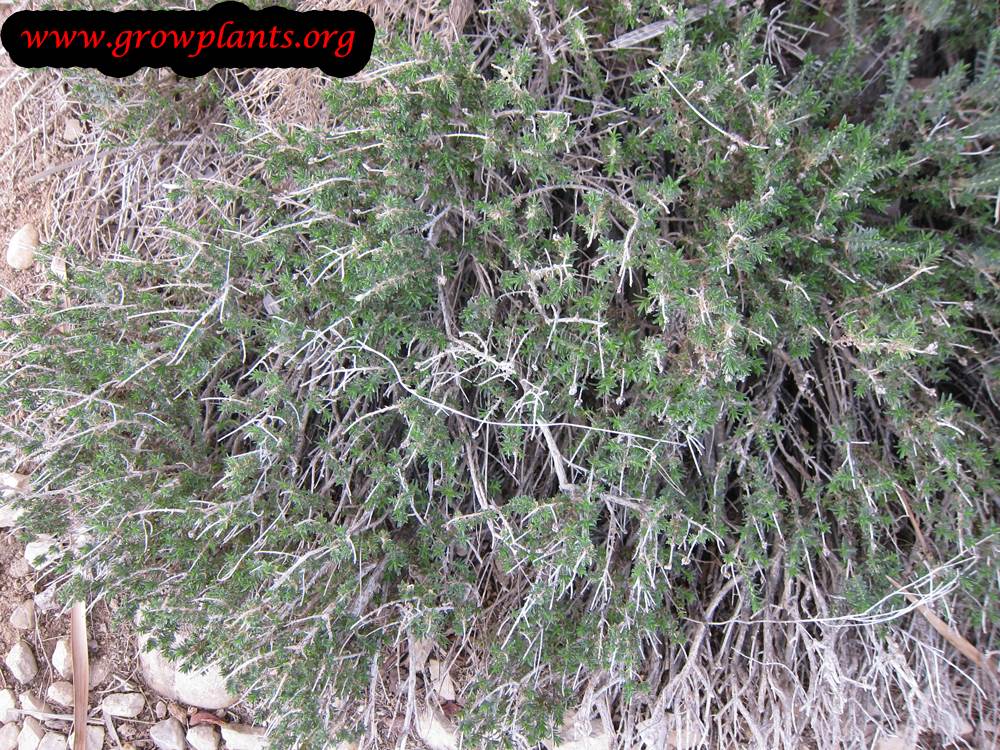
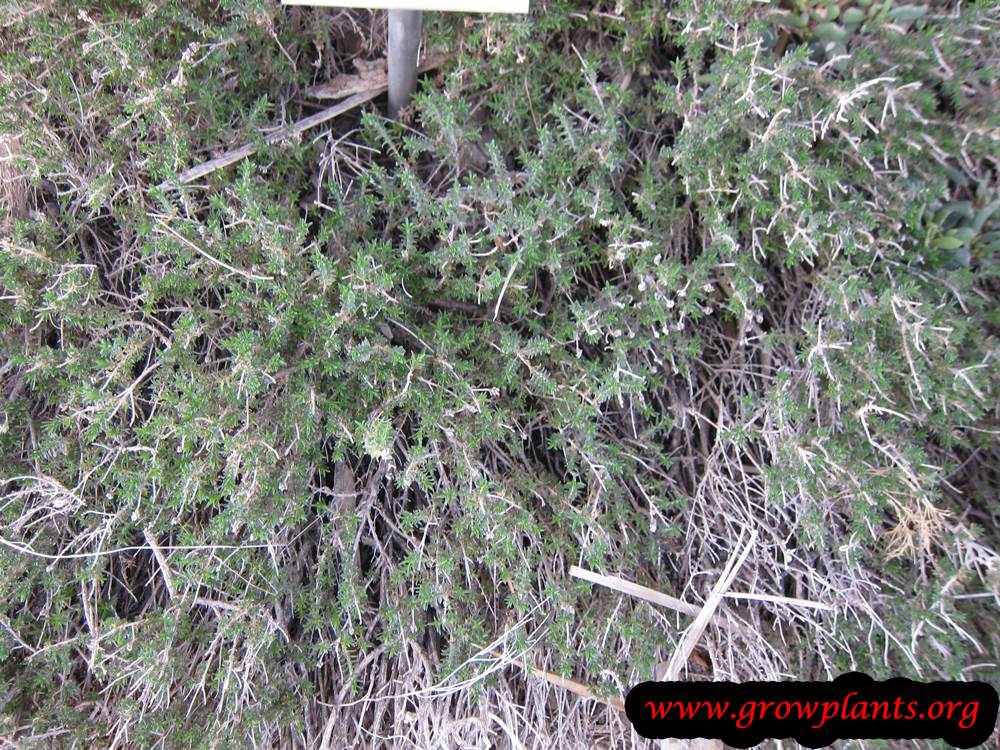
- Growth Habit and Form: Low, wiry-stemmed, mat-forming subshrub whose trailing stems root where they touch the soil, making a dense groundcover.
- Lifespan and Maturity: A fast-establishing, long-lived perennial herb that quickly knits into a fragrant carpet.
Anatomy & Physical Features
- Leaves and Foliage: Small, firm-textured green edible leaves 3-12 mm long, oval in shape; pungently aromatic when crushed.
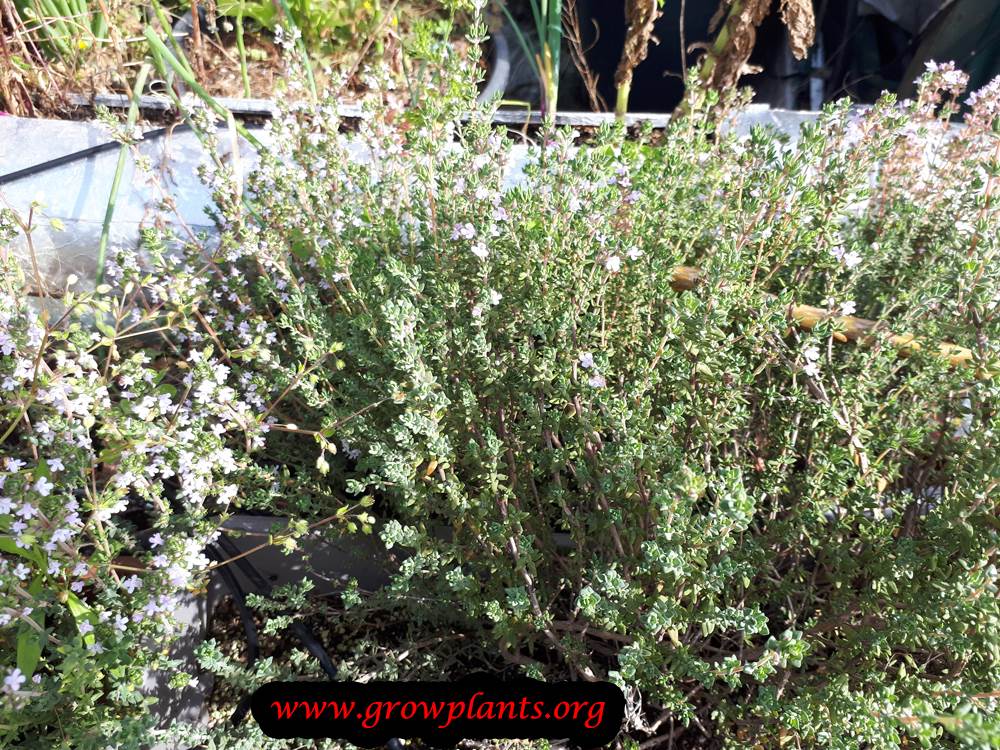
- Flower Characteristics: Small purple flowers held in dense clusters along the stems.
Primary Uses & Landscape Value
- Edible Uses: Aromatic leaves used fresh as a culinary herb and seasoning, in spice blends and spreads; the buds are also edible.
- Functional and Ornamental Roles: Culinary herb, pollinator-friendly ornamental and fragrant groundcover for paths, crevices, rockeries and herb gardens.
Care Guide: Planting, Soil & Watering
Overview: Thymus capitatus (conehead thyme / Spanish oregano) is a tough, sun-loving Mediterranean subshrub that thrives in poor, gritty, sharply drained soil and full sun. It is drought tolerant once established and far more sensitive to excess moisture than to dryness, so lean soil and restrained watering suit it best.
Quick Care Requirements
| Requirement | Ideal Condition |
|---|---|
| Planting Season | Spring after the last frost in cooler zones; autumn to spring in frost-free zones |
| Growth Rate | Moderate to fast |
| Soil Type | Light, gritty, sharply well-draining; tolerates poor, lean soil |
| Water Need | Low to moderate — let the soil dry out between waterings |
Planting & Establishment
- Best Planting Season: In cooler zones (roughly 5–11a) plant in spring once the last frost has passed; in warmer, frost-free zones plant from autumn through spring so roots establish before the summer heat.
- How to Plant:
- Hole Preparation: Dig a hole a little larger than the root ball so the roots can spread into loosened soil.
- Soil Amendments: Mix a little organic matter or compost through the planting soil, but keep the bed lean and free-draining rather than rich — heavy, fertile soil holds too much moisture for thyme.
- Planting Depth: Set the plant at the same depth it sat in its pot, keeping the crown at soil level; trailing stems can be pegged down and lightly covered to root as the plant spreads.
- Growth Speed & Expectations: Expect a moderate to fast pace, with plants knitting together into a low, fragrant mat or groundcover within a season or two. Thyme competes poorly with weeds, so keep the area weed-free (especially while plants are getting established) by pulling or hoeing out nearby weeds by hand.
Soil, Watering & Drainage Care
- Soil Mix & Drainage Needs: Provide light, gritty, well-aerated soil that drains fast; in containers use a free-draining, ventilated potting mix and a pot with good drainage holes, sized well above the root ball so excess water never sits around the roots.
- Watering Schedule & Technique:
- Young / Newly Planted: Keep the soil lightly moist while young plants root in, watering when the surface dries, but never leave it soggy.
- Established: Water sparingly once established — soak deeply, then let the top of the soil dry out before watering again, as thyme is far happier a little dry than wet.
- Seasonal Adjustments: Cut watering right back in winter when growth slows, and water a little more in prolonged summer heat, while still letting the soil dry between drinks.
Climate, Light & Hardiness
Thymus capitatus (Conehead thyme, Spanish oregano) is a rugged Mediterranean subshrub that demands full sun and free-draining soil, and in the wild grows on exposed rocky and coastal ground. It is a cold-hardy evergreen perennial down to USDA Zone 5, but like other thymes it is far more troubled by damp, humid conditions than by winter cold.
Quick Climate Specifications
| Climate Zones | Mediterranean, subtropical, temperate |
|---|---|
| USDA Hardiness Zones | 5–11a, and to 11b with attentive care |
| Optimal Temp Range | approximately 15–29°C (59–84°F) |
| Cold Damage Begins | approximately 0°C (32°F), especially with wet or waterlogged soil |
| Approx. Survival Minimum | established plants are hardy to USDA Zone 5, briefly tolerating winter lows of roughly −29 to −23°C (−20 to −10°F) |
| Frost Tolerance | Moderate–High (established plants) |
| Light Conditions | Full Sun |
| Wind Tolerance | High |
| Salt / Coastal Tolerance | Moderate–High |
Sunlight & Light Exposure
Optimal Light Setup
Full sun is essential; the site data calls for full sun and this species' rocky, open native habitat confirms it is not tolerant of shaded planting.
Direct Sun Requirement
Give it direct sun for most of the day - it is adapted to bright, exposed, sun-baked ground.
Shade & Heat Management
No shading is needed in hot climates; the key risk is excess moisture rather than excess heat or sun, as the plant is flagged as sensitive to moist conditions.
Best Exposure / Orientation
An open, south-facing, well-ventilated site mirrors its natural rocky-slope habitat best.
Temperature Extremes & Hardiness
USDA Hardiness & Regional Limits
Hardy from USDA Zone 5 through 11a, extending into 11b with attentive siting and care; this describes winter cold survival for an established plant, not its preferred growing temperature.
Cold Damage & Winter Protection
Little winter protection is needed within its hardy range; keeping the soil free-draining through cold, wet weather matters more than guarding against the cold itself.
Frost Sensitivity
Mature plants tolerate light frost without trouble; young or recently planted specimens are more vulnerable until established.
Extreme Heat Tolerance
High - this species thrives in hot, dry Mediterranean summers and needs no heat protection.
Wind, Humidity & Microclimate
Humidity Preferences
Prefers dry air; the site data notes sensitivity to moist conditions, which typically causes root or fungal problems rather than cold-related damage.
Dry-Air Tolerance
High - well suited to arid, breezy sites.
Wind Tolerance
High; its native habitat on open, wind-exposed rocky and coastal ground reflects strong wind tolerance.
Coastal / Salt Tolerance
Moderate to High - it naturally grows on rocky Mediterranean coastlines and generally handles salt-laden coastal air well.
Rainfall & Seasonal Moisture
Adapted to a dry-summer, wetter-winter Mediterranean rainfall pattern; struggles in consistently humid, high-rainfall climates, consistent with its noted moisture sensitivity.
Microclimate Recommendations
A raised, rocky, or gravelly free-draining site with good airflow suits it best, especially in humid regions.
Growing in Pots, Balconies & Indoors
Conehead thyme (Thymus capitatus) is a low, full-sun culinary herb. The grower marks it as not a deep-room houseplant but confirms it grows well in containers – and in practice a compact herb like this thrives on a bright, sunny windowsill, the classic spot for kitchen thyme.
Quick Details
- Container Size: A small pot to start, sized 200-400% of the root ball; pot up as roots fill it
- Indoor Suitability: Not a deep-indoor houseplant; excellent on a sunny windowsill
- Best Spot: Full sun – the sunniest sill, patio or balcony
- Soil & Drainage: Well-drained, well-aerated mix; it hates wet feet
- Watering in Pots: Sparing – let the mix dry between waterings; never overwater
Indoors & On the Windowsill
- Not a deep-room plant: The grower marks it No as a houseplant – away from a window it gets too little light and turns leggy.
- Windowsill growing: On the sunniest sill it flourishes; give it as much direct sun as possible and let the mix dry between waterings. A bright kitchen sill keeps fresh thyme within easy reach.
On a Balcony or Patio
- Light & shelter: Full sun; it loves heat and copes with wind, making it ideal for an exposed sunny balcony.
- Watering & heat: Small pots dry fast – check in hot weather, but err on the dry side; soggy compost causes rot.
- Overwintering: Most thymes are hardy, but shelter small pots from prolonged hard frost, which can freeze the limited root zone.
Choosing the Pot, Soil & Long-Term Care
- Pot & drainage: A small pot to start, potting up as it grows with strong drainage holes; skip a standing-water saucer to avoid root rot. Terracotta breathes and dries quickly, which suits this plant.
- Potting mix: A well-aerated, organic-rich mix – peat or coir blended with perlite or vermiculite for free drainage.
- Feeding: Potted plants run their soil down fast as nutrients leach out, so feed more often than plants in open ground during active growth.
- Repotting: Refresh the mix every two years; when root-bound, prune roots and top growth and let it regrow, as the grower advises.
Grower’s Container Tip
- Pot & potting-up routine: Use a well-drained, airy mix. Start in a small pot, but always one that is 200-400% larger than the root ball; as the roots fill it, move up a size. Once it reaches the size you want, refresh the soil every two years, and when it becomes root-bound, prune both the roots and the top growth and let it regrow.
Fertilizing & Feeding
Thymus capitatus is a tough, heat- and drought-adapted Mediterranean herb with hard, oil-rich leaves; it is a light feeder that performs best in lean, well-drained soil.
Quick Fertilizing Specs
| Feeding Level | Light – this rugged Mediterranean herb is adapted to lean soil. |
|---|---|
| Main Nutrient Priority | Modest, balanced nutrition; avoid heavy nitrogen, which softens the naturally hard leaf texture and can reduce aromatic oil concentration. |
| Best Feeding Period | Early in the growing season as new growth resumes. |
| Organic Options | A light compost topdressing at planting is generally all this low-demand herb requires. |
| Soil pH | Prefers well-drained soil and tolerates a wide range of soil types given good drainage. |
| Reduce/Stop Feeding | Established plantings rarely need further feeding once settled in. |
| Micronutrients | No routine micronutrient supplementation typically needed for this low-demand herb. |
Feeding by Growth Stage
Establishment
Help newly planted or transplanted Thymus capitatus root in and begin filling out as a groundcover.
| Nutrient direction | A light, balanced feeding at planting supports root establishment without pushing soft growth in a species built for lean, rocky, well-drained soil. |
|---|---|
| Timing | At planting and through the first growing season. |
| Frequency | A single light feeding at planting is usually sufficient; repeated inputs are rarely needed. |
| Fertilizer types | A balanced, general-purpose fertilizer applied lightly at planting, or organic matter worked into the planting hole. |
| Precautions | Avoid rich, heavily amended soil – this species is adapted to lean, dry conditions and can weaken if overfed or overwatered. |
Active Growth
Support steady, compact leaf production once the planting is established.
| Nutrient direction | Keep nitrogen modest; a light, balanced feeding sustains growth without diluting the aromatic oils in this species’ characteristically hard-textured leaves. |
|---|---|
| Timing | During the active growing season. |
| Frequency | Established plants generally need only occasional light feeding, if any. |
| Fertilizer types | A balanced, general-purpose fertilizer applied sparingly, or a light compost topdressing. |
| Precautions | Overfeeding, especially with nitrogen-heavy products, produces soft, weak growth in a plant that is naturally hardy and compact. |
Nutrient Deficiency Signs & Corrections
Pale, small leaves and noticeably slower growth than expected.
| Possible causes | Nitrogen deficiency in very lean soil, Waterlogged roots limiting uptake – this species is sensitive to consistently moist soil, Compacted or poorly aerated soil, Insufficient light reducing overall vigor |
|---|---|
| Appears first on | New growth at the stem tips. |
| What to check | Soil moisture and drainage, since this species dislikes wet feet, Light exposure – full sun is preferred, Soil compaction around the root zone |
| Possible correction | A light, balanced feeding is usually enough; if soil stays consistently moist, improving drainage matters more than adding fertilizer. |
Interveinal yellowing on new leaves while the veins stay green.
| Possible causes | Iron deficiency, often induced by high or calcareous soil pH, Waterlogged or poorly drained soil limiting iron uptake, Cold, wet soil slowing nutrient uptake, Root stress from recent transplanting |
|---|---|
| Appears first on | Newest leaves at the growing tips. |
| What to check | Soil drainage and pH, Recent transplant stress, Whether soil has stayed wet for an extended period |
| Possible correction | Improve drainage first; if pH-related, correct soil pH gradually rather than with a single heavy application. |
Leaf browning, dieback, or thinning patches that can resemble a nutrient deficiency.
| Possible causes | Overwatering or poor drainage causing root stress, since this species is notably sensitive to excess moisture, Nutrient deficiency in very poor soil, Salt buildup from over-fertilizing, Fungal root or crown issues in consistently wet conditions |
|---|---|
| Appears first on | Patches within the planting, often where drainage is poorest. |
| What to check | Drainage and how long the soil stays wet after rain or irrigation, Any recent increase in fertilizer or organic matter application, Signs of crown or root rot at the base of affected patches |
| Possible correction | Improve drainage and reduce watering frequency before adding any fertilizer; if salt buildup from over-feeding is suspected, water thoroughly to help move excess salts through the soil and reduce future feeding. |
Pruning, Training & Seasonal Maintenance
Thymus capitatus (conehead thyme, also known as Spanish oregano) naturally forms a dense, rounded cushion, so it needs less corrective shaping than more upright thyme species – most “pruning” here is really the harvest of its aromatic flowering tops, which doubles as maintenance. It tolerates light shearing in green growth but, like all thymes, does not reliably resprout from old bare wood, and it is quick to go woody in the lean, dry, well-drained soil it prefers. The main structural window is spring, cutting back any winter dieback before new growth starts, with ongoing harvest of flowering stems through summer serving as the routine maintenance cut.
Quick Pruning & Maintenance Specs
| Pruning Tolerance | Moderate (in green growth only) |
| Primary Pruning Window | Early-to-mid spring |
| Secondary Maintenance Window | Ongoing harvest of flowering tops through summer |
| Typical Frequency | One spring cleanup, plus regular harvest cuts |
| Main Objective | Maintain the naturally dense cushion form; delay woodiness; harvest flowering tops |
| Young Plant Priority | Pinch tips to thicken the cushion while young |
| Mature Plant Priority | Spring cleanup plus regular harvest to slow the onset of bare, woody growth |
| Best Tool Type | Precision snips |
| Avoid Heavy Pruning During | Prolonged wet weather (moisture-sensitive) |
Pruning by Plant Age & Size
Newly Established
Pinch tips lightly to encourage a dense, low cushion from the start, rather than allowing a few dominant stems to take over the shape.
Young / Formative
Little formal training is needed – this species builds its own rounded habit – but continued light tipping through the first year keeps growth even on all sides.
Mature / Established
Each spring, remove winter-damaged tips back to live growth; through summer, harvest flowering stems regularly for use as seasoning or for oil, which naturally keeps the cushion in shape and slows the woody, sparse look that develops if it is left uncut for several seasons.
Structural Pruning & Training
- Because it is naturally cushion-forming, little corrective shaping is needed beyond removing dead tips and harvesting flowering growth; avoid trying to impose a flatter or more open form, which fights the plant’s natural habit.
- Renewal: since this species is especially quick to become woody in the very lean soil it thrives in, a spring cleanup every year is more important here than for less drought-adapted thymes.
Special Growth to Remove
- Winter-damaged or dead stem tips, cut back to live green growth each spring.
- Flowering tops are harvested rather than simply discarded, given this species’ traditional use as a seasoning/oil source.
- Old bare woody stems can be thinned but should not be expected to resprout.
Container & Small-Space Pruning
Suited to pots given its naturally compact, drought-tolerant habit; trim lightly and more frequently to keep a small container-grown cushion neat, and prune roots and top growth together at repotting once the container is full of roots.
Tools
- Precision snips for both the spring cleanup and ongoing harvest of flowering stems.
Tool Hygiene & Disease Risk
Routine: no significant transmissible disease is noted (aphids are the main pest); clean, sharp snips are sufficient.
Cut Placement & Technique
- Cut into green leafy growth; avoid cutting into old bare wood, which will not reliably resprout.
- Harvest flowering stems just above a lower leaf pair to encourage a fresh side flush.
Heavy Pruning & Rejuvenation
Hard rejuvenation is not reliable once a plant has gone significantly woody – a common outcome in the very lean soil this species prefers. Regular light spring and summer cutting is a better long-term strategy than attempting to hard-cut back an old, woody specimen; badly overgrown plants are usually better replaced from cuttings.
Post-Pruning Care
- Water lightly after cutting, avoiding overwatering given this species’ sensitivity to excess moisture and its strong preference for lean, dry soil.
- Do not fertilize after pruning – rich soil reduces the aromatic oil content this species is grown for.
Common Pruning Mistakes
- Leaving the plant unharvested/unpruned for several seasons, after which it goes woody and sparse and no longer recovers well.
- Cutting into old bare wood expecting regrowth.
- Growing it in rich, moist soil and then over-pruning to compensate for lax growth, rather than correcting the soil/watering.
When NOT to Prune
- Avoid pruning during prolonged wet or humid weather.
- Avoid a hard cutback on a plant already stressed by waterlogged soil.
Recommended Tools (by task)
- precision_snips – the single tool needed for spring cleanup and ongoing harvest of this compact, cushion-forming herb.
Propagation Guide
Thymus capitatus roots readily where a low stem is bent over and covered with soil – simple ground layering while still attached to the parent plant – usually within 2–4 weeks. Seed is also a listed way to start this plant, though the site gives no specific sowing figures for it, so seed should be treated as an easy but less precisely timed option; vegetative propagation is not required but is the quicker route. Difficulty: easy.
Quick Propagation Specs
| Best Propagation Method | Ground layering (bending a stem and covering it with soil) |
| Alternative Methods | Seed; stem-tip cuttings |
| Propagation Difficulty | Easy |
| Vegetative True-to-Type | Yes |
| Best Propagation Season | Spring / Autumn (vegetative) |
| Cutting Rooting Time | 2–4 weeks (layering) |
Growing from Seed
Sowing Season
Best sown in the plant’s spring-to-summer or autumn-to-spring planting window, depending on hardiness zone (the record does not give this species its own precise sowing months).
Germination Conditions
As with other cultivated thymes, seed is tiny and best surface-sown or barely covered, kept lightly moist in a warm spot; germination can be slow and uneven, so allow ample time.
Seedling Care
Keep seedlings lightly moist with good drainage and avoid waterlogging, matching this plant’s general sensitivity to excess moisture.
Stem Cuttings
Cutting Type
Short stem-tip cuttings are also commonly used for this species in general practice, alongside the layering method described below.
Rooting Setup
Insert into a well-drained, weed-free rooting mix and keep lightly moist.
Rooting Hormone
Not necessary; this thyme roots readily without it.
Rooting Time
Typically a couple of weeks under warm, humid conditions, similar to the layering timeframe below.
Air & Ground Layering
- Method: bend a stem down to soil level and cover the buried section with earth; the site notes it can help to nick or slightly break the stem where it will be buried.
- Moisture: keep the covered soil moist throughout rooting.
- Timing: spring or autumn.
- Rooting time: about 2–4 weeks.
- Separation: once rooted, sever the new plant from the parent stem and transplant.
Bloom & Edible Flower Guide
Quick Details
- Bloom Season: Late spring into summer
- Time to First Bloom: A low, woody perennial – it usually flowers from its second year, then blooms each summer once established
- Flower Appearance: Small purple flowers packed into dense, cone-like heads at the stem tips
- Edibility: Edible – the tiny flowers carry the same oregano-thyme aroma as the leaves and can be used as a garnish or in tea
Detailed Blooming Overview
Also known as conehead thyme or Spanish oregano, this species gathers its small purple flowers into tight, cone-shaped heads in early summer – a look that sets it apart from the more open-flowered thymes. The heads are alive with bees, and because the fragrant leaf is the main crop, growers usually trim the flowering stems to keep foliage coming.
Flower Characteristics
- Small purple flowers packed into dense, cone-like heads.
- Carried at the stem tips above hard, aromatic foliage.
- Nectar-rich and much visited by bees and flies.
Bloom Care & Thinning
- Thinning the bloom: Shearing off the flowering stems keeps the plant producing fresh, aromatic leaves – thin the bloom unless you want the flowers or seed.
- Pollination: Pollinated by bees and flies.
- After flowering: A light trim once the flowers fade keeps the plant dense and encourages new growth.
Bloom Health & Protection
- Aphids: They can gather on soft, flowering shoot tips – a jet of water or a spray of insecticidal soap or neem oil usually keeps them in check.
Fruit & Uses
Thymus capitatus, also sold under the name Spanish oregano, is grown as a culinary herb: its hard-textured, aromatic leaves and edible flower buds are used fresh or dried as a herb and spice. Its abundant purple flowers are also a well-known nectar source for thyme honey.
Quick Edible Specs
| Edible Parts | Leaves; flower buds |
|---|---|
| Main Use(s) | Culinary herb/spice (marketed as Spanish oregano); bee forage for honey |
| Eaten Raw or Cooked | Raw or cooked |
| Preparation Required | None – rinse and use fresh, or dry for storage |
| Harvest Season | All year |
| Storage | Use fresh, or air-dry for longer storage |
| Safety/Toxicity Caveat | None known when used as a culinary herb in normal food amounts |
Leaves & Greens
The small, oval, firm-textured leaves (about 3–12 mm) are strongly aromatic and are picked fresh (eaten raw) or dried and used as a herb and spice; in the spice trade this species is often sold under the name Spanish oregano.
Flowers & Flower Buds
The drop-shaped buds are edible and used the same way as the leaves. The small purple flowers that open afterward are heavily visited by bees and are a valued source of aromatic thyme honey in Mediterranean regions.
Harvesting
Leaves can be cut all year once the plant is established; harvest by cutting stems. See Pruning for how post-bloom cutting affects shape and the next season’s growth.
Preparation, Uses & Safety
Use fresh as a herb and spice, or dry for storage; no detoxification or special preparation is needed. Eaten in normal culinary quantities, as with other thyme species.
Pests, Diseases & Troubleshooting
Overview: Conehead / Spanish oregano thyme (Thymus capitatus, now Thymbra capitata) is a resinous, highly aromatic Mediterranean sub-shrub built for hot, dry, stony ground and is almost entirely pest-free; its oils repel insects and its only real threat is root rot and winter-wet rot in heavy or overwatered soil. It needs full sun and very sharp drainage.
Quick Troubleshooting Overview
| Issue / Pest | Main Symptom | Primary Solution |
|---|---|---|
| Root rot / winter wet | Blackening, collapse in wet soil | Gritty sharp drainage |
| Aphids | Sticky new tips | Water jet, insecticidal soap |
| Spider mites | Stippled leaves in dry heat | Hose, insecticidal soap |
| Spittlebugs | Frothy ‘cuckoo-spit’ on stems | Wash off with water |
| Grey mould / mildew | Fuzzy or powdery patches in damp | Improve airflow |
Common Pests & Management
- Aphids (Aphidoidea):
- Symptoms: Clusters of tiny soft-bodied green, black or grey insects on new shoots, flower buds and leaf undersides. Feeding causes puckered, curled or yellowing young growth, and a sticky honeydew that fosters sooty mould and attracts ants.
- Prevention & Control: Knock colonies off with a firm jet of water and pinch out badly infested tips. Encourage ladybirds, lacewings and hoverflies, and avoid excess nitrogen that pushes soft sappy growth. For persistent outbreaks apply insecticidal soap or a light horticultural/neem oil, coating leaf undersides and spraying in the cool of evening to protect pollinators.
- Spider Mites (Tetranychus urticae):
- Symptoms: Fine pale stippling or bronzing of leaves, with delicate silken webbing on undersides and between stems; worst in hot, dry, dusty conditions. Heavily fed leaves dry, curl and drop.
- Prevention & Control: Raise humidity and hose foliage regularly to break the dry microclimate mites favour. Remove and destroy the worst leaves, and conserve predatory mites and other natural enemies. Treat with insecticidal soap or horticultural/neem oil, thoroughly wetting leaf undersides and repeating every 5-7 days to catch new hatchlings.
- Spittlebugs / Froghoppers (Cercopidae):
- Symptoms: Frothy white ‘cuckoo-spit’ on stems and leaf axils in which a green nymph feeds; damage is largely cosmetic but heavy feeding can distort tender shoots.
- Prevention & Control: Simply wash the froth and nymphs off with a strong jet of water; the pest is rarely damaging enough to need more. Keep plants vigorous and tolerate low numbers, as beneficial insects usually keep them in check.
- Mealybugs (Pseudococcidae):
- Symptoms: White cottony masses tucked in leaf axils, growing points and along veins; feeding weakens the plant and leaves sticky honeydew followed by sooty mould. Some species also attack roots.
- Prevention & Control: Dab visible colonies with a cotton bud dipped in dilute alcohol and isolate affected plants. Avoid over-feeding with nitrogen. Encourage predators such as the mealybug destroyer ladybird, and treat with insecticidal soap or horticultural/neem oil, repeating until clear.
Diseases & Fungal Issues
- Root & Crown Rot (Phytophthora / Pythium spp.):
- Symptoms: Wilting despite moist soil, yellowing lower leaves, and dark, soft, decayed roots or a rotted stem base; a slow decline or sudden collapse in heavy, wet ground follows.
- Treatment & Management: Prevention is decisive: plant in free-draining soil (or raised beds), never let the crown sit wet, and water only when the topsoil dries. Remove and destroy badly affected plants and improve drainage before replanting; biological drenches (Trichoderma) can help protect healthy roots.
- Grey Mould (Botrytis cinerea):
- Symptoms: A fuzzy grey-brown mould on soft leaves, stems and spent flowers, with tissue turning brown and mushy; thrives in cool, damp, still air and on crowded plants.
- Treatment & Management: Improve ventilation, avoid overhead watering, and promptly remove dead flowers, leaves and debris where the fungus starts. Do not overcrowd. In persistent cases a suitable fungicide can be used, but sanitation and airflow are the mainstays.
- Powdery Mildew (Erysiphales):
- Symptoms: A white to greyish powdery coating on leaves and shoots, usually starting on the upper surface; affected leaves may yellow, distort and drop. Worst in crowded plantings with warm days, cool nights and poor airflow.
- Treatment & Management: Space and prune for good air movement and sun, and avoid wetting foliage late in the day. Remove affected leaves and clear fallen debris. Where needed, apply a sulphur or potassium-bicarbonate fungicide, or a horticultural oil, at first signs and repeat per label.
Growing Difficulties & Abiotic Problems
- Overwatering & Root Rot:
- Cause & Symptoms: Yellowing lower leaves, wilting despite wet soil, and a soft, foul-smelling root ball or stem base result from waterlogged, airless soil that suffocates and rots the roots.
- Correction Strategy: Let the soil dry appropriately between waterings, plant in free-draining media, and ensure pots have working drainage holes. Ease off water in cool or dormant periods and never leave the plant standing in a saucer of water.
- Woodiness & Legginess:
- Cause & Symptoms: Sprawling, bare-based stems with sparse leaves and fewer flowers as the plant ages, especially if left unpruned or grown in too much shade.
- Correction Strategy: Shear or prune lightly and regularly to keep growth dense and young, grow in full sun, and avoid over-rich feeding. Hard renovation pruning of old woody plants is best done cautiously, as some resent cutting into bare wood.
- Winter Wet & Cold Damage:
- Cause & Symptoms: Blackened, rotting or dead patches after cold, wet winters, as thyme tolerates cold far better when dry than when sitting in cold, sodden soil.
- Correction Strategy: Grow in gritty, sharply drained soil or raised beds, mulch with grit rather than moisture-holding material around the crown, and avoid winter wet. Trim after flowering to keep plants compact and less prone to opening up and rotting in the middle.
What Helps – Products & Tools
Thyme is an aromatic, insect-repellent herb that almost never needs pesticides; the real skill is cultural – gritty, sharply drained soil and full sun to prevent the root rot and winter-wet rot that kill most plants. For a rare aphid or mite flush on an edible herb, keep to food-safe insecticidal soap or neem, and simply hose off spittlebug froth.