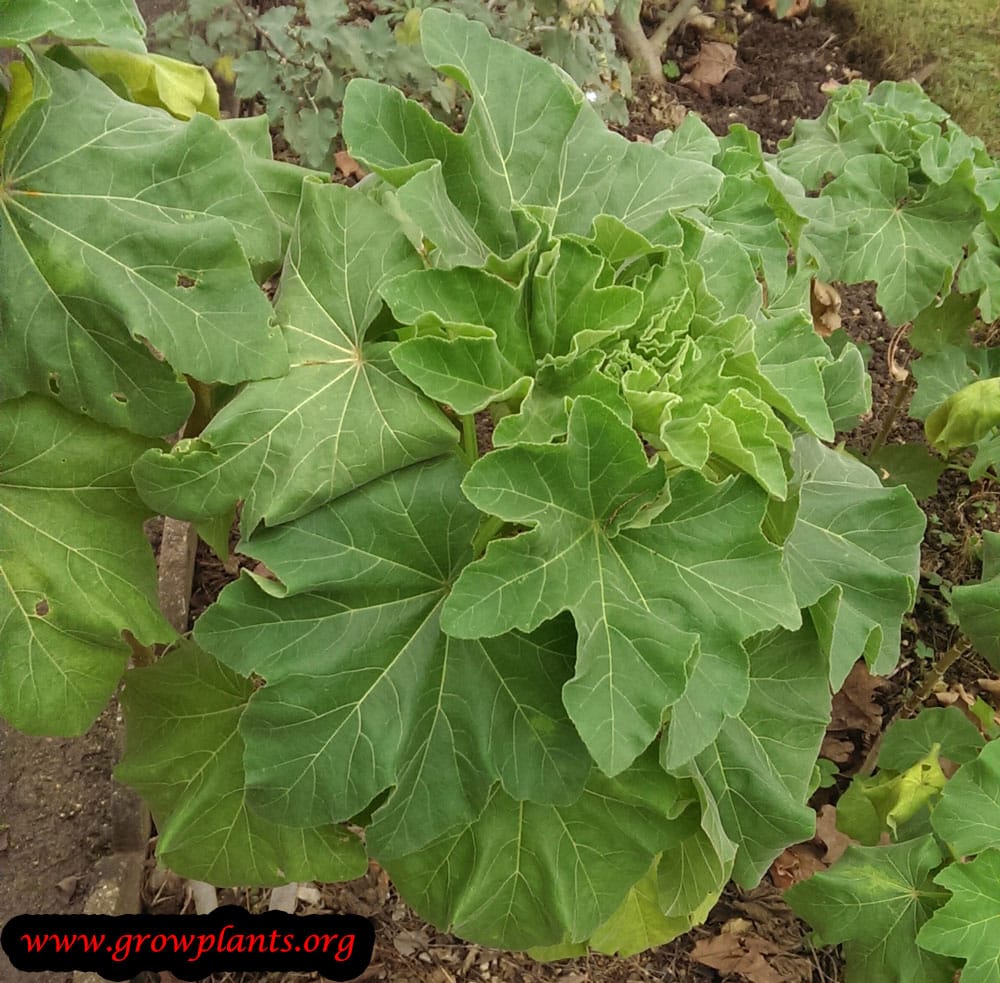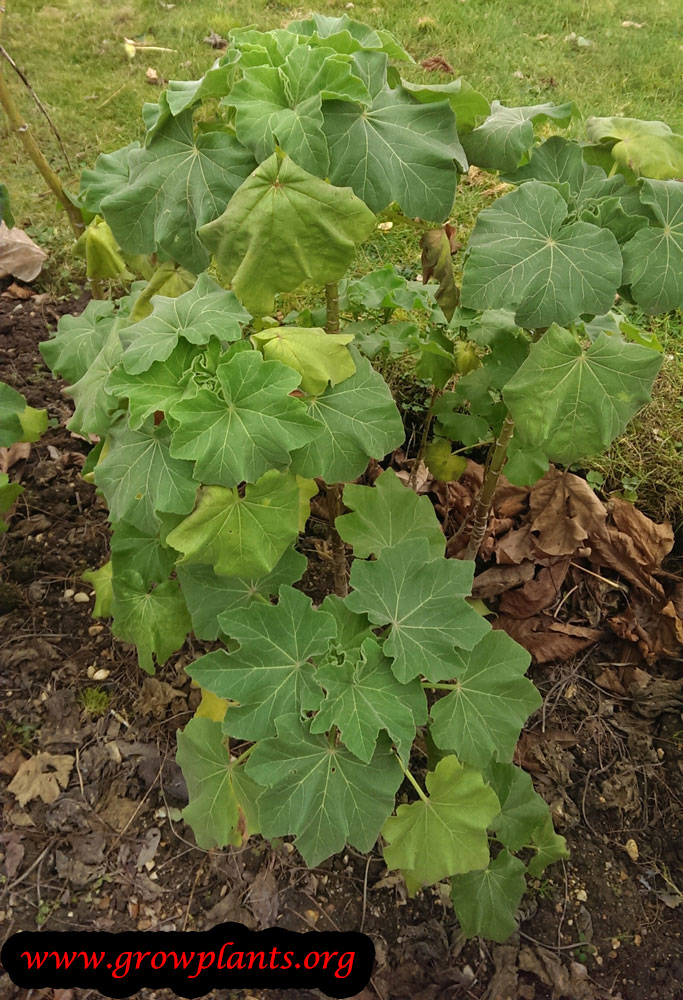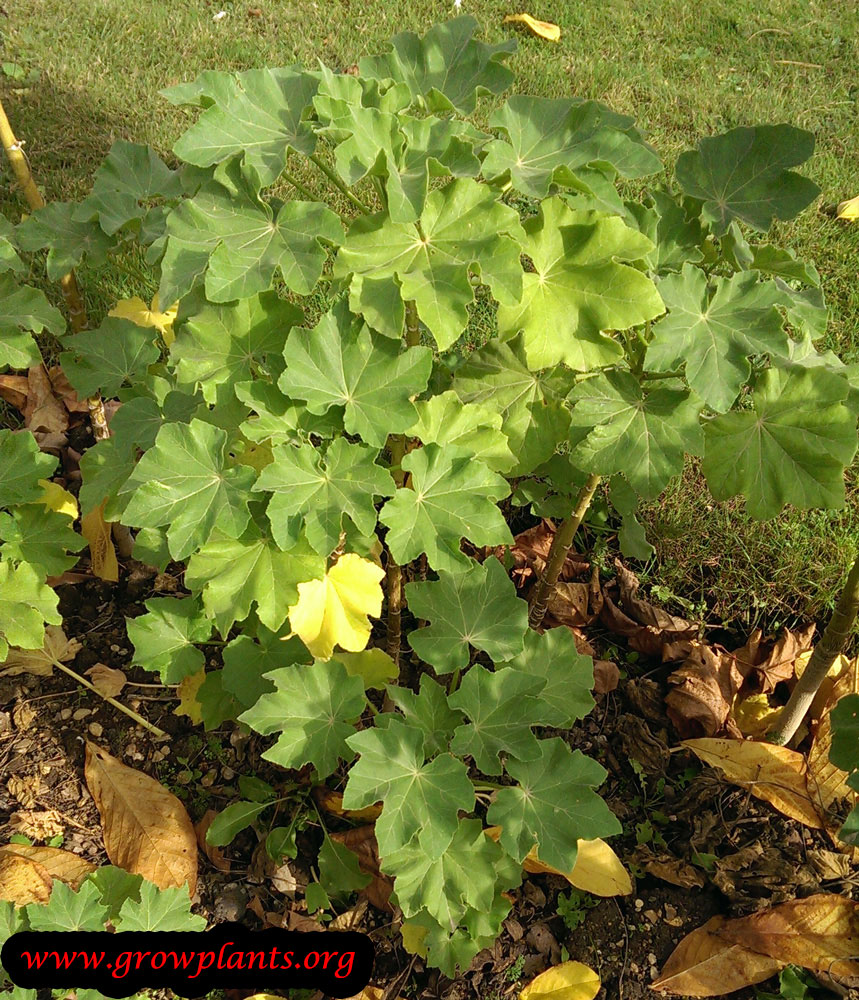

Plant Profile & Key Characteristics
Overview: Lavatera arborea (tree mallow) is a fast-growing evergreen shrub of the mallow family, reaching about 0.5-2 m and grown as an ornamental hedge or screen. It behaves as a short-lived perennial, biennial or annual and is hardy to USDA zones 8-10.
Quick Specifications
| Specification | Attribute |
|---|---|
| Plant Type / Life Cycle | Perennial / Biennial / Annual (short-lived) |
| Foliage Type | Evergreen |
| Mature Size | 0.5-2 m tall (20-80 in) |
| Growth Rate | Fast to moderate |
| Toxicity | Non-toxic (mallow family; young leaves traditionally eaten) |
| Hardiness | USDA zones 8-10 (perennial), 4-8 (as annual) |
Growth Form & Structure
- Height & Spread: Reaches about 0.5-2 m (20-80 in) tall; can also be grown in large containers.
- Growth Habit & Form: Upright, fast-growing soft-wooded shrub, useful as a quick screen or informal hedge.
- Lifespan & Maturity: Grows rapidly to full size in one to two seasons but is short-lived; often maintained by self-seeding.
Anatomy & Physical Features
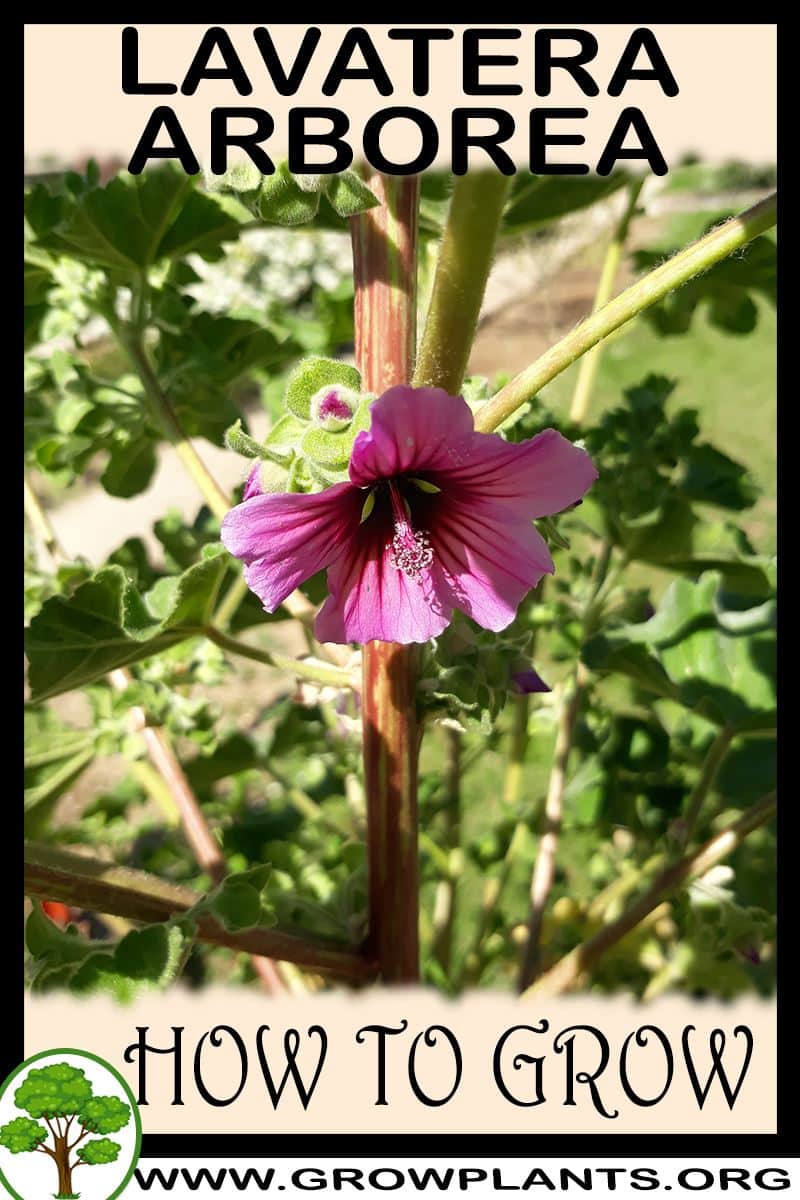
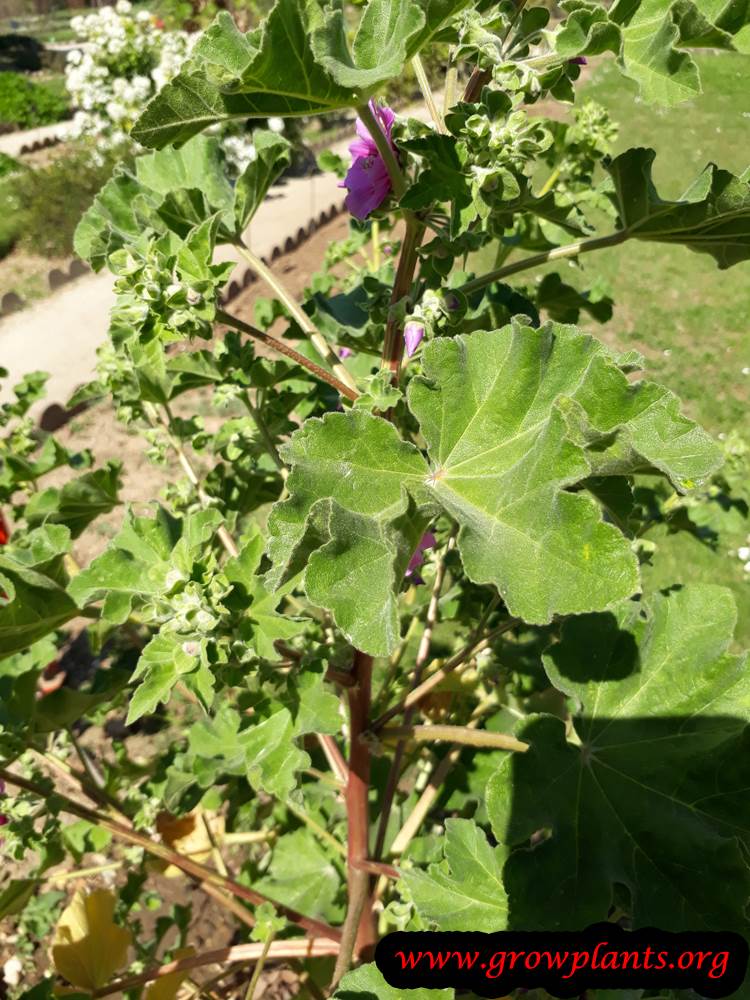
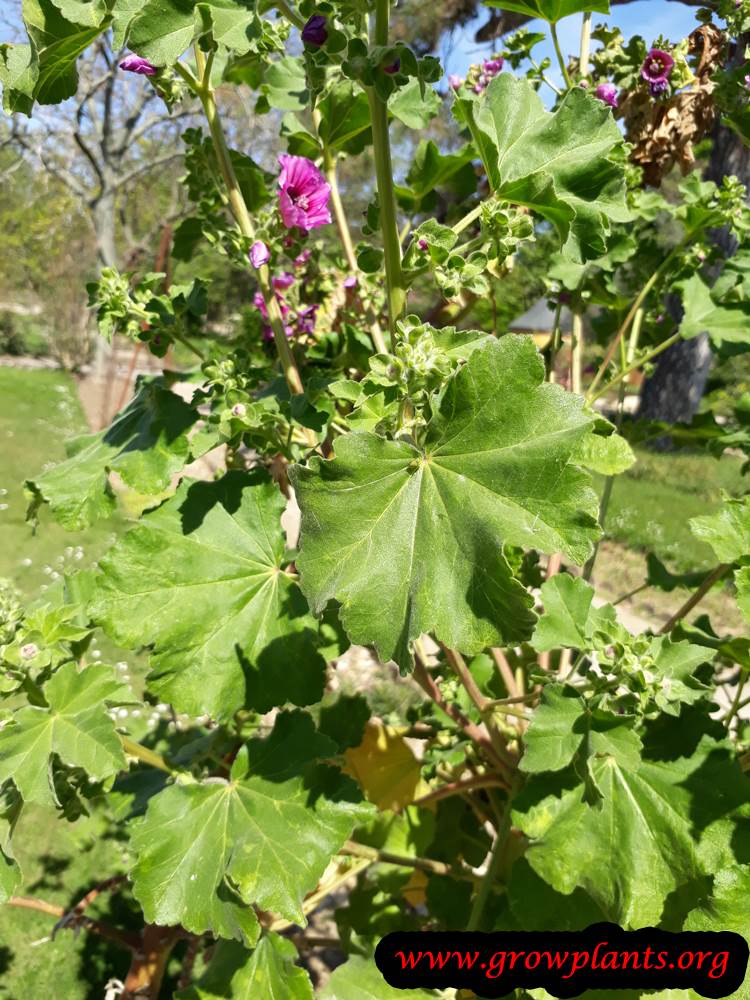
- Leaves & Foliage: Green, heart-shaped leaves with five lobes and wavy margins; softly hairy.
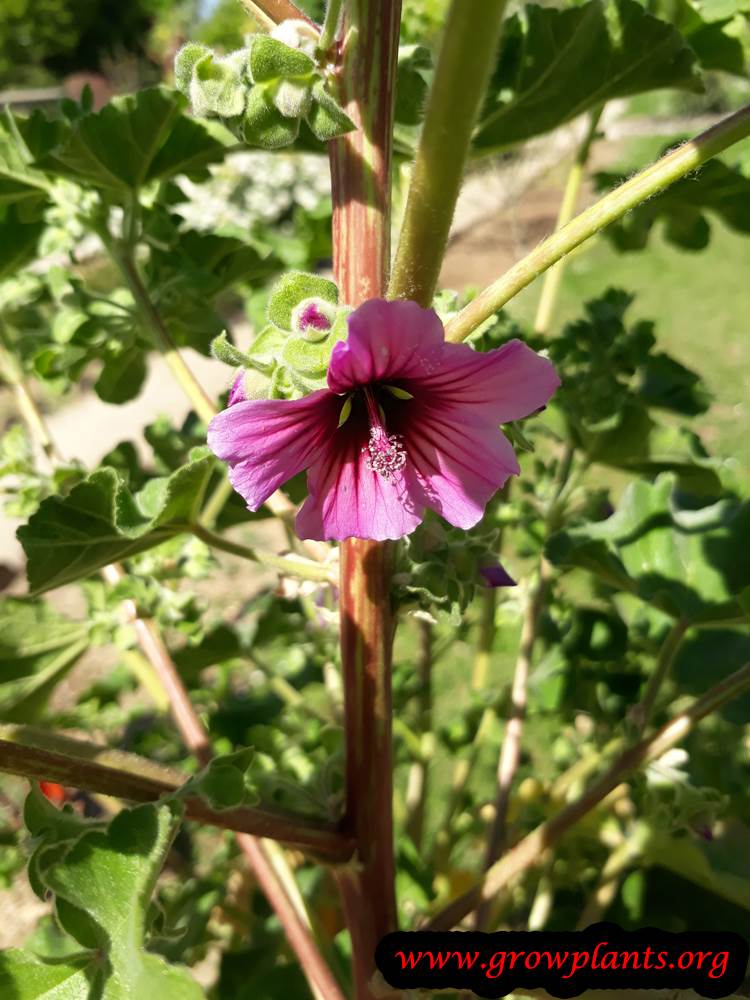
- Flower Characteristics: Purple flowers with a dark centre and five petals, some cultivars with petals fused at the base.
Primary Uses & Landscape Value
- Edible Uses: Young mallow leaves are edible and have been used traditionally.
- Functional & Ornamental Roles: Fast ornamental hedge or windbreak, salt-tolerant for coastal gardens; can self-seed and spread, so may become invasive.
Care Guide: Planting, Soil & Watering
Overview: Tree mallow is a fast-growing, salt-tolerant shrub for coastal and mild gardens, flowering best in full sun to part shade. It tolerates poor and salty soils as long as they drain freely.
Quick Care Requirements
| Requirement | Ideal Condition |
|---|---|
| Planting Season | In spring (as an annual) or spring to summer (as a short-lived perennial) |
| Growth Rate | Moderate to Fast |
| Soil Type | Well-draining soil; tolerates poor and salty/coastal soils |
| Water Need | Moderate to High – keep reasonably moist |
Planting & Establishment
- Best Planting Season: Plant in spring when grown as an annual, or from spring through summer where it is grown as a short-lived perennial, once frost has passed.
- How to Plant:
- Hole Preparation: Dig a hole wider than the root ball and loosen the surrounding soil for the roots to establish.
- Soil Amendments: It tolerates lean soils; work a little compost into very poor backfill, but sharp drainage matters more than richness.
- Planting Depth: Set the plant at the depth it grew in its pot, keeping the crown at soil level.
- Growth Speed & Expectations: A fast, vigorous grower that quickly reaches 0.5-2 m and is often short-lived, so plants are frequently replaced.
Soil, Watering & Drainage Care
- Soil Mix & Drainage Needs: Undemanding but needs free-draining soil; it tolerates salt spray and poor coastal ground well and dislikes waterlogging.
- Watering Schedule & Technique:
- Young / Newly Planted: Water regularly while young plants establish.
- Established: Once established it needs moderate, fairly regular water; water when the surface begins to dry.
- Seasonal Adjustments: Water more in summer heat; reduce in winter and in wet spells to avoid soggy soil.
Climate, Light & Hardiness
Tree mallow grows in Mediterranean, desert, subtropical, and temperate climates - as a perennial from about zone 8–10, or as a biennial/annual further north down to about zone 4. It grows in full sun to half shade and is notably tolerant of salty, coastal soils.
Quick Climate Specifications
| Climate Zones | Mediterranean, desert, subtropics, temperate |
|---|---|
| USDA Hardiness Zones | 8–10 as a perennial; 4–8 grown as a biennial/annual |
| Frost Tolerance | Moderate |
| Light Conditions | Full Sun to Half Shade |
| Salt / Coastal Tolerance | High |
Sunlight & Light Exposure
Grows well in full sun to half shade; full sun supports the strongest flowering.
Temperature Extremes & Hardiness
USDA Hardiness & Regional Limits
Hardy as a perennial from about zone 8 through 10; in colder zones (roughly 4–8) it is grown as a biennial or annual instead of surviving winter as a perennial.
Cold Damage & Winter Protection
In its perennial range, moderate frost is tolerated by established plants; in colder zones the plant is simply treated as short–lived and replanted.
Frost Sensitivity
Moderate frost tolerance for a Mediterranean–climate shrub, more cold–hardy than many mallow relatives.
Wind, Humidity & Microclimate
Salt / Coastal Tolerance
Naturally suited to salty soils and coastal exposure, making it a strong choice for seaside gardens - a notable contrast to salt–sensitive relatives like Anisodontea.
Growing in Pots, Balconies & Indoors
Tree mallow (Lavatera arborea) is a fast, short-lived, sun-loving mallow that the grower marks as not a houseplant but confirms grows well in containers. In a pot on a sunny patio or balcony it flowers freely for its brief life.
Quick Details
- Container Size: A medium to large pot (mature size 0.5-2 m)
- Indoor Suitability: Not a houseplant – needs full sun to flower
- Best Spot: Full sun to part shade
- Soil & Drainage: Free-draining, fertile mix
- Watering in Pots: Moderate to generous; let the surface dry between waterings
Indoors & On the Windowsill
- Not a houseplant: Marked No – it needs full sun to flower and grows too tall and soft for indoor life.
- Windowsill: A very sunny sill might raise a young plant, but it soon outgrows a sill and flowers poorly in weak light.
On a Balcony or Patio
- Light & shelter: The sunniest spot; stake it and shelter from wind, as the stems are soft and top-heavy.
- Watering & heat: Water moderately to generously in growth; pots dry fast in summer heat.
- Overwintering: Short-lived (often biennial) – expect to replace plants; protect pots from hard frost.
Choosing the Pot, Soil & Long-Term Care
- Pot & drainage: A medium-to-large pot with strong drainage holes; skip a standing-water saucer to avoid root rot. Terracotta breathes and dries fast, while glazed or plastic holds moisture longer.
- Potting mix: A well-aerated, organic-rich mix – peat or coir blended with perlite or vermiculite for free drainage.
- Feeding: Potted plants run their soil down fast as nutrients leach out, so feed more often than plants in open ground during active growth.
- Repotting: Refresh the mix or pot up about every two years; on established plants, lightly prune the root ball and top growth to keep them balanced.
Fertilizing & Feeding
Tree mallow is a fast-growing, tolerant hedge and border shrub that responds well to modest, steady feeding through its long bloom season rather than heavy single applications.
Quick Fertilizing Specs
| Feeding Level | Moderate – this fast grower uses nutrients readily during its long bloom season. |
|---|---|
| young_feeding | Newly planted shrubs benefit from light, balanced feeding to establish a strong root and stem framework. |
| mature_feeding | Established plants growing as a hedge or repeat-flowering border shrub appreciate steady, moderate feeding through the growing season. |
| Main Nutrient Priority | Balanced overall nutrition to sustain vigorous growth and a long flowering display. |
| Best Feeding Period | From spring growth through the extended summer-into-autumn bloom. |
| Organic Options | Compost or well-rotted organic matter worked into the soil at planting supports steady growth. |
| Soil pH | Tolerant of a wide range of soils, including those with some salinity near coastal sites. |
| Reduce/Stop Feeding | Taper off as flowering winds down heading into the cooler part of the year. |
| Micronutrients | No routine micronutrient supplementation typically needed for this vigorous, adaptable shrub. |
Feeding by Growth Stage
Spring Growth Flush
Support the vigorous stem and leaf growth this fast-growing shrub puts on early in the season.
| Nutrient direction | A balanced, nitrogen-adequate feeding supports the rapid framework growth this species is known for. |
|---|---|
| Timing | As new growth resumes in spring. |
| Frequency | A light feeding as growth resumes is usually enough to carry the plant into its bloom season. |
| Fertilizer types | A balanced, general-purpose shrub or flowering-plant fertilizer worked into the soil around the root zone. |
| Precautions | Avoid excessive nitrogen, which can produce lush but weak, floppy stems on a plant that is already a fast, somewhat weedy grower. |
Main Bloom Period
Maintain even nutrition as the shrub moves into its main flowering display.
| Nutrient direction | Continue balanced nutrition; steady overall health, not a phosphorus boost, is what sustains a strong bloom. |
|---|---|
| Timing | Through the main summer bloom period. |
| Frequency | A light, well-timed feeding at the start of bloom is generally sufficient to support the display. |
| Fertilizer types | The same balanced, general-purpose formulation used during spring growth, applied lightly. |
| Precautions | Skip high-phosphorus ‘bloom booster’ products; they are rarely needed and most soils already supply enough phosphorus for good flowering. |
Extended Autumn Bloom
Support continued flowering as this shrub extends its bloom into autumn.
| Nutrient direction | A light, balanced top-up can help sustain energy for the extended flowering period without overstimulating new soft growth late in the year. |
|---|---|
| Timing | As bloom continues into autumn. |
| Frequency | At most one light feeding to support the extended bloom; many established plants carry through on the earlier feedings alone. |
| Fertilizer types | A light application of the same balanced fertilizer used earlier in the season, only if growth or flowering appears to be tapering off early. |
| Precautions | Keep any late-season feeding light – pushing strong new growth too late in the year leaves it vulnerable to early cold. |
Winter Rest
Let the plant rest through winter, its main pruning season.
| Nutrient direction | None – withhold fertilizer while the plant is not in active growth. |
|---|---|
| Timing | Through winter, when the shrub is typically pruned back. |
| Frequency | No feeding at this stage. |
| Fertilizer types | No feeding at this stage; resume only once new spring growth begins. |
| Precautions | Do not fertilize around winter pruning – feeding a freshly pruned, dormant plant can encourage frost-tender growth at the wrong time. |
Nutrient Deficiency Signs & Corrections
Pale, yellow-green older leaves and a noticeably slower-than-expected growth rate for this typically fast grower.
| Possible causes | Nitrogen deficiency in lean soil, Root competition from nearby weeds or dense planting, Poor drainage or waterlogged roots limiting uptake, Compacted soil restricting root development |
|---|---|
| Appears first on | Older, lower leaves first. |
| What to check | Overall growth rate compared to this species’ normally fast habit, Soil drainage and compaction around the root zone, Competing weeds or overcrowded planting |
| Possible correction | A light, balanced feeding during active growth is usually enough to correct mild nitrogen deficiency; address drainage or overcrowding if that is the underlying cause. |
Interveinal yellowing on new leaves while the veins remain green.
| Possible causes | Iron deficiency, often induced by high soil pH, Waterlogged or poorly drained soil limiting iron uptake, Root stress from recent transplanting, Naturally alkaline soil |
|---|---|
| Appears first on | Newest leaves at the shoot tips. |
| What to check | Soil pH and drainage, Recent transplant stress or root disturbance, Watering consistency |
| Possible correction | Improve drainage first; if pH-related, correct soil pH gradually and consider a chelated iron product applied per its label. |
Marginal browning or scorch along the edges of older leaves.
| Possible causes | Potassium deficiency, Salt stress, which this coastal-tolerant species can still show under high salinity, Drought stress, Leaching of nutrients from sandy, fast-draining soil |
|---|---|
| Appears first on | Leaf margins of older leaves. |
| What to check | Soil salinity and proximity to salt spray or salted surfaces, Irrigation consistency during dry spells, Soil texture and drainage rate |
| Possible correction | Ensure consistent watering and use a balanced fertilizer with adequate potassium; where salinity is high, improve drainage so salts do not accumulate around the roots. |
Pruning, Training & Seasonal Maintenance
Lavatera arborea is a fast-growing, soft-wooded shrub that flowers over an extended spring–autumn season on new growth, so it tolerates – and benefits from – fairly hard annual pruning. The safest and most effective window is winter, ahead of the spring growth flush, when a cutback resets the plant before it puts on its main season’s growth and bloom. Because it is naturally fast-growing, salt-tolerant and prone to self-seeding (it is flagged as invasive in cultivation), pruning here does double duty: shaping/compacting the plant, and controlling seed spread by removing spent flowering stems before pods mature.
Quick Pruning & Maintenance Specs
| Pruning Tolerance | High |
| Primary Pruning Window | Winter, before the spring growth flush |
| Secondary Maintenance Window | Ongoing deadheading through the spring–autumn bloom season |
| Typical Frequency | One annual hard cutback, plus regular deadheading in season |
| Main Objective | Compact habit, prolonged bloom, and self-seeding control |
| Young Plant Priority | Pinch tips to encourage branching from the base |
| Mature Plant Priority | Annual renewal cutback to prevent bare, leggy stems |
| Best Tool Type | Bypass secateurs (soft to lightly woody stems; no saw needed) |
| Avoid Heavy Pruning During | Peak summer heat/drought stress |
Pruning by Plant Age & Size
Newly Established
Pinch out the growing tips once the young plant is a few sets of leaves tall to encourage branching from low down, rather than a single leggy stem.
Young / Formative
No leader/scaffold training is needed – this is a soft-wooded shrub, not a tree. Continue pinching new growth through the first season to build a bushy, multi-stemmed base before it is allowed to flower freely.
Mature / Established
Give an annual hard cutback (reducing the previous season’s growth by roughly a half to two-thirds) in winter, since plants left unpruned quickly become tall, sparse and bare at the base – a typical habit of this fast-growing mallow.
Structural Pruning & Training
- Renewal pruning is the main structural task: an annual hard winter cutback keeps the naturally leggy growth habit compact and productive.
- Height and spread control matters where it is used as a hedge or screen – shape at the same winter cutback rather than shearing repeatedly through the growing season, which encourages weak, floppy new growth.
- No canopy-thinning is needed; this is an open, multi-stemmed shrub rather than a dense-canopied one.
Special Growth to Remove
- Spent flower stems, removed promptly through the bloom season – this is the key task for controlling self-seeding, given this species’ tendency to naturalize aggressively from seed.
- Any bare, woody, unproductive stems at the base, removed during the winter cutback to make room for fresh growth.
Container & Small-Space Pruning
Lavatera arborea can be grown in a large container (per source data), where its fast growth and natural size make regular pinching and a harder annual cutback even more important than in the ground – without it, container plants quickly become top-heavy and root-bound. Expect a shorter useful lifespan in a container and be prepared to propagate or replace the plant every few years as it becomes woody at the base.
Tools
- Bypass secateurs for pinching, deadheading and the annual cutback – stems stay soft to only lightly woody, so loppers and a saw are unnecessary.
Tool Hygiene & Disease Risk
Routine: no significant transmissible disease is noted for this species (aphids are the main pest concern); clean, sharp tools are sufficient without special disinfection between cuts.
Cut Placement & Technique
- Deadhead spent blooms just above the next leaf node or bud to keep the plant tidy and encourage further flowering.
- Make the winter renewal cutback to an outward-facing bud or shoot to keep the center of the shrub open.
Heavy Pruning & Rejuvenation
Well tolerated: this fast-growing shrub responds readily to a hard annual cutback, and this is in fact the main technique for keeping it attractive, since unpruned plants become leggy and short-lived. If a plant has become very woody and bare at the base despite renewal pruning, it is often more effective to propagate a replacement from a cutting or seed than to keep hard-pruning an old, declining specimen.
Post-Pruning Care
- Water as normal after the winter cutback; avoid heavy feeding, since this species is already vigorous and excess nitrogen produces weak, floppy growth.
- Watch for aphids on the flush of fresh growth that follows pruning.
Common Pruning Mistakes
- Leaving spent flowers to set seed, accelerating self-seeding given this species’ invasive tendency.
- Never cutting back hard, leading to a tall, bare-legged, floppy shrub after a season or two.
- Repeated light shearing through summer instead of one proper winter renewal cut, which produces weak regrowth.
When NOT to Prune
- Avoid hard pruning during peak summer heat or drought stress.
- Avoid cutting back a plant that is being deliberately left to self-seed for naturalized coastal planting, if that is the intended use.
Recommended Tools (by task)
- bypass_secateurs – the single tool needed for pinching, deadheading and the annual renewal cutback on this soft-wooded shrub.
Propagation Guide
Lavatera arborea is easily raised from seed, which it sets so freely that it self-sows and can naturalize – the site flags it as invasive in some settings; semi-hardwood stem cuttings are also used and are the more reliable way to keep a particular flower form true. Propagation is easy overall.
Quick Propagation Specs
| Best Propagation Method | Seed |
| Alternative Methods | Semi-hardwood stem cuttings |
| Propagation Difficulty | Easy |
| Seed True-to-Type | Usually true-to-type for the species |
| Vegetative True-to-Type | Yes |
| Best Propagation Season | Spring (as annual); spring to summer (as perennial) |
| Cutting Rooting Time | Typically a few weeks under warm, humid conditions |
Growing from Seed
Sowing Season
Spring for plants grown as annuals, spring to summer where grown as a longer-lived perennial. This species self-seeds readily – readily enough that the site notes it can become invasive – so remove unwanted volunteer seedlings promptly if naturalizing is a concern.
Germination Conditions
Germinates readily in average, well-drained garden soil kept lightly moist.
Seedling Care
Thin or transplant seedlings once large enough to handle; young plants tolerate the same salty soils as established plants.
Stem Cuttings
Cutting Type
Semi-hardwood tip cuttings.
Best Timing
Spring to summer, during active growth.
Cutting Preparation
Take a short tip cutting, remove the lower leaves, and trim just below a node.
Rooting Setup
Well-drained mix, consistent with this plant’s tolerance for salty soil; keep evenly moist but not waterlogged, in full sun to half shade.
Rooting Hormone
Optional; not required for reliable rooting.
Rooting Time
Typically a few weeks under warm, humid conditions.
Bloom & Flower Guide
Quick Details
- Bloom Season: Spring, summer and into autumn
- Flower Appearance: Saucer-shaped, five-petalled purple flowers with a dark centre; in some cultivars the petals merge at the base
- Edibility: Grown as an ornamental hedge; the flowers are not the eaten part of this mallow
Detailed Blooming Overview
Tree mallow flowers generously over a long season, from spring right through to autumn. The open, saucer-shaped purple flowers, each set off by a darker eye, are carried up the tall stems and are a great favourite with bees. It is a fast, free-flowering shrub that often seeds itself around.
Flower Characteristics
- Purple, five-petalled, saucer-shaped flowers with a dark centre.
- In some cultivars the petals fuse at the base.
Bloom Care & Thinning
- Pollination: Bees work the open flowers freely.
- Managing the bloom: Trimming spent flowering stems tidies the plant and can limit its prolific self-seeding.
Fruit & Uses
Tree mallow is grown on this site purely as an ornamental, salt-tolerant hedge shrub, not as a food crop. In the wider mallow family, young leaves of Lavatera/Malva species have occasionally been gathered and cooked as a mild, mucilaginous potherb, a minor historical foraging use rather than an established culinary one.
Quick Edible Specs
| Edible Parts | Young leaves (occasional foraging use only) |
|---|---|
| Main Use(s) | Minor traditional potherb / foraged green; not a cultivated food crop |
| Eaten Raw or Cooked | Cooked (young leaves only) |
| Preparation Required | Cook; use only young, tender leaves |
| Harvest Season | Spring to summer, while new growth is soft |
| Storage | Best used fresh; wilts quickly once picked |
| Safety/Toxicity Caveat | Not toxic, but this is a foraging-only use, not a recognised food plant – confirm identification before eating, and mature leaves are tough and unpalatable |
Leaves & Greens
Only the youngest, soft leaves near the growing tips are worth gathering. Like other mallows they are mucilaginous (slightly slimy) once cooked, similar in texture to okra, and are traditionally boiled or steamed briefly as a mild-flavoured green rather than eaten raw.
Preparation, Uses & Safety
this edible use is a minor, historical foraging tradition – most notably recorded on isolated coastal and island sites where tree mallow served as an emergency green – and is not documented as a use for this plant on the source page, nor is it grown here for that purpose. Treat it as a curiosity rather than a recommendation: gather only young leaves, cook before eating, and do not rely on this shrub (grown as an ornamental, salt-tolerant hedge plant) as a food source. See Pruning for routine maintenance cuts, which are unrelated to this occasional leaf-harvest use.
Pests, Diseases & Troubleshooting
Overview: Tree and annual mallows are fast, soft-stemmed members of the mallow family (Malvaceae), and like their hollyhock and hibiscus relatives their signature problem is mallow rust, backed up by sap-sucking insects on lush growth. Management centres on airflow, prompt removal of infected leaves, and not over-feeding the soft growth that aphids love.
Quick Troubleshooting Overview
| Issue / Pest | Main Symptom | Primary Solution |
|---|---|---|
| Mallow / hollyhock rust | Bright orange-brown pustules on leaf undersides, yellow spots on top | Remove infected leaves; improve airflow; fungicide if severe |
| Aphids | Sticky, curled shoot tips; sooty mould | Water jet; beneficials; soap if needed |
| Spider mites | Fine stippling, webbing in hot dry spells | Raise humidity; hose; miticidal oil |
| Capsid bugs | Ragged, distorted young leaves with pinholes | Tolerate minor damage; clear debris |
| Whitefly | Clouds of white flies, honeydew | Sticky traps; soap; ventilation |
| Stem / root rot | Basal collapse in wet soil | Improve drainage; avoid crowding |
Common Pests & Management
- Aphids (Aphis / Myzus spp.):
- Symptoms: Dense clusters of green or black soft-bodied insects on the fast-growing shoot tips and flower buds, curling leaves and coating them with sticky honeydew that turns black with sooty mould.
- Prevention & Control: Blast off with water and support ladybirds, lacewings and hoverflies. Avoid heavy nitrogen feeding, which produces the soft growth aphids prefer. Insecticidal soap or a light neem oil clears stubborn colonies; spray in the evening.
- Two-spotted spider mite (Tetranychus urticae):
- Symptoms: Fine pale stippling on the leaves in hot, dry conditions, with delicate webbing on undersides and stem junctions; heavy attacks bronze and drop the foliage.
- Prevention & Control: Raise humidity and hose the undersides of leaves regularly. Predatory mites (Phytoseiulus persimilis) are effective; a horticultural oil or insecticidal soap knocks down outbreaks.
- Capsid (plant) bugs (Lygocoris / Lygus spp.):
- Symptoms: Small active green bugs that pierce young leaves and buds, causing tiny holes that expand into ragged, distorted ‘tattered’ foliage as the leaf grows.
- Prevention & Control: Damage is usually cosmetic and tolerable; clear weeds and debris where they overwinter. Only heavy infestations warrant an evening pyrethrum spray.
- Whitefly (Trialeurodes vaporariorum):
- Symptoms: Tiny white flies rising in clouds from disturbed foliage, especially on sheltered or greenhouse plants, leaving honeydew and sooty mould.
- Prevention & Control: Ventilate well, monitor and reduce numbers with yellow sticky traps, and use Encarsia formosa under glass; insecticidal soap for severe cases.
Diseases & Fungal Issues
- Mallow / hollyhock rust (Puccinia malvacearum):
- Symptoms: The defining disease of the mallow family: raised bright orange to reddish-brown pustules on the undersides of leaves, with corresponding yellow-orange spots on the upper surface. Heavy infection browns, distorts and drops the lower leaves and weakens the plant.
- Treatment & Management: Remove and destroy infected leaves at first sign, clear all fallen debris at season’s end, and space and prune for maximum airflow. Avoid overhead watering. Where rust is chronic, apply a sulphur or myclobutanil-type fungicide preventively and choose more resistant relatives.
- Leaf spot (Cercospora / Colletotrichum spp.):
- Symptoms: Brown to grey angular or rounded spots on the leaves in warm, humid, wet weather, sometimes with a yellow halo; leaves may yellow and drop.
- Treatment & Management: Improve airflow and avoid wetting foliage, remove spotted leaves, and clear debris. A copper-based fungicide helps in persistent wet spells.
- Stem & root rot (Phytophthora / Sclerotinia / Rhizoctonia spp.):
- Symptoms: Soft, dark collapse at the stem base or a whole-plant wilt, sometimes with white fungal growth (Sclerotinia), in wet, crowded conditions – annual mallows on heavy soil are especially prone.
- Treatment & Management: Improve drainage, avoid crowding and over-watering, and remove and destroy affected plants promptly. Practise crop rotation with annual types.
Growing Difficulties & Abiotic Problems
- Wind rock & flop:
- Cause & Symptoms: Tall, soft, fast-grown stems snap or lean after wind and rain, especially the tree mallow.
- Correction Strategy: Site out of strong wind, stake tall plants, and avoid over-feeding, which produces weak sappy stems. Trim back leggy growth to encourage a bushier frame.
- Short-lived / woody decline:
- Cause & Symptoms: Tree mallow in particular is naturally short-lived, becoming woody and sparse after a few years.
- Correction Strategy: Treat it as a short-lived shrub, take cuttings to renew stock, and cut back hard in the growing season to prolong vigour.
- Chlorosis on poor soil:
- Cause & Symptoms: Pale yellowing between leaf veins on very poor or waterlogged ground.
- Correction Strategy: Improve soil with compost, ensure drainage, and give a balanced feed if genuinely deficient – but avoid excess nitrogen.
What Helps – Products & Tools
Cultural steps do most of the work: airflow, leaf hygiene and lean soil. For the aphids, mites and whitefly this family attracts, keep insecticidal soap and a light horticultural (neem) oil on hand, plus yellow sticky traps. For the near-inevitable mallow rust, a sulphur fungicide (or a myclobutanil product in bad years) applied preventively is the key tool; a copper fungicide covers leaf spot. Spray oils and soaps in the evening to protect pollinators.