Skip to content

Hyssopus officinalis

Hyssop is a hardy evergreen herb grown for its aromatic leaves and spikes of blue flowers that draw bees, doubling as a low ornamental edging.

Evergreen Perennial plant Shrub Subshrub Edible plants

Shop this plant

Live plants, cuttings and growing supplies.

Light Full sun / Part shade
Water Low–Moderate Drought tolerant once established
Soil Moist, well-drained, alkaline
Temperature & Hardiness Temp & Hardiness
15–25°C59–77°F Preferred
-34°C-29°F Protect below
USDA 4–11 Hardiness
Min -34°C -29°F · USDA 4–11

Also available on eBay

This site may earn a commission from qualifying eBay purchases.

Shop Hyssopus officinalis on eBay

GrowPlants Video Guide

Original video by GrowPlants

GrowPlants ► YouTube
Hyssopus officinalis

Plant Profile & Key Characteristics

Overview: An aromatic evergreen shrub or subshrub of 20-80 cm (8-32 in), grown both as a culinary/medicinal herb and as an ornamental, drought-tolerant groundcover. Bears fragrant blue-purple flower spikes loved by bees.

Quick Specifications

Specification Attribute
Plant Type / Life Cycle Perennial (evergreen shrub/subshrub)
Foliage Type Evergreen
Mature Size 20-80 cm tall (8-32 in)
Growth Rate Moderate
Toxicity Non-toxic / edible (culinary herb)
Hardiness USDA zones 4-11

Growth Form & Structure

  • Height & Spread: Forms bushy mounds 20-80 cm (8-32 in) tall in the ground; also grows well in containers.
  • Growth Habit & Form: Compact, woody-based evergreen subshrub with upright, leafy stems.
  • Lifespan & Maturity: Long-lived perennial herb; reaches harvestable size within a season.

Anatomy & Physical Features

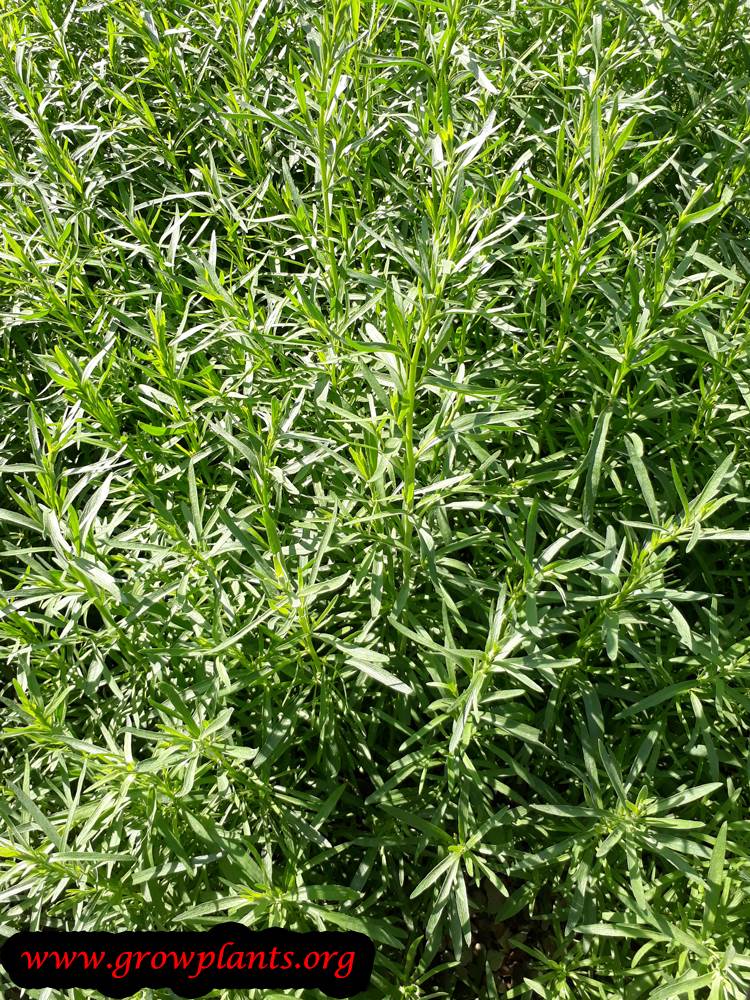
  • Leaves & Foliage: Aromatic, narrow green leaves 1-3 cm long, edible; smaller and thicker in winter than summer.
  • Flower Characteristics: Fragrant small pink or purple flowers on upright spikes in summer (see the Bloom guide).

Primary Uses & Landscape Value

  • Edible Uses: Aromatic leaves used fresh as a herb and spice.
  • Functional & Ornamental Roles: Fragrant ornamental and low hedge/groundcover; strong bee and pollinator plant with traditional medicinal use.

Care Guide: Planting, Soil & Watering

Overview: Hyssop is a fragrant, drought-tolerant evergreen subshrub for full sun to half shade in Mediterranean, desert and temperate climates. It thrives in moist but well-draining, alkaline soil.

Quick Care Requirements

Requirement Ideal Condition
Planting Season Spring (also autumn in warm climates; winter–autumn in desert)
Growth Rate Moderate
Soil Type Moist but well-draining soil; thrives in limey, alkaline ground
Soil pH Neutral to alkaline – prefers limey, alkaline soils
Water Need Low to Moderate – drought tolerant; let the top of the soil dry between waterings

Planting & Establishment

  • Best Planting Season: Plant in spring; in warm climates autumn also works, and in desert climates late autumn to winter.
  • How to Plant:
    • Hole Preparation: Dig a hole slightly wider than the root ball in a sunny, well-drained spot.
    • Soil Amendments: Add grit to sharpen drainage; a little lime suits its preference for alkaline soil, and it does not need rich feeding.
    • Planting Depth: Set the crown level with the soil surface so the base stays dry.
  • Growth Speed & Expectations: A steady, moderate grower forming a compact aromatic bush.

Soil, Watering & Drainage Care

  • Soil Mix & Drainage Needs: Moist but sharply draining soil is ideal; it grows well in containers and dislikes heavy, waterlogged ground.
  • Watering Schedule & Technique:
    • Young / Newly Planted: Water regularly after planting to settle the roots, keeping the soil lightly moist.
    • Established: Once established it is drought tolerant – water moderately and let the top of the soil dry before watering again.
    • Seasonal Adjustments: Water more in summer heat and sparingly in winter.

Climate, Light & Hardiness

Hyssop grows across a very wide climate range - mediterranean, desert, subtropical, or temperate - and prefers full sun to half shade. It is notably cold-hardy for the site's herb collection, rated to approximately zone 4–11.

Quick Climate Specifications

Climate ZonesMediterranean, desert, subtropical, and temperate climates
USDA Hardiness ZonesApproximately 4–11
Frost ToleranceHigh
Light ConditionsFull Sun to Half Shade
Wind ToleranceHigh – a tough, upright Mediterranean-type shrub

Sunlight & Light Exposure

Optimal Light Setup

Full sun gives the most compact, floriferous plants; half shade is tolerated with somewhat looser growth.

Temperature Extremes & Hardiness

USDA Hardiness & Regional Limits

Reliable outdoor culture spans an unusually wide range, approximately zone 4 through 11, reflecting genuinely high winter cold tolerance as well as heat tolerance in warmer zones.

Cold Damage & Winter Protection

Established plants tolerate hard winter freezes with little damage in cold-winter zones; young or first-year plants benefit from a protective mulch through their first winter.

Extreme Heat Tolerance

Also performs well in hot, dry desert and subtropical conditions provided drainage is sharp, consistent with its Mediterranean scrub origins.

Wind, Humidity & Microclimate

Dry-Air Tolerance

Well adapted to dry air once established, typical of its native Mediterranean and steppe habitats.

Wind Tolerance

Its low, woody, upright habit handles wind well.

Microclimate Recommendations

Well-drained, open, sunny sites are ideal; avoid waterlogged winter soil, which is a bigger risk to survival than cold alone.

Growing in Pots, Balconies & Indoors

Hyssop is not a true houseplant – the grower marks it as unsuitable for growing deep indoors – but it is a compact, sun-loving herb (20-80 cm / 8-32 in) that thrives in pots on a patio or balcony, and it can be kept on a very sunny windowsill.

Quick Details

  • Container Size: A roomy pot of about 10 L (2-3 gal) suits one plant
  • Indoor Suitability: Not a deep-room houseplant; a bright, sunny windowsill is its only indoor option
  • Best Spot: Full sun to light shade – the sunniest spot you can offer
  • Soil & Drainage: Free-draining, aerated mix; hyssop hates wet feet
  • Watering in Pots: Water when the top of the mix dries – it prefers things on the dry side

Indoors & On the Windowsill

  • Houseplant limits: Won’t thrive away from a window – it needs strong direct light to stay compact and aromatic.
  • Windowsill growing: A sunny sill with several hours of direct sun keeps it bushy and full of flavour; turn the pot so it grows evenly.
  • Overwintering: Hardy in most climates, but in a hard-frost area a potted plant can be moved to a sheltered spot or unheated porch over the cold season.

On a Balcony or Patio

  • Light & wind: Give it the brightest corner; walls and paving throw back heat, so pots dry quickly – check moisture in warm weather.
  • Practicalities: Light and easy to move; its flowers draw bees, making it a good balcony pollinator plant.

Choosing the Pot, Soil & Long-Term Care

  • Pot & drainage: A pot around 10 L with strong drainage holes; skip a standing-water saucer to avoid root rot. Terracotta breathes and dries faster; glazed or plastic holds moisture longer.
  • Potting mix: A light, aerated, organic-rich mix – potting compost or peat/coir with added perlite or vermiculite for drainage.
  • Feeding: Nutrients wash out of pots faster than open ground, so feed potted hyssop more often – a balanced liquid feed through the active growing season.
  • Repotting: Refresh the top layer of mix each year and renew it or pot up every couple of years; lightly trim the roots and top growth when you do.

Fertilizing & Feeding

A drought-tolerant Mediterranean-type herb that thrives on lean feeding; light balanced nutrition through the growing season is plenty, and heavy feeding softens its naturally compact, fragrant growth.

Quick Fertilizing Specs

Feeding Level Light feeder
Main Nutrient Priority Balanced feeding with modest nitrogen to support fresh aromatic foliage
Best Feeding Period Spring into the warm active growing season
Organic Options Compost or well-rotted organic matter worked into the bed
Reduce/Stop Feeding Taper off as growth slows going into cooler weather
Micronutrients Usually adequate from soil; correct only if a deficiency is diagnosed
Soil pH Prefers alkaline soil; avoid acidifying fertilizers or amendments

Feeding by Growth Stage

Establishment after planting

Help new hyssop plants root into well-drained, alkaline soil without pushing soft growth.

Nutrient direction A light, balanced feeding with modest nitrogen encourages steady rooting and bushy new growth.
Timing At planting time and through the first season, in spring or autumn depending on climate.
Frequency A single light feeding at planting is usually enough to carry establishment.
Fertilizer types A balanced, light-strength complete fertilizer, Compost worked into the planting hole or bed
Precautions Avoid rich or acidic amendments; hyssop is adapted to lean, alkaline, well-drained soil and resents overfeeding.

Active growth and bloom

Sustain fragrant summer foliage and the pink or purple flower spikes that draw pollinators.

Nutrient direction Occasional light, balanced feeding keeps growth steady without forcing lush, floppy stems that flop and lose fragrance.
Timing Through spring and summer while the plant is actively growing and blooming.
Frequency Light feeding only occasionally during the active season; this plant rarely needs more.
Fertilizer types A balanced, light-strength complete fertilizer, A light top-dressing of compost
Precautions Keep nitrogen modest; overfeeding trades fragrance and flowering for excess soft leaf growth.

Cool-season dormancy

Let this cold-hardy evergreen subshrub rest through winter without pushing new growth that cold can damage.

Nutrient direction None – withhold fertilizer while growth is dormant or near-dormant in cold weather.
Timing Late autumn through winter in the colder end of its hardiness range.
Frequency No feeding at this stage; resume once active spring growth returns.
Fertilizer types No feeding at this stage; hold off fertilizing until active growth resumes in spring.
Precautions Do not fertilize dormant plants; unused nutrients can leach away or encourage frost-tender new growth.

Nutrient Deficiency Signs & Corrections

New leaves turn pale yellow while the veins remain green, most visible on younger growth.

Possible causes high soil alkalinity limiting iron uptake, waterlogged or compacted roots, genuinely low soil iron
Appears first on newest leaves
What to check soil pH and drainage, root health, recent watering pattern
Possible correction Improve drainage, avoid over-watering, and apply a chelated iron product suited to alkaline soil per its label.

Overall pale, thin foliage and noticeably slower, weaker growth than normal.

Possible causes low available soil nitrogen, poor, sandy, low-organic-matter soil, nutrients washed away by heavy rain or watering
Appears first on older, lower leaves first
What to check feeding history, soil organic matter, drainage and watering
Possible correction Apply a light, balanced fertilizer with modest nitrogen and work in some organic matter.

Leaf tips and margins brown or look scorched despite normal watering.

Possible causes fertilizer salts building up in lean, well-drained soil, under-watering that concentrates salts, feeding more heavily than this light feeder needs
Appears first on leaf tips and margins
What to check recent feeding amounts, watering consistency, container or bed drainage
Possible correction Stop feeding for a while, flush the root zone with plain water, then resume with lighter, less frequent feeding.

Pruning, Training & Seasonal Maintenance

Hyssop is a low, woody-based subshrub – more like lavender or thyme than a herbaceous herb – that carries a permanent woody framework under seasonally changing foliage (smaller, thicker leaves in winter; larger leaves in summer). It tolerates light, frequent tidying well but, like most woody mediterranean subshrubs, does not reliably resprout from bare old wood, so the one real shaping cut of the year should stay within leafy growth. The safest and most effective time for that shaping prune is right after the summer bloom, which tidies the plant, removes spent fragrant flower spikes, and encourages the compact new growth that carries next year’s flowers, without sacrificing the display already enjoyed that season.

Quick Pruning & Maintenance Specs

Pruning Tolerance Moderate (light trims tolerated year-round; avoid cutting into bare old wood)
Primary Pruning Window Immediately after summer bloom
Secondary Maintenance Window Light tidying of dead leaves/stems, any time of year
Typical Frequency One shaping trim per year, plus occasional light cleanup
Main Objective Keep a dense, compact mound and prevent a bare woody center
Young Plant Priority Pinch tips to encourage branching from the base
Mature Plant Priority Annual post-bloom shear to renew flowering wood and hold shape
Best Tool Type Precision snips or light hand shears
Avoid Heavy Pruning During Winter dormancy and any time that would cut into leafless, bare stems

Pruning by Plant Age & Size

Newly Established

Pinch growing tips lightly to encourage low branching from the base rather than a single upright stem; do not shear a young plant hard.

Young / Formative

No formal training system is needed – this is a naturally mounding subshrub. Repeated light pinching over the first year or two builds the dense, many-branched base that keeps the plant from going woody and sparse later.

Mature / Established

Focus each year on a light overall shear to just above the current season’s leafy growth, keeping the rounded mounded form and removing the previous flower stems, rather than trying to reduce an already-woody plant back to size.

Seasonal Pruning Schedule

Post-Flowering

Objective: renew the plant for the following year. Remove spent flower spikes and shear the whole plant lightly back into leafy growth. Do not cut back into bare, leafless wood. Response: fresh compact regrowth through late summer and autumn that will carry next year’s bloom; no bloom is lost since this year’s flowering is already finished.

Ongoing Sanitary

Through the rest of the year, simply pick or snip out dead leaves and dead stem tips as they appear – this matches the plant’s own natural year-round tidying need and keeps air moving through the dense foliage.

Structural Pruning & Training

Renewal is the main structural concern: an annual post-bloom shear keeps replacing the woody base with fresh leafy stems before the plant thins out and splays open, which is much harder to reverse once it happens on a mediterranean subshrub like this.

Special Growth to Remove

Dead leaves and dead stems (the plant’s own noted maintenance need), and spent flower stems once the fragrant pink or purple bloom has finished.

Container & Small-Space Pruning

In a pot, shear a little more assertively after bloom to keep the plant proportionate to the container and to compensate for the more limited root run, but the same rule applies: stay within leafy growth and never cut back into bare wood.

Tools

Precision snips or light hand shears for both the annual shaping trim and routine dead-material cleanup; no saw or loppers are needed on a plant this size (20–80 cm).

Tool Hygiene & Disease Risk

Routine hygiene only – clean, sharp tools. The main pests noted (leafhoppers, aphids) are not tools-transmitted, so no special disinfection between cuts or plants is required.

Cut Placement & Technique

Use light heading cuts into leafy stem tips rather than deep thinning cuts; always leave some green foliage below the cut so the stem can keep producing new growth.

Heavy Pruning & Rejuvenation

Hard rejuvenation is not reliably tolerated: like lavender and thyme, hyssop’s older wood often fails to resprout once cut back hard and bare. If a plant has become sparse and woody in the center, it is generally more reliable to take cuttings and replace it than to try to renovate it with a hard cutback.

Post-Pruning Care

Water lightly after the post-bloom shear if conditions are dry, but avoid feeding – this is a drought-tolerant plant that stays more compact and fragrant on lean soil, and extra fertility after cutting back tends to produce lax, less aromatic growth.

Common Pruning Mistakes

Cutting back into bare, leafless stems expecting regrowth (it usually will not come); delaying the annual shear too long, which lets the base go permanently woody and open; and shearing hard in winter, when the plant is not actively growing and wound response is slow.

When NOT to Prune

Avoid a hard shaping cut in winter dormancy, and avoid cutting into any stem section that has already lost its leaves – treat that wood as unrecoverable rather than a pruning target.

Recommended Tools (by task)

  • precision_snips – for the annual post-bloom shaping trim and routine removal of dead leaves/stems on this fine-stemmed subshrub.

Propagation Guide

Hyssop grows readily from seed, which is usually true to the species, but named colour forms (blue-, pink- or white-flowered selections) need cuttings or division to keep their exact flower colour, since seedlings can revert to mixed colours. Propagation is easy by either method, with cuttings giving a faster, more predictable result for a specific selection.

Quick Propagation Specs

Best Propagation Method Seed (species); softwood stem cuttings (named colour selections)
Alternative Methods Division of established clumps
Propagation Difficulty Easy
Seed True-to-Type Usually true-to-type for the species; colour-selected forms are variable from seed
Vegetative True-to-Type Yes
Best Propagation Season Spring, aligning with the plant’s own spring/autumn planting window
Seed Germination Time Typically 1–3 weeks
Cutting Rooting Time Usually a few weeks
Germination Temperature Around 18–21°C (64–70°F)
Seed Sowing Depth Surface sow or barely cover – light can aid germination

Growing from Seed

Sowing Season

Sow in spring, in step with the plant’s own spring (and, in warm climates, autumn) planting season.

Sowing Depth & Orientation

Seed is small; surface-sow or cover only lightly.

Germination Conditions & Time

Germinates at room temperature in bright conditions, typically within 1–3 weeks.

Stem Cuttings

Cutting Type

Softwood tip cuttings from non-flowering shoots.

Best Timing

Late spring to early summer.

Rooting Setup

A free-draining cutting mix suits this drought-tolerant plant; avoid keeping the mix waterlogged.

Rooting Hormone

Optional – beneficial for consistency but not essential.

Rooting Time

Usually a few weeks.

Division, Offsets, Pups & Suckers

Established clumps can be lifted and divided in spring; because hyssop has a semi-woody base, choose sections with plenty of their own roots attached rather than thin, root-poor pieces, which establish less reliably.

Bloom & Edible Flower Guide

Quick Details

  • Bloom Season: Summer
  • Time to First Bloom: Usually in its first or second season once the plant is established
  • Flower Appearance: Small fragrant flowers in pink or purple, carried in slender spikes along the upright stems
  • Edibility: The flowers are edible and aromatic – used in salads and as a garnish, and much loved by bees

Detailed Blooming Overview

Hyssop is a fragrant Mediterranean herb that flowers through summer, sending up slim spikes crowded with small pink or purple blooms. The flowers share the plant’s warm, slightly minty scent, are edible, and are a magnet for bees and other pollinators – a hyssop in flower fairly hums with activity.

Flower Characteristics

  • Small, aromatic flowers in pink or purple.
  • Borne in narrow spikes along the upper stems.
  • Strongly attractive to bees and other pollinators.

Bloom Care & Thinning

  • Prolonging the display: Trimming back after the first flush keeps the plant neat and can bring a second showing of bloom.
  • For eating: Pick freshly opened flowers from unsprayed plants and use them fresh.

Fruit & Uses

The leaves of hyssop are the edible part, used fresh or dried as a pungent, minty-bitter culinary herb and traditionally as a flavouring in liqueurs. They can be eaten raw in small amounts, but the concentrated compounds in the plant mean it should be used sparingly rather than as a bulk leafy green.

Quick Edible Specs

Edible Parts Leaves
Main Use(s) Culinary (herb, spice); traditional flavouring in liqueurs
Eaten Raw or Cooked Eaten raw in small amounts as a garnish/seasoning, or used cooked as a spice
Preparation Required None to harvest; use sparingly due to strong flavour and essential-oil content
Harvest Season Spring and autumn mainly, though leaves can be picked year-round once established
Storage Best fresh; can be air-dried like other culinary herbs
Safety/Toxicity Caveat contains ketone compounds that are neurotoxic in concentrated or excessive amounts – keep to normal small culinary quantities, avoid the concentrated essential oil, and avoid regular use during pregnancy or with seizure disorders

Leaves & Greens

Leaves are small (1–3 cm), ovate, and differ slightly between seasons – smaller and thicker in winter, larger in summer. Once the plant is established, sprigs can be cut with their stems for use. The leaves have a strong, somewhat bitter, minty-camphor flavour and are used as a seasoning herb, in small amounts raw, or cooked into dishes and traditionally into herbal liqueurs.

Preparation, Uses & Safety

Use hyssop leaves the way you would a strong culinary herb – in small quantities, fresh or dried, for seasoning. The plant’s essential oil is far more concentrated than the leaf itself and carries a documented risk of toxicity, so avoid ingesting the essential oil and do not exceed normal culinary use of the leaf. As with many strong herbs, hyssop has a long history of traditional medicinal use, but no health claims are made here.

Pests, Diseases & Troubleshooting

Overview: Hyssop is an aromatic Mediterranean herb that is naturally pest-resistant — its oils deter many insects, and it is more often a pollinator magnet than a pest victim. Its real enemy is wet feet: root rot in heavy or overwatered soil. Sharp drainage and sun keep it essentially trouble-free.

Quick Troubleshooting Overview

Issue / Pest Main Symptom Primary Solution
Root rot Wilt, yellowing, blackened base in wet soil Sharp drainage, full sun, water sparingly
Aphids Sticky clustered soft new growth Water jet, insecticidal soap
Leafhoppers Pale stippling, flecking; can spread disease Encourage predators, soap/neem if heavy
Spider mites Fine stippling and webbing in hot dry spells Hose foliage, oil/soap
Powdery mildew White film in humid, crowded, shaded plants Space, airflow, sulfur
Rust Orange pustules on leaves in wet seasons Remove leaves, airflow, avoid wetting foliage

Common Pests & Management

  • Aphids (Aphis spp.):
    • Symptoms: Soft green or dark insects clustering on tender shoot tips and flower stalks, leaving sticky honeydew and sometimes sooty mold; usually light on this aromatic plant.
    • Prevention & Control: Encourage the many beneficials hyssop attracts, dislodge with water, and use insecticidal soap only on stubborn colonies in the evening.
  • Leafhoppers (Cicadellidae):
    • Symptoms: Pale flecking and stippling on leaves from feeding, sometimes with distorted growth; hoppers jump when disturbed and can transmit plant pathogens.
    • Prevention & Control: Support predatory insects and spiders, use row cover on young plants if pressure is high, and treat with insecticidal soap or neem for significant infestations.
  • Spider mites (Tetranychus urticae):
    • Symptoms: Fine stippling, bronzing, and light webbing in prolonged hot, dry weather.
    • Prevention & Control: Hose foliage, keep plants unstressed, and use insecticidal soap or a light horticultural oil on undersides if needed.
  • Whitefly (minor) (Trialeurodes / Bemisia):
    • Symptoms: Occasional tiny white flies rising from disturbed plants with light honeydew, mainly in greenhouse or sheltered settings.
    • Prevention & Control: Use yellow sticky traps and insecticidal soap; rarely a serious issue outdoors on hyssop.

Diseases & Fungal Issues

  • Root & crown rot (Pythium, Phytophthora, Rhizoctonia):
    • Symptoms: Wilting, yellowing, stunting, and a blackened soft base — by far the most likely way to lose hyssop, always tied to wet, heavy, or overwatered soil.
    • Treatment & Management: Prevention is everything: grow in gritty, sharply drained soil in full sun, water sparingly and let it dry between, and avoid winter wet; do not mulch heavily over the crown.
  • Powdery mildew (Erysiphe spp.):
    • Symptoms: White powdery film on leaves and stems in humid, crowded, or shaded conditions.
    • Treatment & Management: Space plants, prune for airflow, avoid overhead watering, and use sulfur or potassium bicarbonate if it appears.
  • Rust & fungal leaf spot:
    • Symptoms: Orange rust pustules or brown leaf spots in wet seasons, mostly cosmetic on a vigorous plant.
    • Treatment & Management: Remove affected leaves, keep foliage dry, ensure airflow, and clear debris; fungicide is rarely warranted.

Growing Difficulties & Abiotic Problems

  • Wet-soil decline:
    • Cause & Symptoms: Yellowing, dieback, and rot in clay, poorly drained, or overwatered ground — hyssop resents constant moisture.
    • Correction Strategy: Plant in lean, gritty, free-draining soil in full sun, and water only when needed; raised beds help in wet climates.
  • Legginess / woodiness:
    • Cause & Symptoms: Plants sprawl open and become woody and bare at the base with age or too much shade and feeding.
    • Correction Strategy: Grow in full sun, avoid rich soil and heavy feeding, and shear back after flowering to keep growth dense; replace very woody plants.
  • Winter damage:
    • Cause & Symptoms: Dieback of top growth in hard winters, especially in wet cold.
    • Correction Strategy: Provide sharp drainage, avoid winter waterlogging, and cut back frost-damaged growth in spring as new shoots appear.

What Helps — Products & Tools

Hyssop rarely needs pesticides — its aromatic oils do much of the work and it feeds beneficial insects. Keep insecticidal soap or neem for the occasional aphid, leafhopper, or mite, and sulfur for powdery mildew. The single most useful ‘tool’ is cultural: gritty, free-draining soil and restrained watering to prevent root rot.

Hyssopus officinalis grow and care – shrub‎ or subshrub of the genus Hyssopus also known as Herb Hyssop, Hyssopus officinalis perennial evergreen plant also used as ornamental ground cover, fragrant drought tolerant plant, can grow in mediterranean, desert, subtropical or temperate climate and growing in hardiness zone 4-11

Hyssopus officinalis leaves

Leaves edible color green the size 1-3 cm, there are to different growth of leaves winter and summer, the winter leaves smaller and thick.

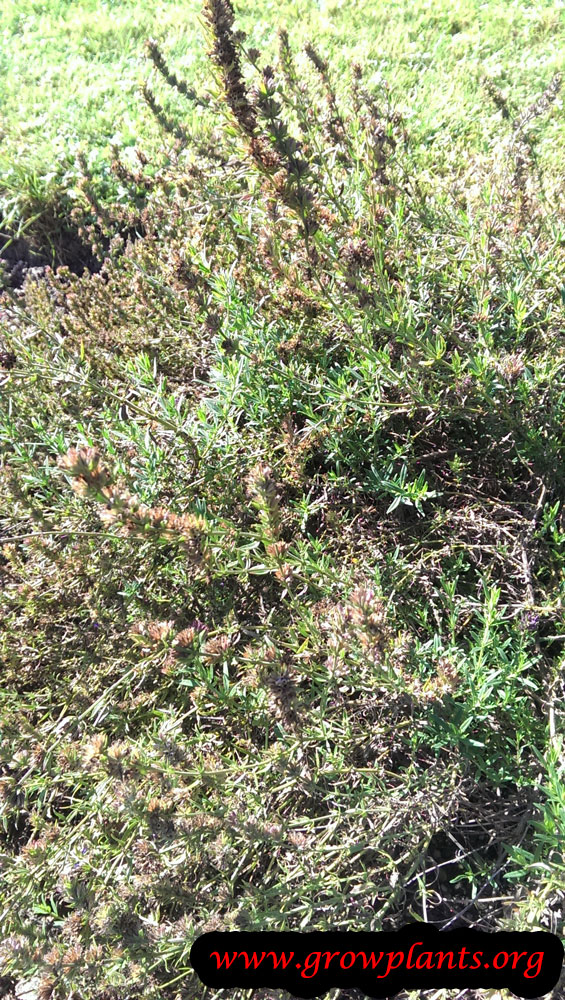
Flower fragrant color can pink or purple the flowers small and grow on stems.

Hyssopus officinalis for sale – Seeds or Plants to Buy

How to grow Hyssopus officinalis growing and care:

Moist and well drain soil, alkaline soil

What is the best way to start growing?
Plant / Seed / Vegetative Reproduction

Is it necessary to graft or use vegetative reproduction?
No, but easier to grow

Edible leaves

Leaves harvesting season:
Spring / Autumn (but can be harvest all year)

Advertisement

How to harvest the leaves?
Better to cut the stems the after the plant established

Information about leaves:
Leaves ovate in green color the size 1-3 cm

Uses of Hyssopus officinalis leaves:
Herbs, eaten raw, spices

Scientific name:

Hyssopus officinalis
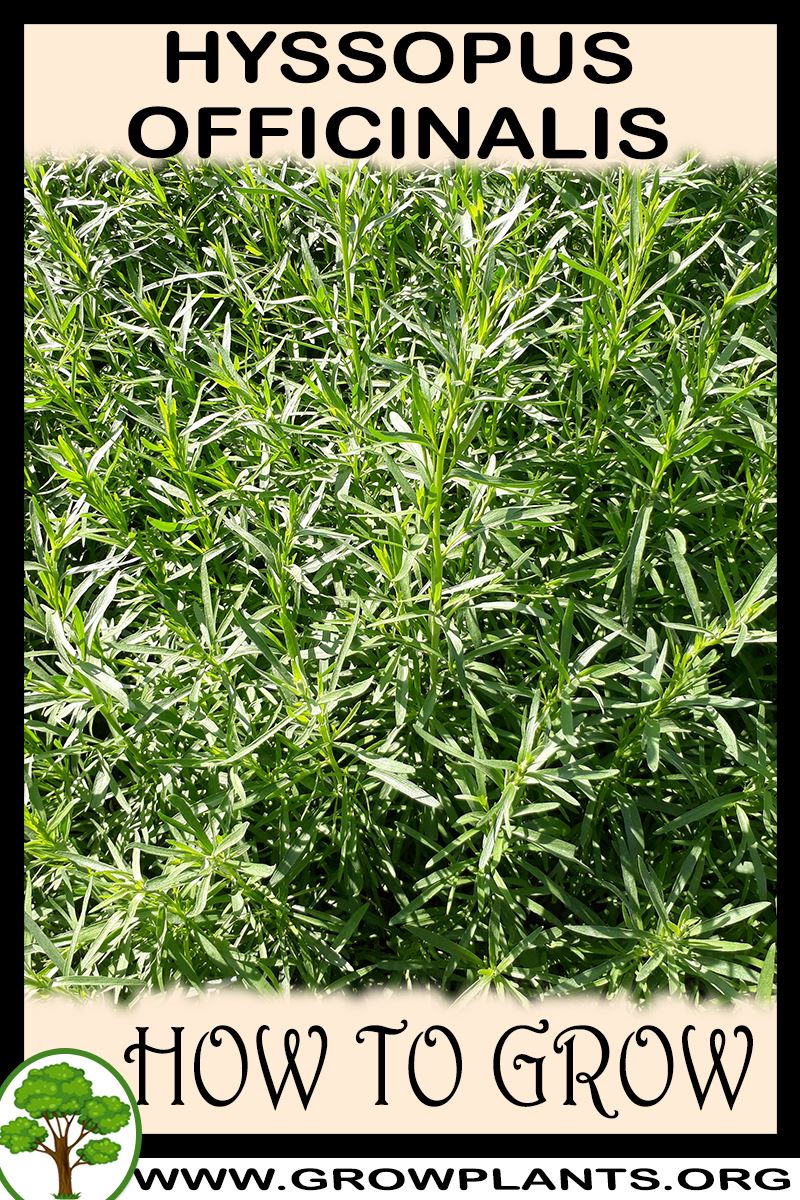
How to grow Hyssopus officinalis

Hyssopus officinalis plant care

Hyssopus officinalis

Categories

Blooming Seasons
  • Summer flowers
Edible Parts
  • Edible leaves
Culinary uses
  • Herbs
  • Spices
Flower colors
  • Pink flower
  • Purple flower
Climate
  • Desert Climate
  • Mediterranean Climate
  • Subtropics Climate
  • Temperate Climate
Harvest Season
  • Autumn Harvest
  • Spring Harvest
  • Summer Harvest
  • Winter harvest
Ornamental parts
  • Ornamental flower
  • Ornamental leaves
  • Ornamental plant
Plant growing speed
  • Average growing plants
  • Fast growing plants
Plant life-form
  • Evergreen
  • Perennial plant
  • Shrub
  • Subshrub
Plant Uses
  • Edible plants
  • Fragrance
  • Ground cover plants
  • Medical uses
  • Ornamental plants
Planting Season
  • Autumn Planting
  • Spring Planting
  • Winter planting
Plants sun exposure
  • Full sun Plants
  • Part shade Plants
Watering plants
  • Regularly water
  • Small amounts of water
Hardiness zone
  • Hardiness zone 10
  • Hardiness zone 11
  • Hardiness zone 4
  • Hardiness zone 5
  • Hardiness zone 6
  • Hardiness zone 7
  • Hardiness zone 8
  • Hardiness zone 9

Related Plants