

Plant Profile & Key Characteristics
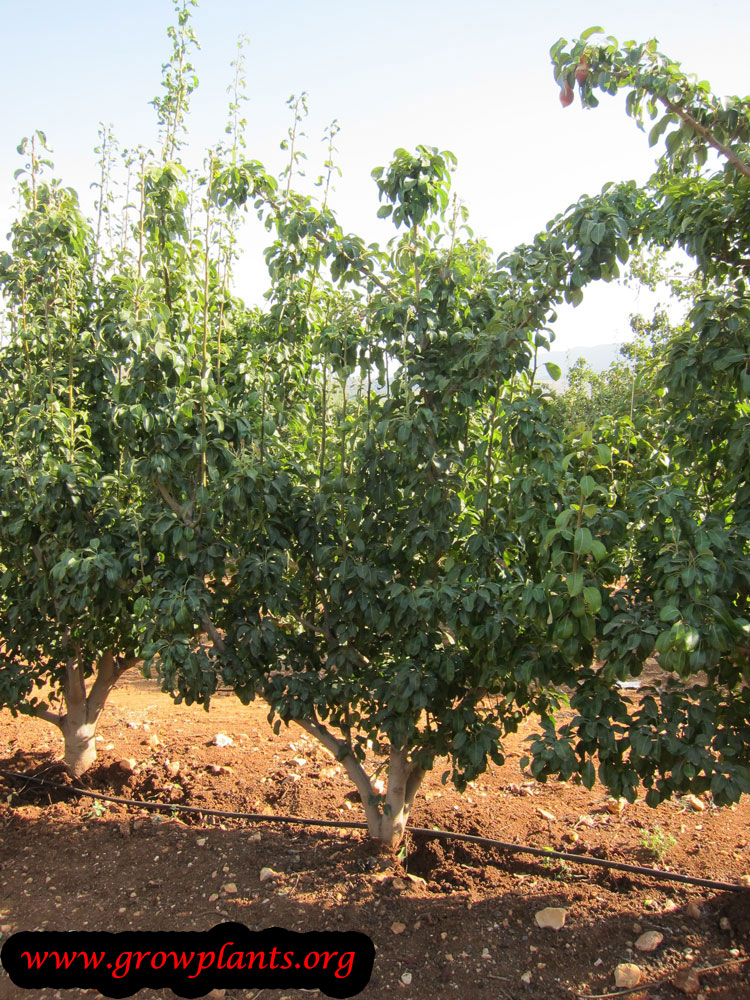
Overview: A deciduous fruit tree reaching 3-15 m (10-45 ft) depending on cultivar and rootstock, grown chiefly for its edible pears and occasionally trained as bonsai. It drops its leaves each winter and needs a period of winter chill to crop well.
Quick Specifications
| Specification | Attribute |
|---|---|
| Plant Type / Life Cycle | Perennial (deciduous fruit tree) |
| Foliage Type | Deciduous |
| Mature Size | 3-15 m (10-45 ft) tall, according to cultivar and rootstock |
| Growth Rate | Slow to moderate |
| Root System | Deep-rooted; grafted onto size-controlling rootstocks |
| Toxicity | Non-toxic / edible fruit (foliage not eaten) |
| Hardiness | USDA zones 4-10, cultivar-dependent |
Growth Form & Structure
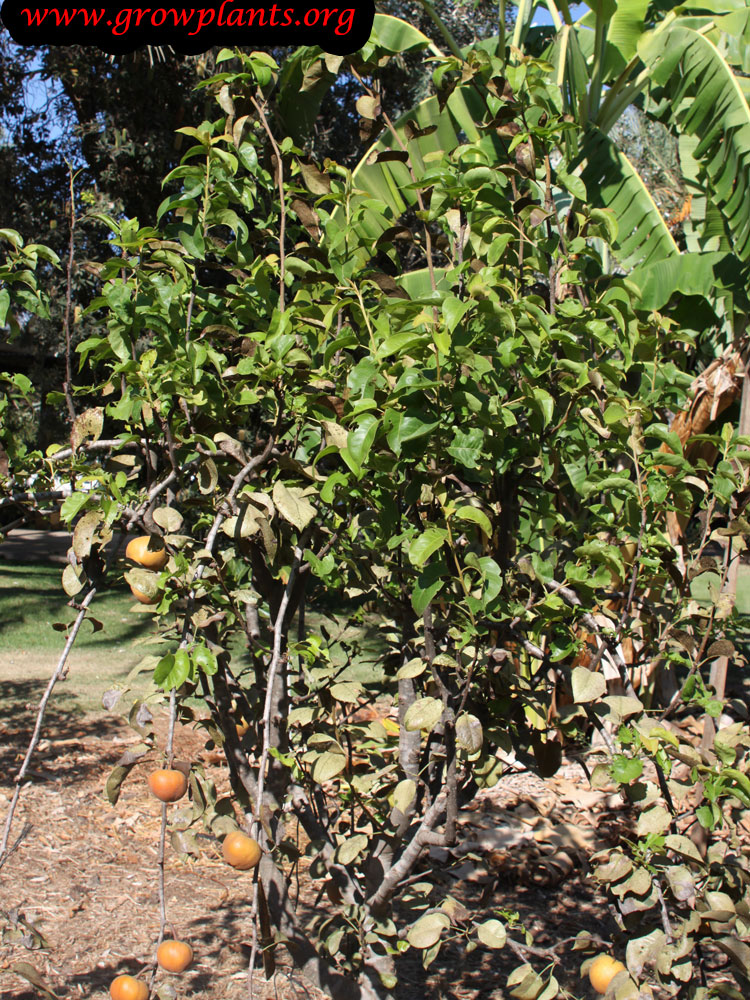
- Height & Spread: In the ground typically 3-15 m (10-45 ft); kept far smaller in a container on a dwarfing rootstock, potted up gradually as the roots fill each pot.
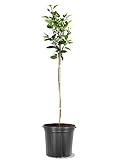
- Growth Habit & Form: Upright deciduous tree with a single trunk and a rounded to pyramidal crown; can be espaliered against a wall or trained as bonsai.
- Lifespan & Maturity: Long-lived tree; a grafted tree comes into bearing in about 3-4 years.
Anatomy & Physical Features
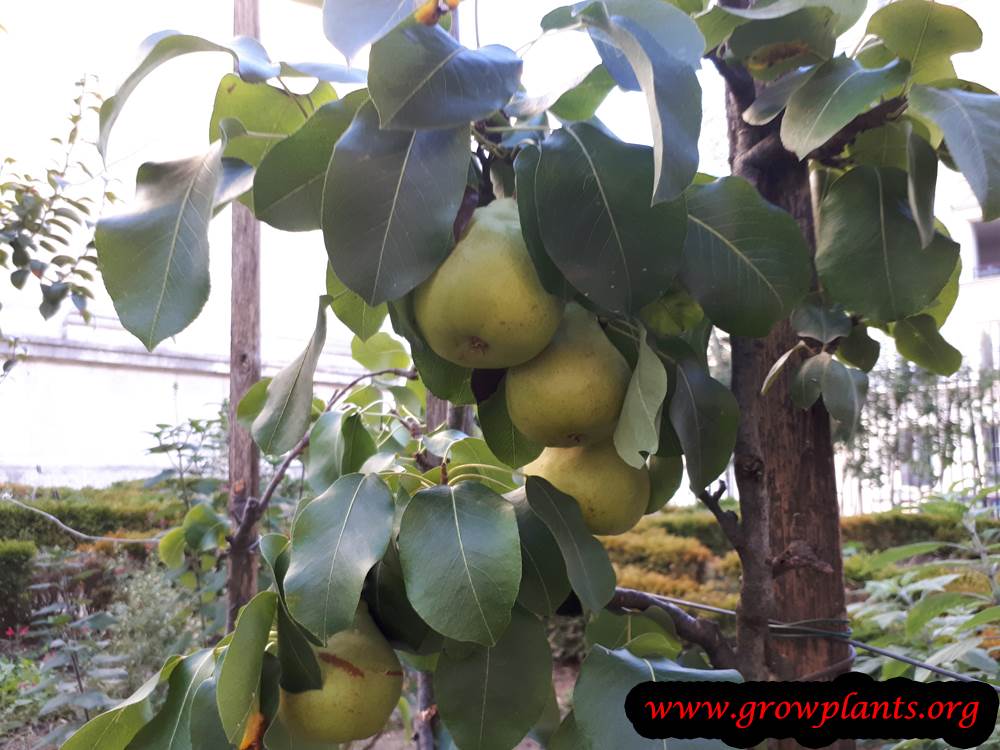
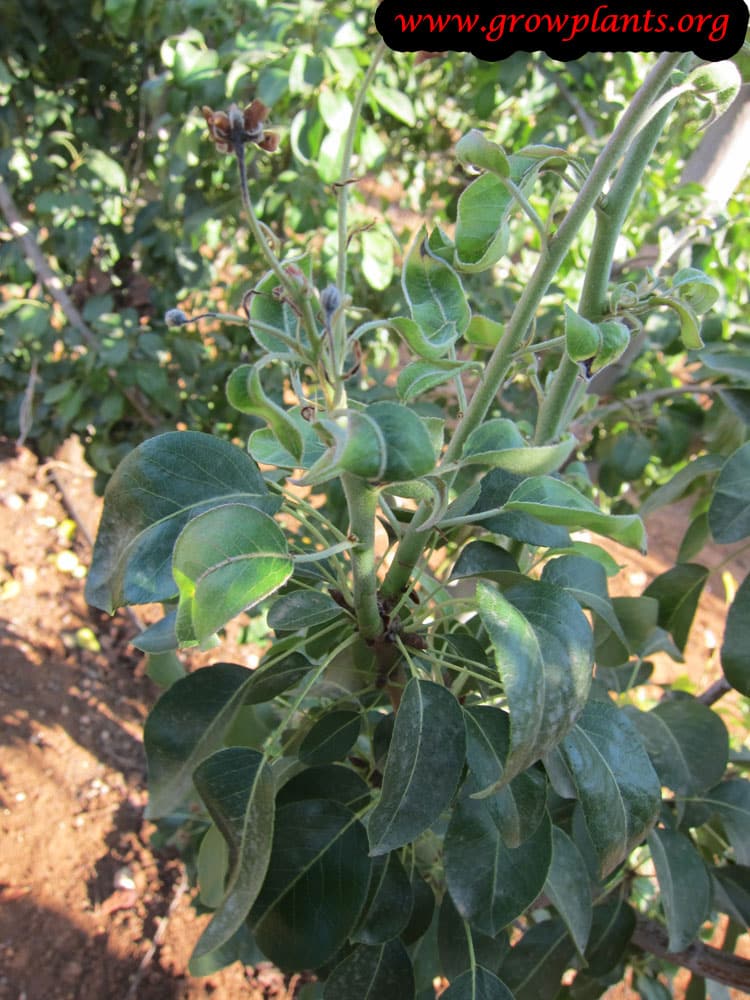
- Leaves & Foliage: Oval leaves in shades of light to dark green, shed before winter.
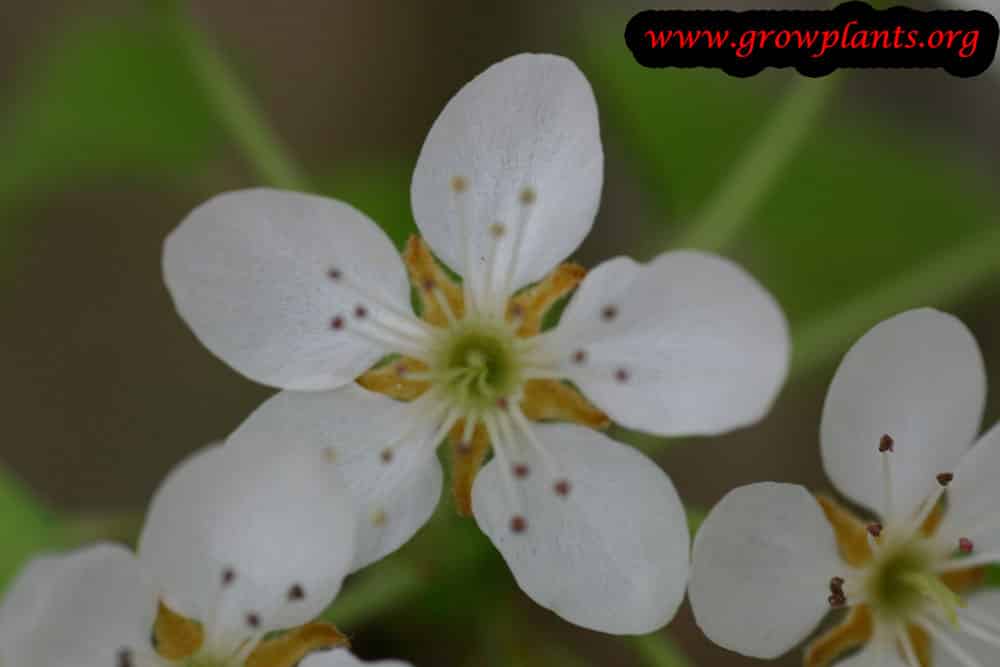
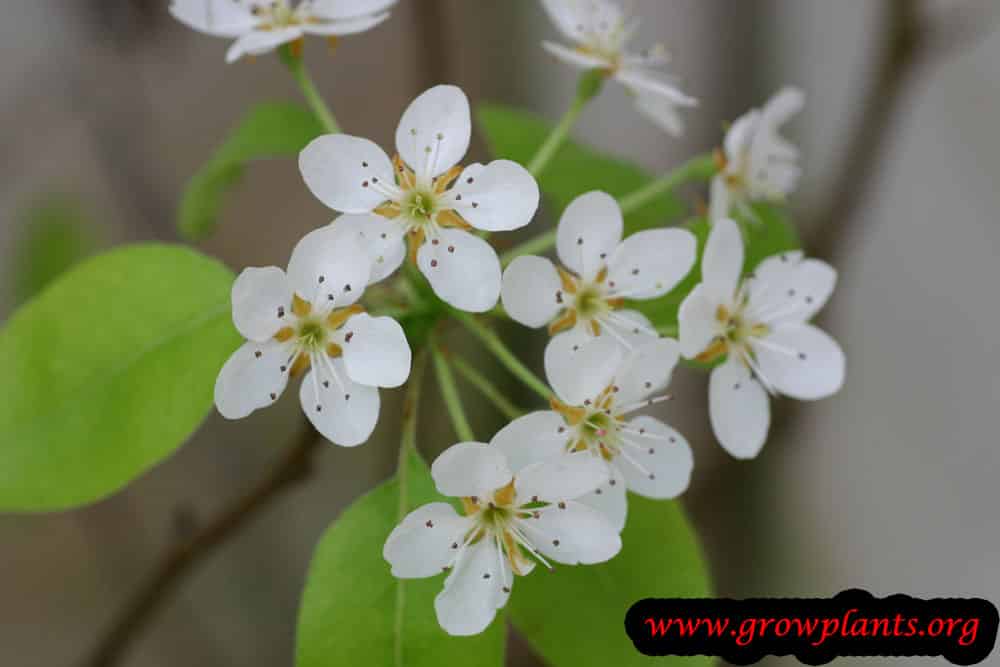
- Flower Characteristics: White five-petalled blossoms about 1-2.5 cm across, borne in clusters in spring and pollinated by bees.
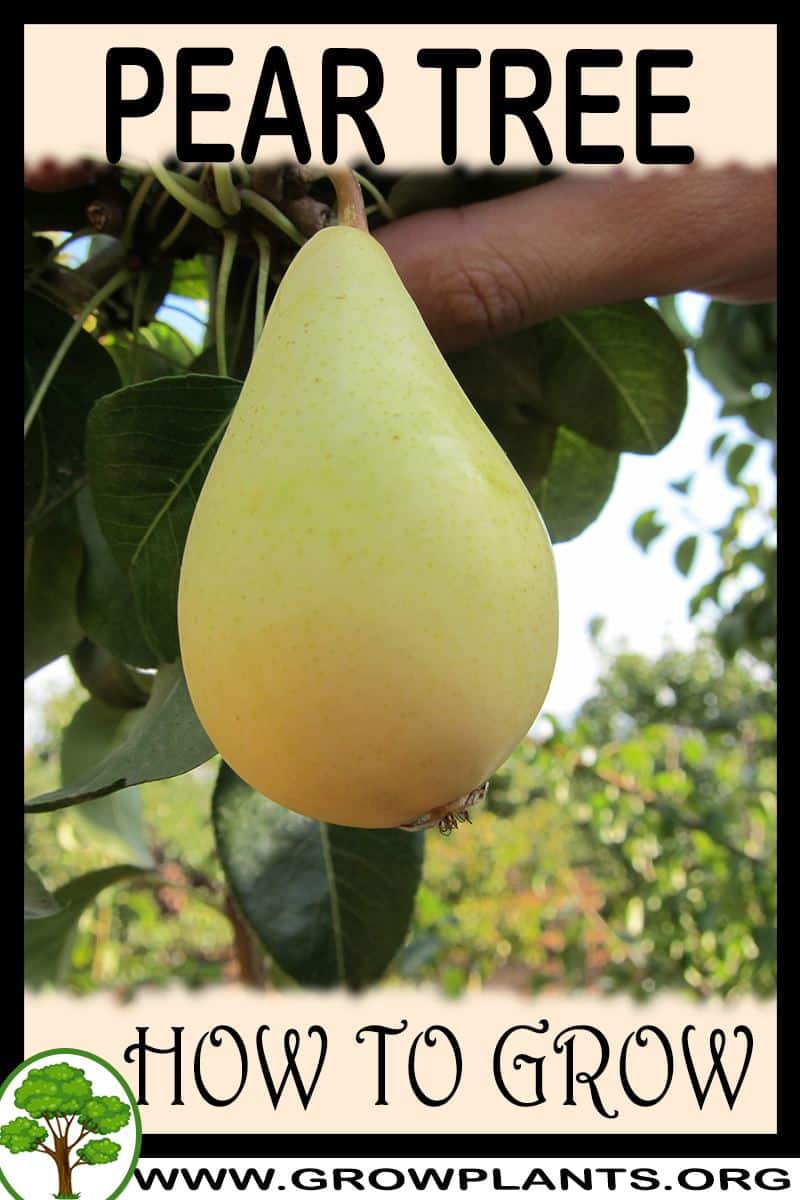
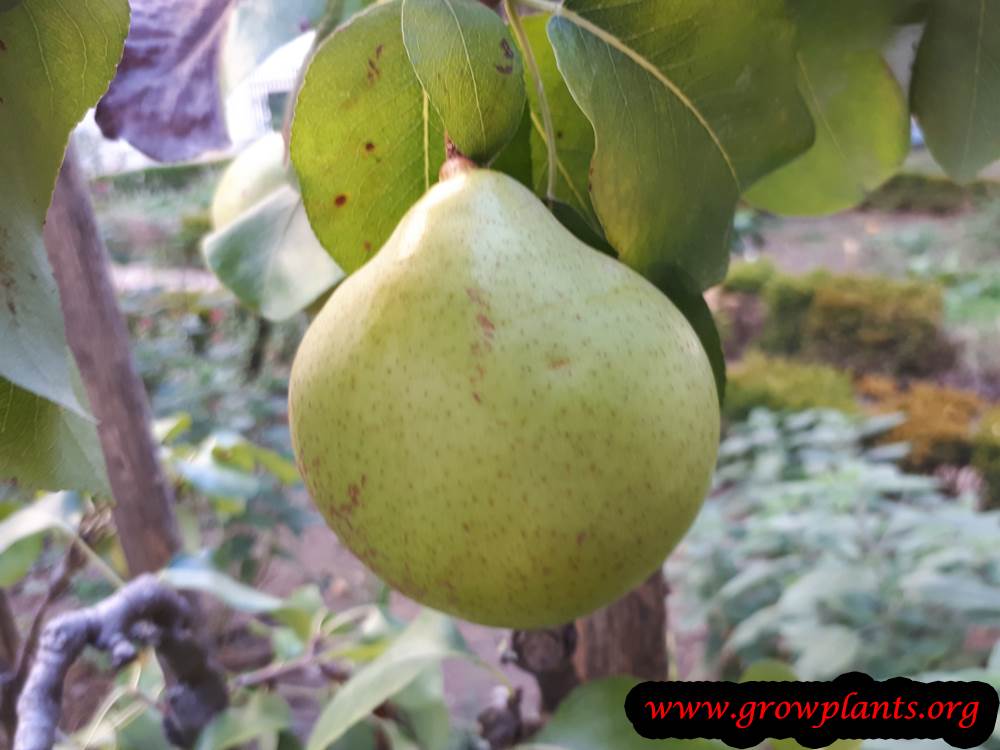
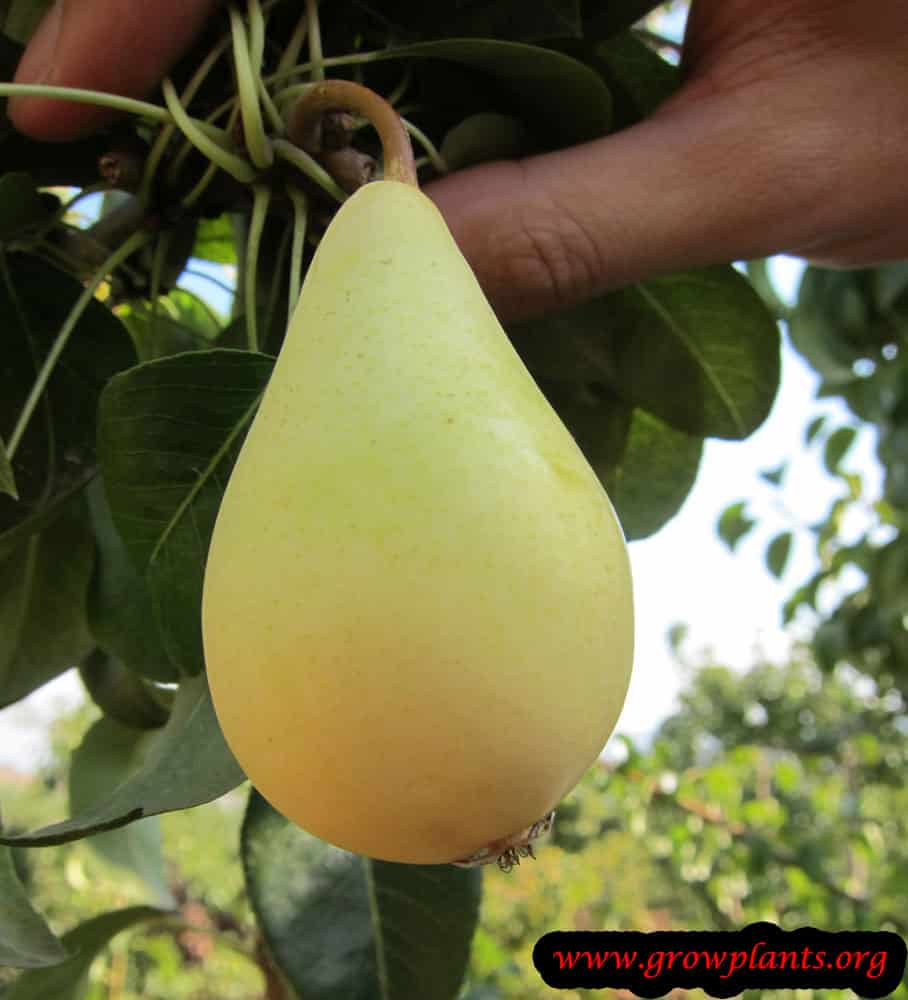
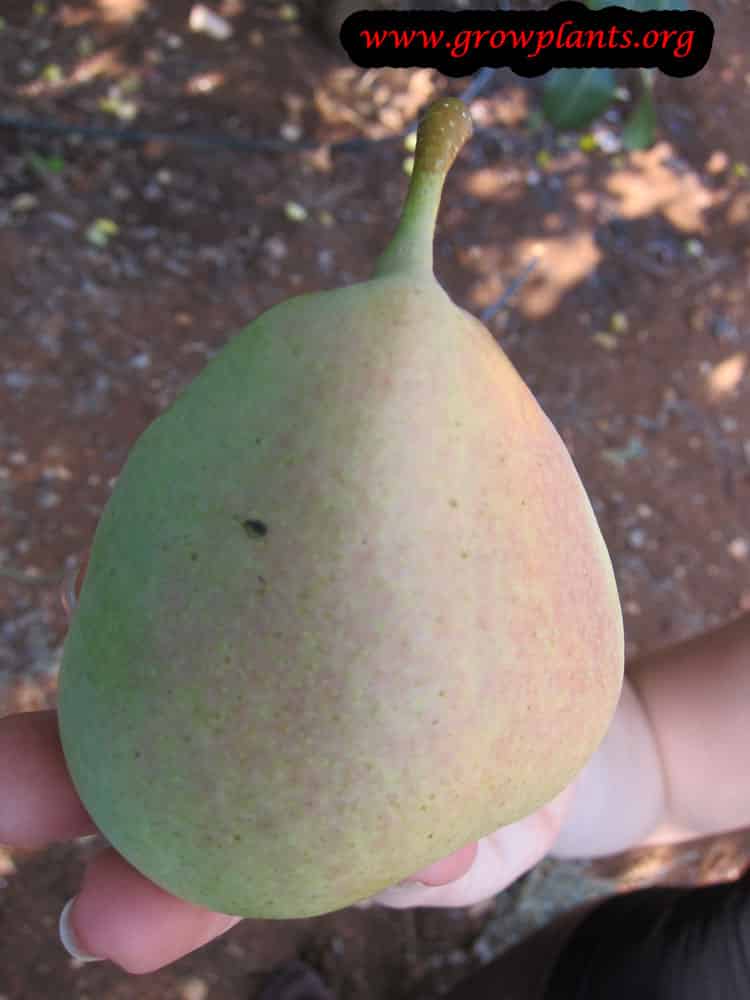
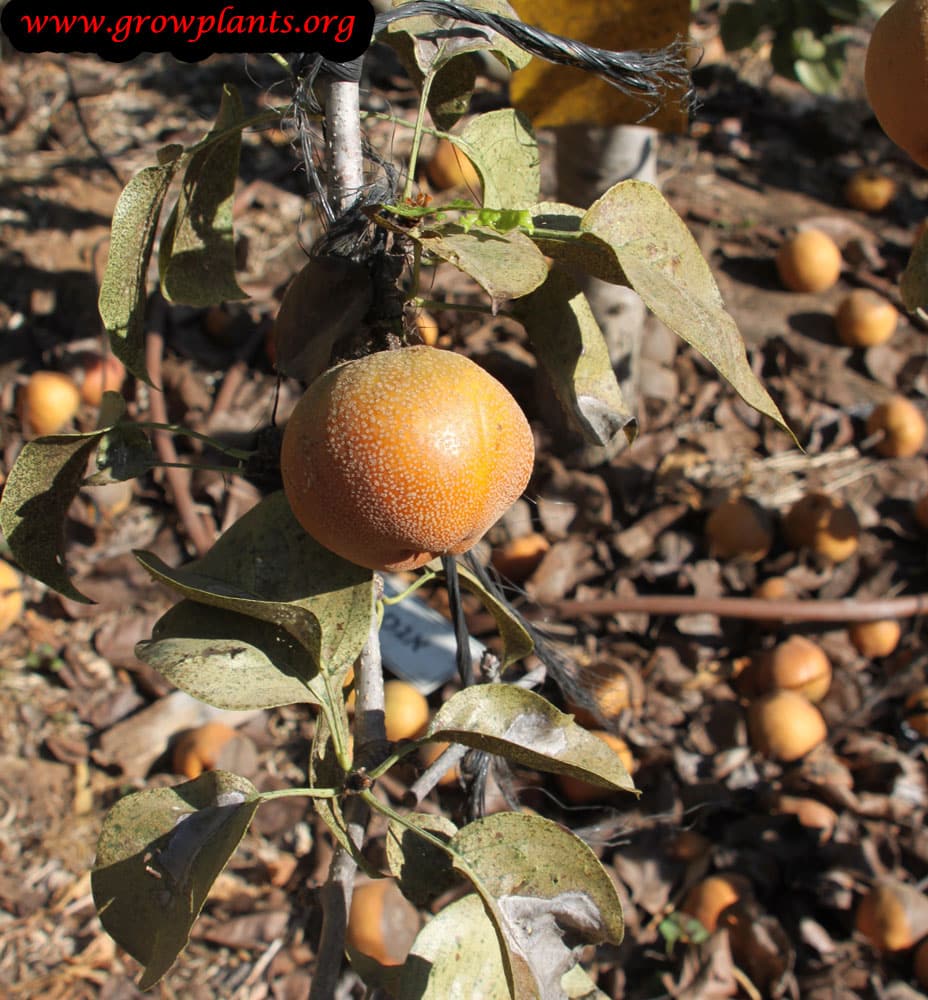
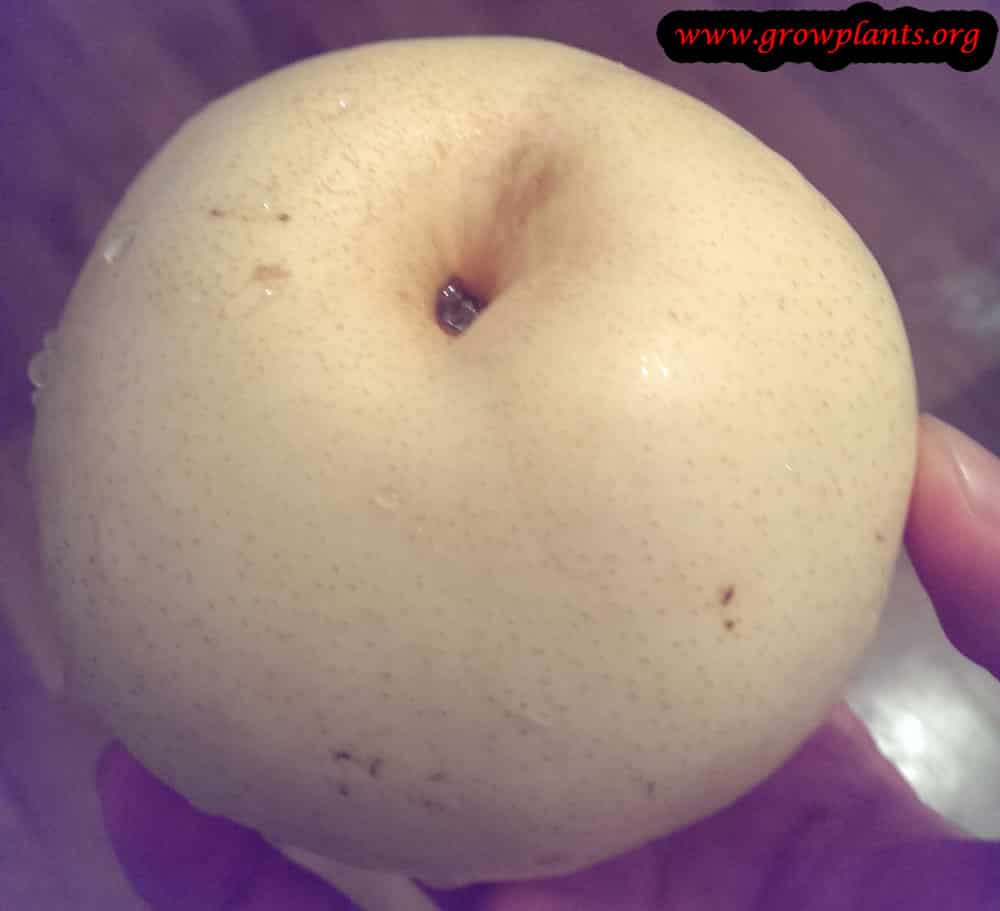
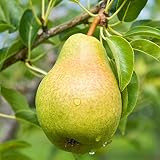
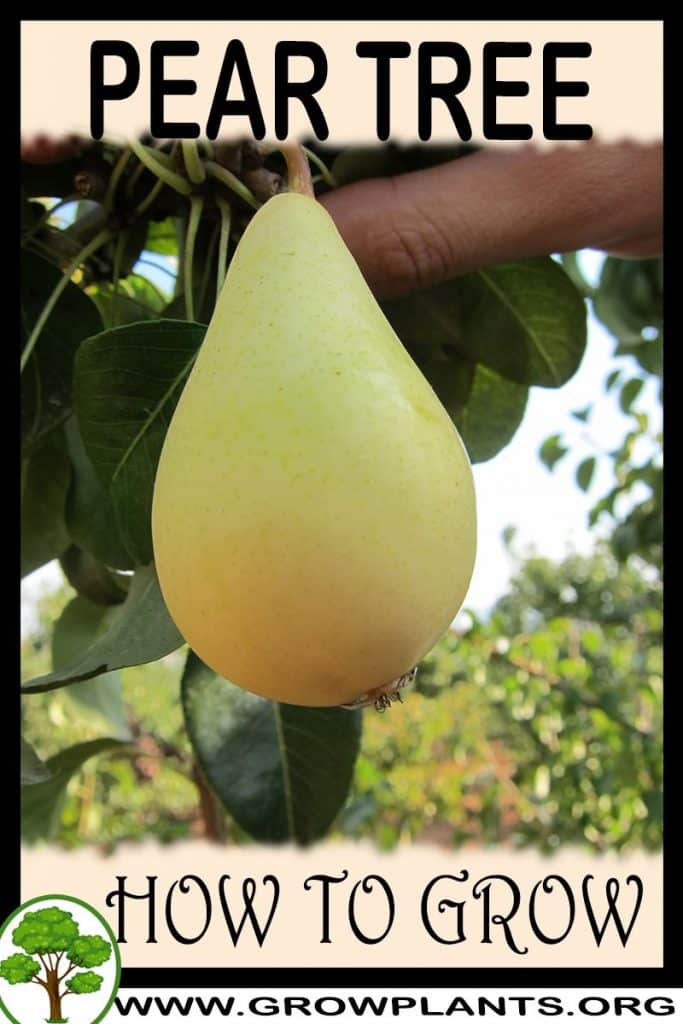
- Fruit Profile: Mostly pear-shaped (sometimes round) fruit 3-16 cm long, the skin yellow, white, green, brown or red, with sweet juicy flesh.
Primary Uses & Landscape Value
- Edible Uses: Pears eaten fresh, baked, in cakes and pressed for juice.
- Functional & Ornamental Roles: Orchard and garden fruit tree, a large-container specimen on dwarf stock, and a classic subject for bonsai.
Care Guide: Planting, Soil & Watering
Overview: The pear (Pyrus) is a deciduous fruiting tree for temperate, mediterranean and subtropical climates (hardiness zone 4-10, varying by cultivar, and to 10b with care) that needs winter chill to crop well. It grows best in full sun to part shade in deep, fertile, well-draining soil kept evenly moist, and is usually grown as a grafted tree for reliable fruit.
Quick Care Requirements
| Requirement | Ideal Condition |
|---|---|
| Planting Season | Winter to spring while dormant (bare-root only in late winter to early spring) |
| Growth Rate | Slow to moderate |
| Soil Type | Deep, fertile, well-draining; evenly moist |
| Water Need | Moderate to high; keep evenly moist, more while fruiting |
Planting & Establishment
- Best Planting Season: Plant while the tree is dormant, from winter into spring; bare-root trees must go in during late winter to early spring, as planting them later greatly reduces their chance of survival.
- How to Plant:
- Hole Preparation: Dig a hole about twice the width of the root ball and no deeper, in a sunny, well-drained position, loosening the surrounding soil.
- Soil Amendments: Mix organic matter, humus and dead leaves into the backfill; with bare-root trees, trim back part of the roots and the top above the graft, and keep the graft union above soil level.
- Planting Depth: Set the tree at the level it grew in the nursery, keeping the root collar and graft union above the surface and never burying the stem.
- Growth Speed & Expectations: A slow to moderate grower that can reach 3-15 m but is usually kept smaller by pruning, or as a container dwarf; grafted trees typically begin bearing in about 3-4 years.
Soil, Watering & Drainage Care
- Soil Mix & Drainage Needs: Deep, fertile, well-draining soil is best; pears tolerate heavier ground than most fruit trees but still dislike standing water. In containers use a grafted dwarf cultivar and a free-draining mix with drainage holes, never leaving water in the saucer.
- Watering Schedule & Technique:
- Young / Newly Planted: Water regularly after planting to keep the soil evenly moist while the tree establishes.
- Established: Water deeply and regularly, increasing water as the fruit swells and ripens so it does not dry out.
- Seasonal Adjustments: Water more through summer and fruiting, and cut back in winter while the tree is dormant.
Climate, Light & Hardiness
Pear trees are cold-hardy temperate fruit trees that need winter chill to flower and fruit reliably, though different varieties suit different parts of a wide climate range. They grow best in full sun to half shade and are hardy across most of the temperate zone.
Quick Climate Specifications
| Climate Zones | Temperate, Mediterranean, subtropical |
|---|---|
| USDA Hardiness Zones | 4–10, varying by cultivar; some varieties possible in 10b with the right care |
| Frost Tolerance | High (dormant tree); flowers more frost-sensitive |
| Light Conditions | Full Sun / Half Shade |
Sunlight & Light Exposure
Optimal Light Setup
Full sun gives the best growth and fruiting; the tree also tolerates half shade, generally with reduced yield.
Shade & Heat Management
Pear trees handle full-sun exposure well across their temperate-to-subtropical climate range.
Temperature Extremes & Hardiness
USDA Hardiness & Regional Limits
Pear trees are hardy across USDA zones 4–10, with different cultivars suited to different parts of that range, and some varieties possible in zone 10b with attentive care. Cold tolerance varies by cultivar, plant age, exposure duration, and conditions.
Cold Damage & Winter Protection
If the tree is attacked or stressed going into winter, clear fallen leaves and fruit from the ground and prune out infected branches to protect it through the cold season.
Frost Sensitivity
Spring blossoms are more frost-sensitive than the dormant tree, so a late frost can reduce that year's fruit set.
Chilling Requirement
Most pear cultivars need chilling hours or a cool winter to break dormancy properly, though the exact requirement depends on the specific cultivar chosen.
Wind, Humidity & Microclimate
Microclimate Recommendations
Choose a sunny site with good air movement, avoiding frost-prone low spots that could damage spring blossoms.
Growing in Pots, Balconies & Indoors
Pear is a full-size deciduous fruit tree, not a houseplant – indoors it never gets the light or the winter chill it needs. It does, however, grow well in a large pot on a patio or balcony as long as it is kept small and potted up in stages.
Quick Details
- Container Size: Start about 20-50%% larger than the root ball and pot up in stages (see the grower’s tip)
- Indoor Suitability: Not a houseplant; grow it outdoors and keep it small in a pot
- Best Spot: Full sun to half shade – a bright, open balcony or patio
- Soil & Drainage: Free-draining peat-based mix with plenty of drainage holes and coarse grit at the base
- Watering in Pots: Average to generous; pots dry fast, so check often, but never leave it standing in water
Indoors & On the Windowsill
- Not a houseplant: The grower does not grow Pear indoors – it needs full outdoor light and, being deciduous, a cold winter dormancy to fruit well.
- Cold is a friend, not an enemy: Unlike tender plants, this one does not need bringing inside for winter; the pot simply stays outdoors through its dormant, leafless season.
- Windowsill reality: Even the sunniest sill is too dim and too warm to crop this tree, so treat it strictly as an outdoor container plant.
On a Balcony or Patio
- Light & wind: Give it the sunniest, most open spot. On an exposed balcony, stake the young stem and shelter it from strong wind while it establishes.
- Reflected heat & drying: Walls and paving throw back heat, so pots dry quickly in warm weather – check moisture daily and water before the mix dries out. A drip irrigation kit with a timer can take over that watering check automatically.
- Weight & runoff: A large soil-filled pot is heavy and sheds water when watered, so set it where drainage runoff will not be a nuisance.
Choosing the Pot, Soil & Long-Term Care
- Pot & drainage: A pot with strong drainage holes is essential; skip a permanently full water saucer to avoid root rot, and empty any tray the same day it collects water. The grower adds a layer of lava grit or similar coarse material at the base for extra drainage.
- Potting mix: A free-draining peat-based mix; use a free-draining, aerated mix – peat or coir with perlite or vermiculite and some organic matter.
- Feeding: Potted plants exhaust their soil faster than those in the ground, so feed a little more often as nutrients leach out with watering.
- Refreshing the soil: Once the tree is large, do not repot into ever-bigger pots – instead swap out part of the tired soil every couple of years and lightly trim the roots to keep it healthy.
Grower’s Container Tip
- Grow the pot up with the tree: Start in a container only about 20-50%% larger than the root ball (the bigger the plant, the smaller that margin). Each time the roots fill it, move up one size, and repeat until it reaches the size you want. The grower prefers this staged method because it keeps the soil fresh and healthy and makes feeding and watering more efficient than starting a small tree in a huge pot.
- Keep it small: A grafted dwarf cultivar makes the whole staged-pot method far easier to manage.
Fertilizing & Feeding
Pear follows the standard pome-fruit feeding arc: nitrogen-forward growth while the tree builds its framework, then a balanced feed once it settles into regular cropping, whether grown full-size or trained smaller as a bonsai.
Quick Fertilizing Specs
| Feeding Level | Moderate feeder |
|---|---|
| Main Nutrient Priority | Nitrogen while the canopy is forming, shifting to a balanced, potassium-aware feed once the tree is bearing |
| Best Feeding Period | Spring through the active growing season |
| Organic Options | Compost or aged manure worked into the root zone, refreshed with mulch each year |
| Soil pH | Adaptable to many soils but grows best where it is slightly acidic to near neutral |
| Reduce/Stop Feeding | Stop feeding well ahead of leaf drop so new growth has time to harden before winter |
Feeding by Growth Stage
Newly Planted or Grafted Tree
Establish a young pear, usually grafted, with minimal fertilizer stress while it roots into its new site.
| Nutrient direction | Favor organic matter worked into the planting hole over fertilizer salts while the tree is still rooting in. |
|---|---|
| Timing | The first growing season after planting, especially for bare-root stock planted dormant. |
| Frequency | Feeding is rarely needed the first season beyond what’s mixed in at planting. |
| Fertilizer types | Compost, aged manure, or leaf mold worked into the backfill soil, A diluted balanced feed only on notably poor soil |
| Precautions | Keep fertilizer away from bare roots and the graft union, both vulnerable while the tree establishes. |
Young Tree Building Its Canopy
Support the vegetative growth a young pear needs to fill out its canopy before it fruits heavily.
| Nutrient direction | A nitrogen-forward complete fruit-tree fertilizer favors the leafy growth this stage calls for. |
|---|---|
| Timing | Spring through the active growing season, in the tree’s early years. |
| Frequency | Several light feedings across the season suit active young growth better than one large dose. |
| Fertilizer types | A nitrogen-forward complete fruit-tree fertilizer, Composted organic matter as a lighter alternative |
| Routine trace nutrients | iron, manganese, zinc |
| Precautions | Keep fertilizer off the trunk and graft union, and taper off late-season feeding so growth can harden before cold weather. |
Established Tree Nearing First Crops
Bridge the tree from structural growth into its first consistent fruiting years.
| Nutrient direction | A balanced, complete fruit-tree fertilizer suits a tree maturing out of purely vegetative growth. |
|---|---|
| Timing | Spring into early summer as the tree approaches bearing age. |
| Frequency | Moderate feeding on a regular seasonal rhythm suits this transitional stage. |
| Fertilizer types | A balanced complete fruit-tree fertilizer, Organic matter worked into the root zone |
| Routine trace nutrients | iron, manganese, zinc |
| Precautions | Dial back nitrogen if the tree stays heavily vegetative with little flowering. |
Mature, Fruit-Bearing Tree
Support flowering, fruit set, and fruit development on a tree that is bearing an annual crop.
| Nutrient direction | A balanced feed with a potassium-aware lean supports fruit development without pushing excess leafy growth. |
|---|---|
| Timing | From spring bloom through fruit development, tapering off as fruit nears harvest. |
| Frequency | Feeding timed around bloom and early fruit set, kept moderate rather than heavy, suits a bearing tree well. |
| Fertilizer types | A balanced to potassium-leaning complete fruit-tree fertilizer, An annual refresh of compost or mulch at the drip line |
| Routine trace nutrients | iron, manganese, zinc |
| Precautions | Net or otherwise protect fruit against fruit fly and birds rather than over-fertilizing to compensate for fruit-quality problems. |
Nutrient Deficiency Signs & Corrections
Young leaves emerge yellow with a fine green vein network still showing through.
| Possible causes | Iron chlorosis in alkaline or compacted soil, Waterlogged roots limiting nutrient uptake, General nutrient shortage in poor soil, Recent root disturbance |
|---|---|
| Appears first on | Newest leaves first |
| What to check | Soil pH and drainage, Recent watering patterns, Whether older leaves stay green, How recently the tree was planted or disturbed |
| Possible correction | Improve drainage, correct markedly alkaline soil, and apply a chelated iron product per its label if chlorosis persists. |
Foliage looks uniformly pale and shoot growth is slow across the tree.
| Possible causes | General nitrogen shortage in lean or leached soil, Weed or turf competition around the base, Compacted soil limiting root function, A lapsed or insufficient feeding schedule |
|---|---|
| Appears first on | Older leaves first |
| What to check | Feeding history for the season, Competing vegetation at the root zone, Soil compaction, This season’s shoot growth compared with prior years |
| Possible correction | Clear competing vegetation from the root zone and resume feeding suited to the tree’s age and bearing stage. |
Leaf margins brown and curl, mostly on older foliage, and fruit size can be affected.
| Possible causes | Potassium deficiency, especially on a heavily cropping tree, Drought stress producing similar scorch, Fertilizer salt buildup from over-feeding, Excess nitrogen relative to other nutrients |
|---|---|
| Appears first on | Margins of older leaves |
| What to check | Whether scorch coincides with a heavy fruit crop, Watering consistency, Recent fertilizer history, Salt buildup in the soil |
| Possible correction | Move toward a more balanced or potassium-aware fertilizer and flush the soil if salts have accumulated. |
Pruning, Training & Seasonal Maintenance
Pear tree (Pyrus) is a deciduous fruit tree grown for its crop, following the same central/modified-leader, spur-bearing pruning logic as apple, though pears generally tolerate slightly less severe annual cutting and are somewhat more upright and vigorous by nature, often reaching greater heights (3–15m) if not restrained. The safest, most effective window is the dormant season; pruning here directly shapes fruiting capacity by determining how much spur wood the tree carries and how much light reaches it.
Quick Pruning & Maintenance Specs
| Pruning Tolerance | Moderate–High |
| Primary Pruning Window | Dormant season (late autumn to late winter) |
| Secondary Maintenance Window | Post-harvest, if fruit set was light that year |
| Typical Frequency | Annual |
| Main Objective | Build/maintain a productive framework; control height on vigorous specimens |
| Young Plant Priority | Establish a central-leader or modified-leader scaffold |
| Mature Plant Priority | Renew spurs; restrain upright vigor; thin for light |
| Best Tool Type | Bypass secateurs, loppers, pruning saw by cut size |
| Avoid Heavy Pruning During | Deep winter freezes; bloom/fruit set; late summer |
Pruning by Plant Age & Size
Newly Established
Remove only damaged growth at planting; avoid heavy formative cuts in the first year.
Young / Formative
Central-leader or modified-leader training, selecting wide-angled scaffold branches; pear’s naturally upright growth habit means competing vertical shoots need earlier, more consistent correction than on a naturally spreading tree.
Mature / Established
Renew fruiting spurs on a rotating basis; remove upright watersprouts (common on this genus’s vigorous growth); restrain height if the tree is outgrowing its space; thin so all fruit gets adequate light.
Seasonal Pruning Schedule
| Stage | Objective | Remove | Do Not Remove | Response / Flowering Impact |
| Dormant/Winter | Structural framework and spur renewal | Weak, dead and crossing branches; old unproductive spur wood; some buds to size up fruit | Young productive spur wood for next crop | Stimulates spring regrowth; concentrates crop onto fewer, larger fruit |
| Summer Canopy Management | Control upright vigor; light to ripening fruit | Vigorous watersprouts shading the canopy | Fruiting spurs and adequate leaf area | Redirects energy toward fruit rather than unchecked vertical growth |
| Post-Harvest | Sanitary work | Diseased/damaged wood; fallen leaves and fruit if disease pressure appeared early in winter | Healthy spur wood | Reduces overwintering disease and pest carryover |
Flowering & Fruiting Wood
Fruits mainly on spurs on two-year-old and older wood, the same pattern as apple. Removing too much old spur wood in one season delays cropping and encourages vegetative watersprout regrowth instead of fruit; unrenewed spurs over time reduce fruit size and quality.
Structural Pruning & Training
Central/modified-leader scaffold; because pear tends toward strong upright growth, ongoing correction of competing vertical shoots and height control matters more here than on more naturally spreading fruit trees; thin canopy density enough for light to reach fruiting spurs.
Special Growth to Remove
Grafted trees are standard for fruit quality (per source) – remove rootstock suckers below the graft union. Remove watersprouts, which this genus produces readily, especially after dormant pruning.
Container & Small-Space Pruning
Supported, but the source specifically recommends a grafted dwarf cultivar for container culture given pear’s naturally larger eventual size; keep the framework compact with more frequent light heading and staged repotting.
Tools
- Bypass secateurs – spur thinning and small wood
- Loppers – medium scaffold and watersprout removal
- Pruning saw – larger structural cuts
- Pole pruner – upper canopy on a mature tree up to 15m
Tool Hygiene & Disease Risk
Increased: noted as very sensitive to pests and disease (aphids, borer, mite); pears are also a classic host for fire blight in many regions, so disinfecting tools between cuts on any suspect wood is genuinely warranted, not just routine caution.
Cut Placement & Technique
Favor thinning cuts over heading cuts; cut just outside the branch collar; stage-remove larger limbs on tall specimens to avoid bark tear.
Heavy Pruning & Rejuvenation
Tolerated but best staged over two to three dormant seasons on a neglected or overly tall tree; pear responds to hard pruning with strong watersprout regrowth, so removing too much at once sets back cropping and creates a management headache.
Post-Pruning Care
Watch cuts for borer entry and any blackened, scorched-looking shoot tips (a fire-blight warning sign); skip extra feeding right after dormant pruning; protect newly exposed bark after major canopy opening.
Common Pruning Mistakes
- Letting upright vigor go unchecked, producing a tall, hard-to-manage tree
- Removing too much wood in one season, triggering excess watersprouts
- Ignoring rootstock suckers on grafted trees
- Pruning into visibly diseased wood without disinfecting tools
When NOT to Prune
Avoid deep winter freezes, bloom/fruit set, and late summer pruning; also avoid pruning wet foliage if fire blight is present in the area, since damp tool contact spreads the bacterium.
Recommended Tools (by task)
| Task | Tool Category | Why |
| Spur thinning and small fruiting-wood cuts | bypass_secateurs | Precise cuts for spur renewal without damaging adjacent buds |
| Scaffold shaping and watersprout removal | loppers | Handles the medium-diameter wood this vigorous genus readily produces |
| Structural and height-restraint cuts | pruning_saw | Needed for larger limbs, particularly on unrestrained upright growth |
| Upper canopy work on a mature tree | pole_pruner | Pears can reach up to 15m; genuinely tall enough to warrant reach without a ladder |
| Between-cut hygiene, especially near suspect wood | blade_disinfectant | Fire blight and general disease sensitivity make cross-contamination a real risk |
Pruning Troubleshooting
| Problem | Possible Cause | What to Check | Corrective Action |
| Excess upright regrowth after pruning | Too much wood removed in one season, or unchecked natural vigor | Volume removed and shoot angle | Stage rejuvenation over further seasons; remove watersprouts as they appear |
| Poor fruiting despite regular pruning | Spur wood too old and unrenewed | Age and density of spur wood | Renew a portion of oldest spurs each year |
| Blackened, wilted shoot tips after pruning season | Possible fire blight spread via unclean tools | Shoot tip color, cut history | Remove affected wood well below the visible damage, disinfecting tools between every cut |
| Dense, shaded canopy interior | Insufficient thinning cuts | Light penetration to interior spurs | Shift toward thinning cuts that open the canopy structurally |
Propagation Guide
Pear is not hard to start from seed, but the site recommends a grafted tree to reliably ensure fruit quality – size, taste and juiciness – since seedlings vary in these traits. Grafting is therefore the best method for a fruiting tree true to a known cultivar, and overall difficulty is Moderate.
Quick Propagation Specs
| Best Propagation Method | Grafting (to ensure fruit quality) |
| Alternative Methods | Seed (not hard to start, but fruit size, sweetness and juiciness will vary) |
| Propagation Difficulty | Moderate |
| Seed True-to-Type | Variable – seedlings can differ in fruit size, sweetness and juiciness |
| Vegetative True-to-Type | Yes |
| Best Propagation Season | Winter to spring, matching the site’s recommended planting window; dormant grafting toward late winter |
| Seed Germination Time | Timing varies; commonly several weeks to a couple of months after cold stratification |
| Seed Sowing Depth | Approximately 1–2 cm (0.5–0.75 in), typical for pome-fruit seed |
Growing from Seed
Seed Handling & Viability
Use clean seed from ripe fruit and keep it cool and slightly moist, or refrigerated, until stratifying.
Dormancy & Pre-Sowing Treatment
Pear seed needs a period of cold-moist stratification, typically around a couple of months, before it will germinate reliably.
Sowing Season
Stratify over winter and sow in spring, or sow fresh outdoors in autumn to stratify naturally, in keeping with the site’s winter-to-spring planting window.
Germination Conditions & Time
Keep consistently moist; germination timing can be uneven. Seedlings vary and are grown on mainly for rootstock or breeding rather than as named fruiting trees.
Seedling Care
Transplant once established, and decide whether to graft a named cultivar onto the seedling or grow it on as rootstock.
Grafting & Budding
Why Grafting Is Used
The site notes that, while pear is not hard to start from seed, a grafted tree better ensures fruit quality – size, taste and juiciness.
Preferred Grafting Methods
Whip-and-tongue or cleft grafting while dormant; chip- or T-budding in summer.
Rootstock
Commonly grafted onto pear seedling rootstock; pear is also sometimes grafted onto quince rootstock for a smaller, more precocious tree, though compatibility between pear and quince varies by cultivar and may need a compatible interstem.
Scion Selection
Healthy, dormant one-year wood from a tree of verified fruit quality.
Best Grafting Season
Late winter for dormant grafting; summer for budding.
Graft Aftercare
Protect the union until healed and remove growth arising from the rootstock below the graft.
Bloom & Flower Guide
Quick Details
- Bloom Season: Spring
- Time to First Bloom: Grafted trees typically begin flowering within a few years of planting
- Flower Appearance: White five-petalled flowers about 1-2.5 cm, in clusters on short stems
- Edibility: Grown for its fruit; the blossoms are ornamental and not eaten
Detailed Blooming Overview
The pear opens clean white blossoms in spring, carried in clusters on short stems, usually just ahead of or alongside the new leaves. Bees do the pollinating, and most pears crop best with a second compatible variety flowering nearby.
Flower Characteristics
- White flowers, about 1-2.5 cm across
- Carried in clusters, each on a short stem
- Open in spring
Bloom Care & Thinning
- Pollination: pollinated by bees; a compatible pear flowering nearby improves fruit set.
Bloom Health & Protection
- Fire blight (Erwinia amylovora): pears are especially prone to it. It enters through the open blossoms in warm, wet weather and blackens flowers and shoots. A copper-based spray around bloom and cutting out infected wood well below the damage help.
Fruit & Uses
The fruit is the edible part of the pear tree, eaten fresh out of hand or cooked into a range of dishes. Many cultivars are picked while still firm and left to ripen off the tree until juicy and soft.
Quick Edible Specs
| Edible Parts | Fruit |
|---|---|
| Main Use(s) | Culinary – eaten raw, baked, in cakes, juiced, and more |
| Eaten Raw or Cooked | Both |
| Preparation Required | None for raw eating once ripe; core/seeds discarded; peel or cook as desired |
| Harvest Season | Summer / Autumn |
| Time to First Harvest | A young tree takes a few years before it begins bearing fruit |
| Storage | Firm-picked fruit keeps well in cool storage and finishes ripening afterward |
| Safety/Toxicity Caveat | Seeds contain small amounts of cyanogenic compounds, as in other pome fruit; avoid eating crushed seeds/cores in quantity |
Fruit
Fruit shape is mostly the classic pear shape, though some cultivars are rounder, 3–16 cm, mostly yellow or white-fleshed, with a peel that can be green, yellow, brown or red, sometimes more than one color together. Pears are commonly picked while still firm rather than left to soften on the tree, then finish ripening in storage. Covering the tree with netting or otherwise protecting the fruit against fruit fly is recommended while it develops. The harvest is eaten raw, baked, made into cakes, juiced, and used in other kitchen preparations.
Harvesting
Harvest runs through summer into autumn depending on cultivar; fruit is typically picked firm and allowed to finish ripening off the tree, with birds and fruit fly the main pressures to guard against while it’s developing.
Preparation, Uses & Safety
Most pears are eaten raw once they’ve softened to full ripeness; they are also baked, cooked into cakes, or pressed into juice. The core and seeds are normally discarded; the seeds contain small amounts of cyanogenic compounds, so avoid eating them deliberately in quantity.
Pests, Diseases & Troubleshooting
Pears are pome fruit in the rose family and, like apples, attract a distinct set of pests and diseases – chief among them pear psylla, codling moth and the bacterial killer fire blight. A season-long program of orchard hygiene, dormant oil, monitoring and well-timed organic sprays, plus resistant varieties, keeps trees productive without heavy chemical use.
Quick Troubleshooting Overview
| Issue / Pest | Main Symptom | Primary Solution |
|---|---|---|
| Pear psylla | Sticky honeydew, sooty mould, leaf blackening | Dormant oil, kaolin clay, encourage predators |
| Codling moth | Tunnels to the core; ‘wormy’ fruit | Pheromone traps, bagging, fruit thinning, Bt/spinosad |
| Fire blight | Shoots blackened as if scorched, ‘shepherd’s crook’ | Cut out 30cm below cankers; avoid heavy N; resistant cultivars |
| Pear scab | Olive-black velvety spots on leaves and fruit | Sanitation, airflow, sulfur/copper, resistant varieties |
| Pear blister mite | Yellow-green then black blisters on leaves | Dormant oil, remove infested leaves |
| Fruit flies / birds | Maggoty or pecked ripening fruit | Bag fruit, hang fruit-fly traps, net or scare birds |
Common Pests & Management
- Pear psylla (Cacopsylla pyricola):
- Symptoms: Tiny jumping/sucking insects whose nymphs coat shoots and fruit in sticky honeydew that blackens with sooty mould; heavy feeding causes leaf yellowing, russeted fruit, defoliation and can transmit pear decline. The signature pear pest.
- Prevention & Control: Apply dormant horticultural oil before bud-break to smother overwintering adults and eggs, and use kaolin-clay film to deter egg-laying in spring. Preserve natural enemies (Anthocoris bugs, ladybirds, lacewings) by avoiding broad-spectrum sprays, prune to open the canopy, and avoid excess nitrogen that fuels the soft growth psylla love.
- Codling moth (Cydia pomonella):
- Symptoms: Pinkish caterpillars bore through the fruit to the core, leaving frass-filled tunnels and a hole at the calyx or side; the classic ‘wormy’ pear. Adults are small grey moths active from bloom onward.
- Prevention & Control: Hang pheromone traps to time and reduce mating, bag young fruit, and thin clusters to a single fruit. Scrape loose bark and use trunk bands to trap larvae, clear dropped fruit promptly, and spray Bacillus thuringiensis, spinosad or a codling-moth granulosis virus at egg-hatch if pressure is high.
- Aphids (Aphis / Dysaphis spp.):
- Symptoms: Colonies on shoot tips and leaf undersides curl and pucker foliage; pear-leaf-curling aphid can severely distort growth, all with sticky honeydew and sooty mould.
- Prevention & Control: Encourage ladybirds, lacewings and hoverflies, wash off colonies with water, and use a dormant oil to kill overwintering eggs. Insecticidal soap or neem controls in-season outbreaks – spray in the evening to protect pollinators.
- Pear leaf blister mite (Eriophyes pyri):
- Symptoms: Microscopic mites raise pale yellow-green blisters on leaves that darken to red-brown and black; heavy infestations disfigure foliage and can spot the fruit.
- Prevention & Control: Remove and destroy blistered leaves early, keep trees vigorous, and apply dormant horticultural oil or a sulfur spray before bud-burst to knock back overwintering mites.
- Pear/cherry slug (pear sawfly) (Caliroa cerasi):
- Symptoms: Small, shiny, slug-like dark larvae graze the upper leaf surface, skeletonising leaves to a scorched brown lacework in summer.
- Prevention & Control: Handpick or hose off the larvae, encourage birds and predators, and dust with wood ash or diatomaceous earth on dry foliage. Spinosad controls heavy attacks.
Diseases & Fungal Issues
- Fire blight (Erwinia amylovora):
- Symptoms: Blossoms and shoot tips suddenly wilt, blacken and die as if scorched, bending into a characteristic ‘shepherd’s crook’, with sunken, oozing cankers on branches. The most serious and potentially tree-killing pear disease, worst in warm, humid bloom weather.
- Treatment & Management: Grow resistant cultivars, avoid lush growth from excess nitrogen and heavy pruning, and disinfect tools between cuts. Prune out infected wood well below the visible margin (at least 30 cm) in dry weather and burn it. Copper or a labelled biocontrol at bloom reduces new infections.
- Pear scab (Venturia pyrina):
- Symptoms: Olive-green to black velvety spots on leaves and fruit; fruit becomes cracked, scabby and deformed, and heavy leaf infection causes early drop.
- Treatment & Management: Rake and destroy fallen leaves to remove the overwintering source, prune for airflow, and grow resistant varieties. Sulfur or copper sprays from bud-break through the wet spring period give protection.
- Pear rust (Gymnosporangium sabinae):
- Symptoms: Bright orange spots on the upper leaf surface with swollen, blister-like outgrowths beneath; needs nearby junipers as an alternate host.
- Treatment & Management: Remove infected leaves, and where practical remove or avoid planting near junipers. Improve airflow; fungicides are rarely warranted on healthy trees but sulfur can help in bad years.
- Fabraea leaf spot (Diplocarpon mespili):
- Symptoms: Numerous small dark-purple to black spots on leaves and fruit leading to early defoliation and cracked, spotted fruit in wet seasons.
- Treatment & Management: Clear fallen leaves, prune for airflow, and apply protectant copper or sulfur through wet weather.
Growing Difficulties & Abiotic Problems
- Fruit flies & birds on fruit:
- Cause & Symptoms: Ripening pears are attacked by fruit flies (maggoty flesh) and pecked by birds – the fruit-stage damage noted in the source.
- Correction Strategy: Bag developing fruit, hang fruit-fly traps, harvest promptly at maturity, and net or use deterrents against birds.
- Iron/manganese chlorosis:
- Cause & Symptoms: On alkaline or waterlogged soils young leaves yellow between green veins from locked-up iron and manganese.
- Correction Strategy: Improve drainage and organic matter, avoid over-liming, and apply chelated iron/manganese or acidify the root zone to correct alkaline soils.
- Poor fruit set & biennial bearing:
- Cause & Symptoms: Frost at bloom, lack of a compatible pollinator, or a heavy crop one year lead to poor set or alternate-year cropping.
- Correction Strategy: Plant a compatible pollinating variety nearby, protect early blossom from frost, and thin fruit in heavy years to even out cropping.
- Root/collar rot from wet soil:
- Cause & Symptoms: Waterlogged ground rots roots and the collar (Phytophthora), causing decline, sparse pale foliage and dieback.
- Correction Strategy: Plant on free-draining ground or a slight mound, keep the graft union high and the trunk base dry, and never leave trees standing in water.
What Helps – Products & Tools
A pear program leans on dormant horticultural oil (psylla, mites, aphid and scale eggs), kaolin clay for psylla, pheromone traps and Bacillus thuringiensis, spinosad or codling-moth virus for codling moth, sulfur or copper for scab and rust, copper plus resistant cultivars for fire blight, and fruit bags, fruit-fly traps and bird netting to protect the crop. Sanitation and resistant varieties do the heaviest lifting.