Plant Profile & Key Characteristics
Overview: Centaurea triumfettii (squarrose knapweed) is a perennial of the knapweed genus, 20-60 cm (8-24 in), grown as an ornamental for its thistle-like flower heads. It thrives in full sun and well-drained soil and is easy to grow in borders and containers.
Quick Specifications
| Specification | Attribute |
|---|---|
| Plant Type / Life Cycle | Perennial |
| Foliage Type | Deciduous |
| Mature Size | 20-60 cm tall (8-24 in) |
| Growth Rate | Moderate |
| Toxicity | Non-toxic. |
| Hardiness | USDA zones 2-10 |
Growth Form & Structure
- Height & Spread: 20-60 cm (8-24 in) in the ground; also suited to planters and containers.
- Growth Habit & Form: Upright, clump-forming herbaceous plant topped by rounded flower heads.
- Lifespan & Maturity: Moderate-growing perennial that establishes and reflowers each year.
Anatomy & Physical Features
- Leaves & Foliage: Green lanceolate leaves.
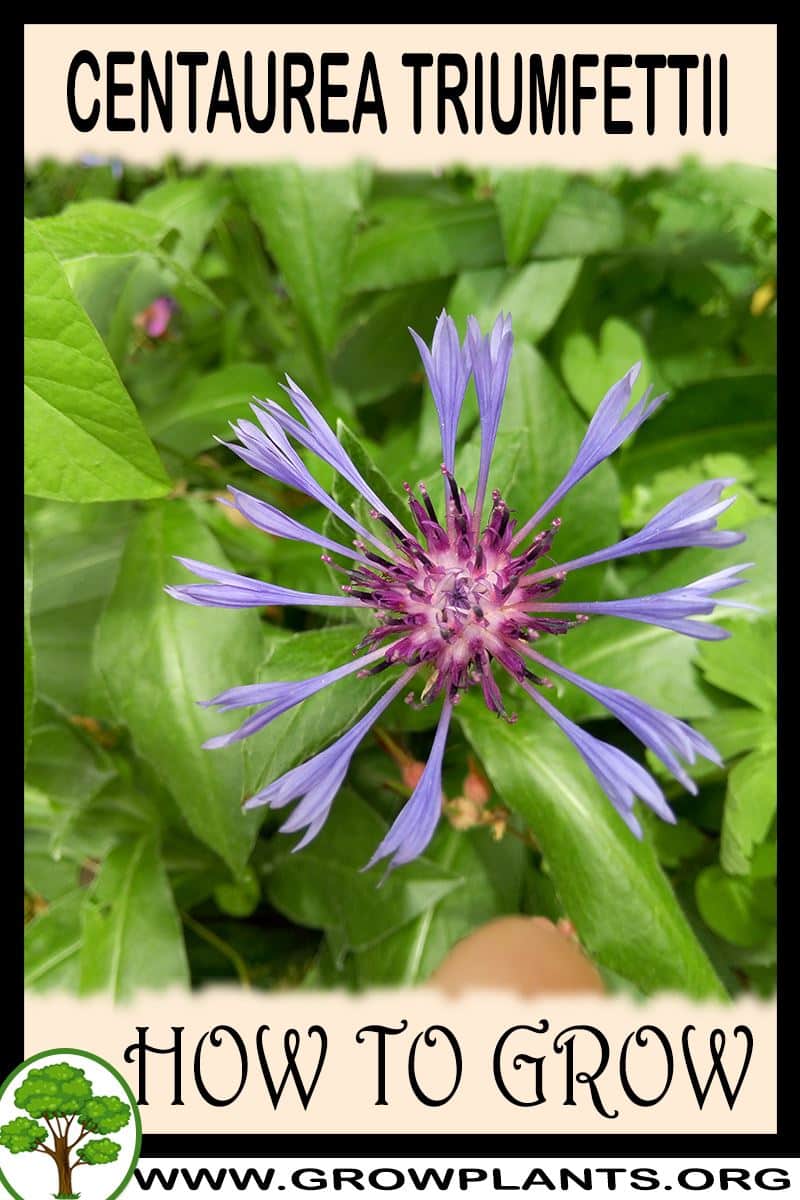
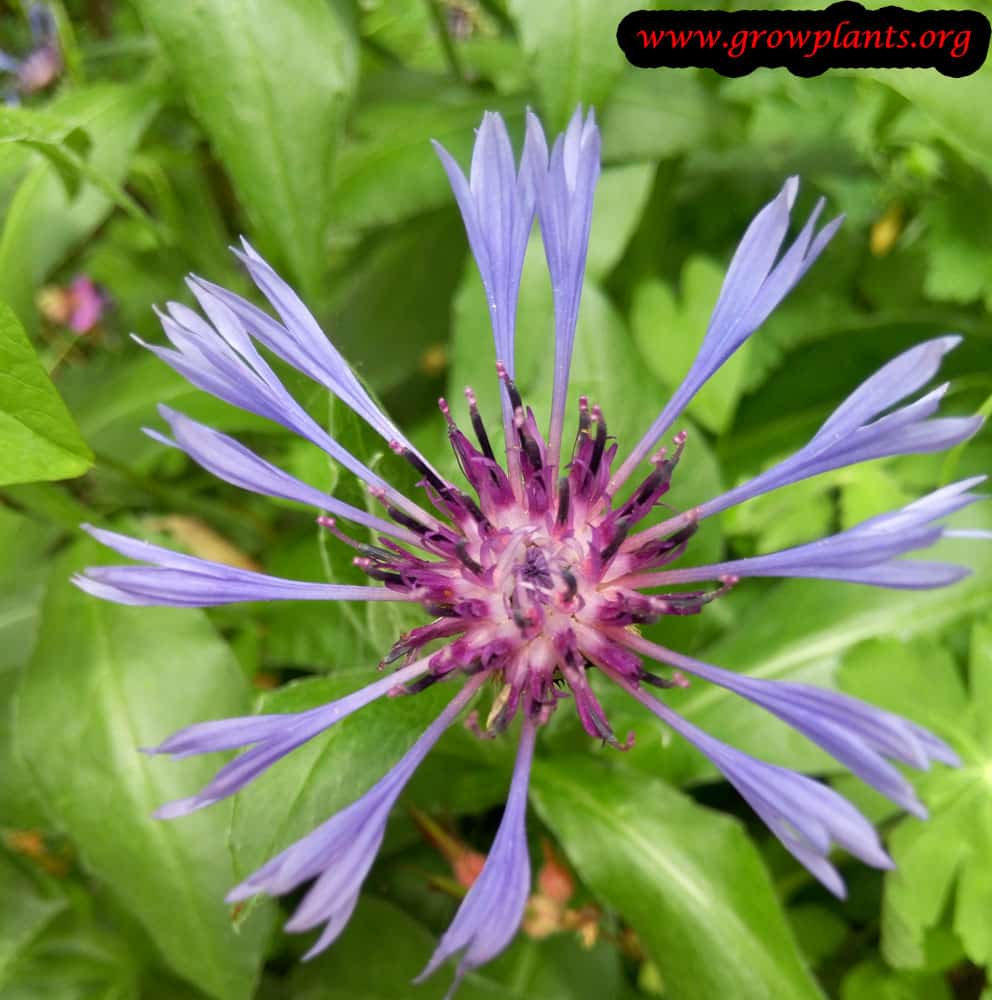
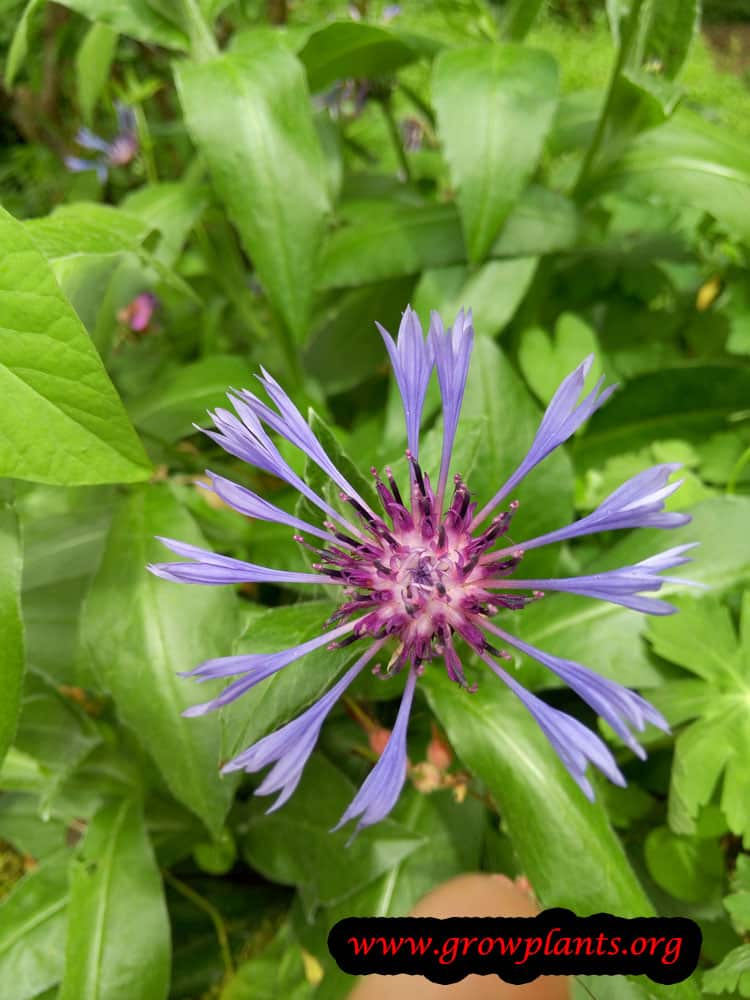
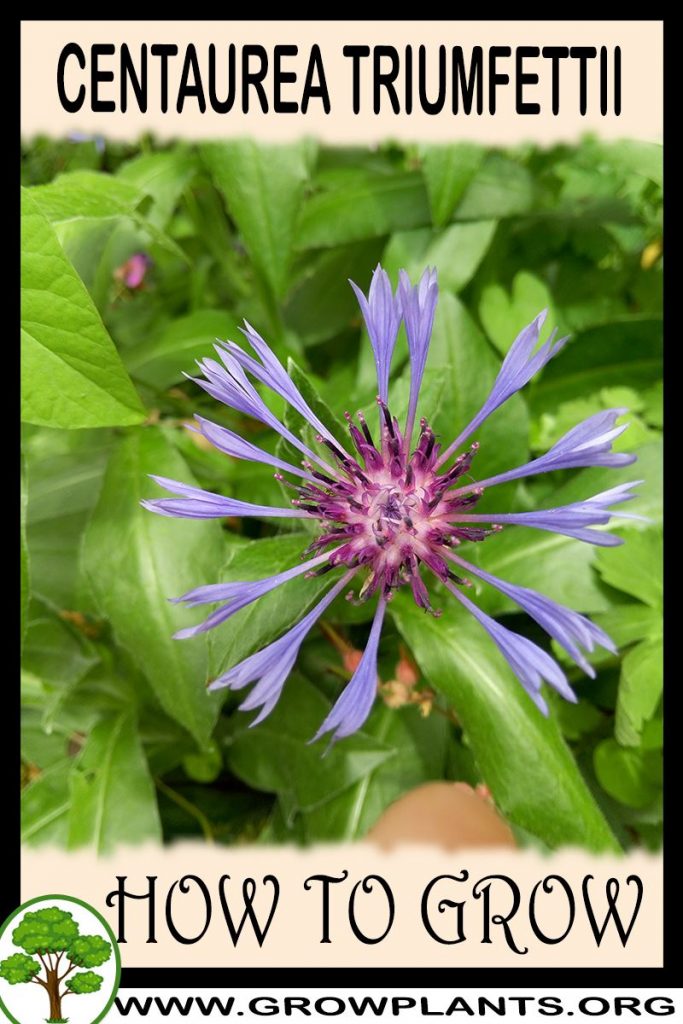
- Flower Characteristics: Purple to blue thistle-like flower heads of fringed petals on a spiny green base; spring to summer.
Primary Uses & Landscape Value
- Functional & Ornamental Roles: Ornamental for beds, borders and cottage and cut-flower gardens.
Care Guide: Planting, Soil & Watering
Overview: Centaurea triumfettii (squarrose knapweed) is a moderate-growing perennial for temperate, Mediterranean and subtropical climates (hardiness zone 2-10), thriving in full sun. It prefers a well-drained soil kept lightly moist, enjoys a cool winter, and tolerates poor, dry ground once established.
Quick Care Requirements
| Requirement | Ideal Condition |
|---|---|
| Planting Season | From spring through autumn while the weather is mild (it favours a cool winter) |
| Growth Rate | Moderate |
| Soil Type | Well-drained soil |
| Water Need | Low – allow the soil to dry between waterings |
Planting & Establishment
- Best Planting Season: Plant from spring to autumn while conditions are mild; it enjoys a cool winter rest.
- How to Plant:
- Hole Preparation: Dig a hole about twice the width of the root ball and no deeper than it; space plants for good airflow.
- Soil Amendments: Add grit to heavy soils for drainage; it does not need rich ground and dislikes wet feet.
- Planting Depth: Set the root ball level with the soil surface.
- Growth Speed & Expectations: A moderate grower reaching 20-60 cm (8-24 in).
Soil, Watering & Drainage Care
- Soil Mix & Drainage Needs: Sharp drainage is key – soggy soil causes rot and powdery mildew; in pots use a free-draining mix.
- Watering Schedule & Technique:
- Young / Newly Planted: Water moderately to establish, keeping the soil lightly moist.
- Established: Water sparingly once established, letting the soil dry between waterings; it is fairly drought-tolerant.
- Seasonal Adjustments: A little more in summer heat; keep on the dry side in cool, wet weather.
Climate, Light & Hardiness
Centaurea triumfettii is a full-sun, cool-winter-preferring perennial that thrives in mediterranean, subtropics, temperate climates. It is reliably cold-hardy from about USDA zone 2–10, with drought tolerance once established.
Quick Climate Specifications
| Climate Zones | Mediterranean, subtropics, temperate |
| USDA Hardiness Zones | 2–10 |
| Optimal Temp Range | Approximately 13–24°C (55–75°F) during active growth and bloom |
| Approx. Survival Minimum | Established plants may briefly tolerate winter minimums around −46°C to −40°C (−50°F to −40°F), reflecting its zone 2 rating |
| Frost Tolerance | High |
| Light Conditions | Full sun |
| Wind Tolerance | Moderate |
Sunlight & Light Exposure
Optimal Light Setup
Full sun is essential for compact growth and the best flowering.
Direct Sun Requirement
Direct sun is required for good performance; it is not adapted to shaded sites.
Best Exposure / Orientation
An open, sunny border or slope with good air movement suits this cool-winter-preferring plant well.
Temperature Extremes & Hardiness
USDA Hardiness & Regional Limits
Reliably hardy outdoors within USDA zone 2–10.
Cold Damage & Winter Protection
As a herbaceous perennial it dies back in winter and regrows from the roots; foliage is damaged by hard freezes but the dormant crown is cold-hardy within its rated zone range.
Frost Sensitivity
The care notes indicate a preference for a cool winter period; while some frost is tolerated within its hardy zones, young seedlings are more vulnerable than established plants.
Extreme Heat Tolerance
Prefers cooler conditions overall; performance and flowering can decline in very hot, humid summer climates.
Wind, Humidity & Microclimate
Humidity Preferences
Prefers moderate humidity with good air movement, which also helps limit powdery mildew.
Dry-Air Tolerance
Reasonably tolerant of dry air once established, in keeping with its low water requirement.
Wind Tolerance
Moderate wind tolerance for a herbaceous garden plant of this size.
Rainfall & Seasonal Moisture
Prefers well-drained soil with a cool, moist winter period and drier conditions in summer; it does not tolerate waterlogging.
Microclimate Recommendations
An open, sunny, well-drained site with a distinct cool winter period best supports healthy growth and flowering.
Growing in Pots, Balconies & Indoors
Centaurea triumfettii is a low, clump-forming perennial cornflower for full sun. It won’t grow indoors, but it settles well into a pot on a sunny patio or balcony.
Quick Details
- Container Size: A medium pot, roughly 8-15 L (2-4 gal), sized to the plant
- Indoor Suitability: Not a houseplant – a full-sun plant for open positions
- Best Spot: Full sun
- Soil & Drainage: Sharply drained, gritty mix – a potting mix with added perlite or coarse sand; lean soil is fine.
- Watering in Pots: Let the top of the mix dry between waterings – these are drought-tolerant plants that resent soggy roots.
Indoors & On the Windowsill
- Houseplant limits: This is a full-sun meadow perennial or annual; indoors it grows weak and flops for lack of light.
- Windowsill growing: A very sunny sill might hold a compact plant for a while, but these meadow flowers really want open-ground sun – grow them outdoors.
On a Balcony or Patio
- Light & wind: Give it the sunniest, most open spot; it tolerates wind and reflected heat and asks for little once established. Taller kinds may need a discreet stake in a windy pot.
- Practicalities: Water the pot in – allow for its weight on a balcony, and set it where drainage runoff won’t be a nuisance.
Choosing the Pot, Soil & Long-Term Care
- Pot & drainage: Choose a pot with strong drainage holes and skip a standing-water saucer, which invites root rot. Terracotta breathes and dries quickly, which suits these sun-lovers; glazed or plastic pots hold moisture longer if you can’t water often.
- Potting mix: Sharply drained, gritty mix – a potting mix with added perlite or coarse sand; lean soil is fine.
- Feeding: Feed sparingly – these plants flower best in lean soil, so a light feed once or twice in the growing season is plenty for a pot.
- Repotting: Every couple of years, refresh the mix; on perennial clumps, lightly trim the roots and cut back the top growth at the same time.
Fertilizing & Feeding
A light feeder suited to well-drained soil; light, balanced feeding in spring supports healthy growth and the purple-to-blue bloom without producing weak, sprawling stems.
Quick Fertilizing Specs
| Feeding Level | Light feeder |
|---|---|
| Main Nutrient Priority | Balanced feeding kept light; heavy nitrogen produces lax, sprawling growth |
| Best Feeding Period | Spring growth through the spring-to-summer bloom |
| Organic Options | Compost worked into the well-drained soil around the base |
| Micronutrients | Generally supplied by a complete fertilizer; treat specific deficiencies only when diagnosed |
| Soil pH | Prefers well-drained soil; tolerant of a range of soil types |
Feeding by Growth Stage
Spring growth and clump establishment
Support fresh foliage and stem growth as the clump breaks its cool winter rest.
| Nutrient direction | A balanced, general-purpose fertilizer applied lightly. |
|---|---|
| Timing | As new growth begins in spring. |
| Frequency | A light feeding as growth resumes is usually enough. |
| Fertilizer types | A balanced, general-purpose garden fertilizer, Compost worked into the soil around the base |
| Precautions | Keep feeding light; rich soil and heavy nitrogen encourage lax, sprawling stems that flop. |
Spring-to-summer flowering
Support the purple-to-blue flower heads through their bloom period.
| Nutrient direction | Continue light, balanced feeding; established clumps flower reliably without extra fertilizer. |
|---|---|
| Timing | Spring into summer as flower buds form and open. |
| Frequency | Established plants rarely need more than an occasional light feeding through bloom. |
| Fertilizer types | A balanced fertilizer used sparingly on established clumps |
| Precautions | Avoid heavy feeding, which favors leafy growth over the sturdy stems needed to hold the flowers upright. |
Cool winter rest
Let the clump rest through its cool winter period before dropping and renewing leaves as a deciduous perennial.
| Nutrient direction | None – withhold fertilizer while the plant is resting. |
|---|---|
| Timing | After bloom ends through the cool winter months. |
| Frequency | No feeding at this stage. |
| Fertilizer types | No feeding at this stage; resume light feeding when new spring growth appears. |
| Precautions | Do not fertilize during the winter rest period. |
Nutrient Deficiency Signs & Corrections
Older leaves turn pale or yellow-green and stem growth slows.
| Possible causes | low soil nitrogen, thin or heavily leached soil, an extended period without any feeding |
|---|---|
| Appears first on | older, lower leaves |
| What to check | feeding history, soil quality, overall clump vigor |
| Possible correction | Apply a balanced, general-purpose fertilizer at a light rate. |
Interveinal yellowing on older leaves while the veins stay green.
| Possible causes | low soil magnesium, potassium-heavy feeding competing with magnesium uptake, leaching in light, fast-draining soil |
|---|---|
| Appears first on | older, lower leaves |
| What to check | soil magnesium status, recent fertilizer balance, soil drainage and texture |
| Possible correction | Apply a labeled magnesium source such as Epsom salt and shift toward a more balanced feeding routine. |
Lax, sprawling stems that flop, with fewer flowers than expected.
| Possible causes | excess nitrogen from overfeeding, too-rich soil for this lean-soil perennial, insufficient full sun encouraging soft growth |
|---|---|
| Appears first on | overall stem and plant habit |
| What to check | recent feeding rate, soil richness, sun exposure |
| Possible correction | Reduce feeding, avoid nitrogen-heavy products, and confirm the planting gets full sun. |
Pruning, Training & Seasonal Maintenance
Squarrose knapweed is a herbaceous perennial that, unlike some evergreen Centaurea, is fully deciduous – its foliage naturally yellows and collapses each year, so the main pruning task is a complete cutback of the dead top growth once that dieback is finished, timed for winter. Through the spring/summer bloom the only other task is deadheading the spiny flower heads, which – unusually for this genus – need glove protection rather than bare-hand pinching.
Quick Pruning & Maintenance Specs
| Pruning Tolerance | High – dies back naturally, so a full cutback is the norm, not a risk |
| Primary Pruning Window | Winter, once foliage has fully collapsed |
| Secondary Maintenance Window | Spring/summer bloom – deadheading |
| Typical Frequency | Deadhead through bloom; one full cutback per year |
| Main Objective | Clear naturally dead top growth; limit self-seeding of the spiny heads |
| Young Plant Priority | None beyond removing damaged leaves while establishing |
| Mature Plant Priority | Glove-protected deadheading + winter cutback |
| Best Tool Type | Bypass secateurs |
| Avoid Heavy Pruning During | Active spring growth flush, before foliage has naturally yellowed |
Pruning by Plant Age & Size
Newly Established
Remove only damaged foliage; allow the crown to establish before any cutting back.
Young / Formative
No structural training applies to this basal-forming forb.
Mature / Established
Deadhead the spiny flower heads (with gloves) through spring/summer bloom, then cut the whole clump back once the deciduous foliage has naturally collapsed for winter.
Seasonal Pruning Schedule
| Ongoing Sanitary (Spring/Summer bloom) | Limit seed spread from spiny heads | Spent flower heads, handled with gloves | Unopened buds | Extended bloom, fewer volunteer seedlings | N/A |
| Dormant/Winter | Clear naturally dead top growth | Collapsed foliage and dead stems, cut to the crown | The living crown | Fresh basal growth in spring | None – fully dormant |
Special Growth to Remove
- Spent spiny flower heads – handle with gloves rather than bare hands
- Dead foliage, once it has naturally yellowed and collapsed for the season
Container & Small-Space Pruning
Suits containers; the same winter cutback keeps pots tidy through dormancy, and glove-protected deadheading is just as relevant in pots as in open ground.
Tools
Bypass secateurs are preferred over bare-hand pinching for this species specifically, because of the spines on the flower heads; no loppers or saw are needed.
Tool Hygiene & Disease Risk
Routine: clean, sharp tools are sufficient. Powdery mildew is present, so avoid cutting wet foliage.
Cut Placement & Technique
Cut spent spiny stems below the flower head at a lower node, handling cut material with gloves; make the winter cutback close to the crown.
Heavy Pruning & Rejuvenation
Tolerates a full cutback of the dead top growth every winter as a matter of course; do not cut back foliage that is still green and photosynthesizing in late summer – wait for it to yellow naturally.
Post-Pruning Care
No extra feeding needed after the winter cutback; resume normal light watering after deadheading.
Common Pruning Mistakes
- Handling spent seed heads bare-handed
- Cutting back still-green foliage before it has naturally died down
When NOT to Prune
Do not cut back live green foliage in late summer; always deadhead the spiny heads with gloves.
Recommended Tools (by task)
- bypass_secateurs – the main tool, since it keeps a hand clear of the spiny flower heads during both deadheading and the winter cutback
- blade_disinfectant – optional wipe-down where powdery mildew is present
Propagation Guide
Squarrose knapweed is raised from seed, the standard method for this species – the site confirms no grafting or vegetative propagation is required. Seed produces true-to-type plants, and as an established perennial it can also be increased by dividing mature clumps.
Quick Propagation Specs
| Best Propagation Method | Seed |
| Alternative Methods | Division of established clumps |
| Propagation Difficulty | Easy |
| Seed True-to-Type | Yes |
| Vegetative True-to-Type | Yes |
| Best Propagation Season | Spring, summer or autumn |
Growing from Seed
Seed Handling & Viability
Seed stores well in a cool, dry, dark location without special treatment.
Dormancy & Pre-Sowing Treatment
No pretreatment is generally required for reliable germination.
Sowing Season
Sow in spring, summer or autumn, matching the site’s recommended planting season across hardiness zones 2-10.
Germination Conditions
Germinates in average, drained garden soil kept lightly moist in a sunny position.
Seedling Care
Grow young plants on with a small amount of water and full sun once established; take care of the spiny flower heads when handling mature plants.
Division, Offsets, Pups & Suckers
Established clumps of this perennial can be lifted and divided every few years in spring or autumn to produce new plants identical to the parent.
Bloom & Flower Guide
Quick Details
- Bloom Season: Spring into summer
- Flower Appearance: Purple to blue flowers with fringed, horn-like petals set on a spiny green base
- Edibility: Grown as an ornamental; enjoy the flowers for their colour rather than the kitchen
Detailed Blooming Overview
This knapweed, a perennial cornflower relative, opens its distinctive blooms from spring into summer. Each flower is a tuft of purple-to-blue florets, their fringed petals dividing into fine, horn-like tips above a rounded, bristly green base. It is a good, drought-tolerant filler for a sunny border, and bees find it readily.
Flower Characteristics
- Colour is purple to blue.
- Fringed, needle- or horn-like petals radiating from a spiny green base.
- Held on upright stems above lance-shaped foliage.
Bloom Care & Thinning
- Prolonging the display: Remove spent flowers to keep fresh buds forming and to limit self-seeding.
Bloom Health & Protection
- Powdery mildew: A white bloom can film the leaves and buds in warm, still weather; better airflow and drier foliage help, and a sulfur- or potassium-bicarbonate-based fungicide is the usual treatment.
- Aphids: They cluster on tender buds and stems – a jet of water or an insecticidal soap generally keeps them down.
Pests, Diseases & Troubleshooting
Centaurea (knapweeds and cornflowers) are generally easy, drought-tolerant plants whose main problems are foliar diseases in humid weather-above all powdery mildew and rust-plus root and crown rot on heavy wet soils, and sap-sucking aphids. Grown lean, sunny and well-drained they are largely trouble-free, so management is mostly about airflow, drainage and tolerating minor cosmetic damage. A low perennial cornflower relative with the standard genus profile; keep it lean and well-drained.
Quick Troubleshooting Overview
| Issue / Pest | Main Symptom | Primary Solution |
|---|---|---|
| Powdery mildew | White powdery coating on leaves, especially late season | Airflow, sun, avoid overhead water; sulphur/bicarbonate |
| Rust | Orange-brown pustules on leaf undersides | Remove affected leaves; airflow; sulphur if severe |
| Aphids | Colonies on buds/stems, honeydew, distorted growth | Water jet; encourage predators; insecticidal soap |
| Root & crown rot | Wilting, blackened crown, collapse on wet soil | Sharp drainage; avoid waterlogging; divide/replant healthy |
| Aster yellows | Green, deformed flowers, witches’-broom, stunting | Rogue out; control leafhoppers; no cure |
Common Pests & Management
- Aphids (Aphis / Uroleucon spp.):
- Symptoms: Colonies of soft aphids cluster on flower buds, stems and leaf undersides, sucking sap, distorting buds and new growth and leaving sticky honeydew and sooty mould; they can also spread aster yellows.
- Prevention & Control: Encourage ladybirds, lacewings and hoverflies, which usually control them; dislodge colonies with a water jet; treat persistent numbers with insecticidal soap or horticultural oil in the evening; control ants.
- Spider mites (Tetranychus urticae):
- Symptoms: Fine pale stippling and a dull, bronzed look to leaves with faint webbing, worst in hot, dry conditions and on drought-stressed plants.
- Prevention & Control: Keep plants watered in dry spells; hose foliage to knock back mites; remove badly affected leaves; horticultural oil or insecticidal soap if needed; conserve predatory mites.
- Thrips (Frankliniella spp.):
- Symptoms: Tiny slender insects rasp buds and petals, causing silvered flecking, distorted or discoloured flowers and occasional bud damage.
- Prevention & Control: Monitor with sticky traps; remove spent flowers and weeds that harbour them; encourage predators; insecticidal soap or spinosad where flower damage is significant.
- Weevils and plant bugs (Larinus / Lygus spp.):
- Symptoms: Larvae feed in flower heads and seeds while plant bugs cause distorted buds and spotting; several weevils are in fact deliberate biocontrol agents on weedy knapweeds.
- Prevention & Control: Tolerate on ornamentals, where damage is largely cosmetic; remove and destroy infested seed heads if self-seeding is unwanted; encourage general predators; targeted treatment is rarely justified.
- Slugs and snails (Deroceras / Cornu spp.):
- Symptoms: Irregular holes and slime trails on seedlings and soft new growth in damp conditions, mainly on young plants.
- Prevention & Control: Hand-pick after dark; remove hiding places; use grit or copper barriers; iron-phosphate pellets around vulnerable seedlings.
Diseases & Fungal Issues
- Powdery mildew (Golovinomyces cichoracearum):
- Symptoms: A white powdery coating on leaves and stems, most common in late season and in crowded, shaded or humid conditions; heavy infection dulls and distorts foliage and weakens the plant.
- Treatment & Management: Grow in full sun with good air movement and avoid crowding and heavy nitrogen; avoid overhead wetting; remove badly affected leaves; sulphur, potassium-bicarbonate or a light horticultural-oil spray controls it; cut back and clear debris in autumn.
- Rust (Puccinia spp.):
- Symptoms: Orange-brown to dark pustules on leaf undersides with yellow flecking above; heavy infection yellows and drops leaves and can distort growth.
- Treatment & Management: Remove and destroy affected leaves and clear debris; improve airflow and avoid overhead watering; sulphur fungicide for severe recurring infections; choose resistant material where available.
- Root and crown rot (Sclerotinia / Rhizoctonia / Phytophthora spp.):
- Symptoms: Plants wilt, the crown and stem base blacken and rot, and clumps collapse-especially on heavy, wet soils and where winter drainage is poor; white fluffy mould with black sclerotia signals Sclerotinia.
- Treatment & Management: Prevention through drainage is key: plant lean and sharply drained, and never waterlog; improve heavy soil and avoid mulch piled on crowns; divide congested clumps to keep centres open; remove and destroy rotted plants and surrounding soil.
- Aster yellows (Candidatus Phytoplasma):
- Symptoms: A leafhopper-spread phytoplasma causing green, deformed flowers (virescence), leafy phyllody, dense witches’-broom growth, stunting and yellowing; it is systemic and incurable.
- Treatment & Management: There is no cure-dig up and destroy symptomatic plants promptly to stop spread; control leafhopper vectors; remove weedy reservoir hosts; do not propagate from affected plants.
- Downy mildew / leaf spot (Peronospora / Cercospora spp.):
- Symptoms: Angular yellow patches with greyish growth beneath (downy mildew) or brown leaf spots in wet weather.
- Treatment & Management: Improve airflow and keep foliage dry; remove affected leaves and debris; copper fungicide only for severe, persistent infection.
Growing Difficulties & Abiotic Problems
- Root rot in heavy, wet soil:
- Cause & Symptoms: Centaurea want lean, well-drained ground; heavy, waterlogged or overwatered soil, especially over winter, suffocates roots and rots crowns, causing wilting and collapse.
- Correction Strategy: Plant in full sun on free-draining soil, adding grit to heavy ground; avoid overwatering and winter wet; raise beds where drainage is poor; keep mulch off the crowns.
- Flopping and lodging:
- Cause & Symptoms: Taller species grow soft and leggy in rich soil, part-shade or after rain and wind, then flop and open at the centre.
- Correction Strategy: Grow hard in sun on lean soil; avoid excess nitrogen; provide support or grow-through staking for tall types; cut back after the first flush to encourage compact re-growth.
- Self-seeding and spread:
- Cause & Symptoms: Several Centaurea self-seed freely or spread, and some (notably the knapweeds) are aggressive or noxious weeds in parts of the world.
- Correction Strategy: Deadhead before seed set to limit spread; remove unwanted seedlings; check regional invasive-species status and avoid planting listed noxious knapweeds where restricted.
What Helps — Products & Tools
Care is mostly cultural: full sun, lean free-draining soil, good spacing and autumn cleanup. Sulphur and potassium-bicarbonate control powdery mildew and rust; insecticidal soap and horticultural oil handle aphids, mites and thrips, with iron-phosphate pellets for slugs. Copper fungicide addresses leaf spot; there is no cure for aster yellows or established crown rot-drainage and sanitation are decisive.