![Greenwood Nursery: Live Perennial Plants - Phenomenal Lavender + Lavandula x Intermedia - [Qty: 2X Pint Pots] - (Click for Other Available Plants/Quantities)](https://m.media-amazon.com/images/I/51Z65sSVIPL._SL160_.jpg)


Plant Profile & Key Characteristics
Also known as: Broadleaved lavender, Spike lavender, Portuguese lavender
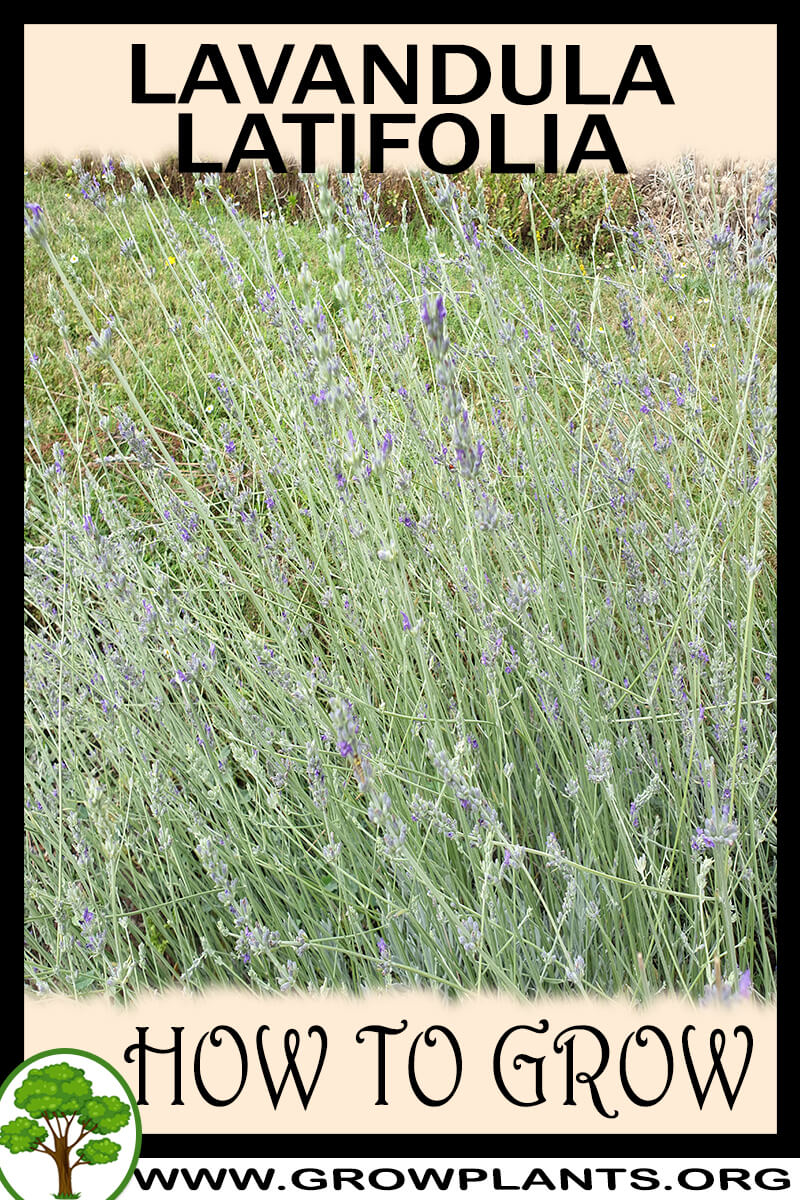
Overview: Lavandula latifolia (spike lavender) is an aromatic evergreen shrub of about 30-80 cm, valued for its fragrant flowers and leaves. It is a fast- to moderate-growing perennial hardy to USDA zones 5-10a.
Quick Specifications
| Specification | Attribute |
|---|---|
| Plant Type / Life Cycle | Perennial (woody subshrub) |
| Foliage Type | Evergreen |
| Mature Size | 30-80 cm tall (12-32 in) |
| Growth Rate | Fast to moderate |
| Toxicity | Non-toxic / edible (aromatic culinary herb; leaves and flowers used) |
| Hardiness | USDA zones 5-10a (to 10b with care) |
Growth Form & Structure
- Height & Spread: Reaches about 30-80 cm (12-32 in) in the ground; grows well in containers of roughly 8-18 L (2-5 gal).
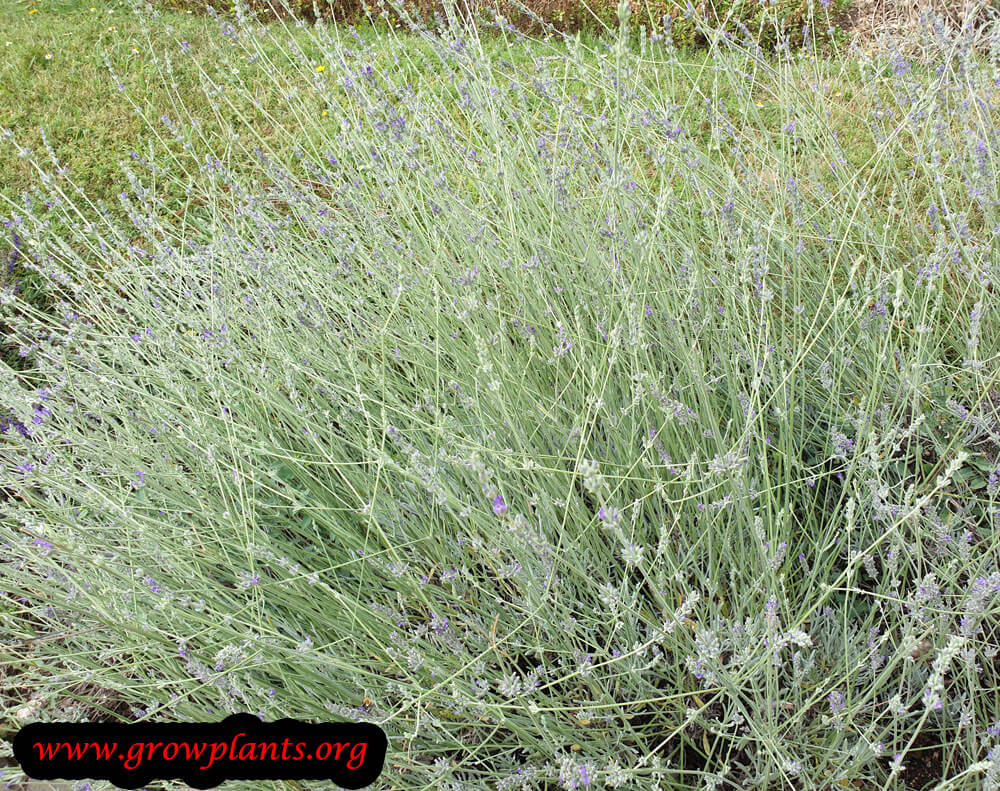
- Growth Habit & Form: Bushy, aromatic evergreen shrub with upright flowering spikes.
- Lifespan & Maturity: Establishes and reaches size within a couple of seasons; prune after bloom to keep compact.
Anatomy & Physical Features
- Leaves & Foliage: Fragrant green, oval leaves about 3-5 cm long with serrated edges; aromatic throughout.
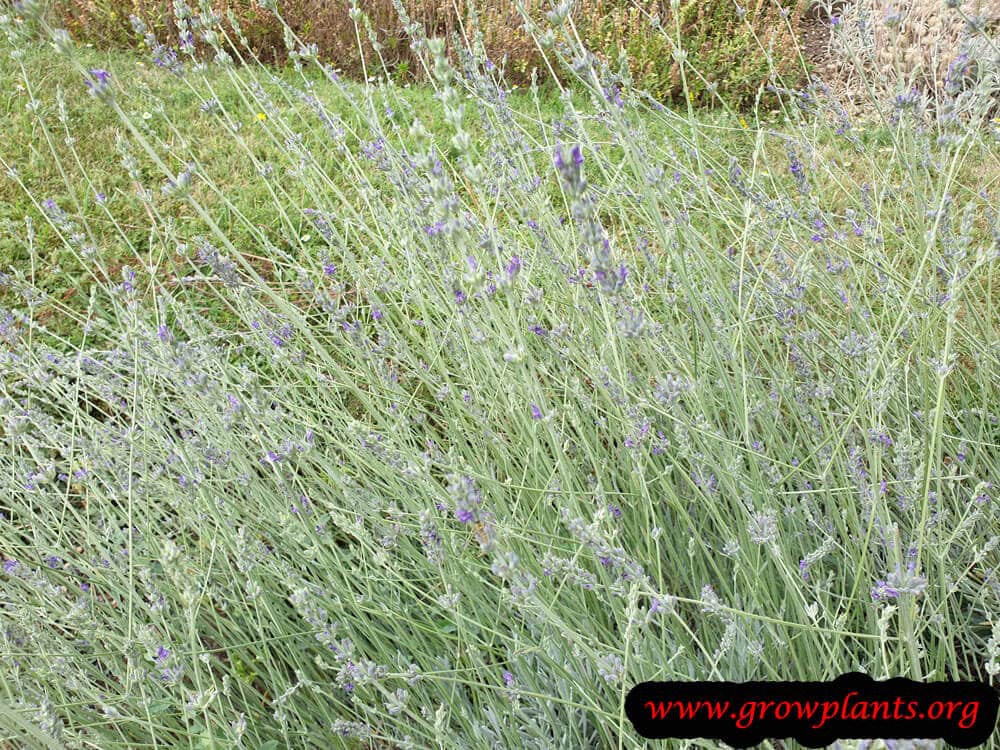
- Flower Characteristics: Fragrant purple-lilac flowers in hive-like spikes at the stem tips.
Primary Uses & Landscape Value
- Edible Uses: Aromatic leaves and flowers are edible and used as flavouring.
- Functional & Ornamental Roles: Fragrant ornamental and pollinator plant; a commercial source of spike-lavender essential oil; suits containers and dry borders.
Care Guide: Planting, Soil & Watering
Overview: Lavender is a sun-loving, drought-tolerant Mediterranean shrub that needs full sun and sharp drainage above all else. It grows best in light, gritty, very well-draining soil and dislikes wet, heavy ground.
Quick Care Requirements
| Requirement | Ideal Condition |
|---|---|
| Planting Season | In spring to summer in cooler zones, spring to autumn in mild zones, or autumn to spring in the warmest (zone 10b) areas |
| Growth Rate | Moderate to Fast |
| Soil Type | Light, gritty, very well-draining soil |
| Soil pH | Neutral to slightly alkaline (around 6.5-8.0); tolerates lime |
| Water Need | Moderate – water deeply, then let the soil dry out between waterings; drought tolerant |
Planting & Establishment
- Best Planting Season: Plant in spring to summer in cooler zones (5-8), spring to autumn in mild zones (9-10a), or autumn to spring in the warmest areas (zone 10b), matching planting to the cooler, settled weather of your climate.
- How to Plant:
- Hole Preparation: Dig a hole about 50-100% wider than the root ball and loosen the surrounding soil so the roots can spread into free-draining ground.
- Soil Amendments: Put some dead leaves and organic matter in the hole; on heavy soils add grit or sand to sharpen drainage, as good drainage matters more than richness.
- Planting Depth: Set the plant with its crown at or slightly above soil level; never bury the stem base, which invites rot.
- Growth Speed & Expectations: A moderate-to-fast grower that quickly forms a rounded, woody shrub, in good conditions reaching about 30-80 cm.
Soil, Watering & Drainage Care
- Soil Mix & Drainage Needs: Above all it needs sharp drainage – light, gritty, well-aerated soil, or a free-draining potting mix (for example one with perlite or vermiculite) in containers; wet, heavy soil is the main cause of failure.
- Watering Schedule & Technique:
- Young / Newly Planted: Water young plants just enough to keep the soil lightly moist while they root in, without keeping it soggy.
- Established: Once established it is drought tolerant; water deeply but infrequently, letting the soil dry out well between waterings.
- Seasonal Adjustments: Water very little over winter to avoid root rot, and give occasional deep watering only in prolonged summer heat and drought.
Climate, Light & Hardiness
Lavandula latifolia (spike lavender) is a Mediterranean, subtropical, and temperate-climate shrub that needs full sun and a genuinely cold winter to grow and flower at its best. It is frost-hardy across roughly USDA zones 5–10a, and can succeed in 10b only with careful siting and care.
Quick Climate Specifications
| Climate Zones | Mediterranean, Subtropical, Temperate |
|---|---|
| USDA Hardiness Zones | 5–10a (10b possible with careful siting and care) |
| Optimal Temp Range | Approximately 15–28°C (59–82°F) |
| Cold Damage Begins | New growth and flower spikes can be damaged near 0°C (32°F) |
| Approx. Survival Minimum | Established plants typically tolerate winter cold to around −15 to −20°C (5 to −4°F) in zone 5, with adequate mulch and free-draining soil |
| Frost Tolerance | Moderate to High |
| Light Conditions | Full Sun (half shade tolerated but reduces flowering) |
| Wind Tolerance | Moderate to High |
Sunlight & Light Exposure
Optimal Light Setup
Full sun is needed for compact, floriferous growth and the strongest fragrance; the site data notes half shade reduces flowering, though it can be a useful compromise in the hottest part of its range (zone 10b).
Direct Sun Requirement
Direct sun for most of the day is genuinely important - this is a classic sun-loving Mediterranean herb.
Shade & Heat Management
Well adapted to hot, dry Mediterranean summers; in the warmest, near-subtropical part of its range (zone 10b), a little afternoon shade can ease heat stress at the cost of some flowering.
Best Exposure / Orientation
An open, south-facing bed with excellent air circulation and drainage suits it best.
Temperature Extremes & Hardiness
USDA Hardiness & Regional Limits
Hardy across roughly USDA zones 5–10a, with 10b achievable only with careful siting, drainage, and care per the site data. A cold winter is not just tolerated but genuinely useful to this species, supporting its natural growth cycle.
Cold Damage & Winter Protection
In the coldest part of its range, mulching around the base over winter and avoiding waterlogged soil (which compounds cold damage) protect the plant; established shrubs handle typical zone-5 winters well.
Frost Sensitivity
Moderately frost-tolerant once established; young plants and fresh spring growth are more vulnerable to a late frost than mature, woody growth.
Extreme Heat Tolerance
Good; it is adapted to hot, dry Mediterranean and subtropical summers, though very humid heat combined with poor drainage can encourage root problems.
Wind, Humidity & Microclimate
Humidity Preferences
Prefers drier air typical of Mediterranean climates; persistently humid conditions favor fungal problems in the foliage.
Dry-Air Tolerance
High - this drought- and heat-adapted herb copes well with dry atmospheric conditions.
Wind Tolerance
Moderate to high; its wiry, aromatic stems are reasonably wind-resistant, consistent with its native open, hillside habitats.
Rainfall & Seasonal Moisture
Best suited to climates with a distinct dry summer season and moderate winter rainfall; sharp drainage is essential wherever rainfall is heavier, since wet soil combined with cold is far more damaging than either alone.
Microclimate Recommendations
An open, sunny, well-drained slope or raised bed - mimicking its native Mediterranean hillside habitat - suits it best; avoid low-lying spots where cold, damp air collects in winter.
Growing in Pots, Balconies & Indoors
Lavandula latifolia (spike lavender) is a sun-loving Mediterranean sub-shrub that grows well in a container but is not a houseplant – it needs full sun, dry air and free drainage. In a pot it thrives on a hot, sunny patio or balcony.
Quick Details
- Container Size: 8-18 L (2-5 gal) for a 30-80 cm plant (grower’s value)
- Indoor Suitability: Not a houseplant – it needs full sun and airy, dry conditions
- Best Spot: Full sun (fewer flowers in part shade); warm and airy – it favours warm zones
- Soil & Drainage: Gritty, sharply drained mix; it rots in heavy, wet soil
- Watering in Pots: Average water – keep lightly moist; a mulch cuts evaporation (grower’s tip)
Indoors & On the Windowsill
- Houseplant limits: The grower does not rate it as a houseplant – lavender needs full sun, airflow and dryish air, and quickly grows soft, damp and disease-prone in a room. A very sunny, airy windowsill is the most it will tolerate.
- Overwintering: It favours warm climates (the grower notes hardiness zone 10b); in colder areas keep the pot in a cool, bright, frost-free spot over winter and water very little.
On a Balcony or Patio
- Light & heat: Give it the hottest, sunniest position; it loves reflected heat from walls and paving and shrugs off wind and drought.
- Practicalities: A surface mulch (the grower’s suggestion) slows drying; even so, pots warm and dry fast in sun – but err on the dry side.
Choosing the Pot, Soil & Long-Term Care
- Pot & drainage: Use a pot with strong drainage holes and skip a standing-water saucer, which invites root rot. Terracotta breathes and dries faster, while glazed or plastic pots hold moisture longer. Sharp drainage is essential to avoid root rot.
- Potting mix: Well-ventilated, free-draining, organic-rich mix – potting mix or peat with perlite or vermiculite (grower’s spec), lightened with grit.
- Feeding: Feed sparingly – lavender flowers best on lean soil.
- Repotting: The grower renews the soil about every two years (replacing part of it so it does not turn stale/rotten), and moves the plant to a bigger pot once the roots fill it, or cuts back part of the roots and top growth.
Grower’s Container Tip
- Mulch to hold moisture: The grower suggests a surface mulch to reduce water loss from the pot – useful in the hot, sunny spot lavender prefers.
Fertilizing & Feeding
A light feeder: this fragrant Mediterranean shrub thrives on lean, well-drained soil, and a single modest feeding at the start of spring growth is typically all it needs for the whole season.
Quick Fertilizing Specs
| Feeding Level | Light feeder |
|---|---|
| Main Nutrient Priority | Balanced feeding kept light, since rich soil and heavy fertilizing reduce flower and leaf fragrance |
| Best Feeding Period | The start of spring growth |
| Organic Options | A light addition of organic matter or humus worked in at planting |
| Reduce/Stop Feeding | No further feeding is typically needed once spring growth is underway |
| Micronutrients | Rarely an issue in lean, well-drained soil; correct only a diagnosed deficiency |
| Soil pH | Prefers well-drained soil and tolerates a fairly wide range, including limestone ground |
Feeding by Growth Stage
Start of spring growth
Support fresh growth of the fragrant oval leaves and set the plant up for its summer flower spikes.
| Nutrient direction | A light, balanced feeding at the start of spring growth is generally all this lean feeder needs for the season. |
|---|---|
| Timing | At the start of spring growth, once new shoots appear. |
| Frequency | A single light feeding as growth resumes is generally enough to carry the plant through the year. |
| Fertilizer types | A balanced complete fertilizer, applied sparingly, Organic matter or humus worked into the soil |
| Precautions | Keep feeding light and the soil well drained; rich soil and heavy fertilizing reduce the fragrance of both leaves and flowers and can encourage rot. |
Summer growth and fragrant bloom
Sustain the purple-lilac flower spikes and fragrant foliage through summer without diminishing scent.
| Nutrient direction | This stage rarely needs feeding; the single spring application usually carries the plant through bloom. |
|---|---|
| Timing | Through the summer growth and bloom period. |
| Frequency | Feed sparingly if at all; established plants generally do not need additional fertilizer now. |
| Fertilizer types | No additional feeding typically needed beyond the spring application |
| Precautions | Resist extra feeding even if growth looks modest; lean conditions are what keep the flowers and leaves at their most fragrant. |
Nutrient Deficiency Signs & Corrections
Older, lower leaves fade to pale green or yellow and the plant shows unusually weak new growth.
| Possible causes | very lean or depleted soil, root competition in a crowded planting, poor drainage limiting root function |
|---|---|
| Appears first on | older, lower leaves |
| What to check | soil fertility and organic matter, drainage in the planting site, crowding from nearby plants |
| Possible correction | Apply a light balanced fertilizer and improve drainage where needed. |
New leaves near the shoot tips turn pale or yellow while the veins remain green.
| Possible causes | waterlogged or heavy soil limiting iron availability, very high soil pH, root stress from poor drainage |
|---|---|
| Appears first on | newest leaves at the shoot tips |
| What to check | drainage in the planting site, soil pH, recent watering patterns |
| Possible correction | Improve drainage first, then apply a chelated iron product per its label if pH cannot be adjusted. |
Leaf tips or margins brown and the plant looks stressed despite adequate watering.
| Possible causes | fertilizer salt buildup from over-application, restricted rooting in a container, under-watering that concentrates salts |
|---|---|
| Appears first on | leaf tips and margins |
| What to check | recent fertilizer amounts, container drainage, if potted, watering consistency |
| Possible correction | Stop feeding, water thoroughly to flush accumulated salts, then return to a much lighter feeding approach. |
Pruning, Training & Seasonal Maintenance
Spike Lavender is a small aromatic evergreen shrub that needs regular light shearing after flowering to maintain a dense, compact mound and prevent the bare, leggy, woody base lavenders are notorious for. Like other lavenders it does not reliably resprout from hard cuts into old bare wood, so shaping must always stay within live leafy growth. Harvesting the fragrant flower spikes doubles as routine pruning.
Quick Pruning & Maintenance Specs
| Pruning Tolerance | Moderate (regular light shearing yes; hard cuts into bare wood no) |
| Primary Pruning Window | Immediately after the main flowering flush |
| Secondary Maintenance Window | Light tidy in early Spring before strong new growth |
| Typical Frequency | 1-2 times per year |
| Main Objective | Prevent legginess, keep a dense rounded form, harvest flower spikes |
| Young Plant Priority | Pinch/trim early and often from the first year to build a dense, many-branched framework |
| Mature Plant Priority | Shear the whole mound lightly after flowering, leaving live growth on every stem |
| Best Tool Type | Hand/hedge shears for overall shaping; precision snips for spike harvest |
| Avoid Heavy Pruning During | Any cut into bare wood below the current season’s leafy growth |
Pruning by Plant Age & Size
Newly Established
Pinch back growing tips in the first year, even before much flowering, to force low branching and prevent single-stem legginess.
Young / Formative
Continue light, frequent tip trims through the first 1-2 seasons to build a dense, rounded, many-branched framework – this early investment prevents the bare-centred “woody” lavender common in neglected plants.
Mature / Established
One thorough post-bloom shear each year, plus an optional light spring tidy, always cutting into leafy growth only.
Seasonal Pruning Schedule
Post-Flowering (after the main Summer bloom)
Objective: prevent legginess and encourage next season’s flowering wood. Remove: spent flower spikes and about a third of the plant, shaping into a rounded mound. Do not remove: growth below the live leafy zone. Response: fresh compact growth that will flower the following season. Flowering impact: this is the cut that sets up next year’s bloom – skipping or delaying it reduces flowering.
Pre-Growth/Early Spring (optional)
Objective: tidy winter damage. Remove: dead or frost-damaged tips. Do not remove: live buds breaking for the season. Response: cleaner start to spring growth.
Ongoing Sanitary
Harvesting flower spikes for their fragrance doubles as light pruning through the bloom season.
Flowering & Fruiting Wood
Flowers form on the current season’s new growth at stem tips, so pruning does not sacrifice next year’s bloom the way old-wood shrubs do – in fact the post-bloom shear is what stimulates the fresh growth that will flower the following year. Delaying this cut, or cutting too hard into old bare wood, both reduce next season’s flower spikes.
Structural Pruning & Training
No formal training system – shape by shearing into a naturally rounded, dense mound. The key structural goal is preventing a bare, open, woody centre by never cutting below the live leafy zone.
Special Growth to Remove
- Spent flower spikes (harvest/deadhead)
- Dead or winter-damaged stem tips
- Weak, thin interior growth not contributing to the dense mound shape
Container & Small-Space Pruning
Grows well in containers; shear a little more conservatively than in-ground plants since container plants have less root reserve to fuel regrowth, and refresh part of the soil/root-prune every couple of years rather than relying on top pruning alone to manage size.
Tools
- Hedge shears (or hand shears) – annual post-bloom overall shearing, genuinely appropriate since lavender is maintained as a clipped rounded mound
- Precision snips – harvesting individual flower spikes
Tool Hygiene & Disease Risk
Routine – clean, sharp tools are sufficient. Aphids are the main pest noted, not a tool-vectored concern.
Cut Placement & Technique
Always shear back into a zone with live leaves/buds visible on the stem, never into bare grey wood with no foliage; cut flower spikes with a clean cut just above a leaf pair.
Heavy Pruning & Rejuvenation
NOT reliably tolerated – like most lavenders, Spike Lavender rarely resprouts from hard cuts into leafless old wood. A plant already bare and woody in the centre generally cannot be rejuvenated by pruning and is better replaced with a young plant, easily propagated from its own cuttings.
Post-Pruning Care
Water normally; no extra feeding is needed after the post-bloom shear beyond the plant’s usual once-yearly spring feed. Good drainage remains essential to reduce stress on freshly cut plants.
Common Pruning Mistakes
- Skipping the annual post-bloom shear, which over a few seasons produces a sprawling, bare-centred, floppy plant
- Cutting back hard into old bare wood expecting it to resprout
- Shearing too early, before the main bloom flush has finished, sacrificing flowers unnecessarily
When NOT to Prune
Avoid cutting into bare wood at any age. Avoid pruning during the coldest part of winter toward the cooler end of its zone 5-6 range, since fresh cuts are more vulnerable to cold damage. Avoid hard pruning during active summer bloom if flowers/fragrance are wanted that season.
Recommended Tools (by task)
- Hedge shears – annual post-bloom shaping/shearing of the whole mound
- Precision snips – harvesting individual fragrant flower spikes and light spot-trims
Pruning Troubleshooting
| Problem | Possible Cause | What to Check | Corrective Action |
| Bare, open, woody centre with few flowers | Post-bloom shearing skipped for multiple seasons, or cuts always into old wood only | Stem base for live leafy growth vs bare grey wood | Begin annual post-bloom shearing while young; replace plants already fully bare-centred |
| Plant dies back after a hard cut | Pruned into leafless old wood with no live buds | Where the cut was made relative to the live leafy zone | Always leave green foliage on every cut stem; propagate replacements from cuttings if needed |
| Poor flowering the following year | Post-bloom shear skipped, too late, or too hard, delaying new growth | Timing and severity of the previous year’s shearing | Shear promptly after bloom, moderate severity (about one-third), not into bare wood |
Propagation Guide
Per the site’s own guidance, this species is easier to start from a cutting (or from an already-growing plant) than from seed, even though seed germination itself is not difficult. Being a true species rather than a named cultivar, seed-grown plants come reasonably true to type. Overall this is an easy plant to propagate by either seed or cuttings.
Quick Propagation Specs
| Best Propagation Method | Stem cuttings |
| Alternative Methods | Seed; simple/ground layering |
| Propagation Difficulty | Easy |
| Seed True-to-Type | Usually true-to-type (species plant) |
| Vegetative True-to-Type | Yes |
| Best Propagation Season | Spring (cuttings and seed sowing) |
| Seed Germination Time | 2–5 weeks |
| Germination Temperature | 10–21°C (50–70°F) |
| Seed Sowing Depth | 1cm (0.5 inch), seed requires burying |
Growing from Seed
Seed Handling & Viability
Store saved seed in a cool, dry location until sowing.
Sowing Season
Spring to summer.
Sowing Depth & Orientation
Sow at a depth of about 1cm (0.5 inch); the seed does need to be buried rather than left on the surface. Plant into full sun, well-drained soil, with a spacing of about 30x40cm (12x16in).
Germination Conditions
Moist soil at 10–21°C (50–70°F).
Germination Time
2–5 weeks.
Seedling Care
Grow on in full sun and keep the soil moist, watering an average amount.
Stem Cuttings
Cutting Type
Stem cuttings.
Best Timing
Spring season, for both rooting-in-water and soil rooting methods.
Rooting Setup
Root either by placing the cutting in water and switching the water every few days, or by inserting the stem into soil (preferably peat-based); keep humidity high and mist/spray the cutting with water while it roots.
Rooting Hormone
Recommended – use of a root growth hormone is suggested when rooting in soil.
Air & Ground Layering
A low, flexible branch can be bent over and covered with soil where it contacts the ground; kept consistently moist, the covered section roots in over time and can then be severed from the parent plant and transplanted.
Bloom & Edible Flower Guide
Quick Details
- Bloom Season: Spring into summer
- Flower Appearance: Fragrant purple-lilac flowers in slender, hive-like spikes on long stems
- Edibility: Edible – a classic culinary flower for teas and baking; use sparingly
Detailed Blooming Overview
Spike lavender (Lavandula latifolia) carries its fragrant flowers in slender spikes held well above the foliage on long stems, giving the “hive”-like look the grower describes. Both the flowers and leaves are aromatic. This species is more camphor-scented than English lavender, so its flowers have a bolder, sharper fragrance.
Flower Characteristics
- Slim spikes of small, tubular purple-lilac flowers.
- Highly aromatic, carried at the ends of long stems above the leaves.
Bloom Care & Thinning
- Harvesting: Cut the spikes as the flowers just begin to open, when fragrance is at its best.
- After flowering: Shear the plant lightly once bloom is over to keep it compact and encourage fresh growth.
- Pollination: The flowers are a strong draw for bees and other pollinators.
- In the kitchen: The flowers are edible – used in teas, baking and herb blends – but spike lavender is potent, so use a light hand.
Fruit & Uses
Both the fragrant flowers and leaves of spike lavender are edible, as this site notes, though the plant is grown chiefly for its ornamental purple-lilac flower spikes and aromatic oil rather than as a cooking herb. Spike lavender carries much more camphor and cineole than common English lavender, giving it a sharper, more medicinal flavor, so any culinary use is best kept light and occasional rather than treated as a standard kitchen herb.
Quick Edible Specs
| Edible Parts | Flowers, leaves |
|---|---|
| Main Use(s) | Culinary (light seasoning only), fragrance/oil, dried infusions |
| Eaten Raw or Cooked | Raw, used fresh or dried as a light seasoning/infusion |
| Preparation Required | Use sparingly; strip flowers from the stem; dry for tea or infusion |
| Harvest Season | Summer, when flower spikes are fully open and most fragrant; see Blooming |
| Time to First Harvest | Once the shrub reaches flowering maturity; see Blooming for season |
| Storage | Dry in a cool, dark, ventilated spot; store airtight out of light |
| Safety/Toxicity Caveat | High camphor content compared with culinary (English) lavender – can taste harsh/medicinal in quantity; use only a small amount, and prefer L. angustifolia if a mild culinary lavender is wanted |
Flowers & Flower Buds
The purple-lilac flower spikes are the more commonly used edible part, picked just as they open for the strongest fragrance. They can be dried for herbal tea, potpourri, and sachets, or used fresh in very small amounts as a fragrant garnish. Most of the flower harvest on this species is destined for fragrance and oil use rather than the kitchen.
Leaves & Greens
The oval, serrated leaves are also edible per site information, but they carry even more of the plant’s characteristic camphor-like aroma than the flowers. They are best used sparingly and dried, in infusions, rather than eaten fresh in quantity. Note that when leaves are harvested it is better to prune back the flowering stem as well (see Pruning) – do not repeat that pruning detail here beyond this cross-reference.
Preparation, Uses & Safety
Use flowers and leaves lightly – a pinch for tea, syrup, or garnish – rather than as a bulk cooking herb, since the strong camphor/cineole content can turn harsh or medicinal-tasting in larger amounts. The plant is traditionally valued for its aromatic oil and has a traditional use in fragrance and light herbal infusions; no medical or dosing claims are made here. For a milder, more standard culinary lavender, common English lavender (L. angustifolia) is the usual choice instead of this species.
Pests, Diseases & Troubleshooting
Overview: Lavenders are aromatic, oil-rich subshrubs that repel most chewing insects and are among the more pest-resistant garden plants; their real enemies are moisture and poor drainage rather than bugs. The management philosophy is prevention through a hot, open, sharply-drained site – good airflow and lean, gritty soil head off nearly every problem before a spray is ever needed.
Quick Troubleshooting Overview
| Issue / Pest | Main Symptom | Primary Solution |
|---|---|---|
| Root & crown rot | Sudden wilting, grey-brown collapse of whole branches, black roots | Improve drainage, plant on a mound, water sparingly |
| Phytophthora dieback | Progressive branch death, dark lesions at the base | Remove affected wood; avoid wet, heavy soil |
| Spittlebugs / froghoppers | White frothy ‘cuckoo-spit’ on stems | Hose off; tolerate – largely cosmetic |
| Rosemary beetle | Metallic striped beetles and larvae grazing foliage | Hand-pick; shake onto a sheet |
| Aphids | Sticky new shoots, distorted tips | Blast with water; encourage ladybirds |
| Septoria / Phoma leaf spot | Dark spots on lower leaves in damp spells | Improve airflow; remove debris |
Common Pests & Management
- Spittlebugs (Froghoppers) (Philaenus spumarius):
- Symptoms: Blobs of white frothy foam on stems in the warm season, with a soft green nymph hidden inside sucking sap. Damage is almost entirely cosmetic; heavy numbers can slightly distort a shoot. Do not confuse the froth with mealybug wax, which is drier and clumped.
- Prevention & Control: Simply hose the foam off with a jet of water – control is rarely warranted. Keep plants unstressed and there is no need for insecticide, which would needlessly harm the many pollinators lavender attracts.
- Rosemary beetle (Chrysolina americana):
- Symptoms: Rounded metallic green-and-purple striped beetles and their grey grubs graze on the aromatic foliage of lavender, rosemary and sage, leaving ragged leaves, mainly in the cooler part of the year.
- Prevention & Control: Hand-pick adults and larvae, or shake them onto a sheet of paper and remove. Clear leaf litter beneath the plant where they shelter. Only very heavy infestations justify pyrethrum, and then spray in the evening to spare bees.
- Aphids (Aphididae spp.):
- Symptoms: Small green or grey soft-bodied insects clustered on the softest new shoots, causing sticky honeydew and, occasionally, transmission of alfalfa mosaic virus (yellow blotching).
- Prevention & Control: Knock colonies off with a firm spray of water and encourage ladybirds, lacewings and hoverflies. Insecticidal soap or a light horticultural oil is a last resort for severe cases.
- Whitefly (Trialeurodes vaporariorum):
- Symptoms: Tiny white moth-like insects that fly up in clouds when a plant grown under cover is disturbed; they leave honeydew and sooty mould. Mainly a problem for pot-grown lavender in greenhouses.
- Prevention & Control: Improve ventilation, use yellow sticky traps to monitor and knock down numbers, and rely on the parasitic wasp Encarsia formosa under glass before reaching for soap sprays.
Diseases & Fungal Issues
- Root & crown rot (Phytophthora / Rhizoctonia spp.):
- Symptoms: The single most common cause of lavender death: whole branches or the entire plant wilt and turn grey-brown despite moist soil, and the roots and crown are found blackened and mushy. Almost always linked to heavy, wet or poorly drained ground and over-watering.
- Treatment & Management: There is no cure once advanced – prevention is everything. Plant in sharply drained, gritty or sandy soil, ideally on a raised mound, space plants for airflow, and water only when establishing. Remove and destroy collapsed plants and do not replant lavender in the same wet spot.
- Septoria / Phoma leaf spot (Septoria / Phoma spp.):
- Symptoms: Small dark brown to black spots on the lower, older leaves during prolonged damp, humid weather, sometimes with yellowing. Rarely serious but disfiguring.
- Treatment & Management: Improve air movement by thinning and pruning, clear fallen debris, and avoid overhead watering late in the day. A copper-based fungicide is seldom needed on this drought-loving plant.
- Shab disease (Phomopsis lavandulae):
- Symptoms: A fungal wilt specific to lavender: individual shoots wilt and die back while the rest of the plant may look healthy, spreading through the crown over time. Uncommon but destructive where present.
- Treatment & Management: Prune out and destroy affected shoots well into healthy wood, disinfecting tools between cuts. Buy certified clean stock and avoid propagating from suspect plants.
Growing Difficulties & Abiotic Problems
- Rot from over-watering / wet soil:
- Cause & Symptoms: Yellowing, greying and collapse in soil that stays damp; the commonest way gardeners kill lavender, especially in pots with saucers or in humid climates.
- Correction Strategy: Let the soil dry between waterings, add grit to the mix, use a free-draining pot with open drainage, and site the plant in full sun with excellent air movement.
- Woody, sparse, leggy growth:
- Cause & Symptoms: Old plants become bare and woody at the base with flowering only at the tips when never pruned.
- Correction Strategy: Trim lightly after each flush and give a harder shape-up once a year, always cutting into green growth – lavender rarely re-sprouts from bare old wood, so never cut back into it hard.
- Poor flowering / floppy growth:
- Cause & Symptoms: Lush leafy but flower-poor, floppy plants from too much shade, rich soil or nitrogen feeding.
- Correction Strategy: Grow in full sun in lean soil, avoid feeding, and cut back watering – a little stress produces the most oil-rich, floriferous, compact plants.
What Helps – Products & Tools
Because lavender is so pest-resistant, most ‘products’ here are cultural: sharp drainage, grit, and sun. When intervention is truly needed, reach for insecticidal soap or a light horticultural (neem) oil for aphids and whitefly, yellow sticky traps to monitor whitefly under cover, and a copper fungicide only in persistent leaf-spot conditions. Spray any oil in the evening to protect the bees this plant is prized for.