Plant Profile & Key Characteristics
Overview: A bushy, clump-forming herbaceous perennial reaching about 0.6–1 m, with narrow, linear green leaves. Grown as a drought-tolerant ornamental and cut flower, its late-season daisy-like blooms are a magnet for pollinators.
Quick Specifications
| Specification | Attribute |
|---|---|
| Plant Type / Life Cycle | Perennial (occasionally grown as an annual) |
| Foliage Type | Herbaceous; semi-evergreen in mild climates |
| Mature Size | 0.6–1 m (24–40 in) tall |
| Growth Rate | Moderate to fast |
| Hardiness | USDA zones 7–10 |
Growth Form & Structure
- Height & Spread: Forms an upright, bushy clump 0.6–1 m tall; spreads outward over time and also grows well in containers.
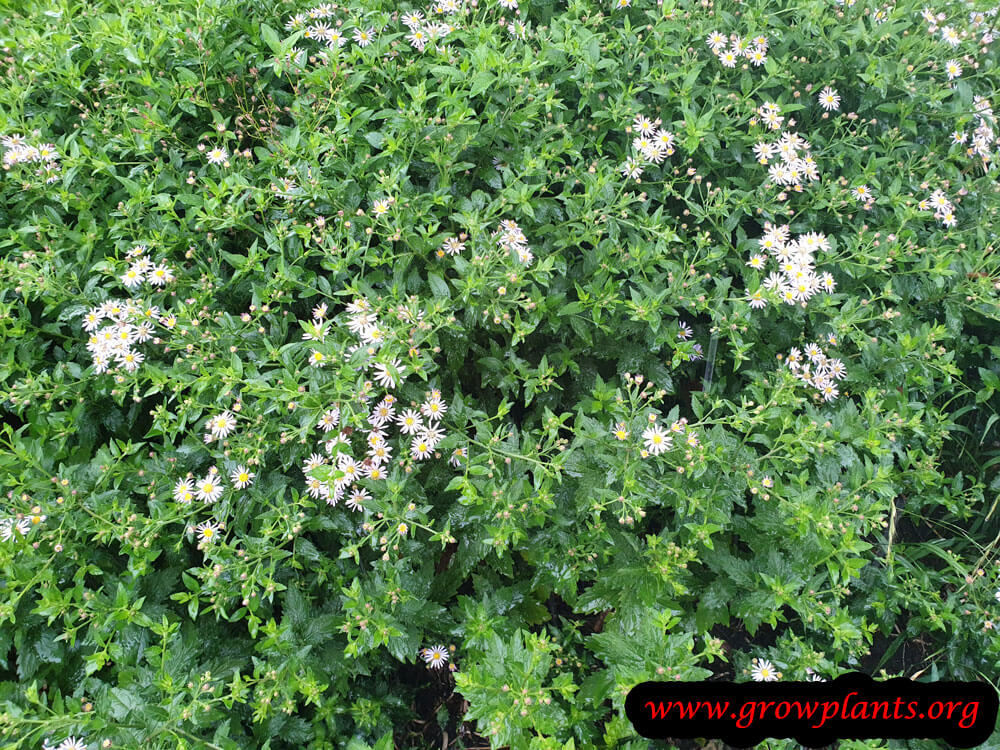
- Growth Habit & Form: Clump-forming perennial with many slender, wiry stems; can spread to form colonies, so give it room or contain it.
- Lifespan & Maturity: Reaches flowering size quickly and is long-lived, benefiting from division to keep it tidy.
Anatomy & Physical Features
- Leaves & Foliage: Narrow, linear green leaves densely set along the stems.
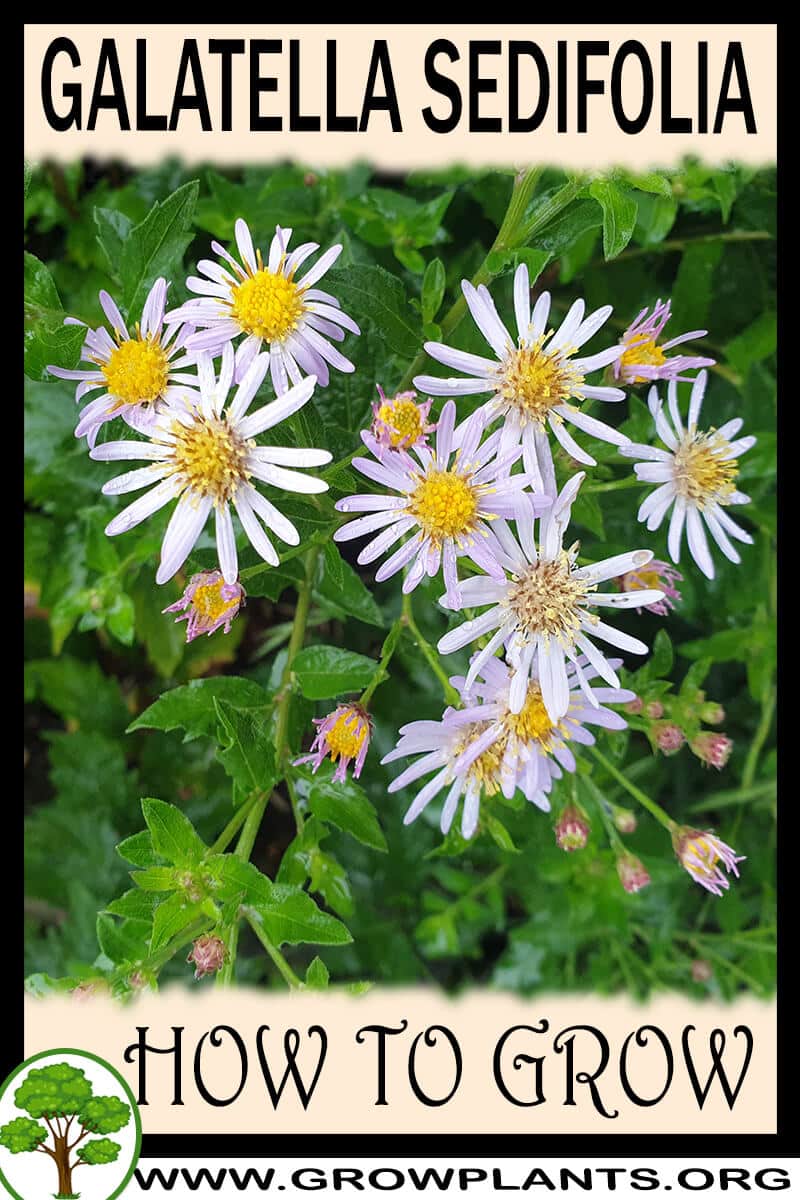
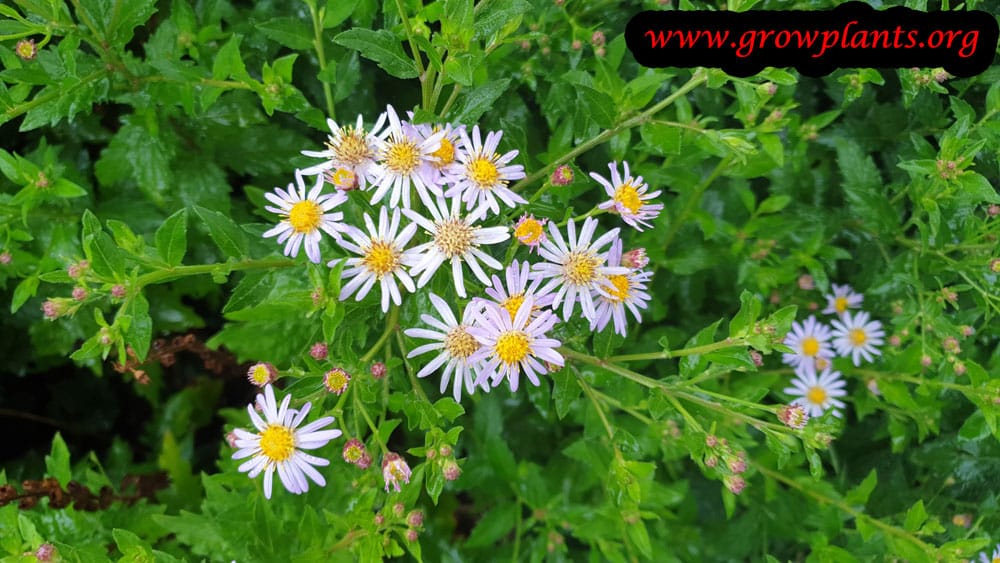
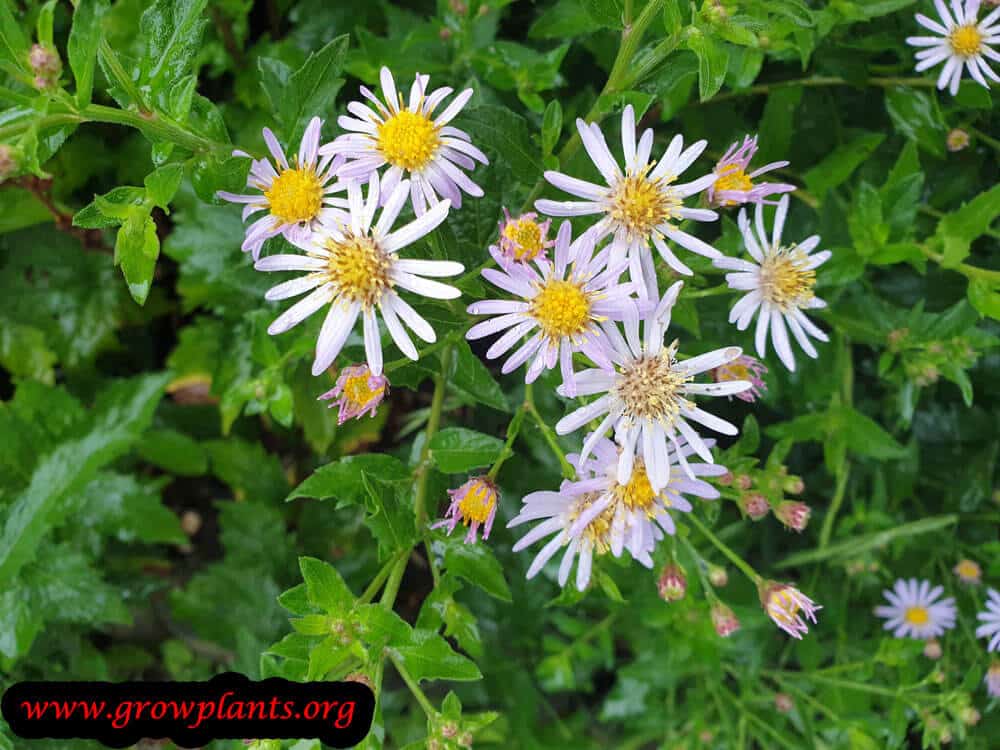
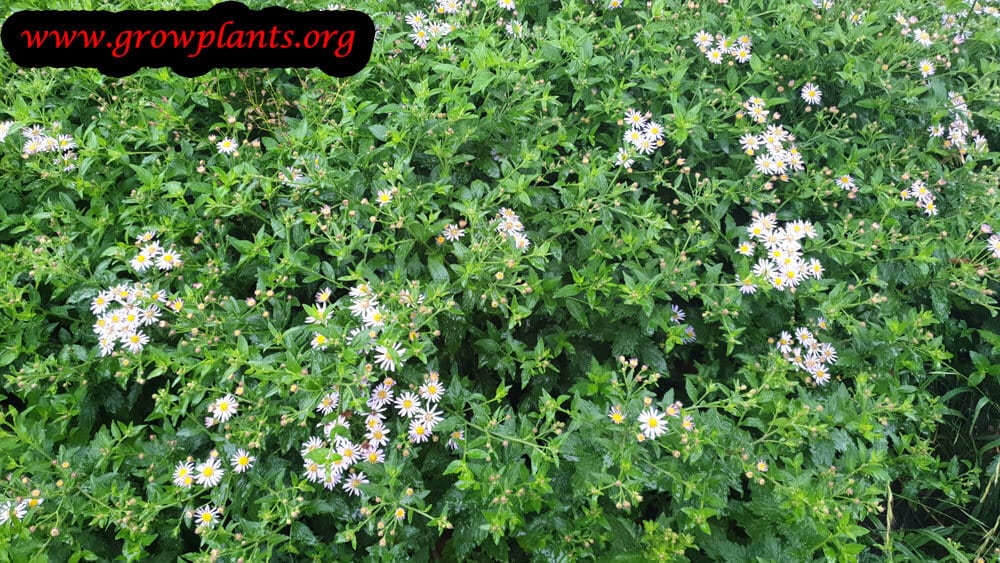
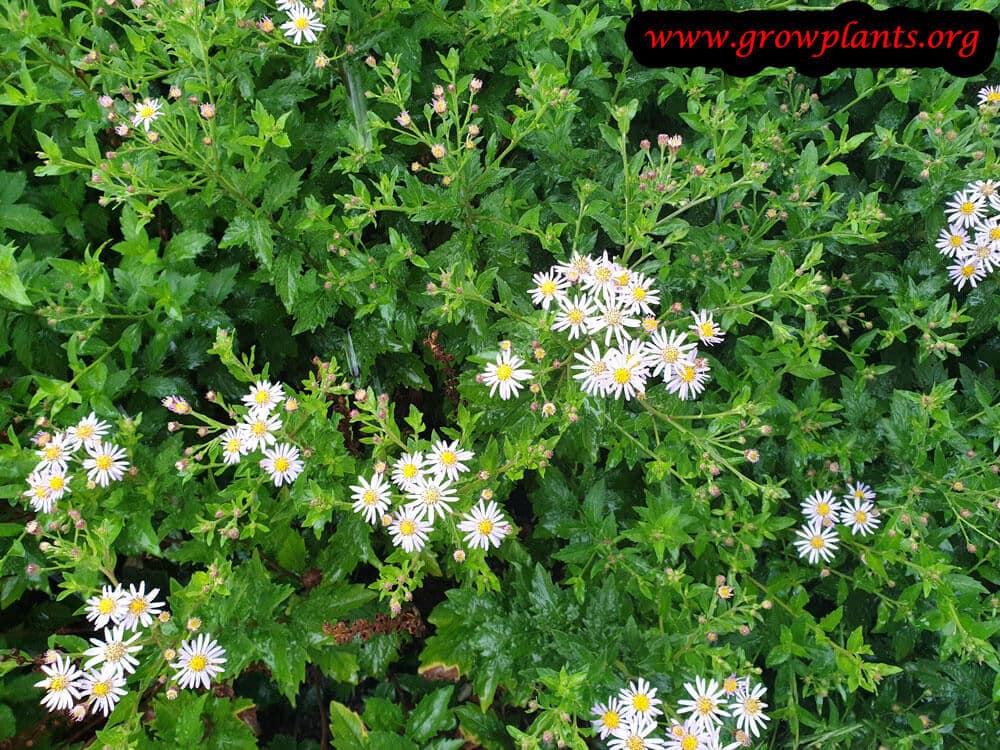
- Flower Characteristics: Small daisy-like heads with purple-to-pink rays around a yellow, green or purple centre, from summer into autumn.
Primary Uses & Landscape Value
- Functional & Ornamental Roles: Drought-tolerant ornamental for borders and naturalistic plantings, a good cut flower, and an important late-season nectar source for bees and butterflies.
Care Guide: Planting, Soil & Watering
Overview: Galatella sedifolia (aster) is an easy, drought-tolerant perennial for full sun to part shade. It grows in moist but well-drained soil and needs only low to moderate water once established.
Quick Care Requirements
| Requirement | Ideal Condition |
|---|---|
| Planting Season | Spring to summer |
| Growth Rate | Moderate to Fast |
| Soil Type | Moist but well-draining; tolerates a range of soils |
| Water Need | Low to moderate — drought tolerant, let the soil dry between waterings |
Planting & Establishment
- Best Planting Season: Plant in spring or summer during the growing season.
- How to Plant:
- Hole Preparation: Dig a hole about twice as wide as the root ball to give the spreading roots room to establish.
- Soil Amendments: Mix in compost or organic matter and, in heavy ground, add grit to sharpen drainage.
- Planting Depth: Set the plant so the root collar sits level with the surrounding soil; do not bury the stem or crown.
- Growth Speed & Expectations: A vigorous, moderate-to-fast grower reaching about 0.6–1 m (24–40 in); it can spread enthusiastically, so give it room.
Soil, Watering & Drainage Care
- Soil Mix & Drainage Needs: Aim for soil that holds some moisture yet drains freely, so the roots never sit waterlogged.
- Watering Schedule & Technique:
- Young / Newly Planted: Keep the soil lightly moist while the plant roots in.
- Established: Water sparingly — the plant is drought tolerant and prefers the soil to dry between waterings.
- Seasonal Adjustments: Water a little more in prolonged heat and cut back in cool, wet weather.
Climate, Light & Hardiness
Galatella sedifolia (Italian aster) is an easy-care herbaceous perennial suited to temperate, Mediterranean, and warm subtropical climates with sunny summers and cool-to-moderate winters. It grows best in full sun to half shade and is reliably cold-hardy, tolerating winter freezes across USDA zones 7–10 as an established clump that dies back to the crown in colder areas.
Quick Climate Specifications
| Climate Zones | Temperate, Mediterranean, Subtropical |
|---|---|
| USDA Hardiness Zones | 7–10 |
| Optimal Temp Range | Approximately 15–28°C (59–82°F) |
| Cold Damage Begins | Top growth blackens with hard autumn/winter frost, roughly at or below 0°C (32°F) |
| Approx. Survival Minimum | Established crown typically tolerates brief cold to around −15 to −18°C (5 to 0°F), typical of zone 7 winters |
| Frost Tolerance | Moderate to High (top growth dies back; crown persists) |
| Light Conditions | Full Sun to Half Shade |
| Wind Tolerance | Moderate |
Sunlight & Light Exposure
Optimal Light Setup
Grow in full sun for the densest, most floriferous clumps; half shade is tolerated but produces looser growth and fewer flowers.
Direct Sun Requirement
Direct sun for most of the day genuinely improves flowering and keeps growth compact - this is not a shade-tolerant plant by preference.
Shade & Heat Management
As a drought-tolerant, sun-loving perennial it handles hot Mediterranean-type summers well and needs no special heat shading.
Best Exposure / Orientation
An open, south-facing border with good air movement suits it best.
Temperature Extremes & Hardiness
USDA Hardiness & Regional Limits
Hardy across roughly USDA zones 7–10. In the cooler part of this range it behaves as a classic herbaceous perennial, dying back completely in winter; in the warmest, near-subtropical zones it may stay semi-evergreen through a mild winter.
Cold Damage & Winter Protection
Top growth is cut back by hard frost, but this is normal seasonal die-back rather than plant loss. In zone 7 gardens, a light mulch over the crown after cutting back stems helps guard against the coldest snaps.
Frost Sensitivity
Foliage and flowers are frost-sensitive and blacken with the first hard freeze, while the below-ground crown remains hardy.
Extreme Heat Tolerance
Good heat tolerance once established; its drought-tolerant nature suits long, hot, dry summers typical of Mediterranean and subtropical gardens.
Wind, Humidity & Microclimate
Humidity Preferences
Adapts to a wide humidity range and does not need moist air; it is more at home in the drier air typical of Mediterranean-climate gardens.
Dry-Air Tolerance
High - as a drought-tolerant species it copes well with dry atmospheric conditions.
Wind Tolerance
Moderate; the slender stems can lean in strong, sustained wind and benefit from some shelter or discreet staking in exposed sites.
Rainfall & Seasonal Moisture
Adapted to climates with a distinct dry season; it prefers moist but well-drained soil and dislikes waterlogging, so heavy, poorly drained sites in high-rainfall regions should be avoided or amended.
Microclimate Recommendations
An open, sunny, well-drained spot with reasonable air circulation supports the healthiest growth and flowering.
Growing in Pots, Balconies & Indoors
Galatella sedifolia is a hardy, sun-loving perennial (an aster relative) that grows well in a container but is not a houseplant – it needs full sun and open air. In a free-draining pot it flowers happily on a patio or balcony.
Quick Details
- Container Size: A medium pot for a 0.6-1 m clump; a stable container suits its upright habit
- Indoor Suitability: Not a houseplant – needs full sun; a very bright spot at most
- Best Spot: Full sun to half shade, outdoors
- Soil & Drainage: Free-draining mix; it tolerates lean, dryish soils
- Watering in Pots: Small to average water – let the surface dry between waterings
Indoors & On the Windowsill
- Houseplant limits: The grower does not rate it as a houseplant – it wants full sun and airy conditions, and grows weak and floppy in a room’s low light.
- Overwintering: It is hardy and dies back to overwinter outdoors; no indoor shelter is needed.
On a Balcony or Patio
- Light & wind: Give it the sunniest position; the tall stems may need staking on an exposed balcony.
- Practicalities: Reflected heat dries pots quickly – check moisture in hot spells, though it tolerates some dryness.
Choosing the Pot, Soil & Long-Term Care
- Pot & drainage: Use a pot with strong drainage holes and skip a standing-water saucer, which invites root rot. Terracotta breathes and dries faster, while glazed or plastic pots hold moisture longer.
- Potting mix: A well-aerated, organic-rich medium – a quality potting mix, or peat/coir loosened with perlite or vermiculite.
- Feeding: Potted plants run through their soil faster as nutrients leach away with each watering, so feed a little more often than plants in open ground.
- Repotting: Refresh the mix and pot up roughly every couple of years, lightly trimming the root ball and top growth on perennials. Divide the clump when it outgrows the pot.
Fertilizing & Feeding
A light feeder: this tough, drought-tolerant perennial thrives on lean soil, so a light balanced feeding in spring supports it well, with feeding stopped as the plant dies back for winter.
Quick Fertilizing Specs
| Feeding Level | Light feeder |
|---|---|
| Main Nutrient Priority | Balanced feeding kept light; heavy feeding favors floppy growth over the daisy-flower display this plant is grown for |
| Best Feeding Period | Spring through the start of the late-summer bloom period |
| Organic Options | Compost or light organic matter worked into the bed at planting |
| Reduce/Stop Feeding | Feeding stops as flowering finishes and the plant dies back for winter |
| Micronutrients | Rarely needed in average garden soil; correct only a diagnosed issue |
| Soil pH | Moist, well-drained soil |
Feeding by Growth Stage
Spring growth resuming
Support fresh shoots as this clump-forming perennial comes back into growth.
| Nutrient direction | A light, balanced complete fertilizer is enough; this tough perennial thrives without rich feeding. |
|---|---|
| Timing | In spring as new growth resumes. |
| Frequency | A single light feeding at the start of spring growth is usually sufficient. |
| Fertilizer types | A balanced complete fertilizer, used sparingly, Light organic matter worked into the bed |
| Precautions | Overfeeding can push lush, floppy growth and encourage this naturally vigorous, self-seeding plant to spread further than wanted. |
Late-season daisy bloom
Support the purple-to-pink daisy flowers that draw pollinators and work well as cut flowers.
| Nutrient direction | Minimal to light feeding is usually enough as buds and flowers form; avoid heavy nitrogen, which favors foliage over flowers. |
|---|---|
| Timing | As flower buds form through the summer-to-autumn bloom period. |
| Frequency | Rarely needs additional feeding beyond what was applied in spring. |
| Fertilizer types | A balanced complete fertilizer, used sparingly if at all during bloom |
| Precautions | Avoid nitrogen-heavy feeding during bloom; it can produce excess foliage and weaker, floppier flower stems. |
Winter dieback
Let the plant die back naturally and rest through winter before cutting back old growth.
| Nutrient direction | None – withhold fertilizer as the plant dies back for the season. |
|---|---|
| Timing | Through autumn and winter as top growth dies back. |
| Frequency | No feeding during this dormant period. |
| Fertilizer types | No feeding at this stage; do not fertilize a dormant, dying-back plant. |
| Precautions | Do not fertilize while the plant is dormant; resume only once new growth appears in spring. |
Nutrient Deficiency Signs & Corrections
Foliage looks pale or yellow-green overall and the clump fills in more slowly than expected.
| Possible causes | very lean or depleted soil, nitrogen leaching from heavy rain, crowding or root competition from nearby plants |
|---|---|
| Appears first on | older, lower leaves |
| What to check | soil fertility and organic matter, recent rainfall and drainage, crowding from neighboring plants |
| Possible correction | Apply a light, balanced complete fertilizer and work in modest organic matter. |
New leaves show yellowing between the veins while veins stay green.
| Possible causes | high or alkaline soil pH limiting iron availability, poorly drained or waterlogged soil, root stress from compacted soil |
|---|---|
| Appears first on | newest leaves |
| What to check | soil pH, drainage and compaction, recent watering |
| Possible correction | Improve drainage, correct pH where practical, and apply a chelated iron product per its label if the issue persists. |
Interveinal yellowing develops on older leaves while the veins stay green.
| Possible causes | low soil magnesium, heavy potassium feeding competing with magnesium uptake, leaching in light, sandy soils |
|---|---|
| Appears first on | older, lower leaves |
| What to check | soil magnesium status, recent feeding balance, soil texture and drainage |
| Possible correction | Apply a labeled magnesium source such as Epsom salt and rebalance overall feeding. |
Pruning, Training & Seasonal Maintenance
Galatella sedifolia is a clump-forming herbaceous perennial that dies back to the crown each year, so pruning is entirely seasonal maintenance rather than structural woody work – primarily a cutback of the dead top growth in autumn/winter, with optional early-summer pinching to keep the 0.6–1m stems more compact. Because the source notes this plant can self-seed and spread ("invasive"), deadheading before seed drop is a genuinely useful control measure here, not just cosmetic tidying. Pruning timing does not affect flowering the following year since all growth is renewed from the base each spring.
Quick Pruning & Maintenance Specs
| Pruning Tolerance | High (herbaceous top-growth only) |
| Primary Pruning Window | Autumn / Winter cutback after flowering finishes |
| Secondary Maintenance Window | Early summer pinching (optional, for compactness) |
| Typical Frequency | One seasonal cutback; occasional deadheading in bloom |
| Main Objective | Tidy die-back, control self-seeding, reduce flopping on this fast/medium-growing perennial |
| Young Plant Priority | Leave largely unpruned in year one to build a strong clump |
| Mature Plant Priority | Deadhead to limit self-seeding; cut the whole clump back after die-back |
| Best Tool Type | Bypass secateurs / hand shears |
| Avoid Heavy Pruning During | Summer–autumn bloom period |
Pruning by Plant Age & Size
Newly Established
Remove only damaged or dead stems in the first season; avoid cutting back a young clump that is still establishing its root system.
Young / Formative
An early-summer pinch or partial cutback (removing the top third of stems) can encourage bushier, more self-supporting growth and slightly later bloom on this fairly fast/medium-growing species – no formal training structure is otherwise used.
Mature / Established
Deadhead spent flowerheads through summer–autumn to prolong bloom and, given this species’ self-seeding tendency, to prevent unwanted spread; divide congested older clumps as part of routine perennial maintenance.
Seasonal Pruning Schedule
| Ongoing Sanitary (Summer–Autumn) | Objective: prolong bloom, limit self-seeding | Remove: spent daisy flowerheads before they set seed | Do not remove: unopened buds or healthy foliage | Response: extended flowering, reduced volunteer seedlings |
| Dormant/Winter | Objective: seasonal die-back cleanup | Remove: all dead top growth once foliage has browned after frost | Do not remove: the living crown/root system | Response: clean resprouting from the base next spring |
Special Growth to Remove
- Spent flower stems, removed before seed-set to curb this species’ self-seeding/invasive tendency
- Fully dead, frost-browned stems, cut down at season’s end
Container & Small-Space Pruning
In containers, pinch a little more assertively in early summer to keep the naturally upright habit proportional to the pot, and deadhead promptly since the confined soil volume makes unwanted self-sown seedlings more competitive with the parent plant.
Tools
- Bypass secateurs or hand shears for the autumn/winter cutback of the whole clump
- Precision snips for deadheading individual flowerheads through the season
Tool Hygiene & Disease Risk
Routine: clean, sharp tools are sufficient – this species has no notable tool-transmitted disease risk in the source data.
Cut Placement & Technique
Deadhead just below the spent flowerhead at a leaf junction; for the winter cutback, shear the whole clump down to a few centimeters above the crown once growth has died back.
Post-Pruning Care
Water lightly after the winter cutback if conditions are dry; no extra feeding is needed, since this drought-tolerant species is not a heavy feeder and excess vigor would only worsen flopping.
Common Pruning Mistakes
- Letting seedheads mature and drop, allowing this self-seeding species to spread further than wanted
- Cutting the clump back too early while it is still flowering
- Hard-pruning a first-year plant before its root system is established
When NOT to Prune
Avoid cutting back during the summer–autumn bloom period; wait until flowering and foliage have fully finished for the season.
Recommended Tools (by task)
- bypass_secateurs – the annual whole-clump cutback of dead stems
- precision_snips – deadheading individual spent flowerheads to control self-seeding
Propagation Guide
Galatella sedifolia is most easily multiplied by dividing its spreading clumps, which is fast and true-to-type, and takes advantage of the same rhizomatous habit that the site notes can make this aster relative locally invasive. It also grows readily from seed, which – since this is a species rather than a named cultivar – usually comes reasonably true, so both division and seed are easy, practical options.
Quick Propagation Specs
| Best Propagation Method | Clump/rhizome division |
| Alternative Methods | Seed; softwood cuttings |
| Propagation Difficulty | Easy |
| Seed True-to-Type | Usually true-to-type (species) |
| Vegetative True-to-Type | Yes |
| Best Propagation Season | Spring |
| Seed Germination Time | A few weeks; germination is often more even after a period of cold |
| Cutting Rooting Time | Typically a few weeks |
| Germination Temperature | About 15–20°C (59–68°F) |
| Seed Sowing Depth | Shallow, barely covered |
Growing from Seed
Dormancy & Pre-Sowing Treatment
A short period of cold, moist stratification (a few weeks refrigerated) can improve germination evenness for many aster-family species, though it is not always strictly required.
Sowing Season
Sow in spring, or let it self-sow outdoors in autumn.
Germination Conditions & Time
Cool to moderate temperatures with even moisture; germination typically takes a few weeks.
Stem Cuttings
Softwood cuttings taken in spring from young, non-flowering shoots root readily in a moist, well-drained mix. This is not the usual propagation route for this plant but is a useful way to bulk up stock without disturbing an established clump.
Division, Offsets, Pups & Suckers
Divide in spring as growth resumes (matching the site’s own spring/summer planting season), or right after the autumn/winter cutback noted in the site’s pruning facts. Lift the clump and pull or cut it into rooted sections, each with several shoots and a healthy piece of the spreading root system, discarding old, woody, unproductive centers.
Because of its spreading habit – the site itself flags this plant as invasive – divide and site new divisions with care, and consider containing or placing them where their spread is acceptable.
Bloom & Flower Guide
Quick Details
- Bloom Season: Summer to autumn
- Time to First Bloom: Often in its first or second season
- Flower Appearance: Daisy-shaped flowers with purple-to-pink rays and a yellow, green or purple centre, borne in profusion
- Edibility: Ornamental / cut flower – not eaten
Detailed Blooming Overview
This tough aster relative flowers late into autumn, covering itself in small daisies just when little else is blooming – making it a valuable nectar source for late pollinators. Drought tolerant and easygoing, it also cuts well for the vase.
Flower Characteristics
- Daisy-shaped flowers, purple to pink, with a yellow, green or purple centre.
Bloom Care & Thinning
- Keeping it tidy: Cut back after flowering; divide the clump to control its spread.
- For the vase: A good, long-lasting cut flower.
Pests, Diseases & Troubleshooting
Overview: Galatella sedifolia (the Rhone aster, long known as Aster sedifolius) is a tough, drought-tolerant Mediterranean daisy that follows the classic aster pest and disease profile — its two signature weaknesses are powdery mildew in humid, crowded conditions and aster yellows spread by leafhoppers. Grown lean, sunny and airy it stays clean and long-lived; manage it culturally first (spacing, airflow, drainage) and reach for soaps, oils or a mild fungicide only when needed.
Quick Troubleshooting Overview
| Issue / Pest | Main Symptom | Primary Solution |
|---|---|---|
| Powdery mildew | White powdery film on leaves, common on asters | Airflow, full sun, sulfur or potassium bicarbonate |
| Aster yellows (via leafhoppers) | Green, deformed, tufted flowers; yellow stunted growth | Remove infected plants, control leafhoppers & weeds |
| Aphids | Clusters on buds and tips, honeydew | Water jet, beneficials, insecticidal soap |
| Rust | Orange-brown pustules on leaf undersides | Remove infected leaves, improve airflow, sulfur |
| Spider mites | Stippling and webbing in hot, dry weather | Hose foliage, horticultural oil |
| Crown / root rot | Wilt and collapse in wet, heavy soil | Sharp drainage, avoid overwatering |
Common Pests & Management
- Aphids (Aphis / Macrosiphoniella spp.):
- Symptoms: Green or black colonies on flower buds and new shoots; distorted growth, honeydew and sooty mold, attended by ants.
- Prevention & Control: Encourage ladybirds and lacewings, avoid excess nitrogen, wash off with water, and use insecticidal soap or neem on undersides if heavy.
- Aster leafhopper (Macrosteles quadrilineatus):
- Symptoms: Small wedge-shaped hoppers causing pale flecking, but chiefly important as the carrier of aster yellows — watch for the deformed green flowers that follow.
- Prevention & Control: Keep weeds down, use row cover on valued plants, monitor with sticky traps, and knock numbers back with insecticidal soap or neem; remove infected plants promptly.
- Two-spotted spider mite (Tetranychus urticae):
- Symptoms: Fine yellow stippling, dull bronzed leaves and webbing on undersides in hot, dry spells.
- Prevention & Control: Avoid drought stress, hose foliage, release predatory mites, and apply horticultural or neem oil to undersides, repeating weekly.
- Thrips (Frankliniella spp.):
- Symptoms: Silvery scarring and streaking on petals and leaves, distorted flecked blooms, tiny black specks; hide in buds.
- Prevention & Control: Remove spent flowers and debris, monitor with blue sticky traps, encourage predators, and use spinosad or insecticidal soap in the evening to protect bees.
Diseases & Fungal Issues
- Powdery mildew (Golovinomyces / Erysiphe spp.):
- Symptoms: The signature aster disease — white powdery coating on leaves and stems in humid, crowded or shaded conditions; leaves yellow and dry.
- Treatment & Management: Space for airflow, grow in full sun, avoid overhead watering, remove affected leaves, and treat with sulfur or potassium bicarbonate. This species’ fine, sedum-like foliage and dry-soil preference help resist it.
- Rust (Coleosporium / Puccinia spp.):
- Symptoms: Orange to brown powdery pustules on leaf undersides with yellow flecking above; heavy infection browns leaves.
- Treatment & Management: Remove infected leaves, improve airflow, avoid wetting foliage, and apply sulfur fungicide if persistent.
- Downy mildew & leaf spots (Basidiophora, Septoria, Cercospora):
- Symptoms: Yellow blotches with greyish underside growth (downy mildew) in cool wet weather, or brown angular spots that yellow and drop leaves (leaf spot).
- Treatment & Management: Sanitation, base watering, spacing; copper fungicide protects new growth in persistently wet spells.
- Aster yellows (phytoplasma):
- Symptoms: Green, stunted, tufted deformed flowers with leafy petals, overall yellowing and witches’-broom growth; spread by leafhoppers.
- Treatment & Management: No cure — dig and destroy affected plants, control leafhoppers, and remove weed hosts.
- Botrytis & crown/root rot:
- Symptoms: Grey mould on faded flowers in damp still air; or wilt and a blackened, mushy crown in wet, heavy soil.
- Treatment & Management: Deadhead and improve airflow for Botrytis; for rot, ensure sharp drainage, plant high, and never overwater — this Mediterranean species strongly prefers dry feet.
Growing Difficulties & Abiotic Problems
- Wet, heavy soil:
- Cause & Symptoms: A dry-grassland plant, it rots in rich, wet or clay soils, especially over winter — wilt and crown collapse follow.
- Correction Strategy: Full sun, lean free-draining soil, minimal winter water; add grit to heavy ground.
- Flopping in rich soil / shade:
- Cause & Symptoms: Over-rich soil, shade or excess nitrogen makes lax, sprawling stems that flower poorly.
- Correction Strategy: Grow hard in full sun and lean soil; a light shear or pinch in early growth keeps plants compact.
- Drought & heat:
- Cause & Symptoms: Very drought-tolerant once established, but new plants may wilt in extreme heat before rooting in.
- Correction Strategy: Water through the first season, then let it run dry — established plants thrive on neglect.
What Helps — Products & Tools
The right kit here is modest: insecticidal soap and neem oil for aphids, thrips and mites; horticultural oil for mites; yellow & blue sticky traps for leafhoppers and thrips; sulfur or potassium bicarbonate for powdery mildew and rust; and copper fungicide for downy mildew and leaf spots. As with all asters, airflow, full sun and sharp drainage prevent far more than any spray.