Plant Profile & Key Characteristics
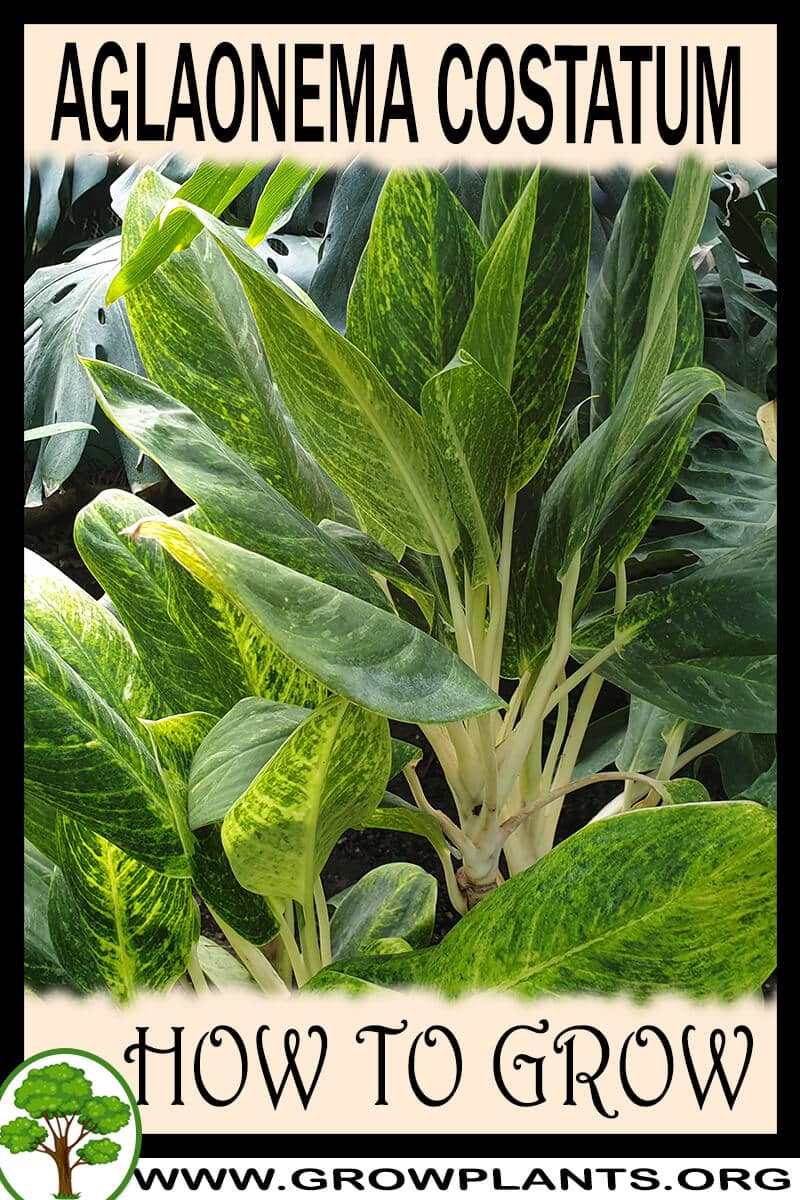
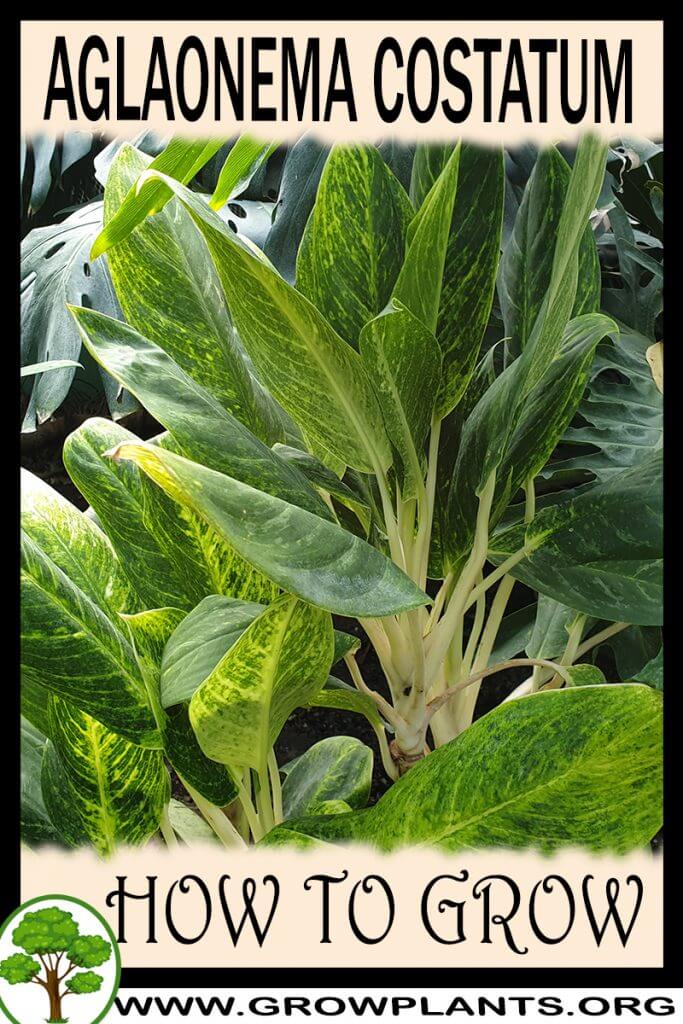
Overview: Aglaonema costatum is an evergreen perennial herb reaching 30-90 cm (12-36 in) tall, grown as a compact foliage houseplant. It is valued for its elliptic, green-and-white variegated leaves and does well in low light and warm, humid, tropical conditions.
Quick Specifications
| Specification | Attribute |
|---|---|
| Plant Type / Life Cycle | Perennial (herbaceous) |
| Foliage Type | Evergreen |
| Mature Size | 30-90 cm (12-36 in) tall |
| Growth Rate | Moderate to fast |
| Root System | Fibrous |
| Toxicity | Toxic – contains insoluble calcium oxalate crystals; irritant to mouth and skin and harmful to cats and dogs if chewed |
| Hardiness | USDA zone 13+ (tropical / grown indoors) |
Growth Form & Structure
- Height & Spread: Reaches 30-90 cm (12-36 in) tall; grown indoors and in pots and containers.
- Growth Habit & Form: Clumping herbaceous foliage plant with short, upright leafy stems.
- Lifespan & Maturity: Long-lived perennial; moderate to fast growth to full size.
Anatomy & Physical Features
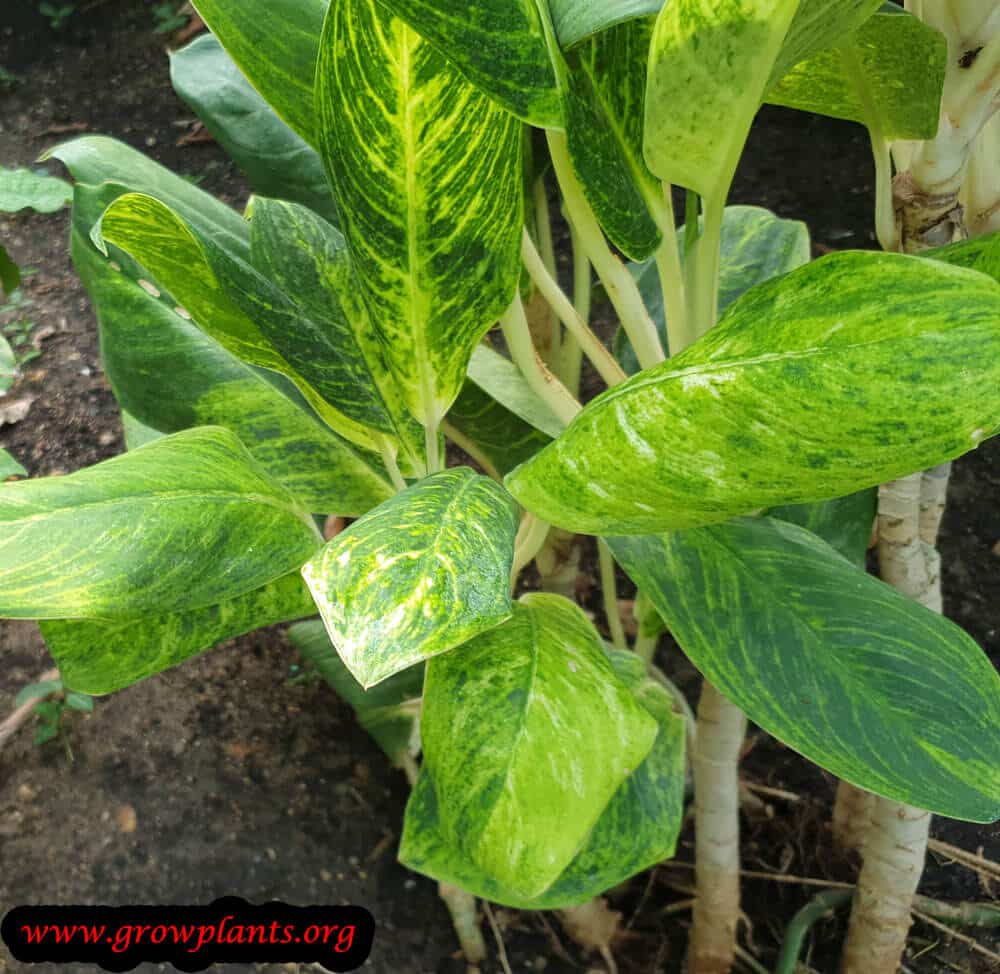
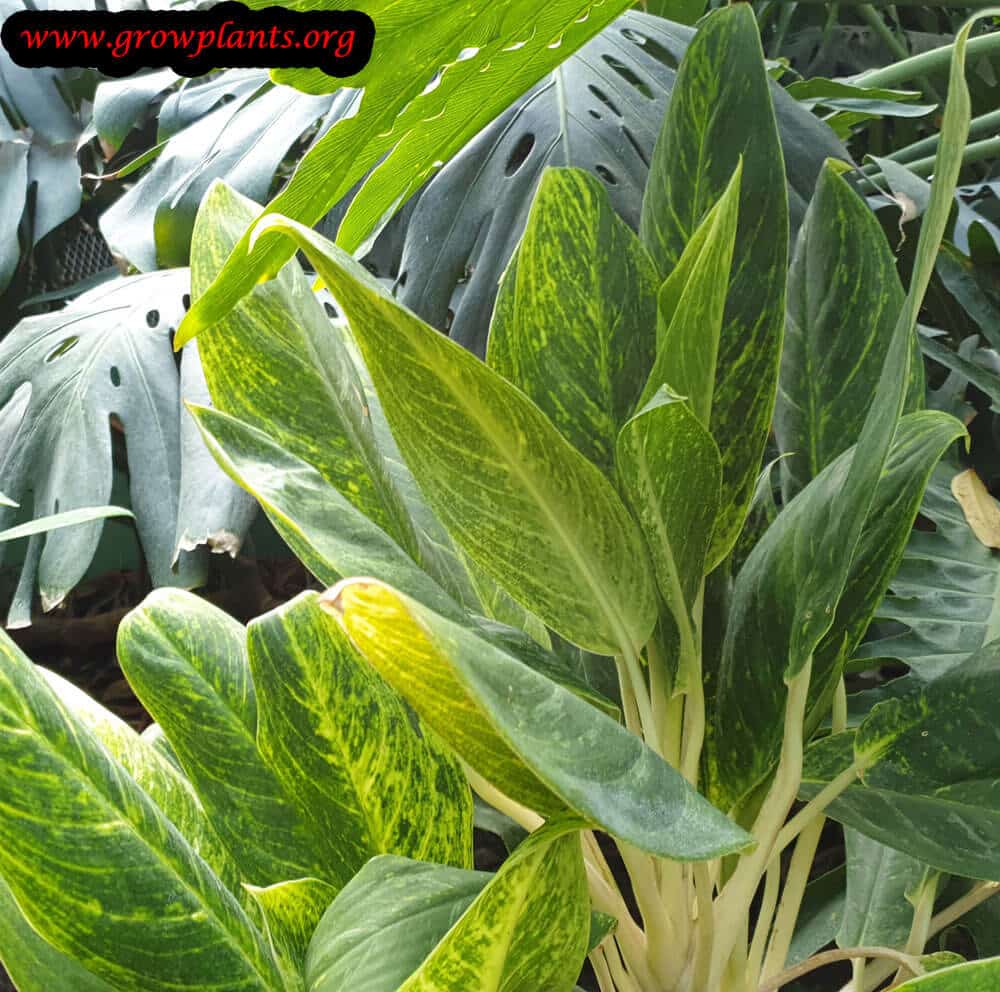
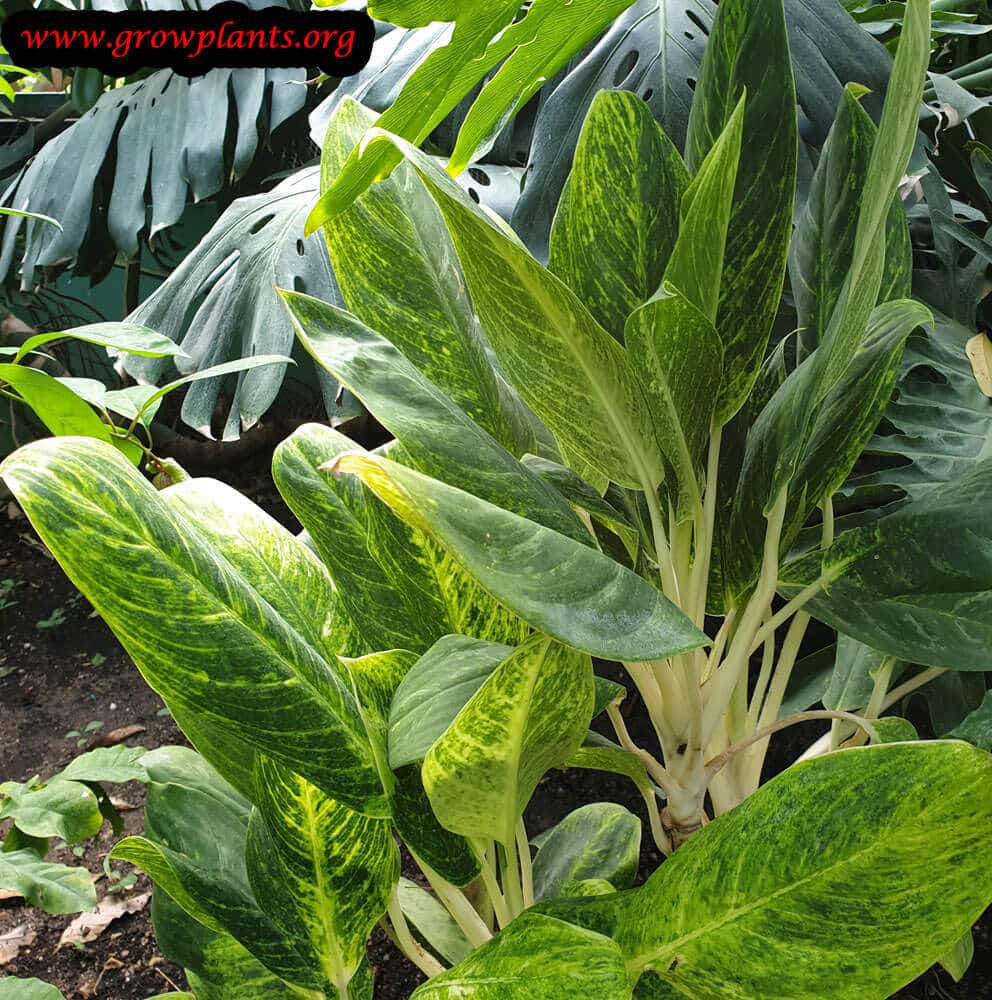
- Leaves & Foliage: Elliptic leaves, green, mostly variegated with white.
- Flower Characteristics: A white spathe around a green spadix, resembling a small ice-pop (full detail in the Bloom accordion).
Primary Uses & Landscape Value
- Functional & Ornamental Roles: Ornamental foliage houseplant; low-light indoor and container plant.
Care Guide: Planting, Soil & Watering
Overview: This tropical foliage plant thrives in warm, humid, shaded conditions above 12°C (ideally above 18°C), grown as a houseplant or in frost-free tropical shade. It wants a rich, free-draining potting mix kept lightly moist.
Quick Care Requirements
| Requirement | Ideal Condition |
|---|---|
| Planting Season | Year-round (indoors or in frost-free tropics) |
| Growth Rate | Moderate to Fast |
| Soil Type | Rich, free-draining potting mix |
| Water Need | Moderate — keep lightly moist, letting the top of the mix dry |
Planting & Establishment
- Best Planting Season: Can be planted or potted at any time of year, since it is grown indoors or in frost-free tropical shade.
- How to Plant:
- Hole Preparation: Pot into a container only slightly larger than the root ball, with good drainage holes.
- Soil Amendments: Use a rich, peat- or coir-based potting mix lightened with perlite or bark for aeration.
- Planting Depth: Set the crown at soil level so the base of the stems is not buried.
- Growth Speed & Expectations: Moderate to fast in warm, humid conditions; growth slows noticeably in cooler rooms below 18°C.
Soil, Watering & Drainage Care
- Soil Mix & Drainage Needs: An airy, free-draining mix prevents root rot; always use a pot with drainage holes.
- Watering Schedule & Technique:
- Young / Newly Planted: Keep the mix evenly but lightly moist while the plant settles in.
- Established: Water when the top few centimetres of mix dry out — an average amount of moisture, never leaving it soggy.
- Seasonal Adjustments: Water less in winter and cool spells; mist or raise humidity to offset dry indoor air.
Climate, Light & Hardiness
Aglaonema costatum is a true tropical understory foliage plant, grown almost everywhere as a houseplant because it is only hardy outdoors in essentially frost-free, USDA zone 13-and-warmer conditions. It thrives in low light to full shade and needs to be kept reliably warm, ideally above roughly 18°C (64°F) and never allowed to drop much below about 12°C (54°F).
Quick Climate Specifications
| Climate Zones | Tropical climates; elsewhere grown as a houseplant |
|---|---|
| USDA Hardiness Zones | Approximately 13 and warmer outdoors (essentially frost-free); grown indoors everywhere cooler |
| Optimal Temp Range | Generally best kept above approximately 18°C (64°F) |
| Cold Damage Begins | Growth slows and chilling stress can begin below about 18°C (64°F) |
| Approx. Survival Minimum | Keep above approximately 12°C (54°F); prolonged exposure below this risks cold injury |
| Frost Tolerance | None |
| Light Conditions | Full shade / low light |
Sunlight & Light Exposure
Optimal Light Setup
Bright, indirect light or full shade suits it best, mirroring its tropical forest-floor origin; avoid direct sun.
Shade & Heat Management
Tolerates full shade well - this is in fact its preferred light level rather than a compromise.
Best Exposure/Orientation
A shaded interior spot or north-facing window works well indoors; dappled shade under a canopy suits it outdoors in the tropics.
Temperature Extremes & Hardiness
USDA Hardiness & Regional Limits
Outdoor culture is limited to zone 13 and warmer; virtually everywhere else it must be grown as a houseplant or in a heated greenhouse.
Cold Damage & Winter Protection
Keep it consistently warm: growth slows and chilling injury becomes a risk once temperatures fall much below about 18°C (64°F), so indoor plants should be kept away from cold windows, drafts, and unheated porches in winter.
Frost Sensitivity
Has essentially no frost tolerance; any frost exposure is likely fatal.
Wind, Humidity & Microclimate
Humidity Preferences
Prefers elevated humidity, consistent with its tropical understory origin.
Dry-Air Tolerance
Aglaonema species are generally known to cope with average indoor humidity somewhat better than many tropical houseplants, though higher humidity supports the best leaf appearance.
Microclimate Recommendations
Best sited in a warm, shaded, humid microclimate away from cold drafts, heater vents, and air-conditioning airflow.
Growing in Pots, Balconies & Indoors
Aglaonema costatum is a classic Chinese-evergreen foliage plant (about 30-90 cm / 12-36 in) and one of the best, most tolerant houseplants there is. It actually prefers shade and copes with low indoor light, so it thrives well away from a window where fussier plants fail.
Quick Details
- Container Size: A pot sized to the root ball; pot up a size when it fills out
- Indoor Suitability: Excellent low-light houseplant – happy deep in a room
- Best Spot: Full shade to bright indirect light; keep out of hot direct sun
- Soil & Drainage: Rich, well-drained potting mix – peat/coir with perlite
- Watering in Pots: Keep evenly moist in growth; let the surface dry slightly between waterings and never leave it waterlogged
Indoors & On the Windowsill
- Houseplant use: The grower confirms it as a houseplant, and it is a standout – it tolerates full shade and low light, so it suits offices and darker corners as well as bright rooms (out of direct sun).
- Care: Keep it warm (it dislikes cold drafts and chilling), maintain moderate humidity, and water when the surface just dries.
- Overwintering: A permanent indoor plant in cold climates – simply keep it warm and away from cold windows and heaters.
- Safety: Aglaonema contains calcium-oxalate crystals and is toxic if chewed, irritating mouth and skin – keep away from children and pets.
On a Balcony or Patio
- Light & shelter: Only for warm, frost-free, shaded balconies or patios – it needs protection from direct sun, wind and any chill; bring it in when nights turn cool.
- Practicalities: Water more often in summer warmth, but keep the pot freely draining.
Choosing the Pot, Soil & Long-Term Care
- Pot & drainage: A pot matched to the root ball with strong drainage holes; skip a standing-water saucer to avoid root rot. Plastic or glazed pots hold the steady moisture it likes better than terracotta.
- Potting mix: Rich but well-aerated – peat or coir with perlite, or a good potting mix.
- Feeding: Potted plants exhaust and leach nutrients faster than those in the ground, so feed lightly during active growth – more often than you would in open soil.
- Repotting: Refresh the mix and pot up every couple of years, lightly trimming roots and top growth on perennials to keep them in scale with the pot.
Growing this plant in a greenhouse
A greenhouse can give aglaonema costatum frost protection, cold protection, humidity control and extra warmth. In the right climate it may also be kept growing through winter, depending on how much warmth and light are provided.
Greenhouse at a glance
| Greenhouse suitability | Good - clearly useful |
|---|---|
| Main benefits | frost protection, cold protection, humidity control, extra warmth |
| Season extension | earlier spring & later autumn |
| Outdoor protection advisable below | about 18°C |
| Maintain greenhouse minimum | around 18°C for active growth |
| Suitable types | heated greenhouse, polycarbonate greenhouse |
| Heating | Heating is recommended in cold climates for continuous growth. |
Related greenhouse guides
- Greenhouses: How to Choose the Right Greenhouse
- Best Greenhouse Heaters
- Greenhouse Climate Control: Temperature, Ventilation and Humidity
- Polycarbonate Greenhouses: What to Look for Before Buying
Fertilizing & Feeding
A light feeder suited to low light: feed sparingly through active growth to keep the variegated foliage looking its best, and hold off while growth is slow.
Quick Fertilizing Specs
| Feeding Level | Light feeder |
|---|---|
| Main Nutrient Priority | A balanced, foliage-friendly fertilizer with adequate nitrogen for leaf color |
| Best Feeding Period | During active growth in warm, humid conditions |
| Organic Options | A light top-dressing of compost for potted specimens |
| Reduce/Stop Feeding | Ease off feeding when light and warmth drop and growth slows |
| Micronutrients | Iron and manganese are useful in a complete houseplant fertilizer for this shade-grown foliage plant |
| Soil pH | Slightly acidic to near neutral, well-drained potting mix |
Feeding by Growth Stage
Establishment after potting or repotting
Let roots settle into fresh potting mix before asking the plant to take up fertilizer.
| Nutrient direction | None – hold off on fertilizer while roots recover from potting. |
|---|---|
| Timing | For a period right after potting or repotting. |
| Frequency | No feeding at this stage. |
| Fertilizer types | No feeding at this stage; do not fertilize until new roots and leaves are actively growing. |
| Precautions | Fertilizing disturbed or damaged roots can scorch them; wait for clear signs of new growth first. |
Active warm-season growth
Support fresh, well-colored variegated leaves while the plant is actively growing.
| Nutrient direction | A balanced houseplant fertilizer with adequate nitrogen keeps foliage full and well colored. |
|---|---|
| Timing | During the warm season while new leaves are actively forming, given this tropical plant’s preference for warmth and humidity. |
| Frequency | A light feeding on a routine schedule through active growth. |
| Fertilizer types | A balanced complete houseplant fertilizer |
| Routine trace nutrients | iron, manganese |
| Precautions | This is a full-shade, low-light plant; keep feeding light since low light limits how much growth it can actually use. |
Low-light slowdown
Let the plant coast through periods of lower light or cooler indoor conditions.
| Nutrient direction | None – withhold fertilizer while growth is minimal in low light. |
|---|---|
| Timing | During shorter days or when indoor light and warmth drop. |
| Frequency | No feeding at this stage. |
| Fertilizer types | No feeding at this stage; do not fertilize until active growth resumes. |
| Precautions | Feeding a plant that is not actively growing risks fertilizer salt buildup around the roots. |
Nutrient Deficiency Signs & Corrections
Older leaves fade to pale green or dull yellow and new leaves come in smaller than usual.
| Possible causes | low available nitrogen from infrequent feeding, old, depleted potting mix, roots outgrowing the pot and unable to take up nutrients well |
|---|---|
| Appears first on | older, lower leaves |
| What to check | how long since the last feeding or repotting, potting mix condition, how root-bound the pot is |
| Possible correction | Resume a light, balanced feeding schedule and refresh the potting mix if it is old and depleted. |
New leaves show interveinal yellowing or a mottled, faded pattern while veins stay greener.
| Possible causes | low soil manganese, potting mix pH outside the range that keeps manganese available, cold, poorly draining soil limiting uptake |
|---|---|
| Appears first on | newest leaves |
| What to check | potting mix pH, recent watering and drainage, temperature around the roots |
| Possible correction | Apply a complete fertilizer that includes manganese and confirm the potting mix drains well. |
Leaf tips and margins brown or scorch even though the plant is watered regularly.
| Possible causes | fertilizer salt buildup from feeding a slow-growing, low-light plant too heavily, under-watering that concentrates salts in the mix, old potting mix that no longer drains or flushes well |
|---|---|
| Appears first on | leaf tips and margins |
| What to check | how heavily and how recently the plant was fed, watering consistency, how easily water drains through the pot |
| Possible correction | Ease off feeding, water thoroughly to flush the mix, and consider refreshing old potting mix. |
Pruning, Training & Seasonal Maintenance
Aglaonema costatum is a low, clump-forming foliage houseplant grown for its patterned green-and-white leaves, not for its flowers. Maintenance is light-touch and can be done any time of year: it is really tidying, not structural pruning, and the plant tolerates it well without any effect on its growth habit.
Quick Pruning & Maintenance Specs
| Pruning Tolerance | High for foliage tidying; the plant has no woody framework to damage |
| Primary Pruning Window | Year-round, as needed |
| Typical Frequency | Light, ongoing (check every few weeks) |
| Main Objective | Remove spent leaves and flower stems; keep the clump neat |
| Young Plant Priority | Leave foliage intact to build a full clump |
| Mature Plant Priority | Remove ageing outer leaves and spent inflorescences at the base |
| Best Tool Type | Precision snips |
| Avoid Heavy Pruning During | Not applicable – this plant is never heavily pruned |
Pruning by Plant Age & Size
Newly Established
Remove only visibly damaged or dying leaves; otherwise let the young plant fill out undisturbed.
Young / Formative
No structural training applies – Aglaonema forms a low rosette/clump from the base rather than a trainable stem system.
Mature / Established
Periodically remove the oldest, yellowing outer leaves and spent flower stalks to keep the display of variegated foliage clean.
Special Growth to Remove
- Dead or yellowing leaves – cut at the base of the petiole
- Spent flower stems once the ice-pop-like spadix fades
Container & Small-Space Pruning
Grown in containers as a houseplant, size is mainly managed by pot size and light rather than pruning; removing old leaves keeps the compact clump looking full instead of straggly. It thrives in full shade, so leaf loss from too much direct sun (rather than over-pruning) is the more common size/appearance issue to watch for.
Tools
- Precision snips – the only tool needed; all cuts are on soft leaf and flower stalks
Tool Hygiene & Disease Risk
Routine: clean tools are sufficient. The main pest risks noted for this species are aphids and mealybug, which are managed by treatment rather than tool sterilization between cuts.
Cut Placement & Technique
Cut spent leaves and flower stalks close to the base of the clump with a clean snip rather than tearing them away, which can damage the crown.
Post-Pruning Care
No special aftercare needed beyond normal watering; inspect the base and new growth for mealybug, which favors the crevices left after leaf removal.
Common Pruning Mistakes
- Pulling or tearing off leaves by hand instead of cutting, which can injure the crown
- Removing healthy variegated leaves for tidiness – the variegation pattern is the plant’s main ornamental value and should be left intact
When NOT to Prune
No strict seasonal restriction since the plant is evergreen and grown indoors year-round; simply avoid removing healthy leaves purely for shape.
Recommended Tools (by task)
- Precision snips – removing dead leaves and spent flower stems close to the base
Propagation Guide
Aglaonema costatum is most commonly and easily propagated vegetatively, by division of offsets or stem cuttings, which also gives the fastest route to an established plant with the same green-and-white mottled leaf pattern. Seed propagation is possible but slower and less predictable for reproducing the exact variegation, so it is mainly useful where seed is on hand rather than as the preferred method. Overall difficulty is Easy.
Quick Propagation Specs
| Best Propagation Method | Division of offsets / stem cuttings |
| Alternative Methods | Seed |
| Propagation Difficulty | Easy |
| Vegetative True-to-Type | Yes |
| Best Propagation Season | All year (plant grows and can be planted year-round) |
| Cutting Rooting Time | Typically a few weeks under warm, humid conditions |
| Germination Temperature | Above 18°C (64°F) preferred; minimum above 12°C (54°F) |
Stem Cuttings
Cutting Type
Take a stem section with at least one or two nodes/leaves attached.
Cutting Preparation
Make a clean cut just below a node and remove any lower leaves that would sit in the rooting medium.
Rooting Setup
Root in a moist, well-drained medium (or in water) with high humidity and warmth, ideally above 18°C (64°F); this tropical aroid does not tolerate cold below about 12°C (54°F) even while rooting.
Rooting Hormone
Not required, but can be used to speed rooting.
Rooting Time
Cuttings generally root within a few weeks under warm, humid conditions.
Division, Offsets, Pups & Suckers
Established clumps produce basal offsets that can be separated with their own roots attached and potted individually; this is the fastest and most reliable way to get a new plant identical to the parent, including its leaf variegation pattern.
Bloom & Flower Guide
Quick Details
- Bloom Season: Spring and summer
- Flower Appearance: A small white spathe wrapped around a green spadix, looking a little like a slim ice pop on a stalk
- Edibility: Not edible. Like other aroids, all parts contain calcium oxalate crystals that irritate the mouth and skin.
Detailed Blooming Overview
As an aroid, Aglaonema costatum does not bear a conventional petalled flower. Instead it produces the family’s typical bloom: a pale spathe (a modified leaf) cupped around a green spadix carrying the tiny true flowers. It is modest rather than showy, appearing in spring and summer on plants grown mainly for their patterned foliage.
Flower Characteristics
- A white spathe enclosing a green spadix.
- Slim, upright form resembling a small ice pop.
- Not fragrant and not showy.
Bloom Care & Thinning
- Managing the bloom: Since the plant is grown for its leaves, many growers snip off the spathes as they form so energy goes into the foliage.
- Safety: The sap is irritating; wear gloves when removing spent flowers and keep the plant away from pets and children.
Pests, Diseases & Troubleshooting
Overview: Chinese evergreens are among the toughest foliage houseplants, and healthy ones shrug off most pests. Their real weaknesses are the soft-scale/mealybug/mite trio in dry indoor air, bacterial and fungal leaf spots and stem rots when leaves stay wet, and — most characteristically — cold-and-wet injury: chilling damage and root rot below about 13–15°C. Warmth, restrained watering, and clean, dry foliage prevent nearly everything. A Chinese evergreen grown as a warm, humid, low-to-medium-light foliage houseplant.
Quick Troubleshooting Overview
| Issue / Pest | Main Symptom | Primary Solution |
|---|---|---|
| Mealybugs | White cottony tufts in leaf axils and on undersides; sticky leaves | Wipe/dab with alcohol; insecticidal soap or horticultural oil |
| Scale | Brown or waxy limpet-like bumps on stems and midribs; honeydew | Scrape off; horticultural oil, repeat applications |
| Spider mites | Fine stippling, dull leaves and webbing in dry, warm rooms | Raise humidity, wipe leaves, insecticidal soap/miticide |
| Bacterial leaf spot | Water-soaked, dark, spreading spots with yellow halos | Remove leaves, keep foliage dry, improve airflow, copper |
| Root rot | Yellowing, wilting, mushy blackened roots in cold, wet soil | Cut back watering, warm the plant, repot into fresh airy mix |
| Chilling injury | Grey-green greasy blotches after exposure below ~13°C | Keep above 15°C, away from cold draughts and glass |
Common Pests & Management
- Mealybugs (Planococcus / Pseudococcus spp.):
- Symptoms: The most frequent Aglaonema pest. White cottony tufts nestle in the leaf axils, along the midribs, and on the undersides; roots can carry root mealybugs. Feeding causes sticky honeydew, sooty mould, and slow, distorted new growth.
- Prevention & Control: Dab visible clusters with a cotton swab dipped in dilute alcohol and wipe the leaves clean. For wider infestations spray insecticidal soap or horticultural oil, repeating weekly to catch hatchlings. Check the roots when repotting and isolate new plants.
- Soft brown & armored scale (Coccus hesperidum / Diaspididae):
- Symptoms: Small brown, tan or waxy bumps clinging to stems, leaf undersides and along the midrib. Soft scale exudes sticky honeydew that blackens with sooty mould; heavy feeding yellows and weakens the plant.
- Prevention & Control: Scrape off what you can by hand. Treat thoroughly with horticultural oil or insecticidal soap, coating stems and undersides, and repeat every one to two weeks. Prune out badly encrusted stems.
- Spider mites (Tetranychus urticae):
- Symptoms: A dry-air, warm-room problem. Fine pale stippling gives leaves a dull, dusty look, and severe infestations show fine webbing on the undersides and leaf tips; leaves fade and drop.
- Prevention & Control: Raise humidity, shower the foliage, and wipe leaves regularly. Insecticidal soap or horticultural oil, well applied to the undersides, controls them; repeat treatments as mites breed fast in warmth.
- Aphids (Aphis / Myzus spp.):
- Symptoms: Clusters of soft insects on the newest growth and unfurling leaves, causing puckering, stickiness and sooty mould. Less common indoors but appears on soft new flushes.
- Prevention & Control: Rinse off with water or wipe away, then treat with insecticidal soap if they persist. Remove badly infested new growth.
- Fungus gnats (Bradysia spp.):
- Symptoms: Small dark flies running over the soil surface and the potting mix; larvae in constantly moist, peaty compost can nibble fine roots and worsen rot in seedlings and cuttings.
- Prevention & Control: Let the surface dry between waterings, use yellow sticky traps for the adults, and drench with Bacillus thuringiensis subsp. israelensis (Bti) or apply beneficial nematodes for the larvae. Avoid keeping the mix soggy.
Diseases & Fungal Issues
- Bacterial leaf spot & soft rot (Xanthomonas / Pectobacterium (Erwinia) spp.):
- Symptoms: Water-soaked, dark greasy spots that enlarge with yellow halos, sometimes with a foul smell as tissue turns to slimy soft rot; spreads fast in warm, wet, splashy conditions.
- Treatment & Management: A moisture problem: keep foliage dry, water at the base, avoid crowding, and space for airflow. Remove and destroy affected leaves and disinfect tools. Copper sprays offer some protection; discard plants rotting at the crown.
- Fungal leaf spots & anthracnose (Colletotrichum / Myrothecium spp.):
- Symptoms: Round to irregular tan-to-brown spots, sometimes with concentric rings or dark fruiting specks (Myrothecium produces black-and-white spore cushions), often starting at leaf tips and margins.
- Treatment & Management: Improve airflow, avoid overhead watering, and remove infected leaves. Keep humidity moderate and foliage dry. A labelled fungicide (chlorothalonil or copper) is warranted only on valued or badly spotted plants.
- Root & stem rot (Pythium / Phytophthora / Sclerotium rolfsii):
- Symptoms: Yellowing, wilting and collapse with dark, mushy roots and a rotted stem base; Southern blight (Sclerotium) adds white fan-like threads and mustard-seed sclerotia at the soil line. Driven by cold, wet, poorly drained mix.
- Treatment & Management: Prevent by using a well-drained aroid mix, watering only when the surface dries, and keeping the plant warm. Unpot, cut away rotted roots, and repot into fresh airy mix; discard plants rotted through the crown.
- Dasheen mosaic virus (Dasheen mosaic potyvirus):
- Symptoms: Feathery yellow mosaic, mottling and mild leaf distortion; spread by aphids and through infected divisions. Uncommon but incurable.
- Treatment & Management: No cure. Buy clean stock, control aphids, and remove and destroy affected plants; disinfect tools between plants.
Growing Difficulties & Abiotic Problems
- Chilling injury:
- Cause & Symptoms: The classic Aglaonema disorder. Exposure below roughly 13–15°C produces greasy grey-green blotches, sunken patches, and later browning, especially near cold windows, draughts or after cold delivery.
- Correction Strategy: Keep the plant reliably above 15°C, away from cold glass, air-conditioning and doorways. Remove badly damaged leaves once the plant is warm again.
- Root rot from cold, wet soil:
- Cause & Symptoms: Overwatering — especially in cool conditions or low light — leaves the mix soggy; roots suffocate and rot, and the plant yellows and wilts even though the soil is wet.
- Correction Strategy: Water only when the top of the mix has dried, use a chunky well-drained aroid mix, ensure pots drain freely, and reduce watering in winter and cool rooms.
- Leaf-tip & margin browning:
- Cause & Symptoms: Dry air, salt and fertiliser buildup, or fluoride/chloride in tap water cause brown, crispy tips and margins.
- Correction Strategy: Raise humidity, flush the pot with clean water periodically to leach salts, feed lightly, and use rainwater or filtered water for sensitive variegated types.
- Faded colour or scorch:
- Cause & Symptoms: Too little light dulls the variegation and slows growth; sudden strong direct sun bleaches and scorches the leaves.
- Correction Strategy: Give bright, indirect light. Increase light gradually for well-coloured foliage, but shield from harsh midday sun.
What Helps — Products & Tools
The right kit here is houseplant-scale: cotton swabs and dilute alcohol plus insecticidal soap and horticultural/neem oil for mealybug, scale and mite; yellow sticky traps and a Bti drench or beneficial nematodes for fungus gnats; copper spray for bacterial and fungal leaf spot; and, above all, a free-draining aroid mix with warmth and restrained watering to prevent root rot and chilling. Follow the label and keep sprays off open blooms.