

Plant Profile & Key Characteristics
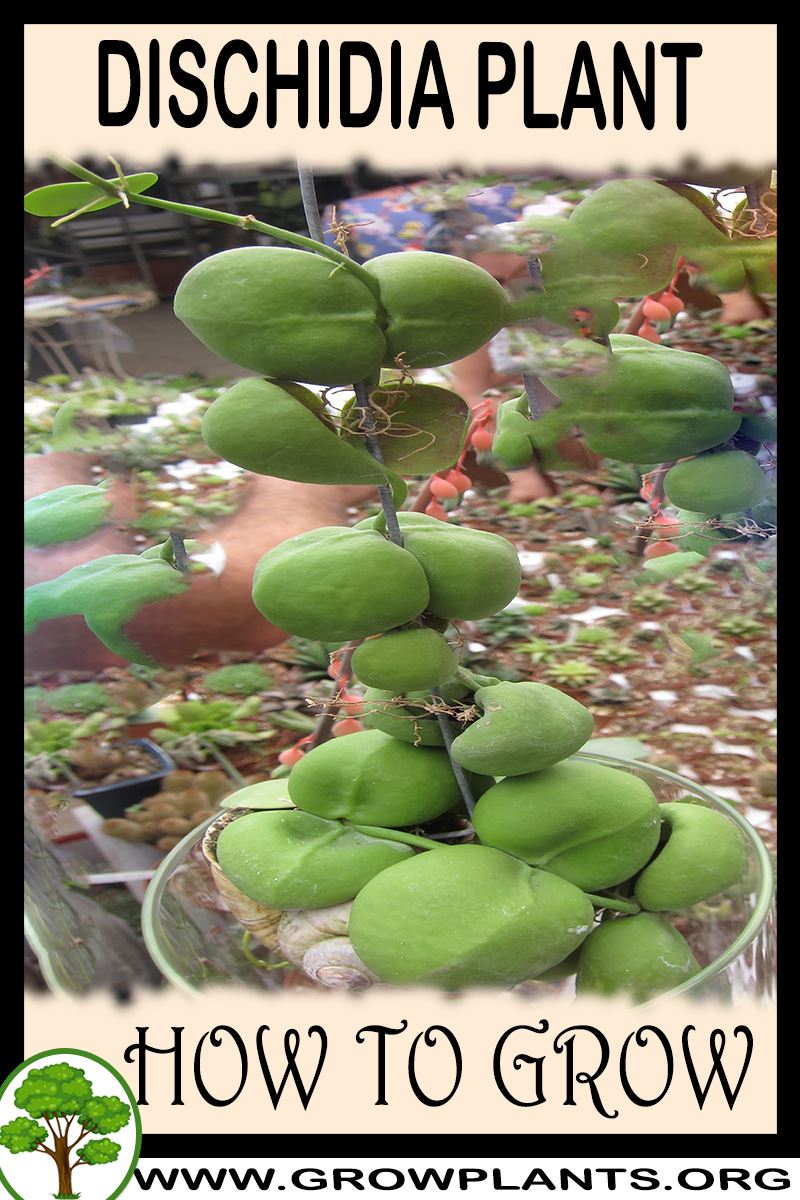
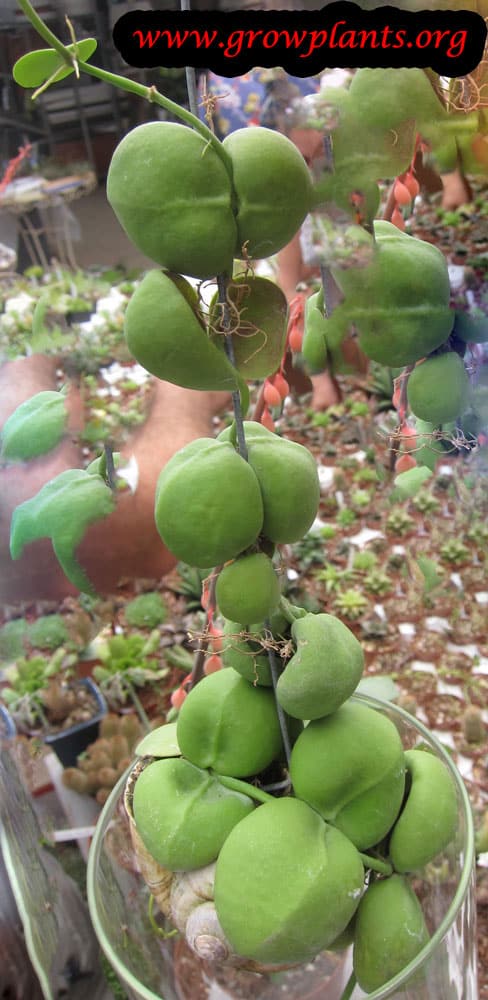
Overview: Trailing epiphytic succulent vine, 20-60 cm, grown as an ornamental houseplant or, in the tropics, on trees. Valued for its varied waxy foliage and small waxy cluster-flowers; it naturally associates with ants (hence ‘ant plant’).
Quick Specifications
| Specification | Attribute |
|---|---|
| Plant Type / Life Cycle | Perennial (evergreen, epiphytic succulent) |
| Foliage Type | Evergreen (succulent) |
| Mature Size | 20-60 cm (8-24 in) |
| Growth Rate | Slow |
| Root System | Adventitious aerial roots (epiphytic – grows on other plants, not in soil) |
| Hardiness | USDA zone 12+ (elsewhere a houseplant) |
Growth Form & Structure
- Height & Spread: Trailing or climbing stems 20-60 cm (8-24 in); best given something to climb on.
- Growth Habit & Form: Epiphytic trailing/climbing succulent vine.
- Lifespan & Maturity: Slow-growing evergreen perennial.
Anatomy & Physical Features
- Leaves & Foliage: Small succulent leaves – green, red, purple or white; round, oval, heart, balloon or elliptic, sometimes bumpy or wavy.
- Flower Characteristics: Small, waxy, ball-shaped flowers with a crown, borne in clusters in many colours.
Primary Uses & Landscape Value
- Functional & Ornamental Roles: Ornamental epiphytic houseplant, hanging basket or mounted specimen, terrarium plant; drought-tolerant.
Note: Some Dischidia species have a natural mutualism with ants, which may nest in the plant’s hollow leaf pockets — this is a normal part of the plant’s ecology, not a pest problem.
Care Guide: Planting, Soil & Watering
Overview: Dischidia is an epiphytic, succulent trailing vine that grows best in warm (above about 15°C), humid, shaded conditions in a very open, airy medium. As an epiphyte it likes to grow on a support and needs only light watering.
Quick Care Requirements
| Requirement | Ideal Condition |
|---|---|
| Planting Season | Year-round in warm, frost-free conditions |
| Growth Rate | Slow |
| Soil Type | Very open, airy epiphytic medium (orchid/bark mix), not regular soil |
| Water Need | Low — let the medium dry out between light waterings |
Planting & Establishment
- Best Planting Season: Plant or mount at any time of year in warm, frost-free conditions, keeping it above about 15°C.
- How to Plant:
- Soil Amendments: Use a chunky, fast-draining epiphytic medium such as bark or orchid mix rather than dense soil; provide a support or trellis for the vine to climb.
- Planting Depth: Settle the roots into the loose medium or against the mount without burying the stems, keeping the crown airy and exposed.
- Growth Speed & Expectations: Grows slowly, trailing and climbing over time; give it warmth and humidity to keep it healthy.
Soil, Watering & Drainage Care
- Soil Mix & Drainage Needs: Grow it in a very airy, freely draining epiphytic medium with plenty of air around the roots — ordinary potting soil holds too much water and will rot it. Keep humidity up but let excess water drain instantly.
- Watering Schedule & Technique:
- Young / Newly Planted: Water lightly and keep humidity high while the plant establishes on its support.
- Established: Water sparingly, letting the medium dry out between waterings; as a drought-tolerant succulent epiphyte it dislikes constant wetness.
- Seasonal Adjustments: Water a little more in warm, active growth and cut back in cool weather.
Climate, Light & Hardiness
Dischidia (ant plant) is an epiphytic tropical vine that wants warm, humid, tropical conditions or a bright indoor spot, and has essentially no frost tolerance, reliably surviving outdoors only in USDA zone 12 and warmer.
Quick Climate Specifications
| Climate Zones | Tropical climates outdoors; widely grown as a houseplant elsewhere |
| USDA Hardiness Zones | approximately 12+ (frost-free, humid-tropical conditions) |
| Optimal Temp Range | approximately 18–29°C (65–85°F) |
| Cold Damage Begins | below approximately 13–15°C (55–59°F) |
| Approx. Survival Minimum | keep above approximately 10°C (50°F); any frost or near-freezing exposure is likely fatal to this epiphyte |
| Frost Tolerance | None |
| Light Conditions | Half shade to full shade (bright, filtered light as an epiphyte) |
Sunlight & Light Exposure
Optimal Light Setup
Bright, filtered light similar to its habitat under a tree canopy; half shade to full shade rather than harsh direct sun.
Shade & Heat Management
Avoid intense direct midday sun, which can scorch the thin succulent leaves; dappled or curtain-filtered light indoors works well.
Best Exposure / Orientation
A hanging or mounted position with bright indirect light suits its epiphytic, vining habit.
Temperature Extremes & Hardiness
USDA Hardiness & Regional Limits
Only reliable outdoors in essentially frost-free tropical conditions (about zone 12+); everywhere else it is a warm-room houseplant.
Cold Damage & Winter Protection
Keep well above chilling temperatures in winter; protect from cold draughts and cold window glass if grown indoors.
Frost Sensitivity
No frost tolerance – even brief chilling can damage or kill this tropical epiphyte.
Extreme Heat Tolerance
Handles warm tropical heat well provided humidity and light are adequate.
Wind, Humidity & Microclimate
Humidity Preferences
High; as a tropical epiphyte it prefers humid air, similar to many aroids and orchids.
Dry-Air Tolerance
Low to moderate – dry indoor air (heating/AC) can stress it; occasional misting or a pebble tray helps indoors.
Rainfall & Seasonal Moisture
Adapted to humid, fairly evenly moist tropical conditions rather than a hard dry season.
Microclimate Recommendations
Mount or hang in a warm, humid, bright-but-shaded spot; a greenhouse, terrarium, or bathroom-type indoor microclimate suits it well.
Growing in Pots, Balconies & Indoors
Dischidia are small, trailing epiphytes reaching about 20-60 cm (8-24 in) – superb, easy houseplants for a hanging pot or mounted display in bright, indirect light. The grower confirms they grow happily indoors and in containers.
Quick Details
- Container Size: A small pot or hanging basket; they are happy snug and shallow-rooted
- Indoor Suitability: Excellent – a natural houseplant
- Best Spot: Bright, indirect light; part to full shade with light, out of harsh direct sun
- Soil & Drainage: Very open, airy epiphyte mix (bark and coir); it must never stay wet
- Watering in Pots: Lightly – let it approach dryness; it enjoys humidity
Indoors & On the Windowsill
- A genuine houseplant: Yes – hang or stand it near a bright window but out of scorching direct sun. It loves humidity, so a bright bathroom or kitchen suits it well.
- Windowsill growing: A bright sill with filtered light is ideal; avoid hot, direct midday sun through glass.
- Overwintering: Tender to cold – keep it warm, above about 12-13 C (54-55 F), and drier through winter.
On a Balcony or Patio
- Light & shelter: Only in warm, frost-free conditions, in shaded or filtered light; shelter it from wind and hot sun. Baskets and small pots dry quickly, so check them often.
- Practicalities: A hanging position shows off the trailing habit and keeps air moving around the roots.
Choosing the Pot, Soil & Long-Term Care
- Pot & drainage: A small pot with strong drainage and no standing water; being an epiphyte it hates soggy roots.
- Potting mix: An airy, bark-based epiphyte mix rather than dense potting soil.
- Feeding: A weak, diluted feed occasionally in the growing season; potted plants need feeding a little more often as nutrients leach.
- Repotting: Only every couple of years, refreshing the airy mix.
Growing this plant in a greenhouse
A greenhouse can give dischidia frost protection, cold protection, humidity control and extra warmth.
Greenhouse at a glance
| Greenhouse suitability | Good - clearly useful |
|---|---|
| Main benefits | frost protection, cold protection, humidity control, extra warmth |
| Outdoor protection advisable below | about 15°C |
| Maintain greenhouse minimum | around 15°C for active growth |
| Suitable types | unheated greenhouse, polycarbonate greenhouse |
| Heating | Heating is optional - useful mainly for winter growing in cold areas. |
Related greenhouse guides
- Greenhouses: How to Choose the Right Greenhouse
- Polycarbonate Greenhouses: What to Look for Before Buying
- Greenhouse Climate Control: Temperature, Ventilation and Humidity
Fertilizing & Feeding
A light feeder: dilute balanced feeding through the warm growing season, eased off in low light and after repotting.
Quick Fertilizing Specs
| Feeding Level | Light feeder |
|---|---|
| Main Nutrient Priority | Balanced feeding with adequate nitrogen for foliage |
| Best Feeding Period | Warm, bright active growing season |
| Organic Options | A loose, airy epiphytic mix with some organic matter |
| Reduce/Stop Feeding | Ease off in low light and cool weather |
| Micronutrients | Usually supplied by a complete fertilizer; correct only diagnosed issues |
| Soil pH | Slightly acidic to near neutral |
Feeding by Growth Stage
Settling in after repotting
Let fresh roots establish in the new mix before any feeding begins.
| Nutrient direction | None – withhold fertilizer until the plant is rooted and growing. |
|---|---|
| Timing | In the period right after potting up or repotting. |
| Frequency | No feeding at this stage. |
| Fertilizer types | No feeding at this stage; do not fertilize until new growth appears. |
| Precautions | Do not fertilize a newly repotted plant; wait for clear signs of active growth. |
Warm-season active growth
Support healthy trailing foliage during active growth.
| Nutrient direction | A dilute balanced complete fertilizer with adequate nitrogen to fuel leafy trailing growth. |
|---|---|
| Timing | Through the warm, bright growing season. |
| Frequency | Light, dilute feeding while the plant is actively growing. |
| Fertilizer types | A dilute balanced complete fertilizer, A diluted foliage houseplant fertilizer |
| Routine trace nutrients | iron, manganese |
| Precautions | Feed lightly; as an epiphyte it is sensitive to fertilizer salts, so keep concentrations low and rinse the mix through periodically. |
Low-light or cool-season slowdown
Let the plant coast when light and warmth drop.
| Nutrient direction | None – withhold fertilizer while growth is slow. |
|---|---|
| Timing | During low light, short days, or cool weather. |
| Frequency | No feeding during this rest. |
| Fertilizer types | No feeding at this stage; hold off fertilizing until active growth resumes. |
| Precautions | Withhold fertilizer while growth is slow to avoid salt buildup in the mix. |
Nutrient Deficiency Signs & Corrections
Older, lower leaves fade to pale green or uniform yellow and growth slows.
| Possible causes | low available nitrogen in an old mix, nitrogen leaching from frequent watering, long gap since last feeding |
|---|---|
| Appears first on | older, lower leaves |
| What to check | feeding history, age of the potting mix, watering and drainage |
| Possible correction | Resume a dilute balanced complete fertilizer during active growth and refresh a tired mix. |
Interveinal yellowing on the newest leaves while the veins stay green.
| Possible causes | high mix pH reducing iron and manganese availability, a soggy, poorly aerated mix impairing uptake, low micronutrient supply |
|---|---|
| Appears first on | the newest, youngest leaves |
| What to check | mix pH, drainage and aeration, whether a complete fertilizer is being used |
| Possible correction | Correct the pH, improve aeration, and apply a chelated iron or manganese product per its label. |
Leaf tips and margins brown or scorch and growth stalls despite adequate watering.
| Possible causes | fertilizer salt buildup, to which this epiphyte is sensitive, under-watering that concentrates salts, excessive or too-frequent feeding |
|---|---|
| Appears first on | leaf tips and margins |
| What to check | recent fertilizer amounts, watering consistency, drainage of the mix |
| Possible correction | Ease off feeding, rinse the mix through thoroughly to leach salts, then return to lighter feeding. |
Pruning, Training & Seasonal Maintenance
Dischidia is a trailing, epiphytic succulent vine, best grown mounted or trellised rather than staked upright, and unlike a stemless mesemb it genuinely branches and responds to cutting back. Pruning is moderate: pinch growing tips to build a fuller, more branched vine, trim to control trailing length or shape, and remove dead or damaged leaves as needed year-round. Because it flowers on new growth in winter, hard shaping cuts are best timed for spring–summer active growth rather than right before bloom.
Quick Pruning & Maintenance Specs
| Pruning Tolerance | Moderate – tip-pinches and shaping cuts are well tolerated; this is not a rigid, unbranching succulent |
| Primary Pruning Window | Active warm growth (spring–summer), when temperatures stay reliably above 15°C |
| Secondary Maintenance Window | Any time for dead-leaf removal and light tidying |
| Typical Frequency | Light pinching through the growing season; shaping cuts occasionally as trails lengthen |
| Main Objective | Denser branching and controlled trail length/shape on its support |
| Young / Formative Priority | Establish the plant onto a trellis or mount and pinch to encourage early branching |
| Mature Plant Priority | Length and density control, dead-leaf removal, occasional cutback of bare or overlong trails |
| Best Tool Type | Small precision snips for the soft succulent stems |
| Avoid Heavy Pruning During | Cool weather below about 15°C, when the plant is not actively growing and wounds heal slowly |
Pruning by Plant Age & Size
Newly Established
Let the plant settle onto its trellis or mount before any tip-pinching; remove only visibly dead or damaged leaves at this stage.
Young / Formative
Train stems onto a trellis or support as they extend (this species climbs/trails rather than standing upright), and pinch growing tips periodically to encourage side-branching rather than a few long, sparse runners.
Mature / Established
Focus shifts to controlling overall spread – trimming back trails that have outgrown their space or gone bare at the base, and thinning where growth has become congested on the support.
Structural Pruning & Training
- Trellis/mount training: guide new growth onto the support as it extends; this is a climber/trailer, not a self-supporting plant
- Height & spread control: cut back individual trails to a healthy leaf node to shorten reach
- Density: pinching tips encourages branching where the vine has grown leggy with widely spaced leaves
Special Growth to Remove
- Dead or shrivelled leaves, removed as they occur
- Bare, leafless sections of older trailing stem, cut back to a point with live foliage to renew density
Container & Small-Space Pruning
Almost always grown as a hanging or mounted specimen at a modest 20–60cm size, so pruning is really about keeping the plant proportional to its display space – pinching and trimming to fit a hanging basket or mount rather than any in-ground canopy logic. Root disturbance should be minimal; this is a slow grower that is better shaped by pinching top growth than by cutting back roots.
Tools
- Precision snips – suited to the soft, succulent stems; no heavier tool is needed at this plant’s scale
Tool Hygiene & Disease Risk
Routine care (a clean, sharp blade) is sufficient. The main risk with this succulent vine is rot at a cut left damp in humid conditions, not pathogen transfer between plants.
Cut Placement & Technique
Pinch or cut just above a leaf node to prompt branching from that point; avoid crushing the soft stem, which bruises rather than cleanly separates the tissue.
Heavy Pruning & Rejuvenation
Tolerates a fairly hard cutback of overgrown or leggy trails during warm active growth, since new shoots readily break from remaining nodes; avoid doing this in cool weather when regrowth is slow and cut ends are more prone to rot.
Post-Pruning Care
Keep humidity up and avoid waterlogging the mount or pot after a cutback while new growth resumes; no feeding is needed to “push” regrowth. Watch cut ends for softening, which signals rot rather than healing.
Common Pruning Mistakes
- Cutting back hard in cool weather, when wounds heal slowly and are prone to rot
- Letting trailing stems mat together untrimmed, reducing airflow and inviting rot in the humid conditions this plant prefers
- Skipping the trellis/mount training early on, leaving a tangled plant that is hard to shape later
When NOT to Prune
- Below about 15°C, when the plant is not in active growth
- Right before the winter bloom if flower display is the priority, since flowers form on new growth
- Soon after mounting or repotting, while it is re-establishing
Recommended Tools (by task)
- Young plant – tip pinching for branching: precision_snips – a small, clean cut at a node without crushing the soft stem.
- Mature plant – trellis/mount training: soft_ties_stakes – to guide new trailing growth onto its support as it extends.
Propagation Guide
Dischidia is propagated almost exclusively from stem cuttings, which root readily in warm, humid conditions and is easier and more dependable than seed; true seed propagation is rarely practical in cultivation since these epiphytic vines seldom set viable seed indoors. Overall difficulty is Easy from cuttings given adequate warmth and humidity.
Quick Propagation Specs
| Best Propagation Method | Stem cuttings |
| Alternative Methods | Seed (rarely available/practical in cultivation) |
| Propagation Difficulty | Easy |
| Vegetative True-to-Type | Yes |
| Best Propagation Season | Warm months, or year-round indoors above 15°C (59°F) |
Stem Cuttings
Cutting Type
A section of trailing stem with two to three leaf nodes, taken from healthy, actively growing growth.
Best Timing
Warm weather, when the plant is actively growing – matching its year-round planting season under warm indoor conditions.
Cutting Preparation
Cut cleanly just below a node and let the cut end dry briefly before inserting it, since the stems and leaves are somewhat succulent.
Rooting Setup
Insert the cutting into damp sphagnum moss or a very free-draining, moisture-retentive epiphyte mix, kept humid; the plant’s own care needs (consistently moist substrate, warmth above 15°C/59°F, and something to climb or trail on) apply equally at the rooting stage.
Rooting Hormone
Optional – cuttings generally root without it, though a rooting hormone can speed and even out root formation.
Rooting Time
Typically several weeks under warm, humid conditions.
Bloom & Flower Guide
Quick Details
- Bloom Season: Mainly winter, though established plants can flower on and off through the year in warm, humid conditions
- Time to First Bloom: On mature, well-established plants once they carry plenty of trailing growth
- Flower Appearance: Small, waxy urn- or ball-shaped flowers topped with a little crown, carried in clusters; white, pink, yellow, orange, red, purple or bicolored
- Edibility: Ornamental only – the flowers are not eaten
Detailed Blooming Overview
Dischidia is an epiphytic, trailing succulent in the milkweed family (Apocynaceae). Its blooms are tiny compared with the foliage, but up close they are beautifully sculpted – waxy little urns finished with a crown-like center, clustered along the stems. Flowering is strongest in winter, and a happy, mature plant with room to trail will often produce several flushes.
Flower Characteristics
- Waxy, ball- to urn-shaped flowers with a crown at the tip.
- Colors range through white, pink, yellow, orange, red and purple, sometimes more than one color on a single bloom.
- Flowers are carried in small clusters rather than singly.
Bloom Care & Thinning
- Encouraging blooms: Bright, indirect light and the warm, humid conditions this epiphyte enjoys give the best flowering; let the roots dry a little between waterings.
- Pollination: As a milkweed relative the small flowers are insect-pollinated; indoors they mostly add interest and rarely set seed.
- After flowering: No thinning is needed – simply leave spent blooms to drop on their own.
Bloom Health & Protection
- Mealybugs: These can tuck into leaf joints and flower clusters; dabbing them with a cotton bud dipped in alcohol, or using an insecticidal soap, helps keep them in check.
- Grey mould (Botrytis) on blooms: In cool, damp, still air the small flowers can spot and rot – good airflow and keeping water off the blooms are the best prevention.
Pests, Diseases & Troubleshooting
Overview: Dischidia is a genus of small epiphytic trailing plants in the milkweed family (relatives of Hoya and the ant-plants) grown as houseplants; their pests are the usual indoor sap-suckers — mealybugs, scale, aphids and spider mites — plus fungus gnats in wet media, while their real weakness is rot from overwatering. Grown in a very airy, fast-draining epiphytic mix with bright, indirect light and allowed to dry between waterings, they are easy; kept wet and airless, they rot at the roots and stems.
Quick Troubleshooting Overview
| Issue / Pest | Main Symptom | Primary Solution |
|---|---|---|
| Mealybugs | White cottony tufts on stems, leaves and roots; honeydew | Wipe with alcohol, horticultural oil; check the roots |
| Scale | Brown limpet-like bumps on stems and leaves, sticky | Scrape off, horticultural oil; isolate the plant |
| Spider mites | Fine stippling and webbing in warm, dry indoor air | Raise humidity, rinse foliage; horticultural oil |
| Fungus gnats | Tiny flies over wet media; larvae in the mix | Let mix dry; sticky traps, Bti drench |
| Root / stem rot | Blackening, mushy stems and roots, collapse when kept wet | Repot into airy mix, cut out rot, water less |
| Shrivelled leaves | Puckered, thin, shrivelled leaves when too dry | Water more regularly; check roots are alive |
Common Pests & Management
- Mealybugs (Planococcus and root mealybug spp.):
- Symptoms: White cottony tufts tucked into leaf axils, along stems and among the roots, with sticky honeydew and sooty mould, causing yellowing and slowed, distorted growth; root mealybug on the roots is easily missed.
- Prevention & Control: Wipe visible colonies with a cotton bud dipped in diluted alcohol, rinse the plant, and inspect the roots when repotting, drenching the mix if root mealybug is found. Horticultural oil or neem clears infestations; repeat to catch the crawlers and isolate the plant.
- Soft and armoured scale (Coccus / Aspidiotus spp.):
- Symptoms: Small brown or tan limpet-like bumps stuck to the stems, leaf undersides and the modified pouch-leaves, often with honeydew (soft scale) and sooty mould, weakening the plant as they suck sap.
- Prevention & Control: Scrape or rub off scale by hand, and treat with horticultural or neem oil to smother them, repeating every couple of weeks. Isolate the plant from other houseplants, and conserve or introduce natural predators if grown in a conservatory.
- Aphids (Aphis / Myzus spp.):
- Symptoms: Small soft-bodied insects clustered on the soft new growth, tender tips and any flowers, with honeydew and distortion of the new leaves, mostly when the plant is flushing.
- Prevention & Control: Rinse or hose them off, and conserve natural predators in a conservatory setting. Insecticidal soap or neem clears heavier colonies; a firm jet of water is often enough on these small plants.
- Two-spotted spider mite (Tetranychus urticae):
- Symptoms: Fine pale stippling and a dull, dusty look to the leaves with fine webbing between the trailing stems, worst in warm, dry indoor air and central heating.
- Prevention & Control: Raise humidity, rinse the foliage regularly, and improve air movement. Horticultural oil or insecticidal soap controls infestations; avoid letting the plant sit hot, dry and dusty, which favours mites.
- Fungus gnats (Bradysia spp.):
- Symptoms: Small dark flies running over the media and flying up when disturbed, whose larvae live in constantly moist mix and can damage fine roots of weak plants; a sign the mix is being kept too wet.
- Prevention & Control: Let the media surface dry between waterings, use yellow sticky traps for the adults, and drench with Bacillus thuringiensis var. israelensis (Bti). Switching to an airier mix and watering less removes the damp conditions they need.
Diseases & Fungal Issues
- Root and stem rot (Pythium / Phytophthora / Rhizoctonia spp.):
- Symptoms: Blackening, softening and collapse of stems and roots, with yellowing leaves and sudden loss of sections of the plant, from a mix kept too wet and airless; the main cause of death in these epiphytes.
- Treatment & Management: Grow in a very open, fast-draining epiphytic mix (bark, perlite, sphagnum) or mounted, let it dry appreciably between waterings, and ensure free drainage and airflow. Cut back to clean, firm tissue, take healthy cuttings to restart, and repot into fresh airy mix.
- Sooty mould and fungal leaf spot (secondary / Colletotrichum spp.):
- Symptoms: Black sooty mould coating leaves where sap-suckers excrete honeydew, and brown or black leaf spots that enlarge in warm, wet, stagnant conditions, disfiguring the small succulent leaves.
- Treatment & Management: Control the underlying scale, mealybug or aphids to stop the honeydew, then wipe the sooty mould off. For leaf spot, improve airflow, avoid wetting the leaves, and remove spotted foliage; keep the plant drier and better ventilated.
- Grey mould (Botrytis cinerea):
- Symptoms: Fuzzy grey-brown mould on damaged, dead or overcrowded tissue in cool, damp, still air, which can spread into healthy stems and leaves if conditions stay humid and stagnant.
- Treatment & Management: Remove dead and damaged material, improve air movement, and avoid cold, wet, crowded conditions. Keep the foliage dry and the plant well-ventilated; grey mould rarely takes hold on a healthy, airy plant.
Growing Difficulties & Abiotic Problems
- Overwatering rot (the main killer):
- Cause & Symptoms: Yellowing, blackening and mushy collapse of stems and roots when the mix is kept constantly wet, since these epiphytes take up water and air through roots that must never sit sodden.
- Correction Strategy: Grow in an open, fast-draining epiphytic mix or mounted, water thoroughly then let it dry appreciably before watering again, and never leave the plant standing in water. When in doubt, keep it drier; it tolerates dryness far better than wet feet.
- Low-light etiolation:
- Cause & Symptoms: Weak, stretched, widely spaced growth with small, pale leaves and few of the pitcher- or pouch-shaped modified leaves, when the plant is grown in too little light.
- Correction Strategy: Give bright, indirect light (some gentle direct sun is tolerated), and turn the plant for even growth. Good light keeps it compact and encourages the characteristic modified leaves; avoid deep shade.
- Cold sensitivity:
- Cause & Symptoms: Blackened, mushy or dropped leaves and stem damage after exposure to cold, since these are warmth-loving tropical epiphytes with no frost tolerance.
- Correction Strategy: Keep the plant warm (comfortably above cool-room temperatures), away from cold draughts and windows in winter, and never let it get cold and wet together. Bring outdoor plants in well before cold weather.
- Salt / tip burn and shrivelling:
- Cause & Symptoms: Browned leaf tips and edges from salty or hard water and fertiliser build-up, and puckered, shrivelled, thin leaves when kept too dry for too long or when the roots have rotted.
- Correction Strategy: Water with rain or filtered water where the supply is hard, feed only weakly, and flush the mix occasionally to leach salts. For shrivelling, resume regular watering and check the roots are healthy, since rot can also cause the leaves to shrivel.
What Helps — Products & Tools
For Dischidia the useful kit is horticultural and neem oil plus alcohol swabs for mealybug (including root mealybug) and scale, insecticidal soap for aphids and mites, yellow sticky traps and Bti for fungus gnats. On the disease side, an airy epiphytic mix, drying between waterings, bright light and good airflow prevent the root and stem rot that is the real killer, and controlling sap-suckers removes the sooty mould. The single biggest lever is not overwatering. The source pest names are unreliable and were not used.