Plant Profile & Key Characteristics
Overview: A small, slow-growing globular to short-cylindrical cactus reaching only 5-20 cm, densely clothed in white spines. It is grown as a drought-tolerant ornamental for containers, rockeries and desert gardens.
Quick Specifications
| Specification | Attribute |
|---|---|
| Plant Type / Life Cycle | Perennial (succulent cactus) |
| Foliage Type | Evergreen (leafless stem-succulent) |
| Mature Size | 5-20 cm (2-8 in) tall |
| Growth Rate | Slow |
| Hardiness | USDA zones 9-11 |
Growth Form & Structure
- Height & Spread: A small solitary or clustering body 5-20 cm (2-8 in); ideal for shallow pots and rock crevices.
- Growth Habit & Form: Round to short-cylindrical stem-succulent with a tubercled, hive-like surface.
- Lifespan & Maturity: Slow-growing and long-lived, taking years to reach full size.
Anatomy & Physical Features
- Stem & Spines: Green round stem with a hive-like tubercled structure, clothed in white spines.
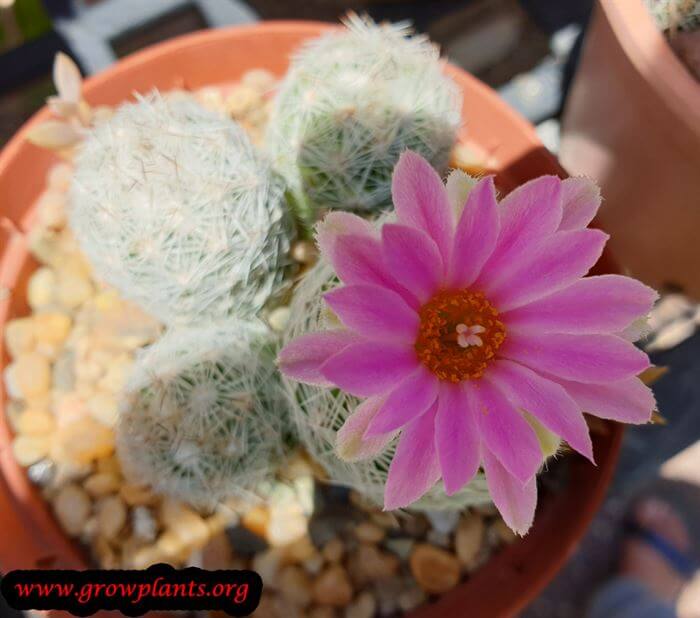
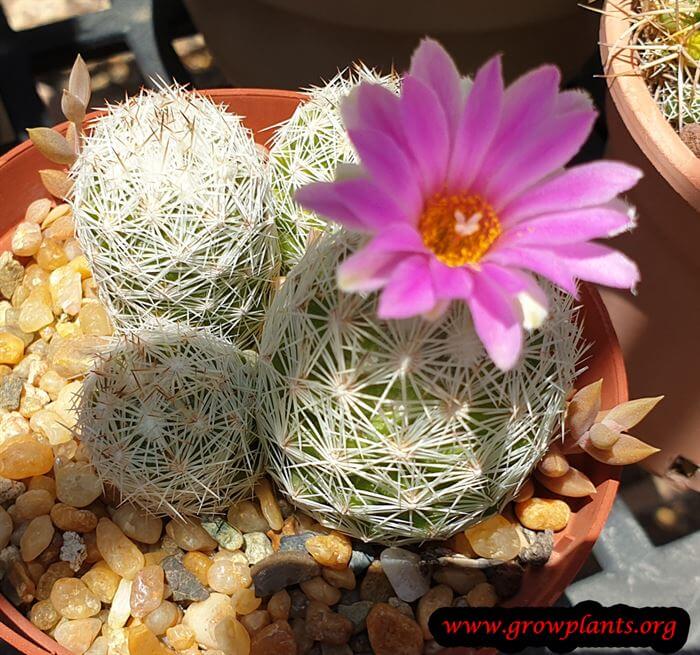
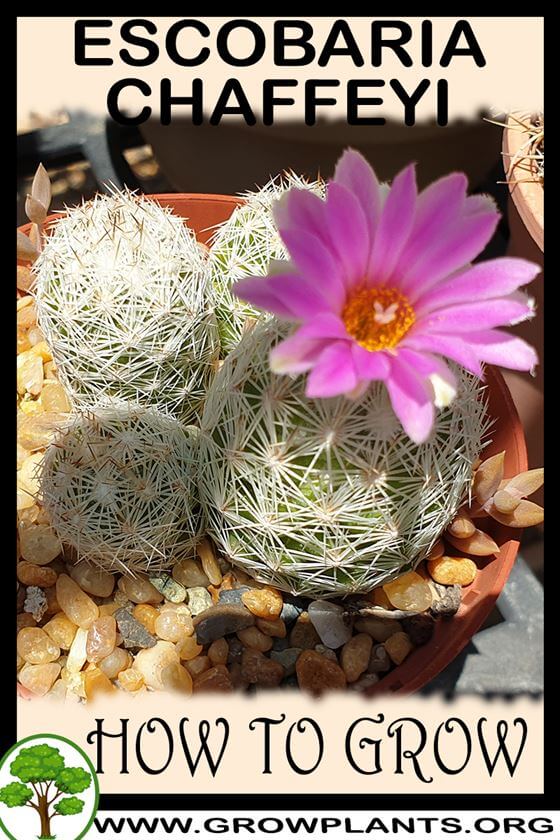
- Flower Characteristics: Trumpet-shaped flowers borne in a crown at the top, often multi-coloured (white, cream, pink, purple, yellow, orange), in summer.
Primary Uses & Landscape Value
- Functional & Ornamental Roles: Drought-tolerant ornamental for containers, rockeries and desert / xeriscape gardens.
Care Guide: Planting, Soil & Watering
Overview: Escobaria chaffeyi is a small, slow-growing desert cactus that demands sharply draining, gritty soil and bright light. It is highly drought-tolerant and needs only occasional water, with the soil drying completely between drinks.
Quick Care Requirements
| Requirement | Ideal Condition |
|---|---|
| Planting Season | Warm season – spring to summer |
| Growth Rate | Slow |
| Soil Type | Gritty, sharply draining cactus/mineral mix |
| Water Need | Low (let the soil dry out fully) |
Planting & Establishment
- Best Planting Season: Plant in the warm season, spring through summer, while the plant is in active growth.
- How to Plant:
- Hole Preparation: Make a hole just large enough for the shallow root system.
- Soil Amendments: Blend in generous coarse sand, grit or pumice, and add gravel at the base for drainage.
- Planting Depth: Set the plant at the same depth it was growing, keeping the stem base at soil level to avoid rot.
- Growth Speed & Expectations: Very slow – expect only a gradual increase in size each year.
Soil, Watering & Drainage Care
- Soil Mix & Drainage Needs: Use a fast-draining cactus/succulent mix in ground or pots; a container with drainage holes and a mineral-rich mix suits it well.
- Watering Schedule & Technique:
- Young / Newly Planted: Water lightly but regularly during the first growing season to establish.
- Established: Water sparingly – soak, then let the soil dry out completely before watering again.
- Seasonal Adjustments: Withhold water during winter dormancy; water occasionally during summer growth.
Climate, Light & Hardiness
Escobaria chaffeyi, the pincushion (or foxtail) cactus, suits hot, dry climates-desert, Mediterranean, subtropical, or temperate-and is more shade-tolerant than many small cacti, growing well from full sun through partial or even light shade. It is generally hardy outdoors in USDA zones 9–11.
Quick Climate Specifications
| Climate Zones | Desert, Mediterranean, subtropical, temperate |
|---|---|
| USDA Hardiness Zones | 9–11 |
| Optimal Temp Range | Roughly 18–32°C (65–90°F) during active growth; cool, dry winters |
| Cold Damage Begins | Around freezing, 0°C (32°F), especially in wet soil |
| Approx. Survival Minimum | Established plants may briefly tolerate the cooler end of zone 9, roughly −6 to −1°C (20–30°F), when kept dry |
| Frost Tolerance | Low–Moderate |
| Light Conditions | Full sun to partial or light shade |
| Wind Tolerance | High |
| Salt / Coastal Tolerance | Low |
Sunlight & Light Exposure
Optimal Light Setup
Unusually flexible for a small cactus-performs well in full sun, half shade, or even fairly shaded spots as long as some direct or bright light reaches it.
Direct Sun Requirement
Direct sun is welcomed but not strictly required; this species tolerates more shade than most Coryphantha-relatives.
Shade & Heat Management
In the hottest, most intense-sun climates, light shade during peak afternoon heat can reduce stress without harming growth, given its natural shade tolerance.
Best Exposure / Orientation
Adaptable to a wide range of exposures, from open full-sun beds to lightly shaded rock gardens or the dappled light near structures.
Temperature Extremes & Hardiness
USDA Hardiness & Regional Limits
Grown outdoors year-round in zones 9–11. The source data does not indicate the extended zone-9a overwintering allowance noted for some related species, so treat zone 9 as its general outdoor limit and provide extra protection at the cooler edge of that range.
Cold Damage & Winter Protection
As with most desert cacti, cold combined with wet soil is more damaging than cold alone-keep dry through winter and shelter from rain and hard frost.
Frost Sensitivity
Brief light frost on a dry, established plant is usually tolerated; hard or prolonged freezes cause damage.
Extreme Heat Tolerance
Good; well suited to hot, sunny climates.
Wind, Humidity & Microclimate
Humidity Preferences
Prefers dry air; sustained humidity increases rot risk.
Dry-Air Tolerance
Very high.
Wind Tolerance
High, given its low growth habit.
Coastal / Salt Tolerance
Not well suited to salt spray or coastal exposure.
Rainfall & Seasonal Moisture
Adapted to sparse, seasonal desert rainfall rather than steady moisture.
Microclimate Recommendations
Its shade tolerance makes it a good fit for lightly shaded rock gardens or the north/east side of structures in hot climates, in addition to open full-sun beds; a raised, well-drained site helps manage winter wet.
Growing in Pots, Balconies & Indoors
The Escobaria chaffeyi (Foxtail / Pincushion cactus) is a small, slow-growing cactus that makes an easy pot and windowsill plant. The grower does not rate it as a deep-room houseplant, so it needs the brightest, sunniest window or a spot outdoors to keep its shape and to flower. In a shallow, free-draining pot it is simple to keep on the sunniest sill or out on a warm balcony or patio. Its round, hive-structured stems open a crown of trumpet flowers in white, orange, purple, pink or yellow, often more than one colour.
Quick Details
- Container Size: A shallow pot about 20-50% wider than the plant
- Indoor Suitability: Not listed as a deep-room houseplant; happiest on the sunniest windowsill or outdoors
- Best Spot: Full sun – the brightest windowsill, or a sunny, sheltered balcony or patio
- Soil & Drainage: Free-draining cactus mix over a gravel, lava-rock or pebble base; strong drainage holes
- Watering in Pots: Small amounts; let the mix dry between waterings. A ready-made cactus and succulent soil mix provides that structure without mixing it yourself.
Indoors & On the Windowsill
- Houseplant limits: The grower does not rate it as a true indoor houseplant – away from a window the light is too weak, so it stretches, loses colour and stops flowering. A grow light placed close overhead can make up that difference away from a bright window.
- Windowsill growing: It does grow well on the sunniest sill (a south-facing or near-south window) with direct sun; being small and slow it stays in scale for years. Turn the pot now and then for even growth.
- Overwintering indoors: In climates colder than its range (hardiness zone 9-11), keeping it in a pot lets you move it somewhere bright and frost-free for winter; a cool, dry, bright winter rest actually helps it flower the next season.
On a Balcony or Patio
- Light, heat & wind: Give it the sunniest, most sheltered spot – walls and railings reflect heat, which this cactus enjoys, but pots dry quickly so check the mix often. The spines mean it is best kept where people and pets do not brush past.
- Practicalities: A small pot is easy to move; bring it under cover before the first frost and stand it up off cold, wet paving so water drains away freely.
Choosing the Pot, Soil & Long-Term Care
- Pot & drainage: Use a shallow pot only 20-50% wider than the plant – the roots are shallow, so depth is not needed. Add a layer of gravel, lava rock or pebbles at the base, make plenty of drainage holes, and skip a standing water saucer to avoid root rot. Unglazed terracotta suits cacti because it breathes and dries fast.
- Potting mix: A free-draining cactus/succulent potting mix; you can sharpen it further with extra grit or perlite.
- Feeding: Potted plants lose nutrients to leaching, but cacti need very little – a dilute, low-nitrogen cactus feed once or twice in the active season is plenty.
- Repotting: Every few years (about every 2-4) refresh the mix or pot up one size. Handle the plant with folded paper or a wrapped grip to avoid the spines, settle it on a fresh gravel base, firm the mix with a spoon or small trowel, and add a support stick if it is unstable until it re-roots.
Growing this plant in a greenhouse
A greenhouse can give escobaria chaffeyi frost protection and cold protection.
Greenhouse at a glance
| Greenhouse suitability | Good - clearly useful |
|---|---|
| Main benefits | frost protection, cold protection |
| Outdoor protection advisable below | about 2°C |
| Maintain greenhouse minimum | around 2°C for active growth |
| Suitable types | unheated greenhouse, polycarbonate greenhouse |
| Heating | Heating is optional - useful mainly for winter growing in cold areas. |
Related greenhouse guides
- Greenhouses: How to Choose the Right Greenhouse
- Polycarbonate Greenhouses: What to Look for Before Buying
- Greenhouse Climate Control: Temperature, Ventilation and Humidity
Fertilizing & Feeding
A light feeder: give this small, slow-growing cactus only occasional, low-nitrogen feeding through its active season, with nothing while it rests.
Quick Fertilizing Specs
| Feeding Level | Light feeder |
|---|---|
| Main Nutrient Priority | Low-nitrogen and minimal; this cactus does not need to be pushed to grow |
| Best Feeding Period | The warm active growing season |
| Organic Options | A diluted cactus fertilizer is the more usual choice over organic amendments |
| Micronutrients | Rarely a concern beyond what a complete cactus fertilizer supplies |
| Soil pH | Adaptable, provided the mix is sandy, mineral, and fast-draining |
| Reduce/Stop Feeding | Stop feeding as growth slows heading into its cooler rest period |
Feeding by Growth Stage
Active warm-season growth
Support growth of this small, clustering cactus and its multicolored summer blooms; it tolerates a wider range of light than many cacti, but feeding needs stay light regardless.
| Nutrient direction | A light, low-nitrogen feeding is appropriate for this small, slow-growing cactus. |
|---|---|
| Timing | During the warm active growing season. |
| Frequency | An occasional light feeding while actively growing is enough. |
| Fertilizer types | A cactus or succulent fertilizer diluted well below label strength, A light, low-nitrogen slow-release feed worked into the soil surface |
| Precautions | Feed only into soil that has dried out; this is a small-bodied plant, so keep feedings light to avoid pushing soft growth it can’t support structurally. |
Cool-season dormant rest
Let the plant rest fully through its cooler dormant period.
| Nutrient direction | None – withhold fertilizer while dormant. |
|---|---|
| Timing | Through the cooler part of the year when growth stalls. |
| Frequency | No feeding at this stage. |
| Fertilizer types | No feeding at this stage – allow a full rest through dormancy |
| Precautions | Do not fertilize during dormancy; cooler, often wetter conditions combined with feeding can invite stem or root problems in this small-bodied cactus. |
Nutrient Deficiency Signs & Corrections
The stem softens, discolors, or develops a musty smell, often starting at the base.
| Possible causes | overwatering, especially outside the active growing period, poorly drained soil, feeding into soil that has stayed damp |
|---|---|
| Appears first on | the base of the stem |
| What to check | soil and container drainage, watering schedule against actual soil dryness, whether feeding happened during a wetter stretch |
| Possible correction | Correct drainage, water only once fully dry, and pause feeding until active growth is clearly underway. |
New growth looks unusually pale, soft, or stretched rather than compact.
| Possible causes | too much nitrogen from over-feeding, insufficient light causing stretched growth, overwatering producing soft tissue |
|---|---|
| Appears first on | the newest growth at the crown |
| What to check | recent feeding amount and frequency, amount of light received, watering habits |
| Possible correction | Scale back to a lighter, low-nitrogen feeding and confirm adequate light. |
Tissue near the crown browns and looks dried out or scorched, mainly on container-grown plants.
| Possible causes | salt buildup from fertilizer residue or mineral-heavy water, container soil not flushed recently, feeding at too strong a concentration |
|---|---|
| Appears first on | the crown |
| What to check | time since the soil was last flushed, fertilizer concentration used, water hardness |
| Possible correction | Flush the container thoroughly with plain water and dilute future feedings further. |
Pruning, Training & Seasonal Maintenance
Escobaria chaffeyi is a small, slow-growing, single-crown globular cactus (5–20 cm) that needs essentially no routine pruning — its own care notes describe cutting as being “for design and dead part” only, i.e. purely cosmetic and sanitary. There is a single growing point, so any cut removes damage rather than shaping the plant. Warm-season timing (spring–summer) heals a necessary cut fastest; cool, damp conditions slow callusing on any cactus.
Quick Pruning & Maintenance Specs
| Pruning Tolerance | Low – cosmetic/sanitary cuts only |
| Primary Pruning Window | Spring–Summer (active growth) |
| Secondary Maintenance Window | Any time dead tissue is spotted |
| Typical Frequency | As-needed, not scheduled |
| Main Objective | Remove dead tissue and tidy overall form |
| Young Plant Priority | Leave untouched – no cutting for shape |
| Mature Plant Priority | Sanitary removal only |
| Best Tool Type | Sterile grafting knife or precision snips |
| Avoid Heavy Pruning During | Cool, damp winter dormancy |
Pruning by Plant Age & Size
Newly Established
Do not cut a newly potted plant; remove only tissue that arrived damaged.
Young / Formative
No structural training applies to a single globular growing point.
Mature / Established
Sanitary removal of dead tissue as it appears; a mature plant may bloom in several colors from the same crown each year, so remove only fully spent flowers.
Seasonal Pruning Schedule
Ongoing Sanitary
Objective: keep the plant free of dead or discolored tissue. Remove it as soon as noticed. What NOT to remove: firm green tissue, unopened buds, healthy spines. Expected response: a clean dry wound calluses in days to weeks in warm weather. Flowering impact: none if only dead material is trimmed.
Structural Pruning & Training
No canopy or branch framework exists to train — this species keeps a single compact growing point; no offset or clustering habit is documented for it in this plant’s own facts.
Special Growth to Remove
- Dead or shriveled stem tissue — cut back to firm, healthy flesh.
- Fully spent flowers — optional tidy-up once wilted; do not remove buds or fresh blooms, since this species can flower in several different colors worth letting finish.
Container & Small-Space Pruning
Grown in a container or planter per this plant’s own guidance; no routine root-pruning is needed — pruning stays limited to the sanitary tasks above regardless of container size.
Tools
Grafting knife (sterile, for any tissue cuts) and precision snips (for light trims at the crown without disturbing the spines).
Tool Hygiene & Disease Risk
Routine — no specific disease vulnerability is documented for this species; a clean, sharp blade is sufficient, wiped between plants as general good practice.
Cut Placement & Technique
Cut into firm tissue just past any dead or shriveled area; let the wound air-dry and callus in shade before it contacts soil or moisture again.
Heavy Pruning & Rejuvenation
Not tolerated. A single-crown cactus has no framework to rejuvenate or cut back hard.
Post-Pruning Care
Keep any cut tissue dry and shaded until fully callused; resume the normal small-amount watering routine only once healed.
Common Pruning Mistakes
- Cutting for shape when the plant has nothing to shape.
- Watering right after a cut.
- Mistaking shade-induced stretched (etiolated) growth for a pruning problem — this species tolerates more shade than most cacti, but leggy growth from too little light is a light-placement issue, not something to correct by cutting.
- Handling without spine protection.
When NOT to Prune
While flowers are still fresh; during cool, wet winter dormancy; immediately after transplanting or repotting.
Recommended Tools (by task)
- grafting_knife — sterile cuts for removing dead or damaged tissue.
- precision_snips — light cosmetic trims such as spent flower remains.
Propagation Guide
Escobaria chaffeyi can be grown from seed, which is true to the species, or increased by separating rooted offsets where the clump has produced them; grafting is not needed for this species. Offset division is the easier, faster route to a flowering-size plant, while seed-raising takes patience and careful watering to avoid rot in young seedlings.
Quick Propagation Specs
| Best Propagation Method | Offset division, where pups are present |
| Alternative Methods | Seed |
| Propagation Difficulty | Easy to Moderate by offsets; Moderate from seed |
| Seed True-to-Type | Yes (species, not a named hybrid) |
| Vegetative True-to-Type | Yes |
| Best Propagation Season | Spring–summer, matching the site’s recommended planting season |
| Germination Temperature | Cautious estimate 21–29°C (70–85°F), warm growing-season conditions |
Growing from Seed
Sowing Season
Sow during the warm season, spring to summer, matching the site’s recommended planting window; a species-specific sowing calendar is not given on site.
Germination Conditions
Use a gritty, fast-draining cactus mix. The site notes this species tolerates full sun, half shade, or full shade with some light, so seedling trays can be kept in bright but not necessarily blazing conditions. Keep the mix lightly moist without over-watering.
Germination Time
Not documented for this species on site; small pincushion-type cacti in this group typically germinate within a few weeks, with some unevenness between seeds.
Seedling Care
Grow seedlings in bright light with some protection from the harshest sun, and avoid over-watering, which is the main risk to young seedlings of this type.
Division, Offsets, Pups & Suckers
Where the plant has clustered and produced offsets, they can be eased away from the parent once they have their own roots, keeping as much of the root system intact as possible; an offset removed without roots should instead be treated as a cutting and allowed to callus in a shaded spot before potting. Not every offset will have rooted independently – only separate ones that come away with roots attached, or are prepared to callus first.
Bloom & Flower Guide
Quick Details
- Bloom Season: Summer
- Time to First Bloom: Flowers once the plant reaches maturity, usually after several years
- Flower Appearance: Small trumpet-shaped flowers in white, cream, yellow, orange, pink or purple, often multi-toned, opening at the crown
- Edibility: Ornamental only; the flowers are not eaten. The plant itself is not toxic.
Detailed Blooming Overview
Escobaria chaffeyi opens its flowers at the very top of the stem, where a ring of blooms encircles the apex like a small crown. Like most desert cacti it flowers in the warmth of summer, rewarding a bright position and a proper winter rest.
Flower Characteristics
- Funnel or trumpet shape, held at the crown.
- Colours range through white, cream, yellow, orange, pink and purple, frequently with more than one shade in a single flower.
- Blooms cluster near the growing tip to form the characteristic crown.
Bloom Care & Thinning
- Encouraging flowers: Give the brightest light you can and a cool, dry winter rest; this dormancy is what sets the plant up to bloom the following summer.
- Watering through bloom: Resume careful watering as growth restarts in spring, keeping the body dry between soakings.
- Pollination: Flowers are visited by insects; no thinning is needed.
Bloom Health & Protection
- Mealybugs: These can hide among the tubercles and around developing buds; a wipe with insecticidal soap or a light neem-oil treatment usually keeps them in check.
Fruit & Uses
Escobaria chaffeyi is grown as an ornamental pincushion/foxtail cactus. Like the closely related Coryphantha group, its small fruit is generally non-toxic and can be eaten fresh as an occasional curiosity, but it is not a real food crop and this species is not individually documented for edibility.
Quick Edible Specs
| Edible Parts | Fruit (occasional curiosity only) |
|---|---|
| Main Use(s) | Rare foraged snack for cactus collectors; not a culinary crop |
| Eaten Raw or Cooked | Raw only |
| Preparation Required | Remove any spines/glochids from the fruit surface before tasting |
| Harvest Season | After the summer bloom, once fruit has fully formed and softened |
| Time to First Harvest | Not grown for fruiting; any fruit is incidental to flowering |
| Storage | Not stored – eaten fresh, if at all |
| Safety/Toxicity Caveat | species-specific edibility is not documented; treat any tasting as an unverified curiosity and check carefully for embedded spines/glochids first |
Fruit
After the multi-coloured summer flowers fade (see Blooming), a small fleshy-to-slightly-dry berry can develop at the crown. In the wider Escobaria/Coryphantha group these berries are typically bland to mildly sweet and are, at most, an occasional collector’s nibble. Remove any spines or fine glochids on or near the fruit before tasting.
Harvesting
There is no meaningful harvest routine. If fruit forms, it can be picked by hand once it looks fully ripe and slightly softened.
Preparation, Uses & Safety
This species is grown for its ornamental form, not for eating. Any fruit tasting should be approached cautiously: confirm plant identification, avoid fruit from chemically treated plants, and remove spines/glochids first, since these can irritate the mouth and throat. There are no established culinary or medicinal uses beyond an occasional curiosity taste.
Pests, Diseases & Troubleshooting
Overview: Escobaria (Escobaria chaffeyi) is a small, slow, spiny desert cactus that – like most cacti – is nearly pest-free in the open; almost all losses come from overwatering rot rather than insects. The only real pests are sap-suckers under glass or in collections: mealybugs (including root mealybug), scale and red spider mite. The whole management philosophy is a gritty mix, careful watering and warmth.
Quick Troubleshooting Overview
| Issue / Pest | Main Symptom | Primary Solution |
|---|---|---|
| Root / basal rot | Soft, brown, collapsing base or roots | Gritty free-draining mix, let dry between waterings, no winter wet |
| Root mealybug | Slow decline, white waxy deposits on roots | Bare-root, rinse, repot in fresh mix, systemic drench |
| Mealybug | White cottony tufts among spines and areoles | Alcohol swab, horticultural oil, isolate plant |
| Scale | Limpet-like bumps on the skin | Scrape off, horticultural oil |
| Red spider mite | Rusty, corky patches with fine webbing near the tip | Raise humidity, rinse, miticide if severe |
Common Pests & Management
- Mealybugs (incl. root mealybug) (Pseudococcus / Rhizoecus spp.):
- Symptoms: White cottony tufts nestle among the spines, areoles and growing point, or – as root mealybug – form white waxy deposits on the roots and inside the rootball, causing slow decline, poor growth and yellowing.
- Prevention & Control: Dab visible mealybugs with an alcohol-tipped swab and treat with horticultural oil; for root mealybug, unpot and bare-root the plant, rinse the roots, repot in fresh gritty mix and, if needed, use a systemic soil drench. Isolate new and infested plants, as they spread through a collection.
- Scale insects (Diaspididae / Coccidae):
- Symptoms: Small immobile brown or grey limpet-like bumps stuck to the cactus skin, often in less-exposed spots; sap loss causes yellow spotting and weakens the plant.
- Prevention & Control: Scrape or rub off scale with a soft brush and treat with horticultural oil to smother crawlers; check regularly, as scale is easy to overlook on a spiny cactus.
- Red spider mite (Tetranychus / cactus mite):
- Symptoms: Fine pale-to-rusty stippling and corky scarring near the growing tip, with faint webbing in hot, dry, still air; damage is permanent on the slow-growing skin.
- Prevention & Control: Raise humidity and rinse the plant to suppress mites, improve air movement, isolate affected plants, and use a miticide or horticultural oil for stubborn infestations; predatory mites work in enclosed collections.
Diseases & Fungal Issues
- Root & basal stem rot (Fusarium / Pythium / Phytophthora):
- Symptoms: The main disease and chief killer: the base or roots turn soft, brown or black and collapse, almost always following overwatering, a cold wet spell, or a soggy, poorly drained mix.
- Treatment & Management: Grow in a very gritty, fast-draining mix in a pot with ample drainage, water thoroughly but only when the mix is dry and hardly at all in cool weather, and keep the plant warm and airy; if rot is caught early, cut back to clean tissue, dust with sulfur, and re-root the healthy top.
- Fungal spotting (Botrytis / black spot):
- Symptoms: Dark sunken spots or grey mould on the skin in cold, damp, stagnant conditions, sometimes entering through wounds.
- Treatment & Management: Improve ventilation, keep the plant dry (especially in winter), avoid wounding, and remove affected tissue; treat persistent cases with a fungicide and correct the damp conditions that allowed it.
Growing Difficulties & Abiotic Problems
- Overwatering rot:
- Cause & Symptoms: By far the commonest cause of death: too-frequent watering, a water-retentive mix or winter wet suffocates and rots the roots and base of this drought-adapted cactus.
- Correction Strategy: Use a mineral, gritty mix, water sparingly and only when dry, reduce to almost nothing in cool weather, and ensure fast drainage; err always on the side of too dry.
- Etiolation & corking:
- Cause & Symptoms: Too little light causes soft, pale, elongated growth, while natural ageing produces brown corky patches low on the body (normal, not disease).
- Correction Strategy: Give bright light for tight, characteristic growth; accept basal corking as natural, and distinguish it from soft rot, which is mushy rather than dry and firm.
- Sunburn from sudden exposure:
- Cause & Symptoms: Bleached or scorched patches appear when a plant grown in shade or indoors is moved abruptly into intense full sun.
- Correction Strategy: Acclimatise gradually to stronger light over a couple of weeks, and provide light shade during the fiercest midday sun in very hot climates.
What Helps – Products & Tools
For Escobaria the key ‘products’ are a gritty mineral mix and drainage rather than pesticides. Keep horticultural oil and rubbing alcohol for mealybug and scale, a systemic soil drench for root mealybug, a miticide for spider mite, and sulfur or a fungicide for cut rot surfaces. Careful, sparing watering is the real treatment.