




Plant Profile & Key Characteristics
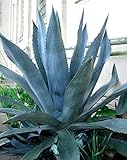
Overview: Agave schidigera is an evergreen succulent that forms a small rosette (roughly 20–40 cm (8–16 in)) of thick, fleshy, spine-tipped leaves. It is a monocarpic perennial grown mainly as a drought-tolerant ornamental accent – the rosette flowers just once on a tall stalk, sets seed and then dies, leaving basal offsets to carry on.
Quick Specifications
| Specification | Attribute |
|---|---|
| Plant Type / Life Cycle | Perennial succulent (monocarpic – the rosette dies after flowering) |
| Foliage Type | Evergreen |
| Mature Size | Rosette ~20–40 cm (8–16 in); flowering stalk 1–1.5 m (3–5 ft) |
| Growth Rate | Slow |
| Root System | Shallow, fibrous and spreading (drought-adapted) |
| Toxicity | Sap is a skin, eye and mucous-membrane irritant (calcium oxalate and saponins); leaves are sharply spined – handle with care |
Growth Form & Structure
- Height & Spread: In the ground the rosette reaches about 20–40 cm (8–16 in), spreading to a roughly similar width, with a 1–1.5 m (3–5 ft) flower spike rising from the centre at maturity. In a container it stays more compact and is potted on into a pot about 30–50% larger than the root ball as it fills out.
- Growth Habit & Form: Stemless (acaulescent) succulent forming a symmetrical basal rosette; it clumps slowly by producing offsets (“pups”) around the base.
- Lifespan & Maturity: Slow-growing, taking many years to reach flowering size; each rosette is monocarpic – it blooms once and dies, while its offsets continue the clump.
Anatomy & Physical Features
- Leaves & Foliage: Thick, fleshy succulent leaves, green, or green edged in yellow/white, with fine white filaments (threads) curling off the margins, arranged in a basal rosette and tipped with a sharp terminal spine.
- Flower Characteristics: At maturity it throws up a tall stalk of pink-and-yellow flowers, pollinated by moths, bats and hummingbirds – a once-in-a-lifetime bloom (see the Bloom accordion for detail).
Primary Uses & Landscape Value
- Functional & Ornamental Roles: Grown as a low-water ornamental and architectural focal point for xeriscape, rock, gravel, desert and Mediterranean-style gardens, and in containers; thrives in full sun with sharp drainage.
Care Guide: Planting, Soil & Watering
Overview: Agave schidigera is a slow-growing, drought-tolerant succulent that thrives in full sun to light shade and sharply drained, sandy or gritty soil, and does best in a frost-free position. It stores water in its fleshy leaves, so it needs only occasional deep watering and must never be left sitting in wet ground.
Quick Care Requirements
| Requirement | Ideal Condition |
|---|---|
| Planting Season | Spring after the last frost in cooler zones; year-round in frost-free zone 11+ |
| Growth Rate | Slow |
| Soil Type | Sharply draining, sandy or gritty; poor to moderately fertile |
| Water Need | Low – drought tolerant; let the soil dry out fully between waterings |
Planting & Establishment
- Best Planting Season: Plant in spring after the last frost in cooler zones; spring in cold hardiness zone 8, spring to summer in hardiness zone 9-10a, spring to autumn in hardiness zone 10b, all year in hardiness zone 11+. In frost-free climates it can be set out at almost any time, ideally at the start of the warm season.
- How to Plant:
- Hole Preparation: Dig a hole a little wider than the root ball on ground that drains freely; in wet or clay-prone sites plant on a mound or raised bed so the crown never sits in a puddle.
- Soil Amendments: Work in coarse sand, grit or pumice to open up heavy soil; agaves want fast drainage far more than richness, so keep added organic matter light.
- Planting Depth: Set the plant so the base of the leaves (the root collar) sits at or just above soil level – never bury the stem or lower leaves, which invites rot.
- Growth Speed & Expectations: This is a slow grower; in cooler-than-native conditions the rosette expands more slowly and takes extra years to reach flowering size. Give it space and let it fill in over several seasons.
Soil, Watering & Drainage Care
- Soil Mix & Drainage Needs: Use a free-draining, gritty mix – a cactus/succulent blend or garden soil cut with sand and pumice. In containers make sure there are ample drainage holes, and refresh the mix every few years as it breaks down and drains less freely; sharp drainage is the single best defence against root rot.
- Watering Schedule & Technique:
- Young / Newly Planted: Water lightly every few days at first to help roots establish, keeping the mix barely moist but never soggy.
- Established: Water deeply but infrequently, then let the soil dry out completely before watering again; overwatering is far more dangerous to an agave than drought.
- Seasonal Adjustments: Water more often during hot, dry spells and cut back sharply in winter, when the plant is resting and cold, wet soil can be fatal.
Climate, Light & Hardiness
Agave schidigera is a heat-loving, drought-adapted succulent suited to desert, Mediterranean, subtropical, tropical and warm-temperate climates, and it grows best in full sun to partial shade. Its main climatic limit is winter cold: the site data places it at roughly USDA zone 9 and warmer (and, with attentive winter protection, zone 8), so hard frost and cold, wet soil - not heat - are what restrict where it can grow.
Quick Climate Specifications
| Climate Zones | Desert, Mediterranean, subtropical, tropical and warm-temperate |
|---|---|
| USDA Hardiness Zones | Approximately zone 9 and warmer; with attentive winter protection may persist in zone 8 |
| Optimal Temp Range | Approximately 20–32°C (68–90°F) for active growth |
| Cold Damage Begins | Tolerates light frost, but foliage damage becomes likely under hard or prolonged freezes; varies by species, plant age & exposure |
| Approx. Survival Minimum | Around −12°C (10°F) for a well-established, dry-kept plant, and only briefly - varies with age and conditions |
| Frost Tolerance | Low to Moderate |
| Light Conditions | Full sun to partial shade |
| Wind Tolerance | High |
| Salt / Coastal Tolerance | Moderate |
Sunlight & Light Exposure
Optimal Light Setup
Grows best in full sun, which keeps the rosette tight, sturdy and well-coloured. The site data lists it as full sun to half shade, so it also accepts bright partial shade.
Direct Sun Requirement
It wants several hours of direct sun daily. In too little light the rosette grows loose and stretched (etiolated) and the leaves lose firmness and colour.
Shade & Heat Management
Half shade is tolerated, and in the most intense desert interiors light afternoon shade can reduce bleaching or scorch on younger plants; established rosettes take full sun readily.
Best Exposure / Orientation
An open, south- or west-facing sunny position with sharp drainage suits it best. Good light and free-draining ground matter together - sun without drainage still risks rot.
Temperature Extremes & Hardiness
USDA Hardiness & Regional Limits
The site data lists this agave as hardy to about zone 9, extending to zone 8 with attentive winter protection. USDA zones reflect winter cold survival, not heat preference - its heat tolerance far outreaches its cold limit, so in practice winter cold sets the outdoor northern limit while hot regions pose no problem.
Cold Damage & Winter Protection
Young plants are more cold-sensitive than established, mature specimens; the dataset suggests mulching young plants through cold winters. Cold, wet soil is more dangerous than dry cold - sharp drainage and a dry winter root zone markedly improve survival. Plants in containers freeze faster than those in the ground and need extra shelter.
Frost Sensitivity
The dataset notes it does best “frost free”; it shrugs off light frost but suffers under hard or prolonged freezes. Cold tolerance varies by species, plant age, exposure duration, and how wet the cold is.
Extreme Heat Tolerance
Excellent. As a desert- and arid-adapted succulent it handles high heat and strong sun with ease, and heat is rarely a limiting factor. Heat tolerance is separate from drought tolerance, which belongs with watering.
Wind, Humidity & Microclimate
Humidity Preferences
Prefers dry to moderate air. It is well suited to low-humidity climates and dislikes persistently damp, stagnant conditions that encourage rot.
Dry-Air Tolerance
Excellent - it thrives in arid, low-humidity air where many plants struggle. Dry-air tolerance is a separate quality from its frost and heat tolerance.
Wind Tolerance
The stiff, fleshy rosette is firmly anchored and stands up well to wind. The tall flowering stalk is the main exception and may need support in exposed sites, and container specimens can become top-heavy.
Coastal / Salt Tolerance
Generally tolerates a moderate amount of coastal salt spray and seaside wind. Salt-spray tolerance is separate from tolerance of saline irrigation water or salty soil.
Rainfall & Seasonal Moisture
Adapted to low-rainfall climates with a pronounced dry season. In wet or high-rainfall areas the real risk is waterlogging: the dataset stresses good drainage and planting above grade (raised ground) so the crown never sits in standing water. This is climate adaptation, not a watering schedule.
Microclimate Recommendations
A warm, sheltered, sharply drained spot - a raised bed, slope, gravel garden, or the base of a sun-warmed wall - buys extra frost protection at the cold edge of its range and keeps winter wet off the roots.
Growing in Pots, Balconies & Indoors
Agave schidigera is a tough, sun-loving succulent – a compact rosette with leaves around 20-40 cm (about 1 ft) and a bloom stalk of 1-1.5 m (3-5 ft) – that makes an excellent container and balcony plant, though it is not a true houseplant: the grower notes it should not be grown indoors, as it needs far more direct sun than a room interior offers. While young and compact it can sit on a very bright, sunny windowsill, but its natural home is a well-drained pot on a hot, sunny patio or balcony.
Quick Details
- Container Size: Choose a pot about 30-50% larger than the root ball and pot up as it fills out; a mature clump needs extra room for its offsets (daughter plants)
- Indoor Suitability: Not a true houseplant (per the grower); a small plant can manage on a very sunny windowsill only
- Best Spot: Full sun to half shade – the brightest, hottest position you have
- Soil & Drainage: Fast-draining, gritty succulent mix with plenty of drainage holes. A ready-made cactus and succulent soil mix provides that structure without mixing it yourself.
- Watering in Pots: Water sparingly and let the mix dry out between waterings – never let it sit wet
Indoors & On the Windowsill
- Houseplant limits: The grower does not recommend it as an indoor houseplant – deep in a room the light is far too weak for this full-sun succulent, and it will etiolate (stretch and weaken).
- Windowsill growing: A small or young plant can be grown on the sunniest windowsill you have, ideally with direct sun for much of the day. Turn the pot occasionally so the rosette stays symmetrical.
- Overwintering: In climates with frost, this is a key reason to keep it potted – move the container into a bright, cool, frost-free spot for winter and keep it nearly dry until warmth returns.
On a Balcony or Patio
- Light & wind: Give it the sunniest, most sheltered corner. Walls and railings reflect a lot of heat and pots dry quickly, so check the mix in hot spells – though this succulent shrugs off drought far better than most container plants.
- Practicalities: A gritty mix in a sturdy pot is heavy – handy for stability under the tall bloom spike – but make sure drainage water escapes freely and does not pool on the balcony floor. Keep the sharp leaf-tips clear of walkways and seating.
Choosing the Pot, Soil & Long-Term Care
- Pot & drainage: Use a pot roughly 30-50% wider than the root ball with strong drainage holes; skip a standing water saucer to avoid root rot. Terracotta suits it well – it breathes and dries fast, which a succulent likes – while glazed or plastic pots hold moisture longer.
- Potting mix: A free-draining cactus and succulent mix, or a peat/coir-based mix opened up with plenty of perlite, pumice or coarse grit.
- Feeding: Feed only lightly – nutrients leach from pots as water drains through, but agaves are slow, lean feeders, so a weak succulent feed once or twice during the growing season is ample.
- Repotting: The grower notes drainage worsens after a few years, so refresh the mix and pot up every couple of years, giving a mature plant more room for its offsets at the same time.
Grower’s Container Tip
- Sizing, offsets & the flower stalk: Start with a pot about 30-50% larger than the root ball and move up a size once the roots fill it; a fully grown plant needs the extra width for its daughter plants. When it throws up its tall bloom spike the top can become heavy and unbalanced, so add weight (stones or bricks) in the base of the container to stop it toppling. Make plenty of drainage holes, and because drainage declines after a few years, replace the tired old mix with fresh soil.
Safety: Agaves are toxic if eaten and the sap can irritate skin and eyes, while the leaf-tips are sharply spined – site pots away from children and pets and out of busy walkways.
Fertilizing & Feeding
A very light feeder. This drought-tolerant agave is adapted to lean, sandy desert soils and gets by on minimal feeding: a single light feeding with a diluted, low-nitrogen fertilizer during the warm active growing season is plenty, and it should get nothing while it rests in cool weather.
Quick Fertilizing Specs
| Feeding Level | Very light feeder |
|---|---|
| Main Nutrient Priority | A low-nitrogen, balanced feed; avoid pushing soft, weak growth |
| Best Feeding Period | The warm active growing season |
| Organic Options | A little compost worked into the fast-draining mix; a thin winter mulch on young plants |
| Reduce/Stop Feeding | Stop feeding through cool weather and winter rest |
| Micronutrients | Usually adequate in a complete fertilizer; correct only a diagnosed deficiency |
| Soil pH | Tolerates a wide range; slightly acidic to near neutral in fast-draining sandy soil |
Feeding by Growth Stage
Warm-season active growth
Support slow, firm rosette growth during the warm months without forcing soft, weak leaves.
| Nutrient direction | A diluted, low-nitrogen complete fertilizer; too much nitrogen produces soft, floppy growth that weakens this desert succulent. |
|---|---|
| Timing | During the warm active growing season once new growth is clearly underway. |
| Frequency | Feed sparingly; a single light feeding during the warm season is usually enough for this drought-adapted plant. |
| Fertilizer types | A diluted, low-nitrogen complete fertilizer, A cactus and succulent fertilizer used at reduced strength, A little compost worked into the fast-draining mix |
| Precautions | Keep feeding light and always apply to moist soil; agaves are lean feeders and overfeeding causes soft growth and fertilizer-salt buildup in the dry root zone. |
Cool-season dormancy and rest
Let the plant rest through cool weather and winter without pushing growth it cannot use.
| Nutrient direction | None – withhold fertilizer while the plant is resting and not in active growth. |
|---|---|
| Timing | Cool weather, winter, and any period when growth has clearly slowed or stopped. |
| Frequency | No feeding at this stage; resume only when warm-season growth returns. |
| Fertilizer types | No feeding at this stage; do not fertilize until active growth resumes. |
| Precautions | Do not fertilize a resting agave; feeding now wastes nutrients and risks salt injury in the barely-watered root zone. |
Nutrient Deficiency Signs & Corrections
Older, lower leaves fade to pale green and the whole rosette barely grows over a full season.
| Possible causes | very low available nitrogen in lean, sandy soil, nitrogen leaching from an old or fast-draining mix, a plant left unfed for a very long time in the same container |
|---|---|
| Appears first on | older, lower leaves |
| What to check | when the plant was last fed, age and condition of the potting mix, whether growth is simply slow from cool weather or low light |
| Possible correction | During the warm season apply a single diluted, low-nitrogen feeding to moist soil; do not overcorrect, as agaves stay pale and slow by nature. |
Leaf tips and margins brown or scorch and roots look damaged despite careful watering.
| Possible causes | fertilizer-salt buildup in the dry, rarely-flushed root zone, feeding at too high a strength for a lean desert succulent, feeding onto dry soil or during the cool rest period |
|---|---|
| Appears first on | leaf tips and margins |
| What to check | how strong and how often recent feeding has been, whether fertilizer was applied to dry soil, drainage and any white salt crust on the mix or pot |
| Possible correction | Ease off feeding, leach the mix with a thorough watering to flush accumulated salts, and return to only very light warm-season feeding. |
New central leaves turn pale or yellow between green veins while older leaves stay greener.
| Possible causes | iron tied up by overly wet or poorly drained soil, high soil pH reducing iron availability, root damage from soggy conditions limiting uptake |
|---|---|
| Appears first on | new, young central leaves |
| What to check | drainage and how long the mix stays wet, soil pH, root health for rot from overwatering |
| Possible correction | Improve drainage and let the mix dry properly; correct pH if high and, only if a true deficiency is confirmed, apply a chelated iron product per its label. |
Pruning, Training & Seasonal Maintenance
Agave schidigera tolerates only light, sanitation-style pruning on a small rosette (leaves 20–40cm) whose defining feature – curling white fibers along the leaf margins – is decorative, not something to trim away. As a solitary succulent it has no wood or branch structure to shape; the only cuts that matter are dead or damaged leaves and, once its one-time bloom has finished, the modest flower stalk. This species blooms in autumn/winter, later in the year than the other agaves in this collection, which shifts when its spent-stalk cleanup actually falls.
Quick Pruning & Maintenance Specs
| Pruning Tolerance | Low |
| Primary Pruning Window | Year-round, for dead/damaged leaf removal |
| Secondary Maintenance Window | Late winter/early spring, once the autumn/winter bloom stalk has fully dried |
| Typical Frequency | Occasional – only a few small leaves per year |
| Main Objective | Sanitation while preserving the ornamental marginal threads, and removing the spent bloom stalk |
| Young Plant Priority | Leave foliage and marginal fibers intact; remove only transplant-damaged leaves |
| Mature Plant Priority | Remove dead lower leaves, the spent flower stalk, and manage offsets |
| Best Tool Type | Precision snips or a grafting-style knife for every routine cut |
| Avoid Heavy Pruning During | Any time, for living leaf tissue or the marginal thread fibers |
Pruning by Plant Age & Size
Newly Established
Leave the rosette undisturbed beyond removing leaves broken during planting, letting the plant settle in without added stress.
Young / Formative
No structural training applies to a solitary small rosette. The only formative task is leaving room for offsets as they appear near the base.
Mature / Established
Remove the outer leaves as they naturally brown with age, once the plant has drawn back their stored nutrients. After the rosette blooms it dies, and the spent mother rosette is removed to give offsets room.
Seasonal Pruning Schedule
Ongoing Sanitary
Dead or damaged leaves can be trimmed at the base at any time of year.
Post-Flowering
Bloom occurs in autumn/winter on a stalk 1–1.5m (3–5ft) tall – noticeably shorter than the spring/summer-blooming agaves in this collection. Once flowering is fully finished and the stalk has browned and dried, typically by later winter or early spring, cut it back near the base. The mother rosette dies at the same point and is removed once fully dead.
Special Growth to Remove
- Dead or dying leaves – cut at the base once fully brown.
- Spent bloom stalk – remove near the base once dry; the modest 1–1.5m height means this is a simple, single cut.
- Dead mother rosette – remove once fully dead post-bloom.
- Offsets – thin or divide crowded pups as the clump develops, taking care not to damage the curling marginal fibers on neighboring leaves while working close to the base.
Container & Small-Space Pruning
This species’ small size and modest bloom stalk make it a good container plant; routine leaf and stalk removal is the same as in-ground, but take extra care in a pot’s tighter quarters not to snag or tear the decorative marginal threads while working around neighboring foliage.
Tools
Precision snips or a sharp grafting-style knife are sufficient for every cut this species needs, including the short flower stalk. Loppers, a pruning saw, and hedge shears are unnecessary and risk damaging the fine marginal fibers if used carelessly near the leaf edges.
Tool Hygiene & Disease Risk
Increased. This species shares the agave snout weevil risk recorded for its relatives in this genus, which is drawn to wounded tissue, so keep cuts minimal and clean the blade between plants.
Cut Placement & Technique
- Cut dead leaves close to the base without disturbing the rosette core.
- Never trim or shorten the curling white marginal fibers – they are a permanent, defining feature of the leaf, not loose or dead material.
- Never cut into or near the central growing point.
- Cut the dried flower stalk close to its base once fully dry.
Heavy Pruning & Rejuvenation
Not tolerated. As a single-growing-point rosette, there is no hard-cutback or rejuvenation response; damaging the growing point kills the rosette.
Post-Pruning Care
No feeding after routine trimming. After removing the flower stalk, keep the wound dry for a few days and check that it isn’t softening or discoloring.
Common Pruning Mistakes
- Mistaking the curling white marginal fibers for dead or untidy growth and trimming them off – they’re a permanent species trait, not something to remove.
- Cutting healthy green leaves for tidiness, which leaves a permanent scar.
- Pulling dead leaves off by hand instead of cutting them cleanly at the base.
- Removing the flower stalk before it has finished browning, cutting off energy still being transferred to seed and offsets.
When NOT to Prune
- Don’t trim the marginal thread fibers under any circumstances – this is the single most important rule for this species.
- Don’t cut live, healthy leaves for shape – there’s no cosmetic shaping pruning here.
- Avoid pruning right after transplanting, while roots are still establishing.
- Avoid cutting during prolonged wet weather, since standing water and wet wounds both raise rot risk.
Recommended Tools (by task)
| Dead/damaged leaf removal, any age | precision_snips | Fine, controlled cuts that avoid the delicate marginal fibers on adjacent leaves |
| Spent bloom stalk removal, mature plant | precision_snips | The modest 1–1.5m stalk doesn’t need heavier tools |
| Offset division at the base | grafting_knife | A sterile, narrow blade for clean separation without disturbing nearby leaf margins |
Propagation Guide
Agave schidigera can be propagated from seed and, when the plant naturally produces them, by separating basal offsets or pups. Individual leaf cuttings are not recommended as a routine Agave propagation method.
Quick Propagation Specs
| Best Vegetative Method | Basal offsets or pups, when naturally produced |
| Alternative Method | Seed |
| Leaf Cuttings | Not recommended |
| Seed True-to-Type | Generally suitable for raising the species; seedlings may still vary naturally |
| Vegetative True-to-Type | Yes, from offsets/pups |
Offsets and Pups
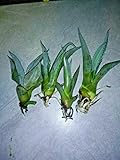
When a rooted or rootable basal offset is present, separate it carefully from the parent plant while retaining as much of its own root tissue as possible. Allow damaged surfaces to dry briefly if needed, then pot the offset into a very well-drained Agave or succulent growing medium.
Growing from Seed
Sow fresh, mature seed in a clean, well-drained propagation medium. Keep the medium lightly moist rather than wet and provide warm, bright conditions while seedlings establish.
Aftercare
Keep newly established offsets and seedlings in excellent drainage and increase light gradually. Avoid prolonged wet conditions around the developing roots.
Bloom & Flower Guide
Quick Details
- Bloom Season: Autumn to winter, once the rosette reaches flowering maturity
- Time to First Bloom: Many years, often a decade or more – Agave schidigera is monocarpic and flowers only once in its life
- Flower Appearance: Yellow and pink flowers ranged along a slender, unbranched flower spike, held well above the foliage
- Edibility: Ornamental – the flowers are not grown for eating, and agave sap and tissue are irritating when raw
Detailed Blooming Overview
After years of storing energy in its rosette of fleshy leaves, Agave schidigera finally sends up a single, dramatic flower stalk – the once-in-a-lifetime event behind the “century plant” name. The rosette pours everything into this bloom: yellow and pink flowers open in autumn to winter, ranged along a slender, unbranched flower spike, the plant sets seed, and then slowly dies, leaving a ring of offsets (pups) to take its place. It is the grand finale of a long life rather than a yearly display.
Flower Characteristics
- Colour: yellow and pink.
- Form: small, tubular, nectar-rich flowers ranged along a slender, unbranched flower spike.
- Once only: the rosette is monocarpic – it blooms a single time, sets seed, then dies while the offsets carry on.
Bloom Care & Thinning
- Managing the bloom: there is no fruit-style thinning to do – once the stalk emerges the rosette is committed. Let it flower, then cut back the spent stalk and the dying rosette and leave the pups to grow on in its place.
- Support and space: the flower stalk can reach several metres and become top-heavy, so give it room and stake it in exposed positions.
- Pollination and seed set: in the wild the nectar-rich flowers are pollinated mainly by bats, hawk moths and hummingbirds; leave the stalk in place if you want ripe seed, or simply lift and replant the offsets around the base.
- Safe handling: the sap and cut tissue can irritate skin and eyes and the leaf tips are sharply spined, so wear gloves and eye protection when cutting the flower stalk or clearing the old rosette.
Bloom Health & Protection
- Agave snout weevil: large, mature plants near flowering age are the classic target of the agave snout weevil, whose grubs tunnel into the core and can collapse the rosette. What helps: keeping plants vigorous and unstressed, removing any affected plant promptly, and, where pressure is high, a soil-applied systemic insecticide.
- Crown and heart rot: in cold, wet spells water sitting in the crown can trigger rot around the base of the emerging stalk. What helps: sharp drainage and keeping the heart dry, with a copper-based fungicide if rot takes hold.
Fruit & Uses
Agave schidigera (thread-leaf agave) is grown almost entirely as an ornamental succulent and, historically, as a source of leaf fiber – its curly white leaf threads are the whole point of growing it. General Agave botany credits the flowers, their nectar and the still-young flowering stalk of this species as edible once cooked, but this is a minor, foraged use rather than an established food crop, and taking it costs the plant its one and only bloom.
Quick Edible Specs
| Edible Parts | Flowers and their nectar; the young, still-tender flowering stalk before it hardens |
|---|---|
| Main Use(s) | Minor/foraged traditional use only – not a culinary crop; the species is grown mainly for ornamental leaves and historically for fiber (ixtle) |
| Eaten Raw or Cooked | Nectar can be sipped raw from fresh flowers; flowers and the young stalk are traditionally cooked (roasted/boiled) rather than eaten raw |
| Preparation Required | Cut the flower stalk only while still young and tender; cook flowers and stalk before eating |
| Harvest Season | Autumn/winter, at bloom time – and only once, since the plant is monocarpic |
| Time to First Harvest | Not applicable in the usual sense – this succulent blooms a single time, after years of growth, then dies |
| Storage | Not applicable – flowers, nectar and stalk are used fresh at bloom time |
| Safety/Toxicity Caveat | Raw agave leaf sap/tissue can irritate skin and mouth (this species is spiny-tipped, per its own care notes); this food use has little documented culinary track record for A. schidigera specifically, so treat it as a minor curiosity rather than a reliable food source |
Flowers & Flower Buds
The site notes this species’ flowers are pink and yellow and grow on a tall stalk, pollinated by moths, bats, sunbirds and hummingbirds – a pollinator mix that points to nectar-rich blooms. That nectar can be sipped fresh from the open flowers, and the flowers themselves are sometimes cooked and eaten, in the same minor traditional manner used for other ornamental agaves.
Shoots & Stems
The flowering stalk, while still young, tightly budded and not yet elongated or woody, can be cut and cooked in the same way other agave ‘quiotes’ are prepared elsewhere in the genus. Because the plant is monocarpic and, as the site notes, ‘dies after the bloom,’ cutting the stalk removes the plant’s only flowering event and, with it, any chance of it setting seed.
Preparation, Uses & Safety
This is a minor, little-documented use, not a recognized culinary crop for this species – nectar can be taken raw, but flowers and stalk are best cooked rather than eaten raw. Handle cut tissue with care, as raw agave sap can irritate skin and mouth. Agave schidigera is far more reliably useful and valuable for its ornamental leaves (and historically its fiber) than as food, so this is best treated as a minor, little-documented curiosity rather than an established edible use.
Pests, Diseases & Troubleshooting
Overview: Agave are tough, sun-loving succulents that stay largely trouble-free when grown lean and dry, but the fleshy, water-storing tissue of a medium filiferous (thread-shedding) rosette makes it vulnerable to rot and to a handful of specialist pests once conditions turn wet or crowded. The single most damaging problem across the genus is the agave snout weevil, whose grubs tunnel into the core and open the door to fatal bacterial soft rot; this narrow-leaved, clumping type is a lower-priority weevil host, though vigilance still pays off. Management is overwhelmingly cultural – sharp drainage, careful watering, airflow and prompt removal of collapsing tissue – with sprays or drenches reserved for confirmed problems.
Quick Troubleshooting Overview
| Issue / Pest | Main Symptom | Primary Solution |
|---|---|---|
| Agave snout weevil | Base of rosette softens; outer leaves fold down and collapse; grubs in the core | Preventive drench of susceptible plants; dig out & destroy infested ones |
| Crown / root rot | Central leaves blacken and pull out easily; mushy, foul-smelling base | Improve drainage, withhold water, cut back to clean tissue |
| Scale & mealybugs | Sticky honeydew, sooty mould, cottony tufts or hard bumps in leaf axils | Wipe/spray with horticultural oil or insecticidal soap; treat roots for root mealybug |
| Agave & spider mites | Corky scarring or fine stippling and webbing in the folds of new leaves | Improve airflow, rinse foliage; miticide or oil for severe cases |
| Sunburn / etiolation | Bleached tan patches (too much sun) or pale, stretched, floppy growth (too little) | Acclimatise to light gradually; bright light with midday shade in fierce heat |
| Overwatering / cold | Translucent mushy leaves, basal rot, or frost-scarred tips | Water sparingly; protect from hard frost and wet cold |
Common Pests & Management
- Agave snout weevil (Scyphophorus acupunctatus):
- Symptoms: The adult is a dull black, long-snouted beetle about 1–2 cm long that chews into the base of the rosette to lay eggs. The real damage is done by pale, legless grubs tunnelling through the core and introducing bacteria as they feed. Watch for outer leaves that suddenly wilt, fold downward and lie flat, a base that feels soft or spongy, and a collapsed centre that lifts out with little resistance – by then the plant is usually lost. Small, hard-leaved and clumping plants are attacked less often but are not immune.
- Prevention & Control: Prevention is everything: keep plants unstressed, avoid wounding the base, and clear away spent or rotting tissue that attracts egg-laying adults. Inspect the crown regularly during warm growing weather. Dig out and destroy any plant that is already collapsing to stop the grubs – and the rot bacteria they carry – spreading to neighbours. For valued specimens where the weevil is known, a preventive soil drench with a systemic insecticide labelled for the pest, applied at the start of the warm season, is the main chemical option; there is no reliable cure once the core is destroyed.
- Armored & soft scale (Diaspididae & Coccidae):
- Symptoms: Small, immobile brown, grey or tan bumps or flattened discs cluster along the leaves, in the folds and on the undersides. Soft scale excrete sticky honeydew that leaves foliage shiny and encourages black sooty mould; armored scale do not, but cause yellow or bleached spots and pitting where they feed. Heavy colonies weaken and disfigure the rosette.
- Prevention & Control: Rub off light infestations with a cloth or soft brush dipped in soapy water, and isolate new plants until you are sure they are clean. Encourage natural enemies (ladybirds, parasitic wasps) by avoiding broad-spectrum sprays. For persistent scale, thorough coverage with horticultural oil or insecticidal soap smothers them; repeat every couple of weeks and treat in the cool of the evening to avoid leaf scorch and to protect pollinators.
- Mealybugs, incl. root mealybugs (Pseudococcus/Planococcus spp. & Rhizoecus spp.):
- Symptoms: Foliar mealybugs look like small white, cottony tufts tucked into leaf axils and the tight centre of the rosette, often with honeydew and sooty mould. Root mealybugs are sneakier: white, waxy specks and a mould-like ‘ash’ on the roots and inner pot wall, showing as unexplained stalling, yellowing and slow decline even when the top looks clean – always check the root ball at repotting.
- Prevention & Control: Dab visible clusters with a cotton bud moistened in dilute rubbing alcohol, and hose or wipe out the crown. Quarantine new arrivals and inspect roots when repotting. For root mealybug, bare-root the plant, wash the roots, discard the old soil and repot into fresh gritty mix; a soil drench of insecticidal soap or a systemic can follow. Oil and soap sprays handle the foliar form; keep ants away, as they farm and spread mealybugs.
- Eriophyid agave mite (Aceria sp.):
- Symptoms: This microscopic mite feeds hidden in the tightly furled heart of the rosette, so damage only shows as new leaves expand: rough, corky scarring, pimpling, distorted margins and streaks of tan, russeted tissue along the young leaves. It is easily mistaken for physical or edema damage. Once leaves harden the scars are permanent but no longer spreading.
- Prevention & Control: Because the mite hides in the growing point, prevention centres on hygiene and isolation of new stock, since it spreads plant-to-plant by contact. Remove and destroy badly deformed leaves to knock the population back. Miticides or horticultural oil worked into the crown help on valued plants, but repeat applications are needed and results are only partial – many growers simply cull heavily infested plants to protect a collection.
- Spider mites (Tetranychus spp.):
- Symptoms: Spider mites thrive in hot, dry, dusty, still air. Look for fine pale stippling or a sandblasted, silvery cast on the leaves and, in bad cases, delicate webbing in the leaf folds and between spines. They are tiny – tap a leaf over white paper to see the specks move.
- Prevention & Control: Raise humidity and airflow and periodically rinse the plant to knock mites and dust off – a hostile environment does most of the work. Avoid drought-stressing the plant. Insecticidal soap, horticultural oil or a labelled miticide clears persistent outbreaks; rotate products and repeat to catch newly hatched mites, and avoid broad-spectrum insecticides that kill the predatory mites keeping them in check.
- Thrips (Thysanoptera):
- Symptoms: Slender, fast-moving insects a millimetre or two long that rasp at soft tissue, leaving silvery or bronzed streaks flecked with tiny black specks of excrement and sometimes distorting new growth. They are more of a cosmetic nuisance on tough agave leaves but can scar young foliage.
- Prevention & Control: Blue or yellow sticky traps help monitor and reduce adults. Keep the surrounding area weed-free, as thrips move in from nearby vegetation. Insecticidal soap, horticultural oil or spinosad give good control; treat in the evening to spare pollinators, and repeat to break the life cycle.
Diseases & Fungal Issues
- Phytophthora / Pythium crown & root rot (Phytophthora & Pythium spp.):
- Symptoms: The classic killer of over-watered agave. Roots turn brown and mushy, the base softens, and central leaves discolour, blacken and pull out easily from a rotten core. It strikes fastest in cold, wet, poorly drained soil.
- Treatment & Management: This is a cultural problem first: plant in fast-draining, gritty mix, never let agave sit in waterlogged soil, and water much less in cool weather. Caught early, unpot the plant, cut away all soft brown tissue back to firm healthy flesh, let the wound callus dry, and repot into fresh dry mix. A soil drench with a fungicide effective against water-moulds can support recovery, but drainage and restraint with the watering can are far more reliable.
- Bacterial soft rot (Pectobacterium / Erwinia spp.):
- Symptoms: Fast-spreading, foul-smelling wet rot that turns tissue into a slimy, collapsing mush, often starting from a wound, a weevil tunnel or a cold-damaged spot. It is distinguished from fungal rot by its speed and strong sour odour.
- Treatment & Management: There is no cure for badly affected tissue – cut well back into clean, firm flesh with a sterilised blade (disinfect between cuts), remove all slime, and let the wound dry hard. Keep the plant dry and airy while it heals. Prevent it by avoiding injury, controlling the snout weevil, protecting from frost, and never overhead-watering into the crown.
- Anthracnose (Colletotrichum agaves):
- Symptoms: Sunken, dark brown to black lesions on the leaves, often with a slightly moist look and, in humid weather, pinkish-orange spore masses in the centre of the spots. It favours warm, wet, crowded conditions and spreads rapidly by splashing water.
- Treatment & Management: Improve airflow and spacing, avoid wetting the foliage, and remove and destroy infected leaves promptly, disinfecting tools afterwards. Where pressure is high a copper-based or other labelled fungicide applied protectively helps, but keeping the foliage dry and the plant uncrowded is the core defence.
- Fungal leaf spots (Cercospora, Colletotrichum & others):
- Symptoms: Assorted round to irregular grey, brown or black spots and blotches, sometimes ringed or haloed in yellow – mostly cosmetic but disfiguring, and worse in prolonged damp or under overhead watering.
- Treatment & Management: Water at the base and early in the day so leaves dry quickly, give the plant sun and air movement, and pick off badly spotted leaves. Routine fungicide is rarely needed on a well-sited plant; copper or a broad-spectrum fungicide is an option only under persistent wet pressure.
Growing Difficulties & Abiotic Problems
- Overwatering & rot:
- Cause & Symptoms: By far the commonest way to kill an agave. Too-frequent watering, heavy soil or a pot with no drainage leads to translucent, yellowing, mushy lower leaves and a soft base – the prelude to root and crown rot.
- Correction Strategy: Grow it hard: use a very free-draining, mineral-rich mix, let the soil dry out fully between waterings, and water much less in cool or dormant periods. Ensure every pot drains freely and never leave the plant standing in a saucer of water.
- Sunburn / scorch:
- Cause & Symptoms: Sudden exposure to intense sun – especially after cloudy spells, a move outdoors, or under glass – causes permanent bleached tan or white patches, sometimes with dry scarring, on the most exposed leaf faces.
- Correction Strategy: Acclimatise plants to strong light gradually over one to two weeks, and provide light shade during the fiercest midday heat in hot climates. Scorched tissue will not recover but is outgrown as new leaves form.
- Frost & cold damage:
- Cause & Symptoms: Depending on the plant’s hardiness, frost causes water-soaked, then brown or black, mushy patches and scarred leaf tips; wet cold is far more damaging than dry cold, and cold injury frequently opens the door to bacterial soft rot. As with most agave, this species tolerates dry cold and brief light frost far better than prolonged wet cold.
- Correction Strategy: Keep plants dry through cold spells, improve drainage, and give overhead protection or move containers under cover when hard frost threatens. Do not cut cold-damaged tissue until active growth resumes and the extent of the damage is clear, then trim back to clean flesh.
- Etiolation & edema:
- Cause & Symptoms: Too little light produces pale, soft, elongated growth with widely spaced, weakly formed leaves (etiolation). Erratic watering under cool, humid, low-light conditions can cause edema – corky, blistered bumps on the leaf undersides where cells burst from taking up water faster than they lose it.
- Correction Strategy: Give the plant as much bright light as it can take (acclimatising to avoid scorch) to keep growth tight and symmetrical. For edema, steady the watering and improve airflow and light, avoiding water in cool damp conditions; the corky marks are permanent but harmless and stop forming once conditions are corrected.
What Helps – Products & Tools
For this succulent the toolkit stays simple and gentle: horticultural (mineral) oil and insecticidal soap for scale, mealybugs, mites and thrips; dilute rubbing alcohol on a cotton bud for spot-treating mealybugs; a labelled miticide for stubborn spider or agave mite; blue/yellow sticky traps for monitoring thrips; and a systemic insecticide drench reserved for preventing agave snout weevil on valued or susceptible plants. On the disease side, a sharp sterilised knife and dry, airy conditions matter more than any spray, backed by a copper-based fungicide for anthracnose and leaf spot and a water-mould fungicide drench for early root rot. Above all, a gritty free-draining mix and a restrained watering can are the best ‘products’ you can give an agave.