


Plant Profile & Key Characteristics
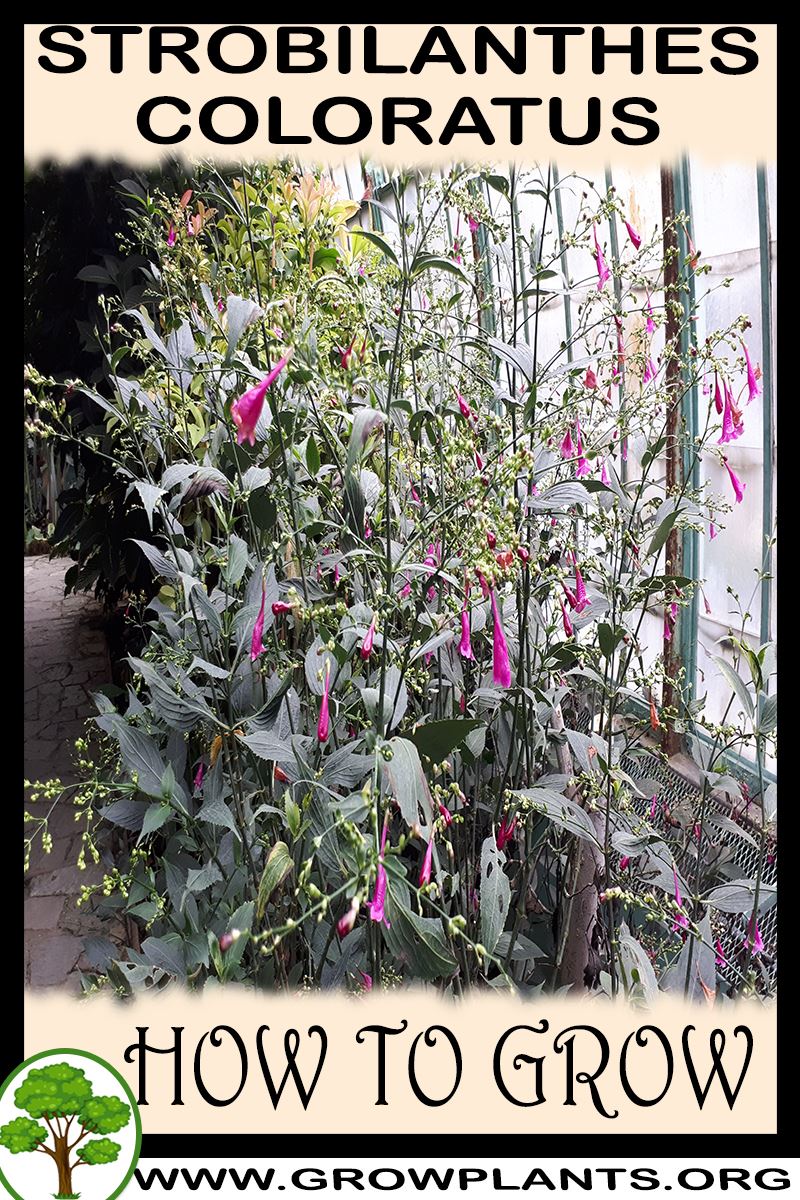
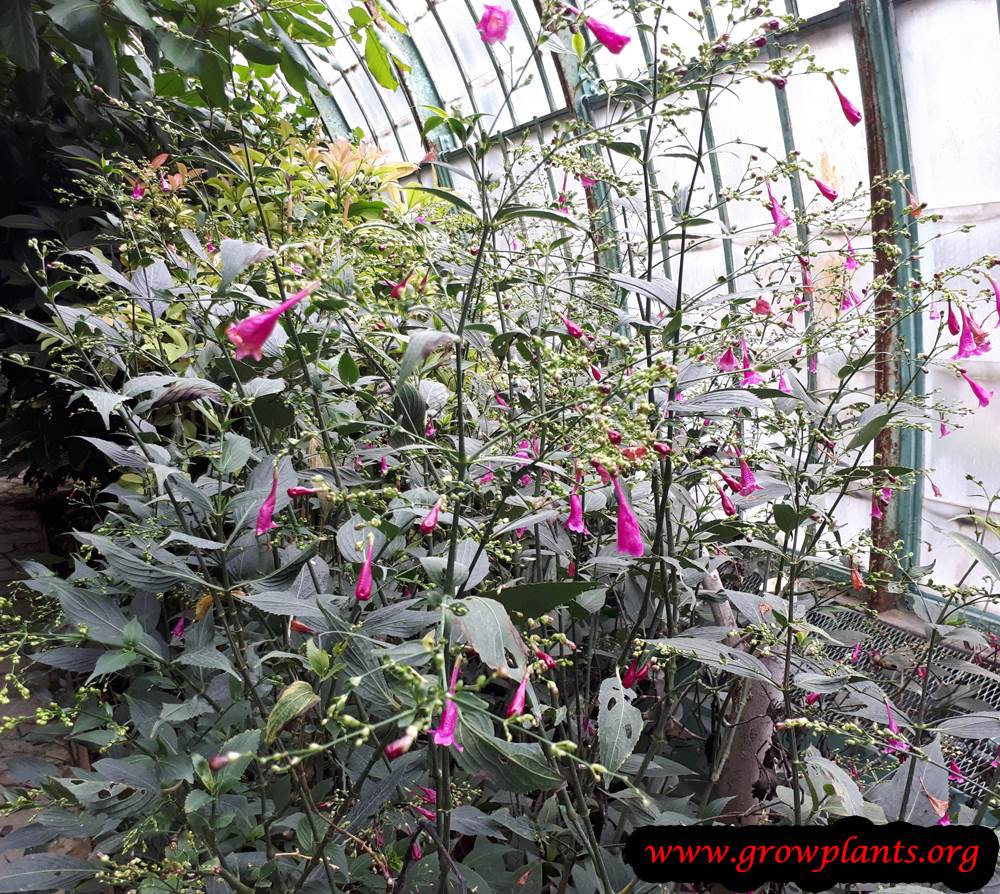
Overview: Strobilanthes coloratus is an evergreen ornamental shrub 1.2-1.8 m tall with green elliptic leaves and purple trumpet-shaped flowers on spikes. It is a perennial for tropical to Mediterranean climates and can be grown as an annual where winters are cold.
Quick Specifications
| Specification | Attribute |
|---|---|
| Plant Type / Life Cycle | Perennial (grown as annual in cold climates) |
| Foliage Type | Evergreen |
| Mature Size | 1.2-1.8 m (48-72 in) |
| Growth Rate | Moderate |
| Hardiness | USDA zone 10b+ |
Growth Form & Structure
- Height & Spread: 1.2-1.8 m (48-72 in); grows well in a container and indoors.
- Growth Habit & Form: Upright bushy evergreen shrub.
- Lifespan & Maturity: Perennial in warm zones; grown as an annual or houseplant elsewhere.
Anatomy & Physical Features
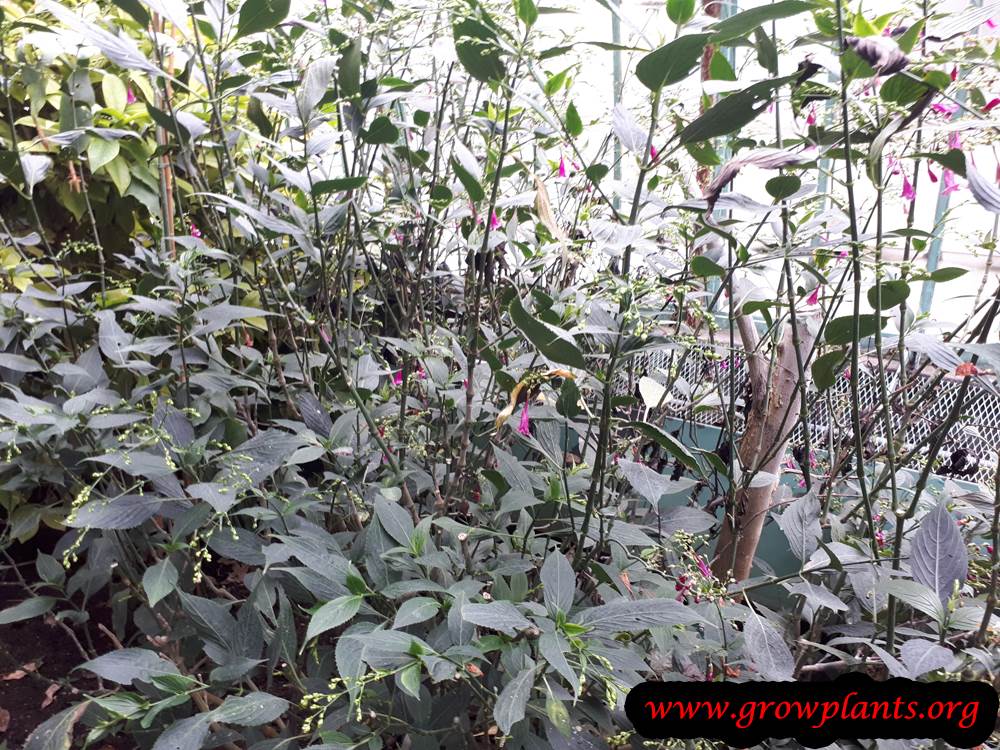
- Leaves & Foliage: Green elliptic leaves.
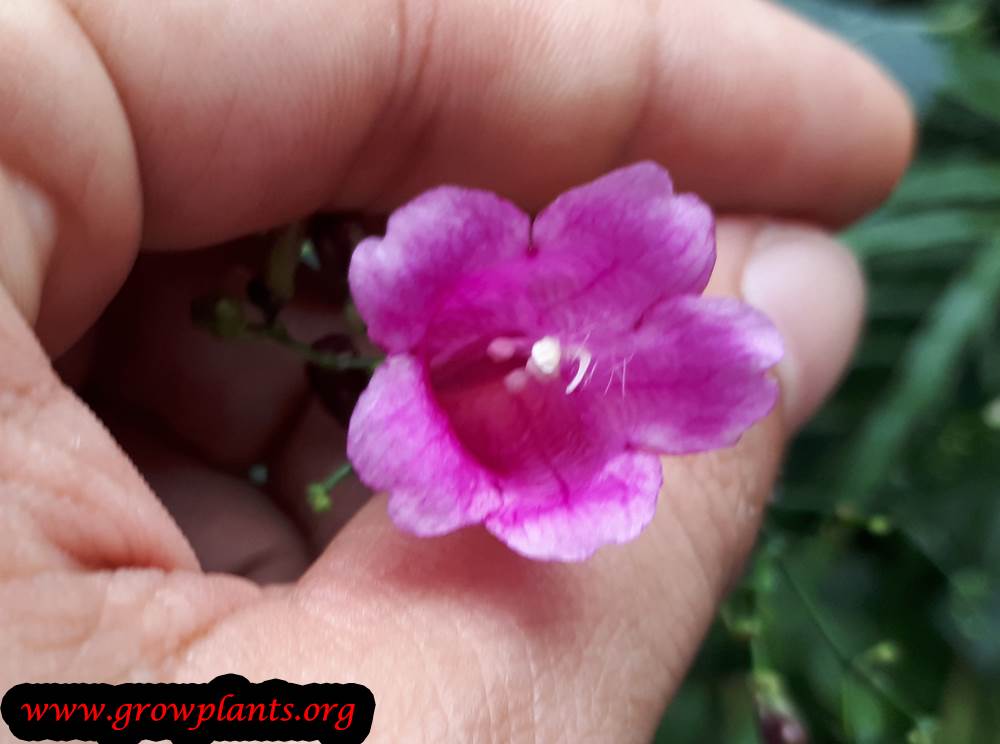
- Flower Characteristics: Purple trumpet / funnel-shaped flowers on spikes (full detail in the Bloom guide).
Primary Uses & Landscape Value
- Functional & Ornamental Roles: Ornamental flowering shrub for beds, borders, containers and as a houseplant.
Care Guide: Planting, Soil & Watering
Overview: Strobilanthes coloratus is a moderate-growing evergreen shrub that likes rich, moisture-retentive soil with warmth and humidity, in full sun (away from the hottest sun) through to shade. Regular watering that keeps the soil moist but never waterlogged suits it best.
Quick Care Requirements
| Requirement | Ideal Condition |
|---|---|
| Planting Season | Spring to autumn in the warm season |
| Growth Rate | Moderate |
| Soil Type | Rich, organic, moisture-retentive, well-draining soil |
| Water Need | Moderate to high – keep the soil consistently moist without letting it sit wet |
Planting & Establishment
- Best Planting Season: Plant in the warm season, from spring through autumn, once the soil has warmed; suited to frost-free areas (zone 10b+).
- How to Plant:
- Hole Preparation: Dig a hole as deep as the root ball and about twice as wide, loosening the surrounding soil.
- Soil Amendments: Blend generous organic matter and compost through the backfill for rich, moisture-holding soil, and mulch to conserve surface moisture.
- Planting Depth: Set the root ball level with the surrounding soil, keeping the crown at the surface and firming gently.
- Growth Speed & Expectations: Growth is moderate, developing into a substantial leafy shrub through the warm season under good warmth and humidity.
Soil, Watering & Drainage Care
- Soil Mix & Drainage Needs: Provide rich, well-aerated soil that holds moisture; in containers use a quality potting or peat-based mix with perlite for drainage, keeping the roots moist but not sodden.
- Watering Schedule & Technique:
- Young / Newly Planted: Water regularly after planting to keep the soil evenly moist while the plant establishes.
- Established: Water consistently so the soil stays moist, letting only the surface dry before watering again.
- Seasonal Adjustments: Water more in warm, dry weather and raise humidity; reduce watering in cool spells and shelter from cold, dry air.
Climate, Light & Hardiness
This tender tropical-to-subtropical evergreen shrub is reliably perennial only in essentially frost-free zone 10b+ climates, though it can be grown as a fast-growing annual bedding or foliage plant where winters bring frost. It prefers full sun only in milder areas, otherwise doing better with half to full shade and higher humidity.
Quick Climate Specifications
| Climate Zones | Tropics, Subtropics, Mediterranean |
|---|---|
| USDA Hardiness Zones | 10b+ as a perennial; commonly grown as an annual in climates with freezing winters |
| Frost Tolerance | Very Low |
| Light Conditions | Full Sun (cooler climates only) to Half/Full Shade |
Sunlight & Light Exposure
Optimal Light Setup
In cooler, milder climates full sun is fine, but in hot climates the plant does better in half to full shade, which also helps hold humidity around the foliage.
Shade & Heat Management
Give afternoon shade in hot-summer regions; direct sun combined with high heat can stress or scorch the leaves.
Temperature Extremes & Hardiness
USDA Hardiness & Regional Limits
Reliably perennial only in essentially frost-free zone 10b and warmer; freezing winters kill the plant back to the ground or outright, so in colder climates it is grown as a warm-season annual rather than a permanent outdoor shrub.
Cold Damage & Winter Protection
Has essentially no frost tolerance; any freeze damages or kills foliage and stems.
Frost Sensitivity
Very frost-sensitive - needs to be indoors, in a greenhouse, or treated as an annual anywhere frost occurs.
Wind, Humidity & Microclimate
Humidity Preferences
Prefers higher humidity, consistent with its tropical/subtropical origin and the source data's call for a humid, rich growing environment.
Microclimate Recommendations
A humid, sheltered, partly shaded spot - such as a courtyard or understory position in hot climates - suits it best; in marginal areas, container culture allows it to be moved under cover for winter.
Growing in Pots, Balconies & Indoors
Strobilanthes coloratus is a lush foliage plant reaching 1.2-1.8 m. The grower confirms it can be grown both as a houseplant and in containers – a large pot in a bright, sheltered spot shows off its handsome leaves, indoors or on a shaded patio.
Quick Details
- Container Size: A large pot (20-40 L) for a plant of this size
- Indoor Suitability: A genuine houseplant – grows well indoors in bright, indirect light (give it room, as it gets tall)
- Best Spot: Bright, indirect light; part to full shade, out of harsh midday sun (which scorches in hot areas)
- Soil & Drainage: Rich, moisture-retentive but free-draining mix
- Watering in Pots: Average to generous – keep evenly moist; the large leaves lose water fast
Indoors & On the Windowsill
- A houseplant: The grower confirms ‘Yes’ – it grows indoors in a bright spot away from direct scorching sun.
- Windowsill / bright room: Give it bright, indirect light and good humidity; mist or stand it on a pebble tray in dry, heated rooms.
- Space: It grows tall and leafy, so give it room and turn the pot occasionally for even growth.
On a Balcony or Patio
- Light & shelter: On a balcony give it a bright but shaded, wind-sheltered corner; hot direct sun and drying wind damage the soft leaves.
- Moisture: The big leaves transpire freely, so keep the mix evenly moist and check often in warm weather.
Choosing the Pot, Soil & Long-Term Care
- Pot & drainage: A large pot with strong holes; skip a standing water saucer to avoid root rot. Glazed or plastic holds the steady moisture it likes.
- Potting mix: A rich, organic, moisture-retentive yet free-draining blend – loam-based mix with added compost and perlite.
- Feeding: A leafy grower; Potted plants exhaust their food faster because watering leaches nutrients, so feed lightly through the growing season – more often than plants in open ground.
- Repotting: Refresh the mix and pot up about every two years; for perennials, lightly prune the root ball and top growth to keep them vigorous.
Fertilizing & Feeding
A moderate feeder that grows best with consistent, balanced feeding in rich, evenly moist soil, in keeping with its preference for humid, fertile conditions.
Quick Fertilizing Specs
| Feeding Level | Moderate feeder |
|---|---|
| Main Nutrient Priority | Balanced feeding paired with rich, consistently moist soil |
| Best Feeding Period | Spring through the summer bloom period |
| Organic Options | Compost or well-rotted organic matter worked into rich soil |
| Micronutrients | Usually adequate from a complete fertilizer and rich soil; correct specific issues only when diagnosed |
| Soil pH | Prefers rich, evenly moist, well-drained soil |
| Reduce/Stop Feeding | Taper off after the main bloom flush finishes |
Feeding by Growth Stage
Spring-summer growth
Support lush foliage growth in the rich, humid conditions this shrub prefers, ahead of flowering.
| Nutrient direction | A balanced fertilizer suited to a leafy, humidity-loving shrub in rich soil. |
|---|---|
| Timing | In spring and through the warm growing season as new growth develops. |
| Frequency | Regular light feedings through the active growing season. |
| Fertilizer types | A balanced complete fertilizer, Compost or well-rotted organic matter worked into rich soil |
| Precautions | Keep soil consistently moist and rich when feeding; this shrub is adapted to humid, fertile conditions and does not tolerate dry, depleted soil well. |
Flowering period
Support the shrub’s spiked, trumpet-shaped flower display.
| Nutrient direction | Continue balanced feeding rather than shifting to a specialty bloom formula. |
|---|---|
| Timing | Through the spring-to-summer bloom period. |
| Frequency | Light, steady feeding through bloom, easing off as flowering finishes. |
| Fertilizer types | A balanced complete fertilizer used lightly through bloom |
| Precautions | Avoid heavy or high-phosphorus feeding for bloom; consistent moisture and rich soil matter more to this shrub’s flowering than any single nutrient. |
Post-bloom rest
Let the shrub rest after its main bloom flush without pushing new tender growth.
| Nutrient direction | None – withhold fertilizer once the main bloom period ends. |
|---|---|
| Timing | After the spring-to-summer bloom period, into cooler or less active months. |
| Frequency | No feeding at this stage. |
| Fertilizer types | No feeding at this stage – resume once active growth and the next bloom cycle begin |
| Precautions | Do not fertilize during this rest period; in cooler parts of its range especially, late feeding can push tender growth that is more vulnerable to cold. |
Nutrient Deficiency Signs & Corrections
Leaf edges brown and turn crisp and the shrub wilts between waterings.
| Possible causes | insufficient soil moisture, overly fast-draining or depleted soil, excess sun or heat exposure beyond what the shrub tolerates |
|---|---|
| Appears first on | leaf margins and tips |
| What to check | soil moisture and richness, watering frequency, amount of direct sun or heat exposure |
| Possible correction | Improve soil moisture retention with organic matter and provide some shade in hot conditions; feeding will not correct drought stress on its own. |
Lower leaves yellow and the plant wilts despite moist soil.
| Possible causes | poorly drained rich soil holding too much water, overwatering, root disease favored by consistently soggy conditions |
|---|---|
| Appears first on | lower leaves and the root zone |
| What to check | soil drainage despite its rich composition, recent watering, condition of the roots |
| Possible correction | Improve drainage while maintaining soil richness, and let the surface dry slightly between waterings. |
New leaves emerge pale yellow between darker green veins.
| Possible causes | high soil pH limiting iron availability, waterlogged or compacted soil, iron naturally low in the planting site |
|---|---|
| Appears first on | the newest leaves |
| What to check | soil pH and drainage, recent watering, planting site history |
| Possible correction | Improve soil conditions first; if confirmed, apply a chelated iron product per its label. |
Pruning, Training & Seasonal Maintenance
Strobilanthes coloratus tolerates pruning well and can be shaped essentially year-round in its warm-climate (zone 10b+) range, since it is an evergreen shrub with no winter dormancy forcing a single cutting window. Its purple, funnel-shaped flowers form in terminal spikes on new growth (typical of this Acanthaceae family), so regular light shaping through the growing season tends to encourage more flowering shoots rather than removing an already-set bud framework – the main exception is avoiding a hard cut just as spikes are visibly forming for the spring/summer bloom.
Quick Pruning & Maintenance Specs
| Pruning Tolerance | Moderate–High (soft-wooded shrub, responds well to shaping) |
| Primary Pruning Window | Year-round light shaping, timed around avoiding the visible spring/summer bud-spike stage |
| Typical Frequency | Ongoing pinching/tipping as needed to hold shape and density |
| Main Objective | Prevent legginess, hold a compact multi-stem form, and refresh flowering shoots |
| Young Plant Priority | Pinch early and often to build a bushy, multi-stemmed base |
| Mature Plant Priority | Ongoing shape maintenance and, when needed, a harder renewal cut on leggy growth |
| Best Tool Type | Precision snips / bypass secateurs (soft to semi-woody stems, not heavy wood) |
| Avoid Heavy Pruning During | Just before/during the spring–summer bloom, when flower spikes are visibly forming |
Pruning by Plant Age & Size
Newly Established
Pinch growing tips once the young plant is settled in to encourage low branching before it stretches upward.
Young / Formative
Train as an open, multi-stemmed shrub with no central leader – repeated tip-pinching through the first seasons builds the bushy habit this species needs, especially important since it can be grown in part or full shade (per its light tolerance) where it is more prone to stretching.
Mature / Established
Maintain size and density with routine shaping cuts; where grown as a shrub in warm climates it can also take a harder renewal cut on overgrown or leggy stems.
Flowering & Fruiting Wood
Flower spikes form on the current season’s new growth, not on old wood, so light shaping earlier in the season generally produces more flowering shoots rather than sacrificing next bloom; only cutting into stems that already carry visible flower spikes removes that flush directly.
Structural Pruning & Training
Control height and spread by regularly tipping the outermost shoots rather than letting the shrub run tall and then cutting hard; thin out any stems that have grown thin and etiolated in shadier spots to keep the canopy from becoming one-sided.
Special Growth to Remove
- Leggy, stretched stems – more likely where the plant is grown in half or full shade; pinch back regularly rather than letting them lengthen unchecked.
- Spent flower spikes once bloom has faded.
Container & Small-Space Pruning
Grown indoors or in a container, pinch more frequently to hold a compact houseplant size, since without outdoor light levels this species is more prone to becoming thin and leggy; a size-controlling pinch back is preferable to letting it grow tall and cutting hard only occasionally.
Tools
- Precision snips for routine pinching and tip work.
- Bypass secateurs for thicker semi-woody stems on a mature or overgrown plant.
Tool Hygiene & Disease Risk
Routine: clean, sharp tools are enough. The plant’s documented problem is a pest (moth), not a tool-transmitted disease, so watch new growth for larvae after pruning rather than treating this as a sanitation risk.
Cut Placement & Technique
Pinch or cut just above a leaf node to direct new growth outward and keep the shrub from becoming top-heavy; use thinning cuts on crowded interior stems rather than shearing the whole surface.
Heavy Pruning & Rejuvenation
Tolerated as a warm-climate, soft-wooded evergreen shrub: an overgrown or leggy specimen can be cut back harder to encourage a fresh, denser flush, accepting a temporary loss of flowering while it regrows. Where grown as a cold-climate annual bedding plant instead, this does not apply – the plant is simply replaced each year rather than rejuvenated.
Post-Pruning Care
Normal watering after cutting back; inspect the new flush of growth for moth larvae, the pest already noted for this species.
Common Pruning Mistakes
- Letting the plant stretch in shade without pinching, then trying to fix legginess with one hard cut instead of ongoing tipping.
- Cutting hard right as flower spikes are forming, losing the coming bloom.
When NOT to Prune
Avoid a heavy cut just before or during the spring–summer bloom period while flower spikes are visible. Where grown as an annual in a colder climate, no pre-frost pruning is needed since the plant will not overwinter regardless.
Recommended Tools (by task)
- precision_snips – routine pinching and tip-pruning to hold shape and density.
- bypass_secateurs – thicker semi-woody stems on a mature plant, including renewal cuts.
Pruning Troubleshooting
| Problem | Possible Cause | What to Check | Corrective Action |
| Thin, leggy, sparse-leaved stems | Low light (shade or indoor growing) without regular pinching | Light level and how long since the last pinch | Increase light where possible and resume regular tip-pinching; hard-prune leggy stems to force denser regrowth |
| Poor flowering after cutting back | Pruned too close to or during the spring–summer bloom window | Timing of the last cut relative to spike formation | Shift routine shaping to earlier in the season, before spikes are visible |
Propagation Guide
Strobilanthes coloratus is most easily and quickly increased from stem cuttings, which root readily in the same warm, humid, humus-rich conditions this plant prefers for growth; seed is also viable but slower and less commonly used by home growers. Vegetative propagation is not required to keep the plant true, but it is by far the more practical route, making this an easy plant to propagate.
Quick Propagation Specs
| Best Propagation Method | Stem cuttings |
| Alternative Methods | Seed |
| Propagation Difficulty | Easy |
| Seed True-to-Type | Usually true-to-type |
| Vegetative True-to-Type | Yes |
| Best Propagation Season | Spring through summer, during active growth |
| Cutting Rooting Time | Typically a few weeks under warm, humid conditions |
Growing from Seed
Germination Conditions
Warm temperatures and high humidity, in rich, moisture-retentive soil, mirroring this plant’s general growing preferences.
Germination Time
Germination timing is not well documented for this species; expect it to be slower than starting from cuttings and allow several weeks.
Stem Cuttings
Cutting Type
Stem-tip or node cuttings.
Best Timing
Spring through summer, while the plant is in active growth.
Rooting Setup
A rich, moisture-retentive but free-draining mix, kept humid – this species is noted as preferring rich soil and humidity generally, and cuttings benefit from the same conditions, e.g. under cover or with occasional misting.
Rooting Hormone
Optional – can speed rooting but is not essential for this genus, which roots readily from cuttings.
Rooting Time
Usually a few weeks under warm, humid conditions.
Bloom & Flower Guide
Quick Details
- Bloom Season: Spring and summer
- Flower Appearance: Purple, funnel- to trumpet-shaped flowers carried on upright spikes
- Edibility: Ornamental only
Detailed Blooming Overview
Grown for its handsome foliage, Strobilanthes coloratus also produces purple, funnel-shaped flowers that open along upright spikes through the warm season.
Flower Characteristics
- Purple flowers, funnel- to trumpet-shaped.
- Borne in spikes above the foliage.
Bloom Care & Thinning
- Conditions: warmth, humidity and bright light bring the best flowering.
- Shaping: pinch to keep the plant bushy; many Strobilanthes flower best when a little pot-bound.
Pests, Diseases & Troubleshooting
Overview: Strobilanthes coloratus is a tender Acanthaceae shrub, and its problems are mostly sap-sucking insects (aphids, whitefly, mites and mealybugs) that thrive in the warm sheltered conditions it likes, plus the odd leaf-chewing caterpillar. Its colour and vigour depend far more on humidity, warmth and light than on any pest, so cultural care is central.
Quick Troubleshooting Overview
| Issue / Pest | Main Symptom | Primary Solution |
|---|---|---|
| Aphids | Curled sticky new growth, clustered insects | Water blast, insecticidal soap, beneficials |
| Whiteflies | White flies rising when disturbed, honeydew | Yellow sticky traps, soap/oil on undersides |
| Spider mites | Fine stippling and webbing in dry warm air | Raise humidity, rinse, miticidal oil |
| Mealybugs | White cottony fluff in leaf axils and nodes | Alcohol swab, horticultural oil |
| Caterpillars | Chewed holes and frass on leaves | Handpick, Bt while larvae are small |
| Faded colour / leaf drop | Dull leaves, dropping in dry or dim air | Raise humidity and light, keep warm and evenly moist |
Common Pests & Management
- Aphids (Aphis / Myzus spp.):
- Symptoms: Clusters of small soft insects on the tender new shoots, causing curled, sticky, distorted growth and sooty mould.
- Prevention & Control: Rinse colonies off with water, conserve lady beetles and lacewings, and spray insecticidal soap on the new growth; avoid excess nitrogen that fuels soft aphid-prone shoots.
- Whiteflies (Trialeurodes / Bemisia spp.):
- Symptoms: Tiny white flies that rise in a cloud when the plant is brushed, with honeydew and sooty mould on lower leaves and yellowing.
- Prevention & Control: Hang yellow sticky traps, rinse leaf undersides, and spray insecticidal soap or light horticultural oil repeatedly to catch new emergents; use Encarsia wasps under glass.
- Spider mites (Tetranychus urticae):
- Symptoms: Fine pale stippling and a dull, faded look on the colourful leaves with fine webbing on undersides in warm dry air; a leading cause of dull, dropping foliage indoors.
- Prevention & Control: Raise humidity and rinse foliage regularly, improve airflow, and treat active mites with miticidal soap or light oil on the undersides; mist and steady moisture discourage them.
- Mealybugs (Planococcus spp.):
- Symptoms: White cottony, waxy clusters in leaf axils and at stem nodes, with sticky honeydew and sooty mould.
- Prevention & Control: Swab colonies with rubbing alcohol on a cotton bud and rinse, isolate the plant, and treat with horticultural or neem oil, repeating to reach hidden crawlers; control ants.
- Caterpillars / loopers (Trichoplusia, various moths):
- Symptoms: Chewed holes and notches in the leaves with dark frass and green caterpillars on the undersides – the ‘moth’ damage noted in the source.
- Prevention & Control: Handpick caterpillars, and spray Bacillus thuringiensis (Bt) while they are small; encourage natural parasites and remove affected leaves. Damage is usually cosmetic on a vigorous plant.
Diseases & Fungal Issues
- Root rot (Pythium / Rhizoctonia):
- Symptoms: Wilting, yellowing and a soft, darkened base with decayed roots in soggy, poorly drained soil or overwatered pots.
- Treatment & Management: Grow in a free-draining mix, water thoroughly then let the surface dry, and never leave the pot waterlogged. Remove rotted roots and repot; ease off watering in cool weather.
- Leaf spot (fungal / bacterial):
- Symptoms: Brown or black spots, sometimes with a yellow halo, on leaves kept too wet in still, humid conditions.
- Treatment & Management: Improve airflow, avoid wetting the foliage in the evening, remove affected leaves, and space plants; a copper fungicide is only needed for persistent spotting.
- Damping-off (on cuttings & seedlings):
- Symptoms: Cuttings or seedlings rot and collapse at the base in over-wet, poorly ventilated propagation.
- Treatment & Management: Use fresh clean media, water carefully, provide airflow, and avoid overcrowding; this plant roots easily from cuttings under clean, moderately moist conditions.
- Powdery mildew / rust (occasional):
- Symptoms: A white powdery film or orange pustules on leaves in humid, crowded, poorly ventilated settings.
- Treatment & Management: Increase spacing and air movement, remove affected leaves, and avoid overhead watering; sulphur fungicide is reserved for stubborn mildew.
Growing Difficulties & Abiotic Problems
- Faded colour & leaf drop:
- Cause & Symptoms: Leaf colour dulls and leaves drop in low humidity, dim light or dry drafts – a common complaint with this plant.
- Correction Strategy: Provide bright, indirect to part-sun light to keep the colour vivid, raise humidity, keep it warm and evenly moist, and avoid cold dry drafts; pinch regularly to keep it bushy.
- Legginess:
- Cause & Symptoms: Open, straggly, sparse growth in low light or without pinching.
- Correction Strategy: Grow in good light and pinch the shoot tips frequently to force branching and a fuller, more colourful plant; take cuttings to renew old leggy specimens.
- Cold sensitivity:
- Cause & Symptoms: Blackened, wilted foliage after chilling or frost; it is a tender tropical.
- Correction Strategy: Keep above its warm comfort range, protect or bring indoors before cold weather, and treat it as a tender annual or overwinter cuttings in cool climates.
- Leaf-tip / margin browning:
- Cause & Symptoms: Crispy brown leaf edges from dry air, underwatering or salt buildup.
- Correction Strategy: Raise humidity, keep the soil evenly (not excessively) moist, and flush the pot occasionally to leach salts.
What Helps – Products & Tools
This plant responds to soft tools: insecticidal soap and horticultural or neem oil for aphids, whitefly, mites and mealybugs, Bacillus thuringiensis (Bt) for caterpillars, yellow sticky traps for monitoring, and rubbing alcohol for spot-treating mealybugs. A copper or sulphur fungicide covers leaf spot and mildew, but humidity, light and warmth do most of the work.