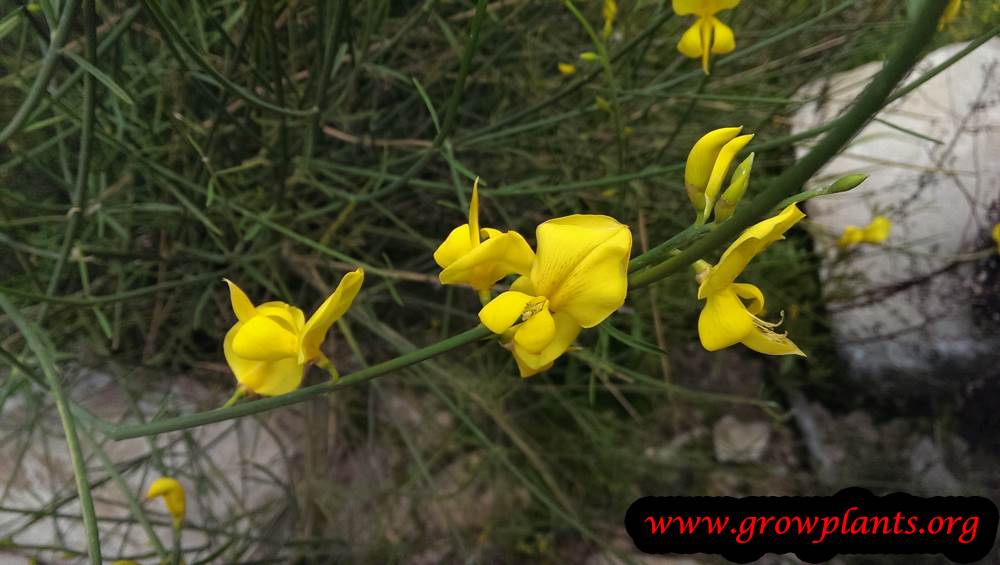
Plant Profile & Key Characteristics
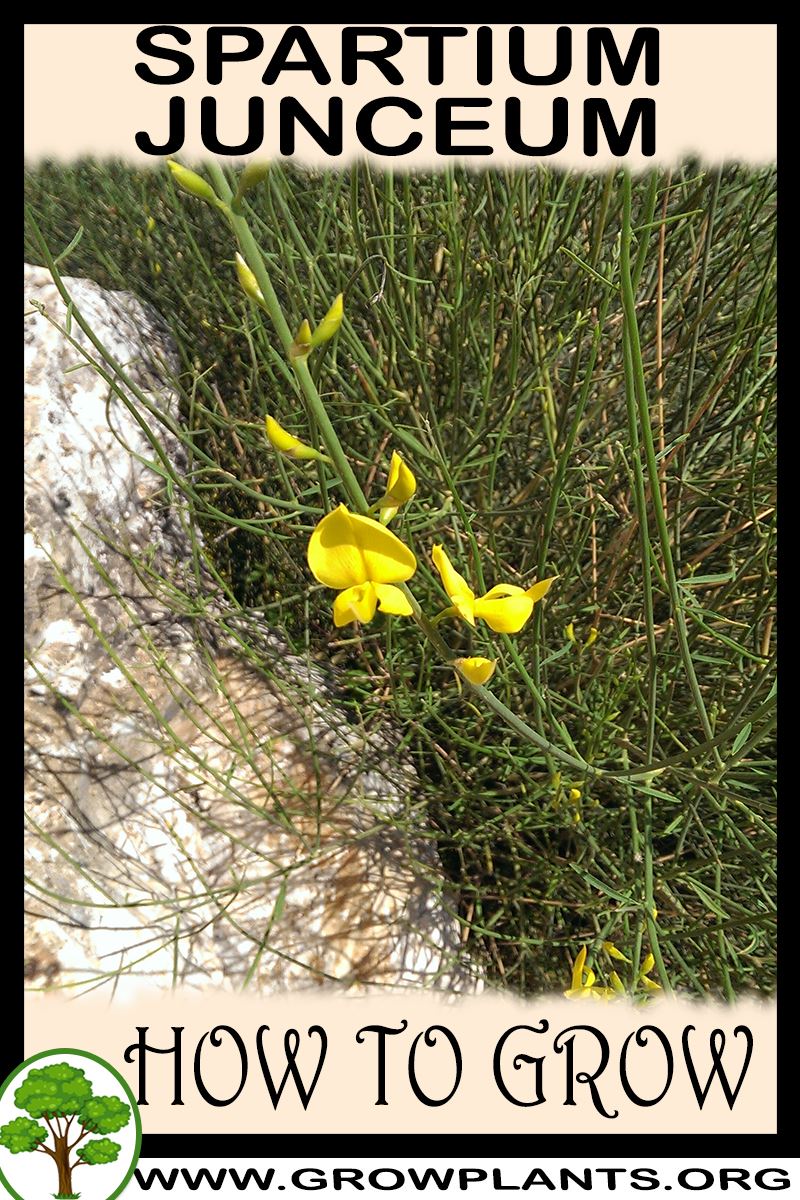
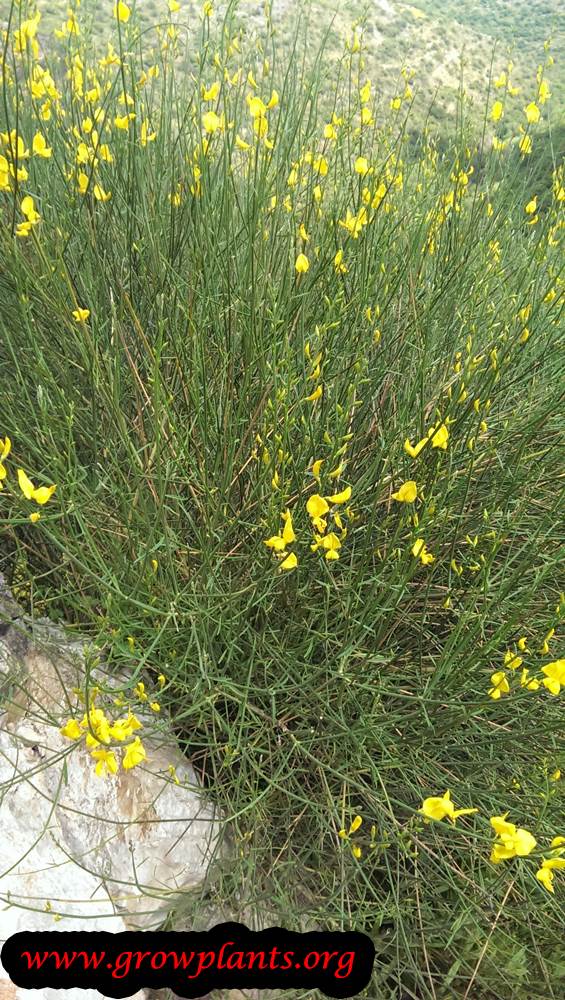
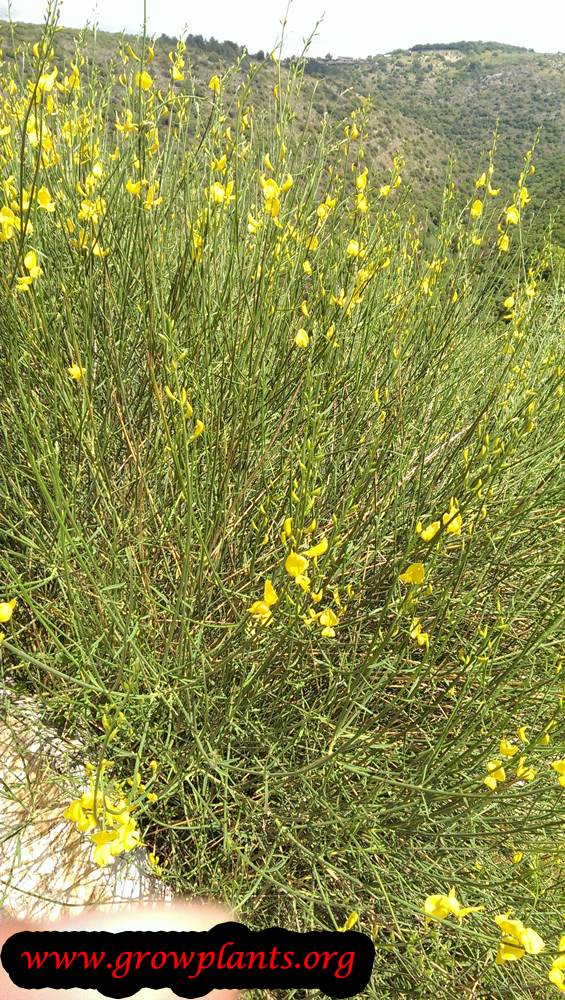
Overview: A fast-growing, near-leafless deciduous shrub to small tree reaching 2–4 m (6–12 ft), with green rush-like stems. It is grown as a drought-tolerant ornamental for its fragrant golden pea-flowers, and all parts are toxic.
Quick Specifications
| Specification | Attribute |
|---|---|
| Plant Type / Life Cycle | Woody perennial (shrub to small tree) |
| Foliage Type | Deciduous (photosynthesis carried largely by the green stems) |
| Mature Size | 2–4 m (6–12 ft) |
| Growth Rate | Fast to moderate |
| Toxicity | Poisonous — seeds and other parts contain toxic alkaloids (cytisine/sparteine) |
Growth Form & Structure
- Height & Spread: Reaches 2–4 m (6–12 ft) in the ground; can be grown in a container but is not an indoor houseplant.
- Growth Habit & Form: Upright, broom-like shrub of slender green rush-like stems; fast-growing, drought-tolerant and can be invasive in favourable climates.
- Lifespan & Maturity: A long-lived woody perennial that reaches flowering size quickly.
Anatomy & Physical Features
- Leaves & Foliage: Sparse, small, linear green leaves that drop early, leaving the slender green photosynthetic stems to carry the plant.
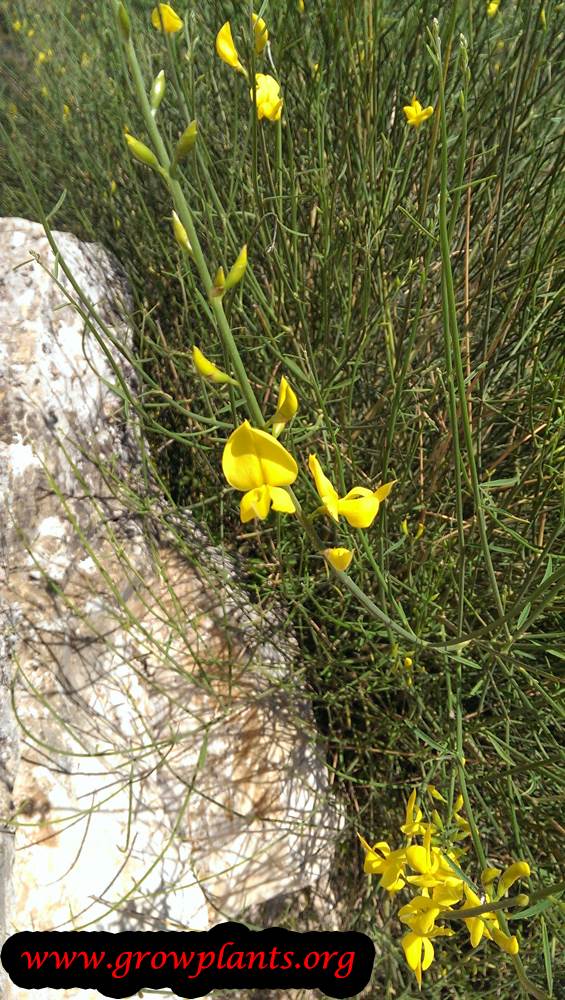
- Flower Characteristics: Fragrant, bright golden-yellow pea-shaped flowers.
Primary Uses & Landscape Value
- Functional & Ornamental Roles: A drought-tolerant, full-sun ornamental for hot, dry banks and coastal gardens; as a nitrogen-fixing legume it is used to stabilise poor soils, though it self-seeds and can become invasive.
Care Guide: Planting, Soil & Watering
Overview: Spanish broom is a fast-growing, drought-tolerant Mediterranean shrub that thrives in full sun in sandy, well-draining soil. Once established it needs little water and copes well with dry, poor ground.
Quick Care Requirements
| Requirement | Ideal Condition |
|---|---|
| Planting Season | In spring, summer or autumn |
| Growth Rate | Moderate to fast |
| Soil Type | Sandy and well-draining |
| Water Need | Low to moderate; drought-tolerant once established |
Planting & Establishment
- Best Planting Season: Plant in spring, summer or autumn in a warm, sunny spot.
- How to Plant:
- Hole Preparation: Loosen a hole a little wider than the root ball in free-draining ground.
- Soil Amendments: It prefers lean, sandy soil, so little or no enrichment is needed; focus on drainage.
- Planting Depth: Set the root ball level with the surrounding soil and firm gently.
- Growth Speed & Expectations: A fast grower reaching about 2–4 m; it can be invasive, so deadhead or contain it to limit self-seeding.
Soil, Watering & Drainage Care
- Soil Mix & Drainage Needs: Sandy, sharply draining soil suits it best; it dislikes wet feet.
- Watering Schedule & Technique:
- Young / Newly Planted: Water occasionally while the plant establishes.
- Established: Once established it is drought-tolerant and rarely needs watering.
- Seasonal Adjustments: A little water in extreme summer drought, none in winter.
Climate, Light & Hardiness
Spanish broom is a heat- and drought-loving mediterranean-climate shrub that demands full sun and free-draining soil, reliably hardy outdoors from about USDA zone 8 into hot, arid zone 11a climates. It is also notably tolerant of wind and coastal exposure, reflecting its origins on open mediterranean scrubland.
Quick Climate Specifications
| Climate Zones | Mediterranean, Desert, Subtropical, Temperate |
|---|---|
| USDA Hardiness Zones | 8–11a |
| Frost Tolerance | Moderate |
| Light Conditions | Full Sun |
| Wind Tolerance | High |
| Salt / Coastal Tolerance | High |
Sunlight & Light Exposure
Optimal Light Setup
Needs full sun all day; flowering and a compact, dense habit suffer noticeably in shade.
Direct Sun Requirement
Essential - this shrub is adapted to open, sun-baked mediterranean scrubland and will neither thrive nor flower well in shade.
Temperature Extremes & Hardiness
USDA Hardiness & Regional Limits
Hardy outdoors zone 8–11a; reliably perennial through the mild winters typical of mediterranean and warm-temperate climates.
Cold Damage & Winter Protection
In the coldest part of its range (zone 8), a hard freeze can damage stem tips; established plants generally resprout from woody growth below the damage.
Frost Sensitivity
Moderate - tolerates light, brief frost once established but is not suited to prolonged hard freezes.
Extreme Heat Tolerance
Excellent; thrives in hot, dry summers typical of desert and mediterranean climates, being a genuinely drought-tolerant shrub.
Wind, Humidity & Microclimate
Wind Tolerance
High - as a mediterranean maquis/garrigue native, it is well adapted to open, exposed, windy sites.
Coastal / Salt Tolerance
High - commonly grown on coastal banks and exposed slopes for its tolerance of salt-laden wind and poor, exposed soils.
Rainfall & Seasonal Moisture
Adapted to a mediterranean rainfall pattern of wet winters and long dry summers; it does not need a humid climate.
Microclimate Recommendations
Well suited to hot, exposed, well-drained slopes and banks where many other shrubs struggle.
Growing in Pots, Balconies & Indoors
Spanish broom (Spartium junceum) is a large, sun-loving shrub, 2-4 m, with fragrant yellow flowers on rush-like green stems. It is not a houseplant and outgrows pots long-term, but the grower confirms it grows in containers – best as a young plant in a large pot on a hot, sunny patio.
Quick Details
- Container Size: A large, deep pot (30-50 L); even so it will eventually want the open ground
- Indoor Suitability: Too large for indoors – a young plant in a pot only; long-term an outdoor shrub
- Best Spot: Full sun – it demands the hottest, brightest position
- Soil & Drainage: Lean, very free-draining mix; it thrives in poor, dry soil
- Watering in Pots: Small to average – highly drought-tolerant; let it dry out between waterings
Indoors & On the Windowsill
- Not a houseplant: The grower marks it ‘No’ – a big, sun-hungry shrub, it cannot live indoors.
- While young: A young plant tolerates a large pot for a few years, but it soon becomes too big and resents root disturbance – the open ground suits it best.
- Overwintering: Fairly hardy; in cold areas shelter a potted young plant against a warm wall.
- Safety: All parts are toxic if eaten – keep it away from children and pets, and never eat any part.
On a Balcony or Patio
- Light & heat: Give it the sunniest, hottest spot; it loves reflected heat from walls and paving and shrugs off drought.
- Wind & weight: The tall, whippy stems catch the wind – use a heavy, stable pot and site it before filling.
Choosing the Pot, Soil & Long-Term Care
- Pot & drainage: A large, deep pot with strong holes; skip a standing water saucer to avoid root rot. Terracotta suits its love of dry, sharp drainage.
- Potting mix: A lean, gritty, free-draining blend – potting mix cut with plenty of sharp sand or grit.
- Feeding: Feed sparingly; it flowers best in poor soil and dislikes rich feeding.
- Repotting: It resents root disturbance, so pot on carefully and infrequently while young.
Fertilizing & Feeding
A light feeder in general – as a nitrogen-fixing legume adapted to lean, well-drained soil, it typically flowers best with minimal supplemental fertilizer.
Quick Fertilizing Specs
| Feeding Level | Light feeder |
|---|---|
| Main Nutrient Priority | Balanced feeding used sparingly, since this legume fixes much of its own nitrogen |
| Best Feeding Period | Spring, as new growth resumes ahead of flowering |
| Organic Options | Compost or well-rotted organic matter worked lightly around the root zone |
| Micronutrients | Usually adequate from the soil; correct specific issues only when diagnosed |
| Soil pH | Tolerates a wide range provided the soil is well drained |
| Reduce/Stop Feeding | Stop feeding once bloom ends, heading into autumn and winter pruning |
Feeding by Growth Stage
Spring growth flush
Support new shoot growth ahead of the season’s flowering without overdoing nitrogen on this nitrogen-fixing legume.
| Nutrient direction | A light, balanced feed at most – as a legume, this shrub fixes much of its own nitrogen and rarely needs a nitrogen-forward fertilizer. |
|---|---|
| Timing | In spring as new growth resumes ahead of flowering. |
| Frequency | Feed sparingly; minimal feeding is usually enough once the shrub is established. |
| Fertilizer types | A light, balanced complete fertilizer used sparingly, if at all, Compost or well-rotted organic matter worked around the root zone |
| Precautions | Avoid heavy or nitrogen-forward feeding; as a legume this shrub fixes its own nitrogen, and excess feeding tends to push soft, floppy growth and fewer flowers. |
Fragrant bloom period
Support strong, fragrant flowering without pushing excess vegetative growth.
| Nutrient direction | Little additional feeding beyond what was applied earlier in spring; established plants generally flower well on lean soil. |
|---|---|
| Timing | Through the spring-to-summer bloom period. |
| Frequency | Rarely needs additional feeding once flowering begins; minimal feeding is usually enough. |
| Fertilizer types | Generally very little additional feeding beyond the spring application, A very light balanced feed only if growth looks weak |
| Precautions | Keep any feeding light during bloom; this shrub is drought-tolerant and adapted to lean, well-drained soil, and rich feeding tends to reduce flowering and increase disease-prone soft growth. |
Post-bloom rest
Let the shrub rest after flowering without encouraging late, tender growth ahead of winter pruning.
| Nutrient direction | None – withhold fertilizer after the bloom period ends. |
|---|---|
| Timing | From the end of the bloom period through autumn and winter pruning. |
| Frequency | No feeding at this stage. |
| Fertilizer types | No feeding at this stage – let the shrub rest until spring growth resumes |
| Precautions | Do not fertilize after flowering finishes; late-season feeding can push tender new growth that is more vulnerable ahead of pruning and cooler weather. |
Nutrient Deficiency Signs & Corrections
The shrub produces abundant soft, leafy growth but few or no flowers.
| Possible causes | excess nitrogen feeding, overly rich soil, insufficient sun exposure |
|---|---|
| Appears first on | overall shoot growth relative to flower production |
| What to check | recent feeding history, soil richness, hours of direct sun the shrub receives |
| Possible correction | Cut back or pause supplemental feeding and confirm the shrub gets full sun; on this drought-tolerant legume, lean soil generally favors flowering. |
Foliage yellows and wilts, and the base of the shrub may darken, despite the plant’s usual drought tolerance.
| Possible causes | poorly drained or waterlogged soil, overwatering or over-irrigation, root disease favored by consistently wet soil |
|---|---|
| Appears first on | lower branches and the root crown |
| What to check | soil drainage and recent watering, planting site grading, condition of the roots at the base |
| Possible correction | Improve drainage and reduce watering; this shrub is adapted to dry, well-drained soil and does not tolerate wet conditions. |
New leaves turn pale yellow between darker green veins.
| Possible causes | high soil pH limiting iron availability, poorly drained or compacted soil, iron naturally low in the planting site |
|---|---|
| Appears first on | the newest leaves |
| What to check | soil pH and texture, drainage, planting site history |
| Possible correction | Improve soil conditions first; if confirmed, apply a chelated iron product per its label. |
Pruning, Training & Seasonal Maintenance
Spanish broom tolerates only light, regular shaping – not hard cutback – because like other brooms it carries no dormant buds in its older, bare woody stems and will not reliably resprout if cut into brown wood. The safest and most effective window is right after its spring–summer flowering finishes, continuing into autumn while the current season’s green stems are still soft enough to cut and reshoot from. Pruning timing directly controls next year’s flower display, since flowers form on the growth produced after this post-bloom shaping.
Quick Pruning & Maintenance Specs
| Pruning Tolerance | Low–Moderate (green wood only; never into bare old wood) |
| Primary Pruning Window | Late summer to autumn, immediately after flowering finishes |
| Secondary Maintenance Window | Mild winter tidy of dead or frost-damaged tips only |
| Typical Frequency | Light shaping every year, ideally from a young age |
| Main Objective | Keep a compact, well-furnished habit and renew flowering wood |
| Young Plant Priority | Build a low, multi-branched framework early – this cannot be corrected later by hard pruning |
| Mature Plant Priority | Annual light post-bloom shaping; accept size on old plants rather than hard-cutting them back |
| Best Tool Type | Bypass secateurs; loppers only for the occasional thicker basal stem |
| Avoid Heavy Pruning During | Any time into bare/brown wood; also avoid major cuts right before or during the spring–summer bloom |
Pruning by Plant Age & Size
Newly Established
Pinch or lightly tip-prune young plants from the start to force low branching; an unshaped young plant will otherwise grow leggy in a way that cannot be fixed later, since older wood won’t resprout.
Young / Formative
Train as an open, multi-leader shrub (no central leader) by repeated light tipping of new growth.
Mature / Established
Annual post-flowering shaping only – shorten the season’s flowered shoots back into green wood by up to about a third; do not attempt to reduce an overgrown plant’s size by cutting into its woody core.
Seasonal Pruning Schedule
Post-Flowering
Objective: renew flowering wood and control size. Remove: spent flower clusters and up to a third of the current season’s flowered growth, cutting into live green stem. Do not remove: any stem that has already turned brown/bare, since it will not resprout. Response: fresh green shoots from the cut area, which will carry next year’s flowers.
Dormant/Winter
Objective: tidy only. Remove: dead, wind-snapped, or frost-damaged tips. Do not remove: live wood for size control – save structural shaping for the post-flowering window.
Flowering & Fruiting Wood
Spanish broom flowers on the current season’s growth produced after the previous post-bloom prune. Shaping cuts made right after flowering (rather than in mid-winter or in spring just before bloom) maximize the amount of new flowering wood produced over the following months; pruning too late, in spring, risks cutting off developing flower buds.
Structural Pruning & Training
Height and spread are controlled only through the annual light post-bloom shaping described above – there is no effective way to reduce an overgrown, woody-based plant’s size afterward. The shrub’s naturally airy, rush-like habit rarely develops problem crossing growth.
Special Growth to Remove
- Spent flower clusters/developing seed pods – removing these before seed set helps limit self-seeding, relevant given this species’ noted tendency to spread/naturalize.
Tools
- Bypass secateurs for the annual shaping cuts into soft green stems.
- Loppers only occasionally, for a thicker older basal stem being removed entirely.
- Avoid hedge shears – shearing the surface encourages a dense green shell over an increasingly bare, woody interior that then cannot be corrected.
Tool Hygiene & Disease Risk
Routine: clean, sharp tools are sufficient; no significant transmissible disease risk is documented for this species.
Cut Placement & Technique
Cut just above an outward-facing node on green stem tissue, never into wood that has already turned brown and lost its green photosynthetic bark.
Heavy Pruning & Rejuvenation
Not tolerated. Old, leggy, or bare-based plants generally cannot be rejuvenated by a hard cutback, because Spartium’s aged wood lacks the dormant buds needed to resprout. A declining or overgrown specimen is better replaced with a young plant trained correctly from the start than hard-pruned.
Post-Pruning Care
Normal watering for this drought-tolerant shrub; no feeding needed. Watch that regrowth emerges from the intended green-wood cut points over the following weeks.
Common Pruning Mistakes
- Cutting into bare, brown wood expecting it to resprout – it typically will not.
- Delaying the first formative pruning until the plant is already leggy, by which point low branching can no longer be induced.
- Shearing the outer surface repeatedly, hollowing out the center over time.
When NOT to Prune
Never cut into bare, lignified wood at any time of year. Avoid major shaping cuts in spring, just before or during flowering, since this removes the season’s flower buds.
Recommended Tools (by task)
- bypass_secateurs – the primary tool for annual post-bloom shaping into soft green growth.
- loppers – only for an occasional thicker stem being removed at the base of an older plant.
Pruning Troubleshooting
| Problem | Possible Cause | What to Check | Corrective Action |
| Little or no flowering after pruning | Cuts made too late (into spring) or into old wood | Whether cuts were made into green vs. brown stem, and the timing relative to bloom | Move pruning to right after flowering finishes; always cut into current green growth |
| Dead patches or stem die-back after a cutback | Cut made into bare wood with no dormant buds to regenerate from | Inspect where the cut was placed relative to live green tissue | Avoid hard pruning into old wood; remove the dead stem at its base and let the rest of the plant recover, or replace a badly declined plant |
Propagation Guide
Spanish broom is most commonly and reliably raised from seed, which germinates well once its hard seed coat is broken, and the species comes true from seed, so vegetative propagation is only needed to reproduce a specific selected form. Semi-hardwood cuttings are a workable alternative for named forms, though like many brooms this plant tends to resent root disturbance, so cuttings and seedlings are best grown on in their own pots rather than bare-rooted or heavily transplanted – overall an easy plant to raise from seed.
Quick Propagation Specs
| Best Propagation Method | Seed |
| Alternative Methods | Semi-hardwood cuttings (for named selections) |
| Propagation Difficulty | Easy |
| Seed True-to-Type | Yes, for the species |
| Vegetative True-to-Type | Yes |
| Best Propagation Season | Spring through autumn |
Growing from Seed
This species can self-sow readily and is noted as invasive in some regions; where that’s a concern, deadhead spent flowers before pods form, or check local guidance before propagating it outdoors.
Dormancy & Pre-Sowing Treatment
Like most broom relatives (Fabaceae), the seed has a hard outer coat that slows water uptake; nicking/scarifying the coat or soaking seed in hot water before sowing generally improves and speeds germination.
Sowing Season
Spring through autumn.
Seedling Care
Sow or prick out seedlings into individual pots rather than open beds where possible – like related brooms, Spanish broom dislikes having its roots disturbed, and plants transplanted with damaged roots can struggle to establish.
Stem Cuttings
Cutting Type
Semi-hardwood cuttings.
Best Timing
Summer, once new growth has begun to firm up.
Rooting Setup
A free-draining, sandy cutting mix, kept lightly moist; as with seedlings, pot cuttings individually early on to avoid disturbing the roots later.
Rooting Hormone
Optional – rooting hormone can improve strike rate for this genus but is not essential.
Bloom & Flower Guide
Quick Details
- Bloom Season: Late spring through summer
- Flower Appearance: Bright yellow, fragrant pea-shaped flowers along the rush-like green stems
- Edibility: None — the plant is toxic; grown for fragrance and ornament
Detailed Blooming Overview
Spanish broom carries showy, sweetly scented yellow pea flowers along its almost leafless green stems through the heat of summer — tough, drought-proof and wonderfully fragrant.
Flower Characteristics
- Fragrant yellow pea (legume) flowers.
- Borne along the length of the rush-like stems.
Bloom Care & Thinning
- Conditions: full sun and lean, free-draining soil give the best flowering.
- Shaping: trim lightly after flowering to keep it dense, avoiding cuts into old bare wood.
- Pollination: by bees, as with other legume flowers.
- Safety: the seeds and pods are toxic (they contain cytisine and related alkaloids) — do not eat any part.
Pests, Diseases & Troubleshooting
Overview: Spanish broom (Spartium junceum) is a tough, drought-hardy Mediterranean legume shrub that is genuinely close to pest- and disease-free; its rush-like green stems and waxy tissue shrug off most problems, and its real issues are root rot in wet soil and occasional sap-suckers. In many warm regions it is invasive, which is a more important management concern than any pest.
Quick Troubleshooting Overview
| Issue / Pest | Main Symptom | Primary Solution |
|---|---|---|
| Aphids | Occasional clusters on soft new tips | Rinse off; usually self-correcting |
| Spider mites | Rare stippling in hot, dusty, dry sites | Rinse foliage, oil/soap if needed |
| Scale & mealybugs | Occasional bumps/fluff on stems | Wipe off, horticultural oil |
| Caterpillars / weevils | Minor leaf or seed-pod feeding | Tolerate; hand-pick if heavy |
| Root rot | Wilt and dieback in wet, heavy soil | Sharp drainage, avoid overwatering |
| Invasiveness | Prolific self-seeding into wild land | Deadhead/remove seed pods; monitor spread |
Common Pests & Management
- Aphids (Aphis spp.):
- Symptoms: Occasional small colonies on the softest new shoot tips, with a little honeydew; rarely significant on this waxy plant.
- Prevention & Control: Blast off with water or leave to natural predators; insecticidal soap only if an outbreak persists.
- Spider mites (Tetranychus urticae):
- Symptoms: Fine stippling on stems in very hot, dusty, dry conditions; uncommon.
- Prevention & Control: Rinse the plant, and use insecticidal soap or horticultural oil in the rare heavy case.
- Scale & mealybugs (Coccidae, Pseudococcus spp.):
- Symptoms: Occasional brown bumps or cottony fluff on stems, with minor honeydew.
- Prevention & Control: Wipe or scrape off and treat spots with horticultural oil; healthy plants shrug these off.
- Caterpillars & seed weevils (Lepidoptera larvae, Bruchidae):
- Symptoms: Light leaf or green-stem grazing, and weevil larvae developing in seed pods.
- Prevention & Control: Tolerate minor damage – this vigorous shrub outgrows it; hand-pick if numbers are high.
Diseases & Fungal Issues
- Root & foot rot (Phytophthora, Pythium, Rhizoctonia):
- Symptoms: Wilting, yellowing and branch dieback with dark rotted roots in wet, heavy or overwatered soil – the main real disease risk.
- Treatment & Management: Plant in sharply drained soil, never overwater an established plant, avoid wet clay, and remove badly affected plants.
- Fungal stem/leaf blights (Fusarium, Botrytis and others):
- Symptoms: Occasional dieback of stems or blackening in prolonged damp, cool conditions.
- Treatment & Management: Prune out affected wood with clean tools, improve airflow, and avoid overhead irrigation.
- Powdery mildew (Erysiphales):
- Symptoms: Rare white powdery film on soft growth in humid, shaded, still air.
- Treatment & Management: Site in full sun with good airflow; treatment is seldom needed.
Growing Difficulties & Abiotic Problems
- Root rot from overwatering / wet soil:
- Cause & Symptoms: Adapted to dry, lean soils, it resents rich, wet or poorly drained ground and declines quickly there.
- Correction Strategy: Grow hard in poor, free-draining soil in full sun and water only to establish; then leave it dry.
- Legginess & splitting:
- Cause & Symptoms: Old plants grow bare and woody at the base and can split open under snow or heavy rain.
- Correction Strategy: Prune lightly after flowering to keep it bushy; avoid cutting into old bare wood, which reshoots poorly.
- Invasiveness:
- Cause & Symptoms: Prolific seed and vigorous regrowth let it escape and dominate wild land in warm climates.
- Correction Strategy: Deadhead or remove seed pods before they ripen, remove seedlings, and check local weed regulations before planting.
What Helps – Products & Tools
For Spanish broom almost nothing is needed: the occasional aphid, mite or scale responds to a water rinse, insecticidal soap or horticultural oil, and its only real threat – root rot – is prevented by lean, sharply drained soil and restrained watering rather than any product. The main ‘management’ is controlling its self-seeding.