Plant Profile & Key Characteristics
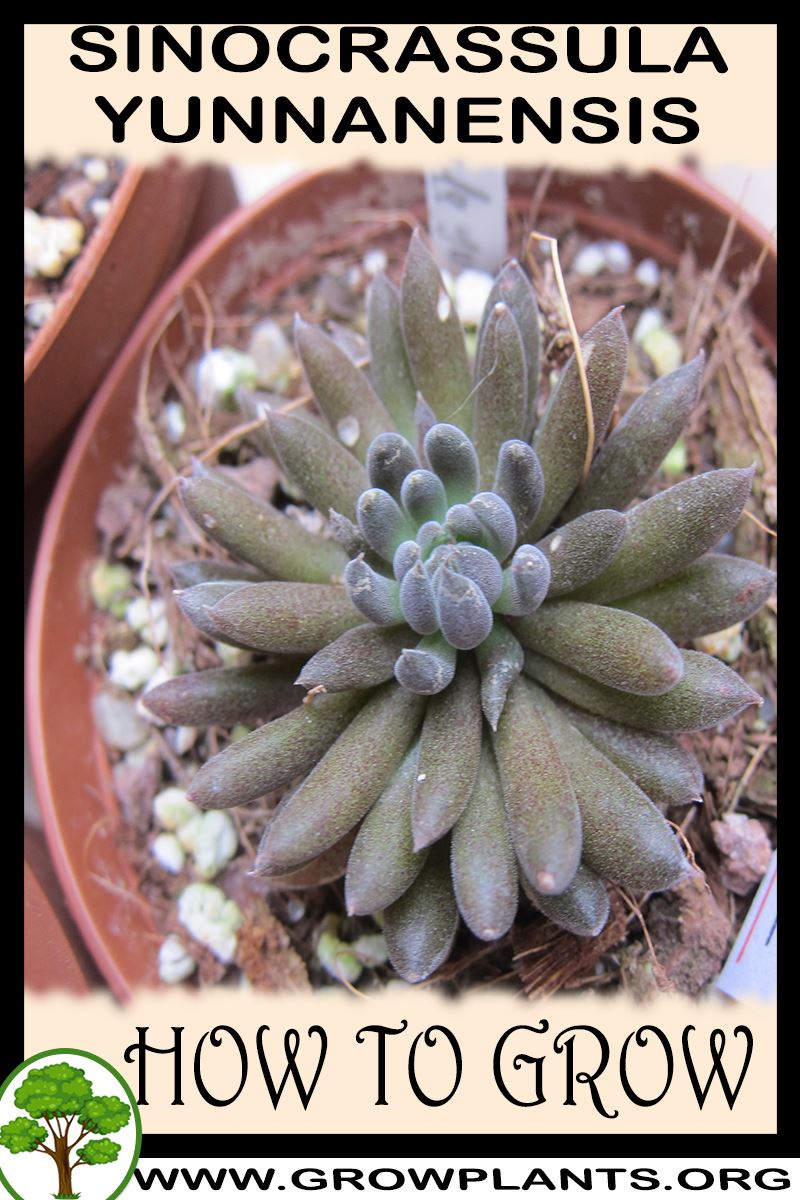
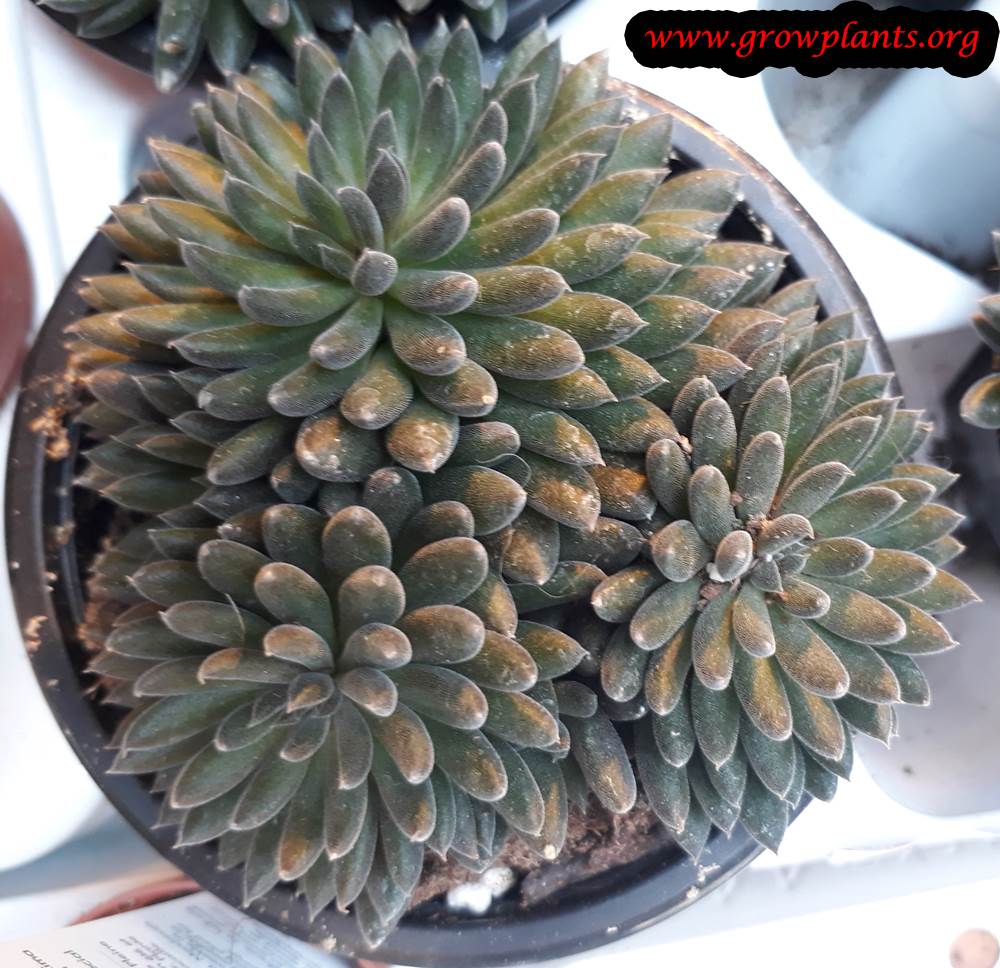
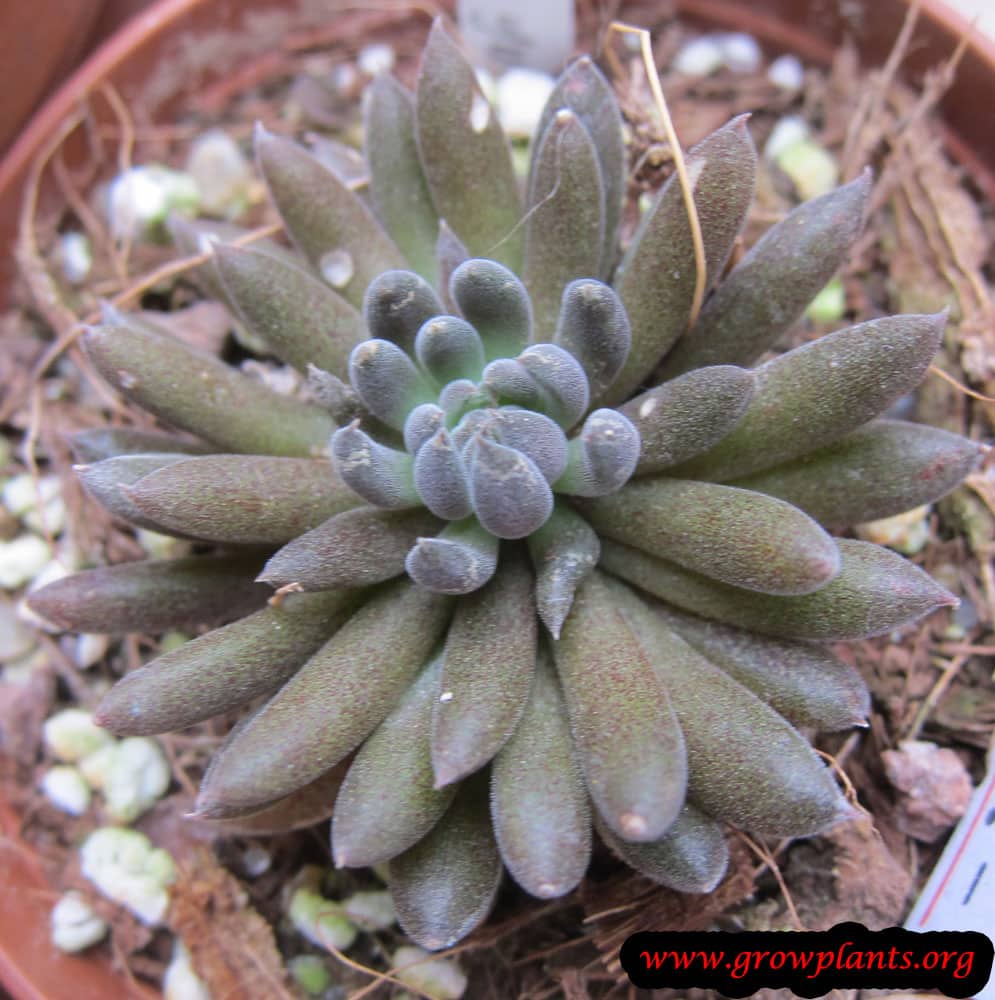
Overview: A small, evergreen succulent forming tight rosettes only 5-15 cm (2-6 in) high, often flushed red, blue or multi-coloured. Grown as a drought-tolerant ornamental for containers, rockeries and as a houseplant.
Quick Specifications
| Specification | Attribute |
|---|---|
| Plant Type / Life Cycle | Evergreen succulent perennial (subshrub) |
| Foliage Type | Evergreen |
| Mature Size | 5-15 cm (2-6 in) |
| Growth Rate | Slow |
| Root System | Shallow and fibrous |
| Hardiness | USDA zones 7-10 |
Growth Form & Structure
- Height & Spread: Compact rosettes only 5-15 cm (2-6 in) high, forming clusters of offsets; ideal for small, shallow, wide pots.
- Growth Habit & Form: Low, clumping rosette succulent that offsets into tight colonies.
- Lifespan & Maturity: Slow-growing and long-lived as a colony; individual rosettes are monocarpic (flowering once, then dying and being replaced by offsets), and it is easily renewed from leaf or stem cuttings.
Anatomy & Physical Features
- Leaves & Foliage: Small, fleshy leaves in green, red, purple, pink, blue or blends, with red or orange bloom stems.
- Flower Characteristics: Small, star-shaped white-to-pink flowers with 6 petals on red stems (with red buds), in clusters.
Primary Uses & Landscape Value
- Functional & Ornamental Roles: An ornamental succulent for containers, rockeries, dish gardens and windowsills; a low-water collector’s plant (sensitive to over-watering).
Care Guide: Planting, Soil & Watering
Overview: Sinocrassula (Chinese crassula) is a small, drought-tolerant succulent that grows best in bright light with well-drained, sandy or gritty soil. It dislikes excess water, so let the soil dry between waterings and provide sharp drainage to prevent rot.
Quick Care Requirements
| Requirement | Ideal Condition |
|---|---|
| Planting Season | Spring to summer in zones 7–10a; spring to autumn in zones 10b–11 |
| Growth Rate | Slow |
| Soil Type | Well-drained sandy soil or a gritty potting/cactus mix |
| Water Need | Low — let the soil dry between waterings; overwatering kills it |
Planting & Establishment
- Best Planting Season: Plant in the warm season: spring to summer in zones 7–10a, and spring to autumn in zones 10b–11.
- How to Plant:
- Hole Preparation: Plant in a well-drained spot; make the hole just big enough for the small root system.
- Soil Amendments: Mix in coarse sand or grit to keep the medium fast-draining; a lean, gritty mix suits it best.
- Planting Depth: Set the plant at its original depth with the stem base at the soil surface, and top-dress with grit to keep the neck dry.
- Growth Speed & Expectations: Slow growth into a small clumping rosette; give it a wide, shallow, sharply drained root run.
Soil, Watering & Drainage Care
- Soil Mix & Drainage Needs: Use a gritty potting, cactus or sandy mix with inert grit (lava rock) at the base; in pots ensure water drains freely, and refresh the mix every few years as drainage declines.
- Watering Schedule & Technique:
- Young / Newly Planted: Water every few days while young plants root, letting the soil approach dryness between waterings.
- Established: Once established, water only when the soil has dried out; this succulent will not tolerate soggy soil.
- Seasonal Adjustments: Water a little more in warm active growth and keep it nearly dry in winter, when cold, wet soil is most dangerous.
Climate, Light & Hardiness
Sinocrassula (Chinese crassula) is a compact rosette succulent suited to mediterranean, subtropical, and desert climates or bright indoor spots, with confirmed outdoor hardiness USDA zone 7–10. It takes full sun to half shade in milder areas, but at the cold end of its range (zone 7–9) it needs noticeably more shade and shelter through winter to avoid dying back.
Quick Climate Specifications
| Climate Zones | Subtropics, Mediterranean, Desert, Temperate, or indoors as houseplant |
|---|---|
| USDA Hardiness Zones | 7–10 (marginal and needs extra winter shelter at the cold end) |
| Optimal Temp Range | Warm, dry mediterranean-to-subtropical conditions |
| Frost Tolerance | Low |
| Light Conditions | Full Sun to Half Shade outdoors; Full Shade recommended for winter protection in zone 7–9 |
Sunlight & Light Exposure
Optimal Light Setup
Bright light, from full sun to half shade, keeps growth compact and colorful.
Shade & Heat Management
In zone 7–9, the source growing notes specifically call for more than full shade over winter - extra cover, not more sun, is what helps this succulent survive the cold season there.
Temperature Extremes & Hardiness
USDA Hardiness & Regional Limits
Hardy zone 7–10, but the site's own data flags zone 7–9 as marginal: without added winter shelter, the plant may die over winter in that range. Zone 10 is more reliably comfortable.
Cold Damage & Winter Protection
As with many succulents, cold combined with wet conditions is far more damaging than dry cold alone; keep the plant drier and more sheltered through winter in its colder zones.
Frost Sensitivity
Low frost tolerance overall - treat zone 7–9 plantings as needing real winter protection rather than open exposure.
Extreme Heat Tolerance
Handles heat and aridity well, in keeping with its drought-tolerant nature and suitability for desert and mediterranean climates.
Wind, Humidity & Microclimate
Dry-Air Tolerance
High - thrives in the dry air typical of mediterranean and desert climates as well as indoor rooms.
Microclimate Recommendations
In zone 7–9, grow in a sheltered, well-shaded spot for winter, or keep in a container that can be moved under cover when temperatures drop.
Growing in Pots, Balconies & Indoors
Sinocrassula is a small rosette succulent, 5-15 cm. The grower confirms it can be grown as a houseplant – provided it gets good ventilation – and it is also happy in containers on a bright sill, balcony or patio.
Quick Details
- Container Size: Only about 20-30% larger than the root ball (the grower’s guidance)
- Indoor Suitability: A houseplant, as long as it has bright light and good air circulation
- Best Spot: Full sun to part shade; the brightest indoor spot
- Soil & Drainage: Free-draining potting soil with an inert layer (lava grit) in the base
- Watering in Pots: Very sparingly – it dislikes much water, and overwatering will kill it
Indoors & On the Windowsill
- A houseplant: The grower confirms ‘Yes’ – it grows indoors as long as you give it plenty of ventilation and the brightest spot you can.
- Windowsill: A sunny sill with direct light keeps the rosettes tight; stagnant, humid air is its enemy, so keep the air moving.
- Overwintering: Keep it dry and cool but frost-free through winter; wet, cold conditions rot it.
On a Balcony or Patio
- Light & air: A bright, airy balcony suits it well – the open air gives the ventilation it needs.
- Rain & drainage: Shelter it from prolonged rain; standing water in the pot is fatal, so ensure fast drainage.
Choosing the Pot, Soil & Long-Term Care
- Pot & drainage: A pot only about 20-30% larger than the root ball, with strong holes; skip a standing water saucer to avoid root rot. Terracotta breathes and dries fast (good for succulents), while glazed or plastic holds moisture longer.
- Potting mix: A free-draining potting soil with an inert base layer of lava grit for drainage (the grower’s method).
- Feeding: Very little needed; a weak feed once or twice in the growing season is enough.
- Refreshing: After a few years the mix stops draining well – replace it with fresh, gritty soil.
Grower’s Container Tip
- The grower’s method: Pot into a container just 20-30% bigger than the root ball, put an inert layer such as lava grit in the base for drainage, and use a free-draining potting soil. When drainage falls off after a few years, swap in fresh mix.
- Ventilation: Indoors, keep the air moving around the plant – good airflow is what lets this succulent thrive as a houseplant.
Fertilizing & Feeding
A light feeder overall; this slow-growing succulent thrives on minimal, well-timed feeding rather than a rich or frequent routine.
Quick Fertilizing Specs
| Feeding Level | Light feeder |
|---|---|
| Main Nutrient Priority | A low-nitrogen, succulent-formulated feed during active growth |
| Best Feeding Period | The warm active growing season |
| Organic Options | A small amount of compost worked into a well-drained, gritty potting mix |
| Micronutrients | Usually adequate from a complete succulent fertilizer; correct specific issues only when diagnosed |
| Soil pH | Tolerates a wide range provided the mix is well drained |
| Reduce/Stop Feeding | Taper off and stop feeding as growth slows in cooler, lower-light conditions |
Feeding by Growth Stage
Warm-season active growth
Support steady, compact growth without pushing soft, rot-prone tissue.
| Nutrient direction | A light, low-nitrogen feed formulated for succulents or cacti. |
|---|---|
| Timing | During the warm growing months when the plant is actively putting out new leaves. |
| Frequency | Feed sparingly – light feeding is usually enough for this slow-growing succulent. |
| Fertilizer types | A dilute, low-nitrogen succulent or cactus fertilizer, A general-purpose fertilizer used at a light rate |
| Precautions | Keep feeding light and soil well drained; overfeeding and overwatering both encourage soft, rot-prone growth in this succulent. |
Cool-season rest
Let the plant rest without encouraging weak, water-soft growth in cooler, lower-light conditions.
| Nutrient direction | None – withhold fertilizer while the plant is resting. |
|---|---|
| Timing | During the cooler months when growth slows or stops, particularly toward the cooler end of its hardiness range. |
| Frequency | No feeding at this stage. |
| Fertilizer types | No feeding at this stage – let the plant rest until active growth resumes |
| Precautions | Do not fertilize during this rest period; combined with reduced light and water, feeding now raises the risk of rot. |
Nutrient Deficiency Signs & Corrections
The base of the stem or leaves darkens, softens, and feels mushy, and the plant may collapse.
| Possible causes | overwatering, poorly drained soil, excess feeding encouraging soft growth |
|---|---|
| Appears first on | the base of the plant and roots |
| What to check | soil moisture and drainage, potting mix composition, recent watering and feeding history |
| Possible correction | Let soil dry out, improve drainage, remove any affected tissue, and hold off feeding until healthy new growth resumes. |
Leaf tips or margins brown and crisp, especially on older leaves, and growth stalls despite otherwise good care.
| Possible causes | accumulated fertilizer salts in the potting mix, infrequent flushing of the container, overly rich feeding for a low-demand succulent |
|---|---|
| Appears first on | leaf tips and margins |
| What to check | feeding frequency and strength, time since the mix was last flushed with water, drainage of the container |
| Possible correction | Flush the potting mix with water to clear excess salts and scale back to a lighter, less frequent feeding routine. |
New leaves emerge pale or yellowish while older leaves remain a normal color.
| Possible causes | high potting mix pH limiting iron availability, waterlogged or compacted potting mix, naturally low iron in the growing medium |
|---|---|
| Appears first on | the newest leaves |
| What to check | potting mix pH and drainage, age of the potting mix, watering habits |
| Possible correction | Correct drainage and mix issues first; if confirmed, apply a chelated iron product per its label. |
Pruning, Training & Seasonal Maintenance
Sinocrassula is a small, slow-growing rosette succulent, so pruning is limited to light grooming rather than shaping: removing old leaves and spent bloom stems, and — because this plant is notably prone to overwatering-related rot — promptly cutting out any infected or rotting leaf tissue before it spreads to healthy growth. It can be groomed nearly year-round, though the plant’s own facts note it is better avoided in winter, when growth slows and cut wounds heal more slowly.
Quick Pruning & Maintenance Specs
| Pruning Tolerance | Low |
| Primary Pruning Window | Spring through autumn (avoid winter) |
| Typical Frequency | As needed, a few times a year |
| Main Objective | Remove old/spent growth and, urgently, any infected or rotting leaf tissue |
| Young Plant Priority | Leave undisturbed to establish; remove only clearly dead leaves |
| Mature Plant Priority | Groom spent bloom stems and old leaves; inspect regularly for rot |
| Best Tool Type | Precision snips |
| Avoid Heavy Pruning During | Winter, and any period of overly wet soil |
Pruning by Plant Age & Size
Newly Established
Do not prune a newly planted specimen beyond removing any clearly dead or damaged leaves; it needs its full rosette to root in.
Young / Formative
No structural training applies to this small rosette succulent; its form is self-contained and needs no shaping.
Mature / Established
On established plants, the main task is routine inspection: remove old lower leaves as they naturally decline, cut off spent flower stems after bloom, and check regularly for any sign of leaf rot given the species’ sensitivity to overwatering.
Special Growth to Remove
- Old, dried, or naturally declining lower leaves
- Spent flower stems once summer bloom has finished
- Infected or rotting leaf tissue — cut this out promptly rather than leaving it, since the plant’s own care notes flag that unaddressed infected material can spread to the rest of the plant
Container & Small-Space Pruning
Since this species is normally grown in pots, keep especially close watch after any watering for early signs of rot at the base of leaves or stems, and remove affected tissue immediately — container growing concentrates moisture around the crown more than open ground would, raising the stakes of this plant’s known overwatering sensitivity.
Tools
- Precision snips — for removing old leaves, spent bloom stems, and any infected tissue
Tool Hygiene & Disease Risk
Increased risk: this plant’s own care notes specifically call out cutting out infected leaves to prevent them spreading disease to the rest of the plant. Disinfect snips after cutting any infected or rotting tissue, and before moving on to healthy growth or another plant, rather than relying on routine cleaning alone.
Cut Placement & Technique
Remove a leaf cleanly at its base rather than tearing it free, and when removing infected tissue, cut back into fully healthy material to make sure no affected tissue is left behind.
Heavy Pruning & Rejuvenation
This species does not tolerate or need hard rejuvenation pruning — it is a small, slow-growing rosette succulent, and heavy cutting would remove more of the plant than it can quickly replace. If a specimen becomes leggy or sparse, propagate fresh plants from healthy leaf or stem cuttings instead.
Post-Pruning Care
Let any cut made after removing infected tissue dry fully before the next watering, and hold back on water generally afterward — this species is specifically noted as sensitive to overwatering, and any wound is an added entry point for rot while the soil stays wet. No feeding is needed.
Common Pruning Mistakes
- Leaving infected or rotting leaf tissue in place instead of cutting it out promptly, letting it spread
- Watering heavily right after removing infected material, undermining the point of the cut
- Pruning in winter, when the plant’s own facts note it is better avoided and wounds heal more slowly
When NOT to Prune
- In winter, per this species’ own care notes
- Immediately before or during a period of wet, humid conditions, when rot is already a heightened risk
Recommended Tools (by task)
- precision_snips — the only cuts needed are on soft leaves and thin bloom stems
- blade_disinfectant — specifically for cleaning the blade after cutting out any infected or rotting tissue, before it touches healthy growth
Propagation Guide
Sinocrassula is most easily and reliably propagated from leaf or stem cuttings, which typically root within a few weeks to about a month in well-drained soil; growing from seed is possible but slower and, by the site’s own account, considerably harder. Vegetative propagation is not strictly required, but it is the faster and more practical route for most growers, and it keeps specific leaf coloring (green, red, purple, pink, blue or bicolor forms) true, since seed-grown plants can vary – overall this is an easy plant to propagate.
Quick Propagation Specs
| Best Propagation Method | Leaf or stem cuttings |
| Alternative Methods | Seed |
| Propagation Difficulty | Easy |
| Seed True-to-Type | Usually true-to-type, though leaf-color forms are best kept true by cuttings |
| Vegetative True-to-Type | Yes |
| Best Propagation Season | Late spring to early summer outdoors; indoors, timing can flex with household temperature |
| Cutting Rooting Time | A few weeks to about a month |
Growing from Seed
Sowing Season
Sow in spring; in colder areas, wait until late spring, after the last frost.
Sowing Depth & Orientation
Sow onto the soil surface – light exposure helps germination, so avoid burying seed deeply.
Germination Conditions
Keep the soil slightly moist (not wet), in a well-ventilated spot with good drainage, in bright but not necessarily direct light.
Germination Time
Germination from seed is comparatively slow and, per the site, considerably harder and more time-consuming than starting from cuttings.
Stem Cuttings
Cutting Type
Stem-tip cuttings.
Best Timing
Best started in late spring to early summer; can also be done indoors at other times depending on indoor temperature.
Cutting Preparation
Remove the cutting at its base by hand where possible rather than with a blade. If it isn’t cleanly detached at the base, or a sharp tool is used, let the cut end callus for a few days until the tissue heals before planting.
Rooting Setup
Insert into well-drained, well-ventilated soil. Water every few days, letting the mix dry somewhat between waterings without letting it go fully dry; overwatering is this succulent’s main risk.
Rooting Hormone
Not necessary – cuttings root on their own under the conditions above.
Rooting Time
Roots typically begin forming within a few weeks to about a month.
Leaf & Root Cuttings
Leaf cuttings are handled the same way as stem cuttings: remove the leaf at its base, preferably by hand rather than cutting it, and let the wound callus for a few days if it wasn’t cleanly detached at the base or was cut with a tool. Set the leaf onto well-drained soil and water every few days, letting the surface dry between waterings without letting it go bone dry. New roots typically appear within a few weeks to a month. Because leaf color – including red, purple, pink and blue forms – is a selected trait, propagating by leaf or stem cutting is the reliable way to keep a particular color form true, since seed-grown offspring may vary.
Bloom & Flower Guide
Quick Details
- Bloom Season: Summer
- Flower Appearance: Small white-to-pink star flowers with six petals, on red stems, with red buds, in clusters
- Edibility: Ornamental succulent, not for eating
Detailed Blooming Overview
Chinese crassula flowers in summer, sending up red-tinted stems topped with clusters of small, star-shaped blooms. The red buds and stems are part of the charm – the whole flowering spray is warmly coloured before the pale petals open.
Flower Characteristics
- Small, star-shaped flowers with six petals, white to pink.
- Carried on red stems with matching red buds, in clusters.
- A neat, colourful bloom set against the fleshy rosettes.
Bloom Care & Thinning
- After flowering: A rosette may weaken or die back once it has bloomed – this is normal for many of these succulents. Offsets around it carry the plant on, so simply remove the spent rosette.
- Pollination: The open flowers are visited by small bees and other insects.
Pests, Diseases & Troubleshooting
Overview: Sinocrassula is a small, tight-rosetted Crassulaceae succulent that is easy and largely pest-free; like other crassulas its real enemies are mealybugs (including root mealybug), vine weevil in pots, and above all rot from overwatering. Lean, gritty, bright conditions prevent nearly every problem.
Quick Troubleshooting Overview
| Issue / Pest | Main Symptom | Primary Solution |
|---|---|---|
| Mealybugs | White cottony tufts in the rosette/on roots | Alcohol swab; insecticidal soap; wash roots |
| Vine weevil | Rosettes collapse; roots eaten, C-shaped grubs | Nematode drench; check roots at potting |
| Aphids | Clusters on flower stalks & new growth | Rinse off; insecticidal soap |
| Slugs & snails | Grazed, holed rosettes; slime trails | Hand-pick; grit/iron-phosphate bait |
| Root & stem rot | Soft, translucent, collapsing rosettes | Sharp drainage; dry gritty mix; ease water |
| Etiolation | Rosettes stretch, open, lose colour | Give bright light / gentle direct sun |
Common Pests & Management
- Mealybugs & root mealybugs (Pseudococcus / Rhizoecus spp.):
- Symptoms: White, cottony tufts hidden in the tight rosette centre, or white waxy deposits on the roots and inner pot (root mealybug) that quietly sap vigour; honeydew and sooty mould appear in bad cases.
- Prevention & Control: Swab visible colonies with alcohol on a cotton bud and follow with insecticidal soap or neem. For root mealybug, bare-root, wash the plant, discard old mix, and repot into fresh gritty medium, using a soil drench for stubborn cases. Quarantine new plants and check roots at potting.
- Vine weevil (Otiorhynchus sulcatus):
- Symptoms: Fat, legless, C-shaped white grubs eat the roots of container plants, so rosettes suddenly wilt, discolour and lift away; adults notch leaf margins at night but do far less harm than the larvae.
- Prevention & Control: Inspect and clean the roots at repotting, squashing any grubs, and drench pots with entomopathogenic nematodes in warm soil. Fresh gritty mix and vigilance at potting time keep numbers low.
- Aphids (Aphis / Myzus spp.):
- Symptoms: Green or black clusters on tender new growth and especially the emerging flower stalks, sucking sap and leaving sticky honeydew that attracts ants and sooty mould.
- Prevention & Control: Rinse or wipe off small colonies; insecticidal soap or a light oil clears heavier numbers, sprayed in the evening to protect pollinators at the flowers. Predators usually keep outdoor plants clean.
- Slugs & snails (Gastropoda):
- Symptoms: Grazed patches, holes and slime trails on the fleshy rosettes, worst in damp, mild, shaded conditions and overnight, especially on young plants at soil level.
- Prevention & Control: Hand-pick after dark, keep the surroundings drier and free of hiding places, and use grit, copper barriers or iron-phosphate pellets (wildlife-safer) where mollusc pressure is high.
Diseases & Fungal Issues
- Root, stem & basal rot (Pythium / Phytophthora / Fusarium spp.):
- Symptoms: Rosettes turn soft, translucent, brown or black and collapse from the base; the near-universal result of overwatering, poor drainage, or cold, wet conditions. These small succulents are very unforgiving of wet feet.
- Treatment & Management: Prevention is a very gritty, free-draining mix, sparing watering (let it dry thoroughly between drinks, much less in winter), and good airflow. Behead and re-root healthy tissue if the base rots, letting cuttings callus first, and discard badly rotted plants with their soil.
- Grey mould / fungal spotting (Botrytis cinerea and others):
- Symptoms: Fuzzy grey mould or brown spotting on congested growth in cool, damp, still air, particularly on dead leaves left in the rosette.
- Treatment & Management: Improve airflow and light, remove dead leaves and debris from the rosette, and avoid wetting the foliage in humid spells. Sanitation usually resolves it; a copper or biological fungicide can be used if it spreads.
Growing Difficulties & Abiotic Problems
- Overwatering & rot:
- Cause & Symptoms: Yellowing, softening and translucent, collapsing rosettes signal too much water or a moisture-retentive mix — the commonest killer.
- Correction Strategy: Use a sharply draining cactus/succulent mix, water thoroughly then let it dry well, and cut watering right back in cool, low-light periods. Ensure the pot drains freely and never let it stand in water.
- Etiolation (low light):
- Cause & Symptoms: Rosettes stretch, open up, pale and soften when light is insufficient, becoming lax and rot-prone.
- Correction Strategy: Grow in bright light to gentle direct sun, acclimatising gradually to avoid scorch; indoors use the brightest window or a grow light. Behead and re-root stretched rosettes to restore form.
- Monocarpic flowering:
- Cause & Symptoms: Individual rosettes are often monocarpic, dying after they flower; this natural die-off is mistaken for disease.
- Correction Strategy: Nothing is wrong: allow offsets to carry the plant on, remove the spent rosette after flowering, and propagate replacements from the surrounding pups and leaves.
What Helps – Products & Tools
Little is needed: insecticidal soap and neem or light horticultural oil for mealybugs and aphids, alcohol swabs for spot-treating mealybugs, beneficial nematodes for vine-weevil grubs in pots, and iron-phosphate pellets or grit for molluscs. Disease is almost entirely prevented culturally, with a copper or biological fungicide only for occasional grey mould. A gritty, free-draining mix and honest light are the essential ‘products’ for this little crassula.