



Plant Profile & Key Characteristics
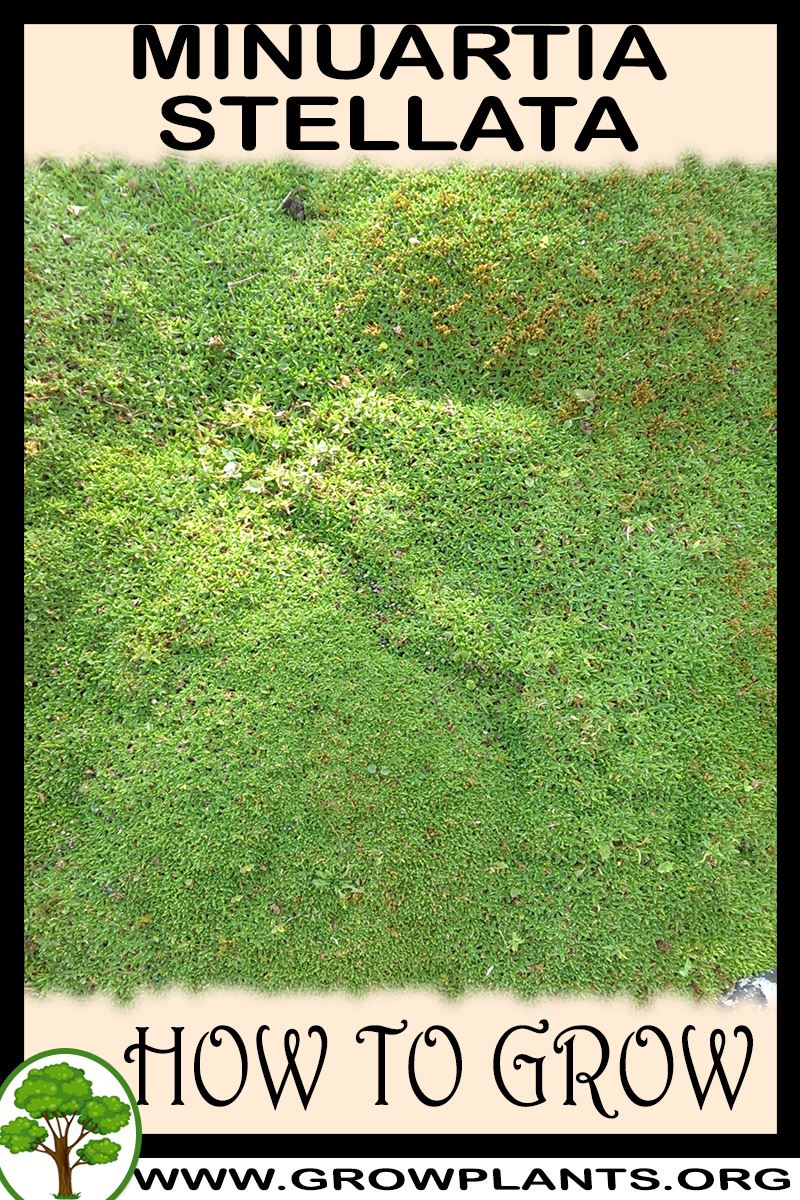
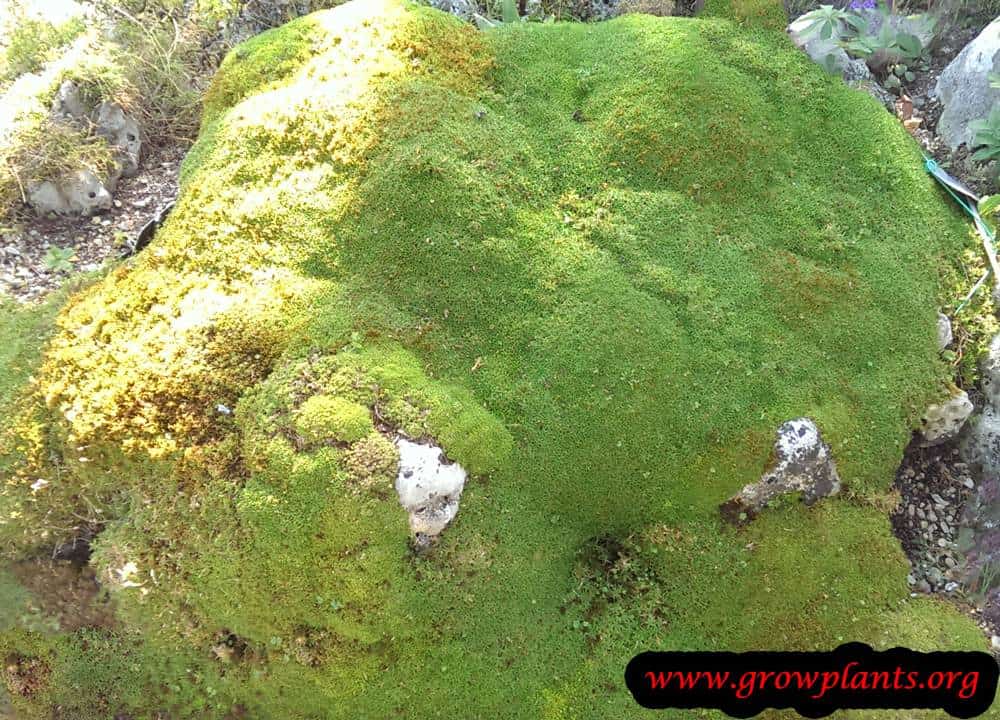
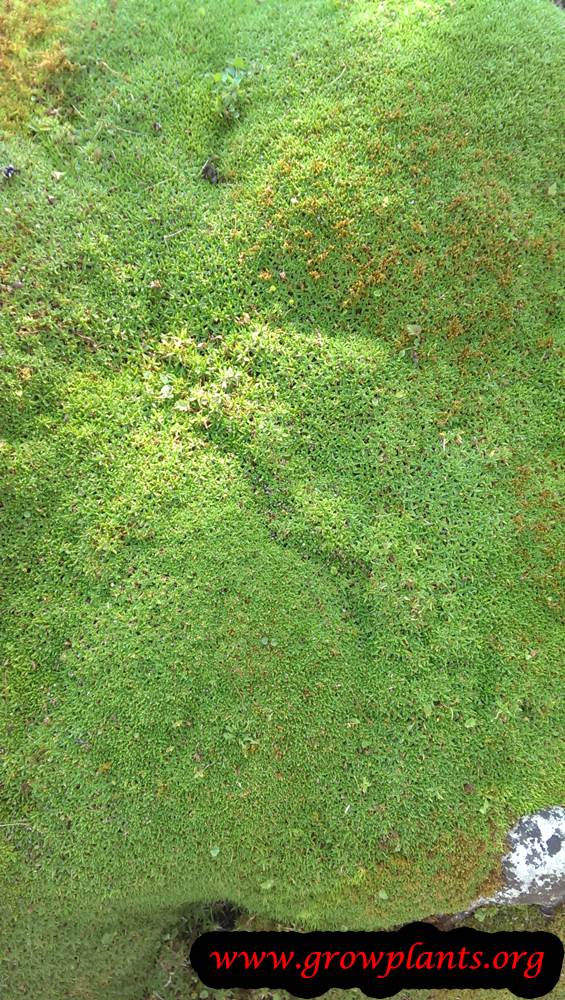
Overview: A very low evergreen mat-forming subshrub only 1-5 cm high that spreads widely as a groundcover, often growing over rocks. It is grown ornamentally for its cushion of rosette foliage and small white star-shaped flowers.
Quick Specifications
| Specification | Attribute |
|---|---|
| Plant Type / Life Cycle | Perennial (evergreen) |
| Foliage Type | Evergreen |
| Mature Size | 1-5 cm (0.2-2 in) high, spreading mat |
| Growth Rate | Slow |
| Root System | Shallow, mat-forming |
| Hardiness | USDA zones 4-9 |
Growth Form & Structure
- Height & Spread: 1-5 cm (0.2-2 in) high, spreading as wide as allowed; ideal for rock gardens, troughs and containers.
- Growth Habit & Form: Cushion / mat-forming creeping subshrub with tight rosette foliage, well suited to growing over rocks.
- Lifespan & Maturity: Slow-growing, long-lived evergreen perennial.
Anatomy & Physical Features
- Leaves & Foliage: Small green triangular leaves arranged in tight rosettes.
- Flower Characteristics: Small white star-shaped flowers in summer.
Primary Uses & Landscape Value
- Functional & Ornamental Roles: Ornamental groundcover for rock gardens, crevices and gaps between paving.
Care Guide: Planting, Soil & Watering
Overview: Sandwort is a low, cushion-forming evergreen groundcover for rock gardens, thriving in full sun to part shade. It needs gritty, sharply drained soil but, unusually for an alpine, appreciates steady moisture, knitting slowly into a dense mat.
Quick Care Requirements
| Requirement | Ideal Condition |
|---|---|
| Planting Season | In spring through autumn |
| Growth Rate | Slow |
| Soil Type | Gritty, rich, well-draining (rock-garden soil) |
| Water Need | Moderate to high; water regularly but ensure sharp drainage |
Planting & Establishment
- Best Planting Season: Plant from spring through autumn.
- How to Plant:
- Hole Preparation: Tuck it into a gap between rocks or into gritty soil, in a hole slightly wider than the root ball.
- Soil Amendments: Blend grit with rich soil so it drains sharply while still holding some fertility.
- Planting Depth: Set the rosette or crown at soil level, taking care not to bury it.
- Growth Speed & Expectations: Slow, spreading into a low mat only 1-5 cm tall but as wide as the space allows.
Soil, Watering & Drainage Care
- Soil Mix & Drainage Needs: Sharp drainage is essential (grit or a rocky site); despite that it likes regular water, so avoid soils that either bake dry or stay waterlogged.
- Watering Schedule & Technique:
- Young / Newly Planted: Keep evenly moist to help it establish.
- Established: Water regularly while making sure the excess drains away freely.
- Seasonal Adjustments: More in summer, less in winter.
Climate, Light & Hardiness
This creeping, rock-garden subshrub suits subtropical, Mediterranean, and temperate climates, thriving in full sun to half shade. It is hardy through USDA zones 4–9.
Quick Climate Specifications
| Climate Zones | Subtropical, Mediterranean, Temperate |
|---|---|
| USDA Hardiness Zones | 4–9 |
| Frost Tolerance | High |
| Light Conditions | Full Sun / Half Shade |
Sunlight & Light Exposure
Optimal Light Setup
Full sun to half shade both suit this low, rock-hugging perennial; a sunnier spot generally produces denser, more compact growth typical of alpine and rock-garden plants.
Temperature Extremes & Hardiness
USDA Hardiness & Regional Limits
Hardy through USDA zones 4–9, tolerating cold-winter temperate climates as well as milder subtropical and Mediterranean conditions.
Frost Sensitivity
As an evergreen perennial across this zone range, its low, ground-hugging habit offers some natural winter protection from wind chill compared to taller plants.
Wind, Humidity & Microclimate
Wind Tolerance
Its low, mat-forming, rock-dwelling habit suits open, wind-exposed rockery sites well.
Rainfall & Seasonal Moisture
Growing naturally on rocks with well-drained soil, it favors free-draining sites over consistently damp conditions.
Growing in Pots, Balconies & Indoors
This is a tiny, mat-forming alpine just a few centimetres high that spreads widely. It is not a houseplant – it belongs outdoors in a gritty trough or alpine pan where it gets bright light, cool air and sharp drainage.
Quick Details
- Container Size: A shallow alpine pan or trough – it is low and spreading, not deep-rooted
- Indoor Suitability: Not a houseplant – an outdoor alpine that needs cool air and a natural winter
- Best Spot: Full sun to part shade, in the open air
- Soil & Drainage: Very sharply drained, gritty mix – potting mix cut heavily with grit or perlite
- Watering in Pots: Average to generous in growth, but the crown must never sit wet
Indoors & On the Windowsill
- Houseplant limits: Alpines like this fail in warm, still indoor air; the grower rates it as an outdoor plant only.
- Cold is welcome: It needs a genuine cool season outdoors and should not be sheltered in a heated room.
On a Balcony or Patio
- Light & wind: Ideal for a bright, breezy balcony in a shallow trough; open air suits it. Small pans dry very fast, so watch moisture in hot spells.
- Drainage first: Raise the pot on feet so water runs straight through.
Choosing the Pot, Soil & Long-Term Care
- Pot & drainage: A shallow pan with strong drainage holes; a layer of grit at the surface keeps the cushion dry and rot-free.
- Gritty mix: Free-draining above all – a potting mix cut with plenty of grit or perlite.
- Feeding: Very light feeding only; alpines resent rich conditions and grow soft and floppy if overfed.
- Refresh: Top-dress with fresh grit and repot every couple of years.
Fertilizing & Feeding
A light feeder by nature: this rock-garden plant is adapted to lean, well-drained conditions, so minimal, occasional balanced feeding suits it far better than a rich feeding routine.
Quick Fertilizing Specs
| Feeding Level | Light feeder |
|---|---|
| Main Nutrient Priority | Minimal, balanced feeding; lean soil actually suits this plant best |
| Best Feeding Period | At planting and, occasionally, during the active growing season |
| Organic Options | A light amount of organic matter worked into an otherwise lean, well-drained site |
| Micronutrients | Rarely needed; correct iron only if new growth looks pale |
| Soil pH | Tolerates a wide range in well-drained, rocky or gritty soil |
| Reduce/Stop Feeding | Hold back on feeding overall – this rock-garden plant performs best with minimal fertility |
Feeding by Growth Stage
Establishment after planting
Help new plantings root into their rocky or well-drained planting site.
| Nutrient direction | A light, balanced feeding at planting to support root establishment without forcing soft growth. |
|---|---|
| Timing | At planting, through the first period of root establishment. |
| Frequency | A light feeding at planting is usually enough to start new plants off well. |
| Fertilizer types | A balanced complete garden fertilizer, applied sparingly, Organic matter worked lightly into the planting site |
| Precautions | Avoid rich soil or heavy feeding; this rock-garden plant is adapted to lean conditions and struggles with overly fertile, wet ground. |
Ongoing light maintenance feeding
Support steady, compact growth typical of a slow-growing rock-garden plant.
| Nutrient direction | This plant rarely needs more than a light, balanced feeding; lean conditions actually suit it best. |
|---|---|
| Timing | During the active growing season, if growth appears thin or stalled. |
| Frequency | An occasional light feeding is enough; more frequent feeding is rarely necessary. |
| Fertilizer types | A balanced complete garden fertilizer, used sparingly and only if growth looks poor |
| Precautions | Rich or frequent feeding tends to produce loose, leggy growth and can reduce flowering in this naturally lean-soil plant. |
Nutrient Deficiency Signs & Corrections
Patches of the mat blacken, soften, or die back, especially where soil stays damp.
| Possible causes | poorly drained or waterlogged planting site, overwatering, overly rich soil that holds excess moisture |
|---|---|
| Appears first on | the crown and lower stems in the wettest spot of the planting |
| What to check | soil drainage around the roots, recent watering and rainfall, whether soil is too rich or heavy for a rock-garden plant |
| Possible correction | Improve drainage with grit or rock, let soil dry between watering, and avoid feeding rich or heavy soil further. |
Growth turns loose and leggy instead of forming its usual tight rosette mat, with fewer flowers than expected.
| Possible causes | overly rich soil or excess feeding, too much shade reducing flowering, competition from more vigorous neighboring plants |
|---|---|
| Appears first on | the outer, newest growth of the mat |
| What to check | how much feeding the site has received, soil richness, light exposure |
| Possible correction | Cut back on feeding and let the site lean out; this plant flowers best in lean, well-drained conditions. |
New growth looks pale or yellowish rather than its usual green.
| Possible causes | alkaline soil tying up iron, poorly drained soil, root stress from compaction or excess moisture |
|---|---|
| Appears first on | newest leaves |
| What to check | soil pH if testing is available, drainage around the roots, overall root health |
| Possible correction | Improve drainage and soil texture; apply a chelated iron product per its label only if chlorosis persists. |
Pruning, Training & Seasonal Maintenance
Minuartia stellata is a tiny, mat-forming rock-garden cushion, so it tolerates only spot-grooming, never structural pruning. The objective is simply to remove dead or rotted patches from the mat so the cushion stays healthy and even; because the plant is evergreen with no strong dormant flush, this can be done whenever dead tissue is noticed rather than on a fixed seasonal schedule, matching how minimal this species’ maintenance really is.
Quick Pruning & Maintenance Specs
| Pruning Tolerance | Low – spot-grooming only |
| Primary Pruning Window | Year-round, as dead patches are noticed (no defined dormant cutback) |
| Secondary Maintenance Window | None distinct |
| Typical Frequency | Occasional spot-check, not a scheduled job |
| Main Objective | Remove dead or rotted patches, keep the cushion mat healthy and even |
| Young Plant Priority | Leave undisturbed while the mat is establishing |
| Mature Plant Priority | Lift out dead centre die-back and trim stray stems that have crept over neighbouring rocks or plants |
| Best Tool Type | Precision snips |
| Avoid Heavy Pruning During | Full spring/summer bloom display, since flowers form across the whole mat |
Pruning by Plant Age & Size
Newly Established
Do not disturb a newly planted cushion; leave it to knit into its rock crevice or bed undisturbed.
Young / Formative
No structural training applies to a creeping mat this small; there is no formative shaping step.
Mature / Established
Mat-forming alpines like this can die out in the centre with age. Periodically lift out dead centre patches and trim any trailing stems that have rooted where they are not wanted, to keep the cushion tidy and contained to its intended space.
Seasonal Pruning Schedule
| Stage | Objective | Remove | Do Not Remove | Response / Impact |
| Ongoing Sanitary (year-round, as needed) | Keep the mat healthy and even | Dead, browned or rotted sections of the cushion | Live green tissue and anything currently in bloom | Minor, localized; does not disrupt overall flowering across the mat |
Special Growth to Remove
- Dead or rotted patches from the mat’s centre – a common failure mode in cushion/mat alpines where the middle of an older clump declines while the edges stay vigorous.
- Trailing stems that have rooted outside the intended area, if containment is needed.
Container & Small-Space Pruning
Well suited to troughs and rock-garden containers. The same spot-grooming applies, but watch moisture more closely than in an open rock crevice: containers hold water longer, and excess moisture around the mat’s centre raises the risk of the rot this species is prone to when crowded or wet.
Tools
- Precision snips only – the entire plant is a few centimetres tall, so nothing larger is ever needed.
Tool Hygiene & Disease Risk
Routine – clean tools are sufficient. No specific transmissible disease is documented for this species.
Cut Placement & Technique
Snip individual dead stems back to healthy green tissue or right at the mat surface, working carefully within the cushion to avoid disturbing the shallow crown and roots beneath it.
Heavy Pruning & Rejuvenation
Not tolerated and not applicable. This is a low cushion plant with no woody renewal wood to cut back to; if a section dies out, propagate replacement pieces from healthy cuttings of the remaining mat rather than trying to force regrowth from a bare patch.
Post-Pruning Care
No special aftercare beyond normal watering; avoid letting freshly groomed areas of the mat sit wet, given this is a well-drained, rock-crevice specialist.
Common Pruning Mistakes
- Overwatering combined with grooming that traps moisture in the cushion, encouraging rot.
- Disturbing the shallow mat while it is still establishing.
- Letting dead centre thatch build up and smother new growth instead of clearing it out promptly.
When NOT to Prune
Avoid heavy disturbance while the mat is in full bloom, since flowers form across the whole cushion surface, and avoid working the mat when it is wet, given the fungal/rot risk in dense, damp cushions.
Recommended Tools (by task)
- precision_snips – the only tool this species needs; fine, sharp small blades for pinpoint removal of dead cushion tissue without disturbing the shallow crown.
Propagation Guide
Minuartia stellata is most easily increased by dividing rooted sections of its mat-forming growth or by taking short cuttings, since its creeping, cushion-forming habit means many stems already touch the soil and root on their own; seed is also a viable, if slower, alternative. Propagation is generally easy for home gardeners.
Quick Propagation Specs
| Best Propagation Method | Division of rooted mat sections |
| Alternative Methods | Stem cuttings; seed |
| Propagation Difficulty | Easy |
| Seed True-to-Type | Usually true-to-type |
| Vegetative True-to-Type | Yes |
| Best Propagation Season | Spring through autumn, within the plant’s normal planting window |
Division, Offsets, Pups & Suckers
Because this creeping subshrub spreads by rooting where its stems contact soil or rock crevices, self-rooted sections can be gently lifted and separated from the mother plant with their own roots intact, then replanted directly.
Stem Cuttings
Cutting Type
Short non-flowering tip cuttings from the low, mat-forming stems.
Best Timing
Spring to early summer.
Rooting Setup
A gritty, well-drained cutting mix suits this rock-garden plant, kept lightly moist rather than wet.
Rooting Hormone
Optional; not typically required for this easy-rooting type of plant.
Growing from Seed
Seed can be sown in a well-drained, gritty mix. As with many small rock-garden perennials from this hardiness range, germination may be slower or more uneven than vegetative methods; specific dormancy requirements for this particular species are not well documented, so treat any pre-treatment as optional rather than required.
Bloom & Flower Guide
Quick Details
- Bloom Season: Summer
- Flower Appearance: Small white, star-shaped five-petalled flowers over a low green cushion
- Edibility: Grown as an ornamental rock and groundcover plant, not as an edible flower
Detailed Blooming Overview
This sandwort forms a tight, creeping cushion of small green leaves that studs itself with dainty white star-shaped flowers in summer. It is a natural for rock gardens, crevices and the tops of walls, where the low mat of foliage disappears under the bloom at its peak. It thrives in sun and gritty, free-draining soil.
Flower Characteristics
- Small, five-petalled white flowers in a clean star shape.
- Held just above a dense, low cushion of foliage.
- Carried in enough numbers to nearly cover the mat at peak.
Bloom Care & Thinning
- Pollination: Worked by small insects.
- Managing the bloom: A light trim after flowering keeps the cushion neat and compact.
Pests, Diseases & Troubleshooting
Overview: Sandworts are tough alpine cushion plants with few insect enemies; their real risk is rot in wet, poorly drained or humid conditions rather than pests. Give them gritty, sharp-draining soil, sun and air movement, and they stay almost problem-free, needing at most occasional slug or aphid attention on soft new growth.
Quick Troubleshooting Overview
| Issue / Pest | Main Symptom | Primary Solution |
|---|---|---|
| Crown and root rot | Cushion browns off from the center, soft blackened base | Improve drainage, add grit, reduce watering |
| Slugs and snails | Grazed patches on soft new growth, slime trails | Grit barriers, traps, iron-phosphate bait |
| Aphids | Distorted shoot tips, sticky honeydew | Rinse off, insecticidal soap |
| Rust / leaf spot | Small pustules or spots in damp, still air | Improve airflow, remove affected growth |
| Winter wet dieback | Brown, collapsed patches after wet, cold spells | Sharp drainage, gravel mulch, avoid overhead wet |
Common Pests & Management
- Aphids (Aphis spp.):
- Symptoms: Small green or black soft insects on the tenderest new shoots, with light distortion and sticky honeydew; usually minor on these plants.
- Prevention & Control: Rinse off with water, encourage natural predators, and only spot-treat with insecticidal soap if a colony builds up. Avoid rich feeding that softens growth.
- Slugs and snails (Deroceras / Cornu spp.):
- Symptoms: Grazed, thinned patches in the cushion and nibbled seedlings, with silvery slime trails, worst in damp weather.
- Prevention & Control: Surround plants with sharp grit or gravel, hand-pick after dark, set traps, and use iron-phosphate bait if pressure is high; a gritty mulch doubles as slug deterrent and drainage.
- Root aphids / soil mealybugs (Rhizoecus spp.):
- Symptoms: Unexplained decline and pale, waxy insects on roots when knocked out of the pot, mainly in container-grown cushions.
- Prevention & Control: Check roots when repotting, drench with insecticidal soap or a light oil, and refresh with fresh gritty mix; keep pots off infested benches.
Diseases & Fungal Issues
- Crown and root rot (Phytophthora / Rhizoctonia spp.):
- Symptoms: The cushion dies out from the middle or in patches, the base turns soft and brown-black, and roots are dark and mushy; almost always tied to wet, heavy or airless soil.
- Treatment & Management: Prevention is everything: plant in very free-draining, gritty soil, keep the collar dry with a gravel collar, water sparingly, and give full sun and airflow. Remove rotted sections; there is no reliable cure once advanced.
- Rust (Puccinia arenariae):
- Symptoms: Small orange-brown pustules on stems and leaves in humid, crowded conditions.
- Treatment & Management: Remove and bin affected growth, improve air movement, and avoid overhead watering; a sulfur fungicide can check spread in valued plants.
- Leaf and stem spot / gray mold (Botrytis cinerea):
- Symptoms: Browning, collapsing patches with grey fuzz in cool, wet, still air, especially over winter.
- Treatment & Management: Improve ventilation and drainage, clear dead material, and avoid wetting foliage late in the day; use gravel mulch to keep the surface dry.
Growing Difficulties & Abiotic Problems
- Winter wet dieback:
- Cause & Symptoms: Cold, waterlogged soil or a wet crown over winter rots patches of the mat.
- Correction Strategy: Plant on a slope, raised bed or scree with sharp drainage, mulch with grit, and protect from overhead wet in cold, damp climates.
- Center die-out with age:
- Cause & Symptoms: Older cushions naturally thin and open in the middle.
- Correction Strategy: Refresh by dividing or replanting rooted edge pieces, or top-dress with gritty mix to encourage rerooting.
- Scorch or drought thinning:
- Cause & Symptoms: In hot lowland conditions the mat can brown and thin.
- Correction Strategy: Give some afternoon shade in hot climates and occasional deep watering during drought, while keeping drainage sharp.
What Helps — Products & Tools
These alpines rarely need spraying: focus on gritty drainage and airflow. Keep slug traps or iron-phosphate bait on hand, insecticidal soap for the odd aphid or root pest, and a sulfur fungicide only if rust or mold appears. A gravel or grit mulch is the single most useful tool, improving drainage and deterring slugs.