



Plant Profile & Key Characteristics
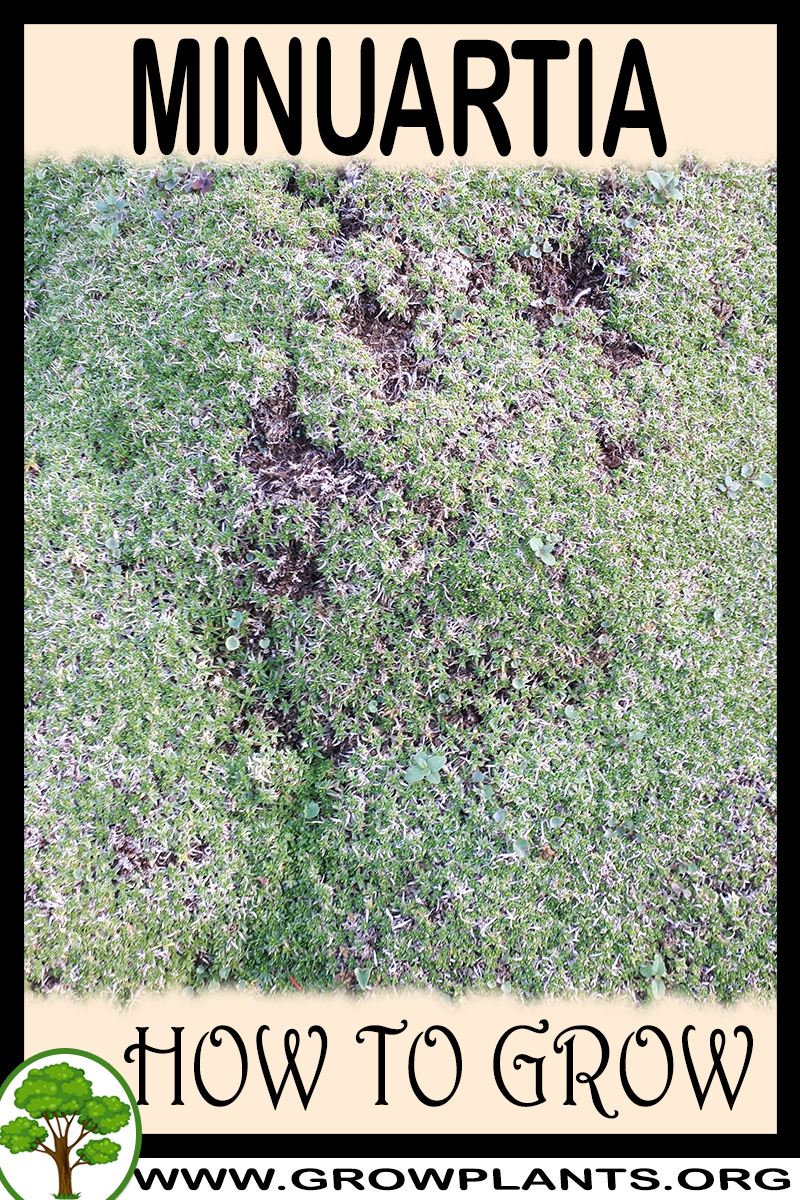
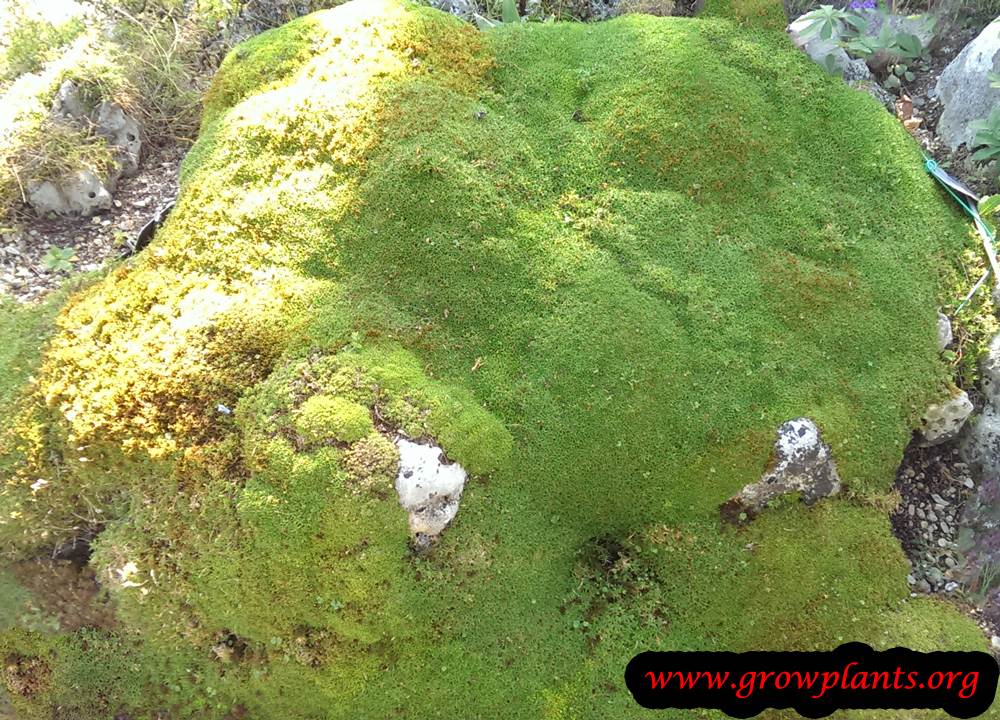
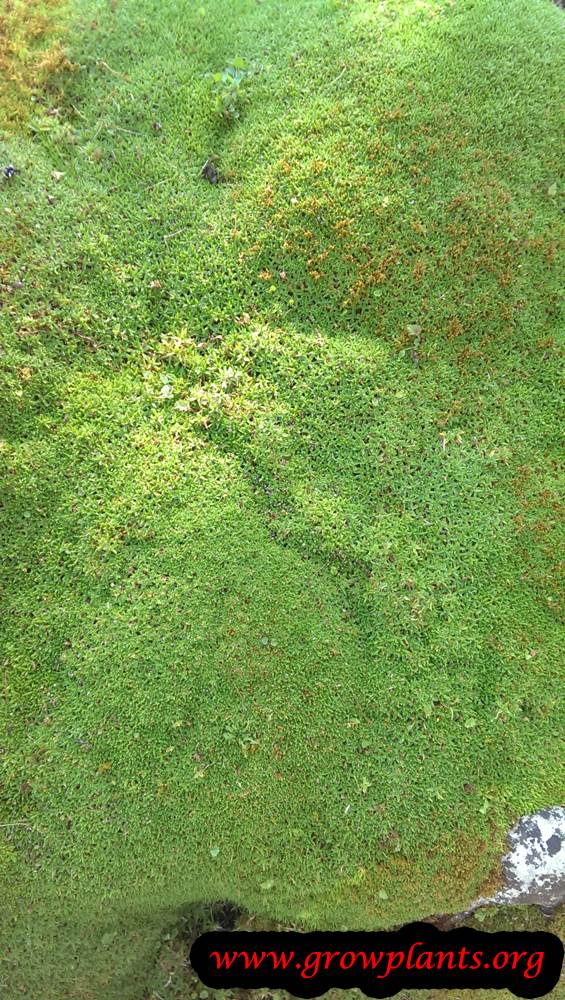
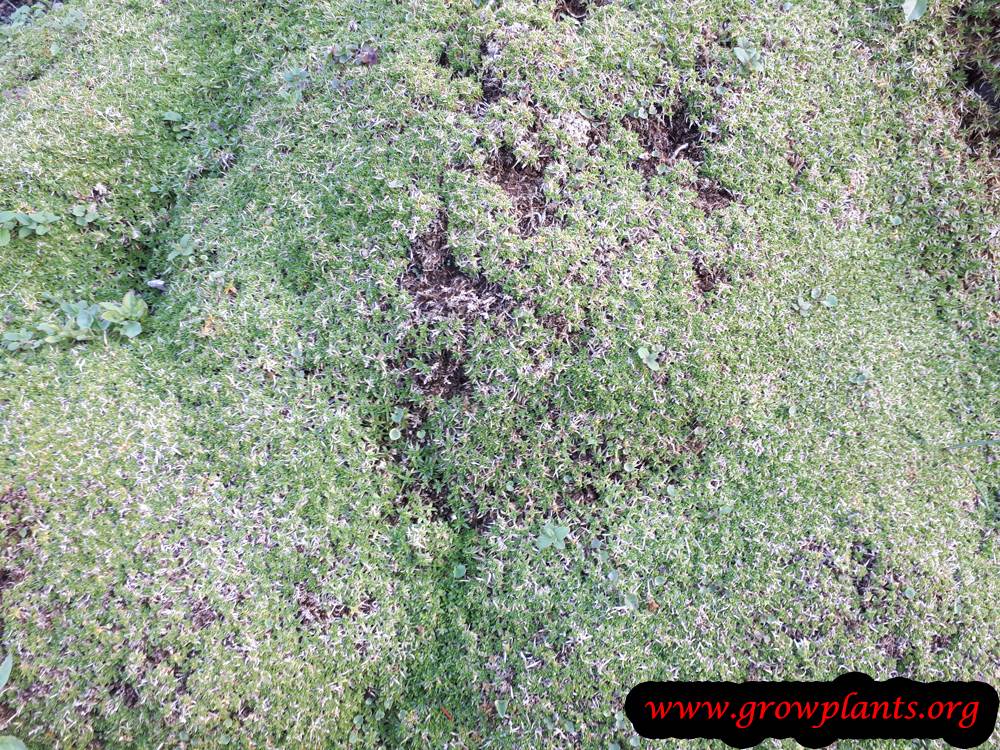
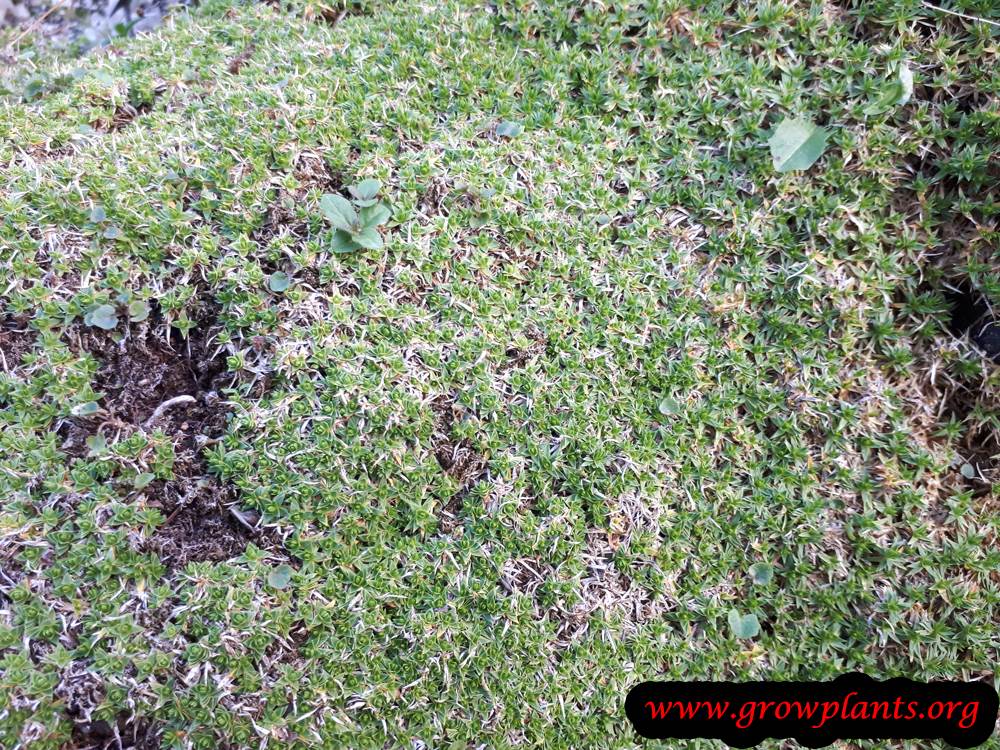
Overview: A very low evergreen mat-forming subshrub only 1-5 cm high that spreads widely as a groundcover. It is grown ornamentally, especially in rock gardens, for its cushion of rosette foliage and small white star-shaped flowers.
Quick Specifications
| Specification | Attribute |
|---|---|
| Plant Type / Life Cycle | Perennial (evergreen) |
| Foliage Type | Evergreen |
| Mature Size | 1-5 cm (0.2-2 in) high, spreading mat |
| Growth Rate | Slow |
| Root System | Shallow, mat-forming |
| Hardiness | USDA zones 4-9 |
Growth Form & Structure
- Height & Spread: 1-5 cm (0.2-2 in) high, spreading as wide as allowed; ideal for troughs, rock gardens and containers.
- Growth Habit & Form: Cushion / mat-forming creeping subshrub with tight rosette foliage.
- Lifespan & Maturity: Slow-growing, long-lived evergreen perennial.
Anatomy & Physical Features
- Leaves & Foliage: Small green triangular leaves arranged in tight rosettes.
- Flower Characteristics: Small white star-shaped flowers in summer.
Primary Uses & Landscape Value
- Functional & Ornamental Roles: Ornamental groundcover for rock gardens, crevices and gaps between paving.
Care Guide: Planting, Soil & Watering
Overview: Sandwort is a low, cushion-forming evergreen groundcover for rock gardens, thriving in full sun to part shade. It needs gritty, sharply drained soil but, unusually for an alpine, appreciates steady moisture, knitting slowly into a dense mat.
Quick Care Requirements
| Requirement | Ideal Condition |
|---|---|
| Planting Season | In spring through autumn |
| Growth Rate | Slow |
| Soil Type | Gritty, rich, well-draining (rock-garden soil) |
| Water Need | Moderate to high; water regularly but ensure sharp drainage |
Planting & Establishment
- Best Planting Season: Plant from spring through autumn.
- How to Plant:
- Hole Preparation: Tuck it into a gap between rocks or into gritty soil, in a hole slightly wider than the root ball.
- Soil Amendments: Blend grit with rich soil so it drains sharply while still holding some fertility.
- Planting Depth: Set the rosette or crown at soil level, taking care not to bury it.
- Growth Speed & Expectations: Slow, spreading into a low mat only 1-5 cm tall but as wide as the space allows.
Soil, Watering & Drainage Care
- Soil Mix & Drainage Needs: Sharp drainage is essential (grit or a rocky site); despite that it likes regular water, so avoid soils that either bake dry or stay waterlogged.
- Watering Schedule & Technique:
- Young / Newly Planted: Keep evenly moist to help it establish.
- Established: Water regularly while making sure the excess drains away freely.
- Seasonal Adjustments: More in summer, less in winter.
Climate, Light & Hardiness
Minuartia (stitchwort/sandwort) is a low, creeping subshrub suited to subtropical, mediterranean, and temperate climates, hardy in USDA zones 4–9. It grows well in full sun to half shade on rocky, well-drained soil.
Quick Climate Specifications
| Climate Zones | Subtropical, mediterranean, temperate |
|---|---|
| USDA Hardiness Zones | 4–9 |
| Approx. Survival Minimum | Dormant plants typically survive winter minimums consistent with zone 4 (roughly −34°C to −29°C / −29°F to −20°F) |
| Frost Tolerance | High |
| Light Conditions | Full sun to half shade |
Sunlight & Light Exposure
Optimal Light Setup
Full sun to half shade.
Direct Sun Requirement
Tolerates full sun well, especially on rocky, well-drained sites.
Best Exposure / Orientation
A rock garden, scree bed, or well-drained raised planting in sun to part shade.
Temperature Extremes & Hardiness
USDA Hardiness & Regional Limits
Hardy zone 4–9, reflecting good alpine-type cold tolerance.
Cold Damage & Winter Protection
As an evergreen creeping subshrub, it retains its rosette through winter; well-drained siting helps prevent winter-wet rot at the cold end of its range.
Frost Sensitivity
Low; well adapted to hard winter freezes typical of zone 4 and up.
Extreme Heat Tolerance
Not extensively documented; the plant's preference for rocky, well-drained sites suggests good drainage matters more than heat itself for good performance into zone 9.
Wind, Humidity & Microclimate
Rainfall & Seasonal Moisture
Grown with an average to large amount of water in rocky, well-drained, rich soil; drainage is key even though water needs are moderate to high.
Microclimate Recommendations
Rock gardens, scree beds, or raised plantings with sharp drainage suit it well.
Growing in Pots, Balconies & Indoors
Sandwort is a tiny, cushion-forming alpine, not a houseplant – it is at its best in a well-drained trough, alpine pan, or rock-garden container outdoors.
Quick Details
- Container Size: A shallow alpine pan or trough – it is a low, spreading cushion
- Indoor Suitability: Not a true houseplant; grows best outdoors
- Best Spot: Full sun to half shade, cool and airy
- Soil & Drainage: Aerated, organic-rich mix (peat or coir with perlite or vermiculite); must drain freely
- Watering in Pots: Keep lightly moist but never waterlogged; sharp drainage is essential
Indoors & On the Windowsill
- Houseplant limits: Alpines resent the warm, still air of a heated room; it needs cool, bright, airy outdoor conditions, so even a windowsill rarely suits it.
On a Balcony or Patio
- Light & wind: Grow it in a shallow pan or trough with very gritty drainage in a cool, open spot; protect the cushion from prolonged winter wet. Walls and paving reflect heat, so pots dry quickly – check moisture often in hot weather.
- Practicalities: Set the pot where drainage runoff won’t stain, and remember a full, wet container is heavy to move.
Choosing the Pot, Soil & Long-Term Care
- Pot & drainage: A shallow alpine pan or trough with abundant grit and strong drainage; never let it sit in water.
- Potting mix: A gritty, free-draining alpine mix – loam-based compost cut with plenty of grit or perlite, topped with a gravel mulch.
- Feeding: Feed very sparingly; alpines stay compact and healthy on lean soil.
- Repotting: Refresh the grit topping yearly and repot every couple of years into fresh gritty mix.
Fertilizing & Feeding
A slow-growing, rock-garden creeping subshrub grown mainly as a tight groundcover; it needs very little feeding and is more at risk from rich, overfed soil than from lean conditions.
Quick Fertilizing Specs
| Feeding Level | Light feeder |
|---|---|
| Main Nutrient Priority | A light, balanced feed that supports slow, tight groundcover growth without pushing it out of its naturally compact habit |
| Best Feeding Period | Spring into the main growing season |
| Organic Options | A well-drained, rocky or gritty soil with modest organic enrichment rather than a rich bed |
| Reduce/Stop Feeding | Stop feeding as growth slows toward the cooler part of the year |
| Soil pH | Tolerant of a range of conditions provided the site is well drained; rocky, lean ground suits it better than rich, wet soil |
Feeding by Growth Stage
Establishment after planting
Help newly planted rosettes root in among rocks or well-drained ground before spreading as a groundcover.
| Nutrient direction | A light, balanced feed at planting supports early rooting without pushing lush growth this rock-garden plant does not need. |
|---|---|
| Timing | At planting, in spring or early in the growing season. |
| Frequency | A single light feeding at planting is generally enough for this slow grower. |
| Fertilizer types | A light, balanced general-purpose fertilizer mixed lightly into well-drained soil, A gritty or rocky planting mix suited to this species’ natural habitat |
| Precautions | Avoid rich, heavily amended soil, which suits this rock-garden plant poorly and can encourage rot rather than healthy spread. |
Active groundcover growth and bloom
Support the slow spread of the tight rosette mat and the small white star-shaped flowers.
| Nutrient direction | Minimal feeding is usually enough to maintain healthy color and slow, steady spread in this naturally compact plant. |
|---|---|
| Timing | Through spring and summer as the mat spreads and flowers. |
| Frequency | This slow grower rarely needs feeding beyond what was applied at establishment. |
| Fertilizer types | A light, balanced feed only if growth or color looks weak, Minimal feeding is typical once the planting is established |
| Precautions | Overfeeding can push soft, uncharacteristic growth and increase susceptibility to rot in what is naturally a lean-soil, well-drained plant. |
Cooler-season rest
Let this evergreen groundcover rest through the coldest part of the year without pushing new growth.
| Nutrient direction | None – withhold fertilizer through the coldest part of the year. |
|---|---|
| Timing | Late autumn through winter. |
| Frequency | No feeding at this stage. |
| Fertilizer types | No feeding at this stage; do not fertilize until active growth resumes in spring. |
| Precautions | Feeding during cold, slow-growth periods risks root and rot problems in this well-drained, rock-garden plant. |
Nutrient Deficiency Signs & Corrections
Pale, thin-looking foliage and a mat that spreads more slowly than expected even for this naturally slow grower.
| Possible causes | very lean or depleted planting soil, root competition from surrounding rock-garden plants, underwatering limiting nutrient uptake |
|---|---|
| Appears first on | overall foliage color across the mat |
| What to check | soil fertility at the planting site, competing vegetation nearby, recent watering pattern |
| Possible correction | Apply a light, balanced feed and reassess before feeding again, since this species needs very little. |
Soft, collapsing patches within the mat or rosettes that blacken and die back.
| Possible causes | overly rich or frequent feeding encouraging soft growth, poorly drained soil holding excess moisture, overwatering compounded by fertilizer salts |
|---|---|
| Appears first on | individual rosettes or patches within the mat |
| What to check | soil drainage at the site, recent feeding history, recent watering or rainfall |
| Possible correction | Stop feeding, improve drainage, and avoid rich soil amendments around this species. |
New growth appearing pale or yellowish while older foliage stays a more normal green.
| Possible causes | high soil pH limiting iron availability, waterlogged soil restricting root uptake, a very lean, rocky growing medium low in iron |
|---|---|
| Appears first on | newest growth |
| What to check | soil pH, drainage at the site, whether older foliage remains unaffected |
| Possible correction | Improve drainage and correct soil pH where practical; apply a chelated iron product per its label only if the pattern persists. |
Pruning, Training & Seasonal Maintenance
Minuartia is a low, evergreen, mat- or cushion-forming rock-garden subshrub, and it tolerates only light, tidying-style pruning – never a hard cutback into its older, bare stems. The plant can be tidied at almost any time of year as dead patches appear, but the safest and most useful moment is right after its summer bloom, when spent flower stems and any browned sections can be snipped out. Because it flowers on the current season’s cushion growth rather than on persistent wood, light trimming has no real impact on next year’s bloom – the main risk is over-cutting into leafless old growth, which this type of cushion perennial rarely regenerates from.
Quick Pruning & Maintenance Specs
| Pruning Tolerance | Low |
| Primary Pruning Window | After summer flowering, or as dead patches appear (pruning season is effectively all year) |
| Secondary Maintenance Window | Early spring, to clear winter-damaged tips before new growth |
| Typical Frequency | Light spot-trimming, a few times a year rather than one seasonal event |
| Main Objective | Keep the mat dense and remove dead or browned patches |
| Young Plant Priority | None – let the cushion knit together undisturbed |
| Mature Plant Priority | Prevent a hollow, bare center by never shearing hard into old wood |
| Best Tool Type | Precision snips |
| Avoid Heavy Pruning During | Summer heat/drought stress and the first establishment season |
Pruning by Plant Age & Size
Newly Established
No pruning while the cushion is knitting together; remove only sprigs that are obviously dead, and otherwise leave it alone to root in.
Young / Formative
No structural training – Minuartia keeps its own low cushion habit naturally. If it is spreading past its intended edge (rock crevice, trough rim), pinch back stray runners rather than shearing the whole mat.
Mature / Established
Light annual tidying: snip out spent flower stems and any dead or browned patches individually so the mat stays tight without opening bare gaps.
Seasonal Pruning Schedule
Post-Flowering
Objective: tidy the mat after the summer flower show. Remove: spent flower stems and any browned cushion patches. Do not remove: healthy green growth or old woody stems in the crown – they anchor the mat and rarely resprout if cut back hard. Expected response: fresh basal growth fills in around the trimmed patches. Bloom impact: none – next year’s flowers come from new cushion growth, not from what is removed now.
Ongoing Sanitary
Dead or damaged parts can be snipped out at any time of year as they appear, matching this plant’s essentially year-round pruning window.
Structural Pruning & Training
Broad shearing is rarely beneficial here and tends to leave bare gaps rather than denser growth. It is safer to spot-remove individual dead patches than to shear the whole cushion, since a mat perennial like this regenerates unevenly once cut back hard.
Special Growth to Remove
- Dead or browned cushion patches, snipped back to living tissue.
- Spent flower stems after the summer bloom.
- Stray spreading growth escaping a trough or rock-crevice planting, trimmed at the edge to keep it in bounds.
Container & Small-Space Pruning
Minuartia is commonly grown in troughs and rockeries as well as open ground. In a container, trim spreading edges back to the rim to keep the cushion within bounds; its shallow, fibrous rock-garden root system does not call for root-pruning, and hard top-growth cutbacks are no safer in a pot than in the ground.
Tools
Precision snips are the only tool this plant’s scale calls for – its stems and cushion patches are far too fine for shears or secateurs.
Tool Hygiene & Disease Risk
Routine: keep snips clean and sharp. No transmissible disease risk is documented for this genus that would call for disinfecting between cuts.
Cut Placement & Technique
Snip individual dead rosettes or patches back to living tissue just above where green growth resumes; avoid cutting into the bare woody crown, since cushion perennials of this type do not reliably resprout from leafless old stems.
Heavy Pruning & Rejuvenation
Not tolerated. Minuartia should not be sheared hard or cut back into its old woody growth expecting rejuvenation – mat/cushion perennials of this habit generally fail to resprout reliably from bare wood. If the center of an old plant goes bare and woody, division or replacement is the practical fix, not a rejuvenation prune.
Post-Pruning Care
No extra feeding is needed after light tidying – this is a slow grower that does not need to be pushed. In humid pockets, improved airflow after trimming is beneficial; otherwise normal watering is sufficient.
Common Pruning Mistakes
- Shearing the whole mat hard in the hope of denser regrowth, which instead leaves bare gaps.
- Cutting into old, leafless stems expecting them to resprout.
- Over-pruning a naturally slow-growing plant that needs only occasional spot-tidying.
When NOT to Prune
Avoid pruning during the first establishment season, and avoid trimming during summer heat or drought stress, when the plant has little capacity to recover new growth.
Recommended Tools (by task)
- precision_snips – for spot-removing dead cushion patches and spent flower stems without disturbing the tight mat around them.
Propagation Guide
Minuartia is easiest to propagate by dividing the creeping mat into rooted sections, which is fast and true-to-type; seed is a workable alternative but, as a hardy alpine/rock-garden genus, it may benefit from a period of cold before it germinates well. Difficulty is easy overall, especially by division.
Quick Propagation Specs
| Best Propagation Method | Division of the mat |
| Alternative Methods | Seed; small non-flowering stem-tip cuttings |
| Propagation Difficulty | Easy |
| Seed True-to-Type | Usually true-to-type |
| Vegetative True-to-Type | True-to-type |
| Best Propagation Season | Spring through autumn, matching the site’s planting season |
| Seed Germination Time | Variable, often several weeks; may be slow or uneven without a cold period |
| Germination Temperature | Cool to moderate, roughly 10–18°C (50–64°F) |
| Seed Sowing Depth | Very shallow – press onto the surface, as fine alpine seed generally needs light to germinate |
Growing from Seed
Dormancy & Pre-Sowing Treatment
As a hardy, cold-climate-tolerant genus, seed may germinate more evenly after a period of cold, moist stratification, though many growers simply sow outdoors in autumn and let winter provide it naturally.
Sowing Season
Sow in spring, or outdoors in autumn to allow natural winter chilling, within the plant’s Spring/Summer/Autumn planting window.
Sowing Depth & Orientation
Surface-sow or barely cover the fine seed in a gritty, well-drained mix (matching the site’s rocks/well-drained soil note).
Germination Conditions
Cool to moderate temperatures, bright light, and a sharply drained, gritty medium.
Germination Time
Can be slow and uneven, often several weeks; a cold period beforehand tends to improve consistency.
Division, Offsets, Pups & Suckers
The creeping mat can be divided into rooted sections through most of the growing season (spring, summer, or autumn). Each division should retain some roots of its own; trimming away any dead or damaged parts at the time of division, as the site’s own pruning guidance notes, helps the piece establish cleanly. Keep new divisions shaded and evenly moist until they root in.
Bloom & Flower Guide
Quick Details
- Bloom Season: Summer
- Flower Appearance: Small, white, five-petalled star-shaped flowers scattered over a low cushion of foliage
- Edibility: Ornamental only
Detailed Blooming Overview
Sandwort is a neat cushion- or mat-forming alpine that lights up in summer with a scatter of tiny white stars. The effect is a fine dusting of white over green, ideal for rock gardens, gravel and the edges of paths.
Flower Characteristics
- Small, star-shaped white flowers, as the grower notes.
- Carried just above a dense, low cushion of foliage.
Bloom Care & Thinning
- Site: Full sun and sharp, free drainage give the most flowers.
- After flowering: A light shear tidies the cushion and keeps it compact.
- Water: Modest needs once established; avoid waterlogging.
Pests, Diseases & Troubleshooting
Overview: Sandworts are tough alpine cushion plants with few insect enemies; their real risk is rot in wet, poorly drained or humid conditions rather than pests. Give them gritty, sharp-draining soil, sun and air movement, and they stay almost problem-free, needing at most occasional slug or aphid attention on soft new growth.
Quick Troubleshooting Overview
| Issue / Pest | Main Symptom | Primary Solution |
|---|---|---|
| Crown and root rot | Cushion browns off from the center, soft blackened base | Improve drainage, add grit, reduce watering |
| Slugs and snails | Grazed patches on soft new growth, slime trails | Grit barriers, traps, iron-phosphate bait |
| Aphids | Distorted shoot tips, sticky honeydew | Rinse off, insecticidal soap |
| Rust / leaf spot | Small pustules or spots in damp, still air | Improve airflow, remove affected growth |
| Winter wet dieback | Brown, collapsed patches after wet, cold spells | Sharp drainage, gravel mulch, avoid overhead wet |
Common Pests & Management
- Aphids (Aphis spp.):
- Symptoms: Small green or black soft insects on the tenderest new shoots, with light distortion and sticky honeydew; usually minor on these plants.
- Prevention & Control: Rinse off with water, encourage natural predators, and only spot-treat with insecticidal soap if a colony builds up. Avoid rich feeding that softens growth.
- Slugs and snails (Deroceras / Cornu spp.):
- Symptoms: Grazed, thinned patches in the cushion and nibbled seedlings, with silvery slime trails, worst in damp weather.
- Prevention & Control: Surround plants with sharp grit or gravel, hand-pick after dark, set traps, and use iron-phosphate bait if pressure is high; a gritty mulch doubles as slug deterrent and drainage.
- Root aphids / soil mealybugs (Rhizoecus spp.):
- Symptoms: Unexplained decline and pale, waxy insects on roots when knocked out of the pot, mainly in container-grown cushions.
- Prevention & Control: Check roots when repotting, drench with insecticidal soap or a light oil, and refresh with fresh gritty mix; keep pots off infested benches.
Diseases & Fungal Issues
- Crown and root rot (Phytophthora / Rhizoctonia spp.):
- Symptoms: The cushion dies out from the middle or in patches, the base turns soft and brown-black, and roots are dark and mushy; almost always tied to wet, heavy or airless soil.
- Treatment & Management: Prevention is everything: plant in very free-draining, gritty soil, keep the collar dry with a gravel collar, water sparingly, and give full sun and airflow. Remove rotted sections; there is no reliable cure once advanced.
- Rust (Puccinia arenariae):
- Symptoms: Small orange-brown pustules on stems and leaves in humid, crowded conditions.
- Treatment & Management: Remove and bin affected growth, improve air movement, and avoid overhead watering; a sulfur fungicide can check spread in valued plants.
- Leaf and stem spot / gray mold (Botrytis cinerea):
- Symptoms: Browning, collapsing patches with grey fuzz in cool, wet, still air, especially over winter.
- Treatment & Management: Improve ventilation and drainage, clear dead material, and avoid wetting foliage late in the day; use gravel mulch to keep the surface dry.
Growing Difficulties & Abiotic Problems
- Winter wet dieback:
- Cause & Symptoms: Cold, waterlogged soil or a wet crown over winter rots patches of the mat.
- Correction Strategy: Plant on a slope, raised bed or scree with sharp drainage, mulch with grit, and protect from overhead wet in cold, damp climates.
- Center die-out with age:
- Cause & Symptoms: Older cushions naturally thin and open in the middle.
- Correction Strategy: Refresh by dividing or replanting rooted edge pieces, or top-dress with gritty mix to encourage rerooting.
- Scorch or drought thinning:
- Cause & Symptoms: In hot lowland conditions the mat can brown and thin.
- Correction Strategy: Give some afternoon shade in hot climates and occasional deep watering during drought, while keeping drainage sharp.
What Helps — Products & Tools
These alpines rarely need spraying: focus on gritty drainage and airflow. Keep slug traps or iron-phosphate bait on hand, insecticidal soap for the odd aphid or root pest, and a sulfur fungicide only if rust or mold appears. A gravel or grit mulch is the single most useful tool, improving drainage and deterring slugs.