





Plant Profile & Key Characteristics
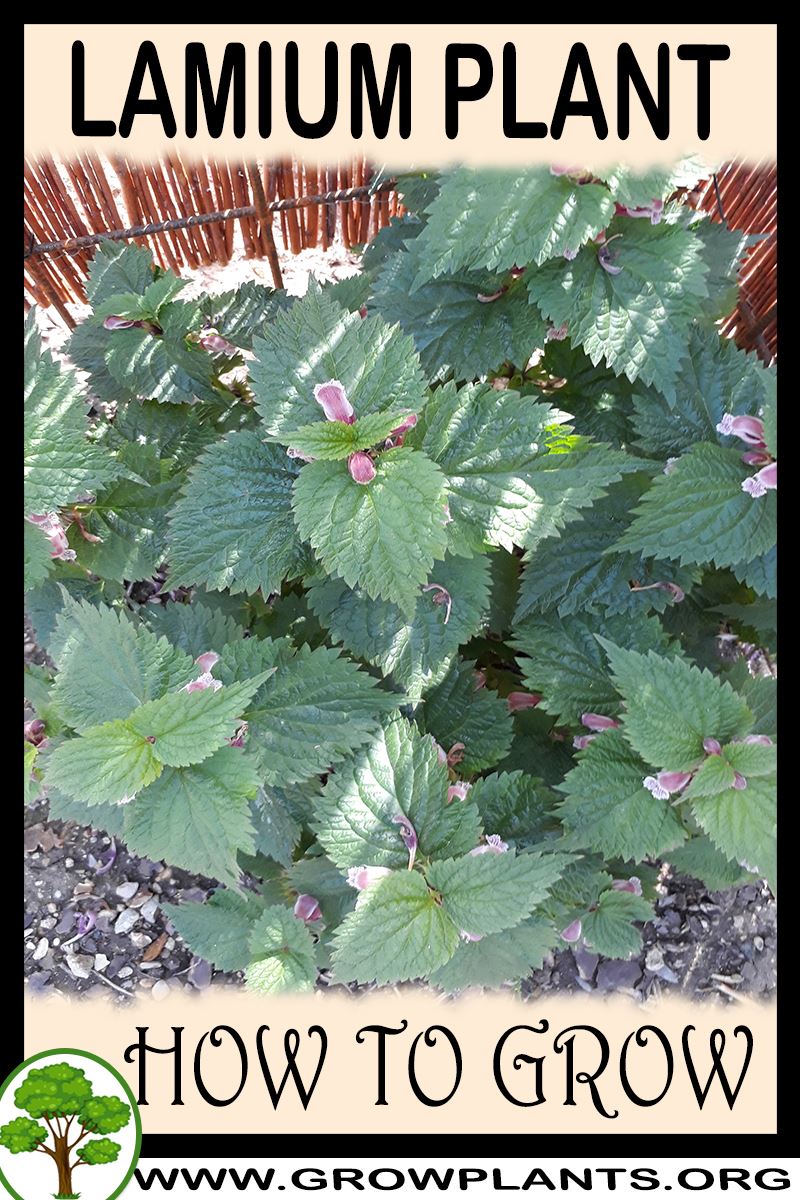
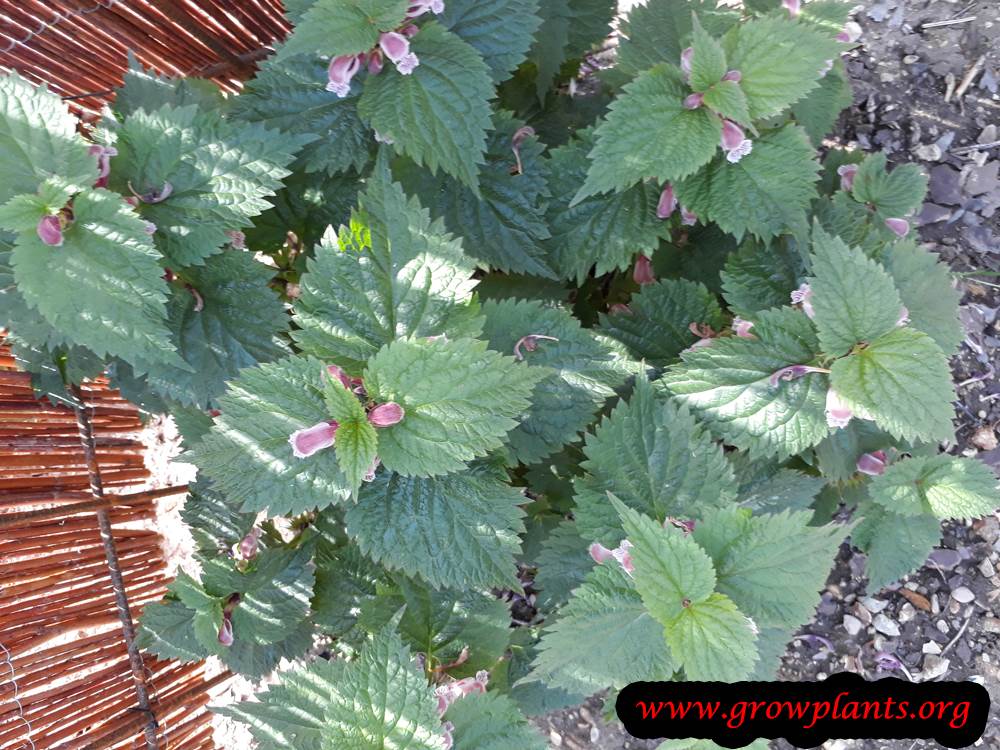
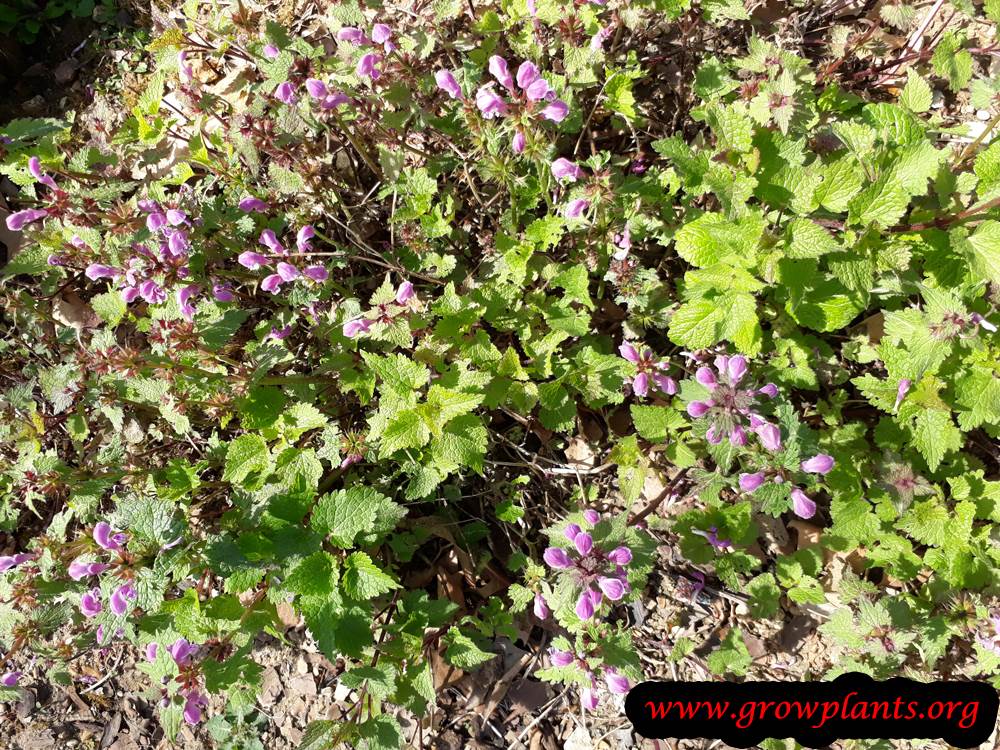
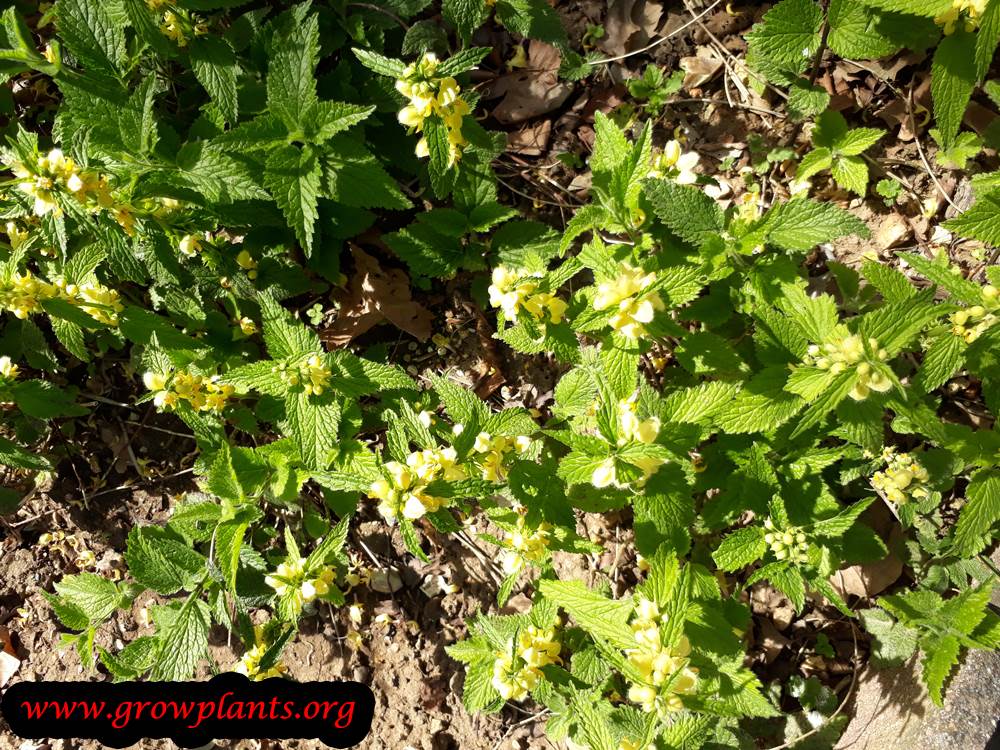
Overview: This dead nettle is a low, spreading evergreen perennial reaching 20-50 cm, grown mainly as an ornamental groundcover. Its green and red, purple, white, yellow or pink flowers carpet shady ground under trees and shrubs.
Quick Specifications
| Specification | Attribute |
|---|---|
| Plant Type / Life Cycle | Perennial (sometimes grown as an annual) |
| Foliage Type | Evergreen (semi-evergreen in cold winters) |
| Mature Size | 20-50 cm (8-20 in) tall |
| Growth Rate | Moderate to fast |
| Root System | Rhizomatous / stoloniferous – spreads to form a groundcover |
| Toxicity | Non-toxic |
| Hardiness | USDA zones 3-10 |
Growth Form & Structure
- Height & Spread: 20-50 cm (8-20 in) tall, spreading wider by creeping stems; grows well in pots and containers.
- Growth Habit & Form: low, mat-forming groundcover with square Lamiaceae stems.
- Lifespan & Maturity: quick to establish and fill its space within a season or two.
Anatomy & Physical Features
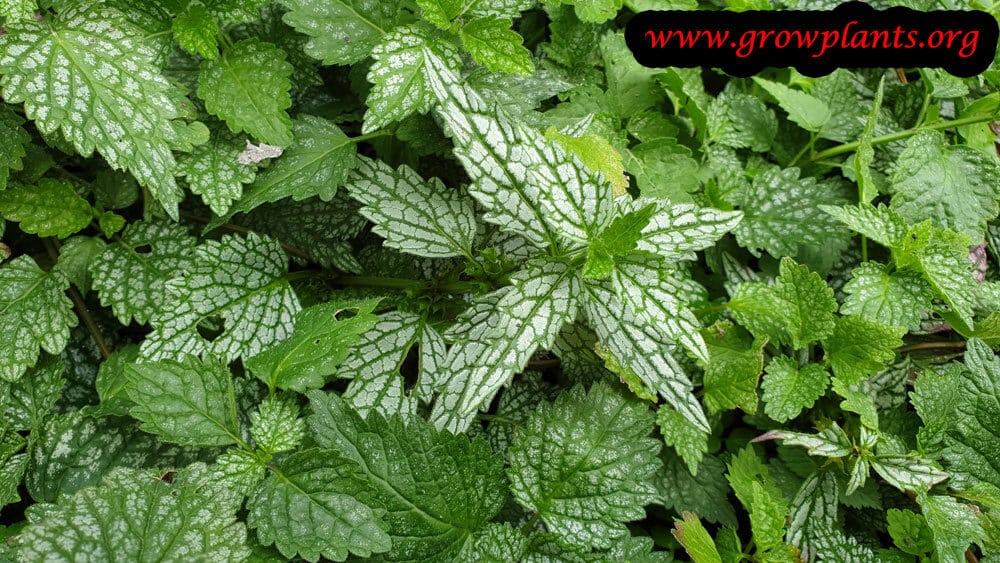
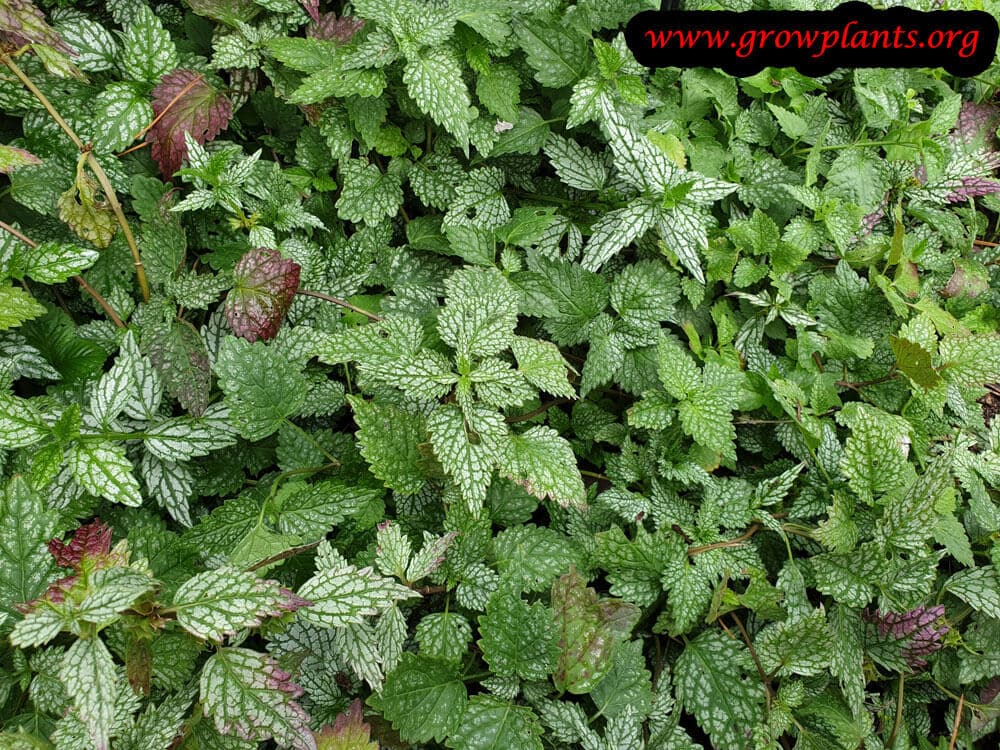
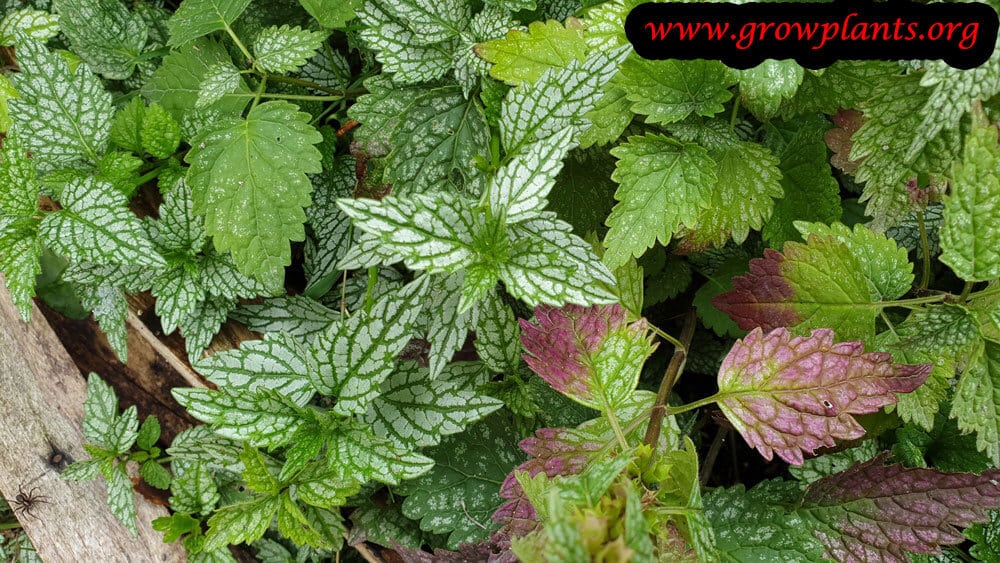
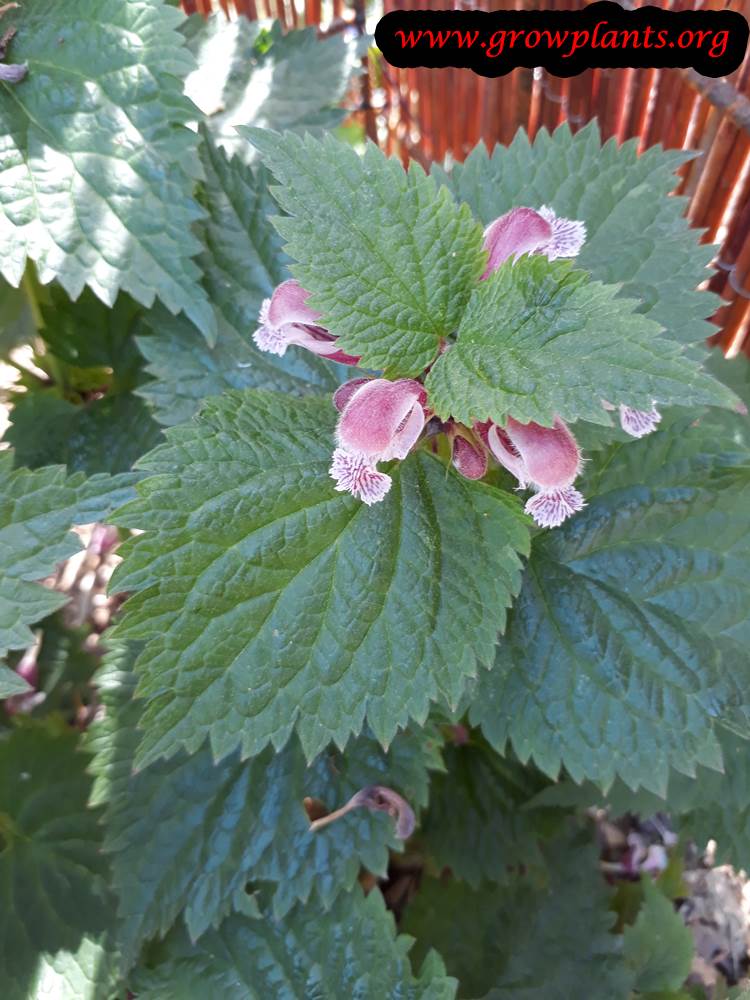
- Leaves & Foliage: Green, sometimes silver-marked, elliptic leaves with serrated (toothed) margins.
- Flower Characteristics: Red, purple, white, yellow or pink – hooded, two-lipped (labiate) flowers whorled around the stem (spring to autumn).
Primary Uses & Landscape Value
- Functional & Ornamental Roles: shade groundcover, underplanting and container/edging plant; also has some traditional medicinal use.
Care Guide: Planting, Soil & Watering
Overview: Lamium (dead nettle) is a low, spreading groundcover that grows in full sun to shade in temperate and Mediterranean climates. It does best in moist but well-draining, humus-rich soil.
Quick Care Requirements
| Requirement | Ideal Condition |
|---|---|
| Planting Season | In spring after the last frost, through summer |
| Growth Rate | Moderate to Fast |
| Soil Type | Moist, well-draining, humus-rich soil |
| Water Need | Moderate – keep the soil evenly moist |
Planting & Establishment
- Best Planting Season: Plant in spring once frost has passed, through summer, giving young plants time to root and spread before cold weather.
- How to Plant:
- Hole Preparation: Dig a hole slightly wider than the root ball and loosen the surrounding soil.
- Soil Amendments: Work in compost or leaf mould to enrich the soil and help it hold moisture.
- Planting Depth: Set the crown level with the soil surface; do not bury it.
- Growth Speed & Expectations: A quick-spreading groundcover, vigorous enough to knit together and cover ground within a season or two, so give it room.
Soil, Watering & Drainage Care
- Soil Mix & Drainage Needs: Prefers moist but freely draining, humus-rich soil; good drainage prevents rot while organic matter keeps the roots cool and evenly moist.
- Watering Schedule & Technique:
- Young / Newly Planted: Keep the soil evenly moist while young plants establish and begin to spread.
- Established: Water moderately once established, keeping the soil from drying out fully, especially in sun.
- Seasonal Adjustments: Water more in summer heat and in full-sun sites; reduce in winter as growth slows.
Climate, Light & Hardiness
Dead nettle is a low, spreading herbaceous perennial groundcover suited to temperate, Mediterranean and subtropical climates, grown mostly for its foliage and flowers in shade or part sun. It is very cold-hardy across a wide zone range and adapts to a broad spread of conditions, which contributes to its vigorous, sometimes invasive, spread.
Quick Climate Specifications
| Climate Zones | Temperate, Mediterranean, subtropical |
| USDA Hardiness Zones | Approximately 3–10 (per site data) |
| Optimal Temp Range | Approximately 13–24 °C (55–75 °F) |
| Frost Tolerance | High |
| Light Conditions | Full sun to half shade |
Sunlight & Light Exposure
Optimal Light Setup
Full sun to half shade. It is a useful groundcover for part shade and shadier corners, where many other plants struggle; in cooler climates it also takes more sun.
Shade & Heat Management
In hot regions, shade and moist soil keep the foliage fresh and prevent it from scorching or dying back in summer.
Temperature Extremes & Hardiness
USDA Hardiness & Regional Limits
The site gives a wide range of roughly zones 3–10, so it is very cold-hardy and also copes with warmer climates; exact limits vary by species and conditions.
Cold Damage & Winter Protection
As a hardy herbaceous perennial it dies back or holds low foliage over winter and regrows from the crown in spring, needing no special protection across most of its range.
Extreme Heat Tolerance
Moderate; in hot, dry summers the foliage can scorch or go dormant, recovering when cooler, moister conditions return.
Wind, Humidity & Microclimate
Humidity Preferences
Adaptable; prefers moist, cool conditions but tolerates a range of humidity.
Wind Tolerance
High for such a low plant - its ground-hugging habit keeps it out of the wind.
Microclimate Recommendations
Shady, moist ground is ideal; be aware it can spread vigorously, so a contained or defined area suits it best.
Growing in Pots, Balconies & Indoors
Dead nettle (Lamium) is a low, spreading groundcover with attractive often silver-marked foliage – the grower does not class it as a houseplant, but it is superb in outdoor pots, window boxes and hanging baskets, where a container also helpfully reins in its vigorous, invasive spread.
Quick Details
- Container Size: Small to medium – a 3-10 L (0.8-2.5 gal) pot, box or basket for a plant of 20-50 cm
- Indoor Suitability: Not a houseplant – an outdoor groundcover for pots and baskets
- Best Spot: Full sun to half shade; it takes shade well, useful for dim corners of a balcony
- Soil & Drainage: Moist but well-drained mix
- Watering in Pots: Average – keep evenly moist; it wilts if pots dry out, but never waterlogged
Indoors & On the Windowsill
- Not a houseplant: The grower marks it unsuitable indoors – it is an outdoor groundcover that wants natural light and air.
- Containing its spread: A pot is actually a good way to enjoy this invasive plant, since the container stops it running through a bed.
On a Balcony or Patio
- A shade-tolerant trailer: Its spreading, trailing habit spills nicely from baskets and box fronts, and it copes with shadier spots than most.
- Watering: Keep the mix moist – it flags quickly in dry pots, especially in sun and wind.
Choosing the Pot, Soil & Long-Term Care
- Pot & drainage: A pot or basket with strong drainage holes; skip a standing water saucer so roots never sit wet.
- Potting mix: A well-aerated, moisture-retentive but free-draining mix – potting compost with a little perlite.
- Feeding: A light feed through growth is plenty; potted nutrients leach with watering, so feed little and often.
- Repotting: Divide and refresh the mix every year or two to keep clumps vigorous and within bounds.
Fertilizing & Feeding
A light feeder: it flowers well with modest nutrition and is easily overfed. Give a little balanced fertilizer as growth begins and through bloom, then ease off as the season ends.
Quick Fertilizing Specs
| Feeding Level | Light |
|---|---|
| Main Nutrient Priority | Balanced nutrition; adequate nitrogen supports both foliage and bloom |
| Best Feeding Period | Active growth through the flowering season |
| Soil pH | Adaptable; slightly acidic to near-neutral |
| Reduce/Stop Feeding | Taper off as growth slows and stop feeding during dormancy. |
| Organic Options | Compost or a slow-release organic fertilizer worked into the soil |
| Micronutrients | Rarely limiting in reasonable garden soil |
Feeding by Growth Stage
Spring growth flush
Support new shoots and leaves as growth resumes in spring.
| Nutrient direction | A little balanced complete fertilizer with modest nitrogen to support new growth without forcing it. |
|---|---|
| Timing | As new growth begins in spring. |
| Frequency | Light feeding as growth starts is usually enough for the active growing season. |
| Fertilizer types | Balanced complete fertilizer, Slow-release granular fertilizer, Compost or well-rotted organic matter |
| Precautions | This is a light feeder that is easily overfed; go easy on fertilizer, especially nitrogen. |
Flowering period
Sustain flowering and overall vigor during bloom.
| Nutrient direction | Continue balanced nutrition; steady, adequate nitrogen and potassium support flowering better than high-phosphorus bloom products. |
|---|---|
| Timing | Through the flowering season. |
| Frequency | Light, steady feeding while the plant is actively flowering. |
| Fertilizer types | Balanced complete fertilizer, Slow-release granular fertilizer, Compost or well-rotted organic matter |
| Precautions | Do not rely on high-phosphorus bloom boosters; balanced feeding with enough nitrogen drives better flowering. |
Dormancy / winter rest
Let the plant rest through its dormant period; no nutrients are needed while growth has stopped.
| Nutrient direction | None – withhold fertilizer while the plant is dormant. |
|---|---|
| Timing | During the dormant or resting period, generally from late autumn through winter. |
| Frequency | No feeding at this stage. |
| Fertilizer types | No feeding at this stage – withhold fertilizer until active growth resumes in spring. |
| Precautions | Do not fertilize until active growth resumes in spring; feeding a dormant plant risks salt buildup and root injury. |
Nutrient Deficiency Signs & Corrections
Older, lower leaves turn uniformly pale green to yellow and growth is weak and slow.
| Possible causes | Low nitrogen availability in the soil, Cold or waterlogged soil limiting root uptake, Leaching of nitrogen from light, sandy soils |
|---|---|
| Appears first on | Older, lower leaves first. |
| What to check | Recent feeding history, Soil drainage and moisture, Whether older leaves are affected before the new growth |
| Possible correction | Apply a balanced complete fertilizer and correct any drainage or watering problems before adding more. |
The youngest leaves yellow between the veins while the veins themselves stay green.
| Possible causes | Alkaline soil pH reducing iron availability, Waterlogged or cold roots impairing uptake, A genuine shortage of available iron |
|---|---|
| Appears first on | New, young leaves at the shoot tips. |
| What to check | Soil pH, Drainage and root health, Whether only the new growth is affected |
| Possible correction | Correct soil pH toward the plant’s preferred range and, if the problem persists, apply a chelated iron product per its label. |
Brown, scorched leaf edges and tips, sometimes with wilting even when the soil is moist.
| Possible causes | Excess fertilizer or salt buildup in the soil, Under-watering that concentrates salts around the roots, Salt accumulation in containers |
|---|---|
| Appears first on | Leaf margins and tips across many leaves. |
| What to check | Recent fertilizer amounts, Salt buildup or the need to leach the soil, Watering consistency |
| Possible correction | Ease off feeding, leach the soil with plain water, and give only light feeding once the plant recovers. |
Pruning, Training & Seasonal Maintenance
Lamium (dead nettle) is a low, fast-spreading herbaceous groundcover grown for its patterned foliage and hooded spring-to-autumn flowers on the current season’s growth. “Pruning” here is really shearing and containment, not woody cutting: cut the mat back after the first flush to refresh tired, leggy foliage and encourage rebloom, and remove the rooting runners that let it spread — it can be invasive. It regrows readily from the base, so it tolerates hard shearing with no ill effect.
Quick Pruning & Maintenance Specs
| Pruning Tolerance | High – herbaceous; regrows freely after shearing |
| Primary Pruning Window | After the first flush fades (early–mid summer); tidy in late winter/early spring |
| Secondary Maintenance Window | Any time to cut back runners and contain spread |
| Typical Frequency | One or two shear-backs per season plus ongoing runner removal |
| Main Objective | Refresh foliage, encourage rebloom, and control spread |
| Young Plant Priority | Let it knit into a mat; pinch for density if wanted |
| Mature Plant Priority | Shear tired growth; remove runners to keep it in bounds |
| Best Tool Type | Shears for the mat; snips for spot work; spade for runners |
| Avoid Heavy Pruning During | Hard frost or drought stress |
Pruning by Plant Age & Size
Newly Established
Let the young plants spread and knit together; pinch the tips if you want a denser mat sooner. Little cutting is needed in the first season.
Young / Formative
No structural training — this is a spreading groundcover. Guide coverage by letting runners root where wanted and removing them where not.
Mature / Established
Shear the whole planting back after the first bloom flush to remove leggy, tired stems and trigger fresh foliage and more flowers; keep cutting back runners at the edges to hold the area.
Seasonal Pruning Schedule
After First Flush (early–mid summer)
Objective: renew the mat and prompt rebloom. Shear the planting back by roughly half to remove spent flowers and leggy growth; expect a flush of clean new foliage and often a second bloom on the new growth. Keep it watered afterwards.
Late Winter / Early Spring
Objective: clear winter-tatty foliage. Cut or rake off old, weather-damaged growth before new shoots push, tidying evergreen-in-mild-climate plantings.
Ongoing Sanitary & Containment
Remove aphid-infested or damaged shoots and, importantly, sever and lift rooting runners that stray beyond the intended area.
Structural Pruning & Training
There is no woody structure to train; management is by shearing the mat and by edge control. Height is inherently low, so “shaping” means keeping the planting even, dense and within its boundaries.
Special Growth to Remove
The key targets are the runners (stolons) that root at the nodes and drive its spread — cut and lift these to contain the invasive habit — along with spent flower stems and any winter-damaged foliage. Retain the healthy central mat.
Container & Small-Space Pruning
In pots and baskets Lamium is easy: let it trail, shear it back when it grows tired or leggy, and — the container advantage — the confined roots naturally curb the spread that makes it troublesome in open ground. Shear rather than pick over it.
Tools
Hedge or grass shears to cut back the mat quickly; precision snips for spot deadheading or edge tidying; a garden spade or trowel to sever and lift straying runners. No loppers or saw — there is no wood.
Tool Hygiene & Disease Risk
Routine — clean tools; there is no significant pruning-borne disease. The main issue is physical containment of runners, plus watching for aphids on soft growth.
Cut Placement & Technique
Shear the whole planting to just above the crowns so fresh basal growth regenerates evenly; when containing spread, cut runners at a node and lift the rooted portion cleanly rather than merely tipping them back.
Heavy Pruning & Rejuvenation
Fully tolerated — a tired or scruffy planting can be sheared hard to the ground and will regenerate quickly from the crowns and runners. This is the standard way to renew Lamium, best done after the first flush with follow-up watering.
Post-Pruning Care
Water the well-drained, moist soil after a hard shear-back to speed the fresh flush; light feeding can help a hard-cut planting green up, but is not essential. No wound care is needed on soft growth.
Common Pruning Mistakes
- Never shearing, so the mat grows leggy, open and shy of rebloom.
- Cutting back the tops of runners but leaving them rooted, so spread continues.
- Letting it escape into beds or lawn through unremoved stolons.
When NOT to Prune
Avoid hard shearing in hard frost or during drought stress, when regrowth will be slow. Otherwise this resilient groundcover can be cut back whenever it looks tired.
Recommended Tools (by task)
- hedge_shears — to shear the groundcover mat back quickly for renewal and rebloom.
- precision_snips — for spot deadheading and neatening edges.
- garden_spade — to sever and lift rooting runners and contain the spread.
Propagation Guide
Dead nettles spread by trailing stems that root at the nodes, so they are most easily increased by dividing clumps or lifting rooted pieces, and stem cuttings root quickly. Seed suits the plain species, but the variegated cultivars must be propagated vegetatively to keep their markings. It is easy, and self-sows readily.
Quick Propagation Specs
| Best Propagation Method | Division or stem cuttings |
| Alternative Methods | Seed (species); rooted layering of trailing stems |
| Propagation Difficulty | Easy |
| Seed True-to-Type | Variable — cultivars do not come true |
| Vegetative True-to-Type | Yes |
| Best Propagation Season | Spring or autumn for division |
| Germination Temperature | 18–21°C (64–70°F) |
| Seed Sowing Depth | Barely covered |
Growing from Seed
Sowing Depth & Orientation
Sow onto moist soil and barely cover. The plants self-sow freely, which suits the species but not named forms.
Germination Conditions
Moderate warmth, about 18–21°C (64–70°F), with even moisture.
Stem Cuttings
Cutting Type
Short nodal stem cuttings root readily; trailing stems are often already rooted where the nodes touch soil and can be lifted as ready-made plants.
Best Timing
Spring through summer, while in active growth.
Rooting Time
Usually a couple of weeks in a moist medium.
Division, Offsets, Pups & Suckers
Lift and split an established clump in spring or autumn, each piece with roots and a shoot, and replant; division establishes quickly.
Runners & Stolons
Where the creeping stems have rooted along their length, sever a rooted section and pot or replant it — the simplest increase of all, and the reason the plant spreads so vigorously.
Bloom & Flower Guide
Quick Details
- Bloom Season: Spring, summer and into autumn
- Flower Appearance: Small hooded, two-lipped flowers in red, purple, white, yellow or pink, ringed around the stem
- Edibility: Grown as ornamental ground cover; flowers not generally eaten
Detailed Blooming Overview
Dead-nettles are spreading, shade-loving ground covers that flower over a long season from spring into autumn. The small hooded flowers – in red, purple, white, yellow or pink – sit in whorls around the upright stems above often silver-marked leaves, and bees work them steadily for nectar.
Flower Characteristics
- Small, two-lipped hooded flowers typical of the mint family
- Colours include red, purple, white, yellow and pink
- Carried in whorls around the stem, close to the leaf joints
Bloom Care & Thinning
- Shearing: cut plants back after the first flush to freshen the foliage and prompt more bloom
- Spread control: trim runners to keep the ground cover in bounds
- Pollination: nectar-rich flowers attract bees
Bloom Health & Protection
- Powdery mildew can whiten the foliage in dry shade as flowering goes on – cutting plants back and improving airflow help, and a sulfur-based or neem spray can check it
Fruit & Uses
Identify the species first: Lamium (dead-nettles) is grown here as an ornamental groundcover, and this is a genus-level page — edibility is best documented for particular species such as white dead nettle (Lamium album). Where the species is a confirmed, stingless dead-nettle, the young leaves and shoots are edible as a cooked or raw wild green.
Quick Edible Specs
| Edible Parts | Young leaves & shoots (species-dependent); flowers |
|---|---|
| Main Use(s) | Foraged leafy green; traditionally used medicinally (no health claims) |
| Eaten Raw or Cooked | Young leaves raw; older leaves cooked |
| Preparation Required | Confirm species/identification; cook older leaves |
| Harvest Season | Spring to summer (young growth) |
| Storage | Use fresh; can be dried for tea |
| Safety/Toxicity Caveat | Genus grown ornamentally; eat only correctly identified, unsprayed dead-nettles — do not eat unknown ornamentals |
Leaves & Greens
On edible dead-nettles the young, tender leaves (green, elliptic, serrated margin) are the eaten part. Take soft new growth before it toughens; use young leaves raw in salad or cook older leaves like spinach. Because dead-nettles spread vigorously (the site notes they can be invasive), there is usually plenty of new growth to pick.
Flowers & Flower Buds
The small hooded flowers of edible dead-nettles can be used as an edible garnish or in tea.
Preparation, Uses & Safety
Young leaves need only washing; cook older leaves. The genus is traditionally used medicinally, offered here only as background with no health claims. Safety-first: this is an ornamental genus, so eat only plants you have positively identified as an edible, stingless dead-nettle and that are unsprayed. If in doubt, do not eat.
Pests, Diseases & Troubleshooting
Overview: Deadnettles are tough, shade-tolerant groundcover perennials in the mint family and are among the more trouble-free garden plants. Their aromatic mint-family foliage deters many pests, so the few problems are minor: slugs and snails on soft new growth, occasional aphids, and fungal leaf and rot issues where plants sit wet or overcrowded. Good drainage, airflow and simple hygiene keep them healthy; chemicals are rarely needed.
Quick Troubleshooting Overview
| Issue / Pest | Main Symptom | Primary Solution |
|---|---|---|
| Slugs & snails | Ragged holes in soft new leaves | Reduce damp cover; traps; grit barriers |
| Aphids | Sticky, curled shoot tips | Water jet, beneficials, soap |
| Powdery mildew | White coating in dry shade/crowding | Airflow, thin plants, remove leaves |
| Downy mildew / leaf spot | Yellow blotches or spotting, furry undersides | Dry foliage, remove debris, spacing |
| Crown & root rot | Collapse in wet, heavy soil | Improve drainage; divide congested clumps |
| Leggy/bare patches | Sparse open growth after flowering | Shear back to force fresh dense regrowth |
Common Pests & Management
- Slugs & snails (Gastropoda):
- Symptoms: Irregular ragged holes chewed in young leaves and soft new shoots, worst in damp, shaded conditions, with tell-tale silvery slime trails and seedlings sometimes grazed to the ground overnight.
- Prevention & Control: Clear damp hiding places (boards, debris, dense mulch against stems), water in the morning so the surface dries by night, and hand-pick after dark. Protect vulnerable crowns and seedlings with copper barriers, grit or wool pellets; use beer traps or iron-phosphate slug pellets, which are safe around wildlife, only where pressure is high.
- Aphids (Aphidoidea):
- Symptoms: Small soft-bodied green, black or grey insects clustering on new shoots, flower buds and the undersides of young leaves. They suck sap, causing curled, distorted, sticky (honeydew-coated) growth and can transmit viruses. Look for cast white skins and attending ants.
- Prevention & Control: Blast colonies off with a firm jet of water and pinch out badly infested tips. Encourage ladybirds, lacewings and hoverflies with companion flowers; avoid excess high-nitrogen feeding that produces soft, aphid-prone growth. If populations persist, treat with insecticidal soap or a light horticultural/neem oil, coating leaf undersides and spraying in the cool of the evening to protect pollinators.
- Spider mites (Tetranychus urticae):
- Symptoms: Fine pale stippling or a bronzed, dusty look on leaves, with delicate webbing in leaf axils during hot, dry conditions. Leaves dry, yellow and drop; a shaken leaf over white paper reveals tiny moving specks.
- Prevention & Control: Mites thrive in hot, dry, dusty air, so raise humidity, hose down foliage and avoid drought stress. Preserve predatory mites and other beneficials by avoiding broad-spectrum sprays. For outbreaks, apply insecticidal soap or horticultural oil to leaf undersides, repeating every 5-7 days to catch newly hatched mites.
Diseases & Fungal Issues
- Powdery mildew (Erysiphales):
- Symptoms: A white to grey powdery coating on upper leaf surfaces, shoots and buds, worst where air is still and humid but roots are dry. Affected leaves may yellow, distort and drop early.
- Treatment & Management: Improve airflow by correct spacing and thinning, site plants in good light, and avoid drought stress and overhead watering late in the day. Remove affected leaves. Organic sprays such as potassium bicarbonate, diluted milk, sulfur or neem oil check its spread; choose mildew-resistant varieties where available.
- Downy mildew & leaf spot (Peronospora lamii / Septoria spp.):
- Symptoms: Yellow angular blotches with a greyish furry growth on the leaf undersides (downy mildew), or brown-margined leaf spots (Septoria/Ramularia), developing in cool, wet, crowded plantings.
- Treatment & Management: Thin and divide congested clumps for airflow, water at the base to keep foliage dry, and remove and destroy affected leaves and debris. Deadnettles usually grow away from minor infection; copper is only needed in persistently wet situations.
- Root & crown rot (Phytophthora / Pythium / Rhizoctonia spp.):
- Symptoms: Wilting despite moist soil, yellowing lower leaves, blackened mushy roots or a rotting stem base, often in heavy, poorly drained or overwatered ground. Deadnettles tolerate dry shade far better than soggy soil.
- Treatment & Management: This is a drainage and water-management problem first: plant in free-draining soil or raised beds, never let containers stand in water, and water deeply but only when the surface has dried. Remove and destroy collapsed plants and improve soil structure with grit and organic matter; biological drenches (Trichoderma) help in beds. Chemical fungicides rarely rescue an established rot.
Growing Difficulties & Abiotic Problems
- Legginess & bare centres (abiotic / habit):
- Cause & Symptoms: Plants grow open and sparse or develop bare, woody centres after flowering, especially in too much shade or after a flush of bloom.
- Correction Strategy: Shear the whole plant back hard after the main flush to force fresh, dense, compact regrowth and often a second bloom. Divide tired clumps every few years to rejuvenate them, and give enough light for sturdy growth.
- Scorch in dry sun (abiotic):
- Cause & Symptoms: Browned, crisped leaf edges where these shade-lovers are grown in hot, dry, full sun with insufficient moisture.
- Correction Strategy: Site deadnettles in partial to full shade, mulch to conserve moisture, and water during dry spells. Moving stressed plants to a shadier, moister spot restores lush foliage.
- Invasive spread (abiotic / vigour):
- Cause & Symptoms: Some deadnettles (notably yellow archangel types) spread aggressively by rooting runners and can swamp neighbours.
- Correction Strategy: Site vigorous types where their spread is useful as groundcover, contain them with edging or in beds bounded by mown grass or paving, and pull back or divide runners each season to keep them in bounds.
What Helps — Products & Tools
Deadnettles rarely need more than cultural care: slug barriers or iron-phosphate pellets for young growth, insecticidal soap for the odd aphid outbreak, and a good pair of shears for the rejuvenating post-flowering cut. Good drainage prevents the crown rot that is their only real threat.