

Plant Profile & Key Characteristics
Overview: Akebia (Chocolate vine) is a vigorous, twining perennial vine reaching 5-10 m (15-30 ft) long, evergreen in mild areas and deciduous where winters are cold. It is grown mainly as a fragrant ornamental and screening or hedge plant, and also bears edible purple-skinned fruit.
Quick Specifications
| Specification | Attribute |
|---|---|
| Plant Type / Life Cycle | Perennial (woody climbing vine) |
| Foliage Type | Evergreen to deciduous (climate-dependent) |
| Mature Size | 5-10 m (15-30 ft) long |
| Growth Rate | Moderate to fast |
| Hardiness | USDA zones 4-9 |
Growth Form & Structure
- Height & Spread: Climbs 5-10 m (15-30 ft) and needs a support, trellis or fence; can also be grown in large containers.
- Growth Habit & Form: Twining woody vine; vigorous and can become invasive, so prune in winter to control it.
- Lifespan & Maturity: Long-lived perennial vine.
Anatomy & Physical Features
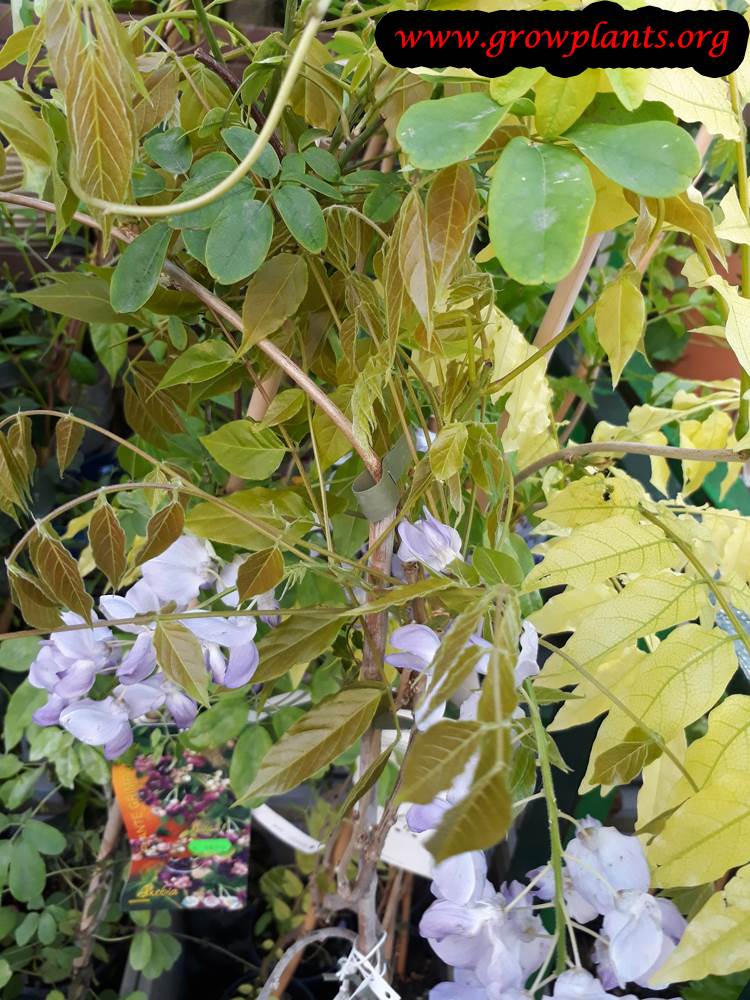
- Leaves & Foliage: Green, oval (palmately arranged) leaves.
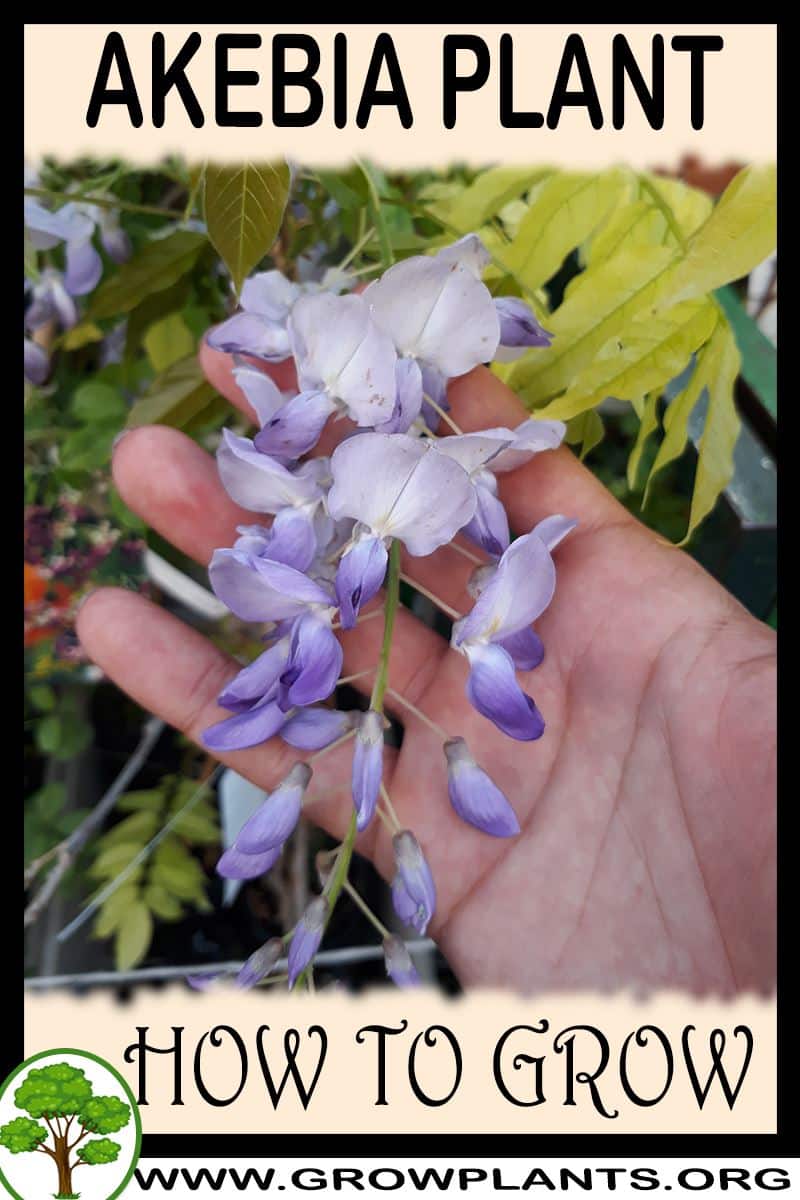
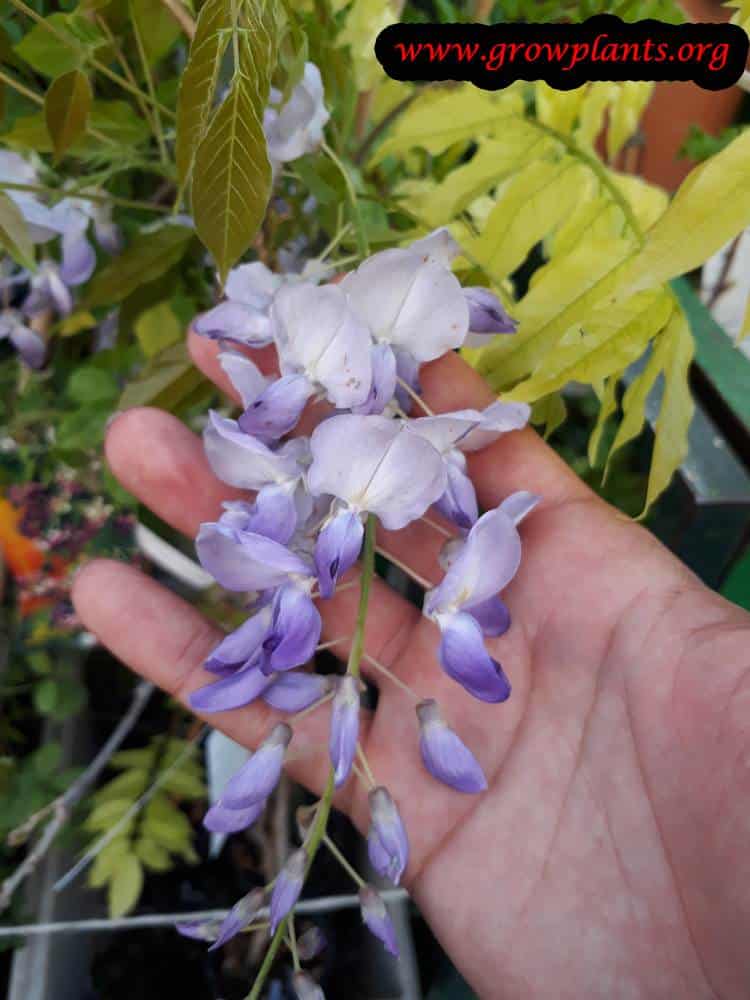
- Flower Characteristics: Fragrant, three-petalled flowers in purple, pink, white or red (full detail in the Bloom accordion).
- Fruit Profile: Edible sausage-shaped fruit with purple skin and soft white inner pulp (full detail in the Fruit accordion).
Primary Uses & Landscape Value
- Edible Uses: Edible fruit with a sweet white pulp.
- Functional & Ornamental Roles: Fragrant ornamental vine, hedge and screen, and arbour, trellis or pergola cover.
Care Guide: Planting, Soil & Watering
Overview: This vigorous chocolate vine grows in temperate to subtropical gardens in sun to shade, and wants well-drained but consistently moist soil with sturdy support to climb.
Quick Care Requirements
| Requirement | Ideal Condition |
|---|---|
| Planting Season | Spring, summer or autumn |
| Growth Rate | Moderate to Fast |
| Soil Type | Well-draining and moist |
| Water Need | Moderate — keep the soil evenly moist |
Planting & Establishment
- Best Planting Season: Plant in spring, summer or autumn while the soil is warm and workable.
- How to Plant:
- Hole Preparation: Dig a hole a little wider than the root ball beside a sturdy trellis, fence or arch for the vine to climb.
- Soil Amendments: Work in compost or organic matter to hold moisture and fuel its fast growth.
- Planting Depth: Set the root collar at soil level and firm the soil gently.
- Growth Speed & Expectations: Fast to moderate and potentially invasive — give it room and prune in winter to keep it in bounds.
Soil, Watering & Drainage Care
- Soil Mix & Drainage Needs: Well-drained soil kept lightly moist; in a large container use a rich mix with drainage holes.
- Watering Schedule & Technique:
- Young / Newly Planted: Water regularly to keep the soil evenly moist while the vine establishes.
- Established: Average watering; do not let it dry out fully during the growing season.
- Seasonal Adjustments: More water in summer heat, and less over winter dormancy in cold areas.
Climate, Light & Hardiness
Akebia (chocolate vine) grows across temperate, subtropical, and Mediterranean climates, or as a houseplant, tolerating full sun through full shade. It is a cold-hardy vine, reliable across USDA zones 4–9, staying evergreen in mild winters and deciduous where winters are colder.
Quick Climate Specifications
| Climate Zones | Temperate, Subtropical, Mediterranean |
|---|---|
| USDA Hardiness Zones | 4–9 |
| Frost Tolerance | High |
| Light Conditions | Full Sun to Full Shade |
Sunlight & Light Exposure
Optimal Light Setup
Very flexible on light, growing from full sun through half shade to full shade; flowering and fruiting are typically best with more sun.
Temperature Extremes & Hardiness
USDA Hardiness & Regional Limits
Hardy across USDA zones 4–9. In colder parts of this range it is deciduous, dropping its leaves for winter; in milder climates it can remain evergreen.
Frost Sensitivity
Established plants tolerate ordinary winter frost well within their hardy range.
Growing in Pots, Balconies & Indoors
Chocolate vine (Akebia) is a vigorous climber that can reach 5-10 m (15-30 ft), which the grower lists as suitable indoors and in containers. It tolerates deep shade and can be grown on a support indoors, but it is fast and twining – expect to prune it hard to keep it in bounds.
Quick Details
- Container Size: A large tub (20 L+ / 5 gal+) with a strong trellis or support
- Indoor Suitability: Suitable indoors on a support, but vigorous – it needs regular pruning to stay contained
- Best Spot: Full sun to full shade – unusually adaptable, and it tolerates low indoor light
- Soil & Drainage: Rich, free-draining potting mix
- Watering in Pots: Average – keep the mix evenly moist
Indoors & On the Windowsill
- As a houseplant: The grower lists it as suitable indoors, and it takes full shade – grow it up a stout trellis or frame in a bright or shaded spot.
- Keep it in bounds: It is a fast, twining vine that can reach many metres – prune it hard and often, or it will quickly outgrow the space.
- Support: Give it something firm to twine around from the start.
On a Balcony or Patio
- Light & wind: Happy in sun or shade on a balcony; give it a solid support and shelter from strong wind, which can whip the long stems – pots dry fast against warm walls.
- Practicalities: Account for the weight of a full pot and make sure drainage water can run away freely without staining the balcony.
Choosing the Pot, Soil & Long-Term Care
- Pot & drainage: Use a pot with strong drainage holes and skip a standing-water saucer to avoid root rot; terracotta breathes and dries faster, while glazed or plastic holds moisture longer.
- Potting mix: Well-aerated and organic-rich – a quality potting mix, or peat/coir with perlite or vermiculite.
- Feeding: Potted plants use up their soil faster as nutrients leach out with each watering – feed lightly through the growing season.
- Repotting: Pot on every couple of years and root-prune a vigorous plant to hold its size; cut the top back hard after flowering.
Fertilizing & Feeding
A light feeder overall – this vigorous, spreading vine typically needs only modest feeding to support healthy foliage and bloom without encouraging excess growth
Quick Fertilizing Specs
| Feeding Level | light |
|---|---|
| Main Nutrient Priority | Balanced feeding with a nitrogen lean during active vine growth |
| Best Feeding Period | Spring through summer while the vine is actively climbing and leafing out |
| Soil pH | Adapts to a wide range of soil, doing best in moist, well-drained conditions |
| Micronutrients | Iron can become limiting in poorly drained or alkaline soil |
| Reduce/Stop Feeding | Taper off as growth slows heading into autumn and stop through winter dormancy |
| Organic Options | Compost or aged organic matter worked in at planting and used as a top-dress |
Feeding by Growth Stage
Establishment After Planting
Support root establishment and initial vine growth after planting
| Nutrient direction | Balanced feeding with a light nitrogen lean to encourage steady root and foliage development |
|---|---|
| Timing | Beginning at planting and continuing through the first growing season |
| Frequency | A few light feedings spaced through the active growing season |
| Fertilizer types | A balanced, complete fertilizer for woody vines, Compost or aged organic matter worked into the planting area |
| Routine trace nutrients | iron |
| Precautions | Keep feeding light while roots establish; avoid pushing excessive soft new growth |
Active Vine Growth
Fuel vigorous vine extension, leaf cover, and flowering during the growing season
| Nutrient direction | A nitrogen-forward complete fertilizer to support foliage and vine growth, easing toward balanced as the season progresses |
|---|---|
| Timing | Spring through summer while the vine is actively climbing and leafing out |
| Frequency | Light, repeated feedings through the active growing season |
| Fertilizer types | A complete, nitrogen-forward fertilizer for foliage vines, Organic mulch or compost top-dress |
| Routine trace nutrients | iron, manganese |
| Precautions | This is already a vigorous, spreading grower – avoid heavy or excess nitrogen that pushes uncontrolled growth |
Autumn-Winter Dormancy
Allow the vine to harden off and rest through its dormant season
| Nutrient direction | None – withhold fertilizer while the vine is dormant |
|---|---|
| Timing | Autumn through winter |
| Frequency | No feeding at this stage |
| Fertilizer types | No feeding at this stage – resume with the following season’s new growth |
| Precautions | Do not fertilize dormant or newly hardened growth; late feeding can trigger tender growth vulnerable to cold |
Nutrient Deficiency Signs & Corrections
Overall pale green to yellowish leaves and reduced vine vigor
| Possible causes | Insufficient nitrogen availability, Compacted or poorly aerated soil limiting root uptake, Excess fresh wood-chip mulch tying up nitrogen as it breaks down |
|---|---|
| Appears first on | Older leaves first, then across the whole vine |
| What to check | Overall growth rate and leaf color across the vine, Soil compaction and drainage around the root zone, Recent heavy mulching with fresh wood chips |
| Possible correction | Apply a balanced, complete fertilizer and improve soil aeration and drainage around the root zone |
Interveinal yellowing on new growth while the leaf veins stay green
| Possible causes | Iron deficiency from high soil pH limiting availability, Waterlogged or poorly drained soil restricting root function, Root disturbance or stress reducing nutrient uptake |
|---|---|
| Appears first on | Newest leaves at the vine tips |
| What to check | Soil pH and drainage in the planting area, Whether yellowing is interveinal and limited to new growth, Recent root disturbance or waterlogging |
| Possible correction | Correct soil pH toward neutral where practical and apply a chelated iron product according to its label |
Marginal browning or scorch along older leaf edges
| Possible causes | Low potassium availability in the soil, Drought stress reducing nutrient uptake, Sandy or leached soil low in retained nutrients |
|---|---|
| Appears first on | Older, lower leaves first |
| What to check | Watering consistency and drought stress, Soil texture and drainage, Whether scorch is confined to leaf margins |
| Possible correction | Apply a balanced fertilizer with adequate potassium and maintain consistent watering |
Pruning, Training & Seasonal Maintenance
Akebia is a vigorous, twining vine grown mainly for its fragrant spring flowers and its value as a dense screen or hedge on a support. It tolerates strong pruning and, given its documented invasive vigor, generally needs regular control rather than gentle shaping. The safest structural window is winter dormancy, before spring growth resumes: flowers form on short spurs from the previous year’s wood, so dormant pruning lets you contain size, but removing a large share of that old wood will reduce that spring’s flower display even though the vine’s vigor brings full flowering back the following year.
Quick Pruning & Maintenance Specs
| Pruning Tolerance | High |
| Primary Pruning Window | Winter dormancy, before spring growth resumes |
| Secondary Maintenance Window | After spring bloom, and through summer, for vigor and spread control |
| Typical Frequency | Regular; often more than once per growing season given its vigor |
| Main Objective | Contain size and spread; maintain the support-trained form; balance vigor control against spring bloom |
| Young Plant Priority | Establish onto a support and train leading shoots to cover it |
| Mature Plant Priority | Ongoing containment given documented invasive vigor; renewal thinning of old congested growth |
| Best Tool Type | Bypass secateurs and loppers, with ties for training young growth onto its support |
| Avoid Heavy Pruning During | Right before or during spring bloom, if that season’s flower display is wanted |
Pruning by Plant Age & Size
Newly Established
Install a trellis, arbor or fence at planting and tie in young shoots to begin training — this is a twining vine with no self-clinging tendrils or holdfasts, so it needs a support and active guidance from the start.
Young / Formative
Cane/support training: select the strongest leading shoots to cover the support, tying them in periodically, and pinch tips to encourage lateral branching for denser screening coverage.
Mature / Established
Prioritize ongoing containment, given this species’ documented invasive vigor, and renewal removal of old, congested growth to keep flowering wood refreshed.
Seasonal Pruning Schedule
Dormant/Winter
Objective: structural control and containment while the vine is bare. Remove: old, congested or misplaced stems, cutting back excess length. Do not remove: all of the short flowering spurs on last year’s wood if a spring bloom display is wanted. Expected response: a vigorous spring regrowth flush, consistent with this species’ documented vigor. Flowering impact: removing a large share of the previous season’s wood reduces flower count that spring; a lighter touch preserves more bloom.
Summer Canopy Management
Objective: control excess vigor and spread during active growth. Remove: overly long or wayward twining shoots, and especially any stem that has touched the ground and begun rooting, which is how this vine’s documented invasive spread often happens. Do not remove: developing framework still filling out the intended support. Expected response: reduced unwanted spread. Flowering impact: none, since bloom is already past.
Flowering & Fruiting Wood
Flowers form in spring on short spurs arising from the previous year’s wood. Dormant winter pruning that removes a substantial portion of that old wood will reduce flower count in proportion to how much is removed, but because the vine is very vigorous, a hard renewal cut trades one season’s lighter bloom for size control, with normal flowering resuming as new spur-bearing wood develops the following year.
Structural Pruning & Training
A support structure is required from the start, since this is a twiner rather than a self-clinging vine. Height and spread control is a major, recurring task given the documented invasive vigor of this genus. Thinning old, congested growth helps renew flowering wood and improves air circulation, reducing the tangled buildup this vine is prone to.
Special Growth to Remove
The main growth to watch for is twining stems that have touched the ground and rooted, or shoots extending well beyond the intended support or screening area — both are how this vine’s documented invasive spread typically happens, and both should be cut back or removed regularly through the growing season.
Container & Small-Space Pruning
Container growing, with its own small support, is one of the more manageable ways to grow this vigorous vine without the containment battle it demands in open ground; it still needs regular pinching and trimming to stay within the pot’s support.
Tools
- Bypass secateurs for routine vine trimming.
- Loppers for thicker old stems on a mature specimen.
- Soft ties or stakes for training young growth onto its support.
Tool Hygiene & Disease Risk
Routine risk — clean, sharp tools are sufficient. Aphids are the noted pest rather than a major pruning-transmitted disease.
Cut Placement & Technique
Use thinning cuts, removing whole stems back to their point of origin on the support, rather than shearing the surface, which only encourages more surface tangle. Cut spent or misplaced twining growth back to a strong bud or lateral, and avoid leaving long unsupported stubs that will flail loose.
Heavy Pruning & Rejuvenation
Well tolerated given this vine’s documented vigor. An overgrown or neglected specimen can be cut back hard in winter to renew the whole framework; expect a season of reduced flowering while it regrows, followed by a full return to bloom as new spur wood develops.
Post-Pruning Care
No feeding is needed after cutback — excess vigor is already the management issue here, not a shortage. Re-secure the remaining framework to its support after a hard cut, and monitor regularly for regrowth escaping the intended area.
Common Pruning Mistakes
- Under-pruning given this vine’s documented invasive vigor, letting it escape its support or root where stems touch the ground.
- Removing all of the previous year’s flowering wood in a season when a bloom display is wanted.
- Failing to provide adequate support from planting, since this species cannot self-attach to a structure.
When NOT to Prune
Avoid removing the previous season’s short flowering spurs right before bloom if a flower display is specifically wanted that spring. Avoid heavy pruning during the hottest, driest part of summer.
Recommended Tools (by task)
- Mature vine, routine containment trimming — bypass_secateurs: clean cuts for regular vigor control.
- Mature vine, older thicker stems — loppers: extra leverage for wood too thick for hand secateurs.
- Young vine, training onto a support — soft_ties_stakes: needed because this twining species cannot self-attach and must be actively guided.
Pruning Troubleshooting
| Problem | Possible Cause | What to Check | Corrective Action |
| Noticeably reduced spring bloom | Too much of the previous year’s flowering wood removed in winter | Severity of the last winter pruning | Prune more lightly in future years; expect one lighter-blooming season after any hard renewal cut |
| Vine escaping its trellis or screen, rooting nearby | Documented invasive vigor, stems left to touch and root in soil | Ground around the base and edges of the support for rooted runners | Cut back wandering stems regularly through the growing season and remove any that have rooted |
| Tangled, congested growth with poor flowering inside | Repeated light surface trims without renewal thinning | Density and age of stems inside the framework | Thin out whole old stems back to their point of origin in winter to renew flowering wood |
Propagation Guide
Akebia plant is best propagated using semi-hardwood cuttings or layering when the goal is to preserve the current plant form.
Quick Propagation Specs
| Preferred Method | Semi-hardwood cuttings or layering |
| Seed | Seed is also possible on this genus-level page, but offspring may vary |
Layering
Low flexible stems can be layered while still attached to the parent; separate them only after an independent root system has formed.
Seed Propagation
Seed is also possible on this genus-level page, but offspring may vary. When seed is used, sow mature viable seed in a clean, free-draining medium.
Aftercare
Protect newly propagated plants from severe drought, heat and waterlogging until new roots and shoots are established.
Bloom & Flower Guide
Quick Details
- Bloom Season: Spring into early summer
- Flower Appearance: Fragrant flowers with three petal-like sepals in purple, pink, white or red
- Edibility: Grown as an ornamental, fragrant vine; the flowers are not eaten (the fruit, a separate stage, is the edible part)
Detailed Blooming Overview
The chocolate vine drapes itself in curious three-parted flowers whose scent gives it its common name – a soft chocolate-vanilla fragrance. It is monoecious, carrying larger female flowers and smaller male flowers together in the same drooping cluster, which is worth knowing if you hope for the edible fruit that can follow.
Flower Characteristics
- Fragrant flowers with three petal-like sepals, in purple, pink, white or red.
- Larger female and smaller male flowers on the same cluster.
Bloom Care & Thinning
- For fruit set: Growing two different plants nearby greatly improves cross-pollination and fruiting.
- Pruning: This vigorous vine is best pruned after flowering.
Fruit & Uses
Akebia is grown mainly as an ornamental, fragrant flowering vine, but its pod-like fruit is genuinely edible – the soft white pulp inside is eaten fresh, while the purple rind is only eaten after cooking. Ripe fruit is eaten raw as a fresh nibble; the rind is treated as a cooked vegetable in some East Asian kitchens rather than a raw snack.
Quick Edible Specs
| Edible Parts | Fruit (pulp fresh; rind cooked) |
| Main Use(s) | Culinary – fresh eating (pulp), cooked vegetable (rind) |
| Eaten Raw or Cooked | Pulp: raw. Rind: cooked |
| Preparation Required | None for pulp (scoop out); Cook for rind (bitter raw) |
| Harvest Season | Autumn, once the pod turns fully purple |
| Storage | Best eaten fresh – the pulp is soft and does not keep long once the pod splits |
| Safety/Toxicity Caveat | Rind is bitter and unpalatable raw; the small black seeds are generally spat out rather than eaten |
Fruit
The fruit is a sausage-shaped pod with a purple peel; inside is a soft, white, slightly gelatinous pulp studded with small black seeds. As the pod ripens it splits open lengthwise, signalling it is ready. Harvest by hand once the peel has coloured fully purple and the pod has softened; the pulp is then scooped out and eaten fresh, with seeds spat out or left aside. The rind itself is not typically eaten raw – in parts of East Asia it is sliced, stuffed, or stir-fried after cooking, which removes its bitterness.
Harvesting
Pods are picked in autumn once fully coloured and beginning to split; because the vine is vigorous and often grown mainly for its flowers and foliage, fruit set can be light and harvest is more of an occasional bonus than a reliable annual crop.
Preparation, Uses & Safety
Fresh pulp is eaten out of hand as a mild, sweet snack. The purple rind is only used as food after cooking (stir-fried or stuffed) to soften its bitterness – it is not eaten raw. There are no significant toxicity concerns with the ripe fruit itself, but as with many vines grown primarily for ornament, culinary use here is a secondary, minor use rather than the main reason the plant is grown.
Pests, Diseases & Troubleshooting
Overview: Akebia is a vigorous, semi-evergreen twining vine that is remarkably trouble-free — so much so that in mild climates its biggest ‘problem’ is its own rampant, potentially invasive growth rather than any pest. Serious insects and diseases are rare; occasional sap-suckers and minor leaf spots are the extent of it, and management is mostly pruning and siting rather than spraying.
Quick Troubleshooting Overview
| Issue / Pest | Main Symptom | Primary Solution |
|---|---|---|
| Rampant/invasive growth | Vine smothers supports and neighbours; roots wherever stems touch soil | Prune hard, confine, remove rooted layers |
| Aphids | Sticky, curled new shoots with soft insects | Hose off; insecticidal soap; beneficials |
| Scale | Bumps on stems, honeydew and sooty mould | Horticultural oil; prune infested wood |
| Leaf spot | Minor brown/purple spots in wet, crowded conditions | Improve airflow, remove affected leaves |
| Powdery mildew | White film on leaves in shade/poor airflow | Thin growth, improve air movement |
Common Pests & Management
- Aphids (Aphis / Aphidoidea spp.):
- Symptoms: Occasional colonies of soft insects on the tender new shoots and leaf undersides, causing minor curling, honeydew and sooty mould. Rarely damaging on an established vine.
- Prevention & Control: Dislodge with a water jet and let lady beetles and lacewings finish them. Insecticidal soap for a heavy spring flush on young plants.
- Soft & armored scale (Coccidae / Diaspididae):
- Symptoms: Small brown or waxy bumps on older stems and leaf undersides, with honeydew and sooty mould from soft scale. Usually light.
- Prevention & Control: Prune out heavily infested wood and treat with horticultural oil, coating stems and undersides; repeat as needed.
- Spider mites (Tetranychus urticae):
- Symptoms: On stressed vines in hot, dry, sheltered spots, fine stippling and dull foliage with occasional webbing.
- Prevention & Control: Keep the plant watered and unstressed; rinse the foliage. Insecticidal soap or oil for bad patches.
- Caterpillars (Lepidoptera larvae):
- Symptoms: Sporadic chewed leaves and notched margins from assorted caterpillars; cosmetic on a large vine.
- Prevention & Control: Hand-pick, and use Bacillus thuringiensis (Bt) on young larvae only if damage is significant.
Diseases & Fungal Issues
- Fungal leaf spot (Cercospora / Colletotrichum spp.):
- Symptoms: Minor brown to purplish spots on the leaves in wet weather or crowded, shaded growth; largely cosmetic and rarely serious.
- Treatment & Management: Improve airflow by thinning the vine, avoid overhead watering, and remove affected leaves. Fungicide is almost never warranted.
- Powdery mildew (Erysiphales):
- Symptoms: White powdery film on leaves grown in shade with poor air movement.
- Treatment & Management: Open up the canopy for light and airflow; remove affected leaves. Sulfur or potassium bicarbonate only if it persists.
- Root rot (Phytophthora / Pythium spp.):
- Symptoms: Uncommon; wilting and dieback where the vine sits in waterlogged soil.
- Treatment & Management: Plant in well-drained soil and avoid waterlogging; there is no cure once roots are rotted.
Growing Difficulties & Abiotic Problems
- Invasive, rampant growth:
- Cause & Symptoms: The real ‘problem’ with Akebia: in mild, moist climates it grows explosively, smothering shrubs and structures and layering roots wherever stems touch the ground, escaping into wild areas.
- Correction Strategy: Site it where it can be contained, provide a strong support, prune hard after flowering and again as needed, and remove rooted layers promptly. Do not plant where it can escape into natural areas.
- Poor fruit set:
- Cause & Symptoms: The curious sausage-like fruits often fail to form because the plant is largely self-incompatible and needs cross-pollination and warmth.
- Correction Strategy: Grow two genetically different plants for cross-pollination, site in a warm sheltered spot, and hand-pollinate the flowers if fruit is wanted.
- Leaf browning from wind & drought:
- Cause & Symptoms: In exposed, dry sites the foliage can brown and thin, and cold winds scorch the semi-evergreen leaves.
- Correction Strategy: Provide a sheltered position and consistent moisture while establishing; mulch the roots.
- Chlorosis:
- Cause & Symptoms: Yellowing between the veins on very alkaline soils.
- Correction Strategy: Mulch with organic matter and apply chelated iron if needed; the vine is otherwise adaptable to most soils.
What Helps — Products & Tools
For this near-pest-free vine the main ‘tools’ are sharp secateurs and restraint: prune to control its vigor and remove rooted layers. For the rare pest, insecticidal soap or horticultural oil handles aphids, scale and mite; Bacillus thuringiensis (Bt) covers stray caterpillars; and improved airflow (not fungicide) manages the occasional leaf spot or mildew. Follow the label and protect pollinators.