



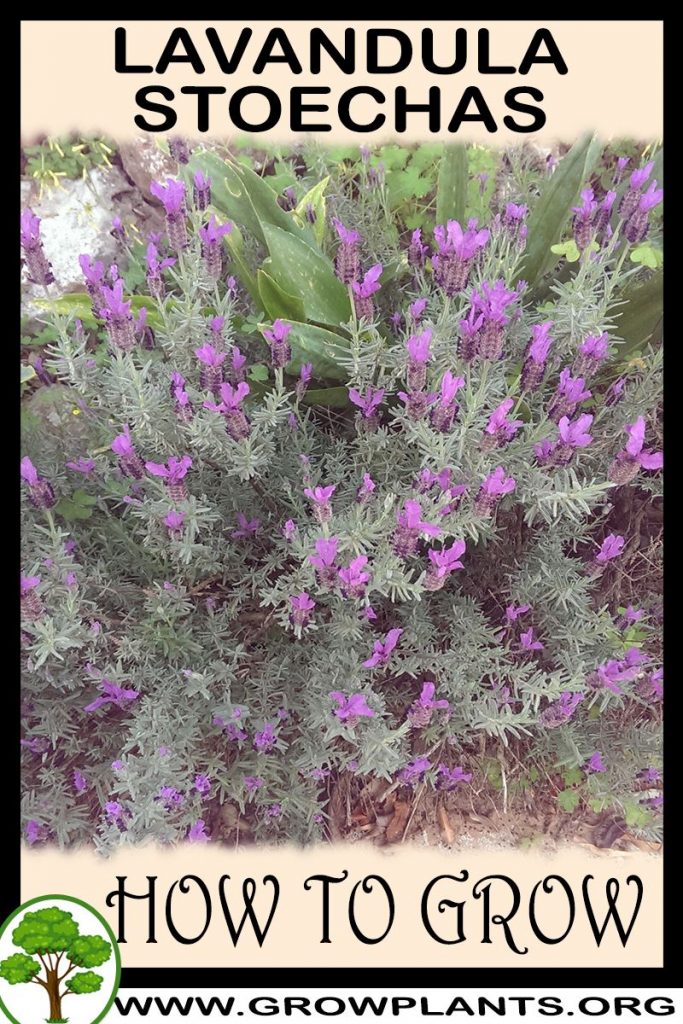
Plant Profile & Key Characteristics
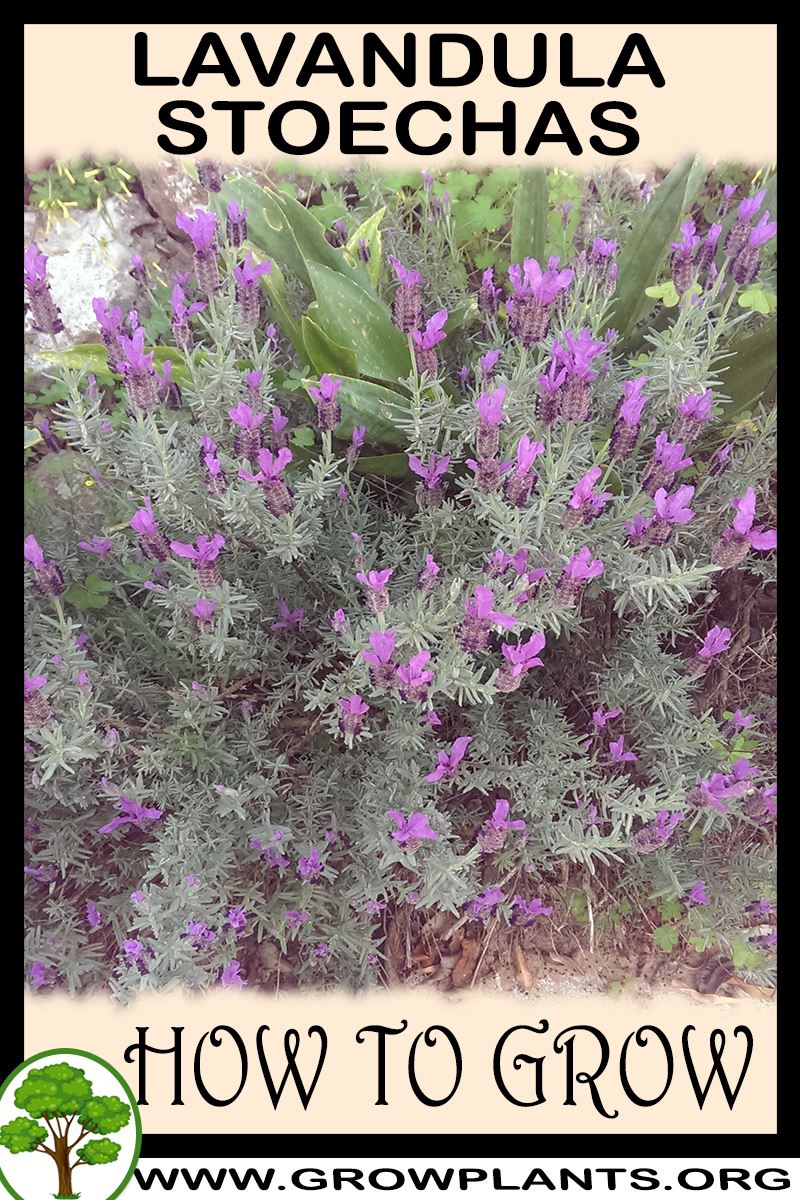
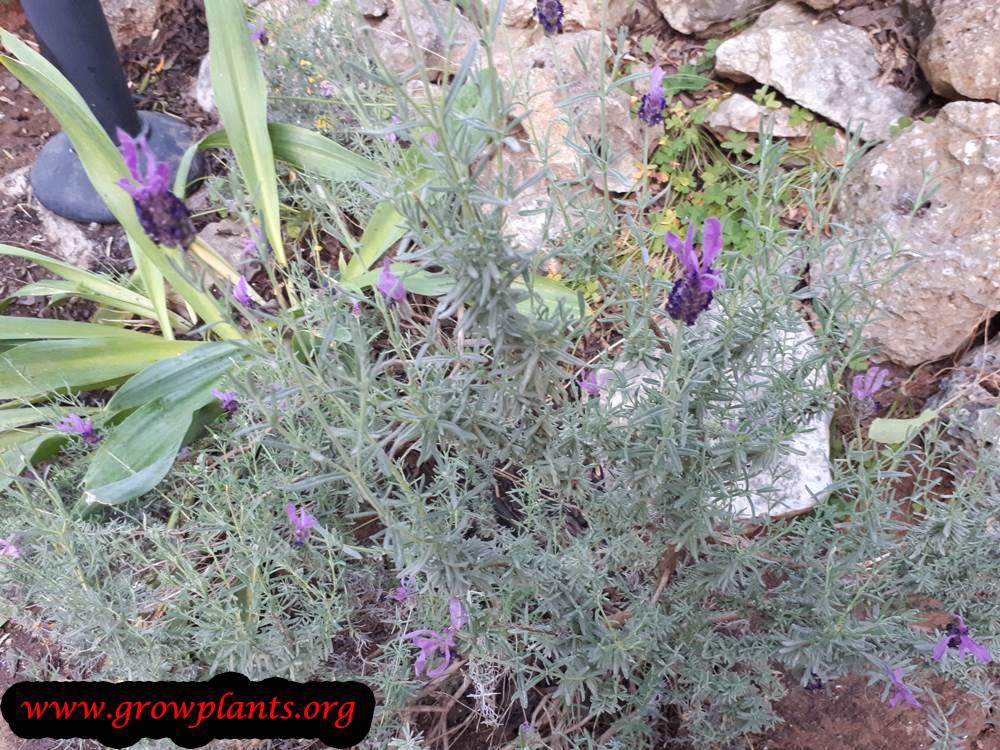
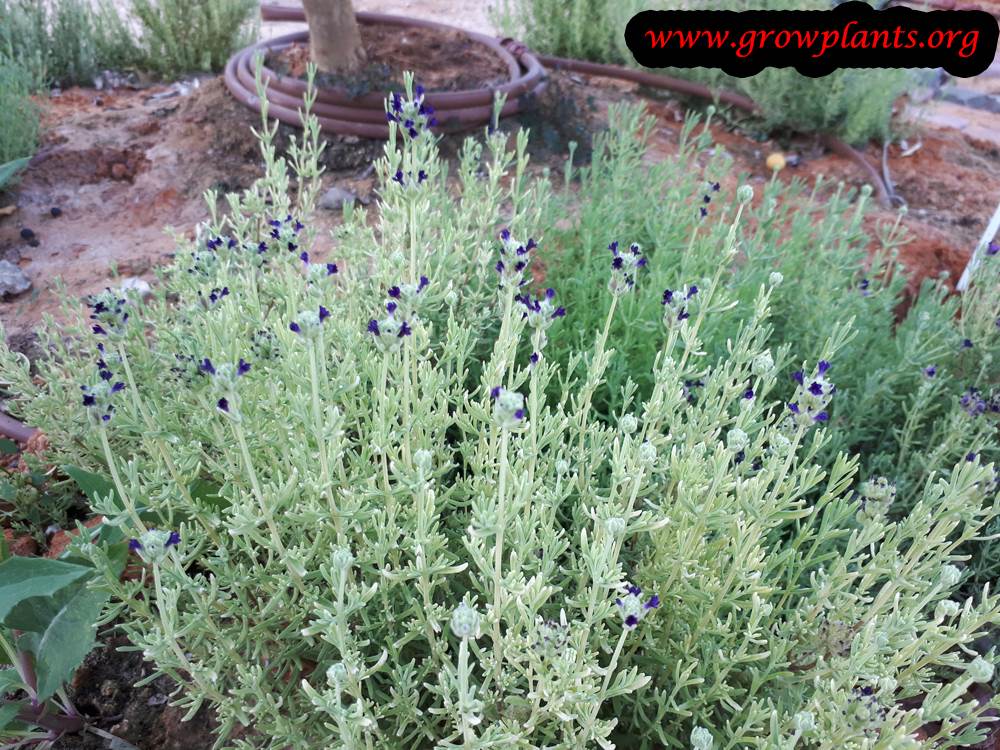
Overview: Spanish lavender (Lavandula stoechas) is an aromatic, evergreen woody subshrub reaching 80-150 cm, grown as an ornamental and for its fragrant, edible flowers. It forms a neat mound of grey-green foliage topped by purple-lilac flower spikes and is a magnet for bees and other pollinators.
Quick Specifications
| Specification | Attribute |
|---|---|
| Plant Type / Life Cycle | Perennial |
| Foliage Type | Evergreen |
| Mature Size | 80-150 cm (32-60 in) tall |
| Growth Rate | Moderate to fast |
| Toxicity | Non-toxic / edible (culinary flowers and leaves) |
| Hardiness | USDA zones 5-10 |
Growth Form & Structure
- Height & Spread: 80-150 cm (32-60 in) tall with a similar spread; grows well in containers of 8-18 L (2-5 gal).
- Growth Habit & Form: rounded, mounding woody subshrub that becomes woody at the base with age.
- Lifespan & Maturity: reaches flowering size within a year or two; renew every few years as older plants grow leggy.
Anatomy & Physical Features
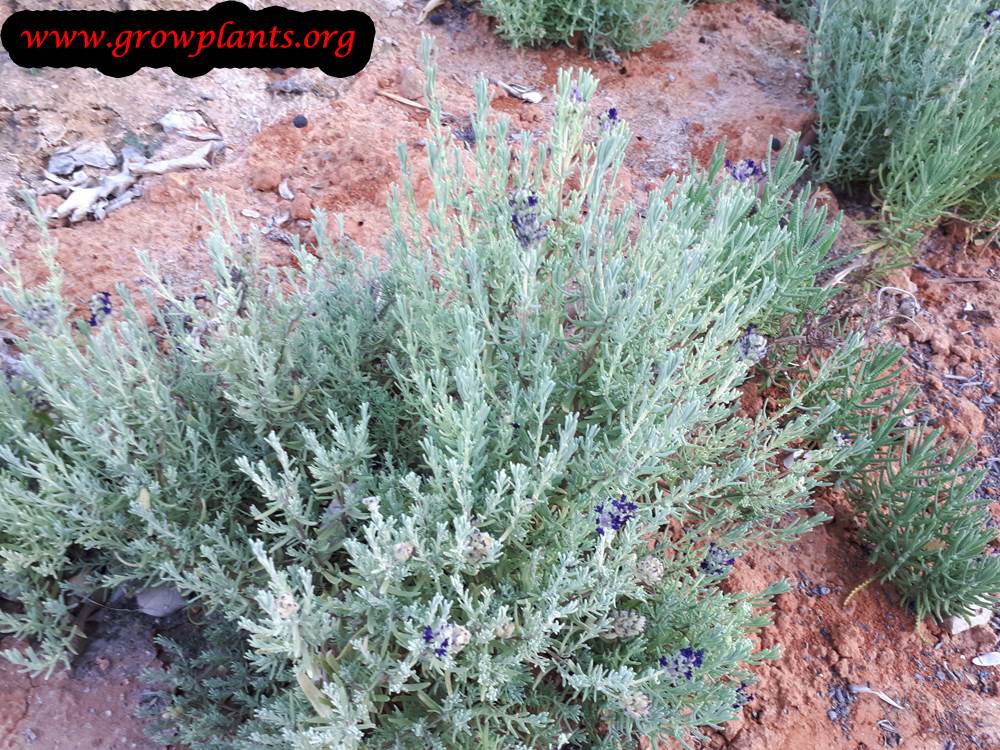
- Leaves & Foliage: green, oval leaves with serrated edges, 3-5 cm, highly aromatic.
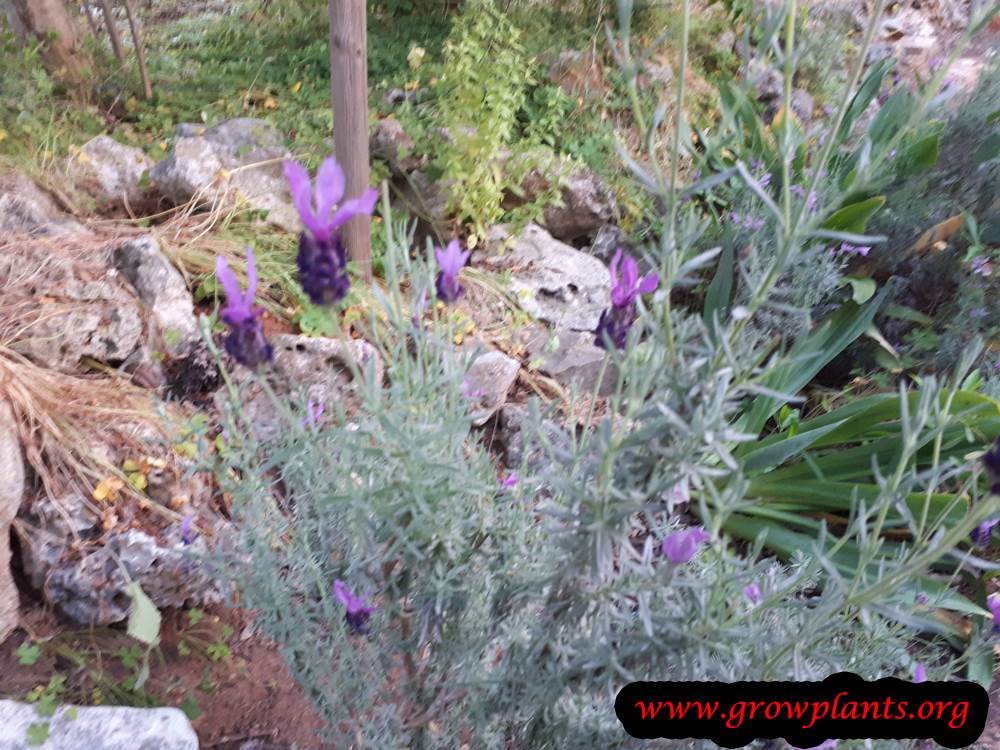
- Flower Characteristics: purple-lilac flowers packed into hive-like spikes at the stem tips, topped by showy petal-like ‘rabbit-ear’ bracts, fragrant and rich in nectar (spring to summer).
Primary Uses & Landscape Value
- Edible Uses: flowers and leaves used for essential oil, herbal beverages and flavouring.
- Functional & Ornamental Roles: fragrant ornamental, low hedge and border plant, pollinator plant, cut/dried flower and natural insect repellent.
Care Guide: Planting, Soil & Watering
Overview: Lavender is a sun-loving, drought-tolerant Mediterranean shrub that needs full sun and sharp drainage above all else. It grows best in light, gritty, very well-draining soil and dislikes wet, heavy ground.
Quick Care Requirements
| Requirement | Ideal Condition |
|---|---|
| Planting Season | In spring to summer in cooler zones, spring to autumn in mild zones, or autumn to spring in the warmest (zone 10b) areas |
| Growth Rate | Moderate to Fast |
| Soil Type | Light, gritty, very well-draining soil |
| Soil pH | Neutral to slightly alkaline (around 6.5-8.0); tolerates lime |
| Water Need | Moderate – water deeply, then let the soil dry out between waterings; drought tolerant |
Planting & Establishment
- Best Planting Season: Plant in spring to summer in cooler zones (5-8), spring to autumn in mild zones (9-10a), or autumn to spring in the warmest areas (zone 10b), matching planting to the cooler, settled weather of your climate.
- How to Plant:
- Hole Preparation: Dig a hole about 50-100% wider than the root ball and loosen the surrounding soil so the roots can spread into free-draining ground.
- Soil Amendments: Put some dead leaves and organic matter in the hole; on heavy soils add grit or sand to sharpen drainage, as good drainage matters more than richness.
- Planting Depth: Set the plant with its crown at or slightly above soil level; never bury the stem base, which invites rot.
- Growth Speed & Expectations: A moderate-to-fast grower that quickly forms a rounded, woody shrub, in good conditions reaching about 80-150 cm.
Soil, Watering & Drainage Care
- Soil Mix & Drainage Needs: Above all it needs sharp drainage – light, gritty, well-aerated soil, or a free-draining potting mix (for example one with perlite or vermiculite) in containers; wet, heavy soil is the main cause of failure.
- Watering Schedule & Technique:
- Young / Newly Planted: Water young plants just enough to keep the soil lightly moist while they root in, without keeping it soggy.
- Established: Once established it is drought tolerant; water deeply but infrequently, letting the soil dry out well between waterings.
- Seasonal Adjustments: Water very little over winter to avoid root rot, and give occasional deep watering only in prolonged summer heat and drought.
Climate, Light & Hardiness
Lavandula stoechas (Spanish/French Lavender) is a Mediterranean-climate evergreen shrub also well suited to subtropical and temperate regions, thriving in full sun with excellent drainage. It has good but not extreme cold hardiness, appreciating a period of winter chill while needing protection from the harshest freezes.
Quick Climate Specifications
| Climate Zones | Mediterranean, subtropical, and temperate climates |
|---|---|
| USDA Hardiness Zones | Approximately zone 5–10 |
| Optimal Temp Range | Mild, sunny conditions typical of Mediterranean climates |
| Cold Damage Begins | Foliage can be damaged by hard, prolonged freezes, especially in wet soil |
| Approx. Survival Minimum | Established plants tolerate the winter cold typical of zone 5, though cold tolerance varies with drainage, exposure, and plant age |
| Frost Tolerance | Moderate |
| Light Conditions | Full Sun; Half Shade tolerated but with fewer flowers |
Sunlight & Light Exposure
Optimal Light Setup
Full sun brings the best flowering and the classic compact, fragrant, rabbit-eared bloom spikes.
Direct Sun Requirement
At least several hours of direct sun daily are needed for strong bloom; half shade is tolerated but reduces flowering.
Best Exposure / Orientation
An open, sunny site with sharp drainage suits this plant best, echoing its native Mediterranean hillsides.
Temperature Extremes & Hardiness
USDA Hardiness & Regional Limits
Site data places this plant at zone 5–10, reflecting solid winter cold tolerance for a Mediterranean shrub; well-drained soil is essential everywhere, since cold combined with wet soil is far more damaging than cold alone.
Cold Damage & Winter Protection
In the coldest parts of its range, a sheltered site and winter mulch around the base help protect the roots through hard freezes.
Frost Sensitivity
Moderately frost tolerant; established plants handle typical winter frost in their range, but severe or prolonged freezes can damage foliage and stems.
Extreme Heat Tolerance
Tolerates heat and dry conditions very well once established, consistent with its Mediterranean and subtropical range.
Chilling Requirement
Benefits from a period of winter chill (roughly 3–8 weeks per site data); this is much lower than for temperate deciduous fruit trees but still supports the plant’s natural growth cycle.
Wind, Humidity & Microclimate
Dry-Air Tolerance
Tolerates dry air very well, in keeping with its Mediterranean climate origins.
Rainfall & Seasonal Moisture
Prefers a dry-summer, wetter-winter rainfall pattern; excess summer rain or poor drainage promotes root and crown rot more than cold does.
Microclimate Recommendations
Raised beds, slopes, or gravelly soil that shed winter moisture quickly help this plant handle both cold snaps and humid conditions.
Growing in Pots, Balconies & Indoors
Lavandula stoechas is a sun-loving Mediterranean shrub, not a true houseplant – the grower marks it as unsuitable for growing deep indoors. It is, however, an excellent container plant for a hot, sunny balcony or patio, and a compact plant can be kept on a very bright, sunny windowsill where it gets direct light and good airflow.
Quick Details
- Container Size: 8-18 L (2-5 gal)
- Indoor Suitability: Not a deep-indoor houseplant; only a very sunny windowsill will do
- Best Spot: Full sun (light shade means fewer flowers)
- Soil & Drainage: Well-aerated, free-draining, organic-rich mix; mulch to slow evaporation
- Watering in Pots: Average – keep lightly moist; avoid waterlogging, which lavender hates
Indoors & On the Windowsill
- Not a houseplant: Indoors it lacks the strong direct sun and airflow it needs and soon grows weak and leggy – the grower confirms it is not suited to room culture.
- Sunny windowsill: A compact plant can be kept on the sunniest, brightest sill with direct sun and fresh air; turn it regularly and keep it away from radiators.
- Overwintering: In cold climates a potted plant can be moved to a cool, bright, frost-free spot for winter, then returned outside once frost has passed.
On a Balcony or Patio
- Light & heat: Give it the hottest, sunniest spot; it thrives on reflected heat from walls and paving. Pots dry quickly there, so check moisture often.
- Airflow: Good air movement keeps it healthy and helps prevent rot – avoid crowding it against damp corners.
Choosing the Pot, Soil & Long-Term Care
- Pot & drainage: An 8-18 L (2-5 gal) pot with strong drainage holes; skip a standing water saucer. Terracotta suits lavender well, breathing and drying faster than glazed or plastic.
- Potting mix: Well-aerated, free-draining and organic-rich – a potting mix or peat with perlite or vermiculite; a mulch helps hold moisture.
- Feeding: Potted lavender needs only light feeding as nutrients leach out; avoid overfeeding, which reduces flowering.
- Repotting: Refresh the soil about every two years so it does not turn stale – you can replace just part of it. When the roots fill the pot, move up a size or trim back both roots and top growth.
Fertilizing & Feeding
A light feeder once established: a single modest feeding as new growth begins in spring, paired with organic matter worked into well-drained soil, is normally all this compact Mediterranean shrub needs through its spring-to-summer flowering season.
Quick Fertilizing Specs
| Feeding Level | Light feeder |
|---|---|
| Main Nutrient Priority | A balanced, low-nitrogen approach; heavy nitrogen tends to push soft, floppy growth at the expense of the showy flower spikes |
| Best Feeding Period | As new growth begins in spring, ahead of the main flowering season |
| Organic Options | Compost, well-rotted organic matter, or humus worked into well-drained soil |
| Micronutrients | Usually unnecessary as a routine addition; correct a specific deficiency only if it is actually diagnosed |
| Soil pH | Tolerates a wide range and is comfortable in alkaline soils; sharp drainage matters far more than a particular pH |
| Reduce/Stop Feeding | Ease off feeding once the shrub is established; mature plants rely mainly on organic matter and rarely need more than light feeding |
Feeding by Growth Stage
Establishment after planting
Help newly planted Spanish lavender root in and build the compact framework that supports its showy flower spikes.
| Nutrient direction | A light, balanced feeding paired with organic matter worked into the planting hole supports steady establishment. |
|---|---|
| Timing | At planting and through the first season of root and shoot establishment. |
| Frequency | A light feeding as the plant is settling in is usually enough, with minimal feeding after that. |
| Fertilizer types | A balanced, light-strength general fertilizer at planting, Compost or well-rotted organic matter worked into the soil |
| Precautions | Keep soil well drained; this Mediterranean shrub is far more tolerant of lean, dry soil than of rich, waterlogged conditions. |
Spring growth into flowering
Support fragrant foliage and the distinctive flower spikes without encouraging soft, floppy growth.
| Nutrient direction | Keep nitrogen low; a lean, low-nitrogen approach favors compact growth and stronger flower spikes than a nitrogen-rich feed. |
|---|---|
| Timing | From new spring growth through the main flowering period. |
| Frequency | A light feeding as spring growth begins is usually enough for the season; established plants often rarely need more. |
| Fertilizer types | A lean, low-nitrogen general fertilizer, used sparingly, Organic matter or mulch worked lightly into the surrounding soil |
| Precautions | Avoid nitrogen-heavy feeding, which tends to produce leggy, floppy stems and can reduce flower spike quality on this aromatic shrub. |
Nutrient Deficiency Signs & Corrections
Stems grow long and floppy and the flower spikes come smaller or sparser than expected.
| Possible causes | excess nitrogen feeding, too little direct sun, overcrowding or lack of renewal pruning |
|---|---|
| Appears first on | new stem growth |
| What to check | recent feeding history, hours of direct sun the plant receives, time since the last renewal pruning |
| Possible correction | Reduce or skip feeding, move or thin surrounding plantings to maximize sun exposure, and prune to renew compact growth after flowering. |
The plant wilts or declines despite adequate rainfall, with a blackened, mushy stem base.
| Possible causes | heavy or poorly drained soil, overwatering, mulch piled against the crown holding moisture |
|---|---|
| Appears first on | the stem base and crown |
| What to check | soil drainage and texture, recent watering or rainfall, how close mulch sits to the crown |
| Possible correction | Improve drainage, keep mulch pulled back from the crown, and let soil dry between waterings. |
New leaves emerge pale yellow while the veins stay distinctly green.
| Possible causes | a waterlogged or compacted root zone, root stress from poor drainage, an unusually high soil pH limiting iron availability |
|---|---|
| Appears first on | the newest leaves |
| What to check | soil drainage, recent watering patterns, soil pH if chlorosis persists |
| Possible correction | Improve drainage first, since this is more often a root-stress issue than a true pH problem in lavender; apply a chelated iron product per its label if chlorosis persists. |
Pruning, Training & Seasonal Maintenance
Lavandula stoechas tolerates frequent light shearing to stay compact but, like other lavenders, will not reliably resprout from old, leafless grey wood, so cuts must stay in live green growth. Its distinctive top-knot flower spikes (purple-lilac with showy bracts) respond well to deadheading, which can trigger a partial rebloom through the spring/summer season rather than just next year’s flowers. The safest window is right after a bloom flush; the objective is a dense, rounded mound rather than height, since this species is most often grown massed as a low border or informal hedge.
Quick Pruning & Maintenance Specs
| Pruning Tolerance | Moderate (shaping and deadheading only – never into bare wood) |
| Primary Pruning Window | After each bloom flush, spring through summer |
| Secondary Maintenance Window | Light tip trims between flushes for shape |
| Typical Frequency | Deadheading through the bloom season, one firmer shear post-peak-bloom |
| Main Objective | Dense low mound, repeated flowering, avoid a woody gap in the center |
| Young Plant Priority | Pinch tips to build a full, many-branched base |
| Mature Plant Priority | Annual renewal shear in live wood to prevent legginess |
| Best Tool Type | Hand/hedge shears for mass shaping; bypass secateurs for spot deadheading |
| Avoid Heavy Pruning During | Just before frost; peak summer heat or drought stress |
Pruning by Plant Age & Size
Newly Established
Remove only damaged growth; pinch tips lightly to encourage early branching rather than shearing the whole plant.
Young / Formative
No formal training system – repeated tip-pinching over the first season or two builds the dense, low, multi-stemmed base this species is grown for.
Mature / Established
Deadhead spent spikes through the bloom season to encourage repeat flowering, then give the whole mound one firmer shape-renewal shear after the main flush, always leaving green foliage on every stem.
Seasonal Pruning Schedule
Post-Flowering
Objective: reset shape and encourage further flowering.
Remove: spent flower spikes at their base, plus light trimming of the current season’s soft growth.
Do not remove: grey, leafless wood – stop cuts in green tissue.
Expected response: compact new growth and, often, a further round of blooms.
Flowering impact: promotes rebloom this season and builds the framework for next year’s flowers.
Ongoing Sanitary
Objective: extend the bloom display and keep the plant tidy.
Remove: individual spent spikes and dead leaves as they appear.
Do not remove: healthy buds or unopened spikes.
Expected response: longer, fuller flowering through the season.
Flowering impact: positive – deadheading does not reduce future bloom.
Structural Pruning & Training
Maintain an even, rounded mound; shorten any stems that break the shape back into green wood during the post-bloom shear. In mass/border plantings, thin a few interior stems occasionally to keep airflow through the planting and reduce fungal risk in humid spells.
Special Growth to Remove
Spent flower spikes (cut just above a leaf node), and any winter-damaged tips cleaned up once spring growth resumes.
Container & Small-Space Pruning
In containers (8–18 L / 2–5 gallon pots per facts), shear a bit more often and lightly rather than saving up for one large annual cut, to keep the plant proportionate to the pot and prevent it outgrowing the root volume.
Tools
Hand or light hedge shears for the whole-mound shaping cuts (this species is typically kept as a rounded mass, especially in border/hedge use); bypass secateurs for precise deadheading and removing individual stems.
Tool Hygiene & Disease Risk
Routine: clean, sharp tools are sufficient. No major transmissible pruning-borne pathogen is documented for this species; a dense, poorly ventilated center is the main disease risk, addressed by light interior thinning.
Cut Placement & Technique
Cut above a leaf node in live green stem tissue; never cut into bare grey wood, which typically will not resprout. Follow the mound’s natural rounded contour when shearing.
Heavy Pruning & Rejuvenation
NOT reliably tolerated. Like other lavenders, Lavandula stoechas rarely resprouts from hard cuts into old wood; a plant that has become sparse and woody is best replaced rather than hard-cut back.
Post-Pruning Care
No extra feeding required after a routine shear. After a heavier post-bloom cut, avoid overwatering and watch new growth if a cold snap is forecast, since fresh shoots are more frost-tender than hardened stems.
Common Pruning Mistakes
Cutting into bare grey wood; skipping deadheading and losing the repeat-bloom benefit this species offers; shearing so late in the season that tender regrowth is caught by an early frost.
When NOT to Prune
Avoid pruning right before frost or during the coldest part of winter in the cooler end of its range (zone 5–8), and avoid heavy shearing during peak summer heat or drought stress.
Recommended Tools (by task)
- hedge_shears – for shaping the rounded mound in mass or border plantings, a common use for this species.
- bypass_secateurs – for precise deadheading of individual spikes to encourage rebloom, and for spot removal of damaged stems.
Pruning Troubleshooting
| Problem | Possible Cause | What to Check | Corrective Action |
| Bare, woody, gappy center | Years without shearing, or cuts made into old wood | Whether previous cuts reached live green tissue | Resume light annual shearing; if severely woody, plan replacement rather than a hard cutback |
| Little to no rebloom after first flush | Spent spikes left on the plant instead of deadheaded | Whether faded spikes were removed promptly | Deadhead spikes as soon as they fade through the season |
| Dieback after a late-season cut | New growth pushed too close to first frost | Timing of last cut versus local frost date | Shift pruning earlier, especially in zone 5–8 |
Propagation Guide
Lavandula stoechas propagates most reliably from stem cuttings taken in spring, which keep its compact form and fragrance true to the parent; raising it from seed is also possible and not difficult, but cuttings establish faster and more predictably. This Spanish lavender is easy to propagate by cutting, layering, or seed.
Quick Propagation Specs
| Best Propagation Method | Stem Cuttings |
| Alternative Methods | Ground Layering; Seed |
| Propagation Difficulty | Easy |
| Seed True-to-Type | Usually true-to-type |
| Vegetative True-to-Type | Yes |
| Best Propagation Season | Spring (cuttings and layering); spring to summer (sowing) |
| Seed Germination Time | 2–5 weeks |
| Cutting Rooting Time | A few weeks under warm, humid conditions |
| Germination Temperature | 10–21°C (50–70°F) |
| Seed Sowing Depth | 1cm (0.5 inch) |
Growing from Seed
Seed Handling & Viability
Save seed in a cool, dry location until sowing.
Sowing Season
Spring to summer.
Sowing Depth & Orientation
Seeds need to be buried, at a depth of about 1cm (0.5 inch).
Germination Conditions
Moist soil at 10–21°C (50–70°F).
Germination Time
2–5 weeks.
Seedling Care
Full sun, keep the soil moist, with average watering. If sowing in nursery rows or trays, space developing seedlings around 30x40cm (12×16 inches) apart.
Stem Cuttings
Cutting Type
A stem cutting.
Best Timing
Spring season.
Cutting Preparation
Take a cutting and either place the stem in water or insert it into soil, ideally a peat-based mix.
Rooting Setup
If rooting in water, switch the water every few days. If rooting in soil, keep it moist, keep humidity high, and mist the plant regularly.
Rooting Hormone
Beneficial and recommended for better results, though not strictly required.
Rooting Time
Typically a few weeks under warm, humid conditions.
Air & Ground Layering
A low, flexible branch can be bent over and covered with a shallow layer of soil (simple ground layering); do this in spring alongside cuttings, and keep the covered section consistently moist until it has rooted before separating it from the parent plant.
Bloom & Edible Flower Guide
Quick Details
- Bloom Season: Spring to summer
- Flower Appearance: Purple-lilac hive-like spikes topped with showy petal-like bracts (the ‘rabbit ears’)
- Edibility: Used in infusions and beverages – aromatic and camphor-rich, so best used sparingly
Detailed Blooming Overview
Lavandula stoechas (Spanish lavender) is instantly recognisable by the tuft of showy, petal-like bracts – often called rabbit ears – sitting on top of each dense, hive-shaped flower spike. The true flowers are the small purple-lilac ones packed into the spike. It is powerfully aromatic and rich in essential oil; the flowers are also used in infusions and beverages, though their high camphor content means they are best used sparingly and less freely than culinary English lavender.
Flower Characteristics
- Purple-lilac flowers in a dense, hive-like spike
- Topped by showy petal-like bracts (the rabbit ears)
- Strongly aromatic
Bloom Care & Thinning
- Deadheading: Shear spent spikes to keep the plant compact and prolong flowering.
- Uses: Distilled for essential oil, used as a natural insect repellent, and infused as a beverage (use the flowers sparingly).
- Pollination: An outstanding bee and pollinator plant.
Bloom Health & Protection
- Spittlebugs (froghoppers): Frothy cuckoo-spit on stems in spring; mostly cosmetic, and a jet of water clears it.
- Grey mould (Botrytis): Can affect spikes in damp, crowded conditions; better airflow and drier foliage help, with a fungicide if needed.
Fruit & Uses
Safety note: Spanish/French lavender flowers are higher in camphor than common culinary (English) lavender, so they are not eaten raw and should only be used sparingly, dried and infused, rather than treated as a everyday cooking herb. The fragrant flower spikes are the only part used, mainly for a dried infusion (tea-like beverage) in small amounts.
Quick Edible Specs
| Edible Parts | Flowers (flower spikes) |
| Main Use(s) | Beverage/infusion (culinary, minor); flower spikes also used for essential oil and as a natural insect repellant (non-edible uses) |
| Eaten Raw or Cooked | Not eaten raw as food – used dried and steeped as an infusion |
| Preparation Required | Dry the flower spikes; steep briefly in hot water; use sparingly |
| Harvest Season | Spring/Summer, during bloom |
| Time to First Harvest | Once the shrub is established and flowering (see Pruning/Climate for general growth timing) |
| Storage | Dried flower spikes, kept cool, dry and airtight |
| Safety/Toxicity Caveat | Higher camphor content than common culinary lavender – use only in small amounts, avoid concentrated or frequent use, and do not substitute cup-for-cup for English lavender in recipes |
Flowers & Flower Buds
The purple-lilac flower spikes, clustered at the top of the flowering stems in a pineapple-like shape, are picked once fully open and fragrant; only the flower heads are used, stripped from the stem before drying. Traditionally the dried flowers are steeped for a fragrant infusion and occasionally used, in very small amounts, to scent sugar or baked goods – the flavor is strong and distinctly camphorous rather than sweet, so use noticeably less than a recipe written for culinary English lavender would call for.
Harvesting
Pick flower spikes during the spring/summer bloom once fully open, cutting the flowering stem itself (this doubles as removing spent flower stems – see Pruning for general stem care). New spikes continue to open through the bloom season, so harvest can be repeated; dry promptly out of direct sun to preserve fragrance.
Preparation, Uses & Safety
Dried flowers are infused in hot water for a fragrant beverage, or used very sparingly to scent sugar, syrups or baked goods. The same flower spikes are also distilled for essential oil and used fresh or dried as a natural insect repellant – these are non-food uses. Because this species carries more camphor than common culinary lavender, use a light hand, avoid concentrated or frequent consumption, and do not treat it as interchangeable with English lavender in food recipes. Lavender has traditionally also been used in calming/aromatic preparations – no health claims are made here.
Pests, Diseases & Troubleshooting
Overview: Lavender is an aromatic, drought-loving Mediterranean sub-shrub that is naturally pest-resistant, so its foliage is seldom seriously eaten; its overwhelming weakness is root rot in wet or heavy soil, which kills more lavenders than any pest. The insects it does attract, spittlebugs and leafhoppers, matter mainly as potential vectors of the serious bacterial disease Xylella. Grow it lean, sunny and sharply drained, and most problems never arise.
Quick Troubleshooting Overview
| Issue / Pest | Main Symptom | Primary Solution |
|---|---|---|
| Root rot | Grey wilting, dieback, collapse in wet soil | Sharp drainage; water sparingly – the #1 issue |
| Spittlebug / froghopper | White frothy ‘cuckoo spit’ on stems | Tolerate/hose off; watch as Xylella vector |
| Rosemary beetle | Metallic beetles & grubs eating leaves/flowers | Hand-pick; shake onto sheet |
| Aphids / whiteflies | Sticky growth (mainly under cover) | Water jet, soap; airflow |
| Xylella (bacterial) | Leaf scorch, dieback, decline | Notifiable in some regions; remove; control vectors |
| Woody legginess | Bare woody bases, open sprawling plant | Trim yearly; never cut into old bare wood |
Common Pests & Management
- Spittlebug / froghopper (Philaenus spumarius):
- Symptoms: Blobs of white frothy ‘cuckoo spit’ on stems in which the pale nymphs hide, sucking sap. Direct damage is minor, but this insect is the principal vector of the bacterium Xylella fastidiosa, which makes it important to monitor.
- Prevention & Control: The froth is largely harmless in itself and can be hosed off or tolerated; keep an eye on numbers because of the Xylella risk. Avoid stressing plants, encourage general predators, and in regions where Xylella occurs follow official monitoring and control advice for the vector rather than routine spraying.
- Rosemary beetle (Chrysolina americana):
- Symptoms: Striking metallic green-and-purple striped beetles and their grey grubs feeding on the aromatic foliage and flowers of lavender, rosemary and sage, chewing leaves and shoots mainly from late summer through winter.
- Prevention & Control: Hand-pick beetles and larvae or shake them onto a sheet laid beneath the plant, especially in the cooler part of the day, and clear debris where they shelter. On aromatic culinary/craft plants avoid insecticides; regular hand-picking keeps numbers down.
- Aphids (Aphidoidea):
- Symptoms: Small soft-bodied green, black or grey insects clustering on new shoots, flower buds and the undersides of young leaves. They suck sap, causing curled, distorted, sticky (honeydew-coated) growth and can transmit viruses. Look for cast white skins and attending ants.
- Prevention & Control: Blast colonies off with a firm jet of water and pinch out badly infested tips. Encourage ladybirds, lacewings and hoverflies with companion flowers; avoid excess high-nitrogen feeding that produces soft, aphid-prone growth. If populations persist, treat with insecticidal soap or a light horticultural/neem oil, coating leaf undersides and spraying in the cool of the evening to protect pollinators.
- Whiteflies (Trialeurodes / Bemisia spp.):
- Symptoms: Tiny white moth-like insects that rise in a cloud when foliage is disturbed. Nymphs on leaf undersides suck sap, causing yellowing, weakness and sticky honeydew that fuels sooty mould.
- Prevention & Control: Hang yellow sticky traps to monitor and reduce adults, and inspect the undersides of new leaves regularly. Encourage Encarsia parasitic wasps and lacewings. For heavier infestations use insecticidal soap or neem oil, spraying leaf undersides thoroughly and repeating to break the life cycle.
- Spider mites (Tetranychus urticae):
- Symptoms: Fine pale stippling or a bronzed, dusty look on leaves, with delicate webbing in leaf axils during hot, dry conditions. Leaves dry, yellow and drop; a shaken leaf over white paper reveals tiny moving specks.
- Prevention & Control: Mites thrive in hot, dry, dusty air, so raise humidity, hose down foliage and avoid drought stress. Preserve predatory mites and other beneficials by avoiding broad-spectrum sprays. For outbreaks, apply insecticidal soap or horticultural oil to leaf undersides, repeating every 5-7 days to catch newly hatched mites.
Diseases & Fungal Issues
- Phytophthora root & crown rot (Phytophthora / Pythium spp.):
- Symptoms: The great lavender killer: plants go dull grey-green, wilt, and whole branches or the entire plant die back and collapse, with blackened rotted roots and stem base, in heavy, wet or poorly drained soil.
- Treatment & Management: This is overwhelmingly a drainage problem: plant in poor, gritty, sharply drained soil or on a mound/raised bed, in full sun, and water very sparingly once established. Never mulch wet organic matter against the stem; use grit or gravel mulch instead. There is no cure once rot is advanced, so prevention through dry, lean, well-drained conditions is everything.
- Shab disease (Phomopsis lavandulae):
- Symptoms: Wilting and dieback of individual shoots which turn brown and die while others stay green, caused by a fungus entering the woody stems; whole plants can gradually decline.
- Treatment & Management: Cut out and destroy affected shoots well into healthy wood, disinfecting tools, and remove severely diseased plants. Buy clean, healthy stock, avoid overhead watering and overcrowding, and keep plants open and airy. There is no chemical cure.
- Xylella (bacterial leaf scorch) (Xylella fastidiosa):
- Symptoms: A serious notifiable bacterial disease in affected regions causing leaf scorch, stunting, dieback and eventual death, spread by sap-sucking insects such as spittlebugs and leafhoppers.
- Treatment & Management: Where Xylella is present this is a regulated disease: there is no cure, so remove and destroy affected plants as directed, control the insect vectors, buy certified healthy stock, and follow official reporting and quarantine requirements. In unaffected regions, using clean nursery stock is the key preventive measure.
- Grey mould & leaf spot (Botrytis cinerea / Septoria spp.):
- Symptoms: Grey fuzzy mould on flowers and soft growth or brown leaf spots in cool, damp, crowded or humid conditions, especially on lush over-fed plants.
- Treatment & Management: Grow lavender hard and open in full sun with excellent airflow, avoid overhead watering and heavy feeding, and remove faded flowers and any mouldy growth. Good ventilation and lean culture prevent nearly all fungal foliage problems.
Growing Difficulties & Abiotic Problems
- Root rot from wet/heavy soil (overwatering) (abiotic):
- Cause & Symptoms: By far the most common cause of lavender death: yellowing, greying, wilting and collapse where plants sit in clay, poorly drained ground, or are watered too often, especially in humid climates.
- Correction Strategy: Plant in full sun in gritty, free-draining, even poor soil, raise beds or plant on a mound in heavy ground, space for airflow, and water deeply but infrequently, letting soil dry out between. Use gravel rather than organic mulch around the crown. Lean, dry conditions are the secret to long-lived lavender.
- Woody legginess & sprawl (abiotic / pruning):
- Cause & Symptoms: Plants become bare, woody and open at the base with flowering only at the tips, and may split open, if never trimmed.
- Correction Strategy: Trim lightly each year after flowering, shaping into a neat mound but cutting only into green, leafy growth – never hard into bare old wood, from which lavender seldom reshoots. Regular light pruning keeps plants compact and prolongs their life; replace very old, gnarled plants.
- Cold & humidity intolerance (abiotic):
- Cause & Symptoms: Dieback in cold wet winters or humid summers, as many lavenders (especially L. dentata, L. stoechas and other tender types) dislike combined cold and wet.
- Correction Strategy: Match the species to the climate, growing tender lavenders in containers to shelter over winter in cold areas, ensure winter drainage is perfect, and provide maximum sun and air movement in humid climates. Sharp drainage and airflow buffer both cold-wet and humid stress.
What Helps — Products & Tools
Lavender needs almost no pest products; its care is cultural. The essential ‘tools’ are grit or gravel for sharp drainage, secateurs for the annual light trim (into green wood only), and hand-picking for rosemary beetle. Insecticidal soap covers the rare aphid or whitefly under cover, and clean certified stock is the best defence against Xylella and shab.