Plant Profile & Key Characteristics
Also known as: Che mulberry, Mulberry Chinese, Mandarin melon berry, Cudrania tricuspidata, Silkworm thorn, Zhe, Che, Melonberry
Overview: Deciduous tree or shrub reaching 2-6 m, sometimes thorny, grown for its edible round red multiple-fruit and as an ornamental. Dioecious, with separate male and female trees (some self-fertile cultivars).
Quick Specifications
| Specification | Attribute |
|---|---|
| Plant Type / Life Cycle | Perennial (deciduous tree/shrub) |
| Foliage Type | Deciduous |
| Mature Size | 2-6 m (6-20 ft) |
| Growth Rate | Moderate (some cultivars fast) |
| Root System | Suckering roots that send up basal shoots (aggressive) |
| Hardiness | USDA zones 5-10 (to 11a with care) |
Growth Form & Structure
- Height & Spread: 2-6 m; can be kept smaller in containers.
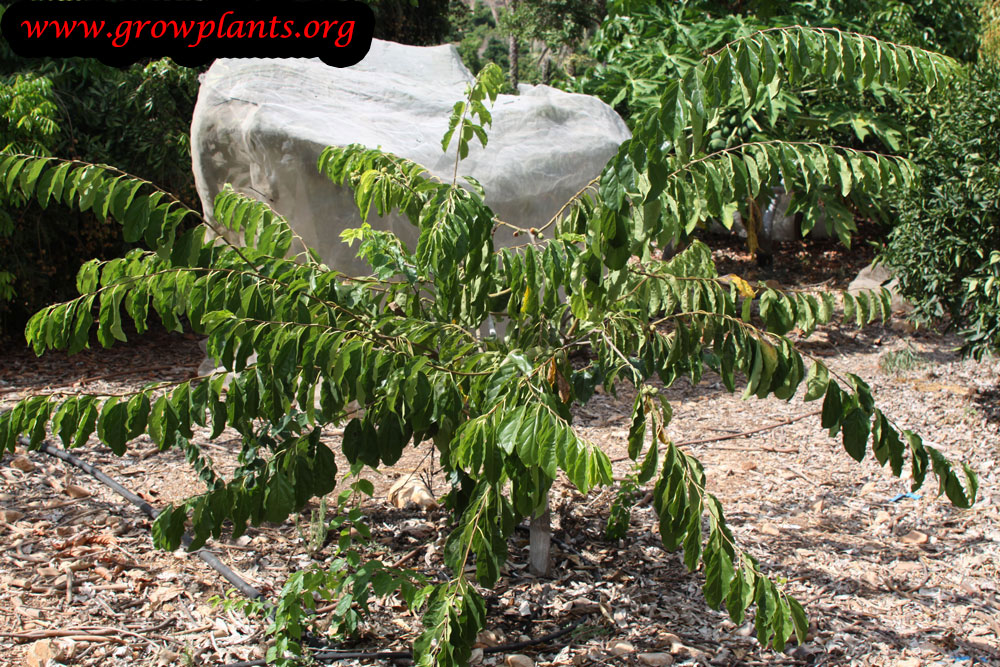
- Growth Habit & Form: Spreading deciduous tree or shrub, sometimes thorny, suckering from the base.
- Lifespan & Maturity: Long-lived; bears small crops from about 3 years, and good crops from about 6 years.
Anatomy & Physical Features
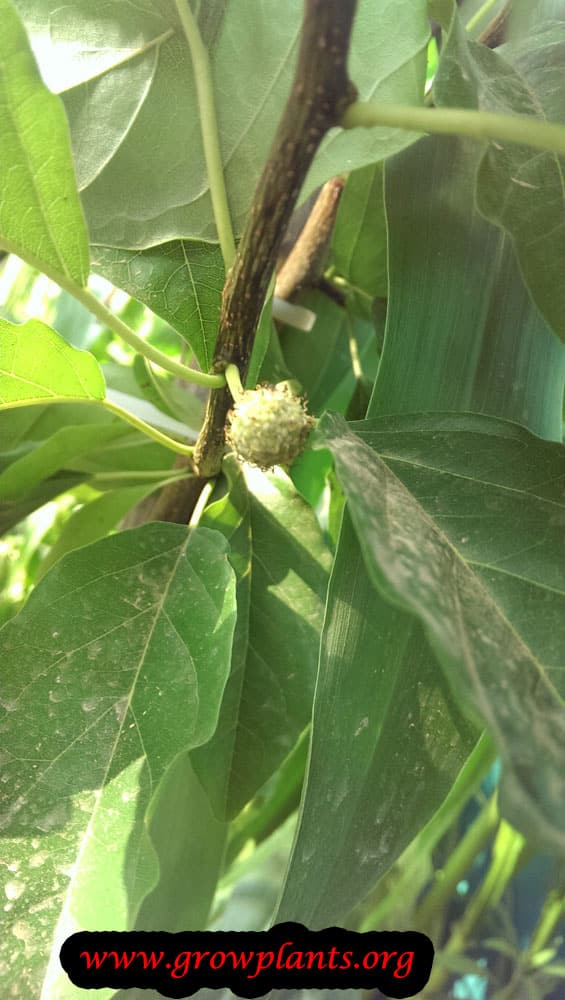
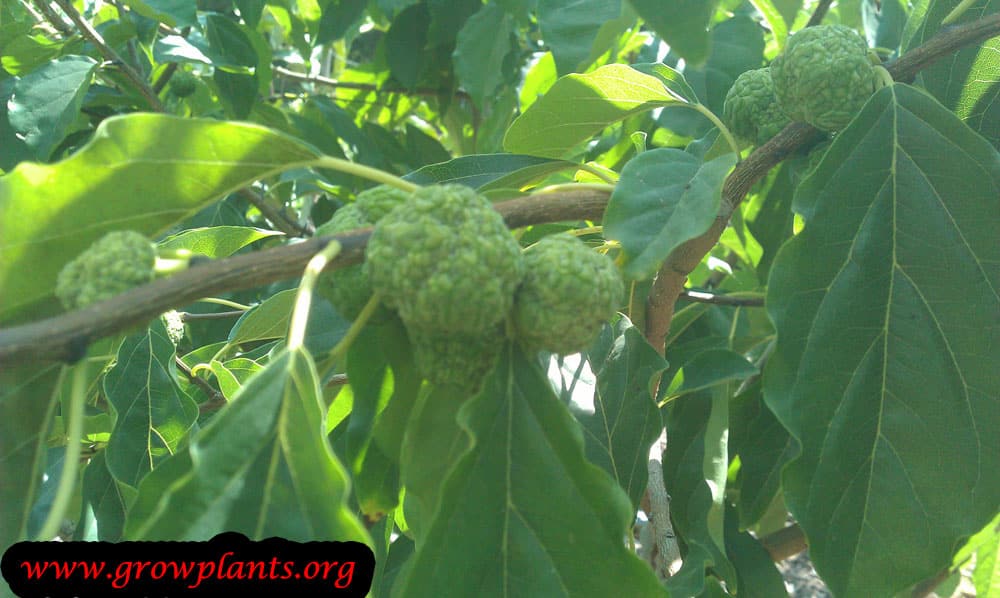
- Leaves & Foliage: Green, oval leaves.
- Flower Characteristics: Small white flowers in rounded clusters; male and female on separate trees.
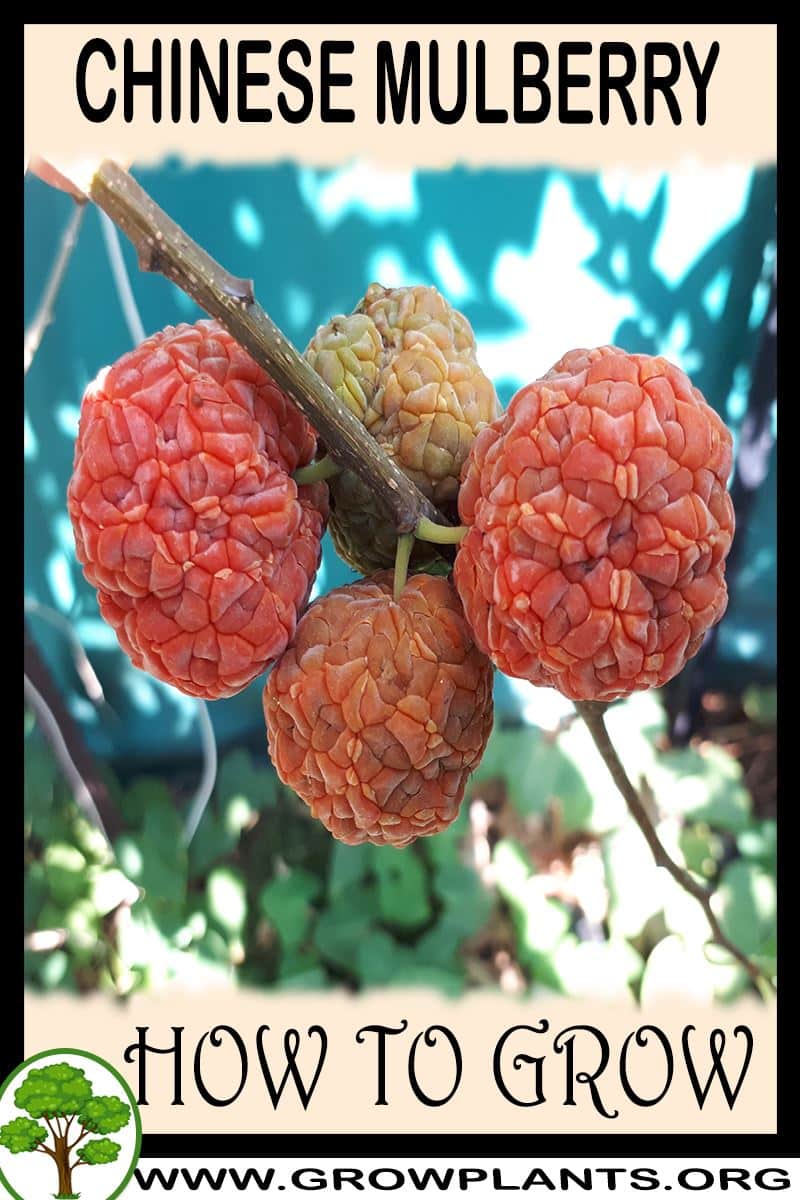
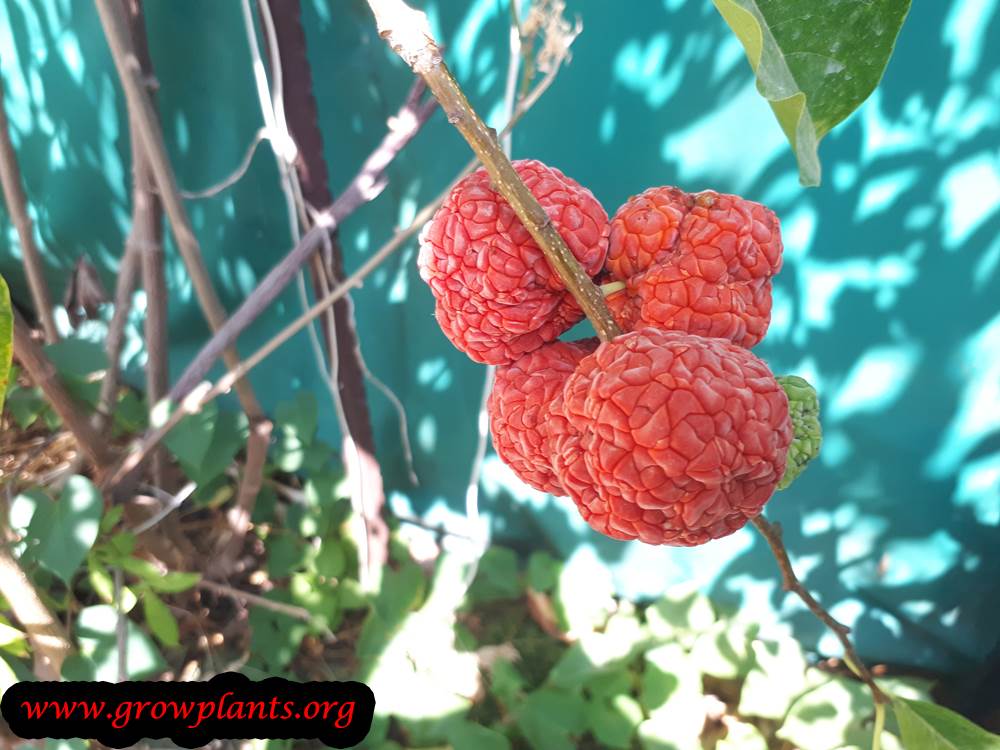
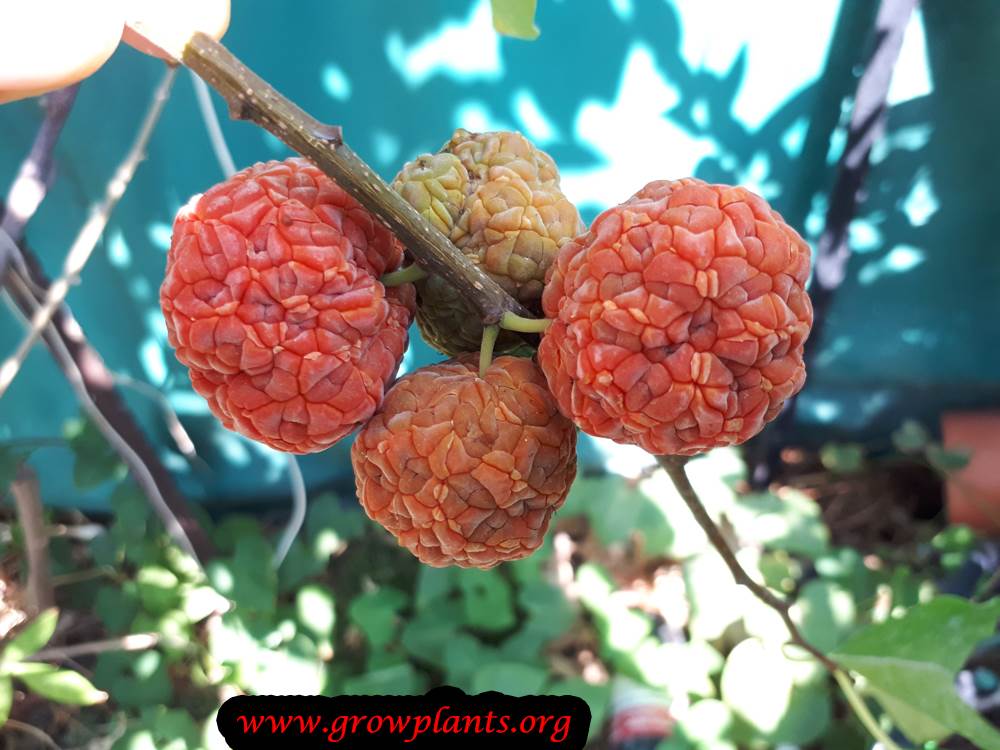
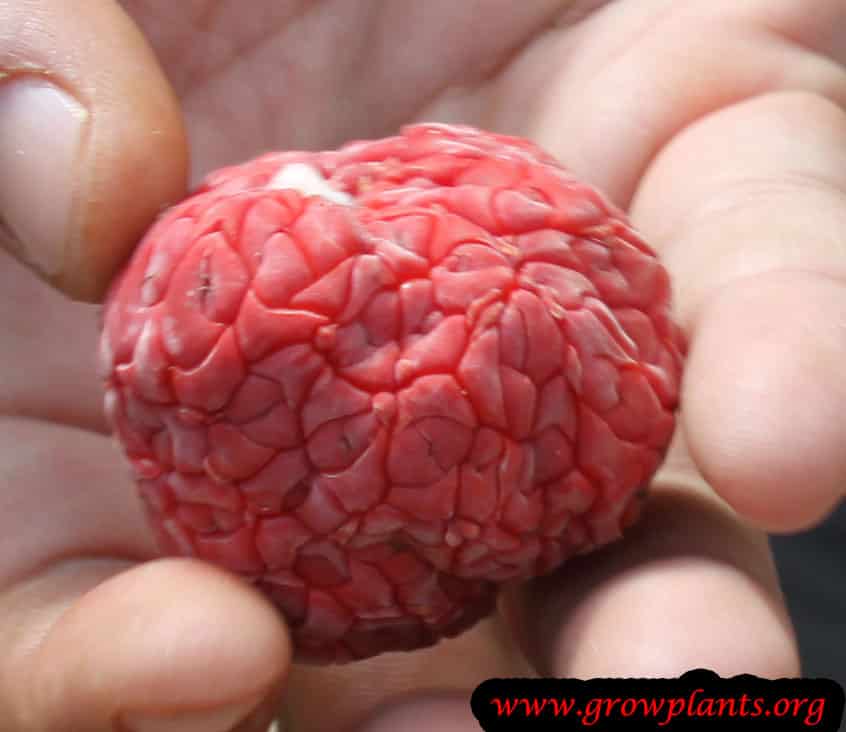
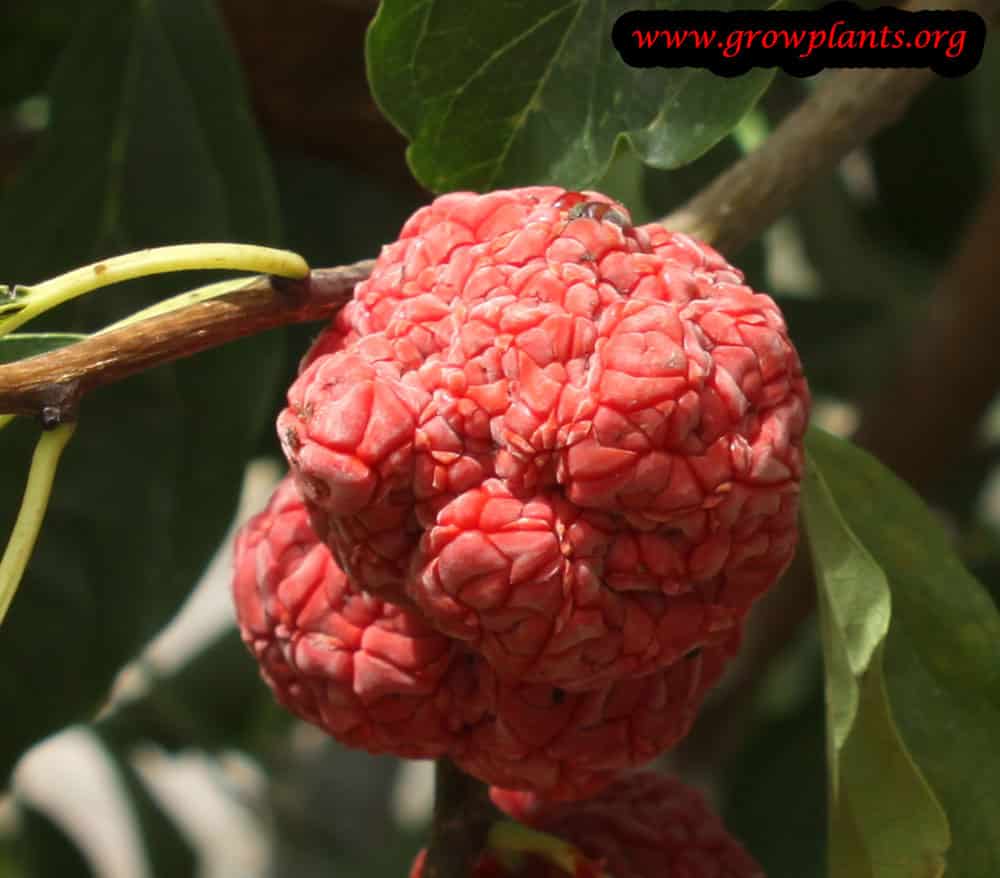
- Fruit Profile: Round, red, knobbly multiple fruit 2-5 cm with small edible black seeds.
Primary Uses & Landscape Value
- Edible Uses: Fruit eaten raw or made into jam, juice and cakes.
- Functional & Ornamental Roles: Fruiting and ornamental tree that can also be hedged.
Care Guide: Planting, Soil & Watering
Overview: Chinese (Che) mulberry (Maclura tricuspidata) is a tough, deciduous fruit tree (zones 5–11a) grown in full sun to light shade. It is unfussy about soil provided drainage is good, needs only moderate watering, and appreciates extra water while the fruit is swelling.
Quick Care Requirements
| Requirement | Ideal Condition |
|---|---|
| Planting Season | Winter through summer |
| Growth Rate | Moderate (some cultivars faster) |
| Soil Type | Well-drained; adaptable |
| Water Need | Moderate |
Planting & Establishment
- Best Planting Season: From winter through summer; in the warmest zones (10b–11) avoid mid-summer planting.
- How to Plant:
- Hole Preparation: Dig a hole as deep as the current root ball and 100–200% wider, loosening the root ball slightly above the hole before setting the tree.
- Soil Amendments: Mix organic matter, humus and dried leaves through some of the soil and use this to backfill; firm gently — not too hard, but enough that the tree is stable.
- Planting Depth: Set the tree at its original depth, then mulch the surface to retain moisture; stake with bamboo or a stick if it is not yet stable.
- Growth Speed & Expectations: A moderate grower (some cultivars faster); expect small quantities of fruit from about 3 years and heavier crops from around 6 years.
Soil, Watering & Drainage Care
- Soil Mix & Drainage Needs: Adaptable to most soils but needs free drainage; mulch to hold moisture. In containers, start in a pot about 70–100% larger than the root ball with drainage holes and peat-based mix, potting up as it fills the space.
- Watering Schedule & Technique:
- Young / Newly Planted: For the first two weeks after planting, water every day (best in the morning) to settle the roots.
- Established: Thereafter water moderately, deeply and less often, adding extra water while the fruit is developing.
- Seasonal Adjustments: Increase during the fruiting season and in summer heat; reduce in winter.
Climate, Light & Hardiness
Chinese mulberry (che) is a deciduous, thorny relative of true mulberries suited to subtropical, Mediterranean, and temperate climates. It wants full sun (tolerating only slightly less) and, unlike the true Morus mulberries, has an explicit multi-week chilling requirement for reliable dormancy break, while established trees can be pushed into the warmer edge of zone 11a with attentive care.
Quick Climate Specifications
| Climate Zones | subtropics, Mediterranean, and temperate climates |
|---|---|
| USDA Hardiness Zones | 5–10, and with attentive care into 11a |
| Optimal Temp Range | approximately 18–29°C (64–84°F) during active growth, with a cool winter rest period |
| Cold Damage Begins | late hard frosts below about −4°C (25°F) can injure new spring leaves and flowers |
| Approx. Survival Minimum | dormant, established trees typically tolerate brief cold consistent with the zone range above; young trees are more cold-sensitive |
| Frost Tolerance | High (dormant season) / Low (new spring growth) |
| Light Conditions | Full Sun, possible with slightly less |
| Wind Tolerance | Moderate |
Sunlight & Light Exposure
Optimal Light Setup
Full sun is best for canopy density and fruiting; the tree tolerates only a little less.
Direct Sun Requirement
Direct sun is genuinely needed for good growth and fruit production.
Shade & Heat Management
Tolerates hot summers well once established.
Best Exposure/Orientation
An open, unobstructed site away from frost pockets so spring frosts don't linger around emerging leaves and flowers.
Temperature Extremes & Hardiness
USDA Hardiness & Regional Limits
Hardy across zones 5–10, with the site data noting that attentive care (siting, mulching, wind protection) can extend successful growing into the warmer edge of zone 11a.
Cold Damage & Winter Protection
Mature trees need no protection within their hardiness range; young trees benefit from mulch over the root zone their first winters, especially near the cooler end of the range.
Frost Sensitivity
Dormant wood is frost-hardy, but new spring leaves, flowers and developing fruit are frost-sensitive.
Extreme Heat Tolerance
Good – tolerates hot summer conditions well with adequate water.
Chilling Requirement
Needs a real winter chill – roughly 3–5 weeks with temperatures at or below about 5°C (41°F) – to break dormancy evenly the following spring. This is a somewhat longer chill requirement than typical Morus mulberries, which matters when choosing a planting site toward the warm edge of its range.
Wind, Humidity & Microclimate
Humidity Preferences
Adaptable to both humid subtropical and drier Mediterranean summer climates.
Dry-Air Tolerance
Good; once established it needs only average irrigation.
Wind Tolerance
Moderate once established.
Rainfall & Seasonal Moisture
Adapts to both dry-summer Mediterranean rainfall and more evenly distributed temperate rainfall.
Microclimate Recommendations
At the cooler end of its range, plant in a warm, sheltered, sunny microclimate away from frost pockets; this also helps trees pushed into zone 11a cope through occasional cool spells.
Growing in Pots, Balconies & Indoors
The Chinese mulberry (Maclura tricuspidata) is ultimately a full-size tree (2-6 m (6-20 ft)), so a pot suits it only while young – the grower confirms it is not a houseplant. Kept in a large tub on a sunny patio or balcony it grows happily for a few years before it needs the open ground or ever-bigger pots.
Quick Details
- Container Size: Large tub (40-60 L+ while young), stepped up over time
- Indoor Suitability: Not a houseplant – too large and too light-hungry for indoors
- Best Spot: Full sun, a touch less is tolerated
- Soil & Drainage: Aerated, organic-rich mix that drains freely
- Watering in Pots: An average amount of water, kept lightly moist – potted trees dry fast, so check often
Indoors & On the Windowsill
- Houseplant limits: Not an indoor plant – it grows into a sizeable tree and needs far more light than a room can give; a bright window is no substitute for open sun.
- Overwintering: Hardy once established; a young potted tree in a very cold area can still be given a sheltered spot for its first winters.
On a Balcony or Patio
- Light & wind: Give it the sunniest spot; stake a young tree against wind, and remember walls and paving reflect heat so pots dry quickly – check moisture daily in hot spells. A drip irrigation kit with a timer can take over that watering check automatically.
- Weight & drainage: A filled tub is heavy – use a stable, wide container and make sure a balcony can take the load and drain the run-off.
Choosing the Pot, Soil & Long-Term Care
- Pot & drainage: A large, heavy tub while young (think 40-60 L and up), stepped up as it grows; strong drainage holes, and skip a standing-water saucer to avoid root rot. Terracotta breathes and dries faster, glazed or plastic holds moisture longer.
- Potting mix: A well-aerated, organic mix – peat or coir with perlite (and a little vermiculite) – giving roots both moisture and air.
- Feeding: Potted plants need feeding more often than those in the ground, since watering leaches nutrients from the mix – a balanced feed through the growing season keeps them productive.
- Holding its size: To keep a tree small in a pot for longer, root- and top-prune every year or two (a bonsai-style approach) and refresh part of the mix.
Grower’s Container Tip
- Step-up potting (grower’s method): Keep the plant small by controlling the pot. Start in a container only about 70-100% larger than the root ball (use a smaller percentage the bigger the plant), and step up to the next size each time the roots fill it, until you reach the size you want. He prefers this to potting straight into a huge container because it keeps the soil fresh and viable and makes the tree easier to care for.
- Soil & drainage: Drainage is important – make plenty of holes and use a peat-based mix. A tray under the pot is fine, but let it drain and dry the same day; do not leave the roots sitting in water.
- Refreshing an established plant: Once it is large you do not need to replace all the soil – swap out part of it (from the sides and top). He notes the tree is tough and, even left in the same soil for years, will mostly carry on growing in the conditions it is given.
Growing this plant in a greenhouse
A greenhouse can give chinese mulberry frost protection and cold protection. In the right climate it may also be kept growing through winter, depending on how much warmth and light are provided.
Greenhouse at a glance
| Greenhouse suitability | Conditional - depends on your climate |
|---|---|
| Main benefits | frost protection, cold protection |
| Season extension | earlier spring & later autumn |
| Outdoor protection advisable below | about 5°C |
| Maintain greenhouse minimum | around 5°C for active growth |
| Suitable types | unheated greenhouse, polycarbonate greenhouse, lean-to |
| Heating | Heating is optional - useful mainly for winter growing in cold areas. |
Related greenhouse guides
- Greenhouses: How to Choose the Right Greenhouse
- Best Lean-To Greenhouses
- Polycarbonate Greenhouses: What to Look for Before Buying
Fertilizing & Feeding
A moderate feeder: the facts note a spring fertilizer application; nitrogen-forward while young, then balanced feeding with a potassium-supportive lift once the grafted tree is established and fruiting.
Quick Fertilizing Specs
| Feeding Level | Moderate feeder |
|---|---|
| young_feeding | Nitrogen-forward complete fertilizer while the tree or shrub establishes |
| mature_feeding | Balanced spring feeding shifting toward potassium support as fruit develops |
| Main Nutrient Priority | Balanced nutrition with nitrogen while young, potassium-supportive at fruiting |
| Best Feeding Period | Spring, as the facts specifically note, continuing into the active growing season |
| Organic Options | Compost, humus, and aged organic matter worked into the root zone |
| Micronutrients | Iron, manganese, and zinc are usually supplied by a complete fruit-tree fertilizer; treat boron only if a deficiency is diagnosed |
| Soil pH | Tolerates a wide range but grows best in well-drained soil that isn’t strongly alkaline |
Feeding by Growth Stage
Newly planted or grafted tree
Help a newly planted Chinese mulberry establish roots after planting, when the facts recommend working organic matter into the planting hole.
| Nutrient direction | Light, balanced feeding paired with the organic matter worked in at planting supports root establishment ahead of top growth. |
|---|---|
| Timing | Through the first growing season after planting, in the winter-to-summer planting window the facts describe. |
| Frequency | A light feeding once new growth begins, then ease back while roots settle in. |
| Fertilizer types | A diluted, balanced complete fertilizer, Compost, humus, or dried leaves worked into the planting hole, as the facts describe |
| Precautions | Avoid heavy feeding right after planting or grafting; overfeeding can injure tender new roots before they’ve spread. |
Young, actively growing plant
Build a strong branch framework on the male and female plants alike before regular bearing begins, which the facts note can take several years.
| Nutrient direction | A nitrogen-forward complete fertilizer fuels the vegetative growth this stage needs. |
|---|---|
| Timing | Through the early establishment years, before fruiting is consistent. |
| Frequency | Several light feedings spread across the active growing season. |
| Fertilizer types | A nitrogen-forward complete fertilizer, Compost or aged organic matter as a mulch or top-dress |
| Routine trace nutrients | iron, manganese, zinc |
| Precautions | Taper feeding as the season winds down so new growth has time to harden before cool weather; keep the male plant’s growth suppressed relative to the fruiting female, as the facts advise. |
Mature, fruit-bearing plant
Sustain healthy growth and fruit development once the tree or shrub is bearing, which the facts note benefits from a spring fertilizer application and extra water during the fruit season.
| Nutrient direction | A balanced complete fertilizer applied in spring, shifting toward potassium support as fruit develops and ripens. |
|---|---|
| Timing | Spring, continuing through the growing and fruiting season. |
| Frequency | A routine spring feeding, with lighter follow-up feeding through the growing season as needed. |
| Fertilizer types | A balanced complete fertilizer applied in spring, A potassium-supportive fertilizer as fruit develops, Organic mulch renewed each season |
| Routine trace nutrients | iron, manganese, zinc |
| Precautions | Keep moisture consistent through fruiting; irregular water alongside heavy feeding can affect fruit set and quality, and can encourage the aggressive basal suckering the facts describe. |
Nutrient Deficiency Signs & Corrections
Interveinal yellowing on the newest leaves while the veins themselves stay green.
| Possible causes | high soil pH tying up available iron, waterlogged or poorly drained soil limiting root uptake, compacted or restricted roots |
|---|---|
| Appears first on | the newest leaves at branch tips |
| What to check | soil drainage and compaction around the root zone, recent irrigation habits, overall soil alkalinity |
| Possible correction | Improve drainage and root aeration, and apply a chelated iron product per its label if alkaline soil is the likely cause. |
Overall pale, yellow-green foliage and slowed shoot growth.
| Possible causes | insufficient nitrogen in the feeding program, nitrogen leaching after heavy rain or irrigation, root competition from the plant’s own aggressive basal shoots |
|---|---|
| Appears first on | older, lower leaves first, spreading through the canopy |
| What to check | recent feeding history, how much basal sucker growth is competing at the root zone, irrigation and drainage patterns |
| Possible correction | Resume or increase a nitrogen-forward complete fertilizer during the active growing season and remove excess basal suckers competing for nutrients. |
Older leaf margins scorch or brown, and fruit may run smaller or color unevenly.
| Possible causes | low soil potassium, heavy nitrogen feeding without a balancing potassium source, light soil that leaches potassium readily |
|---|---|
| Appears first on | margins of older leaves |
| What to check | balance of the recent feeding program, soil texture and leaching potential, fruit size and quality trends from season to season |
| Possible correction | Shift toward a balanced or potassium-supportive fertilizer as fruit develops. |
Pruning, Training & Seasonal Maintenance
Chinese mulberry (Maclura tricuspidata, syn. Cudrania tricuspidata) is a thorny, dioecious tree or shrub – separate male and female plants – that tolerates moderate structural pruning, mainly in winter and possibly again in autumn after fruiting per its own facts. Its own guidance is explicit and specific: open up the branch growth (an open-centre approach), and deliberately keep the male tree small with a post-bloom prune, since only one male is needed to pollinate several females. The source also flags a real management issue: this species sends aggressive basal shoots from the ground that can cover a wide area if not controlled, making root-sucker management a core, recurring task rather than an occasional one.
Quick Pruning & Maintenance Specs
| Pruning Tolerance | Moderate |
| Primary Pruning Window | Winter |
| Secondary Maintenance Window | Autumn, after fruiting |
| Typical Frequency | Annual structural prune, plus ongoing root-sucker removal through the growing season |
| Main Objective | Open branch structure for fruiting females; keep the male pollinator tree small and suppressed; control aggressive basal/root suckering |
| Young Plant Priority | Establish an open-centre framework; confirm graft union and remove any rootstock growth below it |
| Mature Plant Priority | Continue opening the canopy annually; keep the male tree deliberately small; remove root suckers as they appear |
| Best Tool Type | Bypass secateurs and loppers, plus a spade for dividing/removing basal shoots |
| Avoid Heavy Pruning During | Active fruit development, and the hottest part of summer in hardiness zone 10b–11 |
Pruning by Plant Age & Size
Newly Established
Confirm the graft union (grafting is recommended per source, both to guarantee the sex/quality of the tree and to keep the male understock suppressed) and remove any growth arising below it; support the young tree with a stake if needed, as the source’s own planting guidance notes.
Young / Formative
Open-centre training – per the source’s own instruction to open the growth of the branch – selecting well-spaced main limbs rather than a dense, closed canopy; on a male specimen intended purely as a pollinator, keep the framework deliberately small and compact from the start.
Mature / Established
Ongoing canopy opening to maintain light penetration and fruit quality on female trees; annual post-bloom pruning to keep the male tree suppressed and small, as the source specifically recommends; continual patrol for and removal of root/basal suckers.
Seasonal Pruning Schedule
| Stage | Objective | Remove | Do NOT remove | Flowering/fruiting impact |
| Winter | Structural opening of the canopy | Crossing/crowded interior branches, per the source’s open-canopy instruction | Well-placed fruiting wood on female trees | Improves light and air into the canopy ahead of spring–summer bloom |
| Post-bloom (male tree specifically) | Keep the pollinator tree small and suppressed, per source | Vigorous new growth on the male tree | Enough flowering wood to still provide reliable pollination | Controls male-tree size without sacrificing pollination of nearby females |
| Autumn, after fruiting (optional) | Tidy fruiting wood on female trees post-harvest | Spent fruiting laterals as needed | Sound structural wood | Minimal impact since the season’s crop is already harvested |
Flowering & Fruiting Wood
Female trees fruit on the current season’s growth following spring–summer bloom; because the species can take three years for a light crop and around six years for a full crop, structural pruning in the early years should favour framework development over heavy cropping, thinning excess first-year bloom as the source recommends for young trees generally in this batch’s mulberry-type entries. Only one male tree is required to pollinate several females, which is exactly why the source recommends keeping the male’s growth suppressed rather than let it develop a full-size canopy.
Structural Pruning & Training
- Open-centre canopy structure, directly per the source’s own pruning instruction, to admit light for fruiting on female trees.
- Male-tree size suppression via an annual post-bloom prune, since a male tree only needs to supply pollen, not carry a canopy sized for fruit production.
- Thorns are present on this species (per source), so structural work should be planned with thick gloves and careful positioning around larger branches.
Special Growth to Remove
- Root suckers/basal shoots from the ground – flagged in the source as an aggressive habit capable of covering a wide area if left unchecked; remove these as soon as seen through the growing season, not just at the main winter prune.
- Rootstock growth from below the graft union on a grafted specimen.
- Excess vigorous growth on the male tree specifically, kept small by design.
Container & Small-Space Pruning
The source gives detailed container guidance for this species, including switching to progressively larger pots and root-pruning as the plant fills its container; in a pot, the aggressive root-suckering habit is naturally constrained by the container itself, but any suckers that do appear at the soil surface should still be removed promptly.
Tools
- Bypass secateurs for routine canopy-opening cuts and male-tree suppression.
- Loppers for thicker structural wood.
- Garden spade for cutting through or dividing out root suckers/basal shoots at the point they leave the main root system.
Tool Hygiene & Disease Risk
Routine to Increased – clean, sharp tools for general pruning, with extra care taken around the plant’s aphid and mealybug pressure (noted in source) since sap-sucking pests can be spread on tools moving between infested and clean growth.
Cut Placement & Technique
Thin to a lateral or main stem when opening the canopy rather than heading indiscriminately; cut root suckers at their point of origin from the root, below soil level if possible, rather than at the surface, since a surface cut alone often resprouts more vigorously.
Heavy Pruning & Rejuvenation
Moderate rejuvenation is tolerated given this species’ medium-to-fast growth in some cultivars; avoid combining a hard structural cutback with heavy fruit development, and stage larger reductions over more than one season on an older female specimen to avoid excessive stress.
Post-Pruning Care
Add water during the fruiting season as the source recommends; fertilize in spring per source rather than immediately after a hard prune; watch for aphids/mealybugs on fresh regrowth, since these are the documented pest pressure for this species.
Common Pruning Mistakes
- Ignoring root suckers until they’ve spread and colonized a wide area, which the source specifically flags as a difficulty with this species.
- Letting the male pollinator tree grow to full female-tree size instead of keeping it suppressed, wasting space for no fruiting benefit.
- Working without gloves given this species’ thorns.
- Pruning hard during active fruit development.
When NOT to Prune
Avoid heavy structural pruning while fruit is actively developing on female trees, and avoid major work during peak summer heat in the warmest hardiness zones this species tolerates.
Pruning Troubleshooting
| Problem | Possible Cause | What to Check | Corrective Action |
| Suckers/basal shoots spreading beyond the intended planting area | Root suckers left unremoved through the growing season | Ground around the base and root zone for new shoots | Cut suckers at their point of origin from the root as soon as seen, don’t wait for the annual winter prune |
| Male tree overgrown, crowding female trees | Post-bloom suppression prune skipped | Relative size of the male tree versus nearby females | Cut the male back hard after bloom, per source, to restore the intended size difference |
| Poor fruiting despite mature female trees | Canopy too dense, or no male present for pollination | Light penetration into the canopy; presence of a flowering male nearby | Open the canopy with winter thinning cuts; confirm a male tree is present and flowering at the same time |
Recommended Tools (by task)
- bypass_secateurs – routine canopy-opening cuts and male-tree suppression pruning.
- loppers – thicker structural wood.
- garden_spade – cutting through and removing root suckers/basal shoots at their point of origin.
Propagation Guide
Chinese mulberry is best propagated from stem cuttings or root suckers taken from a known female plant, since seed-grown trees have unpredictable sex and cannot guarantee fruit quality. Grafting – typically a female scion onto male rootstock – is the standard way to combine both sexes on one tree while keeping named fruiting traits true; overall difficulty is moderate, since cuttings and suckers are fairly easy but timing and hormone use matter, and grafting for sex-combination is more of a specialist skill.
Quick Propagation Specs
| Best Propagation Method | Stem cuttings or root suckers from a known female plant |
| Alternative Methods | Grafting (to combine male and female on one tree, or to fix fruit quality); seed (easy to germinate but not reliable for fruiting plants) |
| Propagation Difficulty | Moderate |
| Seed True-to-Type | No – seedling sex (male/female) and fruit quality are unpredictable; some cultivars are seedless females |
| Vegetative True-to-Type | Yes |
| Best Propagation Season | Cuttings: late winter to early spring, before new growth starts. Suckers: best removed in winter, though possible year-round. Seed: end of winter to spring |
| Seed Germination Time | 1–7 weeks |
| Germination Temperature | 15–22°C (59–72°F) |
| Seed Sowing Depth | 1 cm (0.5 inch) |
Growing from Seed
Seed Handling & Viability
Clean the seed from the fruit pulp, then dry it and store it in a cool area until sowing.
Sowing Season
End of winter to spring.
Sowing Depth & Orientation
Sow about 1 cm (0.5 inch) deep; the seed needs to be covered/buried, not left on the surface.
Germination Conditions
Moist soil in full sun, at 15–22°C (59–72°F).
Germination Time
1–7 weeks, and can be uneven.
Seedling Care
Keep the soil moist, in full sun, with generous watering while the seedling is young.
Seed germinates easily, but this tree is dioecious (separate male and female plants) and some female cultivars are seedless, so seedlings cannot be relied on for a known sex or fruit quality. Seed is best reserved for rootstock or ornamental use rather than named fruiting selections.
Stem Cuttings
Cutting Type
Stem cuttings taken from a known, fruiting female plant.
Best Timing
Late winter to early spring, before the tree starts new growth.
Rooting Setup
Moist soil, half shade, and high humidity.
Rooting Hormone
Recommended – use a rooting hormone.
Grafting & Budding
Why Grafting Is Used
To combine male and female growth on a single tree, and to guarantee fruit quality (size, taste, seedlessness) and a thornless habit.
Rootstock
A male tree is commonly used as the rootstock, with a female scion grafted onto the top; the male portion is then kept pruned back/suppressed so it does not dominate the tree.
Scion Selection
Select scion wood from a known, good-quality, ideally thornless fruiting female.
Best Grafting Season
Not detailed by the source; likely best timed with the dormant season used for cuttings (late winter to early spring).
Graft Aftercare
Keep the male portion of the tree pruned back/suppressed once the graft is established, so it does not outcompete the fruiting female growth.
Division, Offsets, Pups & Suckers
Chinese mulberry readily sends up basal shoots/root suckers and can spread over a wide area. These suckers can be dug up with care and transplanted to propagate more plants identical to the parent – best done in winter, though possible at other times of year. Take care to preserve the roots when lifting a sucker from the soil. As a simpler alternative to grafting, one option is to start a single cutting-grown female tree and then let its own root suckers fill out the planting over time.
Bloom & Flower Guide
Quick Details
- Bloom Season: Spring to summer
- Flower Appearance: Small white flowers gathered into rounded heads
- Edibility: Not eaten – Che (Chinese mulberry) is grown for its fruit, and the flowers are ornamental only
Detailed Blooming Overview
Che, or Chinese mulberry (Maclura tricuspidata), flowers from spring into summer with small white blooms packed into rounded, ball-like heads. Male and female flowers are usually borne on separate trees, so a female tree generally needs a male nearby to set a good crop – though some cultivars are self-fruitful.
Flower Characteristics
- Small white flowers clustered into rounded heads.
- Male and female flowers typically carried on separate trees.
Bloom Care & Thinning
- Thinning: Only in the first year is thinning the bloom worthwhile; after that the tree settles into its own rhythm.
- Pollination: Visited by bees and flies; some cultivars are self-pollinating.
Fruit & Uses
Chinese mulberry (Che, Maclura tricuspidata) produces knobby, ball-shaped fruit, 2-5 cm (0.8-2 in) across, made up of many small fused segments that ripen into sweet, edible pulp; the small black seeds inside are also edible and are simply eaten along with the flesh. Fruit is eaten fresh or made into jam, juice, and cakes.
Quick Edible Specs
| Edible Parts | Fruit, Seeds |
|---|---|
| Main Use(s) | Culinary — fresh eating, jam, juice, cakes |
| Eaten Raw or Cooked | Raw for fresh eating, cooked for jam/juice/baking |
| Preparation Required | None — seeds are eaten with the flesh and don’t need removing |
| Harvest Season | Summer to autumn |
| Time to First Harvest | Young trees take a few seasons to produce a worthwhile crop, with full crops taking longer — see Care/Propagation for details |
| Storage | Best used fresh; process into jam or juice for longer storage |
| Safety/Toxicity Caveat | None known for ripe fruit and seeds; unripe fruit is unpalatable rather than dangerous |
Fruit
The fruit forms as a knobby ball of many small fused segments, ripening to a soft, sweet, fragrant state — pick once it colours up and softens. Netting the tree is recommended to protect the ripening crop from birds, Mediterranean fruit fly, and aphids. Ripe fruit is eaten fresh out of hand or used for jam, juice, and cakes.
Seeds, Pods & Nuts
The small black seeds embedded in the flesh are edible and don’t need to be picked out — they are eaten along with the fruit, much like fig seeds. Some cultivars are seedless, bred as female-only trees that don’t require a pollinator, so their fruit has little or no seed content.
Preparation, Uses & Safety
Ripe fruit, seeds included, is eaten straight off the tree with no preparation needed, or used for jams, juices, and baked goods. Only pick fruit once it is fully soft and coloured — unripe fruit is simply not pleasant to eat rather than unsafe.
Pests, Diseases & Troubleshooting
Overview: Che (Chinese mulberry) is a tough Moraceae fruit tree that is notably free of serious pests and diseases – its main issues are birds and fruit flies at ripening, occasional sap-feeders, and its own vigour. Sound culture and protecting the ripe fruit are far more important than spraying.
Quick Troubleshooting Overview
| Issue / Pest | Main Symptom | Primary Solution |
|---|---|---|
| Birds | Ripe fruit pecked and stripped | Netting as fruit colours; harvest promptly |
| Fruit fly | Maggots in ripe fruit; stings and rot | Sanitation; bait/traps; bag fruit; prompt harvest |
| Aphids | Curled shoot tips, honeydew | Hose off; predators; insecticidal soap |
| Scale | Brown bumps on stems; sooty mould | Scrape off; horticultural oil |
| Root rot | Wilting, decline in wet soil | Improve drainage; avoid waterlogging |
Common Pests & Management
- Mediterranean fruit fly (Ceratitis capitata):
- Symptoms: Females sting ripening fruit to lay eggs, and maggots tunnel the flesh causing rot and drop; puncture ‘stings’ and soft brown patches mark infested fruit.
- Prevention & Control: Practise strict sanitation by collecting and destroying fallen and infested fruit, hang bait and lure traps, bag developing fruit where practical, and harvest promptly as it ripens; area-wide monitoring helps in fruit-fly regions.
- Aphids (Aphis / Myzus spp.):
- Symptoms: Colonies on soft new shoots cause curling, stunting and sticky honeydew with sooty mould.
- Prevention & Control: Hose off, encourage ladybirds and lacewings, and use insecticidal soap for heavy colonies; avoid excess nitrogen.
- Scale insects (Coccus / Diaspididae spp.):
- Symptoms: Brown or waxy bumps on stems and leaf undersides suck sap, causing yellowing, honeydew and sooty mould.
- Prevention & Control: Scrape off by hand, prune out heavily encrusted wood, and apply horticultural oil to smother crawlers; conserve parasitoid wasps.
- Spider mites (Tetranychus spp.):
- Symptoms: Fine stippling and bronzing of leaves in hot, dry, dusty conditions.
- Prevention & Control: Hose foliage to remove dust and mites, keep the tree watered, and use horticultural oil for persistent colonies.
Diseases & Fungal Issues
- Leaf spot / anthracnose (Cercospora, Colletotrichum):
- Symptoms: Occasional brown leaf spots or blotches in warm wet weather; usually minor on this robust tree.
- Treatment & Management: Rake up fallen leaves, improve airflow, avoid overhead watering, and use a copper fungicide only if it recurs badly.
- Root & crown rot (Phytophthora):
- Symptoms: Wilting, canopy thinning and dark rotted roots in waterlogged or heavy soil.
- Treatment & Management: Plant in free-draining soil, avoid overwatering and standing water, and keep mulch off the trunk; remove severely affected trees.
Growing Difficulties & Abiotic Problems
- Vigorous growth & suckering / thorns:
- Cause & Symptoms: Rampant growth, root suckers and (on some plants) sharp thorns that make management awkward.
- Correction Strategy: Prune annually to a manageable framework, remove suckers, and site away from paths; choose grafted or selected forms where available.
- Dioecious / poor fruit set:
- Cause & Symptoms: No or few fruit because plants are male, or a female lacks a nearby pollinator (though some set parthenocarpic fruit).
- Correction Strategy: Grow a known female (and a male pollinator if needed), or a self-fruitful selection; be patient as trees take a few years to bear.
- Drought & establishment stress:
- Cause & Symptoms: Leaf wilting and drop in prolonged drought while young.
- Correction Strategy: Water regularly until established, mulch to conserve moisture, then enjoy its strong drought tolerance once mature.
What Helps – Products & Tools
This tree needs very little: bird netting and fruit-fly traps or bagging at ripening, hosing and insecticidal soap for the odd aphid, and horticultural oil for scale or mites. Good drainage prevents root rot; there is rarely any need for fungicides.
Frequently Asked Questions
What is Chinese mulberry (Che)?
Chinese mulberry is a deciduous tree or shrub grown for its round, edible melon-berry fruit; sometimes thorny, it also serves as an ornamental.
Does Chinese mulberry need a male and female tree to produce fruit?
Yes, in general. Chinese mulberry is dioecious, so male and female flowers are usually on separate trees and a female tree generally needs a male nearby to set a good crop, though some cultivars are self-fruitful. Only one male tree is needed to pollinate several females.
How do you control the root suckers on Chinese mulberry?
Chinese mulberry has suckering roots that send up aggressive basal shoots, so suckers should be cut at their point of origin from the root as soon as they are seen through the growing season, rather than waiting for the annual winter prune.
How long does it take for Chinese mulberry to bear fruit?
Chinese mulberry is slow to reach full production: expect small quantities of fruit from about 3 years and heavier crops from around 6 years.
Can you eat the seeds in Chinese mulberry fruit?
Yes. The small black seeds embedded in the flesh are edible and don’t need to be picked out — they are eaten along with the fruit, much like fig seeds.
Can Chinese mulberry be grown in a pot?
Only while young. Chinese mulberry is ultimately a full-size tree, so a pot suits it only while young – kept in a large tub on a sunny patio or balcony it grows happily for a few years before it needs the open ground or ever-bigger pots.