



Plant Profile & Key Characteristics
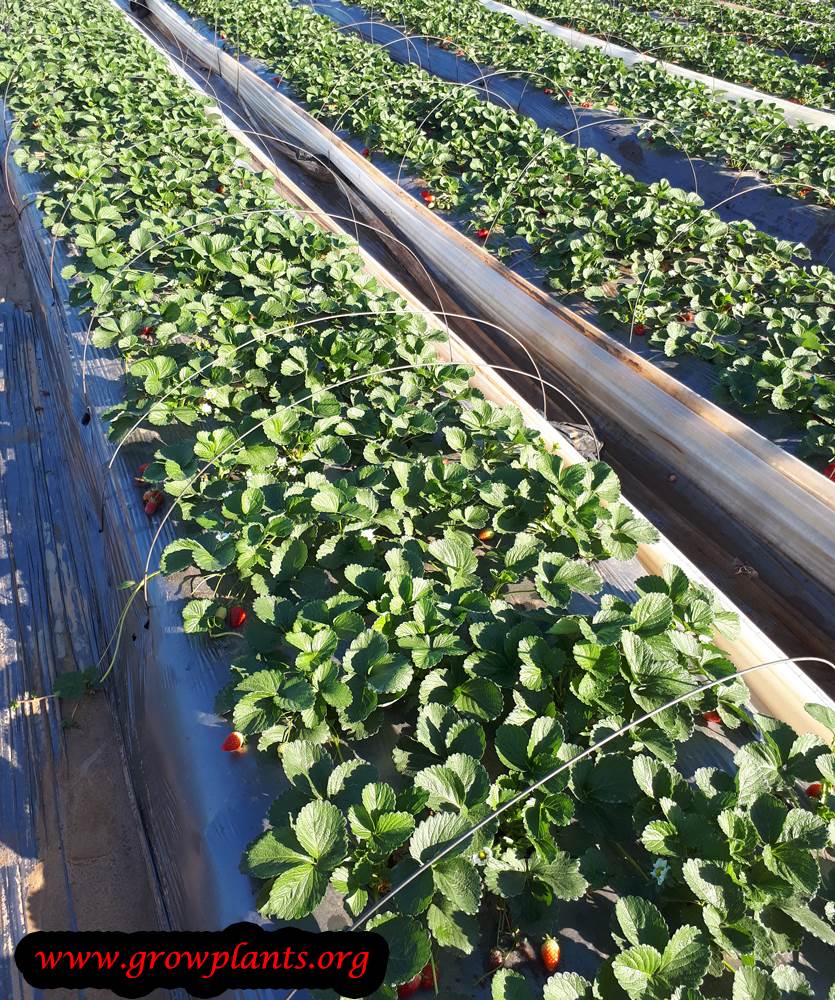
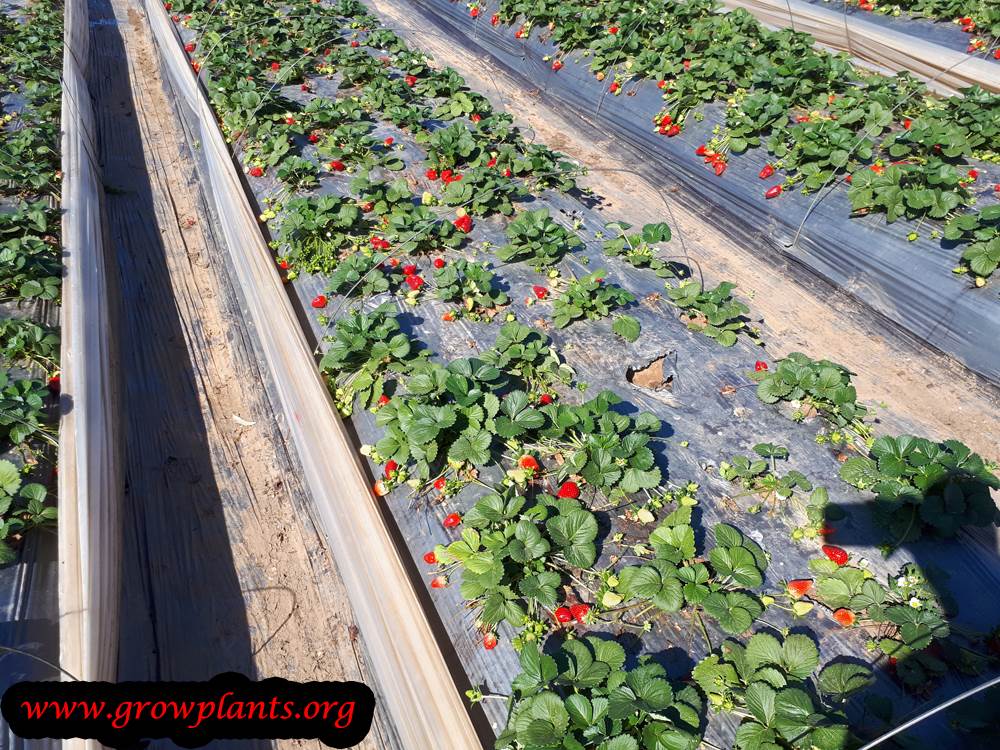
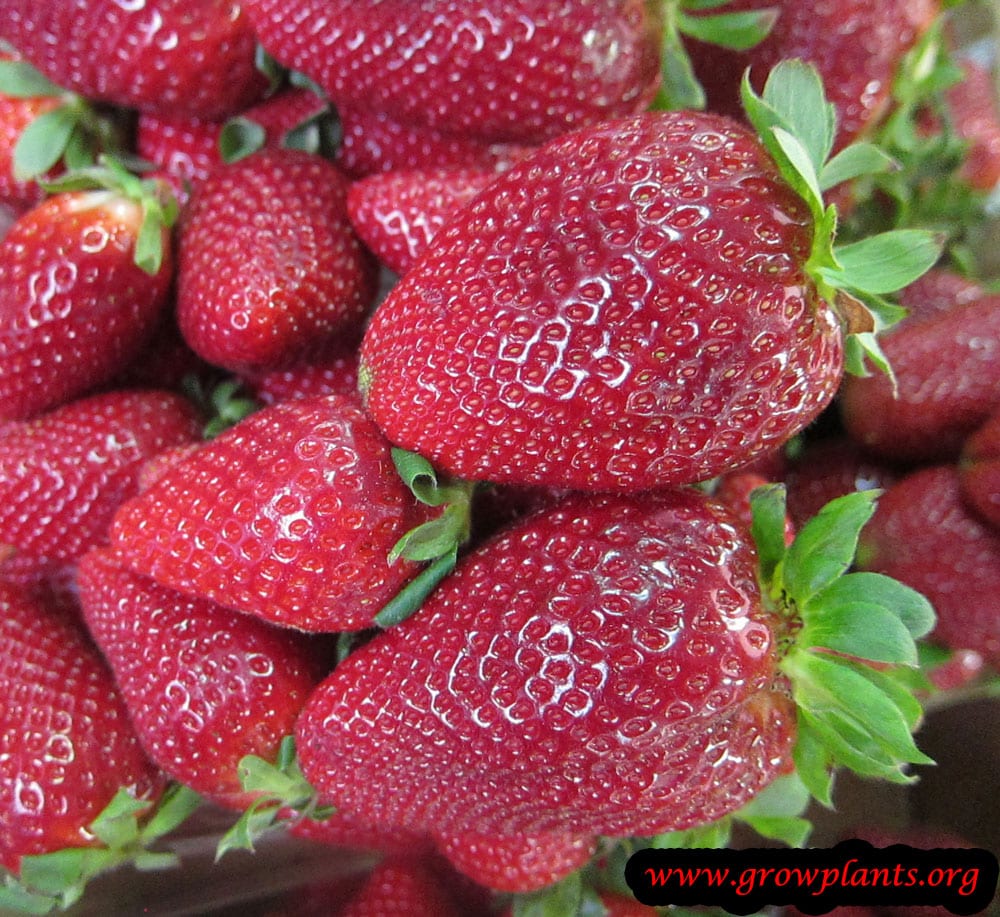
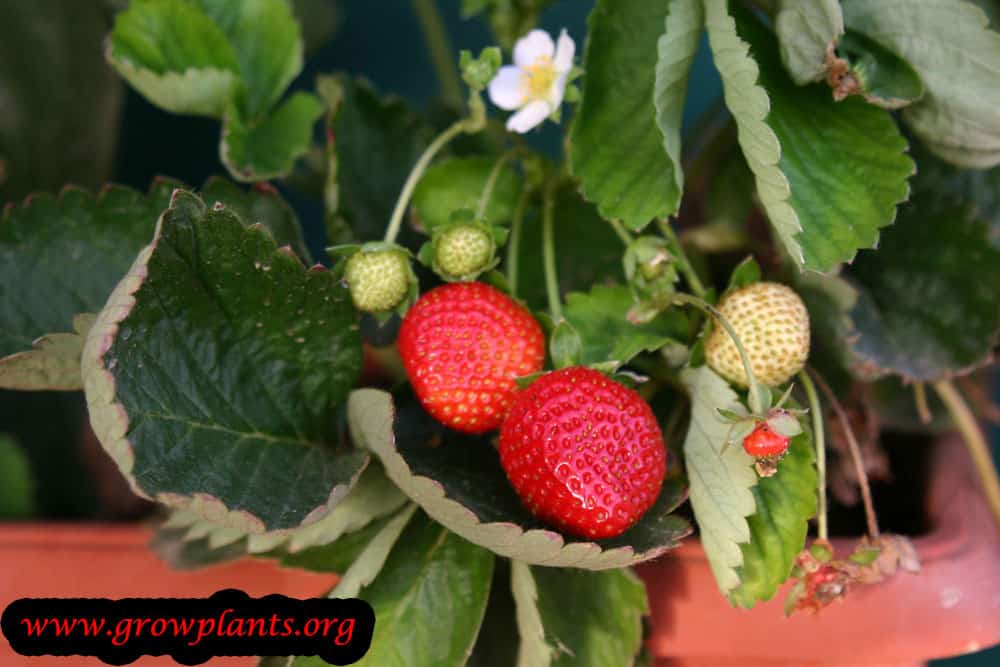
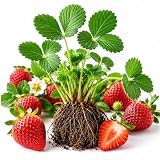
Overview: Garden strawberry is a low, spreading herbaceous perennial 5–20 cm (2–8 in) tall, evergreen in mild climates and deciduous in cold ones. It is grown mainly for its sweet edible red fruits, and also as an edible ground cover; the leaves are used for herbal tea.
Quick Specifications
| Specification | Attribute |
|---|---|
| Plant Type / Life Cycle | Perennial (often grown as an annual) |
| Foliage Type | Evergreen (deciduous in cold climates) |
| Mature Size | 5–20 cm (2–8 in) tall, spreading |
| Growth Rate | Fast |
| Root System | Fibrous and shallow, spreading by runners (stolons) |
| Toxicity | Non-toxic / edible |
| Hardiness | USDA 6–10 (2–5 under cover, up to 11a with care) |
Growth Form & Structure
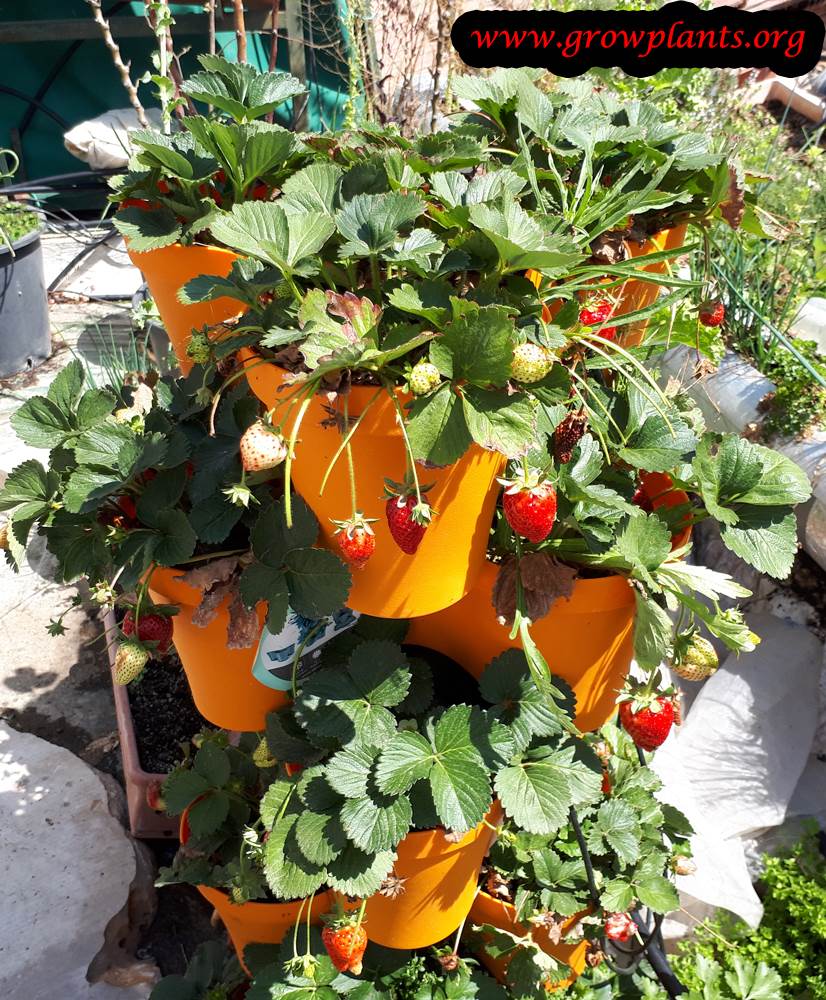
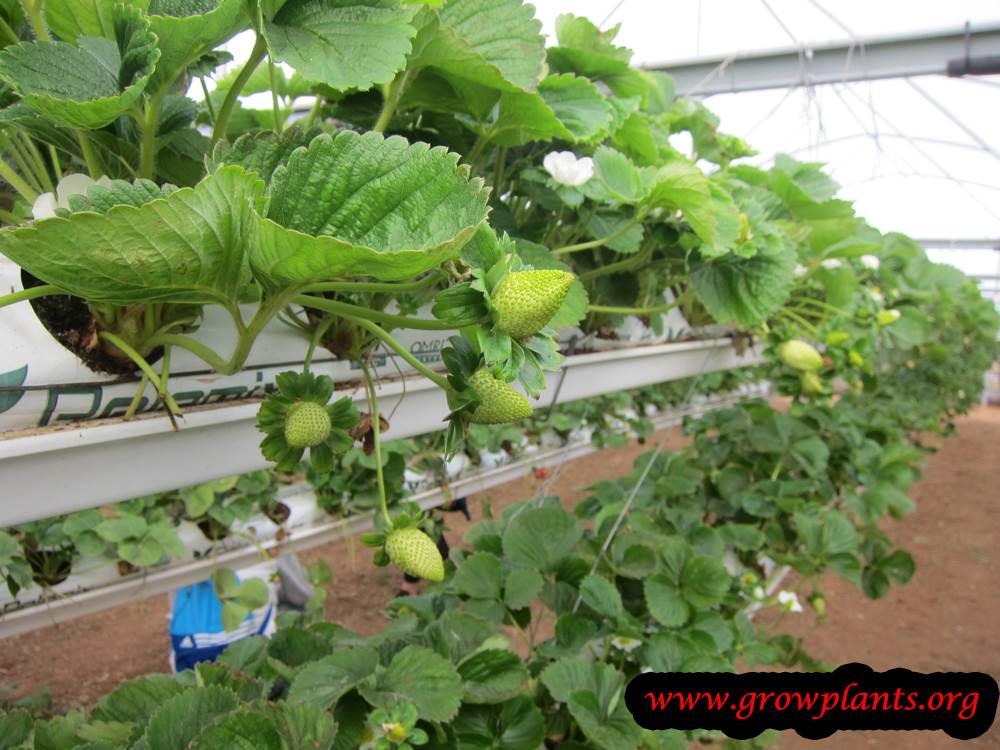
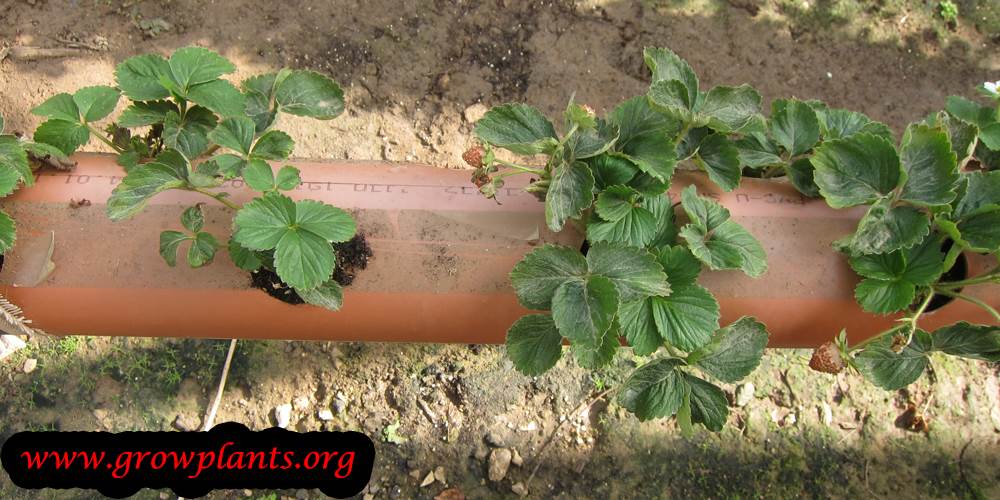
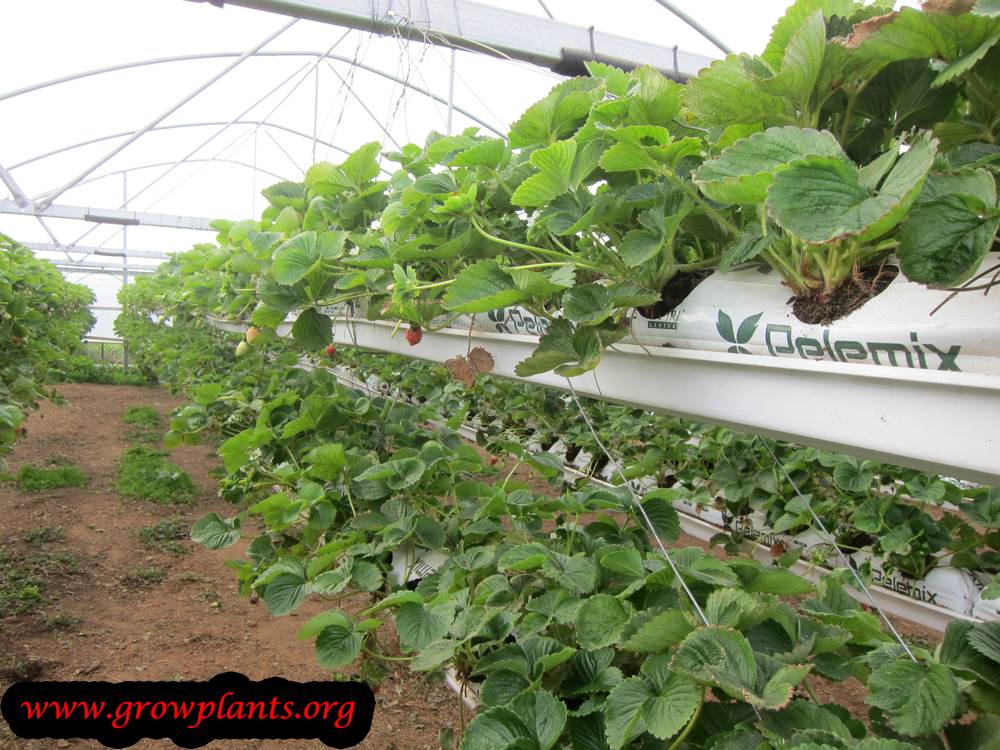
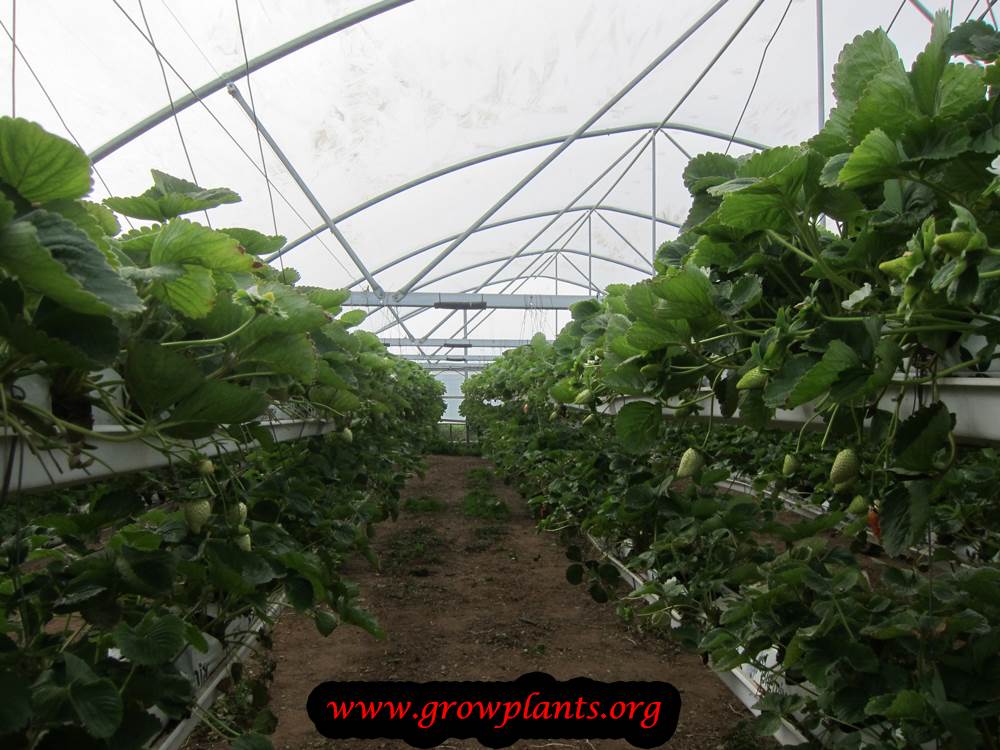
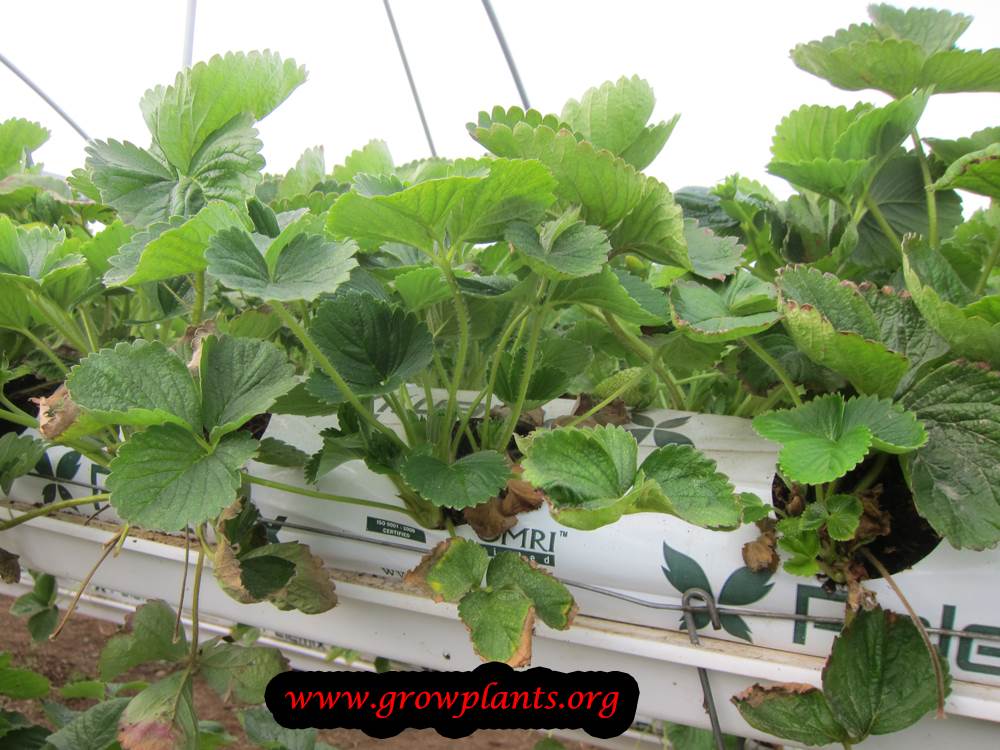
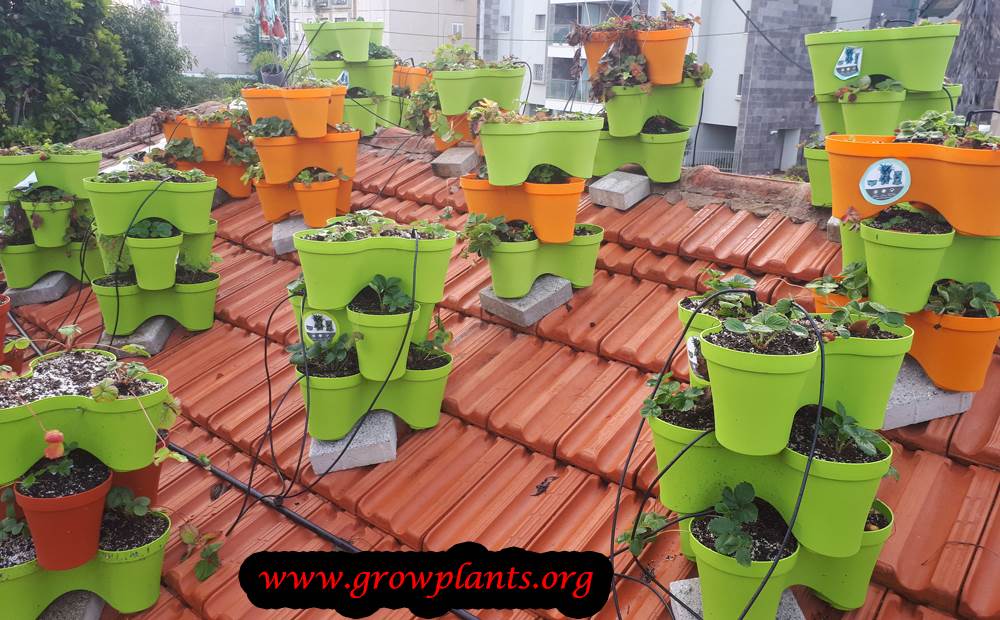
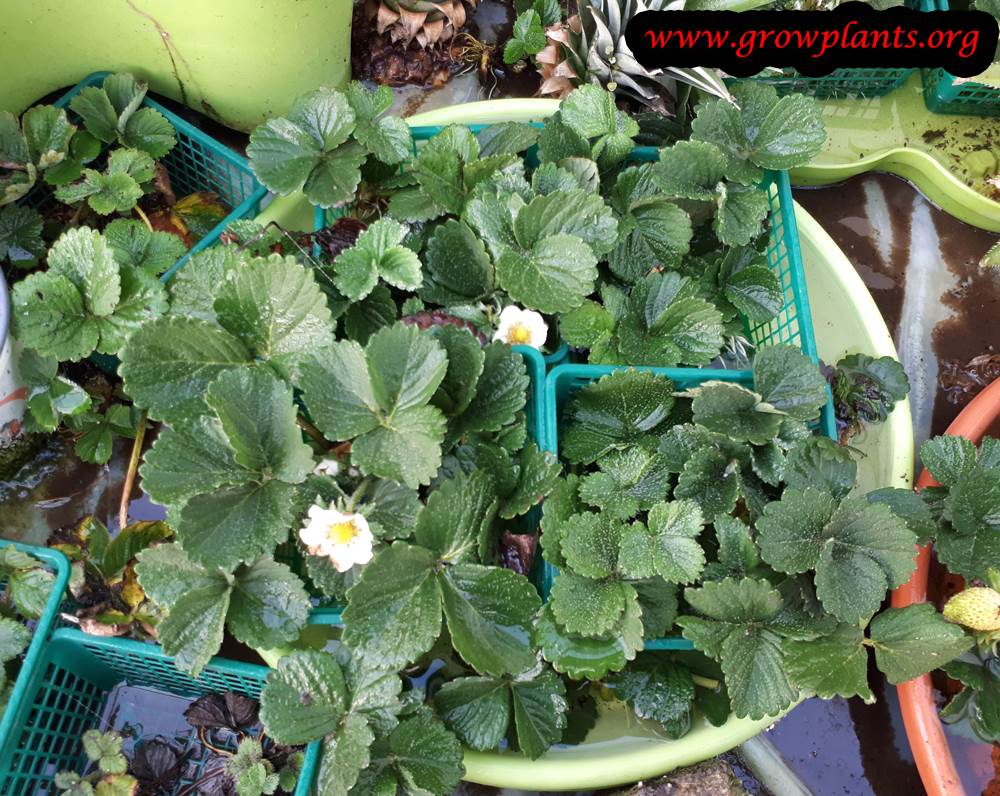
- Height & Spread: Low 5–20 cm (2–8 in) clump spreading by runners; well suited to pots (about 3–6 L per plant), hanging baskets, towers and raised beds.
- Growth Habit & Form: Clump-forming herbaceous perennial that sends out runners (stolons) which root to form new plants.
- Lifespan & Maturity: Fast-growing; bears fruit about 4–6 months from seed, and productive plants are usually renewed every couple of years.
Anatomy & Physical Features
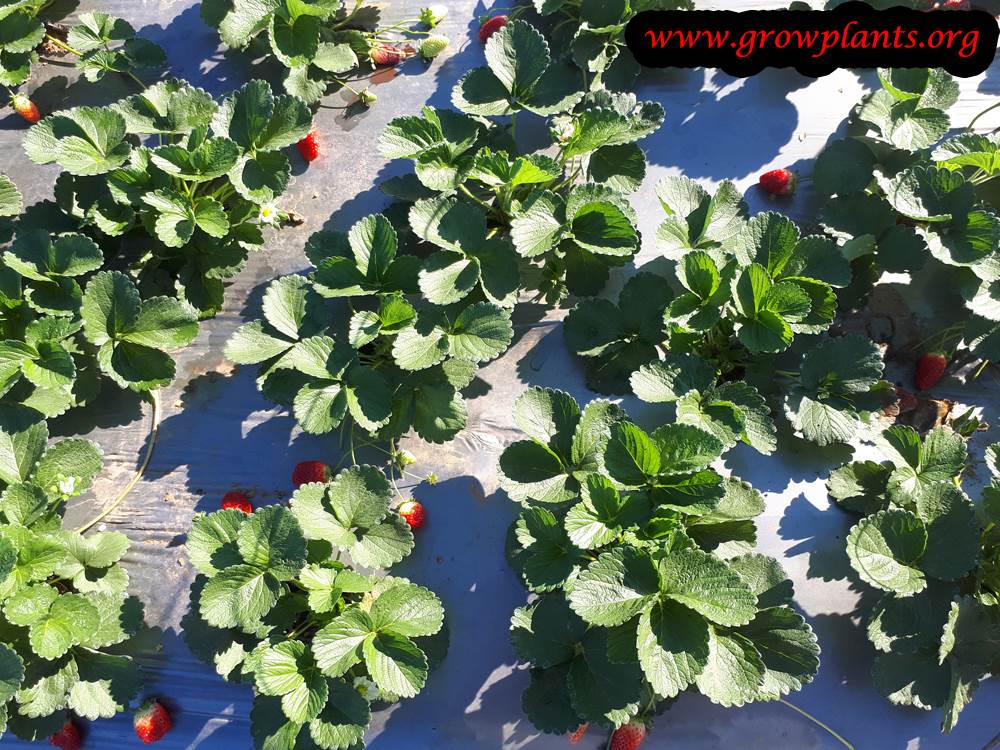
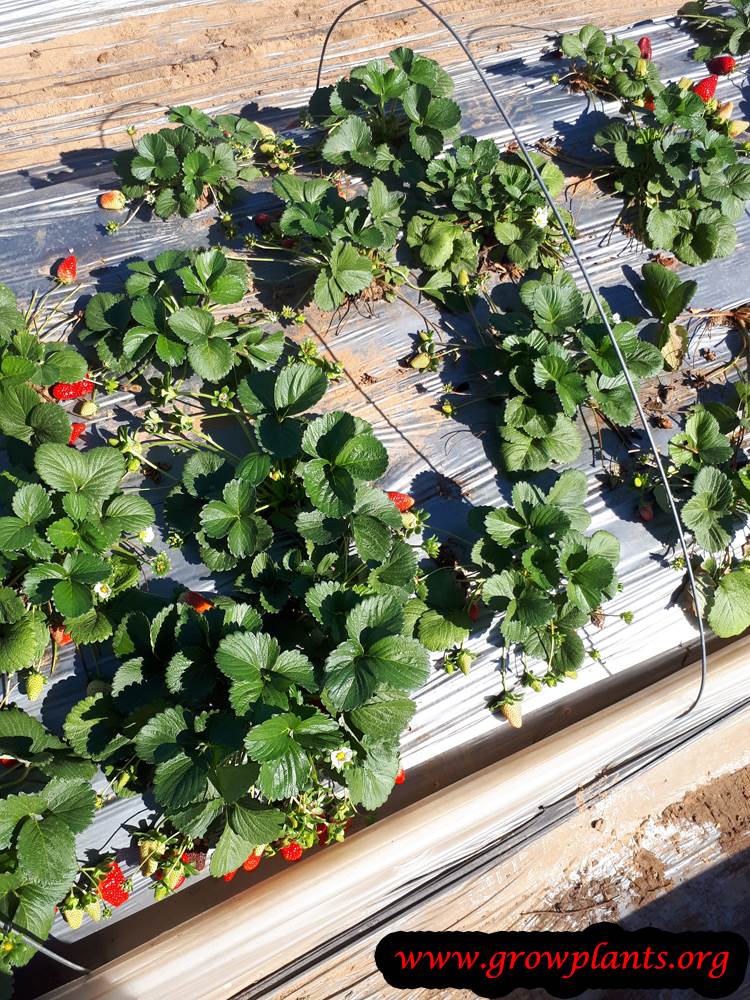
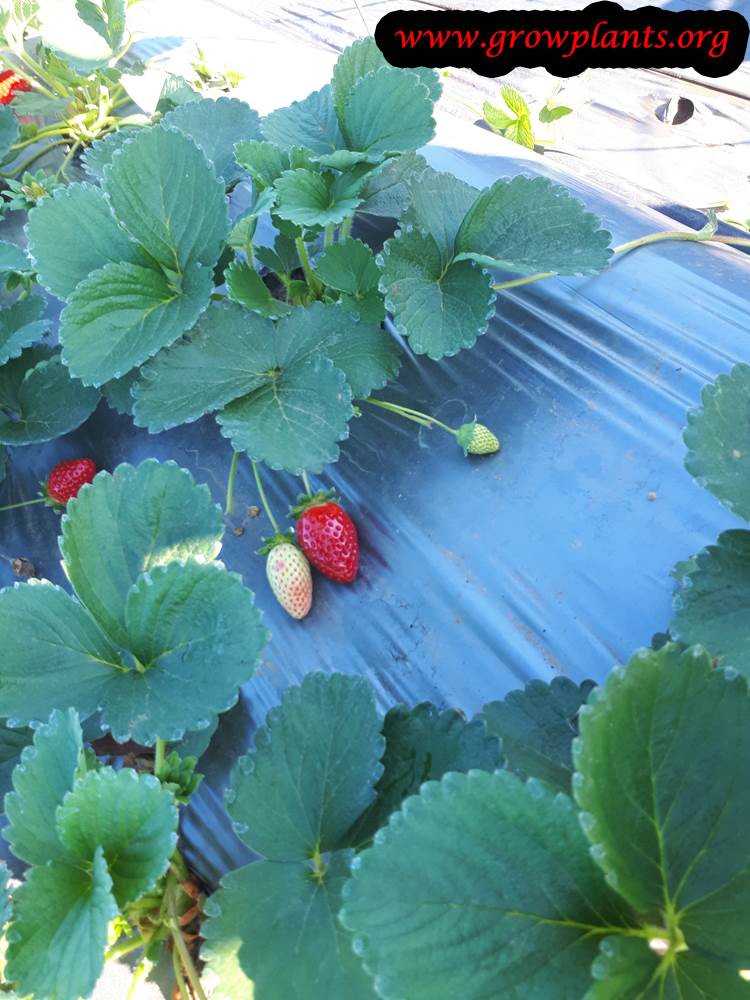
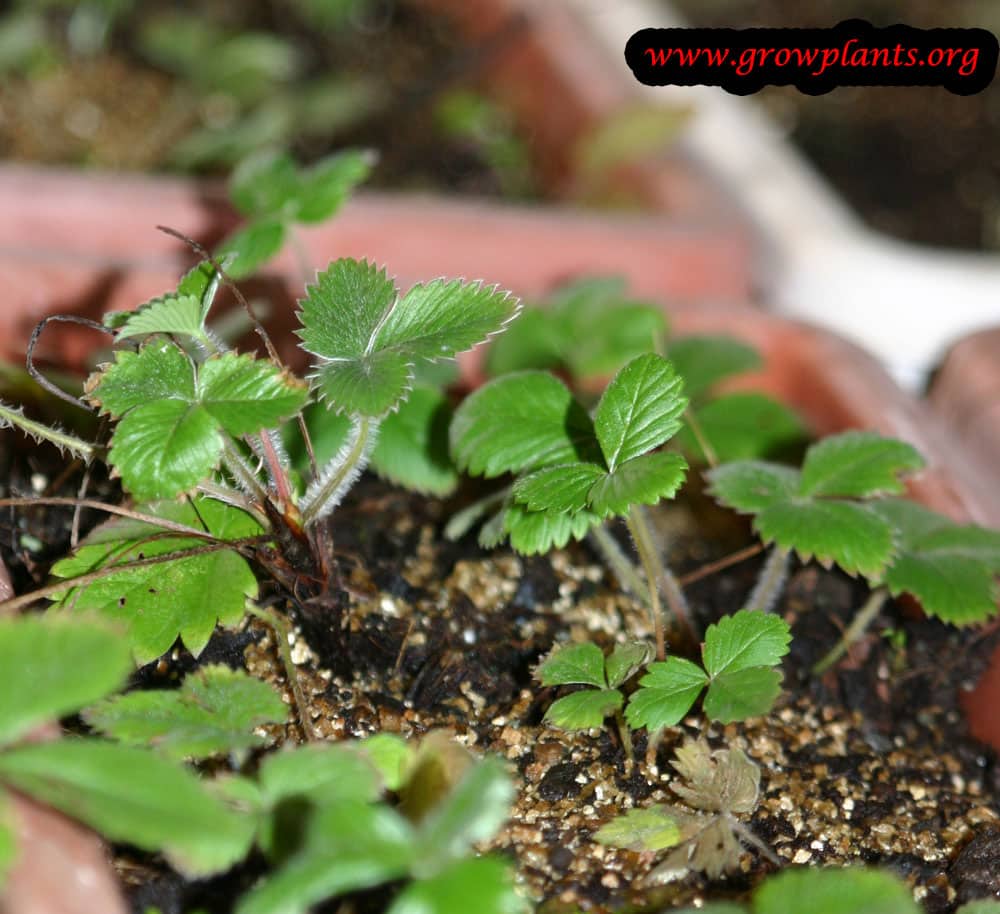
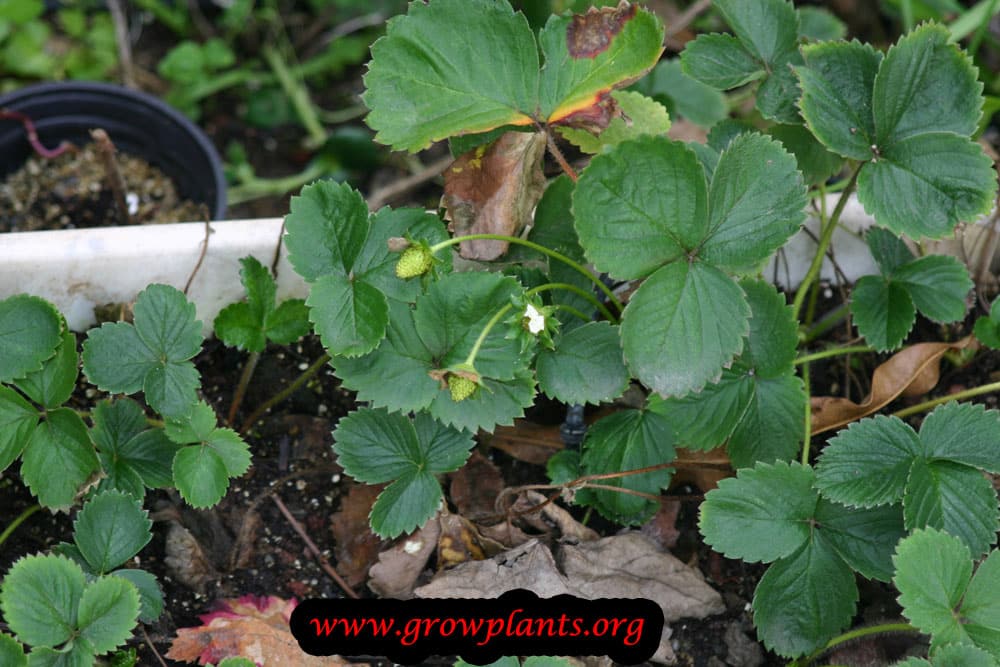
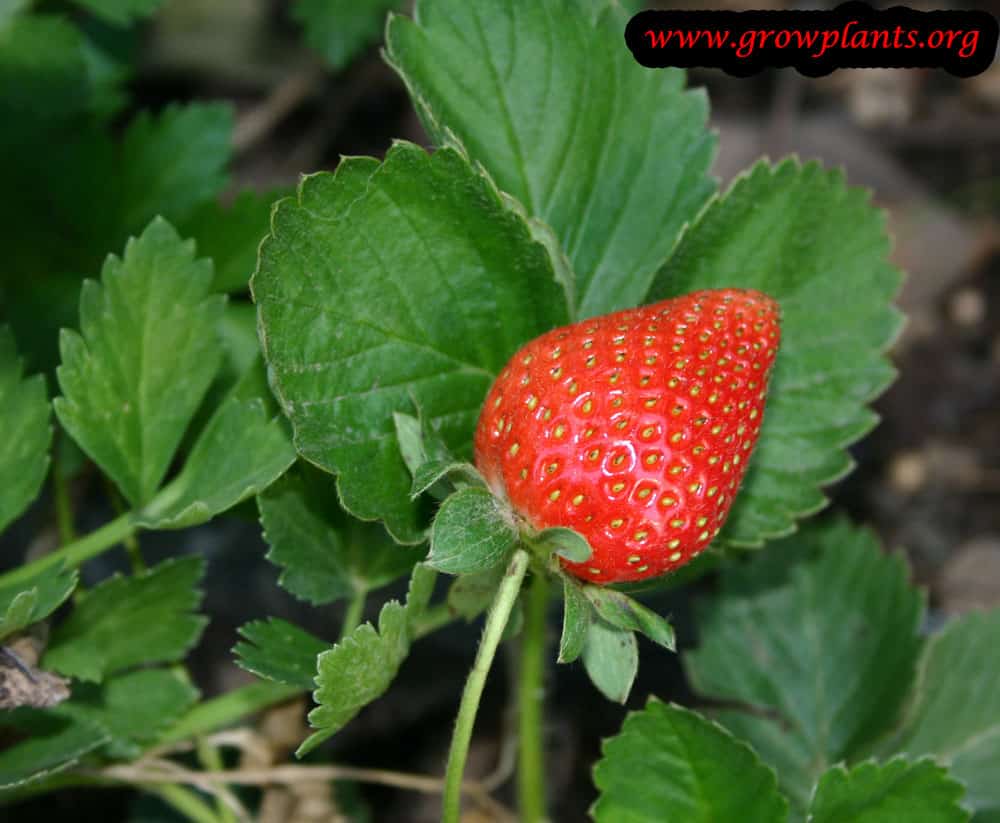
- Leaves & Foliage: Green three-lobed, toothed leaves on stems, turning reddish in cold weather.
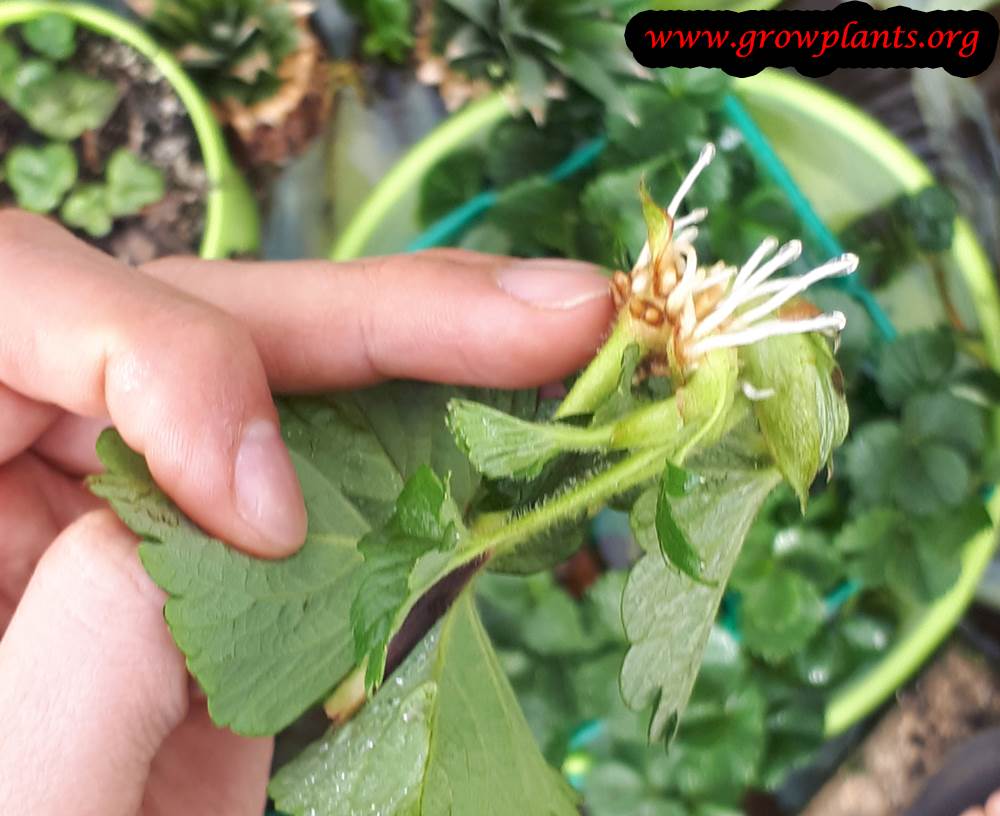
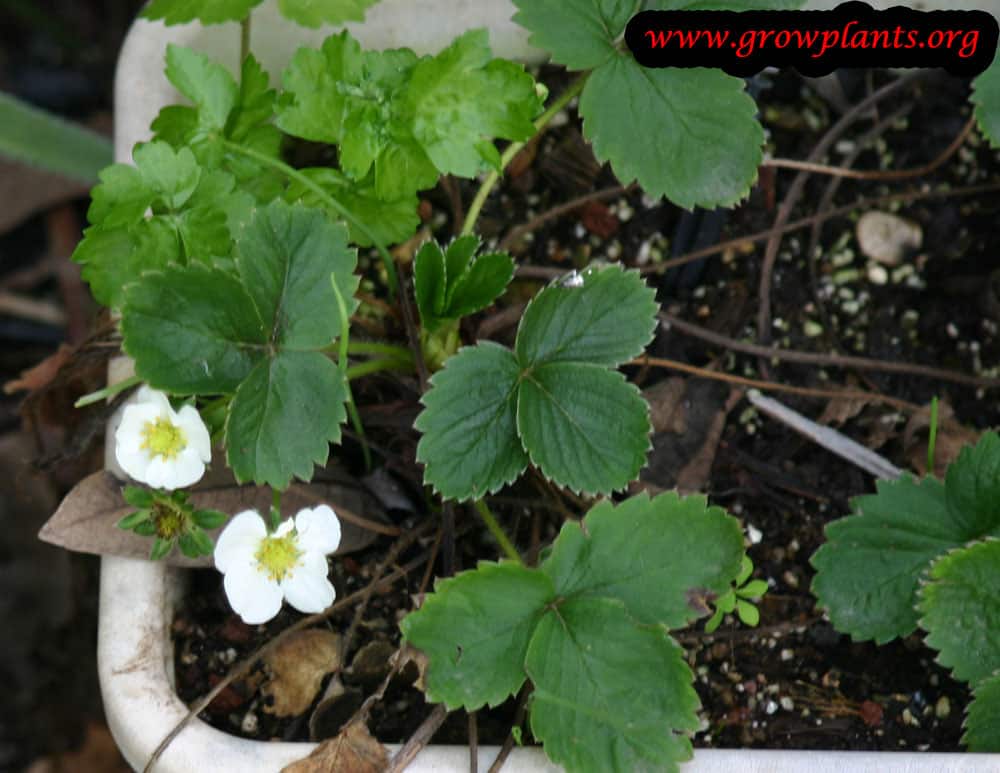
- Flower Characteristics: White five-petalled flowers with yellow stamens (some hybrids pink), pollinated by bees.
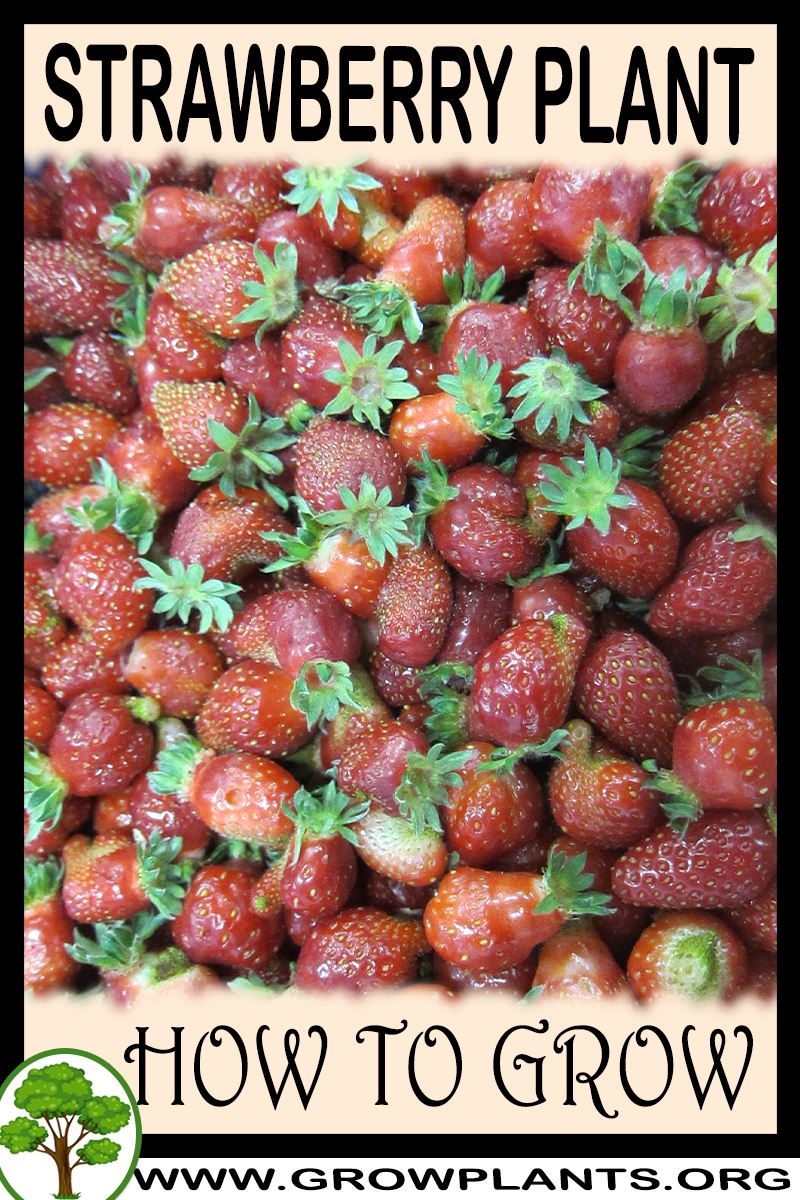
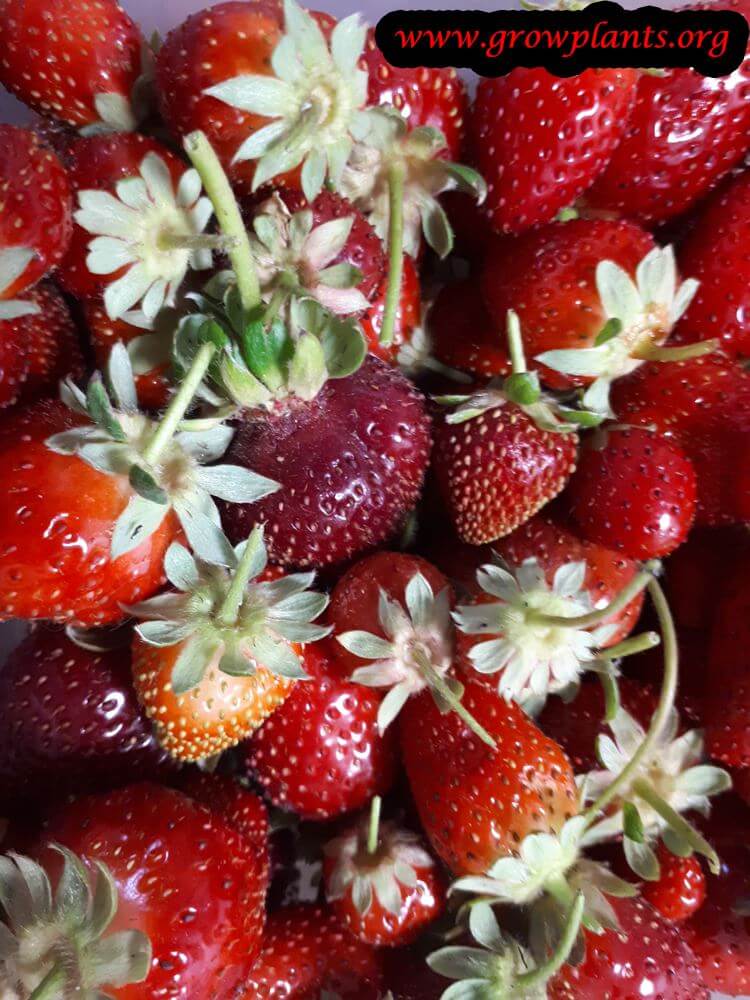
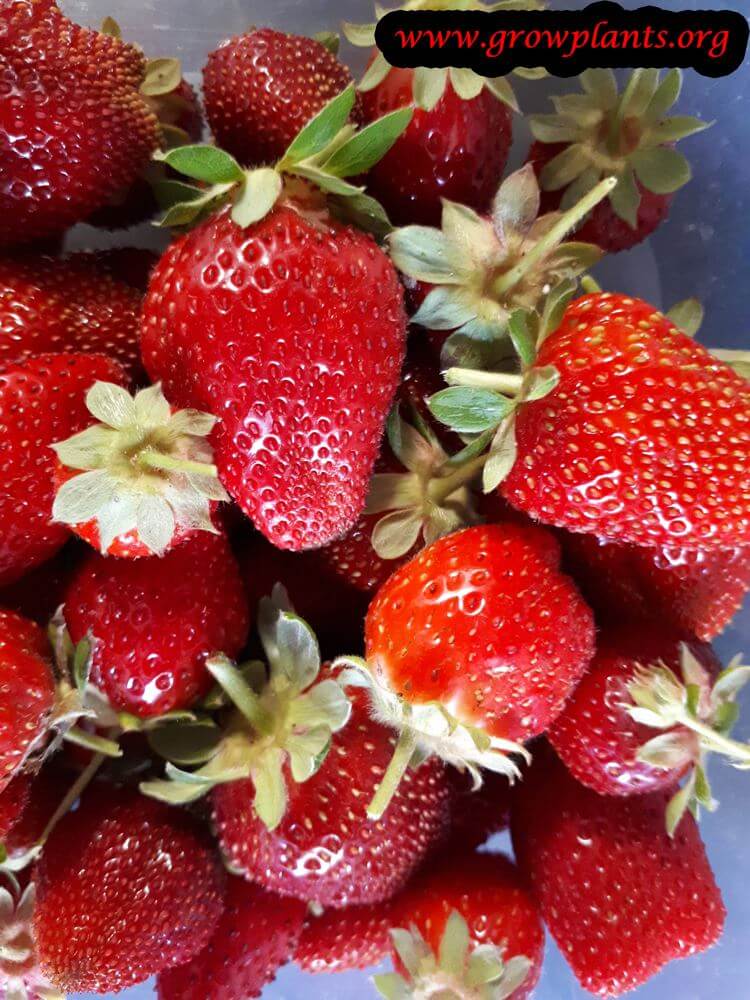
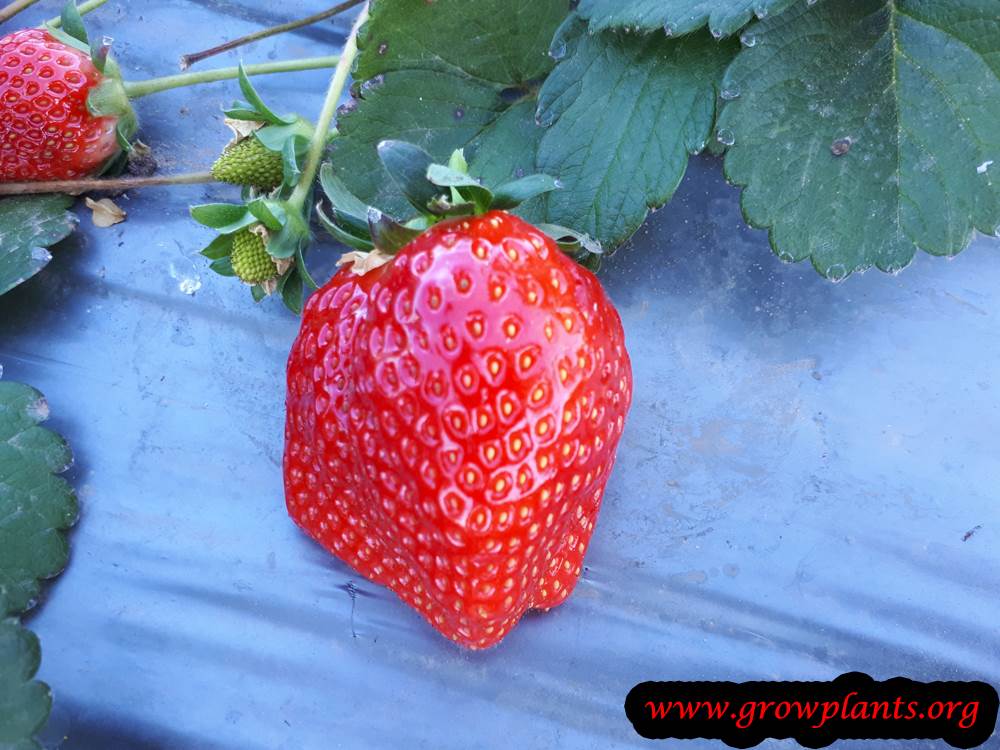
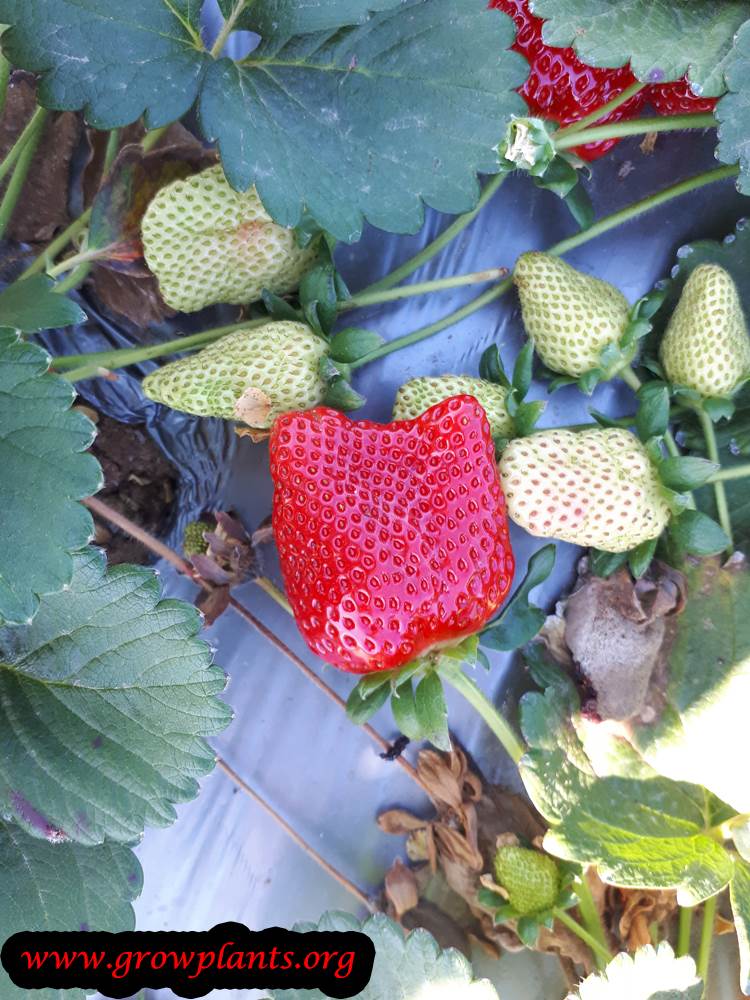
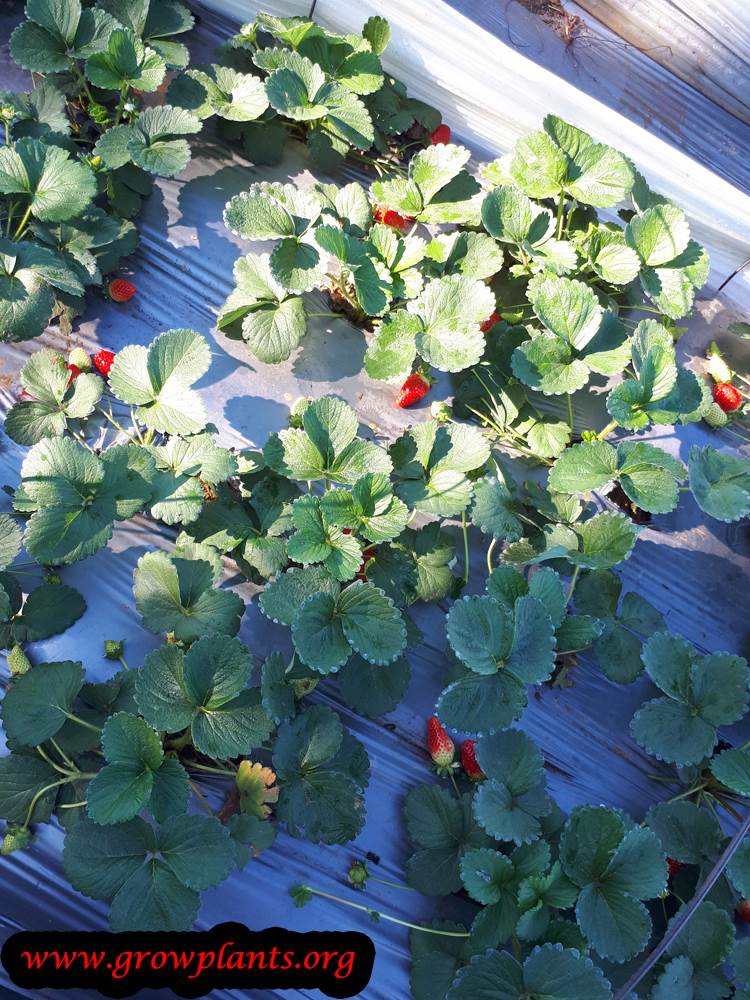
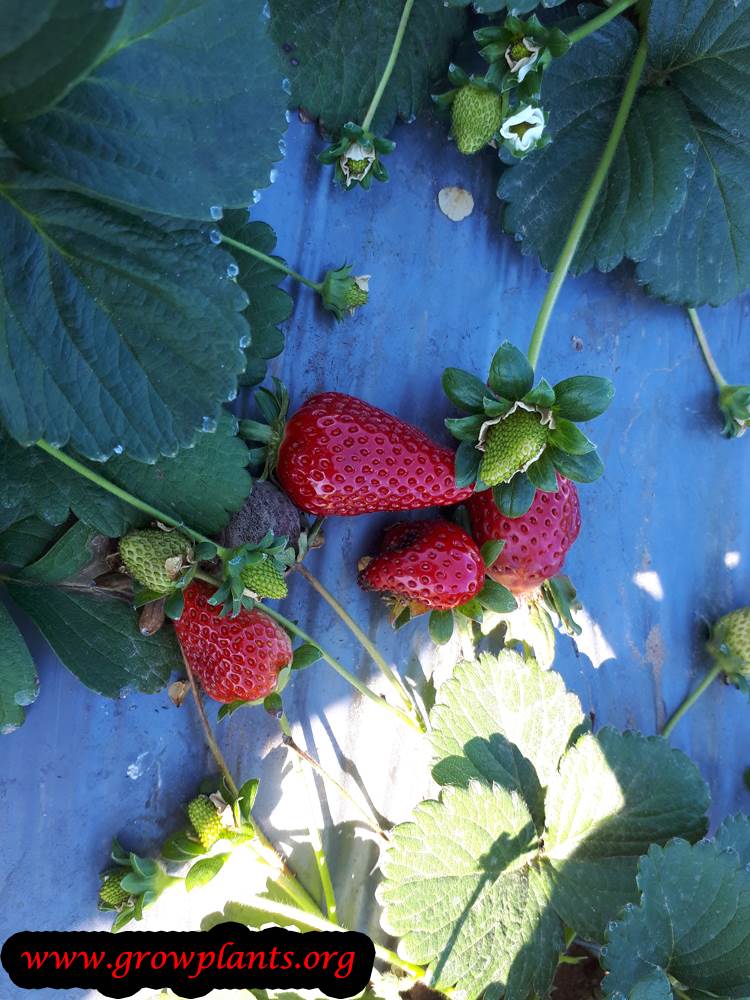
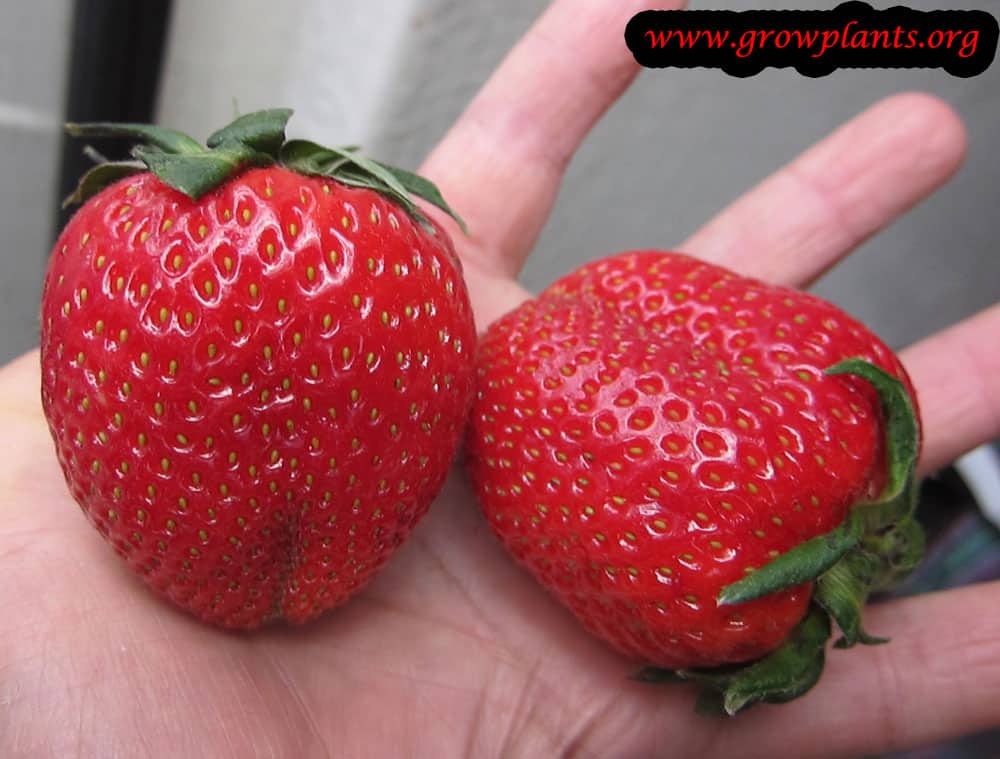
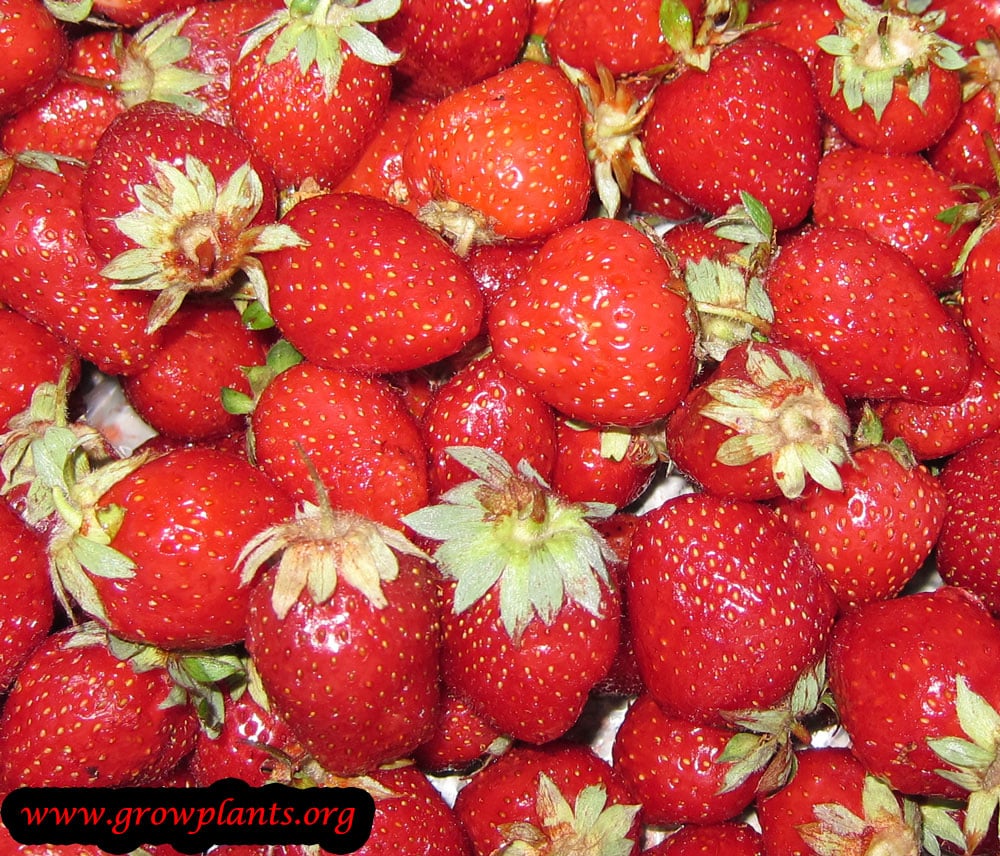
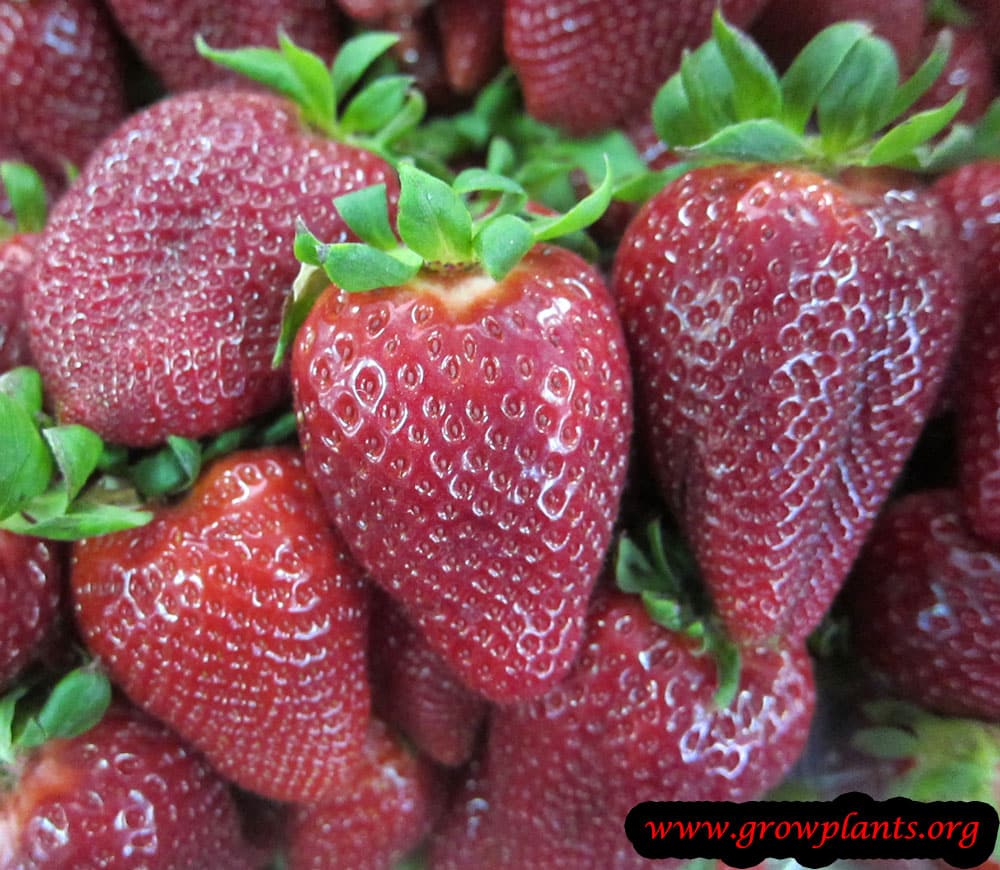
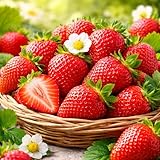
- Fruit Profile: Red berries 1–7 cm, cone to heart-shaped, with flavour ranging from sweet to sour depending on cultivar and growing conditions.
Primary Uses & Landscape Value
- Edible Uses: Fruit eaten fresh or made into jams, juice and cakes; leaves used for herbal beverages.
- Functional & Ornamental Roles: Edible ground cover and container or hanging-basket plant.
Care Guide: Planting, Soil & Watering
Overview: Garden strawberry thrives in a rich, moist, well-drained, slightly acidic soil in full sun to a little afternoon shade, and dislikes competition from weeds. It grows well with 12-15 hours of daylight (as little as about 9 hours is tolerated), though flowering and fruiting are influenced by more than day length alone. It needs steady, even moisture – more in hot weather – with sharp winter drainage to protect the crowns.
Quick Care Requirements
| Requirement | Ideal Condition |
|---|---|
| Planting Season | Autumn to spring in frost-free zones 10b-11; spring in temperate climates |
| Growth Rate | Fast to moderate (in good conditions) |
| Soil Type | Rich, moist, well-draining; mulched and weed-free |
| Soil pH | Slightly acidic, about 5.9-6.5 |
| Water Need | Moderate to high – keep evenly moist, extra in heat, drain well in winter |
Planting & Establishment
- Best Planting Season: Plant autumn to spring in frost-free zones 10b-11, or in spring in temperate climates.
- How to Plant:
- Hole Preparation: Dig a hole wider than the current root ball – roughly 90-200% bigger, the smaller the plant the larger the proportion – so the roots can spread.
- Soil Amendments: Mix organic matter, humus and dried leaves into the backfill, and add mulch after planting to keep the soil moist.
- Planting Depth: Set the crown exactly at soil level – bury it and it rots, plant too high and it dries – and firm gently so the plant neither sinks nor lifts when watered.
- Growth Speed & Expectations: Fast to moderate growth given the right conditions, staying low at 5-20 cm (2-8 in).
Soil, Watering & Drainage Care
- Soil Mix & Drainage Needs: A rich, well-drained soil with good structure is key; in containers use potting mix or peat soil with perlite, keep plenty of drainage holes, and refresh the mix every year or two as it loses structure. Mulch to keep fruit off the soil and hold moisture.
- Watering Schedule & Technique:
- Young / Newly Planted: Water in at planting, then water daily for the first couple of weeks, ideally in the morning, keeping the soil moist.
- Established: Keep the soil evenly moist through growth and fruiting, watering at the roots rather than over the fruit.
- Seasonal Adjustments: Increase watering in hot summer weather above about 40C (104F), watering the roots in the heat of the day; ensure sharp drainage in winter to prevent rot.
Climate, Light & Hardiness
Garden strawberry (Fragaria × ananassa) is a hardy herbaceous perennial for temperate, Mediterranean and subtropical climates, grown in full sun (with light shade only where it is very hot). The site data gives roughly USDA zones 6–10 in the open ground - with protected growing extending it into zones 2–5 and, with care, to about 11a - and it is commonly grown as an annual where winters freeze, though it is a true perennial that persists in frost-free climates. Cold tolerance and fruiting vary strongly by cultivar.
Quick Climate Specifications
| Climate Zones | Temperate, Mediterranean and subtropical |
|---|---|
| USDA Hardiness Zones | Approximately zones 6–10 in the open ground (site data); protected culture extends the range colder |
| Optimal Temp Range | Approximately 10–28 °C / 50–82 °F (site data) |
| Cold Damage Begins | Open flowers and fruit are frost-sensitive; foliage reddens and is checked by hard frost |
| Approx. Survival Minimum | Established dormant crowns tolerate down to roughly −20 °C / −4 °F (site tolerance range), with mulch and varying by cultivar |
| Frost Tolerance | High (dormant, mulched crown); flowers and fruit Very Low |
| Light Conditions | Full sun; half shade in high heat |
| Wind Tolerance | Moderate |
Sunlight & Light Exposure
Optimal Light Setup
Full sun gives the strongest plants, heaviest flowering and sweetest fruit; the source notes it dislikes shade and competition. In very hot climates half shade is a useful compromise.
Direct Sun Requirement
Plenty of direct sun is important for good fruit set and flavour - the source notes that sun hours and sun angle directly affect fruit taste and quantity.
Shade & Heat Management
Where summers are very hot, half shade and mid-day watering at the roots (not the leaves) reduce heat stress on flowers and fruit; high heat can otherwise spoil bloom and cropping.
Best Exposure / Orientation
An open, sunny, well-drained position is ideal; in hot regions an aspect that avoids the fiercest afternoon sun protects the crop.
Temperature Extremes & Hardiness
USDA Hardiness & Regional Limits
The site data gives about zones 6–10 in the open ground, with protected growing used in colder zones 2–5 and, with the right care, up to around 11a. Cold LIMITS open-ground culture rather than making the plant tender: it is commonly grown as an annual where winters freeze, yet persists and crops for several years in frost-free climates.
Cold Damage & Winter Protection
The source gives a broad temperature tolerance of roughly −20 °C to 45 °C (−4 °F to 113 °F). Dormant crowns are hardy toward the cold end when protected - the source stresses winter mulch in frost areas - but open flowers and developing fruit are readily killed by frost, and hardiness varies by cultivar, plant age and how prolonged the cold is.
Frost Sensitivity
Dormant, mulched crowns are frost-hardy; spring blossoms and fruit are very frost-sensitive, so late frosts during flowering are the main risk to a crop.
Extreme Heat Tolerance
Moderate; the upper tolerance is around 45 °C / 113 °F, but temperatures much above the optimum (about 28 °C / 82 °F) reduce flowering and fruit quality - the source advises extra water on very hot days above about 40 °C / 104 °F.
Chilling Requirement
The plant benefits from a cool winter rest; the source also notes seed needs a cold, moist period of at least a few weeks below about 5 °C / 41 °F to germinate well. A cool season supports strong spring growth and flowering, though exact needs vary by cultivar type.
Wind, Humidity & Microclimate
Humidity Preferences
Adaptable, but warm, wet, humid conditions and poor airflow encourage fruit rots, so an open, airy site is best.
Dry-Air Tolerance
Moderate; it copes with dry air given adequate soil moisture, though hot dry winds stress flowers and fruit.
Wind Tolerance
Moderate; the low plants take ordinary wind, but drying wind combined with heat stresses the crop.
Rainfall & Seasonal Moisture
Prefers a climate with steady moisture but good drainage; the source warns to keep the soil draining freely through winter, as prolonged wet cold rots crowns.
Microclimate Recommendations
An open, sunny, freely-drained pocket is ideal; frost mulch in cold winters and light shade with root-zone watering in fierce summer heat protect the crop at the two extremes.
Growing in Pots, Balconies & Indoors
Strawberries are compact, productive plants for pots and balconies rather than true houseplants – the grower notes they are not really indoor plants, but their small size means they slot in almost anywhere with enough light. On a bright sill, or under grow lights, they can even fruit year-round.
Quick Details
- Container Size: A wide, shallow pot, trough or strawberry planter suits their small 5-20 cm (2-8 in) frame and spreading runners
- Indoor Suitability: Not a natural houseplant, but small enough for a sunny windowsill, and able to fruit under LED grow lights
- Best Spot: Full sun; light shade only in high heat
- Soil & Drainage: Aerated, organic mix that drains freely yet holds even moisture
- Watering in Pots: Average to generous – more on hot days above 40C (104F), and keep drainage sharp through winter
Indoors & On the Windowsill
- Houseplant limits: The grower’s answer is no – deep in a room the light is too weak – but because the plants are so small, a bright, sunny windowsill works well.
- Under grow lights: With LED lighting you can extend the day and even get year-round fruit by imitating sun hours; vary the day length rather than holding it constant, since unchanging hours don’t suit the plant or the fruit.
- Overwintering: In cold climates a potted plant is easy to shelter from hard frost and bring back out in spring.
On a Balcony or Patio
- Light & wind: Give them the sunniest spot. Walls and railings reflect heat and small pots dry quickly, so check moisture daily in summer; hanging baskets and tiered planters keep the fruit clean and off the ground.
Choosing the Pot, Soil & Long-Term Care
- Pot & drainage: Use a pot with strong drainage holes and skip a standing-water saucer, which invites root rot; terracotta breathes and dries faster, while glazed or plastic holds moisture longer.
- Potting mix: A light, aerated organic mix – peat or coir with perlite or vermiculite – gives the roots both moisture and air.
- Feeding: Potted plants use up their feed faster because each watering leaches nutrients away, so feed a little more often than plants in open ground.
- Repotting: Refresh the top of the mix and pot up every couple of years; a light root and top prune at repotting keeps established plants vigorous.
Grower’s Container Tip
- Match drainage holes to your climate: Big holes in cold, rainy areas so the pot never floods; in warm weather keep them around 1 cm (0.5 in) so the mix doesn’t dry out instantly. Old, clogged soil traps water, so keep the holes clear and set perlite or lava grit at the base.
- Using a saucer: If you use one, let it fill when you water but make sure it dries the same day; skip saucers in rainy spots, and consider using one only through summer – free-flowing drainage helps wash the roots.
Fertilizing & Feeding
A moderate feeder: light feedings through the growing season, leaning to nitrogen for early leaf growth and to adequate potassium as fruit forms, with feeding eased off after harvest.
Quick Fertilizing Specs
| Feeding Level | Moderate feeder |
|---|---|
| Main Nutrient Priority | Balanced feeding, nitrogen for leaf growth then adequate potassium at fruiting |
| Best Feeding Period | Through the active growing season into fruiting |
| Organic Options | Compost, humus, and other organic matter |
| Reduce/Stop Feeding | Ease off after fruiting and through cold dormancy |
| Micronutrients | Usually met by a complete fertilizer and organic matter; correct only diagnosed issues |
| Soil pH | Slightly acidic |
Feeding by Growth Stage
Establishment after planting
Help new plants root in and put out healthy early foliage.
| Nutrient direction | A balanced complete fertilizer, kept light, plus organic matter worked into the bed. |
|---|---|
| Timing | Around planting and as the young plants take hold. |
| Frequency | A light feeding as the plants settle in. |
| Fertilizer types | A balanced complete fertilizer, Compost and organic matter worked into the bed |
| Precautions | Keep early feeding light and let organic matter do much of the work. |
Leaf and runner growth
Build a strong crown and healthy leaves before fruiting.
| Nutrient direction | A nitrogen-forward complete fertilizer to drive leafy growth. |
|---|---|
| Timing | Through the active growing season before heavy flowering. |
| Frequency | Light feedings through active growth. |
| Fertilizer types | A nitrogen-forward complete fertilizer, Compost as a top-dressing |
| Precautions | Avoid overdoing nitrogen, which pushes soft leafy growth at the expense of fruit. |
Flowering and fruiting
Support flowering and good-quality fruit.
| Nutrient direction | A balanced complete fertilizer with adequate potassium as flowers and fruit form. |
|---|---|
| Timing | As flowering begins and through the fruiting period. |
| Frequency | Light feedings that carry the plants through fruiting. |
| Fertilizer types | A balanced complete fertilizer with adequate potassium |
| Precautions | Keep feeding steady but light; excess nitrogen now favors leaves over fruit. |
Nutrient Deficiency Signs & Corrections
Older, lower leaves fade to pale green or uniform yellow and overall growth slows.
| Possible causes | low available soil nitrogen, nitrogen leaching from heavy watering or rain, thin, low-organic-matter soil |
|---|---|
| Appears first on | older, lower leaves |
| What to check | recent feeding history, soil organic matter, watering and drainage |
| Possible correction | Apply a nitrogen-containing complete fertilizer and build soil organic matter, then water evenly. |
Youngest leaves yellow between the veins while the veins themselves stay green.
| Possible causes | low iron availability in alkaline soil, waterlogged or poorly drained roots, high soil alkalinity tying up iron |
|---|---|
| Appears first on | new, young leaves |
| What to check | soil alkalinity and drainage, whether symptoms start on the newest leaves, watering habits |
| Possible correction | Correct soil alkalinity and drainage and, if needed, apply a chelated iron product per its label. |
Older leaves yellow and brown along the margins and fruit quality suffers.
| Possible causes | low soil potassium, excessive nitrogen crowding out potassium, light sandy soils prone to leaching |
|---|---|
| Appears first on | older, lower leaves |
| What to check | recent nitrogen-heavy feeding, soil potassium status, soil texture and leaching |
| Possible correction | Use a complete fertilizer with adequate potassium as fruit develops and avoid over-applying nitrogen. |
Leaf margins brown or scorch and growth stalls despite adequate watering.
| Possible causes | fertilizer salt buildup in the root zone, under-watering that concentrates salts, excessive or too-frequent feeding |
|---|---|
| Appears first on | leaf margins and tips |
| What to check | recent fertilizer amounts, watering consistency, drainage, especially in containers |
| Possible correction | Ease off feeding, water thoroughly to flush accumulated salts, then return to lighter feeding. |
Pruning, Training & Seasonal Maintenance
Strawberries are not pruned like woody plants: here "pruning" means managing runners, deblossoming young plants to build strong crowns, removing dead and diseased leaves and rotten fruit, and renovating the bed after harvest. The right approach hinges on the type — June-bearing cultivars give one big flush and respond to a post-harvest renovation, whereas everbearing/day-neutral cultivars fruit across the season and must not be sheared bare. Throughout, the crown itself is never cut.
Quick Pruning & Maintenance Specs
| Pruning Tolerance | Moderate (leaf removal/renovation tolerated; never cut the crown) |
| Primary Pruning Window | After the main harvest (renovation of June-bearers) and a spring cleanup |
| Secondary Maintenance Window | Ongoing runner and dead-leaf management through the season |
| Typical Frequency | Continuous runner/leaf grooming; one renovation per year for June-bearers |
| Main Objective | Channel energy into fruit and crowns and keep foliage healthy |
| Young Plant Priority | Deblossom the first flush and remove early runners to build the crown |
| Mature Plant Priority | Renovate and thin after harvest; manage runners |
| Best Tool Type | Precision snips/scissors for runners and leaves — soft-tissue cuts |
| Avoid Heavy Pruning During | Fruiting; mid-season on everbearers; going into hard frost without crown mulch |
Pruning by Plant Age & Size
Newly Established
For June-bearers, pinch off the first flush of flowers in the planting season so the plant invests in crown and roots rather than a token early crop (it takes several months to fruit anyway). Remove early runners in the first weeks so the mother plant bulks up.
Young / Formative
Set a runner policy: remove runners to concentrate energy on fruit, or peg down one or two per plant for propagation and replacement — cutting the runner after about two plantlets is a good rule. Everbearing/day-neutral types generally make few runners and are largely left to fruit.
Mature / Established
Renovate June-bearing beds annually after harvest and keep runners thinned; replace declining plants every 2–3 years to keep fruit size up.
Seasonal Pruning Schedule
Pre-Growth / Early Spring
Objective: clean start. Remove: winter-killed and tatty leaves and old mulch; refresh straw under the developing fruit. Do NOT: strip healthy leaves the plant needs to power the crop.
Post-Harvest Renovation (June-bearers)
Objective: reset for next year. Remove: shear old foliage to about 2.5–10 cm above the crowns (never into the crown), thin crowded plants, and cut excess runners; top up mulch. Expected response: a healthy new flush of leaves that build next season’s fruiting crown. Do this only on June-bearers — do NOT shear everbearers/day-neutrals, which are still cropping.
Ongoing Sanitary
Remove diseased or spotted leaves and rotten or mouldy fruit promptly to check grey mould, and keep on top of runners.
Flowering & Fruiting Wood
Strawberries carry no persistent woody fruiting wood: flowers and fruit form on current-season inflorescences arising from the crown, while runners are purely vegetative. The practical consequence is that removing runners and (for young plants) early flowers redirects energy into the crown and next crop, and that the crown — not any cane or spur — is the structure you must protect.
Structural Pruning & Training & Renewal
No structure to train. Renewal comes from the post-harvest renovation of June-bearers and from replacing worn plants with rooted runners. In a matted-row system, thinning runners keeps rows at a workable width; in a hill/spaced system, essentially all runners are removed so each crown grows large.
Special Growth to Remove
Runners (stolons) are the key growth to manage — remove them to boost fruiting, or retain a few pegged plantlets for new plants. Also remove dead outer leaves and spent/rotten fruit. There are no woody suckers. Note that runners genuinely reduce fruiting when left to proliferate.
Container & Small-Space Pruning
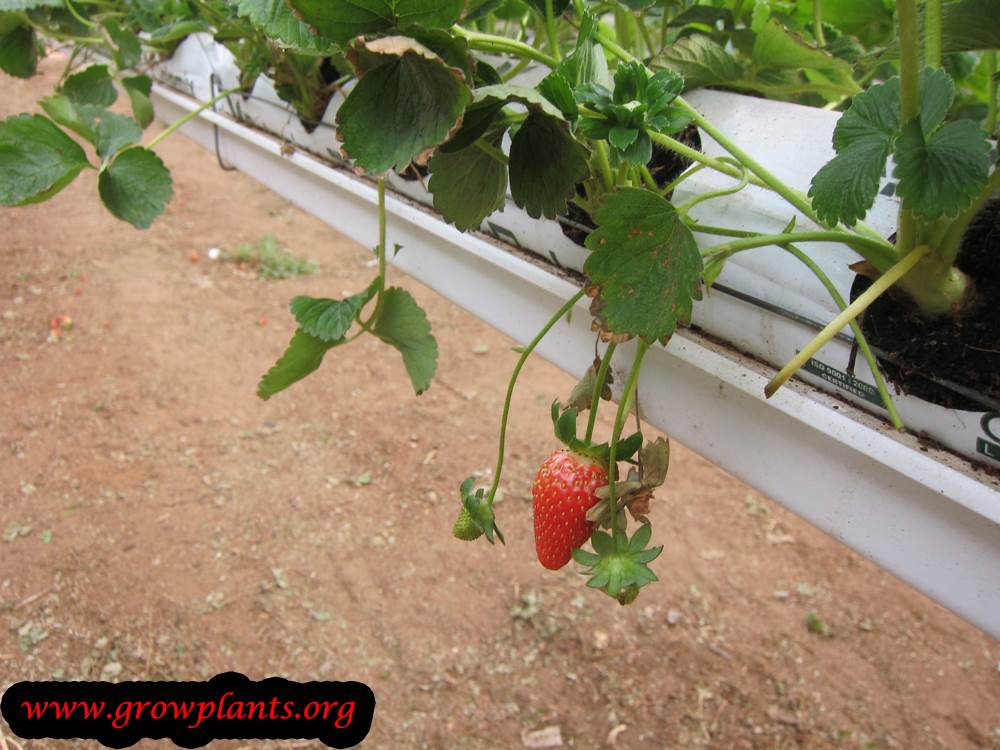
In pots, towers, pipes and hanging baskets the emphasis shifts: runners are usually a nuisance with nowhere to root, so remove them to keep energy in the fruiting crowns (hanging systems also lift fruit away from soil and slugs). This differs from in-ground matted rows where some runners are kept to fill gaps. Refresh or replace soil every 1–2 years and root-prune when repotting, since old, spent soil drains poorly and rots roots; groom dead leaves as in the ground.
Tools
Precision snips or small scissors handle runners and leaf/fruit removal on soft tissue; for a large bed a pair of shears or a strimmer/mower on a high setting speeds renovation. No loppers, saws or hedge shears apply to this herbaceous plant.
Tool Hygiene & Disease Risk
Increased to high. Grey mould (Botrytis) and various leaf and crown diseases spread on hands, tools and mouldy fruit. Remove and bin diseased leaves and rotten fruit (do not compost near the bed), clean blades when moving between diseased and healthy plants, and work when the foliage is dry.
Cut Placement & Technique
Snip runners close to the mother crown, or peg the plantlet down and sever it once rooted. Cut leaves at the base of the petiole and never gouge the crown. Keep the crown right at soil level — not buried, which rots it, nor exposed, which dries it.
Heavy Pruning & Rejuvenation
The post-harvest shear-off of June-bearers is the one "hard" cut and is beneficial, provided the blade stays above the crown; everbearers and day-neutrals should never be sheared bare, as it costs the ongoing crop. Real rejuvenation of a tired bed is done by replanting fresh rooted runners.
Post-Pruning Care
After renovating June-bearers, water and give a light feed to push the new foliage — this is the one case where feeding after cutting is correct, since renovation deliberately regrows the plant for next year — then re-mulch. Watch the new flush and fruit for slugs, thrips and birds.
Common Pruning Mistakes
Not deblossoming June-bearers in the planting season (weak plants); letting runners overrun the bed so plants crowd and fruit shrinks; never renovating (disease builds up and yield declines); burying or exposing the crown; shearing everbearers/day-neutrals bare and losing the crop; and leaving mouldy fruit to spread Botrytis.
When NOT to Prune
Do not shear during fruiting; do not renovate everbearers mid-season; do not cut plants back going into hard frost without leaving crown mulch; and do not strip healthy leaves off young plants still building their crowns.
Recommended Tools (by task)
- precision_snips — cutting runners at the crown and grooming dead leaves and spent fruit on soft tissue.
- blade_disinfectant — Botrytis and leaf/crown diseases spread on tools, so clean blades between diseased and healthy plants.
- garden_spade — lifting and replacing worn plants and rooted runners when renewing a declining bed.
Pruning Troubleshooting
| Problem | Possible Cause | What to Check | Corrective Action |
| Lots of leaves and runners, few berries | Runners not removed, excess nitrogen, or young plants not deblossomed | Runner load, feeding, plant age | Remove runners, ease nitrogen, deblossom young plants to build crowns |
| Small fruit and a declining bed | Overcrowded old crowns, no renovation | Plant age and spacing | Renovate and thin June-bearers; replace plants every 2–3 years |
| Grey mould / rotting fruit | Fruit on wet soil, dense foliage, overhead watering | Mulch, airflow, watering method | Straw-mulch under fruit, remove old leaves, water at the base, harvest promptly |
| Cracked fruit | Usually thrips feeding, not a watering fault | Presence of thrips on flowers/fruit | Manage thrips rather than changing watering |
Propagation Guide
The garden strawberry is a hybrid, so it is propagated from runners (stolons), which produce plantlets identical to the parent cultivar; seed does not come true and seed-raised plants are slow and variable. Runners make propagation easy, while raising plants from the achene seed is a genuine challenge best reserved for breeding or for species types. Growing from seed as an annual wastes most of the season, since it can take 4-6 months to reach fruiting size.
Quick Propagation Specs
| Best Propagation Method | Runners (stolons) |
| Alternative Methods | Crown division; seed (challenging) |
| Propagation Difficulty | Easy by runners; Difficult by seed |
| Seed True-to-Type | No — hybrid; seedlings are variable |
| Vegetative True-to-Type | Yes |
| Best Propagation Season | Spring–summer in hardiness zones 2–10a; autumn–winter in zones 10b–11a |
| Seed Germination Time | 3–8 weeks |
| Runner Rooting Time | 1 week to about 2 months, depending on the runner’s stage, weather and moisture |
| Germination Temperature | 10–18°C (50–65°F); possible at 5–20°C (40–68°F) but less reliable |
| Seed Sowing Depth | Surface — do not cover the seed |
Runners & Stolons
How Runners Work
The parent throws out runners that carry plantlets; these are the natural, true-to-type propagation units. Runners can themselves produce further runners, so cutting one back does not necessarily end runner production on that stem.
Rooting the Plantlets
Root the plantlets either directly in the soil or in water. In soil, keep the mix moist; in summer give some shade, as an exposed young plantlet can scorch, and cooler weather roots them better. If rooting in water, keep the leaves clear of the water — supporting the plantlet on a net helps — and change the water every few days.
Timing & Separation
Runner rooting takes anywhere from about a week to two months. Sever a plantlet from the mother plant once it has its own roots; it is usually best to keep only around two runners per plant so the crop and the parent are not weakened, cutting the rest before they exhaust the plant.
Growing from Seed
Seed Handling & Viability
The seeds are the achenes on the fruit surface. Store spare seed in a dry, dark place, ideally refrigerated.
Dormancy & Pre-Sowing Treatment
Seed benefits from a cold period: chill it for at least about three weeks below roughly 5°C (41°F); the exact need varies with cultivar and temperature.
Sowing Depth & Orientation
Surface-sow and do not cover the seed — it needs light. In seed trays, space thinly (about 2×2 cm / 1×1 in); sowing into separate pots avoids pricking-out damage.
Germination Conditions
Keep cool and humid at about 10–18°C (50–65°F). Maintain high humidity by covering the pot with plastic or using a greenhouse or propagator, keep the surface moist by misting or watering from the bottom.
Germination Time
Germination takes about 3–8 weeks and is often uneven.
Seedling Care
Seedlings are fragile; grow them in bright, lightly shaded conditions with high humidity, watering gently rather than directly onto the seedlings. When larger, space plants around 15×15 cm (6×6 in). Note that seed-raised plants are slow to reach cropping, which is why runners are preferred, especially where strawberries are grown as annuals.
Division, Offsets, Pups & Suckers
An older multi-crowned plant can be lifted and split into individual crowns, each with roots, as a quick way to increase a favourite plant when runners are scarce.
Bloom & Flower Guide
Quick Details
- Bloom Season: Autumn to winter in frost-free climates; spring to summer in temperate gardens
- Flower Appearance: White flowers with five petals and a central boss of yellow stamens; some hybrids have pink flowers
- Edibility: The flower is non-toxic but is not eaten; the plant is grown for its fruit, so blooms are best left to set berries
Detailed Blooming Overview
Garden strawberries flower in flushes, sending up sprays of white (occasionally pink) blossoms whose timing depends on the type – June-bearers give one big spring flush, while everbearing and day-neutral kinds flower on and off through the season. Each flower has many tiny separate pistils, and every one must be pollinated for the berry to swell evenly, which is why bee activity matters so much for well-shaped fruit.
Flower Characteristics
- White (sometimes pink) flowers with five petals.
- A green central receptacle ringed by many yellow stamens.
- Carried in small sprays above the leaves.
Bloom Care & Thinning
- Thinning the bloom: On newly set or weak plants, removing the first flush of flowers lets the plant build strength before fruiting.
- Pollination: Bees are the main pollinators; poorly pollinated flowers give small, misshapen berries, so encourage pollinator visits and avoid spraying open flowers.
Bloom Health & Protection
- Gray mold (Botrytis) can infect flowers in cool, wet weather and later rot the fruit; good airflow, careful watering and, if needed, a suitable fungicide at bloom help.
Fruit & Uses
Garden strawberry is grown mainly for its sweet red berries, eaten fresh or made into jams, juice and cakes. The young leaves are also edible and are used, fresh or dried, to brew a herbal beverage (tea).
Quick Edible Specs
| Edible Parts | Fruit; young leaves |
|---|---|
| Main Use(s) | Fruit – fresh, jams, juice, cakes; leaves – herbal beverage/tea |
| Eaten Raw or Cooked | Fruit raw or cooked; leaves steeped (brewed) |
| Preparation Required | Fruit – rinse only; leaves – steep fresh or dried |
| Harvest Season | Fruit winter–spring in hardiness zone 10b–11 or spring–summer in zone 2–10a; leaves through the same growing season |
| Time to First Harvest | Fruit within the first season from planting (see Care) |
| Storage | Fruit best fresh or preserved; leaves dried for tea |
| Safety/Toxicity Caveat | Use freshly picked or fully dried leaves; avoid half-wilted leaves |
Fruit
The red berry ranges from sweet to sour (and occasionally bland) depending on cultivar and growing conditions, in cone, oval, heart, conic or wedge shapes and about 1–7 cm. It is ready when fully red and slightly soft. Pick with the green calyx attached and keep the fruit off the soil to reduce rot and slug damage. Eat raw, or use for jams, juice and cakes.
Leaves & Greens
The young, fully-expanded but still tender leaves are the part used. Harvest them once the plant is well established; they are used fresh or dried to make a herbal beverage. Because the leaves and the fruit come from the same plant, heavy leaf-stripping reduces the foliage that feeds the berries – take leaves sparingly if fruit is the main goal.
Harvesting
Fruit ripens in flushes and is picked over repeatedly through the season; leaves are taken a few at a time during active growth. Both are season-long, repeat harvests rather than a single picking.
Preparation, Uses & Safety
Rinse and eat the fruit fresh, or cook it into jams, juice and cakes. For the leaves, steep them fresh or fully dried as a herbal infusion; use only healthy green or fully dried leaves and avoid half-wilted ones. Strawberry leaves have traditionally been used to make herbal teas – no health claims are made here.
Pests, Diseases & Troubleshooting
Overview: Strawberries are among the most pest- and disease-prone soft fruit, targeted by root weevils, mites, aphids and plant bugs, and highly vulnerable to grey mould and a suite of root and foliar fungi. Successful management is preventative and cultural: clean certified stock, good spacing and airflow, mulch to keep fruit off the soil, prompt removal of rotten fruit and old leaves, crop rotation, and resistant varieties – with sprays as a backup. The large-fruited garden strawberry is the most disease-susceptible of the group, so clean stock and resistant varieties matter most here.
Quick Troubleshooting Overview
| Issue / Pest | Main Symptom | Primary Solution |
|---|---|---|
| Vine / root weevil | Notched leaf edges (adults); wilting from root-eating grubs | Nematodes, tidy mulch, sticky barriers |
| Spider mites | Stippled, bronzed, dry leaves in hot dry spells | Predatory mites, hose foliage, miticidal soap |
| Aphids | Colonies on undersides; sticky honeydew; virus spread | Blast off, beneficials, insecticidal soap |
| Tarnished plant bug | Deformed, seedy ‘catfaced’ fruit | Weed control, row cover, monitor early |
| Slugs / snails | Holes and slime trails on fruit and leaves | Traps, barriers, tidy mulch, evening hunts |
| Grey mould (Botrytis) | Fuzzy grey rot on fruit and flowers | Airflow, remove rotten fruit, mulch, protect blooms |
Common Pests & Management
- Black vine / strawberry root weevil (Otiorhynchus sulcatus, O. ovatus):
- Symptoms: Adults chew tell-tale notches into leaf margins at night, but the real damage is done by the pale, legless, C-shaped grubs that devour roots and tunnel into the crown, causing plants to wilt, stunt and collapse – often in patches and worst in older beds and containers.
- Prevention & Control: Apply parasitic nematodes (Steinernema/Heterorhabditis) to moist warm soil to kill the grubs, keep the bed and mulch tidy to reduce shelter, use sticky barriers and night hand-collecting for adults, and rotate strawberries onto fresh ground every few years. Replace heavily infested beds with clean stock.
- Two-spotted spider mite (Tetranychus urticae):
- Symptoms: Fine pale stippling that turns leaves dull, bronzed and dry, with delicate webbing on undersides; growth and yields fall in hot, dry, dusty weather.
- Prevention & Control: Encourage or introduce predatory mites (Phytoseiulus/Amblyseius), hose foliage to reduce dust and mites, avoid drought stress, and treat hot-spots with insecticidal soap or a light miticidal oil. Avoid broad insecticides that flare mites by killing predators.
- Strawberry aphid (Chaetosiphon fragaefolii):
- Symptoms: Colonies of small pale-green aphids on leaf undersides and crowns with sticky honeydew and sooty mould; most importantly they transmit strawberry viruses (mottle, crinkle, mild yellow-edge) that cause decline over time.
- Prevention & Control: Start with certified virus-free plants, encourage ladybirds, lacewings and hoverflies, blast off colonies, and use insecticidal soap or a light oil on heavy infestations. Rogue out obviously virused, stunted, mottled plants to protect the rest.
- Tarnished / lygus plant bug (Lygus lineolaris, Lygus spp.):
- Symptoms: Feeding on flowers and developing fruit kills seeds and tissue unevenly, producing deformed, hard, seedy, ‘catfaced’ berries with a bunched, buttoned tip; the bronze-mottled bugs and their green nymphs are quick and easily missed.
- Prevention & Control: Keep the patch and surroundings free of the flowering weeds that harbour lygus, use floating row cover until pollination is needed, monitor early with white sticky traps, and encourage natural enemies. Target sprays only at threshold, protecting pollinators.
- Slugs and snails (Gastropoda):
- Symptoms: Ragged holes in leaves and fruit and silvery slime trails, with berries hollowed out overnight in damp weather – a leading cause of spoiled fruit.
- Prevention & Control: Mulch with straw to keep fruit off wet soil but keep it loose, set beer traps, hunt at dusk, use copper barriers around beds, and apply iron-phosphate slug pellets if needed. Remove daytime hiding places.
- Western flower thrips (Frankliniella occidentalis):
- Symptoms: Tiny slender insects that rasp flowers and young fruit, causing bronzing, dulling and a rough, russeted skin on the berries, plus some flower distortion.
- Prevention & Control: Monitor with blue sticky traps, encourage predatory mites and minute pirate bugs, and treat outbreaks with spinosad or insecticidal soap in the evening to spare pollinators. Keep weeds down.
Diseases & Fungal Issues
- Grey mould (Botrytis fruit rot) (Botrytis cinerea):
- Symptoms: The major fruit-rot: soft light-brown rot on ripening and ripe berries quickly covered in a fuzzy grey mould, often starting at the blossom end or where fruit touches soil, leaves or a rotting neighbour; it also blights flowers in cool, damp weather.
- Treatment & Management: Rely on prevention – space and thin plants for airflow, mulch to keep fruit off the soil, water at the base early in the day, and above all remove and destroy every rotten fruit and old leaf promptly so spores do not build up. Pick fruit as it ripens. A protective botrytis fungicide at bloom helps in wet seasons; do not compost infected fruit.
- Powdery mildew (Podosphaera aphanis):
- Symptoms: White powdery patches on leaf undersides with upward-curling, purple-blotched leaf edges, and a dull, cracked, mildewed bloom on affected fruit.
- Treatment & Management: Grow resistant varieties, space for airflow and light, remove badly affected leaves, and avoid excess soft nitrogen growth. Sulphur, potassium bicarbonate or a suitable fungicide checks spread, observing harvest intervals.
- Leaf spot and leaf scorch (Mycosphaerella fragariae, Diplocarpon earlianum):
- Symptoms: Leaf spot shows round spots with purple margins and pale grey centres; leaf scorch produces irregular dark-purple blotches that make leaves look burnt and dry, weakening the plant and downgrading runners.
- Treatment & Management: Remove and destroy old and infected leaves (renovate/mow everbearers and Junebearers after fruiting where appropriate), plant resistant cultivars, improve airflow, and rotate. Fungicides are a backup where pressure is high.
- Red stele (red core root rot) (Phytophthora fragariae):
- Symptoms: Plants stunt, wilt and die, often in wet, cold, poorly drained patches; the tell-tale sign is roots that show a rusty-red core when sliced lengthwise, with rotted feeder roots.
- Treatment & Management: Prevention is essential: plant only certified disease-free stock in well-drained soil or raised beds, avoid wet low spots, choose resistant varieties, and never replant strawberries onto infected ground. There is no cure for infected plants – remove them.
- Verticillium wilt (Verticillium dahliae):
- Symptoms: Outer leaves wilt, dry from the margins and collapse while inner leaves stay small; plants stunt and often die, worst on ground that recently grew tomatoes, potatoes or other susceptible crops.
- Treatment & Management: Rotate away from susceptible crops for several years, plant certified stock and resistant varieties in clean, well-drained soil, and remove and destroy affected plants. The soil-borne fungus persists for years, so avoid infested ground.
- Leather rot (Phytophthora cactorum):
- Symptoms: A firm, leathery, brown rot of fruit (green or ripe) that touches wet soil, with an unpleasant bitter taint; common after heavy rain on unmulched beds.
- Treatment & Management: Mulch to keep fruit off the soil, improve drainage, remove affected fruit, and avoid overhead irrigation. Good bed hygiene and drainage are the main controls.
Growing Difficulties & Abiotic Problems
- Catfacing / misshapen fruit:
- Cause & Symptoms: Poor pollination (cold, wet or insect-poor bloom) and plant-bug feeding leave berries lumpy, seedy and deformed with under-developed sections.
- Correction Strategy: Encourage pollinators and protect flowers from cold, manage tarnished plant bug, and avoid pesticide sprays during bloom that harm bees. Even, unstressed growth improves fruit form.
- Fruit sunscald and soft fruit:
- Cause & Symptoms: Exposed berries in intense sun bleach and develop white/tan sunken patches, and heat with erratic watering gives soft, poor-quality fruit.
- Correction Strategy: Maintain enough leaf cover, water evenly (drip is ideal), and mulch to buffer soil moisture and temperature; harvest promptly in hot spells.
- Iron/nutrient chlorosis:
- Cause & Symptoms: Yellowing between the veins on new leaves signals iron shortage (often on alkaline or waterlogged soil); overall paling means low nitrogen.
- Correction Strategy: Correct drainage, feed with a balanced fertiliser suited to fruit, and use chelated iron on alkaline soils; avoid excess nitrogen that promotes leaf at the expense of fruit and invites disease.
- Runner overcrowding / decline:
- Cause & Symptoms: Beds left to crowd with runners become congested, humid and disease-prone, and older crowns yield poorly.
- Correction Strategy: Thin and space plants, remove excess runners (or peg wanted ones), renovate beds after fruiting, and replace the planting with fresh certified stock every few years on new ground.
What Helps – Products & Tools
Strawberries reward prevention: certified clean stock, spacing and airflow, straw mulch, drip watering, prompt removal of rotten fruit and old leaves, crop rotation and resistant varieties do most of the work. Useful inputs are parasitic nematodes and sticky barriers for weevils, predatory mites and insecticidal soap/horticultural oil for mites and aphids, spinosad for thrips, iron-phosphate pellets and copper barriers for slugs, and – as backups – a botrytis fungicide at bloom and sulphur/potassium bicarbonate for mildew, always observing harvest intervals.