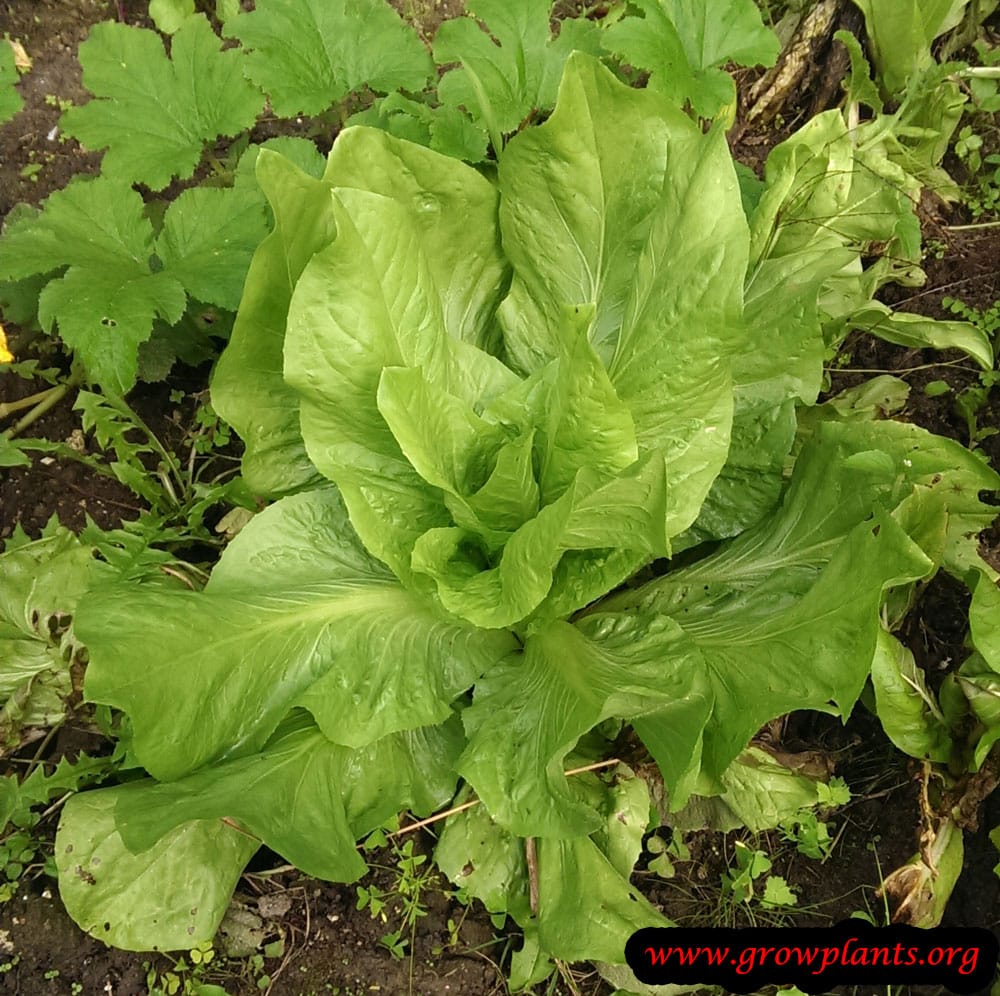
Care Guide: Planting, Soil & Watering
Overview: Lettuce is a fast-growing, cool-season leafy vegetable grown in full sun to part shade, avoiding the heat of high summer. It thrives in a rich, moisture-retentive but well-drained soil and needs consistent, moderate to generous watering to stay tender and prevent bolting.
Quick Care Requirements
| Requirement | Ideal Condition |
|---|---|
| Planting Season | In cool weather – spring in temperate climates, or autumn to winter in frost-free areas; avoid the heat of summer |
| Growth Rate | Fast |
| Soil Type | Rich, moisture-retentive, well-draining soil |
| Soil pH | Around 6.0 to 7.0 (near neutral) |
| Water Need | Moderate to high – keep the soil consistently and evenly moist |
Planting & Establishment
- Best Planting Season: Sow or transplant into cool weather: spring where summers heat up, or autumn and winter in frost-free areas, so it matures before it turns bitter in heat.
- How to Plant:
- Hole Preparation: For transplants, make a hole just large enough for the root ball in loose, crumbly soil; sow seed shallowly into a fine, firmed bed.
- Soil Amendments: Work plenty of compost or well-rotted organic matter into the bed to hold moisture and feed the fast, leafy growth.
- Planting Depth: Set transplants so the crown sits at soil level and is not buried; sow seed only lightly covered, as lettuce germinates near the surface.
- Growth Speed & Expectations: Fast; leaves are ready to pick within a few weeks, and the whole plant matures quickly in cool conditions.
Soil, Watering & Drainage Care
- Soil Mix & Drainage Needs: It wants a rich soil that holds moisture yet still drains, since the shallow roots must never dry out or stay waterlogged. It grows well in containers filled with a moisture-retentive potting mix.
- Watering Schedule & Technique:
- Young / Newly Planted: Keep the seedbed or new transplants evenly moist at all times; steady moisture is critical while the shallow roots establish.
- Established: Water regularly and never let it wilt – drying out or erratic watering triggers bolting and bitterness.
- Seasonal Adjustments: Water more frequently in warm, drying weather; in cool conditions the soil stays moist longer, so water as needed to keep it evenly damp.
Climate, Light & Hardiness
Lettuce (Lactuca sativa) is a fast-growing cool-season leaf crop, grown as an annual or biennial across Mediterranean, desert, subtropical and temperate climates. It performs best in cool, mild weather and tolerates light frost; heat - which triggers bolting and bitterness - is the real limiting factor, so the growing calendar shifts with zone: autumn–winter cropping in roughly USDA zones 10b–12 and spring cropping in zones 2–10a.
Quick Climate Specifications
| Climate Zones | Mediterranean, desert, subtropical, temperate |
|---|---|
| USDA Hardiness Zones | Grown as a cool-season crop: roughly 10b–12 for autumn–winter planting, 2–10a for spring planting |
| Optimal Temp Range | Cool, roughly 10–20 °C (50–68 °F) |
| Cold Damage Begins | Tolerates light frost; hard freezes below about −2 °C (28 °F) damage tender leaves |
| Approx. Survival Minimum | Hardened plants survive brief cold to roughly −4 °C (25 °F); mature heads and seedlings are more tender |
| Frost Tolerance | Low to Moderate (light frost only) |
| Light Conditions | Full sun in cool seasons; half shade in warm weather |
| Wind Tolerance | Moderate |
Sunlight & Light Exposure
Optimal Light Setup
Full sun suits it during the cool season; in warm weather half shade keeps the leaves tender and delays bolting.
Shade & Heat Management
As temperatures rise, afternoon shade - from taller crops, shade cloth or an east-facing bed - slows bolting and preserves quality, the single most useful climate adjustment for lettuce.
Best Exposure / Orientation
Open, sunny beds are best in cool months; for late-spring and warm-region crops choose cooler, part-shaded positions.
Temperature Extremes & Hardiness
USDA Hardiness & Regional Limits
Because it is a cool-season crop, the useful frame is timing rather than year-round hardiness: it is sown for autumn–winter harvest in mild-winter zones (roughly 10b–12) and for spring harvest in colder zones (2–10a). Being grown as an annual reflects heat and bolting forcing a short window, not a lack of cold tolerance - the crop actually withstands light frost.
Cold Damage & Winter Protection
Hardened lettuce shrugs off light frost; a hard freeze burns the outer leaves and can ruin mature heads, so in cold snaps a cloche or row cover protects the crop.
Frost Sensitivity
Frost tolerance is low to moderate: brief light frost is tolerated, especially by young, hardened plants, but sustained hard freezing damages the foliage.
Extreme Heat Tolerance
Heat is the key weakness - warm temperatures trigger bolting (running to flower) and bitter leaves. In hot spells, shade, cool-tolerant cultivars and quick harvesting are essential, and summer sowings in hot climates usually fail.
Wind, Humidity & Microclimate
Humidity Preferences
Prefers cool, moderately humid conditions; hot, dry air accelerates bolting and leaf toughening.
Wind Tolerance
Moderate; the low leafy rosette handles ordinary breezes but hot drying winds stress it and hasten bolting.
Microclimate Recommendations
Use cool, sheltered, part-shaded niches to stretch the season into warmer weather, and warm, sunny beds to keep growth moving in the cool months.
Growing in Pots, Balconies & Indoors
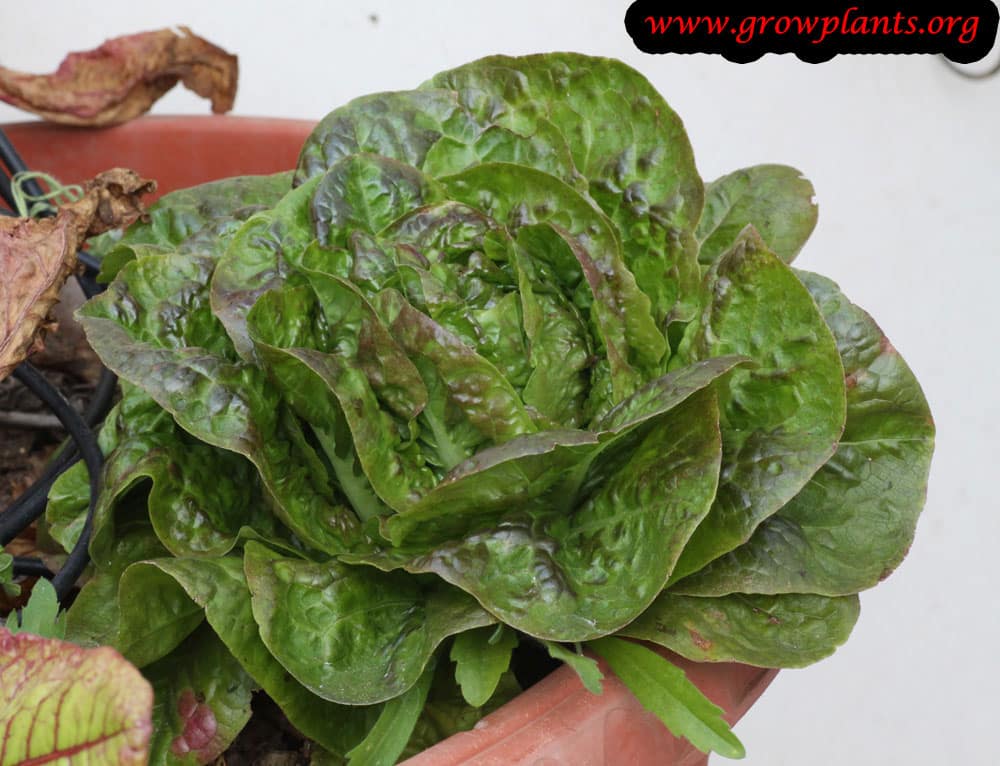
Lettuce is one of the best crops for pots, window boxes and balcony troughs – fast, shallow-rooted and compact. It is also one of the single best crops for hydroponics – the same shallow, fast-growing roots thrive in a DWC or NFT system, which is why lettuce is the classic beginner hydroponic crop. The grower does not class it as a decorative houseplant, but it is a classic windowsill salad: on a bright, sunny sill you can grow cut-and-come-again leaves within weeks.
Quick Details
- Container Size: Shallow and wide – a 5-10 L pot or trough about 15-20 cm deep suits several plants (5-50 cm)
- Indoor Suitability: Not a decorative houseplant, but excellent on a bright, sunny windowsill for leaves
- Best Spot: Full sun in cool seasons, half shade in warm weather to stop it bolting
- Soil & Drainage: Rich, moisture-retentive mix that still drains freely
- Watering in Pots: Average to generous – keep steadily moist; dry spells make leaves bitter and trigger bolting
Indoors & On the Windowsill
- Not a decorative houseplant: The grower marks it unsuitable as an ornamental indoor plant, but as a salad crop it is one of the easiest to grow indoors.
- Sunny sill: Sow into a shallow pot or trough on the brightest sill and snip young leaves as a cut-and-come-again crop; loose-leaf types work best.
- Succession: Sow a little and often for a steady indoor supply, since each sowing is short-lived.
On a Balcony or Patio
- Cool-season salad: Grow it through the cooler parts of the year; in hot weather give afternoon shade to delay bolting.
- Watering: Shallow pots dry fast in sun and wind – check daily in warm weather and never let them dry right out. A drip irrigation kit with a timer can take over that watering check automatically.
Choosing the Pot, Soil & Long-Term Care
- Pot & drainage: A wide, shallow pot or trough with strong drainage holes; skip a standing water saucer so roots never sit wet.
- Potting mix: A rich, well-aerated but moisture-retentive mix – potting compost with a little extra organic matter.
- Feeding: A steady, balanced feed keeps leaves tender; potted nutrients leach with watering, so feed little and often.
- Growing on: A fast annual crop – resow every couple of weeks for a continuous harvest rather than keeping old plants.
Growing this plant in a greenhouse
A greenhouse can give lettuce plant frost protection, cold protection, a longer growing season and winter growing.
Greenhouse at a glance
| Greenhouse suitability | Good - clearly useful |
|---|---|
| Main benefits | frost protection, cold protection, a longer growing season, winter growing |
| Season extension | can grow through winter |
| Outdoor protection advisable below | about -2°C |
| Suitable types | unheated greenhouse, polycarbonate greenhouse |
| Heating | No added heat is normally needed. |
Related greenhouse guides
- Greenhouses: How to Choose the Right Greenhouse
- Polycarbonate Greenhouses: What to Look for Before Buying
- Greenhouse Propagation Equipment
Fertilizing & Feeding
A moderate feeder grown for its leaves; keep nitrogen steady through growth and ease off near harvest so plants stay sweet and do not run to seed. A fertilizer formulated for tomatoes and vegetables supports that feeding pattern through harvest.
Quick Fertilizing Specs
| Feeding Level | Moderate |
|---|---|
| Main Nutrient Priority | Nitrogen for steady leaf growth, balanced overall |
| Best Feeding Period | Through active leafy growth |
| Organic Options | Compost worked in before planting |
| Micronutrients | Usually not needed in healthy soil |
| Soil pH | Fertile, moist soil; near neutral to slightly acidic |
| Reduce/Stop Feeding | Ease nitrogen near harvest to limit bolting |
Feeding by Growth Stage
Seedbed and establishment
Prepare a fertile, moisture-retentive bed so young plants root quickly.
| Nutrient direction | Work compost and a balanced starter fertilizer into the bed before planting. |
|---|---|
| Timing | At bed preparation and transplanting. |
| Frequency | Worked into the bed at planting, then feed as growth begins. |
| Fertilizer types | Compost or well-rotted organic matter, A balanced starter fertilizer |
| Precautions | Avoid fresh manure on leafy crops; keep the bed evenly moist. |
Leafy growth
Drive fast, tender leaf production, the harvested part of the crop.
| Nutrient direction | A nitrogen-forward feed to sustain lush leaf growth; keep nitrogen steady but not excessive. |
|---|---|
| Timing | Through active leafy growth after establishment. |
| Frequency | Light, regular feedings while the leaves are bulking. |
| Fertilizer types | A nitrogen-forward complete fertilizer, Side-dressed compost or a liquid feed |
| Precautions | Avoid excess nitrogen, which softens leaves and attracts aphids; keep growth steady. |
Harvest period
Maintain steady quality as leaves are picked, without forcing bolting.
| Nutrient direction | Ease toward a balanced feed; keep plants growing steadily up to harvest. |
|---|---|
| Timing | As leaves reach usable size and are harvested. |
| Frequency | Light feeding as needed to keep growth even. |
| Fertilizer types | A balanced complete fertilizer, A dilute liquid feed |
| Precautions | Excess nitrogen late can encourage bolting and bitterness in these chicory and lettuce crops; keep it moderate. |
Nutrient Deficiency Signs & Corrections
Overall pale, yellow-green leaves with slow, stunted growth.
| Possible causes | Low soil nitrogen, Leaching from heavy watering or rain, Cold soil slowing nitrogen release |
|---|---|
| Appears first on | Older, lower leaves |
| What to check | soil fertility and recent feeding, drainage and rainfall, soil temperature |
| Possible correction | Side-dress with a nitrogen-bearing fertilizer or compost and keep growth steady. |
Inner leaf margins turn brown and papery (tipburn), especially in fast, warm growth.
| Possible causes | Localised calcium shortage in fast-growing inner leaves, Uneven watering or moisture stress, Excess nitrogen pushing rapid soft growth |
|---|---|
| Appears first on | Margins of young inner leaves |
| What to check | watering consistency, nitrogen level, weather and growth rate |
| Possible correction | Keep watering even and nitrogen moderate; calcium moves poorly into fast inner leaves. |
Yellowing between the veins of younger leaves while the veins stay green.
| Possible causes | Iron availability limited by high soil pH, Cold or waterlogged soil, Root damage limiting uptake |
|---|---|
| Appears first on | Younger leaves |
| What to check | soil pH, drainage, root condition |
| Possible correction | Correct pH and drainage; if needed apply a chelated iron product following its label. |
Pruning, Training & Seasonal Maintenance
Lettuce is a fast, cool-season leaf crop, so its maintenance is harvesting and bolt management, not woody pruning. Loose-leaf types are best treated cut-and-come-again – taking outer leaves or shearing the plant a few centimetres above the crown for repeat flushes – while hearting types (butterhead, romaine, crisphead) are cut once as a whole head. The key seasonal issue is bolting: heat and long days push up a flower stalk, and the leaves then fill with bitter, milky latex.
Quick Pruning & Maintenance Specs
| Pruning Tolerance | Moderate for loose-leaf (regrows); low for heading types (one cut) |
| Primary Pruning Window | Through the cool growing season, as leaves reach usable size |
| Typical Frequency | Repeated picks for loose-leaf; a single harvest for heads |
| Main Objective | Tender, sweet leaves harvested before heat-driven bolting |
| Young Plant Priority | Thin to spacing; let the rosette or head develop |
| Mature Plant Priority | Harvest promptly; remove any early bolt stalk |
| Best Tool Type | Precision snips or a clean knife |
| Avoid Heavy Pruning During | Hot weather – cutting stress hastens bolting and bitterness |
Pruning by Plant Age & Size
Newly Established
Thin seedlings to spacing rather than cutting; crowded lettuce bolts early and hearts poorly.
Young / Formative
No structural training – a leafy rosette or head. Remove only damaged or pest-eaten outer leaves (aphids, armyworms, slugs, snails and leaf-miners are the noted pests).
Mature / Established
For loose-leaf, pick outer leaves or shear to about 2–3 cm above the crown for a second flush; for hearting types, cut the whole head at the base once firm. Harvest before hot weather triggers bolting.
Seasonal Pruning Schedule
Ongoing Sanitary
Objective: keep the plant clean and pest-free. Remove: spoiled, slug-eaten or yellowing outer leaves. Do NOT remove: healthy leaves a heading type needs to firm up.
Bolt Management
Objective: buy a little time in warm spells. Removing the emerging flower stalk can briefly delay full bolting, but once a plant has begun to run and the latex turns the leaves bitter, the better answer is to harvest at once and sow a fresh, successional batch rather than to keep pruning.
Special Growth to Remove
- Bolting flower stalk – cut it out early to delay bitterness, but treat it as a signal to harvest.
- Damaged outer leaves – remove spoiled leaves; keep the rest.
Container & Small-Space Pruning
Loose-leaf lettuce is ideal in pots and troughs for cut-and-come-again picking; take the outer leaves regularly and the plant keeps producing from the centre. Provide light afternoon shade in warm spells to slow bolting.
Tools
Use precision snips for leaf picking and shearing loose-leaf crowns, or a clean knife to cut a whole head at the base. No saw, loppers or shears apply.
Tool Hygiene & Disease Risk
Routine. A clean cut on a cut-and-come-again crown reduces rot at the wound; wipe blades if moving between plants showing rot or heavy aphid infestation.
Cut Placement & Technique
For repeat harvests, cut about 2–3 cm above the crown so new leaves push from the centre; cutting into the crown ends regrowth. Cut whole heads cleanly at the base.
Post-Pruning / Post-Harvest Care
Water after shearing loose-leaf plants to fuel tender regrowth, and keep them cool; heat after cutting simply speeds the next bolt.
Common Pruning Mistakes
- Letting plants bolt in heat, then finding the leaves bitter with latex.
- Cutting cut-and-come-again crowns too low, so they will not regrow.
- Stripping the outer leaves a hearting type needs to firm up.
When NOT to Prune
Avoid hard cutting in hot weather, which accelerates bolting, and do not shear a plant already running to seed – harvest it instead.
Recommended Tools (by task)
- precision_snips – for leaf picking, cut-and-come-again shearing and removing a bolt stalk on this soft-stemmed crop.
Propagation Guide
Lettuce is grown only from seed, sown direct or raised as transplants; there is no vegetative method. Lettuce is largely self-pollinating, so open-pollinated cultivars come quite true from saved seed while F1 hybrids do not — and it is an easy, fast cool-season crop.
Quick Propagation Specs
| Best Propagation Method | Seed (direct-sown or transplanted) |
| Alternative Methods | None practical — no vegetative method |
| Propagation Difficulty | Easy |
| Seed True-to-Type | Open-pollinated cultivars come true (self-pollinating); F1 hybrids will not |
| Best Propagation Season | Spring in temperate areas; autumn to winter in frost-free/warm areas |
| Seed Germination Time | Usually within one to two weeks in cool soil |
| Germination Temperature | About 15–20°C (59–68°F); germination is inhibited above roughly 27–30°C (81–86°F) |
| Seed Sowing Depth | Very shallow — barely cover; seed germinates better with light |
Growing from Seed
Seed Handling & Viability
Seed keeps for several years stored dry and cool. Many cultivars need light to germinate, so it is sown at the surface rather than buried.
Dormancy & Pre-Sowing Treatment
No stratification is required. Lettuce seed enters a heat-induced dormancy (thermodormancy) when soil is warm, above roughly 27–30°C (81–86°F); sowing in cool conditions, or pre-chilling and providing light, avoids this.
Sowing Season
Sow in spring in temperate climates and from autumn into winter where summers are hot and winters mild, so heads mature in cool weather.
Sowing Depth & Orientation
Barely cover the seed, or press it into the surface, because light aids germination.
Germination Conditions
Keep evenly moist and cool, about 15–20°C (59–68°F), with light at the surface.
Seedling Care
Thin or prick out seedlings early to prevent leggy, crowded plants, and transplant once a few true leaves have formed.
Bloom & Flower Guide
Quick Details
- Bloom Season: Spring, summer and into autumn
- Time to First Bloom: In its first season, once heat and long days trigger bolting
- Flower Appearance: Small yellow, dandelion-like flower heads carried on a tall stalk
- Edibility: Grown for its leaves; once it flowers the leaves turn bitter
Detailed Blooming Overview
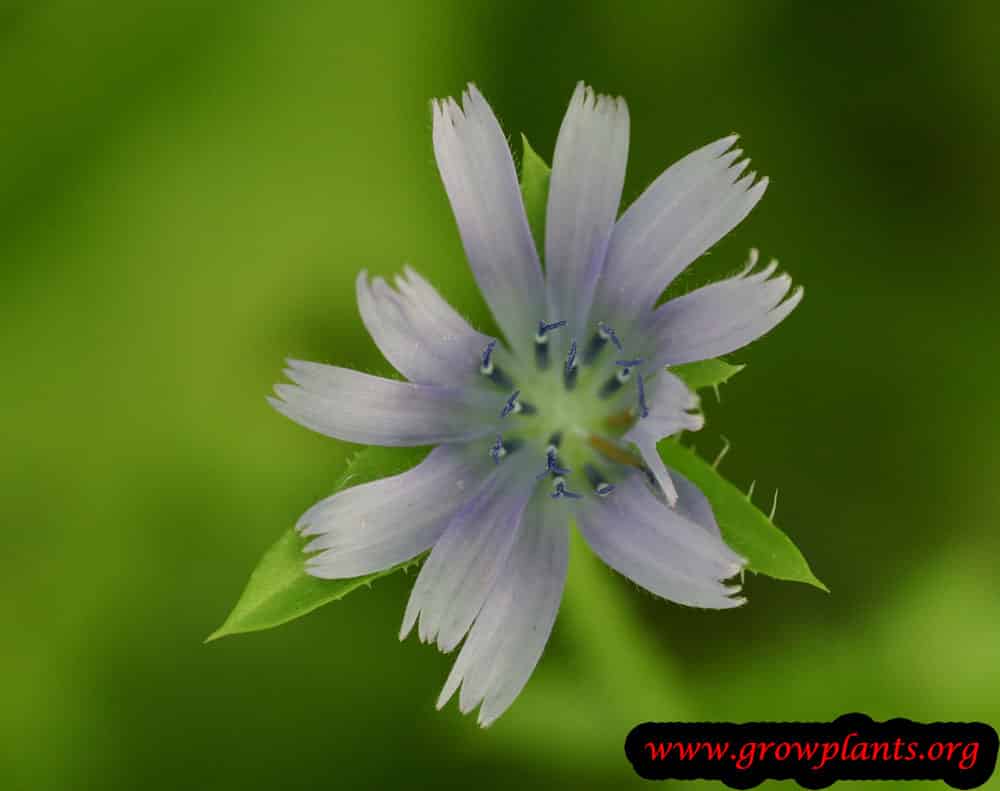
Lettuce is grown for its leaves, but heat and lengthening days push it to bolt – it stretches up a tall stalk topped with small flower heads. These are pale yellow and dandelion-like, not blue, and the crop is largely self-pollinating, so a plant will set seed on its own. Once bolting starts the leaves quickly turn bitter, so flowering usually marks the end of the eating stage.
Flower Characteristics
- Small yellow, dandelion-like flower heads about 1-2 cm across
- Each head is a cluster of tiny strap-shaped florets
- Carried on a tall, branching bolting stem
Bloom Care & Thinning
- Managing the bloom: for a longer leaf harvest, remove flower stems as they rise; thinning the stem before the flowers form, as the grower notes, helps hold quality
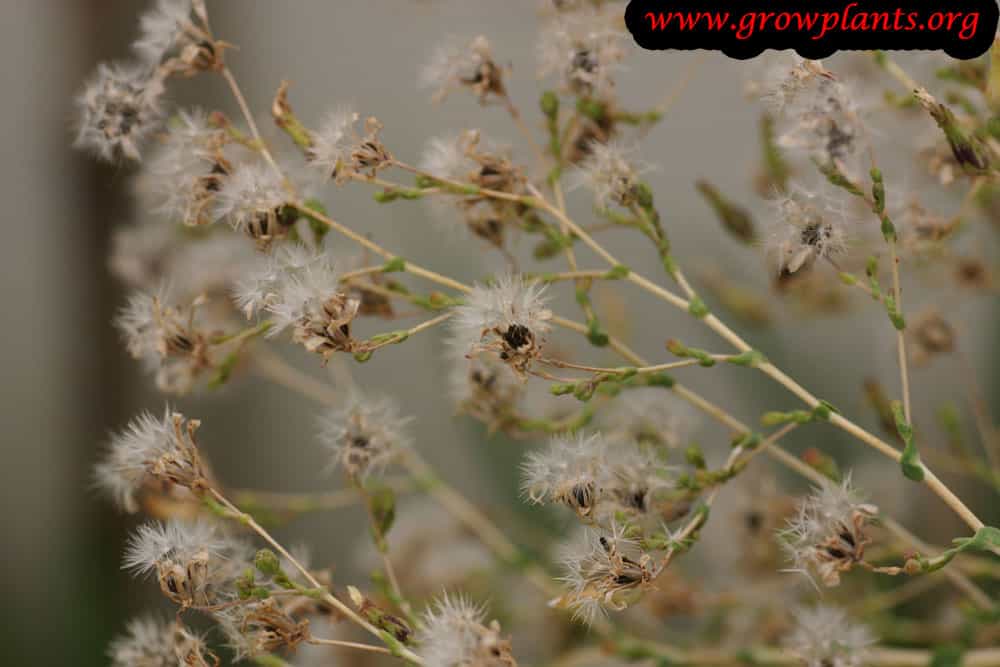
- Saving seed: leave a few heads to flower and dry if you want to collect seed
- Pollination: mainly self-pollinating, so isolation is rarely needed to save true seed
Fruit & Uses
Lettuce is grown for its edible leaves, eaten raw in salads and sandwiches (some types are also wilted or cooked). Pick the leaves while young and tender — once the plant bolts and sends up a flower stem the leaves turn bitter.
Quick Edible Specs
| Edible Parts | Leaves |
|---|---|
| Main Use(s) | Salad and raw leafy green (some types cooked) |
| Eaten Raw or Cooked | Mainly raw |
| Preparation Required | None beyond washing |
| Harvest Season | Cool season – spring/summer in cold areas, autumn/winter where frost-free |
| Storage | Refrigerate and use fresh; does not keep long |
| Safety/Toxicity Caveat | No notable toxicity; leaves turn bitter once the plant bolts |
Leaves & Greens
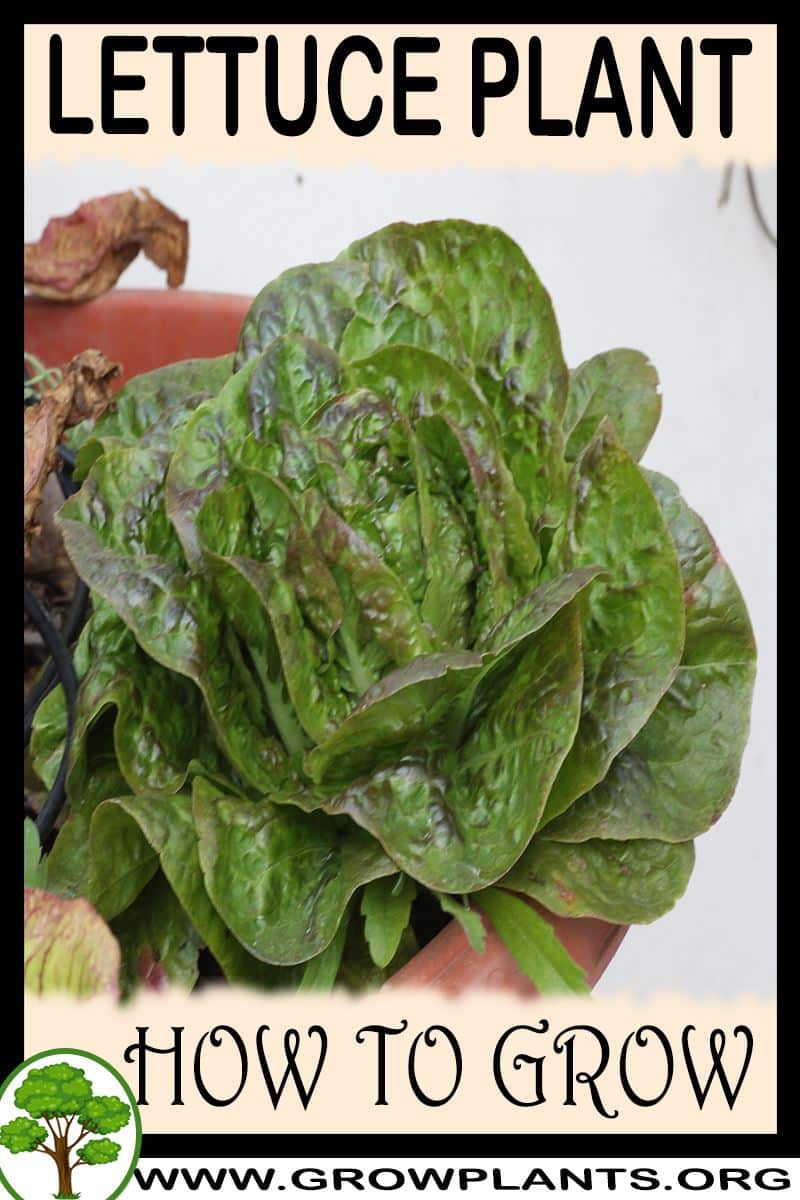
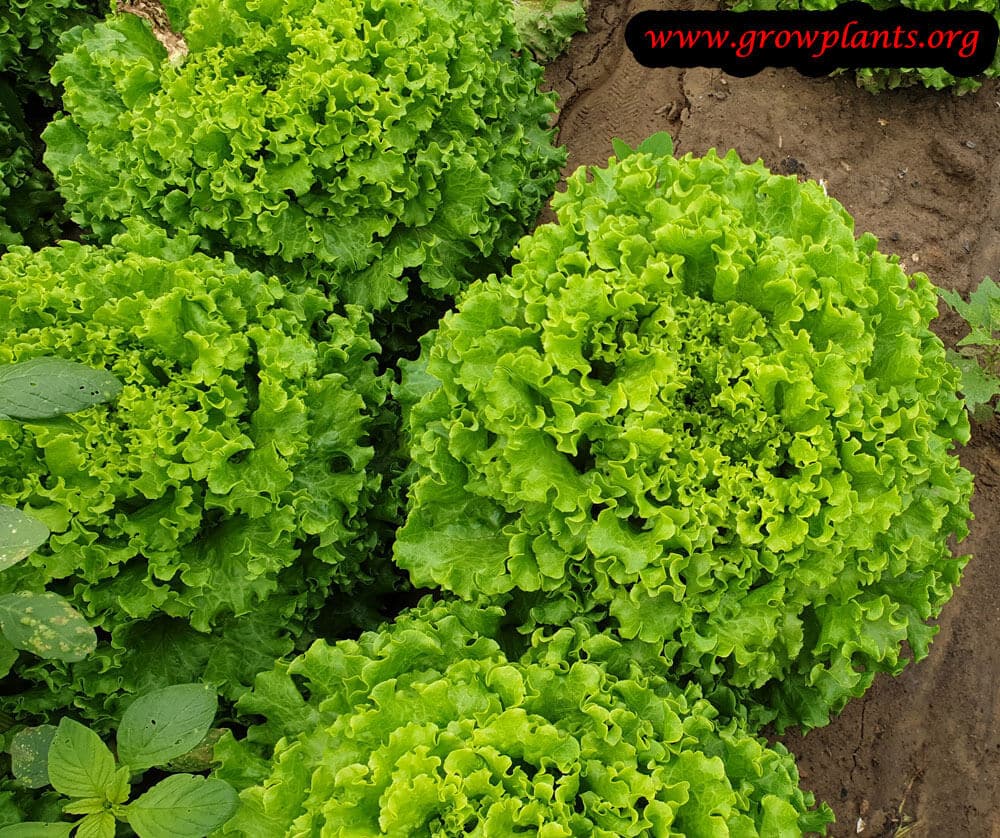
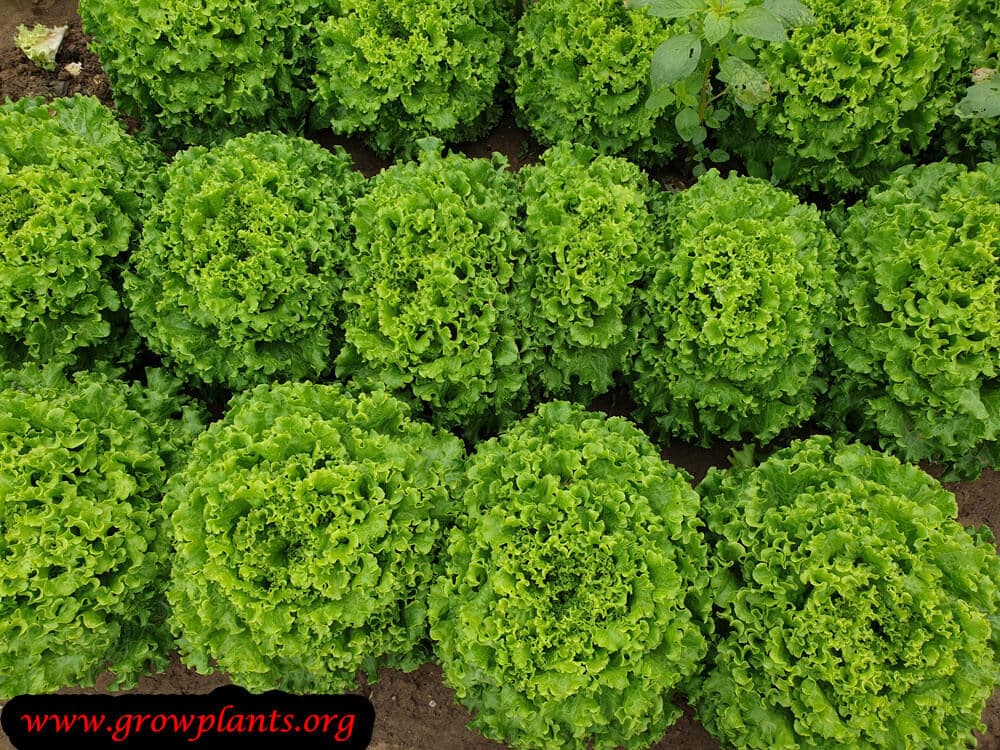
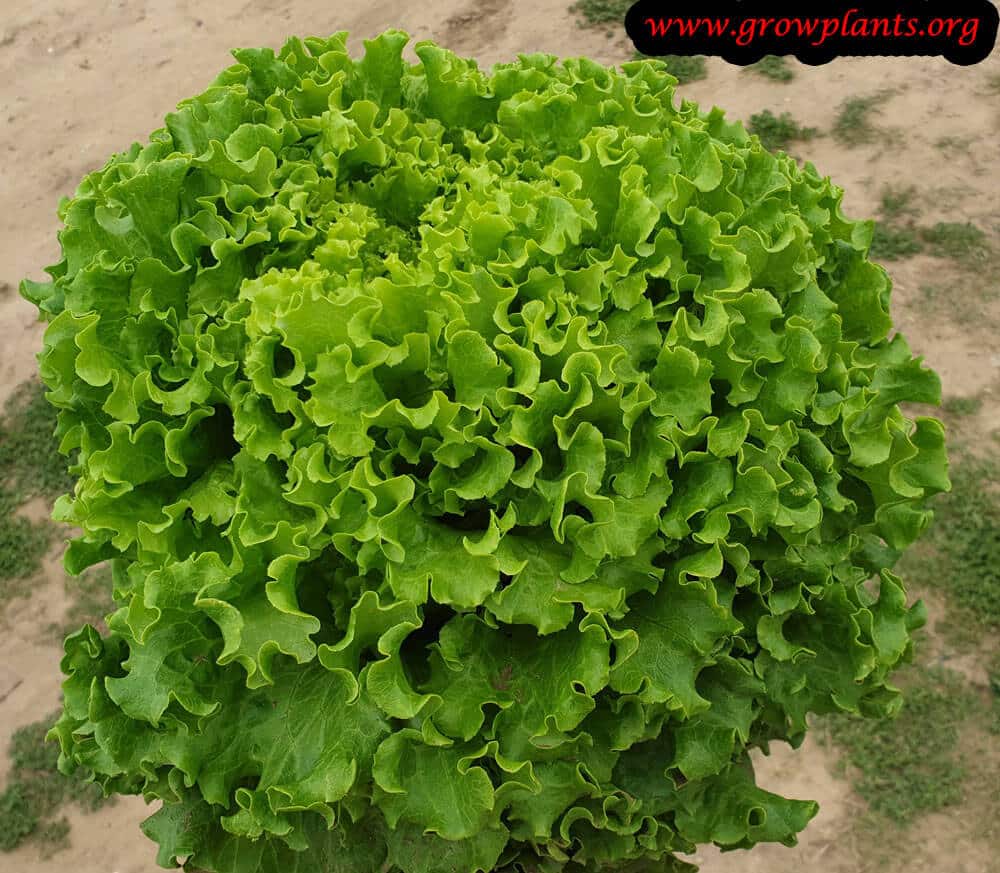
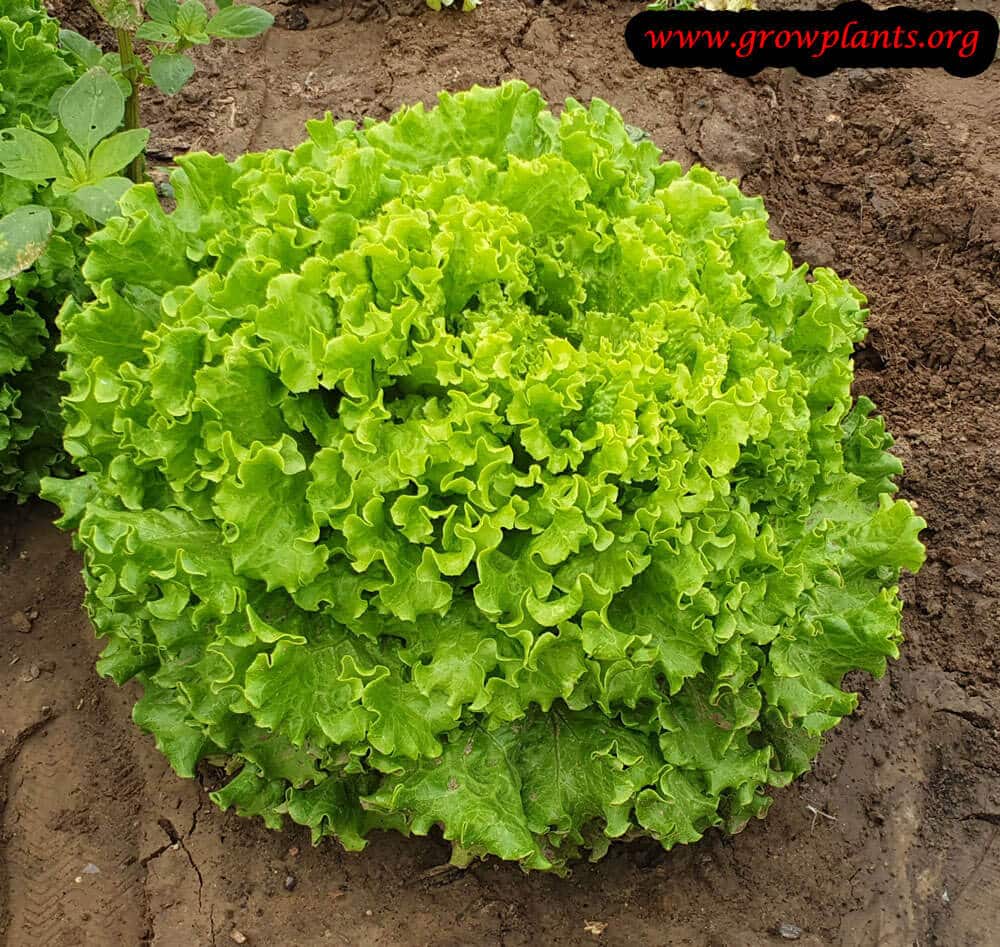
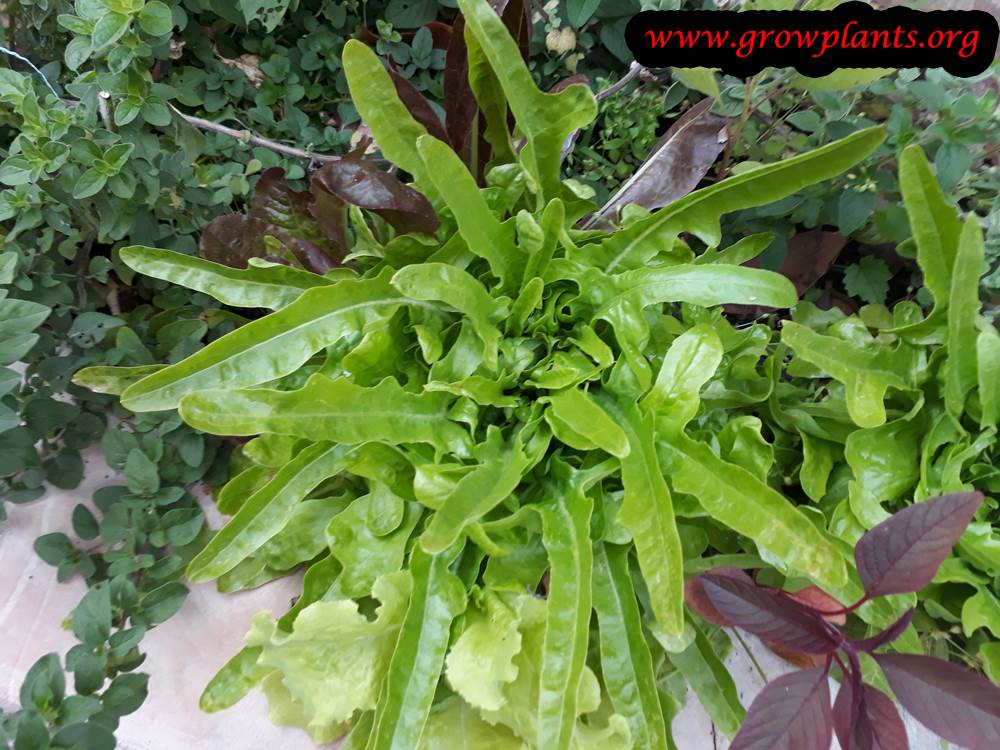
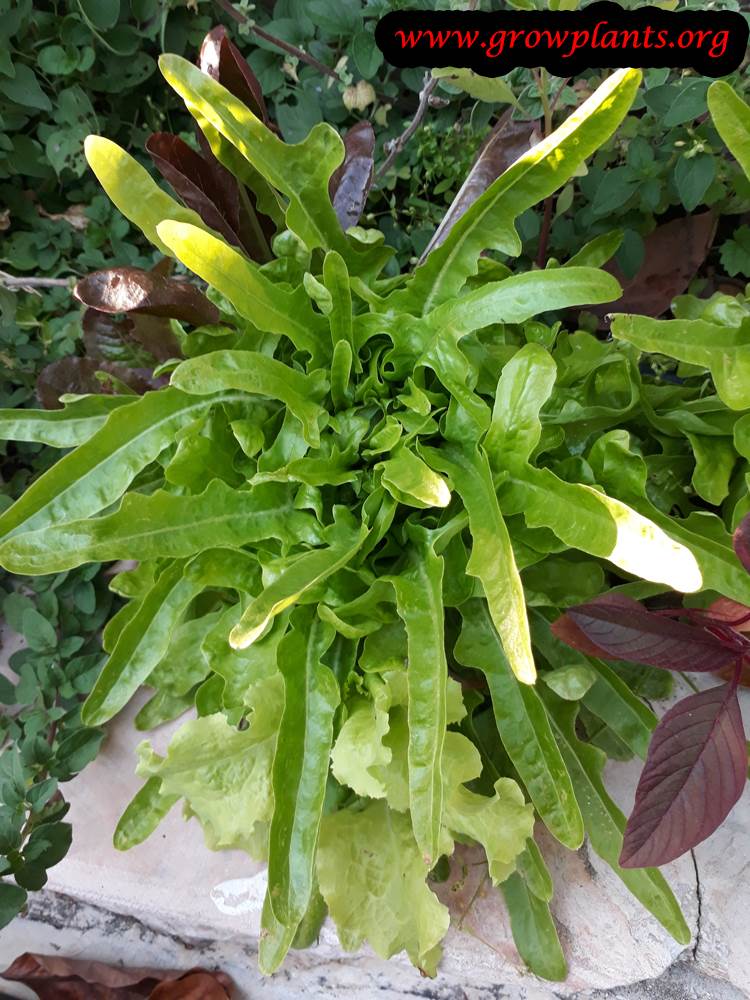
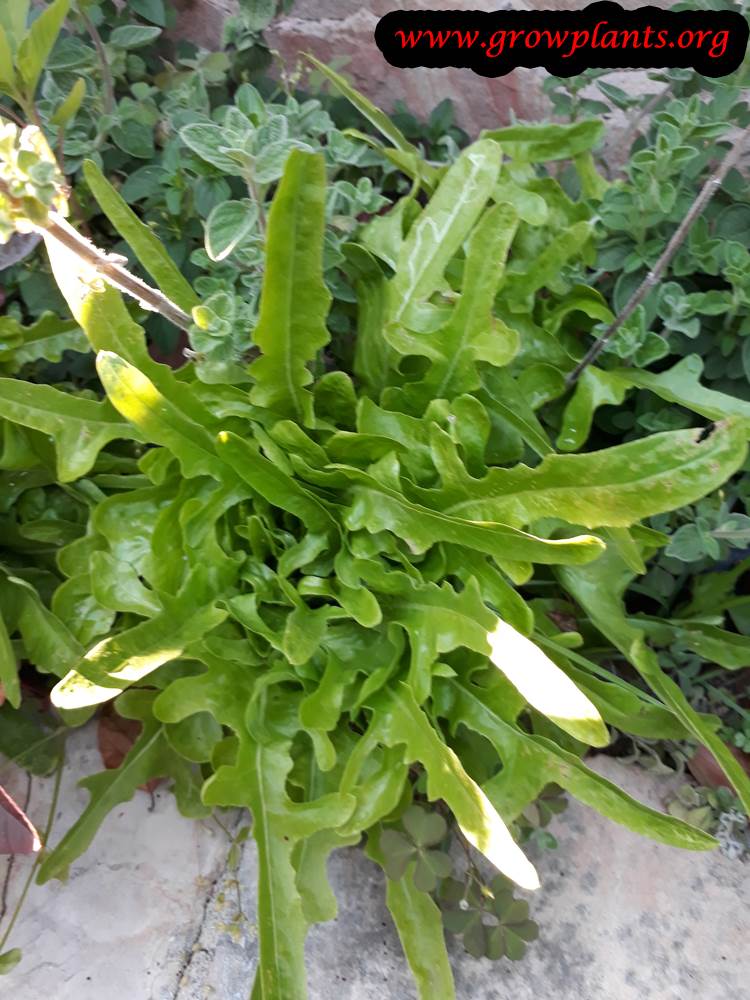
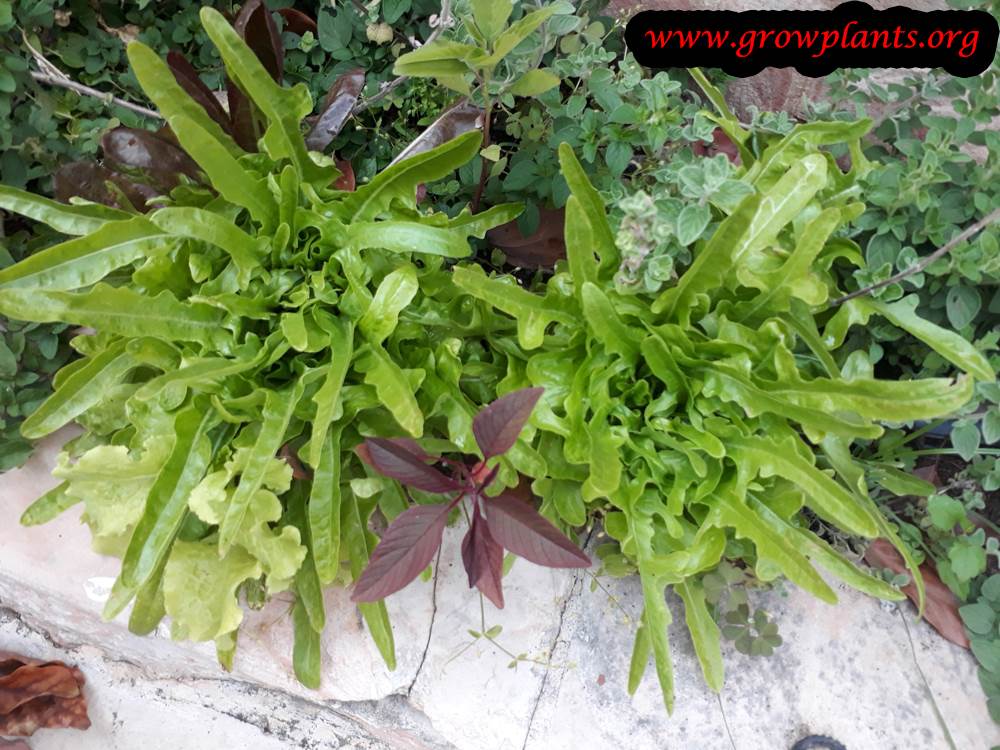
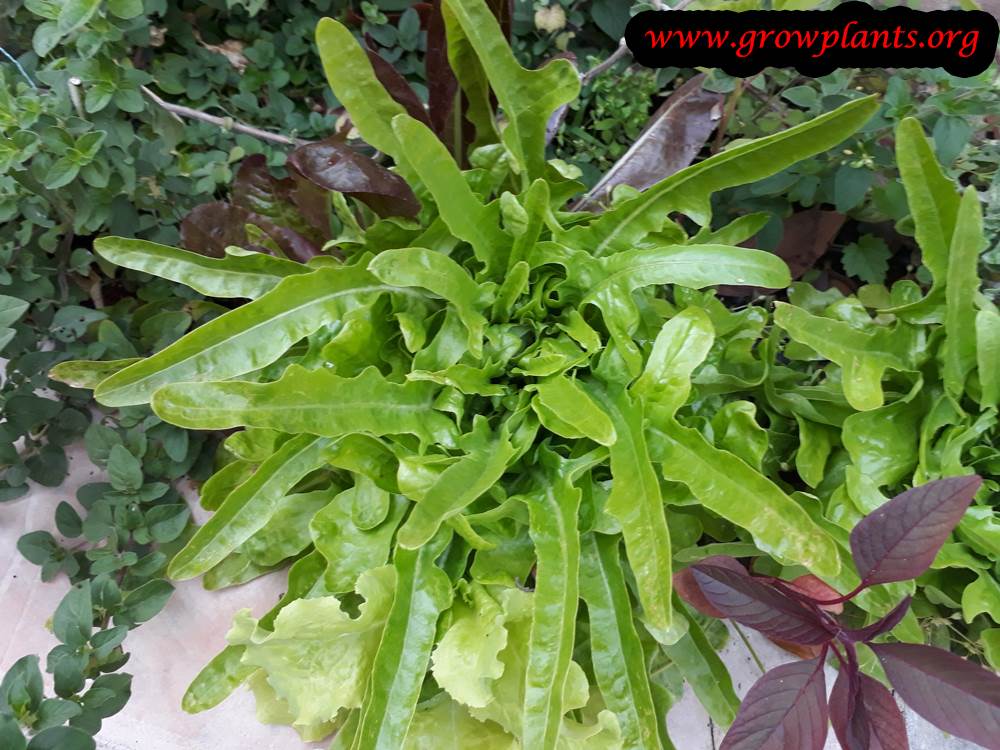
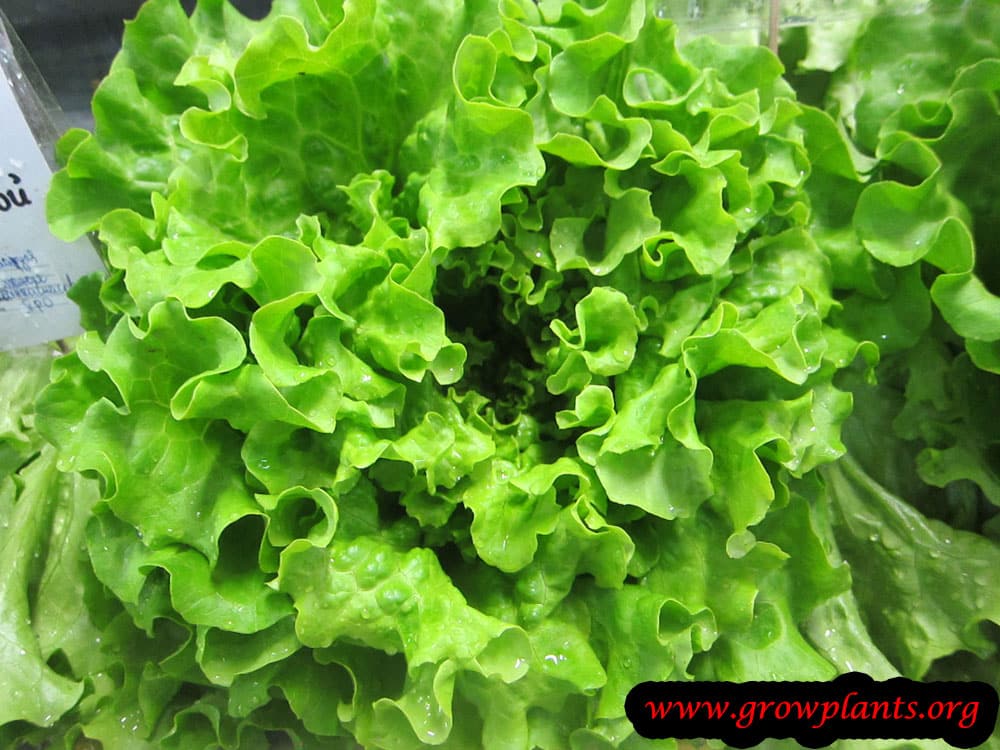
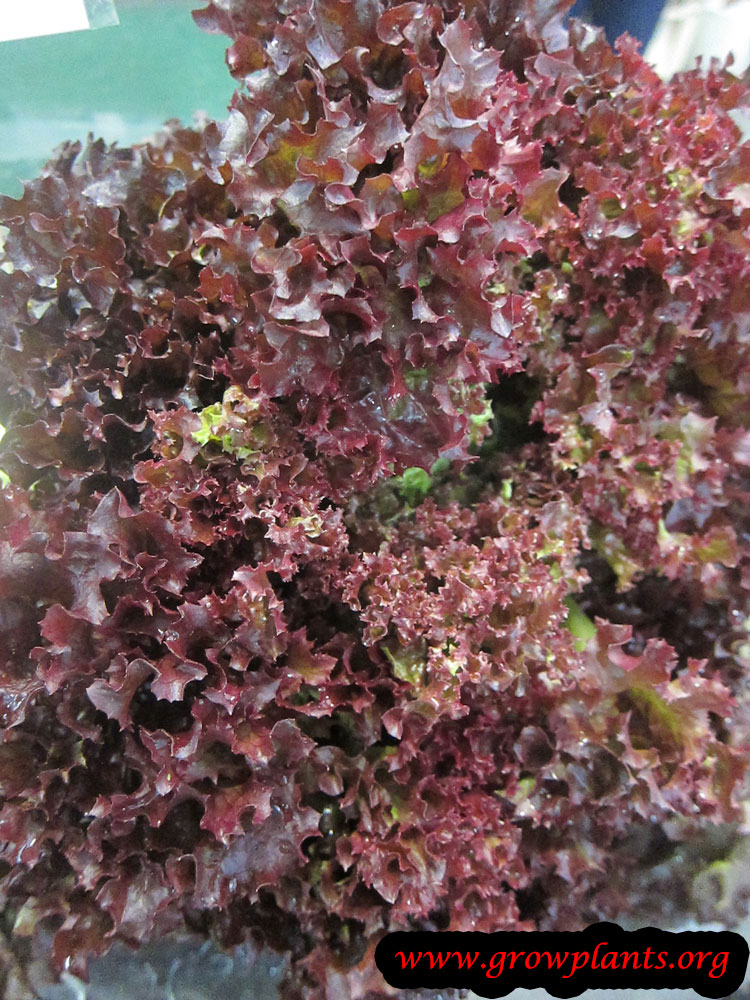
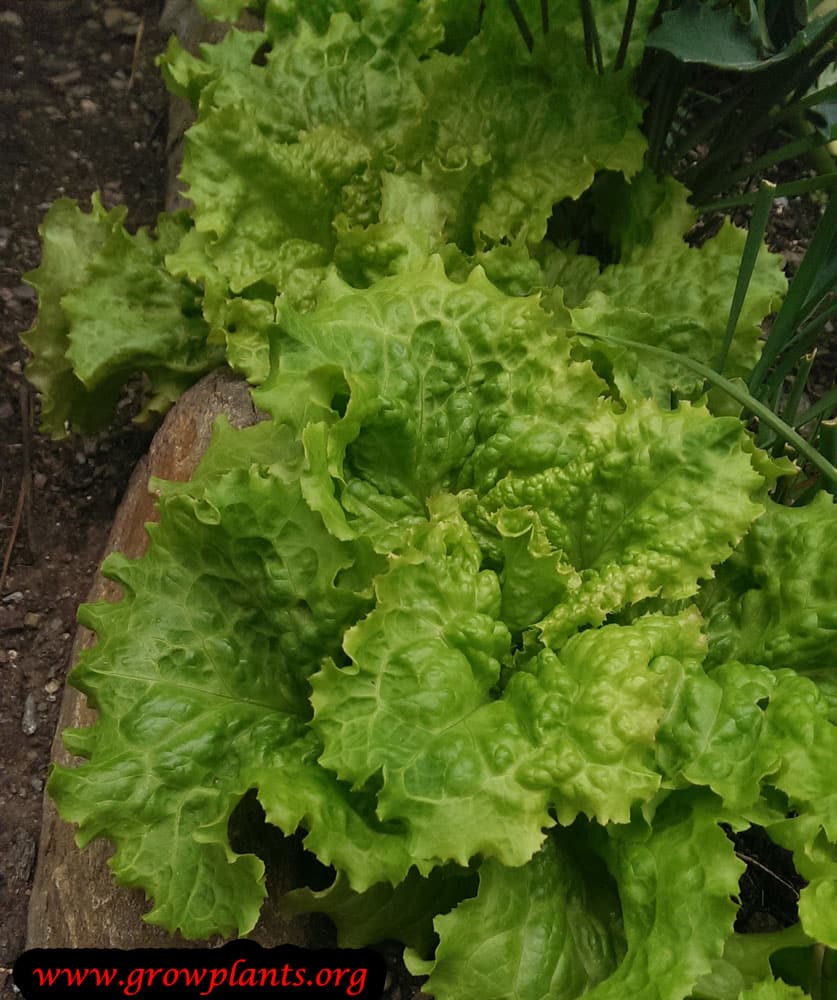
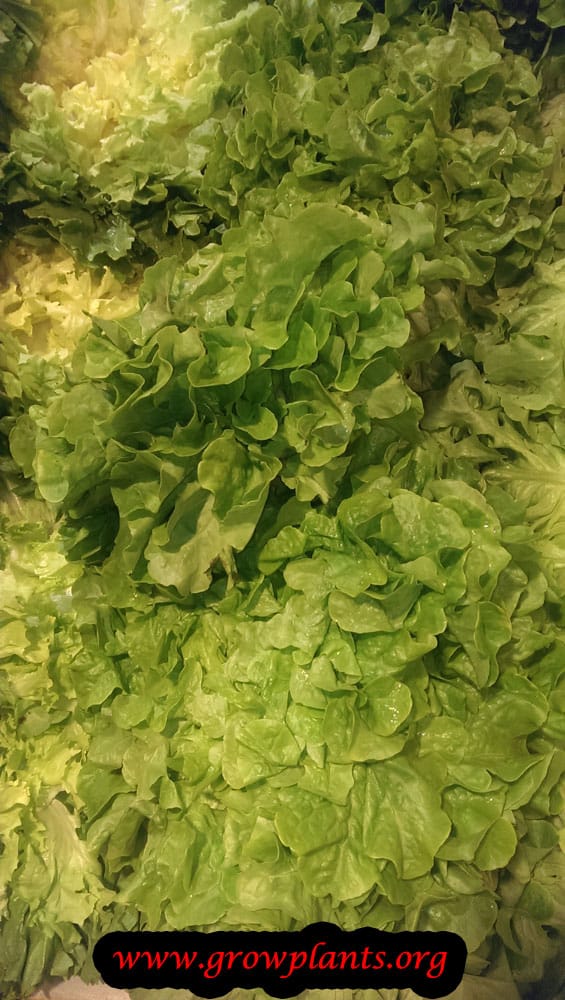
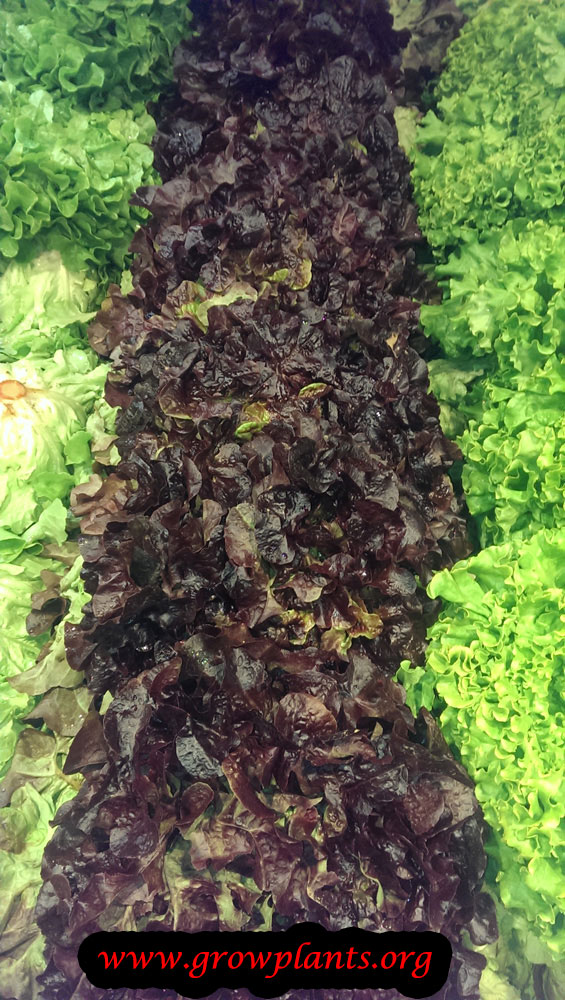
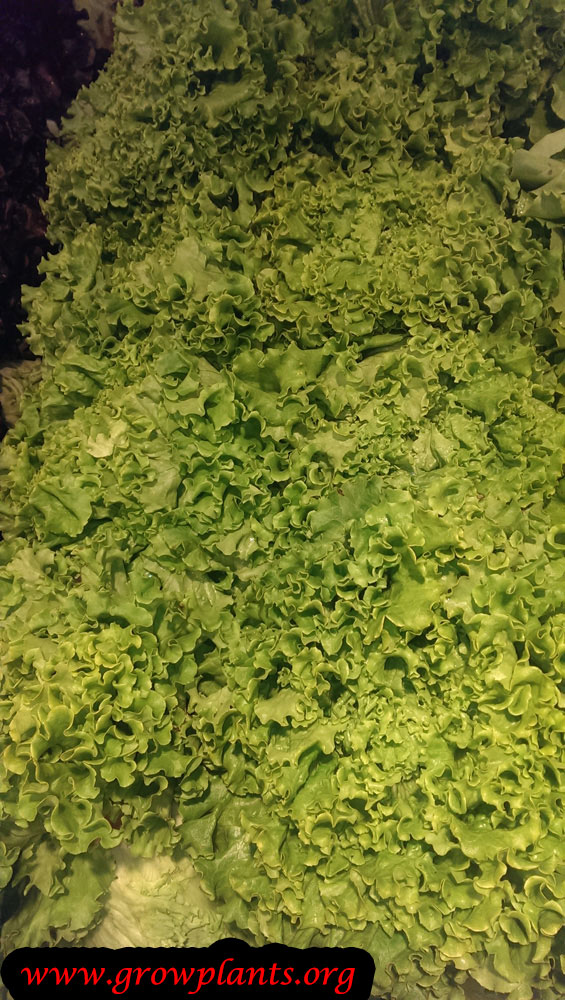
The leaves come in many colours (green, red, purple, bordeaux and more) and shapes (round, oval, ovate, elliptic, often wavy or with cut margins). Harvest in one of two ways: pick individual outer leaves as a cut-and-come-again crop, or cut the whole plant/head at once. Use the leaves raw in salads and sandwiches.
Harvesting
Harvest during the cool season — spring to summer in cold regions, autumn to winter where it is frost-free. Pick before the plant bolts; removing the emerging flower stem (see Pruning) helps keep the leaves from going bitter.
Preparation, Uses & Safety
Simply wash and eat raw; no special preparation is needed. There is no notable toxicity. The main quality issue is bolting in heat, which turns the leaves bitter, so grow and harvest in cool conditions.
Pests, Diseases & Troubleshooting
Overview: Lettuce is a fast, leafy salad crop whose soft, high-water tissue is attractive to sap-suckers, chewing pests and moisture-loving fungi. The main enemies are aphids, slugs and snails, leafminers and the wilt/rot fungi that thrive in crowded, wet plantings, plus abiotic troubles such as tipburn and bolting. Grow it fast and unstressed with good spacing, and rely on barriers, hygiene and rotation before any spray.
Quick Troubleshooting Overview
| Issue / Pest | Main Symptom | Primary Solution |
|---|---|---|
| Aphids | Clusters in the heart and under leaves | Water jet, beneficials, soap; wash before eating |
| Slugs & snails | Ragged holes, slime, seedlings grazed | Traps, copper/grit barriers, hand-pick |
| Leafminers | Pale winding tunnels inside leaves | Remove mined leaves; row cover |
| Cutworms / armyworms | Seedlings cut at base, leaves chewed | Collars, hand-pick at night, Bt |
| Downy mildew | Yellow blotches, grey mould underneath | Airflow, dry foliage, resistant varieties |
| Lettuce drop / rot | Plants wilt and collapse at soil line | Rotate, improve drainage, remove debris |
| Tipburn | Brown scorched leaf-margin edges | Even watering, avoid heat/salt stress |
Common Pests & Management
- Aphids (incl. currant-lettuce aphid) (Nasonovia ribisnigri / Myzus persicae):
- Symptoms: Green, pink or grey aphids clustering deep in the heart and on the undersides of leaves, causing distortion, contamination of the edible head and virus spread. The currant-lettuce aphid burrows into the heart where it is hard to wash out.
- Prevention & Control: Encourage ladybirds, lacewings, hoverflies and parasitic wasps with nearby flowers, and rinse light infestations off with water. Use insect-proof mesh over rows to exclude them and choose Nasonovia-resistant cultivars. If needed, insecticidal soap works on exposed colonies, but grow crops fast so they mature before aphids build up.
- Slugs & snails (Gastropoda):
- Symptoms: Irregular ragged holes chewed in young leaves and soft new shoots, worst in damp, shaded conditions, with tell-tale silvery slime trails and seedlings sometimes grazed to the ground overnight.
- Prevention & Control: Clear damp hiding places (boards, debris, dense mulch against stems), water in the morning so the surface dries by night, and hand-pick after dark. Protect vulnerable crowns and seedlings with copper barriers, grit or wool pellets; use beer traps or iron-phosphate slug pellets, which are safe around wildlife, only where pressure is high.
- Leafminers (Liriomyza spp.):
- Symptoms: Pale, winding, snaking tunnels or blotches within the leaf tissue where larvae feed between the surfaces, plus tiny pale egg-punctures; heavy mining makes leaves unmarketable.
- Prevention & Control: Pick off and destroy mined leaves as soon as tunnels appear, and cover crops with fine insect mesh to stop the adult flies laying. Remove nearby weed hosts, and preserve the parasitic wasps that naturally control them by avoiding broad-spectrum insecticides.
- Cutworms & armyworms (Agrotis / Spodoptera spp.):
- Symptoms: Young transplants severed at the soil line overnight (cutworms) or ragged chewing of leaves by green-to-brown caterpillars (armyworms), with droppings among the foliage.
- Prevention & Control: Fit cardboard or foil collars around transplant stems, hand-pick caterpillars after dark, and hoe to expose pupae. Keep beds weed-free. Bacillus thuringiensis (Bt) or spinosad control caterpillars organically when populations are high.
- Thrips (Frankliniella / Thrips tabaci):
- Symptoms: Fine silvery scarring and dark specks of frass on leaves, with distorted growth; thrips can also transmit tomato spotted wilt virus to lettuce.
- Prevention & Control: Use blue sticky traps to monitor, keep weeds down, and encourage predatory mites and lacewings. Insecticidal soap or spinosad helps in severe cases, applied to protect any nearby flowering plants and pollinators.
Diseases & Fungal Issues
- Downy mildew (Bremia lactucae):
- Symptoms: Angular pale-yellow patches on the upper leaf surface bounded by the veins, with a matching white-to-grey downy mould beneath, in cool damp weather. Affected outer leaves rot and invite secondary decay.
- Treatment & Management: Space plants for airflow, water at the base in the morning, and remove infected outer leaves and crop debris. Rotate away from lettuce and choose downy-mildew-resistant varieties, the single most effective control. Copper offers preventive protection under persistent damp.
- Lettuce drop (Sclerotinia sclerotiorum / minor):
- Symptoms: Whole plants wilt and collapse, with a soft watery rot at the stem base and crown and often a fluffy white mould bearing hard black resting bodies (sclerotia).
- Treatment & Management: Rotate out of lettuce and other susceptible crops for several years, improve drainage, space plants and avoid burying the crown when transplanting. Remove and destroy collapsed plants along with the sclerotia-laden soil crumbs; deep cultivation buries resting bodies away from new crops.
- Bottom rot & grey mould (Rhizoctonia solani / Botrytis cinerea):
- Symptoms: Rusty-brown slimy rot of the lower leaves touching the soil (bottom rot), or fuzzy grey mould on damaged or senescing leaves in cool wet conditions.
- Treatment & Management: Grow on well-drained soil with wider spacing, keep the head up off wet ground, and avoid injury. Clear debris and old leaves promptly, and harvest before over-maturity. Good airflow and dry foliage prevent most infection.
- Lettuce mosaic & big-vein viruses (Lettuce mosaic virus / Mirafiori lettuce virus):
- Symptoms: Mottled, distorted or stunted leaves, or clearing and enlargement along the veins (big vein), reducing quality and growth.
- Treatment & Management: Use certified virus-free seed, control the aphids that spread mosaic virus, and remove infected plants and weed reservoirs. There is no cure, so prevention through clean seed, aphid management and resistant varieties is essential.
Growing Difficulties & Abiotic Problems
- Tipburn (abiotic / calcium):
- Cause & Symptoms: Brown, scorched, dead margins on the inner leaves of hearting lettuce, caused by localised calcium shortage when rapid growth outpaces calcium delivery, worsened by heat, uneven watering or high salts.
- Correction Strategy: Keep soil moisture even and adequate so calcium moves to the fast-growing heart, avoid heavy nitrogen and salty feeds that push soft surges of growth, and provide light shade in hot spells. Choose tipburn-tolerant cultivars for warm-season crops.
- Bolting (premature flowering) (abiotic / heat & daylength):
- Cause & Symptoms: Plants shoot up a flower stalk and turn bitter and tough, triggered by heat and long days, especially in stressed or over-mature crops.
- Correction Strategy: Sow at the right season, use slow-bolting or heat-tolerant varieties for summer, keep plants cool and evenly watered, and harvest promptly. Successional sowing keeps a supply of young, sweet leaves and avoids gluts that over-mature and bolt.
- Bitterness & poor germination (abiotic):
- Cause & Symptoms: Bitter leaves from heat and stress, and patchy germination when seed is sown into hot soil (lettuce seed goes dormant above roughly warm soil temperatures).
- Correction Strategy: Water consistently and provide afternoon shade in heat to keep leaves sweet. Sow into cooler, moist soil, start seed in a cool spot and transplant, or sow in the cooler part of the day to overcome heat-induced seed dormancy.
What Helps — Products & Tools
Lettuce is best defended culturally: insect mesh and slug barriers (copper tape, grit, iron-phosphate pellets), sticky traps for aphids and thrips, and Bt or spinosad for caterpillars. For disease, resistant varieties, crop rotation and good spacing do most of the work, with copper fungicide reserved for persistent downy mildew. Insecticidal soap handles exposed aphids; always wash leafy heads before eating.
Types and forms
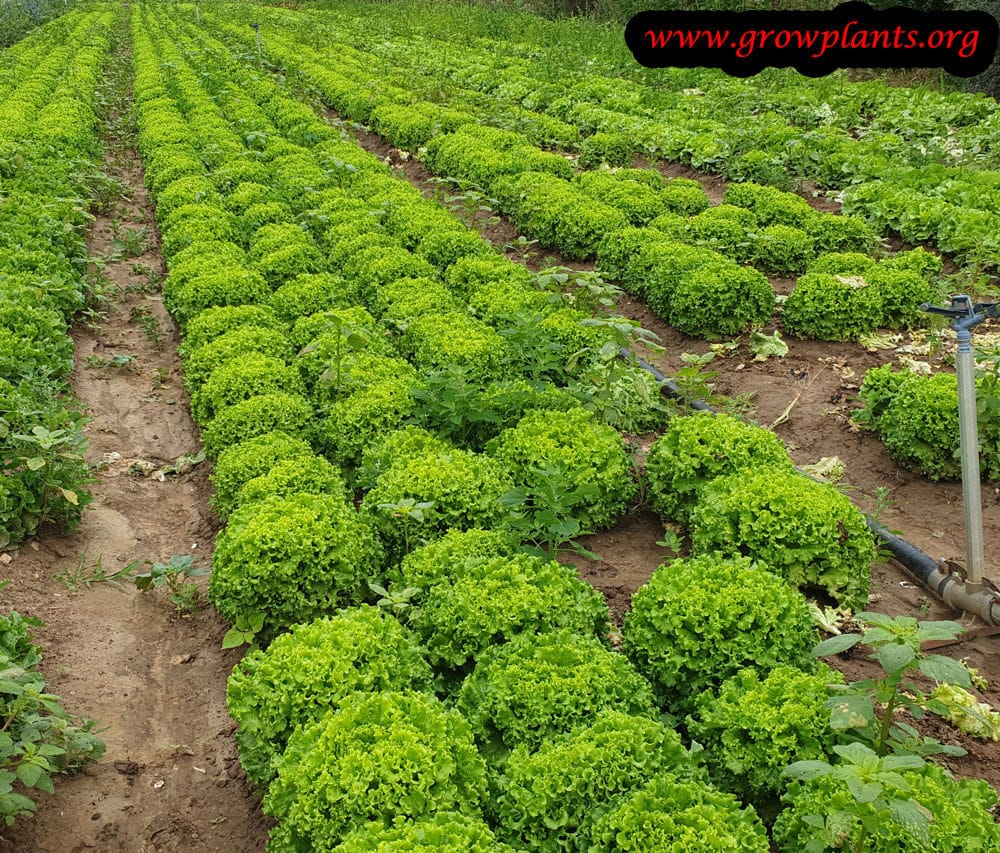
Lettuce is grown in many forms, distinguished mainly by leaf color and shape rather than fixed cultivar names: leaves can be green, red, purple, black, bordeaux, white or yellow, in shapes from oval and round to elliptic, with edges that can be smooth, serrated, lobed or wavy.
Choosing the Right Type
- Color: red, purple and bordeaux leaf forms add contrast in the garden as well as the salad bowl.
- Leaf texture: wavy or frilled-edge forms hold dressing better; smooth-edged forms are more tender.