

Plant Profile & Key Characteristics
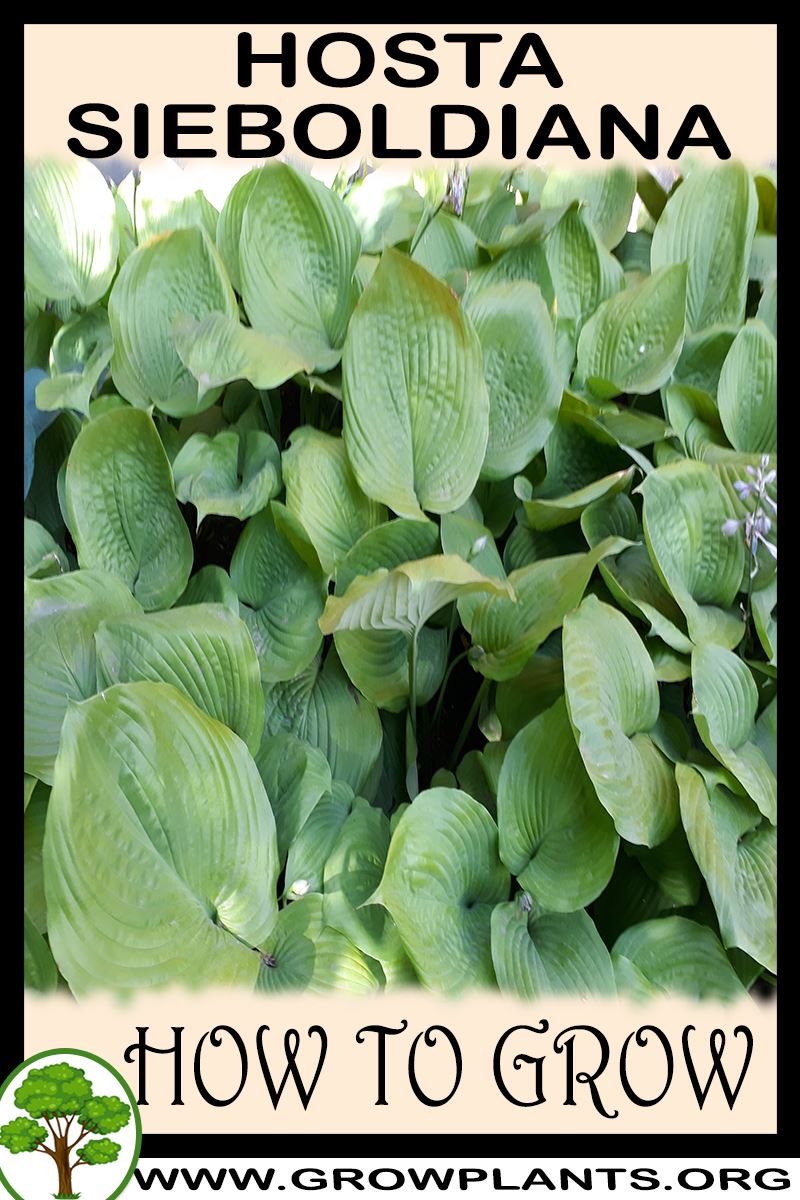
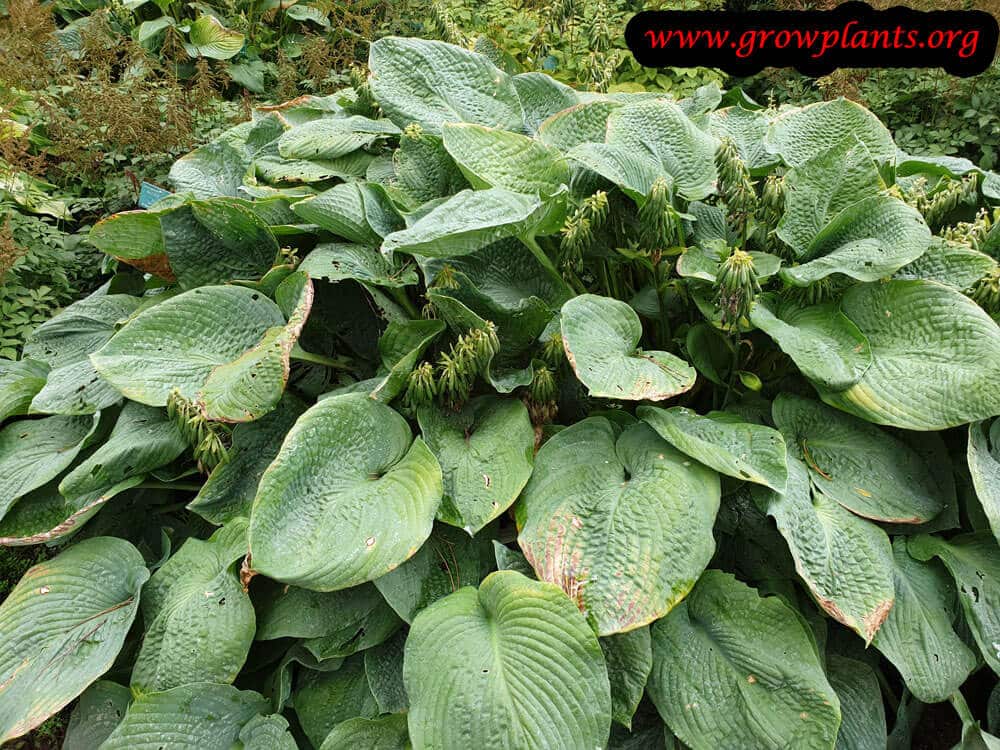
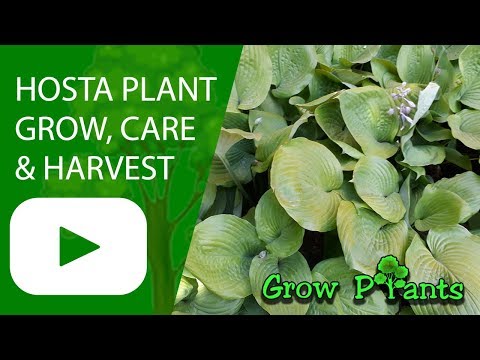
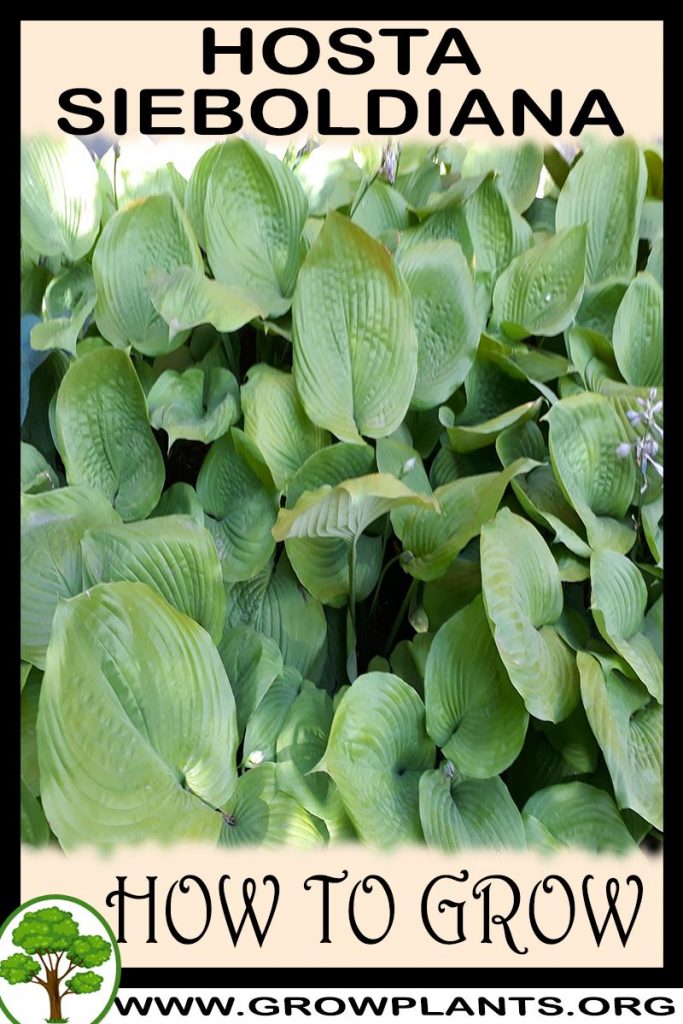
Overview: Hosta sieboldiana is a clump-forming, herbaceous perennial of 50-150 cm grown mainly as an ornamental shade plant for its large blue-green heart-shaped leaves, with edible young shoots as a secondary use. It is a hardy, deciduous perennial for zones 3-8.
Quick Specifications
| Specification | Attribute |
|---|---|
| Plant Type / Life Cycle | Perennial (herbaceous) |
| Foliage Type | Deciduous (dies back in winter) |
| Mature Size | 50-150 cm tall (20-60 inches) |
| Growth Rate | Moderate |
| Root System | Clump-forming with rhizomes and fibrous roots |
| Toxicity | Young shoots edible for humans; toxic to dogs, cats and horses (saponins) |
| Hardiness | USDA zones 3-8 |
Growth Form & Structure
- Height and Spread: Reaches 50-150 cm (20-60 inches); grows well in containers and can be kept indoors.
- Growth Habit and Form: Low, clump-forming perennial forming a broad mound of large leaves.
- Lifespan and Maturity: Long-lived perennial that bulks up at a moderate pace and dies back each winter.
Anatomy & Physical Features
- Leaves and Foliage: Edible, heart-shaped leaves in green to dark blue-green.
- Flower Characteristics: Trumpet-shaped purple-to-white flowers on racemes in spring and summer (full detail in the Bloom accordion).
Primary Uses & Landscape Value
- Edible Uses: Young shoots and leaves eaten cooked, raw, in stews or as rolled leaves.
- Functional and Ornamental Roles: Ornamental foliage plant for shade gardens, groundcover and containers.
Care Guide: Planting, Soil & Watering
Overview: Hostas are shade-loving foliage perennials that prefer partial to full shade and rich, moist, well-drained soil high in organic matter. They like consistent moisture and thrive in climates with cold winters and warm summers.
Quick Care Requirements
| Requirement | Ideal Condition |
|---|---|
| Planting Season | Spring to summer |
| Growth Rate | Moderate |
| Soil Type | Rich, moist, humus-rich, well-drained soil |
| Water Need | Moderate to high – keep consistently moist, never bone dry |
Planting & Establishment
- Best Planting Season: Plant in spring or summer once the soil has warmed and frost has passed.
- How to Plant:
- Hole Preparation: Dig a hole a little wider than the root ball to loosen the surrounding soil.
- Soil Amendments: Blend plenty of compost or leaf mould into the backfill and mulch to conserve moisture.
- Planting Depth: Set the crown at the soil surface – planting too deep can cause rot, and shallow so the growing eyes sit just at soil level.
- Growth Speed & Expectations: Moderate – clumps expand steadily each year, taking a few seasons to reach full size.
Soil, Watering & Drainage Care
- Soil Mix & Drainage Needs: Rich, humus-rich soil that stays moist yet still drains; add organic matter to hold moisture, and use a moisture-retentive but free-draining mix in pots.
- Watering Schedule & Technique:
- Young / Newly Planted: Keep the soil consistently moist while the crown establishes.
- Established: Water regularly so the soil never dries out fully, especially in summer heat; the large leaves lose a lot of moisture.
- Seasonal Adjustments: More water through warm, dry summer weather; much less once the plant dies back for winter dormancy.
Climate, Light & Hardiness
Siebold's hosta (Hosta sieboldiana) is a shade-loving perennial grown for its bold foliage, thriving in cool to warm temperate gardens in part to full shade with moist, rich soil. It is very cold-hardy as a dormant crown - roughly USDA zones 3–8 - dying back over winter and needing that cold rest to grow well.
Quick Climate Specifications
| Climate Zones | Temperate, cool subtropical and cool Mediterranean; also grown indoors |
|---|---|
| USDA Hardiness Zones | Approximately 3–8 |
| Optimal Temp Range | Approximately 18–27 °C (64–81 °F) with cool nights |
| Cold Damage Begins | Foliage blackened by autumn frost near 0 °C (32 °F); dormant crown unharmed |
| Approx. Survival Minimum | Dormant crown generally hardy to about −40 °C (−40 °F) |
| Frost Tolerance | Foliage: Low; dormant crown: High |
| Light Conditions | Part shade to full shade (leaves scorch in strong sun) |
| Wind Tolerance | Low to Moderate (large leaves tear in wind) |
| Salt / Coastal Tolerance | Low |
Sunlight & Light Exposure
Optimal Light Setup
Grow hostas in part to full shade; bright, indirect light gives lush leaves without scorching. This blue-leaved species holds its colour best in shade and is less tolerant of sun and heat than green kinds, matching its cooler upper zone limit.
Shade & Heat Management
Strong, direct sun - especially in the afternoon - burns and bleaches the leaves, so shade during the hottest hours plus a cool, moist, mulched root-zone keeps the foliage in good condition.
Best Exposure / Orientation
A north- or east-facing bed, or the dappled shade beneath deciduous trees, gives spring light as growth breaks and cool shade through summer - the ideal woodland-garden setting.
Temperature Extremes & Hardiness
USDA Hardiness & Regional Limits
The dormant crown is hardy across roughly USDA zones 3–8, so severe winters are no problem. At the warm end the plant is limited less by heat directly than by the absence of a proper cold, dormant winter, which it needs to reset and grow strongly.
Cold Damage & Winter Protection
In autumn the foliage collapses after frost and the plant rests below ground until spring. This die-back is normal; a winter mulch protects the crown in the coldest zones and helps container plants, whose roots freeze far faster than open ground.
Frost Sensitivity
The leaves are frost-tender and are cut down by the first hard autumn frosts, and late-spring frosts can scorch newly emerging shoots; neither harms the hardy crown, which simply re-grows.
Extreme Heat Tolerance
Hostas tolerate warm summers if kept shaded and moist, but prolonged heat with sun and dry soil causes leaf scorch and early decline-blue-leaved forms such as this are among the more heat- and sun-sensitive.
Chilling Requirement
Hostas need an annual period of winter cold and dormancy to perform well; in frost-free or very warm regions they emerge unevenly and gradually weaken, which is why the warm limit of the zone range depends on getting a genuine cold rest rather than on summer heat.
Wind, Humidity & Microclimate
Humidity Preferences
Moderate to high humidity suits their moist-woodland origins and keeps the broad leaves turgid; hot, dry air dulls and crisps the foliage.
Dry-Air Tolerance
Dry-air tolerance is low: arid heat browns the leaf margins, so a cool, sheltered, lightly humid pocket is much better than an open, exposed one.
Wind Tolerance
The large, soft leaves tear and tatter in strong wind, so a sheltered position - among other planting or in a protected corner - keeps them intact through the season.
Coastal / Salt Tolerance
Hostas have little salt tolerance and are poorly suited to direct coastal spray; grow them in sheltered inland or shaded garden settings.
Rainfall & Seasonal Moisture
They are adapted to climates with reliable growing-season moisture and a cold, resting winter, and struggle where summers are long, hot and dry unless a cool, shaded, well-watered microclimate compensates.
Microclimate Recommendations
Aim for a cool, shaded, sheltered pocket - the north side of a building or under deciduous trees - with moist, humus-rich, mulched soil to buffer heat in summer and protect the crown in winter.
Growing in Pots, Balconies & Indoors
Hosta sieboldiana is a large, bold-leaved shade foliage plant and one of the best container plants for shady patios. The grower says it can be grown indoors too, but it needs bright shade and, importantly, a cool winter dormancy – it is not an evergreen houseplant.
Quick Details
- Container Size: A roomy pot – this is a large, bold clump-former and fine specimen container plant
- Indoor Suitability: Shade foliage houseplant; needs a cool winter dormancy
- Best Spot: Bright to full shade; strong sun burns the leaves
- Soil & Drainage: Rich, aerated, moisture-retentive potting mix
- Watering in Pots: Keep evenly moist – hostas are thirsty; never let a pot dry out
Indoors & On the Windowsill
- Can be grown indoors (with a cool rest): The grower confirms it. Hosta grows well in bright, shaded indoor light, but it is a hardy perennial that dies back and needs a cool, dormant winter rest – a cold room, garage or sheltered balcony – rather than year-round warmth.
- Windowsill & shade: Keep it out of strong direct sun (the leaves scorch) and the mix evenly moist.
- Keep away from pets: Hostas are toxic to dogs, cats and horses if eaten – keep them out of reach.
On a Balcony or Patio
- Light & wind: Choose a cooler, shadier corner out of harsh midday sun. Reflected heat from walls and railings dries pots quickly and can scorch shade-lovers, so check moisture often and shelter from drying wind.
- Weight & runoff: A full pot of moist soil is heavy – check the balcony can take it, and stand pots so drainage water runs off cleanly without staining or flooding a neighbour below.
Choosing the Pot, Soil & Long-Term Care
- Pot & drainage: A pot with strong drainage holes and no standing-water saucer, so the roots never sit wet and rot. Terracotta breathes and dries faster (good against overwatering), while glazed or plastic holds moisture longer – match it to how often you water.
- Potting mix: A light, aerated, organic-rich mix – potting soil or peat/coir with perlite or vermiculite, blended with compost or well-rotted organic matter.
- Feeding: Nutrients leach out of pots with every watering, so potted plants need feeding more often than those in the ground – a balanced liquid feed through the growing season keeps them going.
- Repotting: Refresh the mix and pot up about every two years; for perennials, lightly trim the root ball and top growth at the same time to keep them vigorous.
Growing this plant in a greenhouse
A greenhouse can give hosta sieboldiana frost protection and cold protection.
Greenhouse at a glance
| Greenhouse suitability | Good - clearly useful |
|---|---|
| Main benefits | frost protection, cold protection |
| Outdoor protection advisable below | about 0°C |
| Suitable types | unheated greenhouse, polycarbonate greenhouse |
| Heating | Heating is optional - useful mainly for winter growing in cold areas. |
Related greenhouse guides
- Greenhouses: How to Choose the Right Greenhouse
- Polycarbonate Greenhouses: What to Look for Before Buying
Fertilizing & Feeding
This large-leaved hosta is grown for its foliage and is a moderate feeder; a balanced, slightly nitrogen-forward feed through the season builds big leaves, with feeding stopped once it dies back. A fertilizer formulated for tomatoes and vegetables supports that feeding pattern through harvest.
Quick Fertilizing Specs
| Feeding Level | moderate |
|---|---|
| Main Nutrient Priority | Balanced feeding with a nitrogen lean for foliage |
| Best Feeding Period | Through the spring-to-summer growing season |
| Soil pH | Slightly acidic to near neutral, rich and moist |
| Organic Options | Compost and leaf mould topdressing |
| Micronutrients | Rarely needed unless a deficiency appears |
| Reduce/Stop Feeding | Stop feeding as leaves die back for winter dormancy |
Feeding by Growth Stage
Spring emergence
Settle the young or newly emerged plant and encourage healthy roots and first leaves.
| Nutrient direction | Gentle balanced feeding as roots and early foliage develop. |
|---|---|
| Timing | After planting or as growth emerges. |
| Frequency | Light feeding while the plant establishes. |
| Fertilizer types | A balanced complete fertilizer, Compost or well-rotted organic matter |
| Precautions | Feed sparingly at first; heavy feeding before roots establish can scorch them. |
Active foliage growth
Drive lush, well-colored foliage through the main growing season, since this plant is grown for its leaves.
| Nutrient direction | Nitrogen-forward but complete feeding to support abundant healthy foliage. |
|---|---|
| Timing | Through the active growing season. |
| Frequency | Regular light feeding across the growing season. |
| Fertilizer types | A complete fertilizer with a nitrogen lean, Compost topdressing or well-rotted organic matter |
| Precautions | Keep feeding steady but moderate; overfeeding invites soft growth and leaf-tip scorch. |
Winter dormancy
Let the clump rest through winter after the foliage dies back, without pushing new growth.
| Nutrient direction | None – withhold fertilizer while the plant is resting. |
|---|---|
| Timing | Through winter, after the foliage has died down. |
| Frequency | No feeding at this stage. |
| Fertilizer types | No feeding at this stage – the plant is dormant or resting and takes up little nutrient. |
| Precautions | Do not fertilize until active growth resumes; feeding a dormant plant wastes nutrients and can burn roots. |
Nutrient Deficiency Signs & Corrections
Foliage looks pale and yellow-green, leaves stay small and the clump grows slowly.
| Possible causes | low available nitrogen, nitrogen leached from the soil, cold or waterlogged soil limiting uptake |
|---|---|
| Appears first on | older, lower leaves |
| What to check | old versus new leaf color, recent feeding, drainage and soil richness |
| Possible correction | Apply a balanced, slightly nitrogen-forward fertilizer and enrich the soil with organic matter. |
New leaves yellow between green veins (interveinal chlorosis).
| Possible causes | high (alkaline) soil pH locking up iron, waterlogged or cold soil, genuinely low available iron |
|---|---|
| Appears first on | youngest leaves |
| What to check | soil pH, drainage and root health, whether new growth is worst |
| Possible correction | Correct soil pH and drainage; if it persists, apply a chelated iron product per its label. |
Leaf tips and margins brown and crisp, often after heavy feeding or in containers.
| Possible causes | fertilizer salt build-up in the soil, uneven or insufficient watering, exposure to too much direct sun for a shade plant |
|---|---|
| Appears first on | leaf tips and margins |
| What to check | feeding rate and container drainage, watering consistency, light exposure |
| Possible correction | Ease back on feeding, keep watering even, and site the plant in appropriate shade. |
Pruning, Training & Seasonal Maintenance
Hosta sieboldiana is one of the large, heavily-textured blue-leaved hostas, grown emphatically for its bold, corrugated foliage mound rather than its short, near-foliage-height white-to-lilac flowers — a distinction that shapes its care. As with all hostas there is no woody structure to prune; the work is grooming and, every several years, crown division. Because this is a big, slow, foliage-first plant, many growers snip the modest scapes off entirely so the plant reads as a solid dome of blue leaves and channels its energy into leaf size. Its two fixed jobs are the autumn clear-down of frost-collapsed foliage — important for slug control on such a large, sheltering clump — and lifting and dividing a congested crown in spring. Clean tools matter here too, because of the sap-borne Hosta Virus X.
Quick Pruning & Maintenance Specs
| Pruning Tolerance | Not structural — grooming, scape removal and crown division only |
| Primary Maintenance Window | Late autumn/early winter clear-down; spring crown division |
| Secondary Maintenance Window | Through summer — remove or deadhead the short scapes; pull damaged leaves |
| Typical Frequency | An annual autumn tidy; division only every 5–8 years — this is a slow, long-lived clump |
| Main Objective | Maximise leaf size and a clean blue mound; renew a crowded crown |
| Young Plant Priority | Remove only damaged leaves; leave it undisturbed to bulk up |
| Mature Plant Priority | Autumn clear-down, scape removal for foliage focus, occasional division |
| Best Tool Type | Precision snips for leaves and scapes; a spade or knife for division |
| Avoid Heavy Pruning During | Any time — never shear the mound; there is no framework to cut |
Pruning by Plant Age & Size
Newly Established
A young sieboldiana is especially slow to reach its imposing size, so leave it alone beyond removing a torn or yellowed leaf. Every leaf feeds the crown; resist any urge to tidy hard while the plant is still small, and give it several undisturbed seasons in rich, moist, shaded soil to build its blue mound.
Young / Formative
No structural training applies. The only formative choice is whether to remove the flower scapes: on a foliage-showpiece like this many growers snip them at emergence so the clump stays a clean dome and puts its strength into ever-larger leaves. Otherwise, formative care is just keeping slug-chewed and wind-torn leaves off the developing mound.
Mature / Established
An established clump wants an annual autumn clear-down and division only when it genuinely crowds — sieboldiana resents disturbance and is best left for years. When the centre thins or leaves shrink, lift the crown in spring, split into large, multi-eyed pieces (small divisions of a big hosta sulk), and replant at the original depth. Division renews it; it is never cut back to force growth.
Seasonal Pruning Schedule
Late Autumn / Early Winter (clear-down)
Objective: strip the frost-collapsed foliage that shelters slugs beneath such a broad clump. Remove: the yellowing, flopping leaves and spent scapes once frost has knocked the plant down. Do NOT: cut into the fleshy crown or the resting eyes. Expected response: a clean crown with much less slug carry-over. Flowering impact: none — next year’s growth is already set in the crown.
Spring (emergence)
Objective: a clean start for the fat rolled shoots. Remove: old litter and the first slug-damaged spears; divide now if needed. Do NOT: disturb the emerging pips. Expected response: unblemished blue leaves unfurl. Flowering impact: none.
Summer (scapes and sanitation)
Objective: keep a flawless foliage dome. Remove: the short scapes (early, for a pure-foliage look, or deadheaded after bloom) plus slug-eaten or scorched leaves. Do NOT: strip healthy leaves — leaf loss on a slow plant is slow to recover. Expected response: a fuller, larger-leaved mound. Flowering impact: early scape removal pushes energy into foliage.
Structural Pruning & Training
There is no stem or branch structure to train; the only structural act is crown division. Because sieboldiana is large, slow and resentful of disturbance, divide it far less often than a small hosta — only when the mound crowds itself or the middle weakens. Lift in spring, split into generously-sized rooted pieces, and replant at the original depth with the crown at the soil surface. Big divisions re-establish fast; tiny slivers stall.
Special Growth to Remove
The removals are the short flower scapes (taken off early for foliage focus, or deadheaded at the base after bloom) and any dead, yellowing, slug-holed or scorched leaves — and on a blue hosta, damaged leaves stand out badly against the powdery sheen. There are no suckers, runners or woody shoots. At division, discard soft or rotted crown and keep only firm, well-rooted, multi-eyed pieces.
Container & Small-Space Pruning
A large blue hosta makes a dramatic single-specimen pot, and grooming is identical: autumn clear-down, damaged-leaf removal, and scape management to taste. The container caps its size — there is no top-pruning for compactness — but repot into a bigger container or divide every few years once roots fill it, refreshing the compost. Renewal is by division and potting-up, never by cutting the mound back.
Tools
Precision snips do all the leaf and scape work on this soft tissue, and a sharp spade or stout knife splits the large, dense crown at division — a big sieboldiana crown is tough enough that a proper spade beats a hand tool. Secateurs, loppers, saws and shears have no role; shearing the mound only browns the cut leaf edges.
Tool Hygiene & Disease Risk
Treat hygiene as High-risk whenever you move between plants or cut into crowns: Hosta Virus X is carried in sap on blades and hands from an infected hosta to a healthy one, so disinfect snips and the division blade between plants, wash sap from your hands, and never divide or take a leaf from a plant showing mottling or ink-bleed patterning. Grooming a single healthy clump needs only clean, sharp tools.
Cut Placement & Technique
Snap or snip scapes at their base among the leaves, leaving no stub to rot into the crown, and remove leaves at the leaf base rather than tearing them. At division, cut cleanly so each large piece keeps intact eyes and a good share of root; handle the divisions by the root mass, not by the brittle blue leaves, whose waxy bloom marks easily.
Heavy Pruning & Rejuvenation
There is no heavy or rejuvenation pruning for this plant — it is a herbaceous crown and cannot be cut hard to force a flush. An old, congested clump is renewed only by lifting and dividing in spring. Whole-plant cut-down after frost is ordinary seasonal clear-down, not rejuvenation.
Post-Pruning Care
Grooming and clear-down need no feeding. After spring division, replant at the correct depth in rich, moisture-retentive soil, water in well, keep shaded and evenly moist until rooted, and mulch to hold moisture and slow slugs, which will hit the tender regrowth first. A big division must not be allowed to dry out while it re-roots.
Common Pruning Mistakes
- Dividing this slow, disturbance-resentful hosta too often, or into slivers too small to re-establish, so the specimen never reaches its full size.
- Leaving frost-collapsed foliage over winter under such a broad clump, sheltering slugs right at the crown.
- Stripping healthy blue leaves for tidiness — leaf loss on a slow plant is slow to replace.
- Cutting or dividing a virus-mottled plant with an un-cleaned blade and spreading Hosta Virus X.
When NOT to Prune
Do not cut the foliage down while it is green and standing — wait for frost to knock it back so the leaves finish feeding the crown. Avoid dividing in summer heat or drought, when a large lifted crown struggles to re-root; divide in cool, moist spring. And never take leaves or divisions from a plant you suspect carries HVX.
Recommended Tools (by task)
- precision_snips — for removing the short flower scapes for foliage focus and grooming damaged blue leaves.
- garden_spade — for lifting and splitting the large, dense crown in spring, the plant’s only means of renewal.
- blade_disinfectant — to stop sap-borne Hosta Virus X spreading on snips and the division blade between plants.
Propagation Guide
This large blue-leaved hosta is best increased by dividing the crown in spring, which keeps its exact form and blue colour. Seed is possible but seedlings vary and typically come up plain green, because the blue is a surface wax rather than an inherited pigment.
Quick Propagation Specs
| Best Propagation Method | Crown division |
| Alternative Methods | Seed (variable, mostly green seedlings) |
| Propagation Difficulty | Easy |
| Seed True-to-Type | Variable – blue waxy colour rarely reproduced from seed |
| Vegetative True-to-Type | Yes |
| Best Propagation Season | Spring to early summer |
Growing from Seed
Seed Handling & Viability
Sow ripe black seed fresh. Expect mostly green seedlings; the parent’s blue bloom is a leaf wax that seed does not carry.
Germination Conditions
Sow shallowly, keep moist and moderately warm; fresh seed germinates fairly readily without cold treatment.
Division, Offsets, Pups & Suckers
Crown Division
Divide in spring to early summer as the eyes emerge: lift the clump and split it into sections, each with several eyes and roots, then replant at the same depth in rich, moist soil and water well until established.
Virus Caution
Hosta Virus X is carried in sap on blades during division. Do not divide plants with mottled or ink-bled leaves, and disinfect tools between clumps to avoid propagating the virus.
Bloom & Edible Flower Guide
Quick Details
- Bloom Season: Spring to summer
- Time to First Bloom: Usually from the second year, once the clump establishes
- Flower Appearance: Trumpet-shaped flowers in pale purple to white, carried up a stem as a raceme
- Edibility: The flowers and flower buds are edible for people; note the plant is toxic to cats, dogs and horses
Detailed Blooming Overview
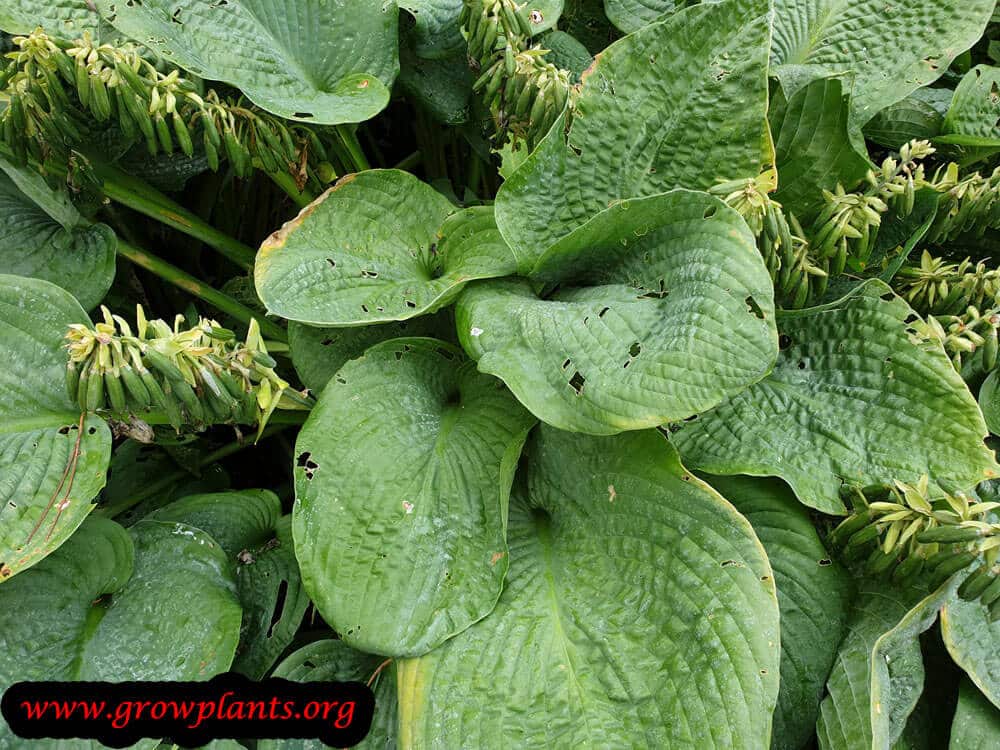
Hosta sieboldiana is grown mainly for its large, heavily textured blue-green foliage, but from spring into summer it also produces stems of trumpet-shaped flowers in pale purple to near-white, held close above the leaf mound. As with other hostas, the young buds and flowers are edible.
Flower Characteristics
- Trumpet-shaped flowers in pale purple to white.
- Carried up a stem as a raceme, often sitting just above the bold foliage.
Bloom Care & Thinning
- Managing the bloom: Cut spent flower stems to the base after flowering; on this foliage-focused variety some gardeners remove stems early to keep the display all about the leaves. Harvest buds for the kitchen only from unsprayed plants.
- Pollination: Visited mainly by bees.
- Safety: Edible for people, but hostas contain saponins that are toxic to cats, dogs and horses – keep pets from grazing on them.
Fruit & Uses
Hosta sieboldiana is grown mainly as a bold-leaved shade ornamental, but its young leaves and the tightly furled emerging shoots are a traditional edible green – eaten in Japan, where they are known as urui, raw, cooked, or in stews. Only the tender young growth is used; older, fully expanded leaves turn tough and are not worth eating.
Quick Edible Specs
| Edible Parts | Young leaves and furled emerging shoots |
|---|---|
| Main Use(s) | Culinary leafy vegetable (salad greens, cooked greens, stews) |
| Eaten Raw or Cooked | Both – very young leaves raw, more mature young leaves cooked |
| Preparation Required | Pick while young and tender; cook the larger leaves |
| Harvest Season | New growth from spring; tender leaves available for much of the year |
| Storage | Best used fresh, soon after cutting |
| Safety/Toxicity Caveat | Contains saponins – toxic to dogs and cats; for people use only the young growth |
Leaves & Greens
The young leaves are the main edible part. Harvest them small and tender, before they toughen; very young leaves can be eaten raw in salads, while slightly larger leaves are better lightly cooked, added to stews, or served rolled. Flavour is mild and vegetable-like. As the leaves fully expand they become fibrous and lose eating quality, so pick early.
Shoots & Stems
In spring the plant sends up tightly furled shoots (the emerging, still-rolled leaves) from the base. These are cut while firm and rolled and are prized as a spring vegetable – steamed, boiled, or added to stews. Taking a few shoots reduces the leaves that follow, so harvest moderately from an established clump.
Harvesting
Site harvest notes: young leaves are cut from the base once the plant is established, and tender leaves can be gathered for most of the year. Pick in the cooler part of the day and take only a portion of the young growth so the ornamental clump recovers.
Preparation, Uses & Safety
Site-recorded uses are rolled leaves, cooked, raw, and in stew. Very young leaves and shoots may be eaten raw; more mature young leaves are best cooked. Safety: Hosta contains saponins and is toxic to dogs and cats, so keep trimmings away from pets. Only ever eat the young, tender growth of correctly identified Hosta, and avoid plants that may have been treated with ornamental pesticides.
Pests, Diseases & Troubleshooting
Overview: Hosta sieboldiana (Siebold’s hosta) is a large, blue-grey, thick-leaved hosta prized for its bold, puckered foliage. Hostas are shade-garden staples whose number-one enemy is slugs and snails, which shred the leaves; other key problems are the black vine weevil, foliar nematode, the incurable Hosta Virus X, petiole rot, and browsing by deer and rabbits. Manage them culturally first — slug barriers, airflow, sanitation and buying clean virus-free stock — before reaching for products.
Quick Troubleshooting Overview
| Issue / Pest | Main Symptom | Primary Solution |
|---|---|---|
| Slugs & snails | Holes and shredded leaves; slime trails | Barriers, iron-phosphate pellets, hand-picking |
| Black vine weevil | Notched leaf edges; sudden collapse (grubs eat roots) | Beneficial nematodes; check pots; trap adults |
| Foliar nematode | Brown streaks between the veins | Remove leaves; avoid wetting foliage |
| Hosta Virus X | Mottled, ink-bleed colour break; lumpy tissue | Destroy plant; disinfect tools; buy clean stock |
| Petiole rot | Mushy leaf bases; white threads & seed-like sclerotia | Remove plant & soil; improve airflow |
| Deer & rabbits | Whole leaves grazed off | Fencing, repellents, resistant siting |
Common Pests & Management
- Slugs & snails (Deroceras, Arion, Helix spp.):
- Symptoms: The signature hosta problem — irregular holes chewed between the veins and shredded leaf edges, with tell-tale silvery slime trails; worst in damp, shady conditions and on thin-leaved varieties.
- Prevention & Control: Clear leaf litter and hiding places, water in the morning, and ring plants with grit, crushed shell or copper tape. Use wildlife-safe iron-phosphate pellets, set beer traps, and hand-pick after dark. Thick-leaved, heavily textured cultivars resist damage.
- Black vine weevil (Otiorhynchus sulcatus):
- Symptoms: Adults notch the leaf margins at night; the C-shaped white grubs eat the roots and crown, causing sudden wilting and collapse, especially in containers.
- Prevention & Control: Check root balls for grubs, trap adults under boards, and drench with beneficial nematodes on warm, moist soil.
- Foliar nematode (Aphelenchoides fragariae):
- Symptoms: Brown to purple streaks and wedges between the leaf veins (bounded by them), spreading upward in wet weather; a distinctive hosta problem.
- Prevention & Control: Remove and destroy affected leaves, avoid overhead watering and leaf-to-leaf contact, space plants to dry quickly, and discard severely infested plants — there is no cure.
- Deer & rabbits:
- Symptoms: Whole leaves and emerging shoots grazed off cleanly overnight; hostas are a favourite of deer especially.
- Prevention & Control: Fence or net, use repellents rotated regularly, and interplant with less palatable plants; containers near the house are less exposed.
- Cutworms & aphids (minor):
- Symptoms: Cutworms sever young shoots at the base; aphids cluster on new growth with honeydew.
- Prevention & Control: Collars around shoots for cutworms; hose off aphids or use insecticidal soap.
Diseases & Fungal Issues
- Hosta Virus X (HVX):
- Symptoms: Mottled, blotchy “ink-bleed” colour break that follows the veins, sometimes with lumpy, puckered or brittle tissue; permanent and incurable, spread by sap on tools, hands and division.
- Treatment & Management: There is no cure — dig up and destroy affected plants (do not compost), disinfect tools between plants, and buy only clean, virus-indexed stock.
- Petiole rot / southern blight (Sclerotium rolfsii, syn. Athelia rolfsii):
- Symptoms: Outer leaves yellow, wilt and pull away with mushy, rotted bases; look for white fungal threads and tan, mustard-seed-sized sclerotia at the crown and soil surface in warm, humid weather.
- Treatment & Management: Remove and destroy affected plants along with the surrounding soil and sclerotia, improve airflow and drainage, avoid deep mulch against the crown, and do not replant hostas in the same spot without treating the soil.
- Anthracnose & leaf spot (Colletotrichum spp.):
- Symptoms: Large tan spots with darker margins that dry and tear, giving a ragged look in warm, wet weather.
- Treatment & Management: Remove affected leaves, water at the base, improve airflow, and use a fungicide only under heavy pressure.
- Crown & root rot (Phytophthora / Pythium):
- Symptoms: Wilting and a blackened, mushy crown in wet, poorly drained soil.
- Treatment & Management: Improve drainage, avoid overwatering and burying the crown, and remove rotted plants.
Growing Difficulties & Abiotic Problems
- Leaf scorch:
- Cause & Symptoms: Bleached, brown, crisp leaf edges and faded colour from too much direct sun or dry soil; blue, waxy-leaved types lose their bloom and scorch readily. Correction Strategy: Grow in shade to part shade, keep the soil evenly moist, and mulch to conserve moisture.
- Frost damage to new shoots:
- Cause & Symptoms: Emerging spring shoots blackened by late frost. Correction Strategy: Cover with fleece when late frosts threaten; plants usually recover.
- Drought stress:
- Cause & Symptoms: Wilting, browning tips and stunted leaves in dry soil. Correction Strategy: Water deeply and mulch; hostas are moisture-lovers.
H. sieboldiana‘s thick, waxy, puckered leaves make it notably more slug-resistant than thin-leaved hostas, but its prized blue bloom is a wax coating that melts and scorches in hot sun — give it shade and shelter to keep the colour.
What Helps — Products & Tools
The essential hosta toolkit is slug control — iron-phosphate pellets, copper tape, grit and beer traps — plus beneficial nematodes for vine-weevil grubs, insecticidal soap for aphids, and deer/rabbit repellents or fencing. For disease, the best “products” are clean virus-free plants and a disinfectant for tools; remove and destroy virus- and petiole-rot-affected plants promptly.