Plant Profile & Key Characteristics
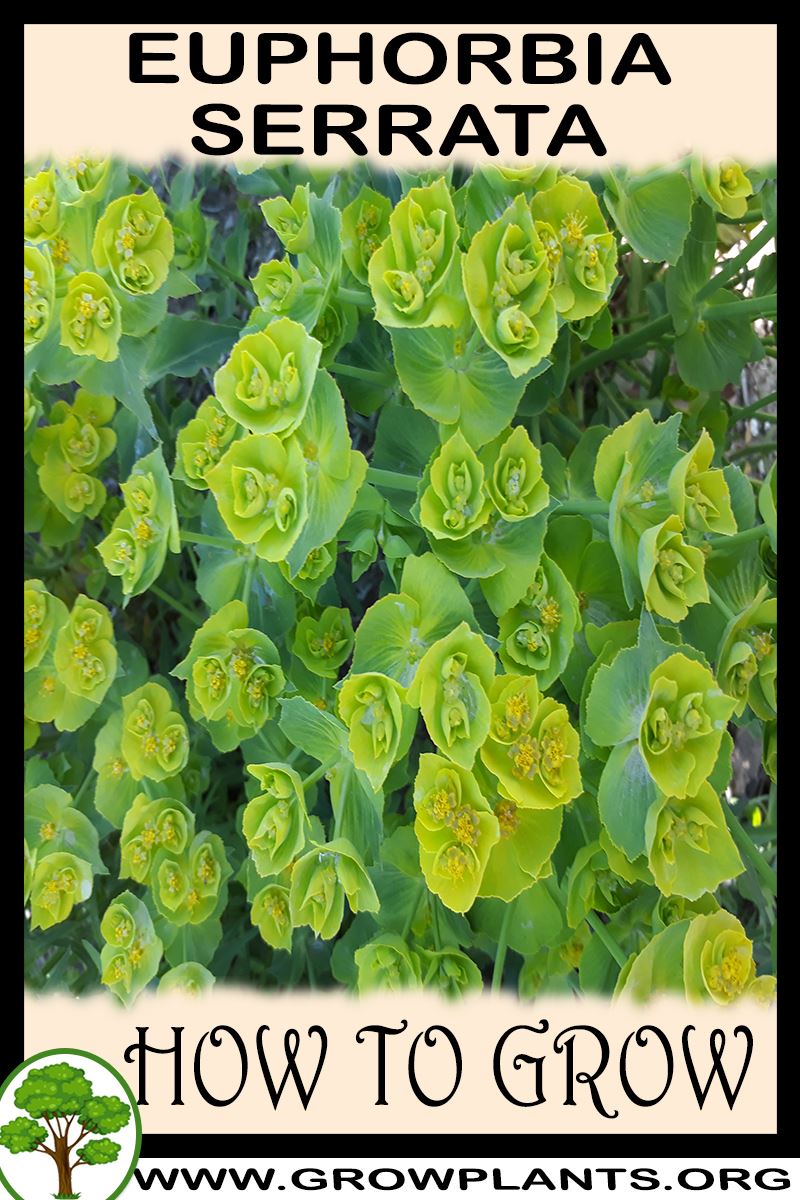
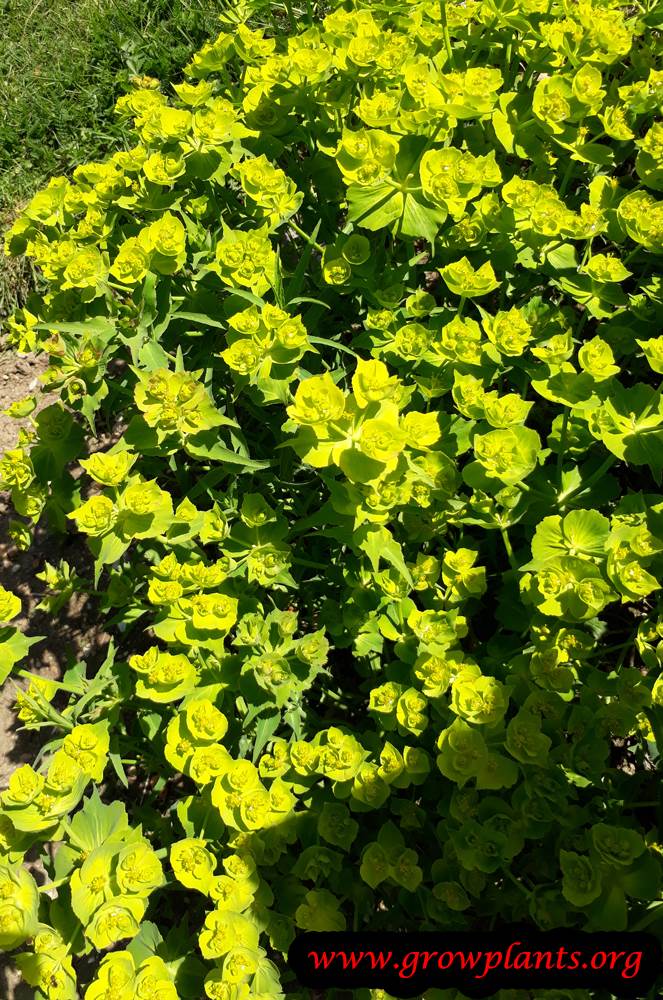
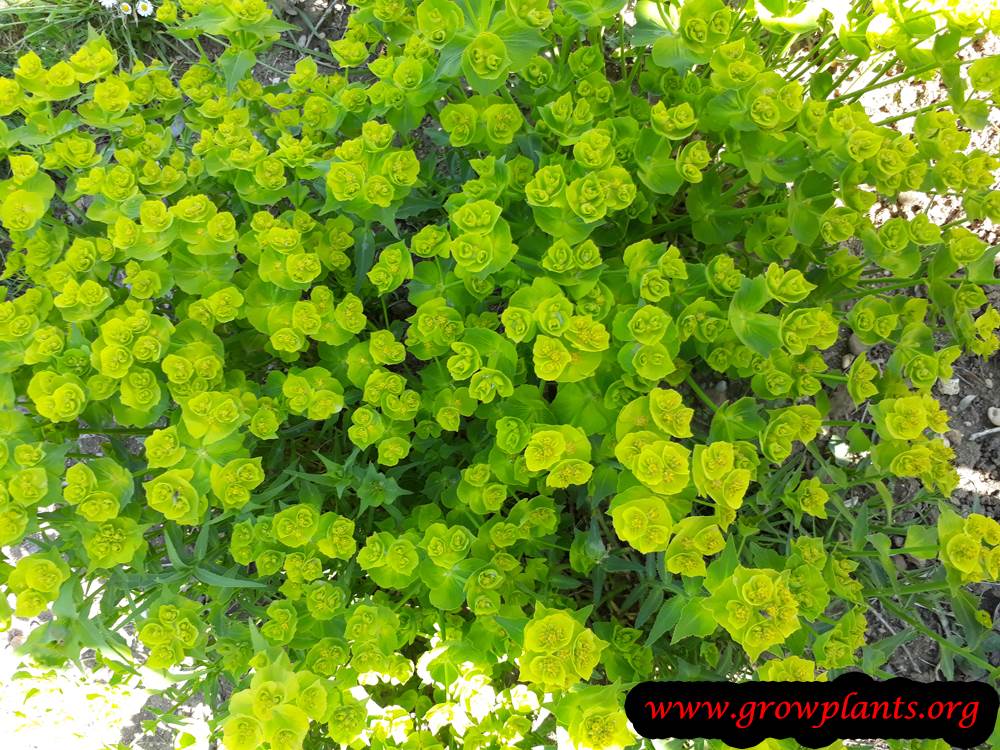
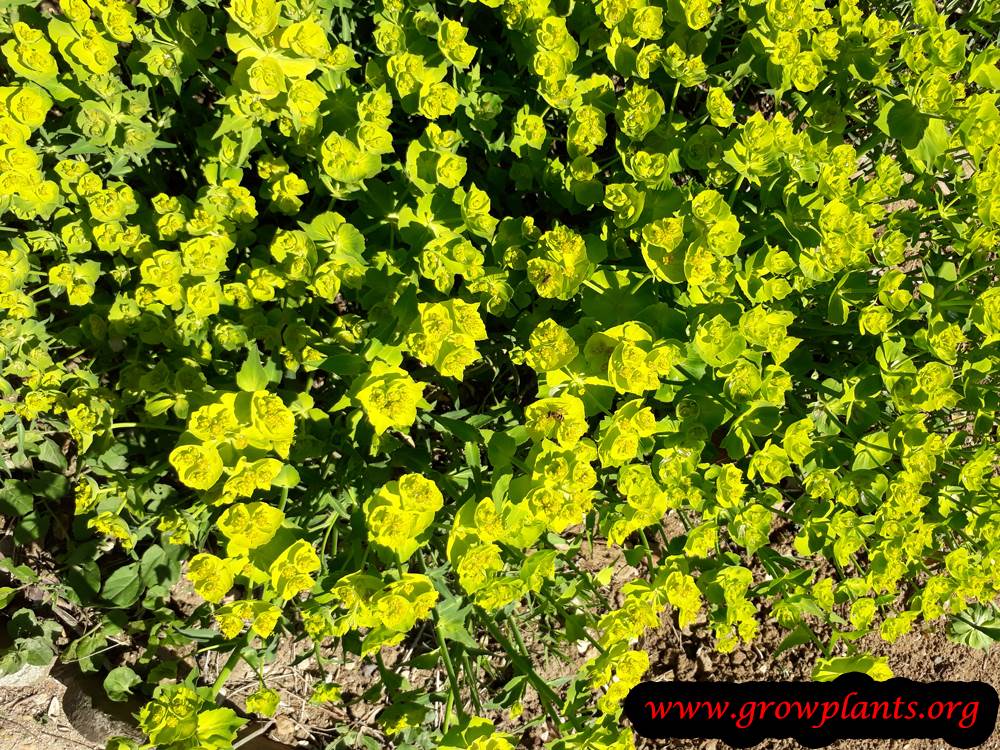
Overview: Euphorbia serrata (Serrated Spurge) is an evergreen succulent subshrub 20-50 cm (8-20 in) tall with blue-green, saw-toothed leaves and green-yellow spring bracts. It is grown as a hardy ornamental and has a history of medicinal use.
Quick Specifications
| Specification | Attribute |
|---|---|
| Plant Type / Life Cycle | Perennial |
| Foliage Type | Evergreen |
| Mature Size | 20-50 cm (8-20 in) tall |
| Growth Rate | Slow to moderate |
| Toxicity | Toxic – the milky latex sap is a skin, eye and mucous-membrane irritant and is poisonous to people and pets if ingested. |
| Hardiness | USDA zones 6-10 |
Growth Form & Structure
- Height & Spread: A compact plant 20-50 cm (8-20 in) high; suited to beds, rockeries and pots (not an indoor plant).
- Growth Habit & Form: A low, bushy perennial subshrub with upright leafy stems.
- Lifespan & Maturity: Slow to moderate growth; long-lived.
Anatomy & Physical Features
- Leaves & Foliage: Green to blue-green leaves with finely serrated (saw-toothed) margins, arranged around the stem.
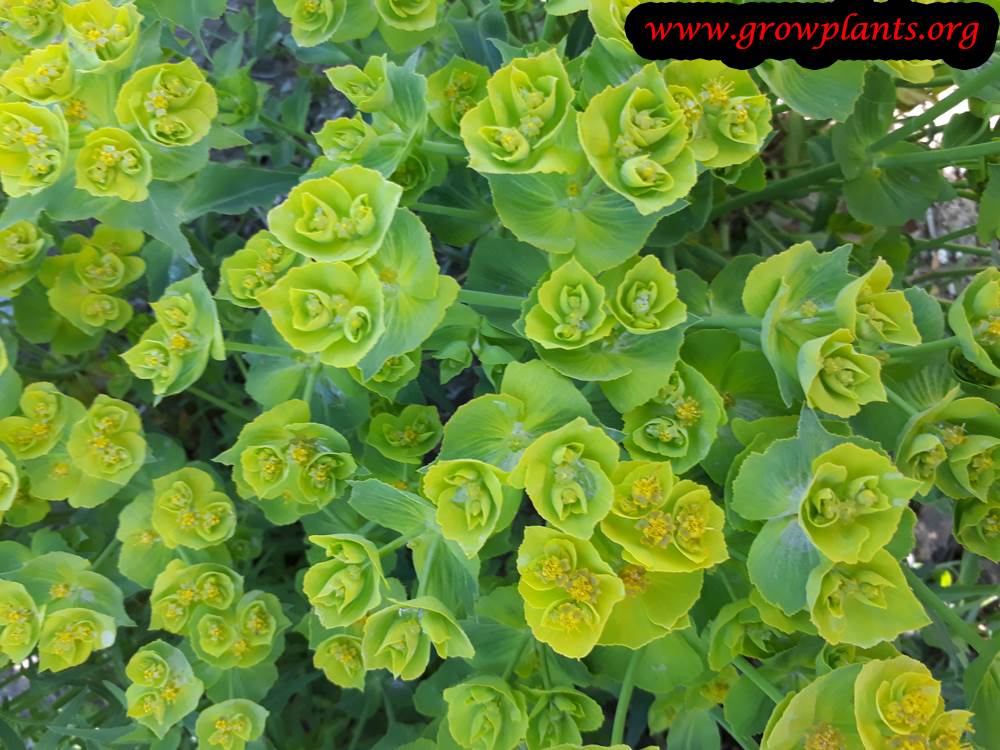
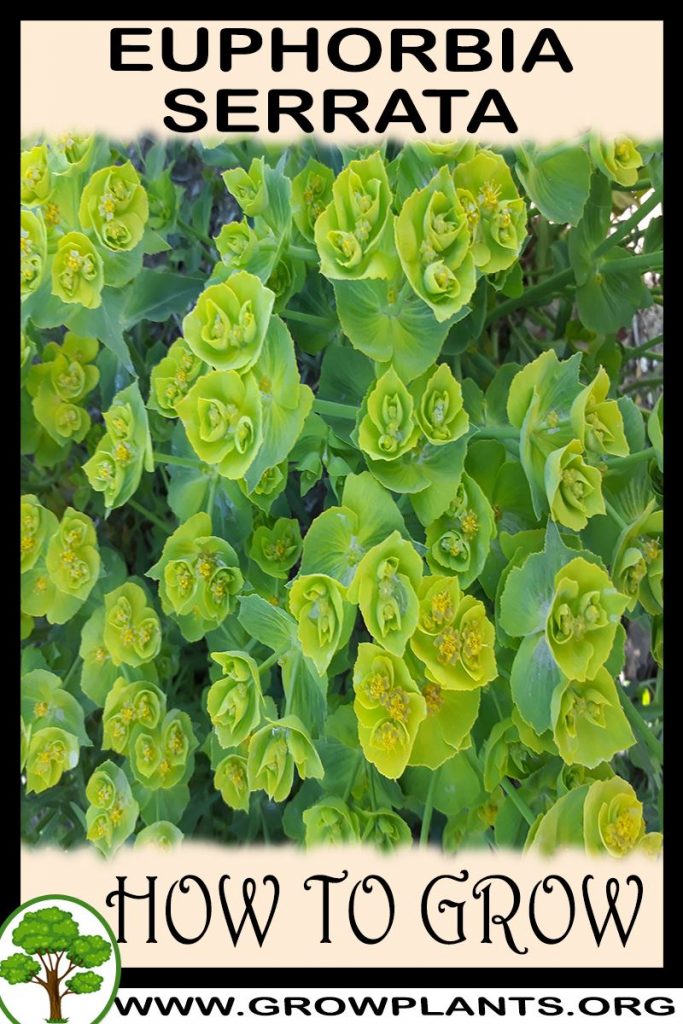
- Flower Characteristics: Green-yellowish flowers with two petal-like parts and rounded, heart-shaped bracts, in clusters in spring.
Primary Uses & Landscape Value
- Functional & Ornamental Roles: Ornamental Mediterranean and rockery perennial; the source also notes traditional medicinal use.
Care Guide: Planting, Soil & Watering
Overview: Euphorbia serrata is a hardy to about -3°C (zones 6–10) spurge that grows best in full sun to partial shade and free-draining soil. It is fairly drought-tolerant once established, needing only modest watering, and dislikes waterlogged ground.
Quick Care Requirements
| Requirement | Ideal Condition |
|---|---|
| Planting Season | Spring, summer or autumn |
| Growth Rate | Slow to moderate |
| Soil Type | Well-draining soil; tolerates lean, sandy or average garden ground |
| Water Need | Low to moderate – let the top of the soil dry before watering again |
Planting & Establishment
- Best Planting Season: Plant spring, summer or autumn; spring planting establishes it best before winter in colder zones.
- How to Plant:
- Hole Preparation: Wear gloves and take care with the milky sap, which is a skin and eye irritant common to all euphorbias. Dig a hole about twice the width of the root ball and the same depth, so the plant sits at the level it grew at, and loosen the sides for easy rooting.
- Soil Amendments: Work some grit or compost into heavy ground to open up drainage; these spurges dislike sitting in wet soil.
- Planting Depth: Set the plant so the crown sits at soil level – do not bury the stem base.
- Growth Speed & Expectations: Growth is slow to moderate – steady rather than rushed, picking up once the plant is well established.
Soil, Watering & Drainage Care
- Soil Mix & Drainage Needs: Give it free-draining soil, as it dislikes waterlogging. Lighten heavy ground with grit or compost, and in a container use a well-draining potting mix with added perlite or sand.
- Watering Schedule & Technique:
- Young / Newly Planted: Water regularly after planting to settle the roots and keep the soil lightly moist while it establishes.
- Established: Once established it is fairly drought-tolerant; water deeply but only when the top few centimetres of soil have dried.
- Seasonal Adjustments: Water more during prolonged heat and much less over the cooler months, when growth slows.
Climate, Light & Hardiness
Euphorbia serrata is a Mediterranean and subtropical succulent shrub that grows in full sun to half shade and prefers well-drained soil. It has moderate cold hardiness for a Euphorbia, tolerating brief chill down to around −3°C (27°F).
Quick Climate Specifications
| Climate Zones | Mediterranean, Subtropical |
|---|---|
| USDA Hardiness Zones | 6–10 |
| Approx. Survival Minimum | Around −3°C / 27°F |
| Frost Tolerance | Low |
| Light Conditions | Full Sun / Half Shade |
Sunlight & Light Exposure
Optimal Light Setup
Full sun to half shade both work well; more sun tends to keep growth denser.
Direct Sun Requirement
Not obligatory - the plant is comfortable with several hours of direct sun or with filtered light through the day.
Shade & Heat Management
Half shade is a useful option in the hottest part of Mediterranean and subtropical summers.
Best Exposure / Orientation
An open, sunny to lightly shaded border position suits this shrubby succulent well.
Temperature Extremes & Hardiness
USDA Hardiness & Regional Limits
Hardy outdoors in USDA zones 6–10, a notably wider range than many tender Euphorbia succulents, reflecting genuine cold tolerance down to light frost.
Cold Damage & Winter Protection
The site's own care data puts its cold limit at roughly −3°C (27°F); colder snaps than this are likely to cause damage, so mulch or cover the base in the coldest parts of its range.
Frost Sensitivity
Tolerates light, brief frost but is not reliably hardy through prolonged hard freezes.
Extreme Heat Tolerance
Well suited to hot, dry Mediterranean and subtropical summers.
Wind, Humidity & Microclimate
Dry-Air Tolerance
Comfortable in the low-humidity air typical of Mediterranean climates.
Rainfall & Seasonal Moisture
Adapted to climates with a dry summer season and well-drained soils; avoid consistently soggy ground.
Microclimate Recommendations
In the cooler end of its range, a sheltered, sun-warmed spot near a wall helps it ride out occasional frost.
Growing in Pots, Balconies & Indoors
Euphorbia serrata (serrated spurge) is a low, spreading perennial spurge. It stays compact at about 20-50 cm (8-20 in) The grower does not rate it as a houseplant but confirms it grows well in a planter or container out in the sun.
Quick Details
- Container Size: 15-25 L (3-6 gal)
- Indoor Suitability: Not a houseplant; a bright, sunny windowsill at most
- Best Spot: Full sun to part shade
- Soil & Drainage: Gritty, free-draining mix
- Watering in Pots: Low to moderate – let it dry between waterings
Indoors & On the Windowsill
- Not a true houseplant: The grower does not recommend this one indoors – it is a sun-loving succulent that sulks and stretches in typical room light.
- On the windowsill: If you want to try it inside, only the brightest, sunniest sill will do; anywhere darker and it will grow weak and leggy.
- Overwintering: In cold-winter areas move the pot to a frost-free, bright spot and keep it nearly dry until growth resumes in the warm season.
- Safety: All Euphorbias bleed a milky latex sap that irritates skin and eyes and is toxic if eaten – keep it away from children and pets and wear gloves when pruning.
On a Balcony or Patio
- Light & wind: Give it the brightest spot the balcony offers; shelter exposed plants from strong wind and stake any tall or top-heavy growth. Walls and paving reflect heat, so pots dry quickly – check moisture often in warm weather.
- Practicalities: A filled pot is heavy once watered, so make sure the balcony can take the weight and stand it where drainage runoff will not be a nuisance.
Choosing the Pot, Soil & Long-Term Care
- Pot & drainage: 15-25 L (3-6 gal) with strong drainage holes; skip a standing water saucer so the roots never sit wet. Terracotta breathes and dries fast, while glazed or plastic pots hold moisture longer.
- Potting mix: A gritty, free-draining cactus and succulent mix – loam or coir cut with plenty of coarse sand, grit or perlite. A ready-made cactus and succulent soil mix provides that structure without mixing it yourself.
- Watering: Water sparingly and let the mix dry out completely between waterings – in a pot, overwatering is the fastest way to rot the roots.
- Feeding: Potted plants exhaust their soil faster because nutrients leach out with every watering – feed lightly but regularly through the growing season.
- Repotting: Refresh the mix or pot up about every couple of years, teasing out and lightly trimming the roots of established plants.
Fertilizing & Feeding
This clump-forming, cold-hardier succulent shrub is a naturally light feeder. It is comfortable in average, well-drained garden or container soil, and a few light feedings through the warm growing season are enough to keep growth steady without pushing soft, weak stems.
Quick Fertilizing Specs
| Feeding Level | Light |
|---|---|
| Main Nutrient Priority | A dilute, balanced feed during active warm-season growth; avoid nitrogen-heavy feeding that produces lush but weak growth |
| Best Feeding Period | Spring through the warmer months while the plant is actively growing |
| Soil pH | Tolerates a wide range of soil pH as long as the site drains well |
| Reduce/Stop Feeding | Reduce and stop feeding as growth slows going into the cooler part of the year |
| Organic Options | A light annual top-dressing of compost around the base can supplement mineral feeding for in-ground plantings |
Feeding by Growth Stage
Active growing season
Support steady clump growth and healthy new stems without forcing soft, overly lush tissue
| Nutrient direction | A light, balanced feeding suits this moderate-to-slow growing succulent; keep nitrogen modest so growth stays compact rather than leggy |
|---|---|
| Timing | During the warmer months when the plant is actively producing new growth |
| Frequency | A few light feedings spaced well apart through the growing season are enough for this modest feeder |
| Fertilizer types | A dilute, complete fertilizer formulated for succulents or general garden use, An occasional light balanced liquid feed worked into already-moist soil |
| Precautions | Feed only into moist soil to avoid root burn, wear gloves while handling and feeding the plant since the sap is irritating to skin, and hold off feeding during hot, dry stress or right after transplanting |
Cool-season rest
Allow the plant to slow down naturally through cooler weather without encouraging new growth it cannot support
| Nutrient direction | None – withhold fertilizer during the cool-season rest |
|---|---|
| Timing | During the cooler months when growth naturally slows |
| Frequency | No feeding at this stage |
| Fertilizer types | No feeding at this stage; water only sparingly if the plant needs it |
| Precautions | Do not fertilize while the plant is resting, since feeding at this point is more likely to cause salt stress than to help it |
Nutrient Deficiency Signs & Corrections
New shoots emerge pale, thin, or noticeably weaker than the plant’s typical growth
| Possible causes | A general nutrient deficiency in soil that has not been fed or amended in a long time, Low light limiting growth independently of feeding, Root stress from overly wet, compacted, or poorly draining soil, Overcrowding or root competition in a dense clump limiting nutrient access |
|---|---|
| Appears first on | Newest shoots |
| What to check | How long it has been since the plant was last fed or the bed amended, Light exposure and any recent shading, Soil drainage and moisture around the roots, Crowding within the clump |
| Possible correction | Rule out light and drainage issues first, then resume light balanced feeding during the growing season if the plant still looks undernourished |
Yellowing between the veins of newer leaves while the veins remain green
| Possible causes | Iron deficiency linked to high soil pH or waterlogged, poorly aerated soil that limits iron uptake, Overwatering or heavy soil causing root stress that reduces nutrient uptake broadly, Cool temperatures temporarily slowing nutrient uptake early in the season |
|---|---|
| Appears first on | Newest leaves and shoot tips |
| What to check | Soil pH and drainage around the root zone, Whether the yellowing is confined to new growth, which points toward iron, Recent watering frequency |
| Possible correction | Improve drainage first, since iron lockout in this type of plant is usually a root or pH issue; a chelated iron product applied per its label can help if chlorosis persists in an otherwise healthy plant |
Stem or leaf tissue develops dull purplish or reddish discoloration, sometimes with soft or collapsing patches
| Possible causes | Root rot or root stress from overwatering or poor drainage, which is far more common than true nutrient deficiency in this species, Salt buildup from over-fertilizing or mineral-heavy water, Cold or sun stress producing similar discoloration without any nutrient shortfall |
|---|---|
| Appears first on | Lower stems or older leaves |
| What to check | Firmness of stems and roots to rule out rot, Recent watering and drainage conditions, Fertilizer history and any visible salt crust on the soil surface |
| Possible correction | Address watering, drainage, and any rot before considering feeding; resume only light balanced feeding once the plant is clearly healthy again |
Pruning, Training & Seasonal Maintenance
Euphorbia serrata is a medium-to-slow growing Mediterranean succulent shrub (20–50cm) with rosette-forming, circularly arranged leaves. It tolerates cutting year-round rather than needing a strict dormant window, since it is frost-tolerant down to about -3°C and doesn’t have a hard winter dormancy in its usual growing range. Pruning here is light and cosmetic – shaping the rosette clumps – rather than structural framework-building, and it has no bearing on any fruiting or harvest outcome.
Quick Pruning & Maintenance Specs
| Pruning Tolerance | Low–Moderate |
| Primary Pruning Window | Any time of year (no hard dormancy in its usual range) |
| Typical Frequency | Occasional light shaping, plus sanitary removal as needed |
| Main Objective | Keep the rosette clump’s outline tidy; remove dead growth |
| Young Plant Priority | Minimal – let the circular rosette habit establish |
| Mature Plant Priority | Light corrective shaping of stems that spoil the clump’s form |
| Best Tool Type | Precision snips |
Pruning by Plant Age & Size
Newly Established
No pruning beyond removing damaged tissue from transplanting.
Young / Formative
No formal training system – the species naturally forms circular leaf rosettes on its own stems; cutting is not used to build a framework here.
Mature / Established
Occasional light "design" trimming to keep the clump’s outline neat, plus removal of any dead or spent stems.
Seasonal Pruning Schedule
Ongoing Sanitary / Light Shaping (year-round)
Objective: tidy appearance and removal of dead material. Remove: dead stems, and any growth spoiling the rosette symmetry, whenever noticed. Do not remove: healthy rosettes indiscriminately – work stem by stem. Expected response: modest, given the plant’s medium-to-slow growth rate. Flowering impact: minimal – the green-yellow clustered spring flowers are not on wood typically targeted for shaping cuts.
Special Growth to Remove
Dead or spent stem material; spent flower clusters can be tidied after the spring bloom fades. No suckers or watersprouts apply (not grafted).
Container & Small-Space Pruning
Suits containers well (though not recommended as an indoor houseplant). In pots, keep shaping light and frequent rather than infrequent and heavy, to maintain proportion with the container without ever needing a hard cutback.
Tools
Precision snips for essentially all cuts – stems and rosettes are small in diameter; no loppers or saw are ever warranted at this scale.
Tool Hygiene & Disease Risk
Routine: clean, sharp snips are sufficient. No specific transmissible disease is documented; this species does attract aphids, which is a pest-management matter rather than a pruning-hygiene one.
Cut Placement & Technique
Cut cleanly at a node just below the section being removed. This species is noted as poisonous with irritant latex – wear gloves, avoid contact with skin and eyes, and keep the fact that it has recognized medicinal-plant uses from tempting casual handling of the sap without protection.
Heavy Pruning & Rejuvenation
Not indicated – there’s no evidence this species benefits from or needs hard rejuvenation cuts. If a clump becomes leggy or sparse, propagation of fresh material is the better route than heavy cutting back.
Post-Pruning Care
No extra watering or feeding needed after a light trim; keep to the species’ normal small-to-average water regime and let cuts dry/callus in the plant’s usual sun/half-shade conditions.
Common Pruning Mistakes
Treating this as a plant needing seasonal dormant-season structural pruning like a deciduous shrub, when it actually tolerates light shaping any time; handling the poisonous sap without gloves.
When NOT to Prune
Avoid pruning shortly after transplanting until the plant is established, and avoid cutting during any unusually cold snap near or below its -3°C tolerance limit, when the plant is under cold stress.
Recommended Tools (by task)
- precision_snips – sufficient for all routine shaping and dead-material removal on this small-diameter succulent shrub.
Propagation Guide
Euphorbia serrata is typically grown from seed, which this Mediterranean spurge sets and disperses readily, or from basal cuttings taken in spring when a gardener wants to reproduce a specific plant exactly. Grafting is not required, and this species is easy to propagate.
Quick Propagation Specs
| Best Propagation Method | Seed |
| Alternative Methods | Basal stem cuttings |
| Propagation Difficulty | Easy |
| Seed True-to-Type | Usually true-to-type (species) |
| Vegetative True-to-Type | Yes |
| Best Propagation Season | Spring through autumn (seed); spring (cuttings) |
| Seed Germination Time | A few weeks |
| Cutting Rooting Time | Several weeks |
| Germination Temperature | About 18–24°C (64–75°F) |
| Seed Sowing Depth | Lightly covered |
Growing from Seed
Sowing Season
Spring through autumn, per the site’s recommended planting season.
Germination Conditions
Warm, well-drained gritty soil with moderate, even moisture — the site notes this plant’s water needs range from small to average amounts.
Germination Time
A few weeks; germination can be uneven.
Stem Cuttings
Cutting Type
Non-flowering basal shoots.
Best Timing
Spring.
Cutting Preparation
Wear gloves — the sap is irritant, as the site’s own note warns this plant is poisonous. Let the cut end firm up for a day or two before inserting.
Rooting Setup
Well-drained gritty mix, light shade to start.
Rooting Hormone
Optional.
Rooting Time
A few weeks.
Bloom & Flower Guide
Quick Details
- Bloom Season: Spring
- Flower Appearance: Greenish-yellow flowers within paired rounded, heart-shaped bracts, borne in clusters
- Edibility: Not edible – the plant is toxic and its milky sap irritates skin and eyes
Detailed Blooming Overview
Serrated spurge blooms in spring with clustered greenish-yellow flowers cupped by rounded, heart-shaped bracts held above its saw-toothed leaves. The milky sap is an irritant.
Flower Characteristics
- Greenish-yellow flowers.
- Paired bracts forming a rounded or heart shape.
- Borne together in clusters.
Bloom Care & Thinning
- Handling: Wear gloves – the sap is a skin and eye irritant.
- Managing the bloom: Trim spent flower heads to limit self-seeding.
- Position: Full sun for the best display.
Pests, Diseases & Troubleshooting
Overview: The Serrated spurge (Euphorbia serrata) is, like most of the genus Euphorbia, far more often lost to cultural mistakes than to pests. As a leafy spurge it is generally robust and drought-tough, bothered mainly by aphids, occasional spurge rust and powdery mildew, and by root rot only where drainage is poor. Cultural care carries it a long way; chemicals are rarely needed.
Quick Troubleshooting Overview
| Issue / Pest | Main Symptom | Primary Solution |
|---|---|---|
| Overwatering / root rot | Wilting, yellowing, mushy crown in wet soil | Improve drainage; water less |
| Aphids | Clusters on shoot tips & flower heads; sticky honeydew | Blast off with water; insecticidal soap/neem |
| Spurge rust | Orange/yellow pustules on leaves and stems | Remove affected growth; improve airflow; fungicide if severe |
| Powdery mildew | White powder on leaves in humid, still air | Space plants; sulfur/potassium-bicarbonate spray |
| Latex burns (handling) | Skin/eye irritation from cut sap | Wear gloves & eye protection; wash off promptly |
Common Pests & Management
- Aphids (Aphis & Macrosiphum spp.):
- Symptoms: Soft green, black or yellow insects clustered on tender new shoots, leaves and flower heads; distorted growth, sticky honeydew and sooty mould. Colonies build fast in mild, sheltered conditions.
- Prevention & Control: Dislodge with a firm jet of water, encourage ladybirds and lacewings, and spray insecticidal soap or neem to the undersides of the growth if numbers climb. Avoid heavy nitrogen feeding, which fuels soft, aphid-prone growth.
- Spider mites (Tetranychus urticae):
- Symptoms: Fine pale stippling and a dull, bronzed skin, worst in hot dry air; in bad cases fine webbing over the growing tips. On green-stemmed cactiform species the damage shows as permanent russet scarring.
- Prevention & Control: Raise humidity and airflow and avoid heat-stress. Rinse the plant, then apply horticultural oil or a labelled miticide, repeating to catch newly hatched mites; rotate actives to avoid resistance. Predatory mites work well in enclosed spaces.
- Mealybugs, incl. root mealybug (Pseudococcus & Rhizoecus spp.):
- Symptoms: Soft white, cottony tufts tucked into ribs, spine cushions, branch junctions and the growing point; sticky honeydew and sooty mould follow. Root mealybugs hide below soil as a white, mealy crust on roots and inside the rootball, causing unexplained stalling and slow decline — always suspect them when a euphorbia sulks with no pest visible above ground.
- Prevention & Control: Inspect crevices and roots at every repot; isolate new plants. Dab colonies with a cotton bud dipped in isopropyl alcohol, then follow with neem or insecticidal soap, repeating every 7–10 days. For root mealybug, bare-root, wash the roots, drench with a soil-applied systemic and repot into fresh gritty mix in a clean pot.
- Slugs & snails:
- Symptoms: Ragged holes and chewed edges on leaves and soft new shoots, with silvery slime trails, worst in damp shaded conditions and on outdoor plantings. They mostly damage leafy growth rather than hard stems.
- Prevention & Control: Clear damp debris and hiding places, water in the morning, and set beer traps or hand-pick after dark. A ring of grit or iron-phosphate bait protects vulnerable young growth.
Diseases & Fungal Issues
- Spurge rust (Melampsora / Uromyces spp.):
- Symptoms: Powdery orange, yellow or brown pustules on leaves and stems, sometimes with distortion and premature leaf-fall; a characteristic disease of the leafy spurges in damp seasons.
- Treatment & Management: Remove and bin affected growth, clear old stems at season’s end, and improve spacing and airflow. A sulfur or labelled fungicide checks severe outbreaks.
- Powdery mildew (Oidium / Podosphaera spp.):
- Symptoms: A white powdery bloom on leaves and soft stems, with yellowing and distortion beneath, in humid but still air with big day/night swings.
- Treatment & Management: Open up airflow and space plants, avoid shade and overhead water, and spray sulfur, potassium bicarbonate or a biofungicide at the first sign (avoid sulfur in high heat, which can scorch the plant).
- Fungal stem & leaf spot (Cercospora, Alternaria spp.):
- Symptoms: Sunken tan, brown or black spots and blotches on stems or leaves, sometimes with concentric rings or a yellow halo; favoured by overhead water sitting on the plant and by poor airflow.
- Treatment & Management: Improve ventilation, keep water off the stems, and remove affected parts with a sterile blade. A copper fungicide checks spread in persistent cases; avoid misting.
- Root, basal & stem rot (Pythium, Phytophthora, Fusarium, Rhizoctonia):
- Symptoms: The number-one killer of this plant. Soft, water-soaked, blackening tissue at the base or along a stem, often with a foul smell; the rot travels upward or downward and can collapse the whole plant within days. Usually starts from cold, wet, airless soil or a wound.
- Treatment & Management: Prevent it — a gritty, sharply draining mix, a pot with drainage, warmth and restrained watering. At the first soft patch, cut back to clean firm tissue with a sterile blade, dust the wound, let it callus, and re-root the healthy top if the base is lost. Drench survivors sparingly; a biofungicide (Bacillus/Trichoderma) helps protect fresh roots.
Growing Difficulties & Abiotic Problems
- Overwatering (root & stem rot — the killer):
- Cause & Symptoms: Soggy, airless soil starves and drowns the roots; the base yellows, softens and blackens, and the plant collapses. This, not any pest, is what kills most of these euphorbias.
- Correction Strategy: Use a gritty, mineral-rich free-draining mix and a pot with a drainage hole, water only when the mix has dried, and cut watering right back in cool or dim conditions.
- Sunburn & etiolation (light problems):
- Cause & Symptoms: A sudden move into fierce direct sun scorches the skin with pale or brown corky patches that never heal; too little light does the opposite — pale, thin, stretched (etiolated) growth that leans and topples.
- Correction Strategy: Give bright light but acclimatise gradually to strong sun over a couple of weeks, and shade during the fiercest midday heat. Increase light slowly to firm up drawn growth.
- Nutrient / salt issues:
- Cause & Symptoms: Overfeeding or hard water builds salts that scorch root tips and brown leaf/stem margins; starvation shows as overall paling.
- Correction Strategy: Feed lightly in growth only, flush the pot occasionally with clean water, and use rainwater where the supply is hard.
- Caustic milky latex (handling hazard):
- Cause & Symptoms: Every part of the plant bleeds a white latex when cut, snapped or bruised. On skin it causes burning, redness and blistering; splashed in the eye it can cause intense pain, inflammation and, in severe cases, temporary or lasting vision damage. It is also toxic if ingested by people or pets.
- Correction Strategy: Always wear nitrile gloves and eye protection when pruning, repotting or taking cuttings; keep the plant away from the face and never rub your eyes while handling it. Seal cut cuttings by rinsing or blotting the latex, work out of reach of children and animals, and wash skin and tools immediately with soap and water. If latex contacts the eye, flush with water and seek medical advice.
What Helps — Products & Tools
This spurge needs little: a strong jet of water plus insecticidal soap or neem for aphids, sulfur or potassium bicarbonate for powdery mildew and rust, and iron-phosphate slug bait outdoors. Good drainage and spacing matter more than any product.