

Plant Profile & Key Characteristics
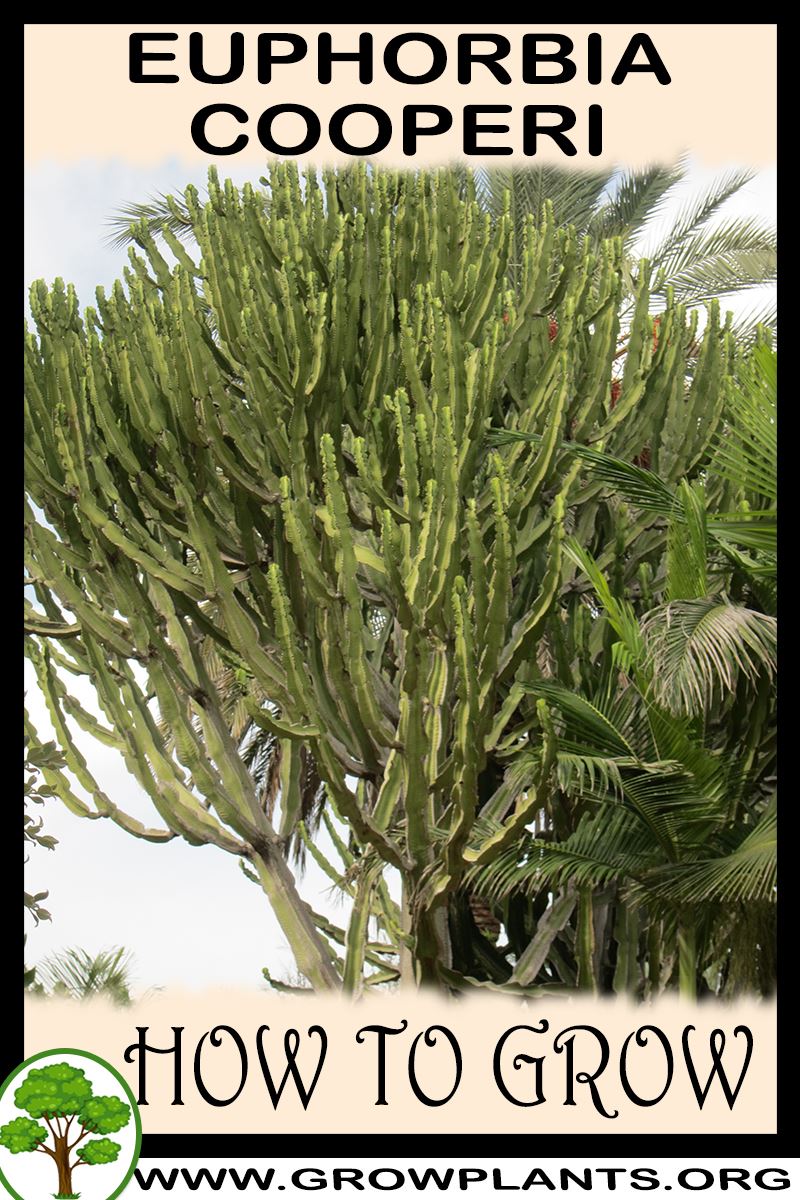
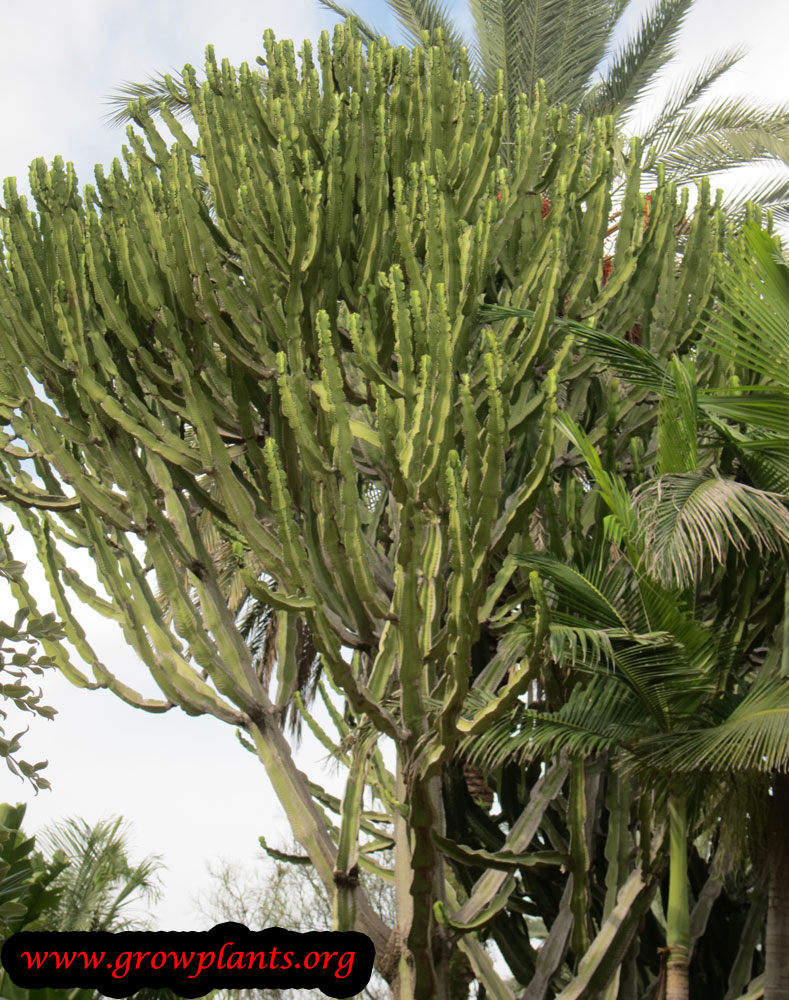
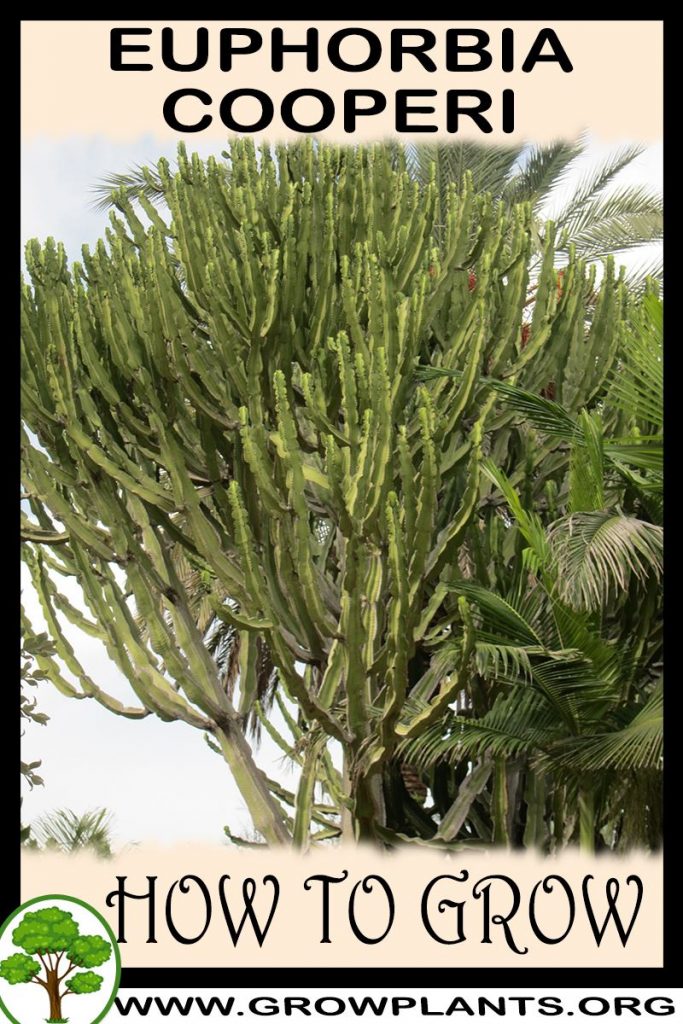
Overview: A tree-like candelabra succulent reaching 2-7 m, with tiered green spiny segmented branches. It is grown as a bold architectural, drought-tolerant ornamental.
Quick Specifications
| Specification | Attribute |
|---|---|
| Plant Type / Life Cycle | Perennial (succulent) |
| Foliage Type | Evergreen (stem-succulent) |
| Mature Size | 2-7 m (6-21 ft) tall |
| Growth Rate | Slow |
| Toxicity | Toxic – the milky latex is highly caustic to skin and eyes |
| Hardiness | USDA zones 10-12 |
Growth Form & Structure
- Height & Spread: 2-7 m (6-21 ft); container-grown only while young.
- Growth Habit & Form: A candelabra-form succulent tree with tiered, constricted (pipe-like) segmented branches.
- Lifespan & Maturity: Slow-growing and long-lived.
Anatomy & Physical Features
- Stem & Spines: Erect green segmented stems with spines along the ridges.
- Flower Characteristics: Yellow-green flowers borne at the stem tips near the spines, in autumn.
Primary Uses & Landscape Value
- Functional & Ornamental Roles: Architectural specimen and drought-tolerant ornamental for warm, dry gardens.
Care Guide: Planting, Soil & Watering
Overview: Euphorbia cooperi is a large candelabra-form succulent that needs sharply draining soil and full sun. Highly drought-tolerant, it tolerates long dry spells and must be kept on the dry side.
Quick Care Requirements
| Requirement | Ideal Condition |
|---|---|
| Planting Season | Warm season – spring and summer |
| Growth Rate | Slow |
| Soil Type | Sandy, sharply draining |
| Water Need | Low |
Planting & Establishment
- Best Planting Season: Plant in the warm season, spring and summer.
- How to Plant:
- Hole Preparation: Make a hole just large enough for the root ball, loosening the surrounding soil for drainage.
- Soil Amendments: Blend in plenty of coarse sand and grit; avoid rich, water-holding soil.
- Planting Depth: Set the plant at the depth it was growing, keeping the stem base at soil level.
- Growth Speed & Expectations: Slow, but eventually a tall, tree-like candelabra – allow space and support heavy stems.
Soil, Watering & Drainage Care
- Soil Mix & Drainage Needs: Fast-draining sandy/mineral mix; grows in a container with drainage holes while young or size-restricted.
- Watering Schedule & Technique:
- Young / Newly Planted: Water lightly and infrequently while the roots establish.
- Established: Water sparingly – soak, then let the soil dry out fully before watering again; it survives long droughts.
- Seasonal Adjustments: Keep nearly dry in winter; water occasionally during summer growth.
Climate, Light & Hardiness
Euphorbia cooperi (Bushveld candelabra euphorbia) is a tall, drought-tolerant succulent suited to Mediterranean, desert, and subtropical climates in full sun. It is adapted to hot, dry conditions and is not cold hardy.
Quick Climate Specifications
| Climate Zones | Mediterranean, Desert, Subtropical |
|---|---|
| USDA Hardiness Zones | 10–12 |
| Frost Tolerance | Low |
| Light Conditions | Full Sun |
Sunlight & Light Exposure
Optimal Light Setup
Requires full sun to maintain healthy, upright candelabra-form growth.
Direct Sun Requirement
Needs direct sun for most or all of the day.
Temperature Extremes & Hardiness
USDA Hardiness & Regional Limits
Suited to zones 10–12, where winters stay mild; cold limits outdoor cultivation outside this range, and in cooler climates it is best container-grown and sheltered over winter.
Cold Damage & Winter Protection
Not documented as frost hardy on this site; as a warm-climate succulent it should be protected from freezing temperatures.
Extreme Heat Tolerance
Very tolerant of prolonged heat and drought, staying dry most of the time between waterings even in its native conditions.
Growing in Pots, Balconies & Indoors
Euphorbia cooperi grows into a tall candelabra tree, so it isn’t a houseplant. A young plant can be kept in a big tub in the brightest, sunniest spot while small.
Quick Details
- Container Size: A pot only 20-50% wider than the root ball – roots stay shallow, so width matters more than depth
- Indoor Suitability: Not a houseplant – a candelabra tree; only a young plant suits a container
- Best Spot: Full sun
- Soil & Drainage: Gritty, fast-draining cactus/succulent mix – potting soil with extra perlite, coarse sand or lava grit; never soggy
- Watering in Pots: Sparing – let the mix dry between waterings; overwatering is the main killer in pots
Indoors & On the Windowsill
- Too large for indoors: Euphorbia cooperi grows into a tall candelabra tree, so it isn’t a houseplant. A ready-made cactus and succulent soil mix provides that structure without mixing it yourself. A young plant can be kept in a big pot in the brightest, sunniest spot, ideally outdoors, and moved under cover only to escape cold.
- Overwintering indoors: Most of these are tender – in cold climates a pot lets you bring it into a bright, frost-free room for winter, kept nearly dry until warmth and light return.
On a Balcony or Patio
- Light & warmth: Give it the brightest, warmest corner – sunny walls and paving throw back the heat these desert plants love. Pots dry faster there, so check the mix, but still water sparingly. Shelter tall or top-heavy stems from strong wind.
- Practicalities: Use a stable, heavy-based pot for tall specimens, and make sure drainage water runs away freely rather than pooling under the pot.
Choosing the Pot, Soil & Long-Term Care
- Pot & drainage: A clay pot 20-50% wider than the root ball (roots stay shallow) with strong drainage holes; skip a standing-water saucer to avoid root rot. Terracotta breathes and dries faster than glazed or plastic – ideal for a succulent.
- Potting mix: A fast-draining cactus mix – potting soil loosened with plenty of perlite, coarse sand or lava grit, with a layer of gravel or small stones at the base.
- Feeding: Feed lightly – a dilute, low-strength cactus feed once or twice through the warm growing season; nutrients leach from pots faster than open ground.
- Repotting: Refresh the mix and pot up every few years; these are slow-growing, so they rarely need it more often.
Fertilizing & Feeding
A light feeder: this large, slow-growing candelabra-form succulent is adapted to staying dry most of the time and needs only occasional diluted feeding while actively growing.
Quick Fertilizing Specs
| Feeding Level | Light feeder |
|---|---|
| Main Nutrient Priority | Low-nitrogen feeding that supports slow, sturdy stem growth without forcing soft tissue |
| Best Feeding Period | Spring through summer while new stem segments are forming |
| Organic Options | Not typically needed; a very lean, fast-draining soil suits this species better than rich organic matter |
| Reduce/Stop Feeding | Withhold fertilizer once growth slows and the plant returns to its normal dry, resting state |
| Micronutrients | Usually unnecessary in well-drained soil; correct only a diagnosed deficiency |
| Soil pH | Prefers sharply drained soil that stays dry most of the time |
Feeding by Growth Stage
Warm-season active growth
Support new candelabra-form stem growth on this large, slow-growing succulent without weakening its structure.
| Nutrient direction | A diluted, low-nitrogen cactus or succulent fertilizer applied sparingly while new stem growth is visible. |
|---|---|
| Timing | Through the warm growing season when new stem segments are actively forming. |
| Frequency | An occasional light feeding is enough for this naturally slow-growing plant. |
| Fertilizer types | A diluted, low-nitrogen cactus or succulent fertilizer, A very lean, fast-draining soil as the growing medium |
| Precautions | Feed sparingly – overfeeding can produce soft, structurally weak stem growth on a plant whose form depends on slow, sturdy development. Wear gloves; the sap and spines are hazardous. |
Dry-season rest
Let the plant return to its normal dry, resting state without pushing new growth.
| Nutrient direction | None – withhold fertilizer while the plant is in its typical dry, resting state. |
|---|---|
| Timing | During the plant’s normal extended dry period, when it is not producing new growth. |
| Frequency | No feeding at this stage; resume light feeding only once new stem growth is clearly underway. |
| Fertilizer types | No feeding at this stage; hold off fertilizing until active growth resumes. |
| Precautions | Do not fertilize now – this species is adapted to staying dry most of the time, and feeding without active growth risks salt buildup around the roots. |
Nutrient Deficiency Signs & Corrections
Dull, pale coloring on stems and little to no new segment growth during the warm season.
| Possible causes | very lean soil with little available nitrogen, soil that has never been amended or fed, root stress limiting nutrient uptake |
|---|---|
| Appears first on | the newest stem segments and overall coloring |
| What to check | recent feeding history, how lean or sandy the soil is, root health and drainage |
| Possible correction | Apply a diluted, low-nitrogen cactus fertilizer during active growth. |
New stem growth emerges pale yellow-green while older, established stems stay a deeper green.
| Possible causes | alkaline or high-pH soil limiting iron availability, waterlogged or poorly drained soil, recent root disturbance |
|---|---|
| Appears first on | the newest stem growth |
| What to check | soil drainage and how quickly it dries, soil pH, recent transplanting or root disturbance |
| Possible correction | Correct drainage first, then apply a chelated iron product per its label if pale new growth persists. |
Stem base softens, discolors, or collapses despite the plant otherwise appearing to be fed normally.
| Possible causes | overwatering a species adapted to staying dry most of the time, poorly drained soil holding excess moisture around the roots, fertilizing during the dry rest period, encouraging watering that keeps soil too wet |
|---|---|
| Appears first on | the stem base and root zone |
| What to check | watering frequency relative to this species’ dry preference, soil drainage and container drainage holes, whether feeding or watering continued during the rest period |
| Possible correction | This is a watering and drainage issue, not a feeding one – reduce watering and improve drainage rather than adjusting fertilizer. |
Pruning, Training & Seasonal Maintenance
Euphorbia cooperi is a large, slow-growing candelabra-form succulent that can reach 2–7m, built from segmented, upright stem “arms.” Its own care notes describe removing arms that start growing sideways or horizontally to preserve the intended candelabra silhouette. Given its slow growth and eventual tree-like size, pruning should be infrequent and deliberate – cuts are essentially permanent features of the plant’s shape for years, and its caustic latex sap is a genuine hazard on a plant this size, especially when working overhead.
Quick Pruning & Maintenance Specs
| Pruning Tolerance | Low |
| Primary Pruning Window | Winter, once the Autumn bloom has passed |
| Typical Frequency | Occasional/infrequent design correction, not routine |
| Main Objective | Preserve the upright candelabra silhouette by removing arms that turn sideways/horizontal |
| Young Plant Priority | Minimal – allow the candelabra branching pattern to establish naturally |
| Mature Plant Priority | Selective removal of errant horizontal/side arms |
| Best Tool Type | Loppers to pruning saw by arm thickness; pole pruner for upper growth on tall specimens |
| Avoid Heavy Pruning During | Active Spring/Summer growth and the Autumn bloom |
Pruning by Plant Age & Size
Newly Established
No pruning while the plant establishes.
Young / Formative
No formal training – its multi-armed candelabra habit is entirely natural; simply monitor as arms develop.
Mature / Established
As the plant grows toward its eventual 2–7m size, remove any arm that has started growing sideways or horizontally rather than upright, per its own guidance, to keep the intended form.
Seasonal Pruning Schedule
Dormant / Winter
Objective: correct the silhouette with minimal stress, once the Autumn bloom has finished. Remove: errant sideways/horizontal arms. Do not remove: upright arms growing true to the candelabra form. Expected response: none – corrected growth does not resume from that point; the plant’s overall form simply reads cleaner. Flowering impact: none, since this window falls after that season’s bloom has already concluded.
Structural Pruning & Training
The entire structural task is silhouette maintenance: removing arms that deviate from the upright candelabra form. This is corrective and selective, not routine shaping.
Special Growth to Remove
Sideways or horizontal-growing arms specifically, per its own guidance. No suckers or watersprouts are relevant.
Container & Small-Space Pruning
Young specimens can be grown in containers, but given its eventual large, tree-like size, container culture is really a juvenile nursery-stage arrangement rather than a long-term option.
Tools
Loppers for thinner arms; a pruning saw for thick, established arms on a mature specimen; a pole pruner to reach upper arms safely without close overhead contact with the latex; blade disinfectant to wipe the blade of caustic sap residue after each cut.
Tool Hygiene & Disease Risk
Routine for pathogens, but treat every cut as a significant latex-safety event on this species – the sap is notably caustic, so use full skin and eye protection, avoid overhead drips, and clean sap residue from tools after use, especially before storing them.
Cut Placement & Technique
Remove an errant arm at its point of origin/junction rather than partway along its length, for the cleanest long-term appearance.
Heavy Pruning & Rejuvenation
Not tolerated – this is a slow-growing architectural plant, and heavy or repeated cutting leaves a permanent gap in the silhouette for many years. Limit intervention to the occasional single-arm correction described above, never a broad rejuvenation cut.
Post-Pruning Care
Keep cut surfaces out of direct hot sun briefly to callus; avoid getting water directly on fresh cuts; thoroughly wash any skin or eye contact with the sap immediately.
Common Pruning Mistakes
- Pruning during active spring/summer growth or while still in autumn bloom, causing unnecessary stress and sap loss.
- Working overhead on a tall specimen without eye protection, given the caustic sap.
- Removing the wrong arm and permanently distorting the candelabra silhouette, since corrected growth does not regenerate from that point.
When NOT to Prune
Avoid pruning during active growth or while flowering, and avoid pruning whenever there is any risk of sap contact without proper protective equipment on hand.
Recommended Tools (by task)
- loppers – thinner arms.
- pruning_saw – thick, established arms.
- pole_pruner – upper arms on tall, mature specimens.
- blade_disinfectant – caustic sap cleanup between cuts.
Propagation Guide
Euphorbia cooperi, like other columnar candelabra-type Euphorbias, is easiest to start from stem cuttings — the site notes vegetative propagation is easier than seed, though not required to keep the plant’s typical form. Seed is a slower alternative. Propagation is easy from cuttings.
Quick Propagation Specs
| Best Propagation Method | Stem cuttings |
| Alternative Methods | Seed |
| Propagation Difficulty | Easy |
| Seed True-to-Type | Usually true-to-type |
| Vegetative True-to-Type | Yes |
| Best Propagation Season | Spring to summer |
Growing from Seed
Sow in spring or summer in a well-drained soil, kept only lightly moist — this species tolerates dry conditions and is sensitive to overwatering.
Stem Cuttings
Remove a stem section and let the cut surface callus (dry and heal) in a shaded, dry location before potting — do not insert a fresh cut directly into soil. Once callused, pot into a well-drained mix, water sparingly, and keep in shade until established before gradually moving into full sun. Wear gloves when handling — the sap is poisonous and irritating to skin, and the stems are spined.
Bloom & Flower Guide
Quick Details
- Bloom Season: Autumn
- Flower Appearance: Yellow-green flower clusters at the tops of the stems, next to the spines
- Edibility: Not edible; the milky sap is strongly caustic
Detailed Blooming Overview
The bushveld candelabra euphorbia is grown for its bold, tiered stems, and it flowers in autumn. Yellow-green flower clusters appear toward the tops of the stems, close to the spines. The milky latex of this species is particularly caustic, so the plant is admired for its form and handled with real caution.
Flower Characteristics
- Yellow-green flower clusters borne near the tops of the stems, next to each spine
Bloom Care & Thinning
- Managing the bloom: No thinning or deadheading is needed.
- Safety: Wear gloves and eye protection; this species’ sap is strongly caustic to skin and eyes and toxic if swallowed.
- Pollination: By insects drawn to the nectar glands.
Pests, Diseases & Troubleshooting
Overview: The Bushveld candelabra euphorbia (Euphorbia cooperi) is, like most of the genus Euphorbia, far more often lost to cultural mistakes than to pests. Its worst enemy is overwatering, which triggers fast-moving stem and root rot; the sap-sucking pests it does attract (mealybugs, spider mites and scale) hide in ribs, spines and at the soil line. Manage it culturally first with a gritty free-draining mix, cautious watering and good light, and reach for sprays only when a problem is confirmed.
Quick Troubleshooting Overview
| Issue / Pest | Main Symptom | Primary Solution |
|---|---|---|
| Overwatering / root & stem rot | Soft, blackening, collapsing base or stems; foul smell | Dry out; cut back to firm tissue; improve drainage |
| Mealybugs | White cottony fluff in crevices, spines and at soil line | Spot-treat with alcohol; neem/insecticidal soap; check roots |
| Spider mites | Fine stippling, dull skin, webbing in dry heat | Raise humidity/airflow; horticultural oil or miticide |
| Scale | Brown/tan bumps on stems that don’t rub off; sticky honeydew | Scrape off; horticultural oil; systemic if heavy |
| Latex burns (handling) | Skin/eye irritation from cut sap | Wear gloves & eye protection; wash off promptly |
Common Pests & Management
- Mealybugs, incl. root mealybug (Pseudococcus & Rhizoecus spp.):
- Symptoms: Soft white, cottony tufts tucked into ribs, spine cushions, branch junctions and the growing point; sticky honeydew and sooty mould follow. Root mealybugs hide below soil as a white, mealy crust on roots and inside the rootball, causing unexplained stalling and slow decline — always suspect them when a euphorbia sulks with no pest visible above ground.
- Prevention & Control: Inspect crevices and roots at every repot; isolate new plants. Dab colonies with a cotton bud dipped in isopropyl alcohol, then follow with neem or insecticidal soap, repeating every 7–10 days. For root mealybug, bare-root, wash the roots, drench with a soil-applied systemic and repot into fresh gritty mix in a clean pot.
- Spider mites (Tetranychus urticae):
- Symptoms: Fine pale stippling and a dull, bronzed skin, worst in hot dry air; in bad cases fine webbing over the growing tips. On green-stemmed cactiform species the damage shows as permanent russet scarring.
- Prevention & Control: Raise humidity and airflow and avoid heat-stress. Rinse the plant, then apply horticultural oil or a labelled miticide, repeating to catch newly hatched mites; rotate actives to avoid resistance. Predatory mites work well in enclosed spaces.
- Scale insects (soft & armoured — Coccus, Diaspis spp.):
- Symptoms: Fixed brown, tan or grey bumps along stems and in rib grooves that do not rub off like dirt; soft scales weep honeydew and blacken the plant with sooty mould. Cactiform stems can carry heavy colonies hidden along the ridges.
- Prevention & Control: Scrape or wipe off with an alcohol-dampened cloth, then coat with horticultural oil to smother crawlers, repeating over several weeks. A soil-applied systemic helps with stubborn armoured scale on woody stems.
- Aphids (Aphis & Macrosiphum spp.):
- Symptoms: Soft green, black or yellow insects clustered on tender new shoots, leaves and flower heads; distorted growth, sticky honeydew and sooty mould. Colonies build fast in mild, sheltered conditions.
- Prevention & Control: Dislodge with a firm jet of water, encourage ladybirds and lacewings, and spray insecticidal soap or neem to the undersides of the growth if numbers climb. Avoid heavy nitrogen feeding, which fuels soft, aphid-prone growth.
- Fungus gnats (Bradysia spp.):
- Symptoms: Small dark flies running over the soil surface; their larvae feed on roots and organic matter in constantly damp mix, weakening seedlings and rot-prone succulents. Their presence is itself a warning that the mix is too wet.
- Prevention & Control: Let the surface dry between waterings, top-dress with grit or sand, and use yellow sticky traps. A Bacillus thuringiensis var. israelensis (Bti) drench or beneficial nematodes clears the larvae.
Diseases & Fungal Issues
- Root, basal & stem rot (Pythium, Phytophthora, Fusarium, Rhizoctonia):
- Symptoms: The number-one killer of this plant. Soft, water-soaked, blackening tissue at the base or along a stem, often with a foul smell; the rot travels upward or downward and can collapse the whole plant within days. Usually starts from cold, wet, airless soil or a wound.
- Treatment & Management: Prevent it — a gritty, sharply draining mix, a pot with drainage, warmth and restrained watering. At the first soft patch, cut back to clean firm tissue with a sterile blade, dust the wound, let it callus, and re-root the healthy top if the base is lost. Drench survivors sparingly; a biofungicide (Bacillus/Trichoderma) helps protect fresh roots.
- Fungal stem & leaf spot (Cercospora, Alternaria spp.):
- Symptoms: Sunken tan, brown or black spots and blotches on stems or leaves, sometimes with concentric rings or a yellow halo; favoured by overhead water sitting on the plant and by poor airflow.
- Treatment & Management: Improve ventilation, keep water off the stems, and remove affected parts with a sterile blade. A copper fungicide checks spread in persistent cases; avoid misting.
- Powdery mildew (Oidium / Podosphaera spp.):
- Symptoms: A white powdery bloom on leaves and soft stems, with yellowing and distortion beneath, in humid but still air with big day/night swings.
- Treatment & Management: Open up airflow and space plants, avoid shade and overhead water, and spray sulfur, potassium bicarbonate or a biofungicide at the first sign (avoid sulfur in high heat, which can scorch the plant).
Growing Difficulties & Abiotic Problems
- Overwatering (root & stem rot — the killer):
- Cause & Symptoms: Soggy, airless soil starves and drowns the roots; the base yellows, softens and blackens, and the plant collapses. This, not any pest, is what kills most of these euphorbias.
- Correction Strategy: Use a gritty, mineral-rich free-draining mix and a pot with a drainage hole, water only when the mix has dried, and cut watering right back in cool or dim conditions.
- Sunburn & etiolation (light problems):
- Cause & Symptoms: A sudden move into fierce direct sun scorches the skin with pale or brown corky patches that never heal; too little light does the opposite — pale, thin, stretched (etiolated) growth that leans and topples.
- Correction Strategy: Give bright light but acclimatise gradually to strong sun over a couple of weeks, and shade during the fiercest midday heat. Increase light slowly to firm up drawn growth.
- Edema (oedema):
- Cause & Symptoms: Corky bumps or blisters on stems/leaves when roots take up water faster than the plant transpires it, in cool humid spells with wet soil.
- Correction Strategy: Water less during dull, humid weather, improve airflow and warmth, and avoid watering late in the day.
- Natural corking / basal browning:
- Cause & Symptoms: Firm, dry, tan-to-grey bark forming at the oldest base of a columnar stem — a normal ageing process, not rot. It is dry and hard, unlike the soft wet blackening of rot.
- Correction Strategy: None needed; simply distinguish this harmless firm corking from soft, smelly rot before acting.
- Cold & chilling damage:
- Cause & Symptoms: These are frost-tender plants; cold snaps or cold draughts cause translucent, water-soaked, then browning tissue, soft collapse and leaf drop, and open the door to rot.
- Correction Strategy: Keep above about 10–13°C, well away from cold glass and draughts, and keep the plant dry when cool.
- Caustic milky latex (handling hazard):
- Cause & Symptoms: Every part of the plant bleeds a white latex when cut, snapped or bruised. On skin it causes burning, redness and blistering; splashed in the eye it can cause intense pain, inflammation and, in severe cases, temporary or lasting vision damage. It is also toxic if ingested by people or pets.
- Correction Strategy: Always wear nitrile gloves and eye protection when pruning, repotting or taking cuttings; keep the plant away from the face and never rub your eyes while handling it. Seal cut cuttings by rinsing or blotting the latex, work out of reach of children and animals, and wash skin and tools immediately with soap and water. If latex contacts the eye, flush with water and seek medical advice.
What Helps — Products & Tools
For this euphorbia the useful kit is simple: isopropyl alcohol and neem or insecticidal soap for mealybugs, scale and aphids; horticultural oil or a miticide for spider mites; yellow sticky traps and a Bti drench for fungus gnats; a copper fungicide for stem spot; and, above all, a gritty free-draining mineral mix with a biofungicide to prevent the rot that does the real damage. Always wear gloves and eye protection because of the caustic latex.