
Plant Profile & Key Characteristics
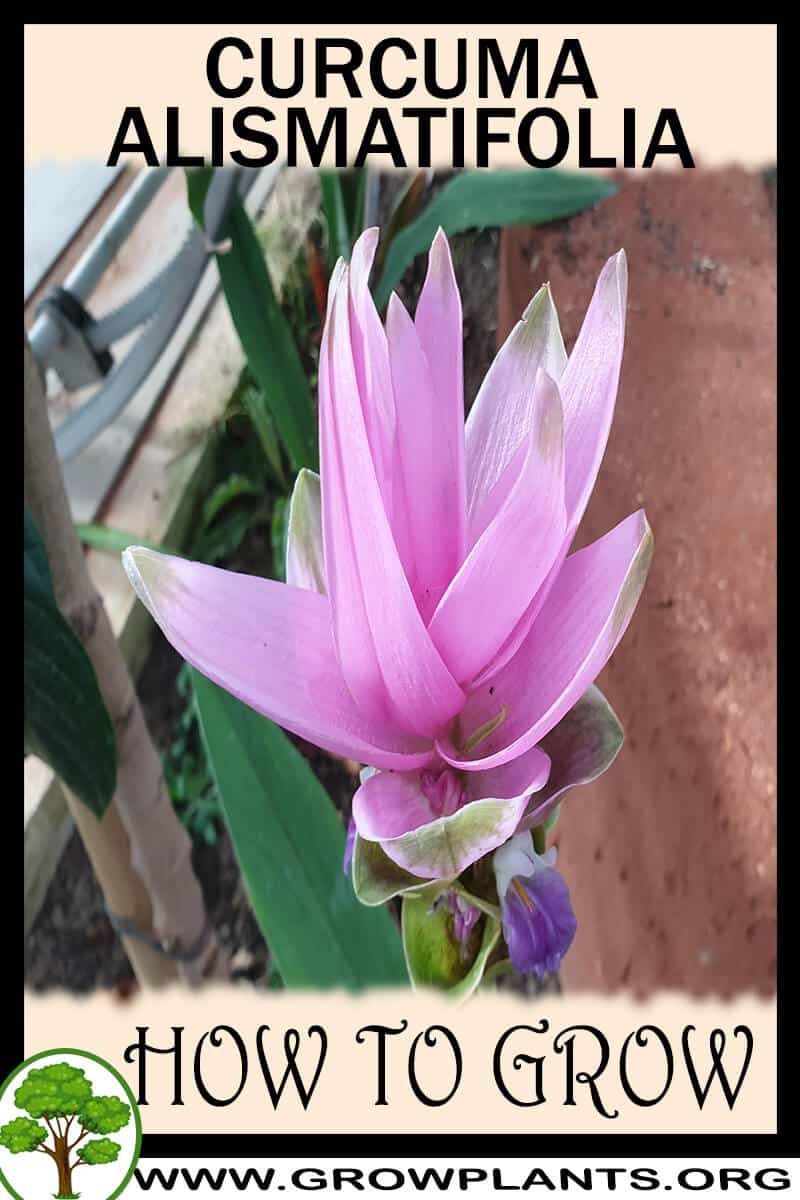
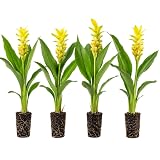
Overview: Curcuma alismatifolia (Siam tulip) is a fast- to moderate-growing herbaceous perennial about 0.5-1.5 m (20-60 in) tall, grown from rhizomes. It is prized as an ornamental and cut flower for its long-lasting pink-and-purple tulip-like blooms.
Quick Specifications
| Specification | Attribute |
|---|---|
| Plant Type / Life Cycle | Perennial (herbaceous, rhizomatous) |
| Foliage Type | Evergreen to semi-deciduous (dies back in a cool dry season) |
| Mature Size | 0.5-1.5 m (20-60 in) tall |
| Growth Rate | Fast to moderate |
| Root System | Rhizomatous (fleshy underground rhizomes / tubers) |
| Hardiness | USDA zones 9b+ |
Growth Form & Structure
- Height & Spread: A clumping plant 0.5-1.5 m (20-60 in) tall from underground rhizomes; grows well in the ground, in containers, or indoors.
- Growth Habit & Form: An upright, clump-forming herbaceous perennial with narrow leaves and tall flower stalks.
- Lifespan & Maturity: Perennial; goes dormant in the cool dry season and re-shoots from rhizomes.
Anatomy & Physical Features
- Leaves & Foliage: Narrow to lance-shaped green leaves rising in a clump.
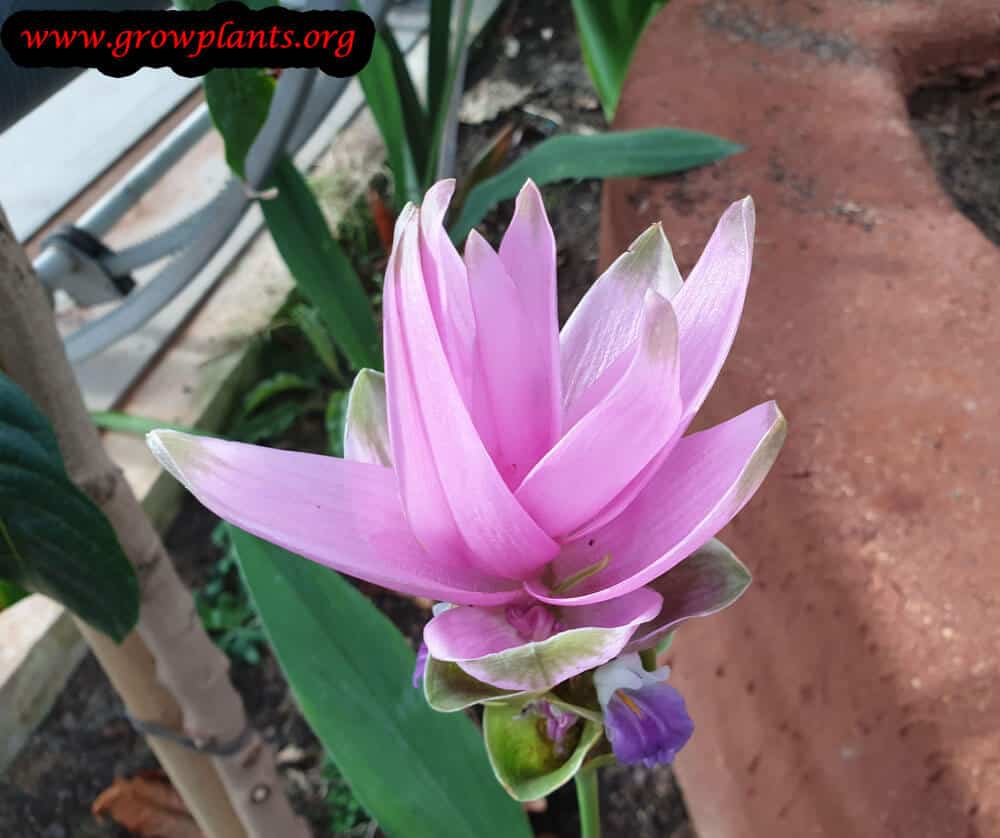
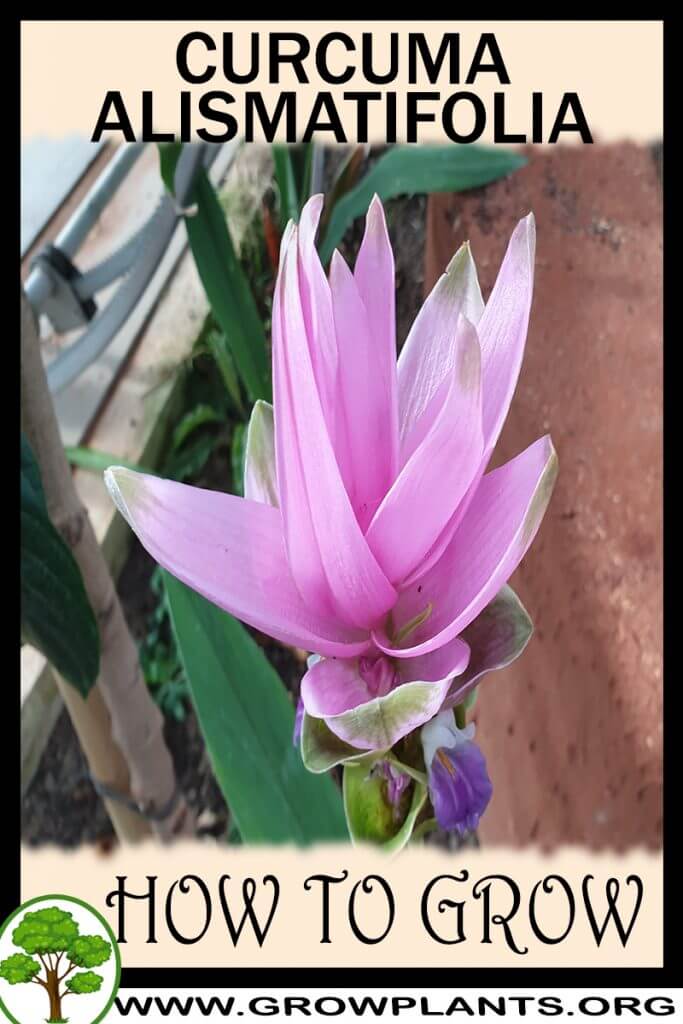
- Flower Characteristics: Tulip-like flower spikes with showy white, pink or purple bracts over green beehive-like bracts.
Primary Uses & Landscape Value
- Functional & Ornamental Roles: Ornamental and long-lasting cut flower; grown in borders, containers and as a houseplant.
Care Guide: Planting, Soil & Watering
Overview: Curcuma alismatifolia (Siam tulip) is a tropical rhizome plant that loves warmth, humidity and a rich, moisture-retentive soil in partial to full shade. Keep the soil consistently moist through the growing season and protect it from frost.
Quick Care Requirements
| Requirement | Ideal Condition |
|---|---|
| Planting Season | In the warm season, spring through autumn (frost-free, ~zone 9b+) |
| Growth Rate | Moderate to fast |
| Soil Type | Rich, humus-heavy and moisture-retentive yet well-draining |
| Water Need | Moderate to high – keep evenly moist in growth |
Planting & Establishment
- Best Planting Season: Plant rhizomes in the warm season once the soil has warmed; they need a frost-free, sheltered spot.
- How to Plant:
- Hole Preparation: Plant rhizomes a few cm deep in loosened, richly amended soil.
- Soil Amendments: Blend in plenty of compost and organic matter for fertility and moisture retention.
- Planting Depth: Set rhizomes about 5 cm deep with the growth buds facing up.
- Growth Speed & Expectations: Moderate to fast in warmth; foliage clumps to 0.5-1.5 m (20-60 in) and dies back in the cool season.
Soil, Watering & Drainage Care
- Soil Mix & Drainage Needs: A rich but free-draining mix that holds moisture without waterlogging; grows well in pots with drainage holes and as a houseplant.
- Watering Schedule & Technique:
- Young / Newly Planted: Keep the soil moist and warm while shoots emerge.
- Established: Water freely during active growth to keep the soil evenly moist; high humidity helps.
- Seasonal Adjustments: Reduce watering as the foliage dies back into autumn/winter dormancy, then resume in spring.
Climate, Light & Hardiness
Curcuma alismatifolia is a tropical rhizomatous herb that needs consistently warm, humid, frost-free conditions and grows best in half to full shade rather than harsh direct sun. It is suited to USDA zone 9b and warmer as an outdoor perennial; further north it is typically grown as a container or greenhouse plant and allowed to go dormant over winter.
Quick Climate Specifications
| Climate Zones | Tropical, subtropical, Mediterranean, temperate (as a dormant container/houseplant bulb) |
|---|---|
| USDA Hardiness Zones | 9b+ |
| Approx. Survival Minimum | Above 0°C (32°F) – site data specifies frost-free conditions are required |
| Frost Tolerance | None |
| Light Conditions | Half Shade to Full Shade |
Sunlight & Light Exposure
Optimal Light Setup
Bright, filtered light in half to full shade, similar to other tropical understory gingers.
Direct Sun Requirement
Not required; site data favors half to full shade over full sun.
Shade & Heat Management
Provide shade from harsh midday sun, particularly outside genuinely humid tropical climates.
Best Exposure / Orientation
A sheltered, shaded spot, such as beneath taller plants or on a covered patio, suits it well.
Temperature Extremes & Hardiness
USDA Hardiness & Regional Limits
Reliable outdoors only in USDA zone 9b and warmer per site data; in colder zones it must be container-grown and brought under cover for winter, or grown as a seasonal plant with the rhizome lifted and stored dry.
Cold Damage & Winter Protection
Strictly frost-free conditions are required per site data. Below zone 9b, lift and store the rhizome in a dry, frost-free place over winter, much as is done with other tropical geophytes such as canna or dahlia.
Frost Sensitivity
None – any frost is likely to be fatal to top growth and can damage or kill the rhizome, per the site's own care notes.
Extreme Heat Tolerance
Good, being a genuine tropical species, provided humidity and soil moisture are maintained.
Frost-Free Growing Season
Outside zone 9b+, treat as a warm-season container or bedded-out bulb: plant only after all frost danger has passed and lift again before autumn frost; a long, warm frost-free period is needed for good flowering.
Wind, Humidity & Microclimate
Humidity Preferences
High – this tropical rhizome thrives with high ambient humidity, reflecting its native monsoon-forest origin.
Dry-Air Tolerance
Low – dry air, especially combined with heat, stresses the foliage.
Wind Tolerance
Low – the broad leaves can be damaged by strong wind, so a sheltered position is preferable.
Rainfall & Seasonal Moisture
Native to monsoon climates with a distinct wet growing season followed by a cooler, drier dormant period during which the rhizome rests; mimic this wet-summer, dry-winter pattern in cultivation.
Microclimate Recommendations
A warm, humid, sheltered, shaded spot that is never exposed to frost gives the best results; in marginal climates, grow in a container that can be moved under cover for winter.
Growing in Pots, Balconies & Indoors
The Siam tulip (Curcuma alismatifolia) is a tropical rhizome (0.5-1.5 m / 20-60 in) grown for its long-lasting pink bracts. The grower lists it as suitable indoors, and since it prefers half to full shade it adapts well to bright indoor light; it also makes a superb container plant for a warm, shaded patio or balcony.
Quick Details
- Container Size: A medium pot with room for the rhizomes; give depth for the fleshy roots
- Indoor Suitability: A good houseplant in bright, indirect light
- Best Spot: Half shade to full shade – avoid strong direct sun
- Soil & Drainage: Rich, moisture-retentive but well-drained potting mix
- Watering in Pots: Average to plenty while in growth; keep it moist but free-draining
Indoors & On the Windowsill
- Houseplant use: The grower confirms it indoors. Give it bright, indirect light and warmth; it flowers through the warm season and makes a striking pot plant.
- Seasonal dormancy: It naturally dies down and rests in the cool season – reduce watering as the foliage fades and keep the rhizomes barely moist and warm until they reshoot; don’t mistake dormancy for death.
- Overwintering: Tender – through the cool dormant period keep the pot warm and dryish indoors; resume watering when new shoots appear.
On a Balcony or Patio
- Light & warmth: A warm, sheltered, part-shaded balcony or patio suits it; keep it out of hot direct sun and cold winds. Move it under cover as temperatures fall in autumn.
- Practicalities: Keep the mix moist in the growing season and freely draining so the rhizomes never rot.
Choosing the Pot, Soil & Long-Term Care
- Pot & drainage: A medium pot with strong drainage holes; skip a standing-water saucer to protect the rhizomes from rot.
- Potting mix: Rich, moisture-retentive but free-draining – potting mix with organic matter.
- Feeding: Potted plants exhaust and leach nutrients faster than those in the ground, so feed lightly during active growth – more often than you would in open soil. Feed through the growing season and stop as it goes dormant.
- Repotting: Refresh the mix and divide congested rhizomes every couple of years, ideally at the start of the growing season.
Fertilizing & Feeding
A moderate feeder while its leafy shoots and beehive-like flower spikes are actively growing from the rhizome, with feeding stopped entirely once the foliage dies back for its dormant rest.
Quick Fertilizing Specs
| Feeding Level | Moderate feeder during active growth |
|---|---|
| Main Nutrient Priority | Balanced feeding early, shifting toward potassium as flower spikes form |
| Best Feeding Period | From shoot emergence through flowering |
| Organic Options | Rich, humidity-retentive soil with organic matter worked in |
| Reduce/Stop Feeding | Feeding stops as foliage yellows and the rhizome enters its dormant rest |
Feeding by Growth Stage
Shoot emergence and leaf growth
Fuel new leafy shoots as they emerge from the rhizome and build the plant’s energy reserves for flowering.
| Nutrient direction | A balanced fertilizer with adequate nitrogen supports strong leaf growth as new shoots emerge. |
|---|---|
| Timing | As new shoots emerge in the warm season. |
| Frequency | A light feeding as growth resumes, repeated if leaf growth looks thin. |
| Fertilizer types | A balanced complete fertilizer, Organic matter worked into rich, humidity-retentive soil |
| Precautions | This tropical plant is frost sensitive; hold off feeding until the soil has warmed and new growth is clearly underway. |
Flower spike development and bloom
Support the tall, colorful bract-covered flower spikes through their bloom period.
| Nutrient direction | Shift toward a potassium-supportive, balanced feeding as flower spikes develop to support strong stems and bract color. |
|---|---|
| Timing | As flower spikes emerge and open, mid to late summer. |
| Frequency | A light feeding at spike formation is usually enough to carry the plant through bloom. |
| Fertilizer types | A balanced fertilizer with a potassium-supportive formulation |
| Precautions | Avoid heavy nitrogen at this stage, which favors leafy growth over strong flower spikes. |
Foliage dieback and rhizome dormancy
Let the plant redirect energy into the rhizome as foliage yellows and dies back for its dormant rest.
| Nutrient direction | None – withhold fertilizer once foliage begins to yellow and die back for dormancy. |
|---|---|
| Timing | From the end of the growing season through the dormant rest period. |
| Frequency | No feeding during this stage. |
| Fertilizer types | No feeding at this stage; do not fertilize while the rhizome is dormant. |
| Precautions | Do not fertilize dormant rhizomes; keep them dry and protected from cold until new shoots appear again. |
Nutrient Deficiency Signs & Corrections
New shoots emerge pale or yellow-green with fewer, smaller leaves than expected.
| Possible causes | low available soil nitrogen, poor or unamended soil at planting, rhizomes planted in overly lean growing media |
|---|---|
| Appears first on | newly emerging shoots |
| What to check | soil richness and organic matter, recent feeding history, rhizome age and crowding |
| Possible correction | Work in a balanced fertilizer and organic matter early in the growing season and watch for stronger regrowth. |
Leaf margins scorch or brown and flower spikes are weak or fewer than expected.
| Possible causes | low soil potassium, heavy nitrogen feeding without balancing potassium, leaching in light or sandy growing media |
|---|---|
| Appears first on | older leaf margins |
| What to check | recent fertilizer balance, growing media texture and drainage, watering consistency |
| Possible correction | Shift to a potassium-supportive balanced fertilizer as flower spikes form and avoid excess nitrogen. |
New leaves emerge yellow while the veins remain green.
| Possible causes | soil pH outside the range that keeps iron available, waterlogged soil limiting root uptake, cool soil temporarily slowing nutrient uptake in this tropical plant |
|---|---|
| Appears first on | newest emerging leaves |
| What to check | soil pH, drainage, soil temperature relative to the plant’s warm-season preference |
| Possible correction | Improve drainage, keep the plant warm, or apply a chelated iron product per its label. |
Pruning, Training & Seasonal Maintenance
Curcuma alismatifolia (Siam tulip) is a rhizomatous, evergreen-to-semi-deciduous geophyte, so pruning is minimal and purely sanitary – there’s no woody framework to shape. The plant’s own care notes place maintenance year-round rather than in one fixed window: dead leaves are removed as they appear. Because blooms emerge from buds on the underground rhizome rather than from retained top growth, removing spent foliage has no direct effect on flowering timing, but stripping green leaves early reduces the reserves the rhizome can bank for next season.
Quick Pruning & Maintenance Specs
| Pruning Tolerance | Low – sanitary removal only |
| Primary Pruning Window | Ongoing, all year, as dead leaves appear |
| Typical Frequency | As needed |
| Main Objective | Remove dead/spent foliage |
| Young Plant Priority | Leave all foliage intact while the rhizome establishes |
| Mature Plant Priority | Clear dead leaves to keep the clump tidy and reduce rot risk |
| Best Tool Type | Precision snips |
| Avoid Heavy Pruning During | Active growth, while foliage is still green and functioning |
Pruning by Plant Age & Size
Newly Established
No pruning beyond removing any leaves damaged during transplanting.
Young / Formative
No structural training applies – this is a clump-forming rhizomatous plant with no stem framework to train.
Mature / Established
Routine removal of spent or yellowing leaves; where the plant experiences a seasonal dieback (its evergreen/semi-deciduous habit varies with climate), clear collapsed foliage down to the base once it has fully died.
Seasonal Pruning Schedule
Ongoing Sanitary
Objective: keep the clump clean and reduce fungal or pest harborage in dead tissue.
Remove: fully brown or dead leaves, and spent flower stalks once a bloom has finished.
Do not remove: green, photosynthesizing leaves – they are actively recharging the rhizome for next year’s growth and bloom.
Expected response: none – purely cosmetic and sanitary.
Flowering/fruiting impact: none directly, but removing healthy green leaves too early would weaken the rhizome’s reserves for the next bloom cycle.
Special Growth to Remove
- Dead or yellowing leaves – cut at the base near the rhizome crown.
- Spent flower stalks – cut down to the base once the inflorescence has faded, taking care not to damage nearby emerging shoots.
Container & Small-Space Pruning
This plant is commonly grown in containers or as a houseplant. In a pot, remove dead leaves promptly – its preferred half-shade/full-shade, humid conditions and reduced airflow indoors or under cover make lingering dead tissue more likely to encourage rot than it would outdoors. Dividing or repotting the rhizome is a propagation task, not covered here.
Tools
Precision snips only – every cut is through soft leaf or flower-stalk tissue, never woody growth.
Tool Hygiene & Disease Risk
Routine. The plant’s known pest issue is borers, which are not spread via pruning cuts, so clean sharp snips are sufficient.
Cut Placement & Technique
Cut dead leaves at their base near the stem/rhizome crown. Cut spent flower stalks down to the base without disturbing nearby new shoots.
Heavy Pruning & Rejuvenation
Not applicable. There is no persistent above-ground structure to rejuvenate by hard cutting – the plant renews itself naturally each cycle from the rhizome, so no cutting back of living tissue is warranted.
Post-Pruning Care
Maintain the plant’s preferred moisture and humidity after removing old leaves. In consistently wet or humid conditions, check that cut bases aren’t sitting in standing water, which can encourage rot.
Common Pruning Mistakes
- Cutting back green foliage too early, before it has naturally died back, which reduces the rhizome’s vigor for the next cycle.
- Letting collapsed dead foliage sit and rot against the rhizome crown instead of clearing it.
When NOT to Prune
Avoid removing green leaves while the plant is actively growing or shortly after bloom – it is still charging the rhizome for the next cycle.
Recommended Tools (by task)
- Precision snips – the only tool needed, for clean removal of soft dead leaves and spent flower stalks at the base.
Propagation Guide
Curcuma alismatifolia (Siam tulip) is propagated almost exclusively by dividing its rhizome, which is quick, reliable, and keeps the plant true to type. Seed is possible but is rarely the practical choice for this rhizomatous geophyte, so overall difficulty is easy by division.
Quick Propagation Specs
| Best Propagation Method | Rhizome division |
| Alternative Methods | Seed |
| Propagation Difficulty | Easy |
| Vegetative True-to-Type | Yes |
| Best Propagation Season | Spring, as new growth begins |
Rhizomes, Tubers, Bulbs & Corms
Rhizome Division
Lift the clump when the plant is dormant or just breaking dormancy in spring, and divide the fleshy rhizome into sections, making sure each section carries at least one visible growth point (eye/bud). Replant divisions promptly in warm, humid, frost-free conditions to re-establish.
Growing from Seed
Seed can occasionally be used to raise new plants, but it is a slower route to a flowering-size plant than rhizome division and is not the standard propagation method for this species.
Bloom & Flower Guide
Quick Details
- Bloom Season: Summer
- Flower Appearance: Showy pink, white or purple bracts topping a spike, with small true flowers tucked among green lower bracts that stack like a beehive
- Edibility: Grown as an ornamental and long-lasting cut flower; treat the blooms as ornamental rather than a food.
Detailed Blooming Overview
The Siam tulip is really a ginger relative, and its flower is mostly colourful bracts. A tall spike carries a crown of pink, white or purple upper bracts, while the green lower bracts overlap like the cells of a beehive, and the small, short-lived true flowers peek out from between them through summer.
Flower Characteristics
- Bright upper bracts in pink, white or purple.
- Green lower bracts stacked in a beehive-like pattern.
- Small true flowers hidden among the bracts.
Bloom Care & Thinning
- Encouraging flowers: Warmth and steady moisture through the growing season bring the best spikes, followed by a cool, dry dormancy to reset the plant.
- Pollination: Bees and birds visit the flowers; the long-lasting bracts also make it a fine cut flower.
Pests, Diseases & Troubleshooting
Overview: Ornamental Curcuma such as Siam tulip (Curcuma alismatifolia) are rhizomatous gingers grown for their showy bracts, and their main risks are rhizome and root rot in wet or poorly drained soil plus, under cover, spider mites, thrips and mealybugs on the soft foliage and blooms. Give them warmth, rich free-draining media, generous water in growth and a dry dormancy, and pests stay minor and organically manageable.
Quick Troubleshooting Overview
| Issue / Pest | Main Symptom | Primary Solution |
|---|---|---|
| Rhizome rot / soft rot | Yellowing, soft foul-smelling rotting rhizome | Clean rhizomes, raised free-draining beds, no waterlogging |
| Shoot / rhizome borer | Bore-holes, frass, dead central shoot | Cut out bored shoots; Bt on young larvae |
| Spider mites / thrips | Stippling, bronzing, silvery scarring on leaves | Raise humidity, hose down, soap/oil or spinosad |
| Mealybugs / scale | White tufts in sheaths; sooty mould | Alcohol swab, oil; control ants |
| Root-knot nematode | Stunting, galled roots and rhizomes | Clean seed rhizomes, rotation, fresh soil |
| Leaf spot / blotch | Brown or yellow spots dulling foliage | Airflow, remove debris, copper if severe |
Common Pests & Management
- Shoot / Rhizome Borer (Conogethes punctiferalis):
- Symptoms: Pseudostems with bore-holes oozing frass, a central shoot that yellows, wilts and dies (‘dead heart’), and caterpillars tunnelling inside the stem and into rhizomes; the key insect pest of turmeric and ginger relatives.
- Prevention & Control: Cut out and destroy bored, wilted shoots with their larvae, keep the planting clean of crop residue, and encourage predators and parasitic wasps. Where pressure is high, target young larvae with Bacillus thuringiensis (Bt) or a labelled product before they bore in; healthy, well-spaced clumps are less affected.
- Rhizome Scale (Aspidiella hartii):
- Symptoms: Small circular grey-brown scales encrusting stored and planted rhizomes, sucking sap so they shrivel and sprout poorly; infestation spreads on seed rhizomes and worsens in storage.
- Prevention & Control: Plant only clean, scale-free seed rhizomes, discard heavily encrusted ones, and store in cool, airy conditions. A pre-planting dip of seed rhizomes in horticultural oil or a labelled treatment reduces carry-over; inspect stored stock regularly.
- Spider Mites (Tetranychus urticae):
- Symptoms: Fine yellow stippling, bronzing and webbing on the broad leaves in hot, dry conditions or under cover — a particular problem on ornamental Curcuma grown in greenhouses and pots.
- Prevention & Control: Raise humidity, hose down leaf undersides, and avoid drought and dust stress. Insecticidal soap or horticultural oil controls outbreaks; release predatory mites under cover and avoid broad-spectrum sprays.
- Mealybugs & Scale (Planococcus / Pseudococcus spp.):
- Symptoms: White cottony tufts in leaf sheaths and at the base of pseudostems, plus soft scale on foliage, sucking sap and producing honeydew and sooty mould; common on potted and indoor plants.
- Prevention & Control: Dab colonies with an alcohol-dipped swab, rinse the plant, and control attending ants. Horticultural oil or insecticidal soap helps for heavier infestations, reaching into the sheaths where they hide.
- Thrips (Thrips / Panchaetothrips spp.):
- Symptoms: Silvery scarring, leaf-roll and speckling of foliage (and, on ornamentals, damaged bracts) from tiny rasping insects; worse in warm, dry weather and under cover.
- Prevention & Control: Keep plants unstressed and encourage predatory mites and minute pirate bugs; use blue sticky traps to monitor. Treat with spinosad or neem in the evening only if damage is significant.
- Root-Knot Nematode (Meloidogyne spp.):
- Symptoms: Stunted, yellow, poorly-tillering plants with galled roots and knotted, pitted rhizomes; a soil-borne pest that reduces yield and lets rot organisms in. Serious in continuous ginger/turmeric ground.
- Prevention & Control: Rotate away from host crops, plant clean seed rhizomes in fresh or solarised soil, and add organic matter to boost antagonistic microbes. Discard galled rhizomes; there is no easy home cure once soil is infested, so clean planting stock and rotation are key.
Diseases & Fungal Issues
- Rhizome Rot / Soft Rot (Pythium aphanidermatum / Fusarium spp.):
- Symptoms: Yellowing lower leaves, a water-soaked, soft, foul-smelling rot of the collar and rhizome, and collapse of the shoot — the most destructive disease of turmeric and its relatives, exploding in waterlogged, warm soil.
- Treatment & Management: Plant disease-free rhizomes in raised, free-draining beds, never waterlog, and rotate. Treat seed rhizomes with Trichoderma or a labelled fungicide before planting, remove and destroy rotting clumps, and improve drainage — the disease is driven by wet soil.
- Leaf Spot (Colletotrichum capsici / Taphrina maculans):
- Symptoms: Brown-to-blackish oval spots, sometimes with pale centres and yellow halos, on the leaves (Colletotrichum), or small dirty-yellow angular spots that dull the foliage (turmeric leaf blotch, Taphrina maculans); heavy spotting shrivels leaves and cuts rhizome yield.
- Treatment & Management: Space for airflow, avoid overhead watering, and remove and destroy infected leaves and debris. Grow tolerant varieties; where spotting is severe, protective copper or a labelled fungicide from early leaf growth helps. Airflow and sanitation come first.
- Bacterial Wilt (Ralstonia solanacearum):
- Symptoms: Rapid wilting of green shoots without yellowing at first, a water-soaked rot of the rhizome that oozes milky bacterial streaming in water, and collapse in warm, wet soil; spreads in drainage water and on tools.
- Treatment & Management: Use clean seed rhizomes and land with no history of the disease, ensure good drainage, rogue and destroy wilting clumps, and disinfect tools. There is no cure once infected — sanitation, drainage and rotation are the only controls.
Growing Difficulties & Abiotic Problems
- Overwatering & Rhizome Rot:
- Cause & Symptoms: Yellowing, soft base and rotting rhizomes in soggy soil or pots — the commonest way these gingers are lost, especially heading into dormancy.
- Correction Strategy: Grow in rich but free-draining soil or mix on raised beds, water generously in active growth but never waterlog, and taper off water as leaves die down for dormancy.
- Dormancy Confusion:
- Cause & Symptoms: Leaves yellowing and dying back in autumn is often mistaken for disease; the rhizome is simply going dormant, and rot follows only if it is kept wet.
- Correction Strategy: Let the plant die back naturally, reduce watering, and store or overwinter the dry rhizome warm and barely moist; resume watering when new shoots appear.
- Leaf Scorch & Wind Tatter:
- Cause & Symptoms: Browned leaf margins and tips from hot direct sun, dry wind or low humidity, and torn leaves in exposed sites; the large soft leaves scorch easily.
- Correction Strategy: Give bright light with shelter from scorching midday sun and drying wind, and keep humidity up. Site out of strong wind to protect the foliage and (on ornamentals) the bracts.
- Nutrient Deficiency / Chlorosis:
- Cause & Symptoms: Overall paleness or interveinal yellowing of leaves when underfed or on poor soil, giving weak growth and small rhizomes.
- Correction Strategy: Feed with rich organic matter and balanced fertiliser through the growing season, and correct persistent interveinal yellowing with a balanced micronutrient or chelated iron feed.
What Helps – Products & Tools
For Curcuma keep insecticidal soap and neem or horticultural oil for mites, mealybugs, scale and thrips, rubbing alcohol swabs for spot-treating mealybugs, Bt (Bacillus thuringiensis) for the shoot borer, and blue sticky traps for thrips monitoring. On disease the priorities are clean/treated seed rhizomes, Trichoderma and raised free-draining beds against rhizome rot, plus copper fungicide for leaf spot — drainage and clean planting stock matter far more than any spray.