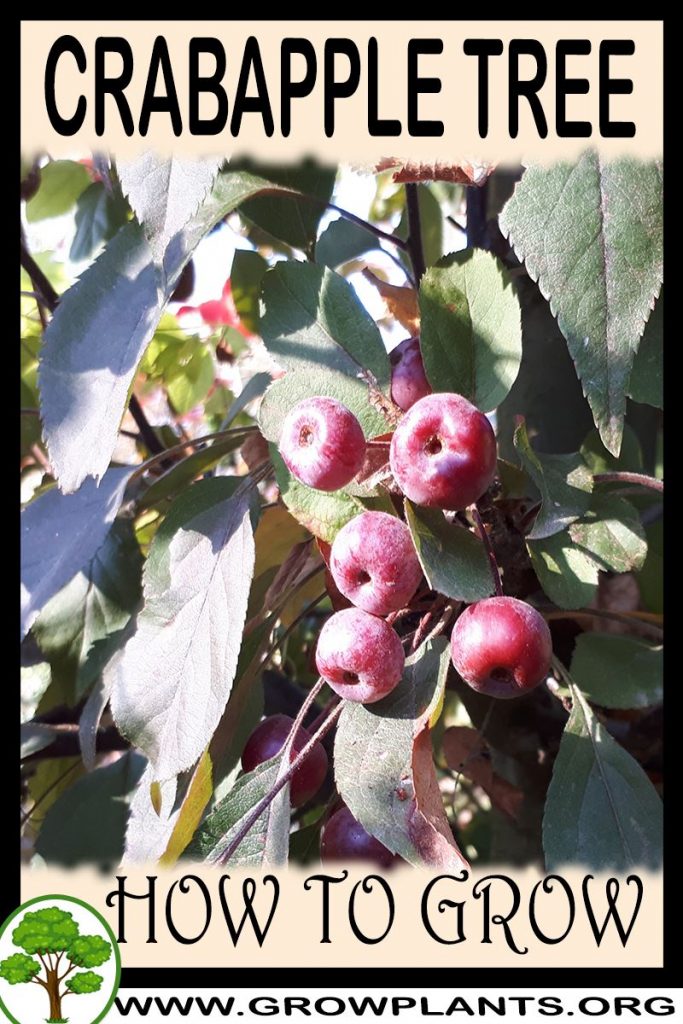
Plant Profile & Key Characteristics
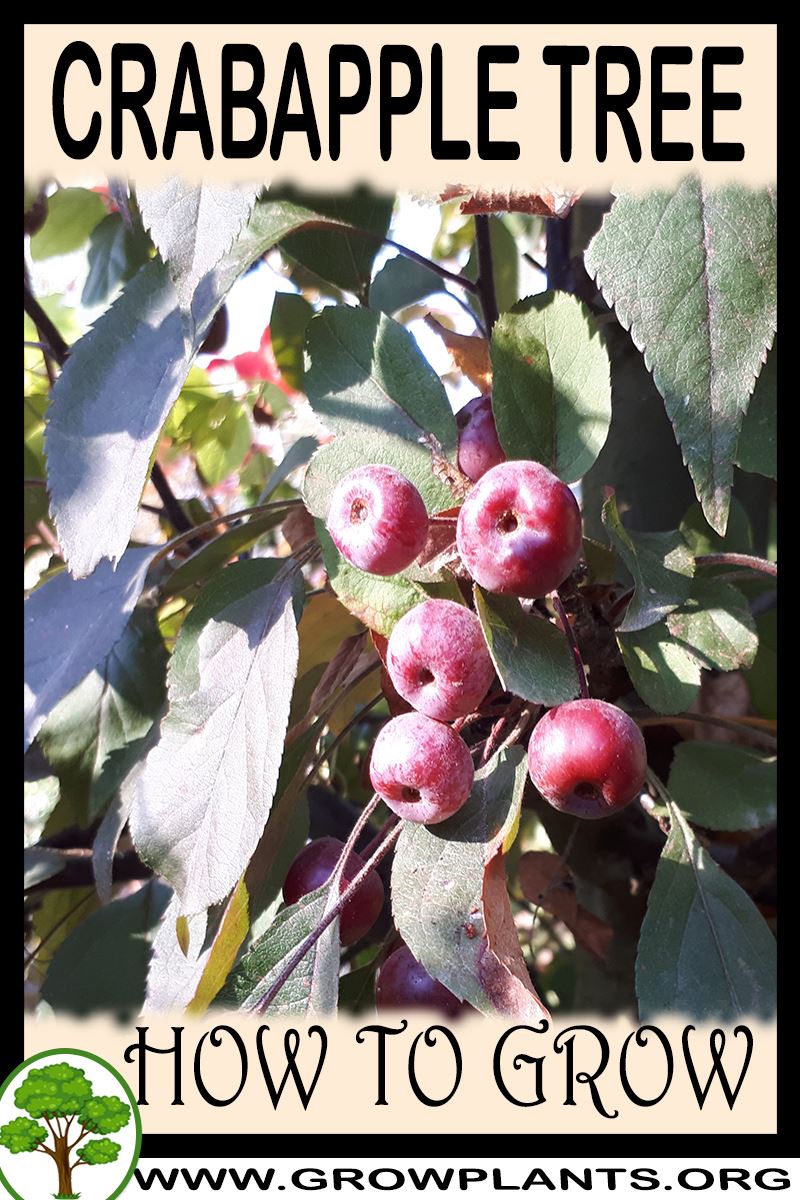
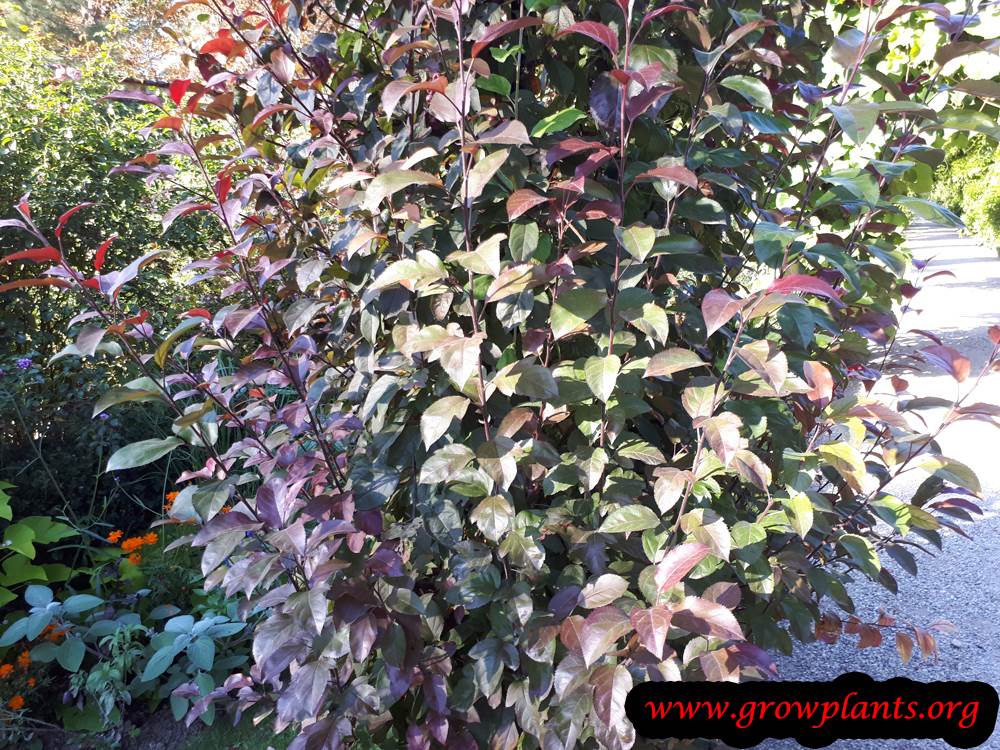
Overview: Deciduous crabapple tree reaching 2-8 m, grown mostly as an ornamental for its spring flowers and small colourful fruit. The small apples are edible, chiefly for jelly and preserves.
Quick Specifications
| Specification | Attribute |
|---|---|
| Plant Type / Life Cycle | Perennial (deciduous tree) |
| Foliage Type | Deciduous |
| Mature Size | 2-8 m (6-24 ft) |
| Growth Rate | Moderate |
| Toxicity | Fruit edible; seeds contain cyanogenic compounds (do not eat in quantity) |
| Hardiness | USDA zones 4-9 (to 10a with care) |
Growth Form & Structure
- Height & Spread: 2-8 m in the ground; can be kept small in a container.
- Growth Habit & Form: Rounded deciduous flowering tree, grafted for fruiting selections.
- Lifespan & Maturity: Long-lived; begins bearing in about 3-4 years.
Anatomy & Physical Features
- Flower Characteristics: Round flowers in pink, white or purple with five to many petals.
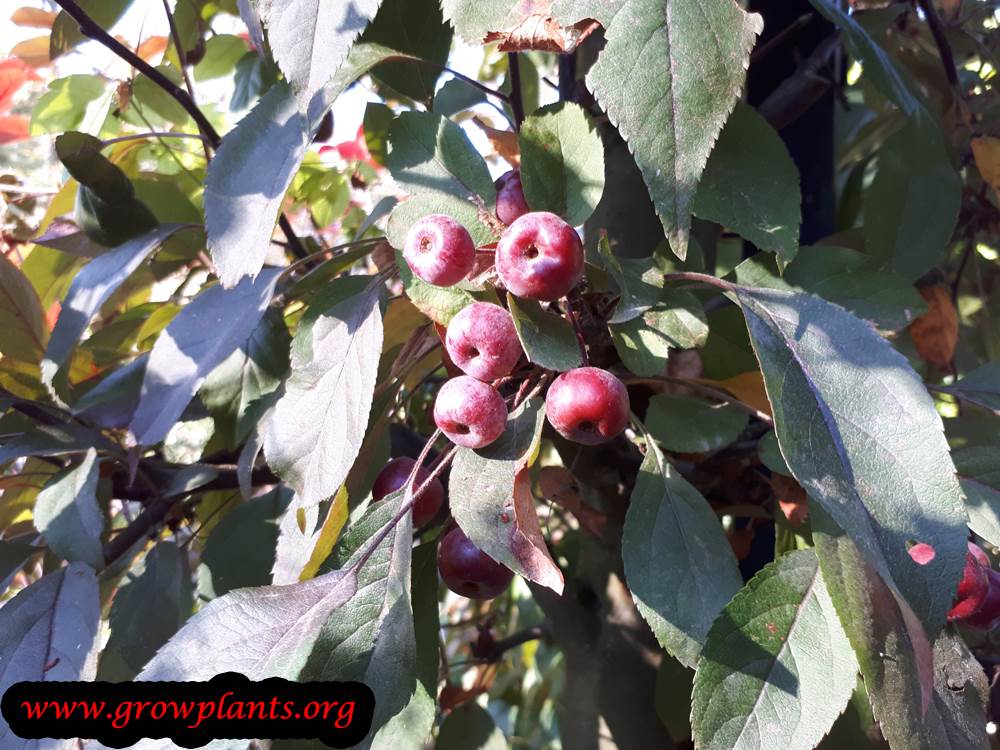
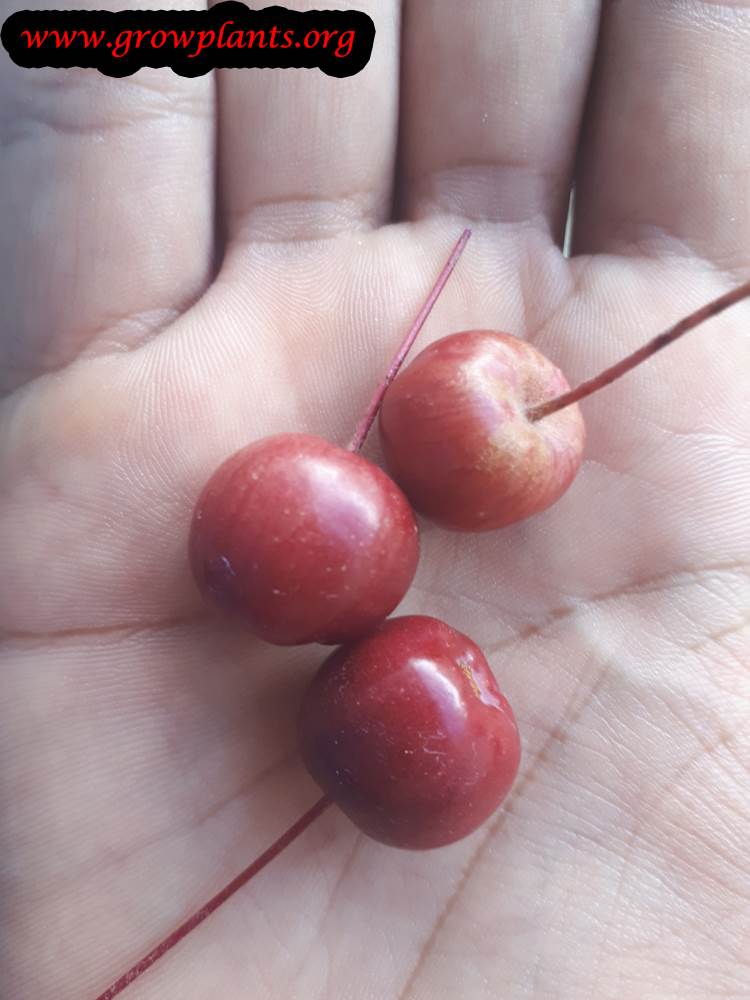
- Fruit Profile: Small apple-like fruit with white-green flesh and green, yellow, pink or red skin.
Primary Uses & Landscape Value
- Edible Uses: Small fruits eaten raw or made into jelly, cakes, juice and fruit leather.
- Functional & Ornamental Roles: Ornamental flowering tree valued for blossom and fruit; a good pollinator and wildlife plant.
Care Guide: Planting, Soil & Watering
Overview: Crabapple (Malus domestica) is a moderate-growing deciduous tree (zones 4–9, 10a with care) for full sun to part shade that needs winter chill. It grows best in a fertile, well-drained soil with moderate to generous watering.
Quick Care Requirements
| Requirement | Ideal Condition |
|---|---|
| Planting Season | Winter to summer (cool zones); winter to spring (zone 10a) |
| Growth Rate | Moderate |
| Soil Type | Fertile, well-drained |
| Water Need | Moderate to high |
Planting & Establishment
- Best Planting Season: From winter to summer in cooler zones (4–9), or winter to spring in zone 10a; plant bare-root stock in winter to early spring.
- How to Plant:
- Hole Preparation: Dig a hole about the depth of the root ball and twice as wide, loosening the sides for the roots.
- Soil Amendments: Mix compost and organic matter through the backfill to enrich the soil and improve drainage.
- Planting Depth: Set the tree with any graft union above soil level and the root collar level with the surface.
- Growth Speed & Expectations: A moderate grower that typically begins fruiting about 3–4 years after planting; mostly grown for ornament.
Soil, Watering & Drainage Care
- Soil Mix & Drainage Needs: A fertile, free-draining soil is ideal; avoid waterlogged ground. In containers keep the tree small, use a free-draining peat-based mix with drainage material in the base, and drain collected water the same day.
- Watering Schedule & Technique:
- Young / Newly Planted: Keep the soil consistently moist while the plant establishes, watering whenever the surface begins to dry.
- Established: Water deeply and regularly, keeping the soil evenly moist; let the surface dry a little between waterings.
- Seasonal Adjustments: Water more in summer heat and reduce in winter; in zone 10 a part-shaded position eases moisture stress.
Note: Seeds need 6-10 weeks of cold, moist stratification (roughly 4C/39F) before they will germinate at all – a bare timing figure without stratification is misleading.
Climate, Light & Hardiness
Crabapple tree is a cold-hardy deciduous fruit and flowering tree suited to temperate and cool Mediterranean or subtropical climates, requiring a period of winter chilling to flower and fruit well. It grows best in full sun, with half shade recommended only in the hottest zones.
Quick Climate Specifications
| Climate Zones | Temperate, and cool Mediterranean or cool subtropical climates |
|---|---|
| USDA Hardiness Zones | Approximately zone 4–9, and possible in zone 10a with attentive care |
| Optimal Temp Range | Cool to mild growing-season temperatures with a distinct winter chill period |
| Cold Damage Begins | Spring blossoms are vulnerable to late frost; otherwise the dormant tree is very cold hardy |
| Approx. Survival Minimum | Established trees in their hardiness range tolerate winter freezes typical of zone 4 well below freezing while dormant |
| Frost Tolerance | High (dormant tree); blossoms have Low frost tolerance |
| Light Conditions | Full Sun; Half Shade recommended in zone 10 |
Sunlight & Light Exposure
Optimal Light Setup
Full sun gives the best flowering and fruiting; in hot-summer zone 10 climates, light afternoon shade is recommended to reduce heat stress.
Direct Sun Requirement
At least several hours of direct sun daily are needed for good bloom and fruit set.
Best Exposure / Orientation
An open, airy site in full sun works best in cooler zones; a site with some afternoon relief from sun suits the warmer end of its range.
Temperature Extremes & Hardiness
USDA Hardiness & Regional Limits
Site data places this tree at zone 4–9, extending to zone 10a with the right care-this reflects genuine winter cold tolerance of the dormant tree, while summer heat and inadequate winter chill become the limiting factors at the warm end of its range.
Cold Damage & Winter Protection
The dormant tree tolerates severe winter cold well; the main risk is late spring frost damaging open blossoms and reducing fruit set.
Frost Sensitivity
Very low frost sensitivity once dormant, but blossoms and young fruit are frost-sensitive in spring.
Extreme Heat Tolerance
Heat tolerance declines toward the warm edge of its range (zone 10), where half shade and consistent moisture help reduce stress.
Chilling Requirement
Requires a period of winter chilling, with the exact chill-hour need varying by cultivar; inadequate chilling in warm climates can reduce bud break, flowering, and fruit set.
Wind, Humidity & Microclimate
Microclimate Recommendations
Avoid frost pockets and low-lying sites where cold air settles, since these increase the risk of blossom frost damage in spring; a container-grown specimen has a smaller, faster-freezing root zone and needs extra winter root protection compared with an in-ground tree.
Growing in Pots, Balconies & Indoors
Crabapple (Malus domestica) grows into a tree of 2-8 m (6-24 ft), so it is not a long-term pot plant – but the grower explains it can be kept small in a container for years by potting up gradually. It is not a houseplant; grow it outdoors in full sun to half shade.
Quick Details
- Container Size: Start 20-50% bigger than the root ball (less extra for bigger plants) and step up over time (grower’s method); mature size 2-8 m (6-24 ft)
- Indoor Suitability: Not a houseplant – it is an outdoor fruiting tree
- Best Spot: Full sun to half shade (in the hottest climates, half shade)
- Soil & Drainage: Peat-based mix with lava grit or similar in the base; drainage holes are essential
- Watering in Pots: Average to plenty – keep it moist; if using a saucer, let it dry out the same day
Indoors & On the Windowsill
- Not a houseplant: The grower confirms it will not grow indoors – it is a fruiting tree needing full outdoor sun and a cold winter to fruit.
- Windowsill: Not applicable – grow it outdoors, kept small in a pot on a patio if space is tight.
- Overwintering: Hardy – it needs the cold season outdoors; simply protect a small potted specimen from the harshest freezes.
On a Balcony or Patio
- Kept small on a patio: Grown by the pot-up method it can crop on a sunny balcony or patio for years; give it the sunniest spot.
- Water & weight: The tub is heavy and dries in heat – water often, and shelter blossom from strong wind.
Choosing the Pot, Soil & Long-Term Care
- Pot & drainage (grower’s method): Start in a pot 20-50% bigger than the root ball (less extra the bigger the plant). Each time the tree fills its pot, step up to a slightly larger one until it reaches the size you want – this keeps the soil fresh and the tree easy to manage.
- Refresh the soil: Because potting soil loses vigour over time, replace part of the mix once the tree is large; use a peat-based mix with some lava grit in the base for drainage.
- Drainage: Make plenty of holes; if you stand it on a saucer, let the water fill but dry out the same day.
- Feeding & pruning: Feed through the growing season and prune to keep the crown compact and productive.
Fertilizing & Feeding
A deciduous tree grown for both its spring flowers and fruit, the crabapple responds well to nitrogen-forward feeding while young and its framework is building, shifting to balanced, lighter feeding through the growing season once it matures and bears regularly.
Quick Fertilizing Specs
| Feeding Level | moderate |
|---|---|
| young_feeding | A nitrogen-forward complete fertilizer to build a strong framework of branches while the tree is young. |
| mature_feeding | A balanced, complete fruit-tree fertilizer once the tree flowers and fruits regularly, with attention to potassium as fruit develops. |
| Main Nutrient Priority | Nitrogen while the framework develops, shifting to balanced nutrition with potassium once bearing. |
| Best Feeding Period | The growing season, tapering off as growth slows toward autumn. |
| Organic Options | Compost or well-rotted organic matter worked into the root zone. |
| Micronutrients | Iron, manganese and zinc are typically supplied by a complete fruit-tree fertilizer once past earliest establishment. |
| Soil pH | Grows best in well-drained soil without an extreme pH. |
| Reduce/Stop Feeding | Ease off feeding as the season winds down and as fruit approaches ripeness. |
Feeding by Growth Stage
Newly Planted Tree
Help a newly planted tree establish roots before pushing much top growth.
| Nutrient direction | Light, balanced feeding supports root establishment without overwhelming a young root system. |
|---|---|
| Timing | In the first growing season after planting, once new growth resumes. |
| Frequency | A few light feedings spread across the growing season is usually enough while roots establish. |
| Fertilizer types | A balanced, complete fertilizer formulated for young trees, Well-rotted compost worked into the surrounding soil |
| Precautions | Keep fertilizer away from the trunk and taper off as growth slows toward the end of the season. |
Young, Non-Bearing Tree
Build a strong branch framework through the years before the tree reaches fruiting size.
| Nutrient direction | A nitrogen-forward fertilizer drives the vegetative growth this tree needs to build its framework, paired with a complete formula supplying routine trace elements. |
|---|---|
| Timing | Through the tree’s active growing seasons while it develops toward fruiting size. |
| Frequency | Regular light feedings through the growing season, tapering as growth slows toward autumn. |
| Fertilizer types | A nitrogen-forward complete fertilizer for young fruit trees, Composted organic matter as a soil-building supplement |
| Routine trace nutrients | iron, manganese, zinc |
| Precautions | Watch for scorched leaf edges, a sign of over-fertilizing – scale back rather than feeding more often. Remove infected or weak branches promptly, since this tree is notably prone to pest and disease pressure. |
Established, Approaching Fruiting
Shift from a growth-focused feed to a more balanced one as the tree matures toward flowering and fruit set.
| Nutrient direction | A balanced, complete fertilizer rather than a heavily nitrogen-leaning one. |
|---|---|
| Timing | As the tree matures, in the seasons leading up to its first bloom and fruit. |
| Frequency | A modest, evenly spaced feeding routine through the growing season. |
| Fertilizer types | A balanced, complete fruit-tree fertilizer, Organic mulch renewed around, not against, the trunk |
| Routine trace nutrients | iron, manganese, zinc |
| Precautions | Avoid excess nitrogen this close to first fruiting; it favors leafy growth over the flowering the tree needs to start bearing. |
Mature, Fruit-Bearing Tree
Sustain flowering and fruit development on a tree bearing fruit regularly, whether in the ground or in a container.
| Nutrient direction | Balanced feeding with attention to potassium supports fruit development and quality; container-grown trees typically need feeding on the heavier side, since a pot holds far less reserve nutrition than garden soil. |
|---|---|
| Timing | Around the tree’s bloom and fruit-development window, tapering as fruit ripens. |
| Frequency | A steady, moderate feeding routine through the growing season, easing off as fruit nears ripeness. |
| Fertilizer types | A balanced, complete fruit-tree fertilizer with attention to potassium, Organic mulch refreshed seasonally around the root zone |
| Routine trace nutrients | iron, manganese, zinc |
| Precautions | Reduce feeding as fruit approaches ripeness; heavy late feeding can affect fruit quality. Collect fallen leaves and fruit from the ground promptly to limit disease pressure. |
Nutrient Deficiency Signs & Corrections
New leaves show yellowing between veins that stay green.
| Possible causes | Iron locked out by alkaline or compacted soil, Poor drainage or waterlogged roots, Root stress after transplanting |
|---|---|
| Appears first on | Newest leaves near the shoot tips |
| What to check | Soil pH, Drainage around the root zone, Recent transplant history |
| Possible correction | Work toward less alkaline soil conditions and apply a chelated iron product per its label if chlorosis persists. |
Pale, undersized leaves and noticeably slower shoot growth than expected.
| Possible causes | Insufficient nitrogen for a young, developing tree, Leaching from heavy rain or frequent irrigation, Root competition from nearby plantings |
|---|---|
| Appears first on | Older leaves first, then newer growth if uncorrected |
| What to check | Recent feeding history, Competing roots nearby, Overall soil fertility |
| Possible correction | Resume nitrogen-forward feeding for a young tree, or balanced feeding for a bearing one. |
Leaf margins scorch yellow to brown while the center stays green; fruit may be smaller than expected.
| Possible causes | Low potassium in sandy or leached soil, Drought stress during fruit development, A nitrogen-heavy recent feeding pattern |
|---|---|
| Appears first on | Older leaves, starting at the margins |
| What to check | Fertilizer history for a nitrogen-heavy pattern, Drought stress during fruiting, Salt buildup, especially in containers |
| Possible correction | Switch to a balanced, potassium-inclusive fertilizer and correct any drought stress. |
Pruning, Training & Seasonal Maintenance
This is a deciduous, spur-bearing Malus grown for both its spring blossom and its small apple-like fruit, though the plant’s own facts note it is grown mostly for ornamental flowering. It tolerates moderate structural pruning well, with the main objectives being a strong framework, light penetration to the spurs that carry bloom and fruit, and control of the tree’s 2–8 m (6–24 ft) mature size. The safest structural window is late winter dormancy, just before bud break; pruning in autumn or early winter is best avoided, since fresh cuts heal slowly in cold weather and are more vulnerable to cold injury and fire blight, a disease this genus is known to be susceptible to.
Quick Pruning & Maintenance Specs
| Pruning Tolerance | Moderate–High |
| Primary Pruning Window | Late winter, dormant, just before bud break |
| Secondary Maintenance Window | Light summer pruning after bloom for size control |
| Typical Frequency | Once a year |
| Main Objective | Framework, light to spurs, size control, disease removal |
| Young Plant Priority | Establish central leader or modified-leader framework; thin bloom in first two years |
| Mature Plant Priority | Renew spurs, thin crowded wood, remove suckers/watersprouts |
| Best Tool Type | Bypass secateurs, loppers, pruning saw for a mature tree |
| Avoid Heavy Pruning During | Autumn/early winter, and during wet, fire-blight-favorable spring weather |
Pruning by Plant Age & Size
Newly Established
Minimal cuts – remove only damaged growth from planting; avoid hard structural pruning of a newly planted bare-root tree until its first dormant season in the ground.
Young / Formative
Build a central-leader or modified-leader framework typical of Malus; where the tree is grown primarily as an ornamental flowering specimen rather than for a fruit crop, a more open, multi-stem vase form is also appropriate. The plant’s own facts note thinning the bloom is recommended in the first two years, which directs the young tree’s energy into structure rather than an early, weakening fruit set.
Mature / Established
Renew old, shaded spurs gradually, thin crowded or crossing branches so fruit and remaining blossom get enough light, and remove rootstock suckers and watersprouts as they appear.
Seasonal Pruning Schedule
Dormant/Winter
Objective: structural framework and disease/damage cleanup. Remove weak, dead, diseased, and crossing branches, and any wood affected by the borer or mite pressure noted for this species; thin to let light reach the spurs. Do not remove more than a moderate portion of the spur wood in one season. Expected response: a vigorous spring flush; timed correctly, this pruning supports rather than reduces the coming bloom and fruit set.
Post-Harvest
A light secondary trim after summer/autumn fruit harvest suits a tree kept mainly for its ornamental bloom, since it tidies size without disturbing the following spring’s already-set flower buds.
Ongoing Sanitary
Collect and remove fallen leaves and fruit from the ground, per the plant’s own care guidance, to reduce disease carryover, and prune out any newly infected branches as soon as they are seen.
Flowering & Fruiting Wood
Flowers and fruit form on spurs on two-year-and-older wood, typical of Malus. Heavy dormant pruning that strips out too much of this spur wood reduces both the spring bloom display and the fruit crop; renew spurs gradually rather than all at once, and keep structural cuts to the dormant season so spurs have a full season to set flower buds.
Structural Pruning & Training
Reduce the amount of branches so all remaining fruit and blossom get enough light, per the plant’s own care notes; remove crossing and rubbing wood; control height and spread within the 2–8 m mature size; thin crowded interior growth periodically to maintain an open, well-lit canopy.
Special Growth to Remove
- Rootstock suckers below the graft union, since edible-fruit specimens of this species are typically grafted.
- Watersprouts – vigorous upright shoots that commonly follow dormant pruning of pome trees.
- Weak, dead, or crossing branches and old stems, as the plant’s own facts specify.
- Excess bloom/buds in the first two years, to build structure before cropping.
Container & Small-Space Pruning
Container growing is possible but the tree naturally reaches 2–8 m, so favor lighter, more frequent structural cuts over one large reduction to keep growth in balance with a restricted root zone; spur thinning still applies, just at a smaller scale, and heading cuts to control height should be made conservatively since a container-grown tree recovers more slowly than one in the ground.
Tools
- Bypass secateurs for spurs and thin wood.
- Loppers for branches up to about 1–2 in.
- Pruning saw for larger scaffold limbs and renewal cuts.
- Pole pruner for reaching the upper canopy of a mature, full-sized specimen.
Tool Hygiene & Disease Risk
High-risk – Malus is a well-documented host for fire blight, a bacterial disease that spreads readily through pruning wounds, in addition to the borer and mite pressure noted in this plant’s own facts. Disinfect tools between cuts when removing diseased or borer-affected wood, and cut back well into clean, healthy wood rather than just past visible symptoms.
Cut Placement & Technique
Use thinning cuts back to a lateral branch or bud in preference to heading, to preserve natural spur distribution; cut outside the branch collar on larger limb removal to avoid flush cuts; remove suckers and watersprouts flush at their point of origin.
Heavy Pruning & Rejuvenation
An overgrown or neglected tree tolerates renewal pruning, but it should be spread over two to three dormant seasons rather than done all at once, removing no more than about a third of the canopy per season, to avoid excessive watersprout regrowth and a multi-year gap in bloom and fruiting.
Post-Pruning Care
No extra feeding is needed to force regrowth, since dormant pruning already stimulates a strong flush; the plant’s own facts note fertilizing twice a year as a separate, general practice. Monitor new growth for aphids, borer, and mites, the pests already noted for this species, and watch large cut sites for signs of canker or blight entry.
Common Pruning Mistakes
- Pruning in autumn or early winter, inviting cold injury and disease entry through fresh wounds.
- Leaving rootstock suckers and watersprouts unchecked.
- Removing too much spur wood in a single pass and losing a season’s bloom and fruit.
When NOT to Prune
Avoid pruning in fall/early winter (cold-injury and fire-blight risk); avoid cutting during wet, humid, blight-favorable spring weather right around bloom; do not hard-prune a newly planted bare-root tree beyond minimal formative cuts in its first dormant season.
Recommended Tools (by task)
- Bypass secateurs – spur thinning and small formative cuts.
- Loppers – branches too thick for secateurs during structural thinning.
- Pruning saw – larger scaffold limbs and multi-season renewal cuts.
- Pole pruner – upper canopy work on a full-sized mature tree.
Pruning Troubleshooting
| Problem | Possible Cause | What to Check | Corrective Action |
| Excess upright watersprouts | Over-hard dormant pruning stimulating vigorous regrowth | Density and angle of new shoots near cut sites | Prune more moderately; remove upright watersprouts in summer while still soft |
| Poor flowering or fruiting after pruning | Old, shaded, or over-thinned spurs | Spur age and light exposure | Renew spurs gradually over several seasons, open the canopy for light |
| Blackened, wilted shoot tips (shepherd’s crook) | Possible fire blight entering through a pruning wound | Water-soaked or blackened bark near the cut, ooze | Cut well below symptoms into clean wood, disinfect tools between cuts, remove prunings from site |
| Borer or fruit fly damage near cuts | Pest activity noted for this species | Entry holes or frass near wounds | Monitor wound sites; avoid pruning during local peak pest activity if known |
Propagation Guide
Stratify the seed cold (commonly in a refrigerator) for about 60-120 days (2-4 months) before sowing. Sow stratified seed about 1cm (0.5in) deep.
Bloom & Flower Guide
Quick Details
- Bloom Season: Spring
- Flower Appearance: Rounded 3-4 cm flowers with five (sometimes more) petals in pink, white, or pink-and-white, opening from deeper-pink buds
- Edibility: Flowers are ornamental – the tree is grown for its fruit, and apple blossom is best not eaten (it contains trace cyanogenic compounds)
Detailed Blooming Overview
Apple and crabapple blossom is one of spring’s great sights: buds flush deep pink, then open to rounded flowers in pink, white, or a blend. Beyond their beauty, the flowers are the start of the crop – and because most apples need cross-pollination, a compatible partner tree nearby makes all the difference. Crabapples themselves are often planted as pollinizers for eating apples.
Flower Characteristics
- Rounded flowers about 3-4 cm across, five to many petals.
- Pink, white, or pink-and-white, from pink buds.
Bloom Care & Thinning
- Thinning: For the first two years, thinning the bloom is recommended so the young tree establishes before carrying a heavy crop.
- Pollination: Worked by bees; most apples and crabapples need a compatible pollinizer nearby for a good fruit set.
Bloom Health & Protection
- Fire blight: This bacterial disease often enters through open blossom, wilting shoots into a shepherd’s-crook shape. Pruning well below affected wood and avoiding lush over-feeding help most; a copper-based spray applied around bloom can offer protection where the disease is common.
Fruit & Uses
Crabapple trees are grown mainly as ornamentals for their spring blossom, but the small apple-like fruits are genuinely edible. Many cultivars are too tart and firm to enjoy raw and are best cooked into jelly, sauce, juice, baked goods, or fruit leather.
Quick Edible Specs
| Edible Parts | Fruit |
|---|---|
| Main Use(s) | Culinary – jelly, sauce, juice, baking, fruit leather; some sweeter cultivars eaten fresh |
| Eaten Raw or Cooked | Sweeter cultivars can be eaten raw when fully ripe; most are more palatable cooked |
| Preparation Required | Cook for jelly/sauce/juice; core the fruit and discard the seeds |
| Harvest Season | Summer to autumn |
| Time to First Harvest | Takes several years of growth before a young tree fruits reliably (see Care/Pruning for age-related detail) |
| Storage | Fresh fruit keeps only briefly; processing into jelly, sauce, juice or fruit leather extends storage |
| Safety/Toxicity Caveat | Seeds (pips) contain a small amount of a cyanogenic compound, as in other apple-family fruit – do not chew or eat seeds/core in quantity; flesh and skin are safe |
Fruit
Fruit ripens through summer into autumn; the peel can be green, yellow, orange, pink, brown or red (sometimes more than one colour) and the flesh is white-green. Fruit is picked by hand once fully coloured and firm-ripe; netting or other protection against birds and fruit fly is often needed as the crop ripens (see Pests). Depending on the cultivar the fruit can be eaten out of hand, but its natural tartness and high pectin content make it especially valued for jelly and preserves, as well as sauce, juice, cakes and baked desserts, and dried fruit leather.
Harvesting
Harvest across summer and into autumn as fruit colours up and firms; picking can be done in more than one pass as fruit ripens unevenly on the tree. Protect ripening fruit from birds and fruit fly with netting or similar covers.
Preparation, Uses & Safety
Wash the fruit before use. Sweeter cultivars can be eaten fresh out of hand; tarter fruit is cored, sliced and cooked into jelly, sauce, juice, fruit leather, or baked into cakes and other desserts – the fruit’s natural pectin makes it especially good for jelly-making. Always remove the core and avoid eating the seeds in any quantity, since like other apple-family pips they contain a small amount of a cyanogenic compound; the flesh and skin themselves are safe to eat.
Pests, Diseases & Troubleshooting
Overview: Crabapples are ornamental Malus, so they share the full apple pest and disease complex but are grown for blossom and small fruit rather than eating, which makes disease resistance to apple scab, fire blight, rust and mildew the top priority when choosing and siting them. Codling moth, aphids and mites feed as on eating apples, while birds happily take the tiny fruit. Choosing resistant cultivars and good sanitation prevent most trouble.
Quick Troubleshooting Overview
| Issue / Pest | Main Symptom | Primary Solution |
|---|---|---|
| Codling moth | ‘Worm’ tunnels and frass in fruit; early drop | Sanitation; pheromone traps; trunk bands; bagging |
| Aphids (incl. woolly) | Curled shoots / white cottony wood galls | Dormant oil; predators; prune out woolly colonies |
| Spider mites | Stippling, bronzing, webbing in heat | Conserve predators; hose; horticultural oil |
| Apple scab | Olive-black leaf spots; scabby cracked fruit | Resistant cultivars; rake leaves; protectant fungicide |
| Fire blight | Blackened ‘shepherd’s-crook’ shoots; cankers | Resistant cultivars; prune out; copper at bloom |
| Powdery mildew / rust | White coating or orange rust spots | Prune tips; resistant cultivars; sulfur |
Common Pests & Management
- Codling moth (Cydia pomonella):
- Symptoms: The classic ‘worm in the apple’: larvae bore into the fruit from the calyx or side, tunnelling to the core and leaving frass-filled exit holes, causing premature drop and inedible fruit.
- Prevention & Control: Sanitation is key – remove fallen and infested fruit promptly to break the cycle, monitor and time controls with pheromone traps, use cardboard trunk bands and fruit bagging, encourage predators and parasitic wasps, and consider mating-disruption or codling-moth granulovirus where pressure is high.
- Aphids (incl. woolly apple aphid) (Aphis pomi / Eriosoma lanigerum):
- Symptoms: Green apple aphids curl and distort new shoots with honeydew, while woolly apple aphid forms white cottony masses on wood, wounds and roots, causing galls and weakening the tree.
- Prevention & Control: Hose off green aphids and encourage ladybirds, lacewings, hoverflies and the parasitoid Aphelinus for the woolly form; prune out infested wood, apply dormant oil for overwintering eggs, and use insecticidal soap only where needed.
- Spider mites (Panonychus ulmi / Tetranychus urticae):
- Symptoms: Fine stippling, bronzing and webbing on leaves in hot, dry, dusty conditions, reducing vigour and fruit quality.
- Prevention & Control: Conserve predatory mites (avoid broad-spectrum sprays), hose foliage, keep trees watered, and use horticultural oil and dormant oil for eggs; miticides only as a last resort.
- Apple maggot / fruit flies (Rhagoletis pomonella / Ceratitis capitata):
- Symptoms: Flies sting the fruit to lay eggs and maggots tunnel the flesh, leaving dimpled, pitted, prematurely rotting fruit.
- Prevention & Control: Hang red sphere or bait traps, collect and destroy dropped fruit, bag fruit where practical, and harvest promptly; sanitation is the backbone of control.
- Scale insects (San Jose scale) (Diaspidiotus perniciosus):
- Symptoms: Grey, encrusting scale on bark and fruit with red-haloed spots on fruit, weakening branches and downgrading fruit.
- Prevention & Control: Apply dormant/horticultural oil to smother overwintering scale, prune out heavily encrusted wood, and conserve parasitoid wasps and predatory beetles.
Diseases & Fungal Issues
- Apple scab (Venturia inaequalis):
- Symptoms: The number-one apple disease: olive-green to black velvety spots on leaves and scabby, cracked, corky lesions on fruit in cool, wet spring conditions, causing leaf drop and blemished fruit.
- Treatment & Management: Choose scab-resistant cultivars, rake up and destroy fallen leaves to remove the overwintering source, prune for an open airy canopy, avoid overhead watering, and apply protectant fungicide (sulfur or suitable products) from bud-break during wet weather where susceptible.
- Powdery mildew (Podosphaera leucotricha):
- Symptoms: White powdery coating on shoots, leaves and blossoms that stunts and distorts growth and russets fruit, favoured by warm humid conditions.
- Treatment & Management: Prune out silvered mildewed shoot tips in the dormant season, choose resistant cultivars, improve airflow, and apply sulfur or potassium-bicarbonate at first sign during the growing season.
- Fire blight (Erwinia amylovora):
- Symptoms: A serious bacterial disease: blossoms and shoot tips suddenly wilt, blacken and curl into a ‘shepherd’s crook’ as if scorched, with oozing cankers on wood; it can kill branches or whole trees.
- Treatment & Management: Choose resistant cultivars, avoid excess nitrogen and heavy summer pruning that force susceptible soft growth, prune out infected wood well below the canker in dry weather with sterilised tools, and use copper or approved bactericide at bloom where the disease is active.
- Cedar-apple & hawthorn rusts (Gymnosporangium spp.):
- Symptoms: Bright orange-yellow spots on leaves and fruit, sometimes with tube-like structures beneath, needing nearby juniper/cedar hosts to complete the cycle.
- Treatment & Management: Remove nearby alternate juniper hosts where feasible, choose resistant cultivars, rake up debris, and apply protectant fungicide in spring where the disease is a known problem.
- Canker & rots (Neonectria, Botryosphaeria, bitter rot):
- Symptoms: Sunken, cracked cankers on branches and dark rotting lesions on fruit, entering through wounds and pruning cuts.
- Treatment & Management: Prune out cankered wood well below the lesion with sterilised tools in dry weather, seal large cuts, remove mummified fruit, and keep trees vigorous and unstressed.
Growing Difficulties & Abiotic Problems
- Birds taking fruit:
- Cause & Symptoms: The small ornamental fruit is quickly stripped by birds – usually welcome in a wildlife garden but a loss if you want the fruit for display or jelly.
- Correction Strategy: Net if you want to keep the fruit, or simply enjoy the birds; choose persistent-fruited cultivars that hold colour on the tree.
- Frost on blossom:
- Cause & Symptoms: Browned, collapsed blossom when late frost catches the flowers, reducing the floral display and fruit set.
- Correction Strategy: Site out of frost pockets and away from early-morning sun on frosted buds, and choose later-flowering cultivars in frost-prone gardens.
- Biennial bearing & chlorosis:
- Cause & Symptoms: Heavy flowering one year then sparse the next, and interveinal yellowing on alkaline soils.
- Correction Strategy: Thin in heavy years to even out bearing, feed and water moderately, and correct chlorosis with chelated iron on limey soils.
- Waterlogging / poor drainage:
- Cause & Symptoms: Yellowing, dieback and root decline in heavy wet soil, which also invites Phytophthora collar rot.
- Correction Strategy: Plant in free-draining soil on a slight rise if needed, avoid waterlogging, and keep mulch off the trunk.
What Helps – Products & Tools
Choose disease-resistant crabapple cultivars first – that prevents most scab, rust and fire blight. Add dormant/horticultural oil for aphids, mites and scale, sulfur or potassium-bicarbonate for mildew, and copper for fire blight and scab where needed. Sanitation (raking leaves, removing cankers) does the rest.