Plant Profile & Key Characteristics
A drought-tolerant clumping stem succulent (genus Caralluma) reaching about 20-60 cm (8-24 in). An evergreen perennial grown as an ornamental and for traditional medicine, it is well suited to arid gardens and bright indoor positions.
Quick Specifications
| Specification | Attribute |
|---|---|
| Plant Type / Life Cycle | Perennial |
| Mature Size | 20-60 cm tall (8-24 in) |
| Growth Rate | Slow |
| Hardiness | USDA zone 10b-12a |
Growth Form & Structure
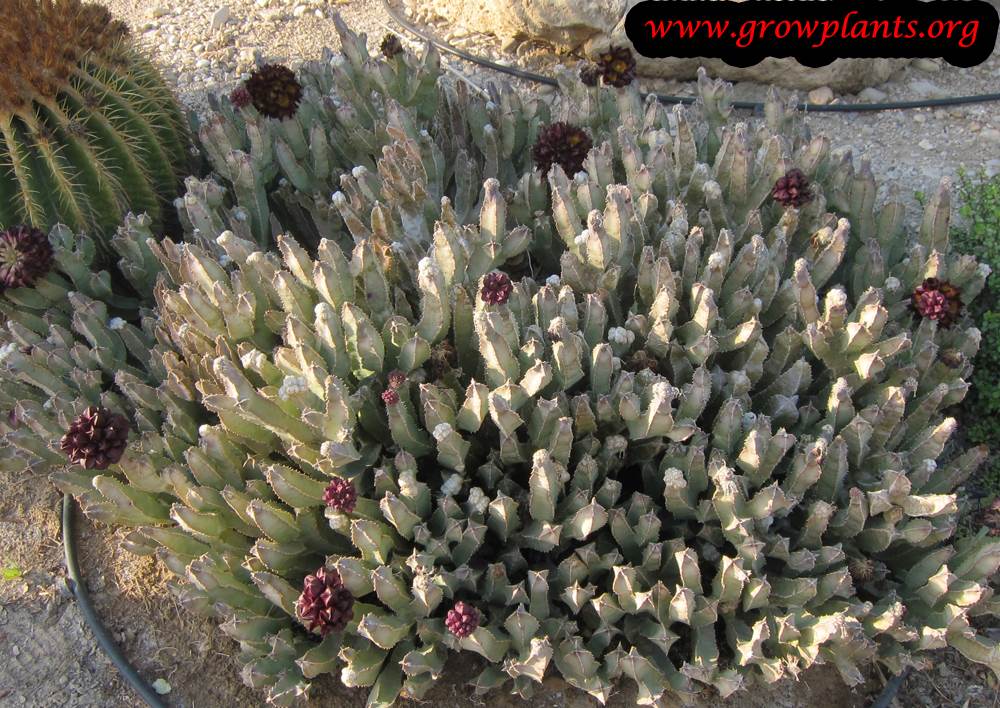
- Height & Spread: 20-60 cm (8-24 in), forming spreading clumps of upright stems; grows well in pots
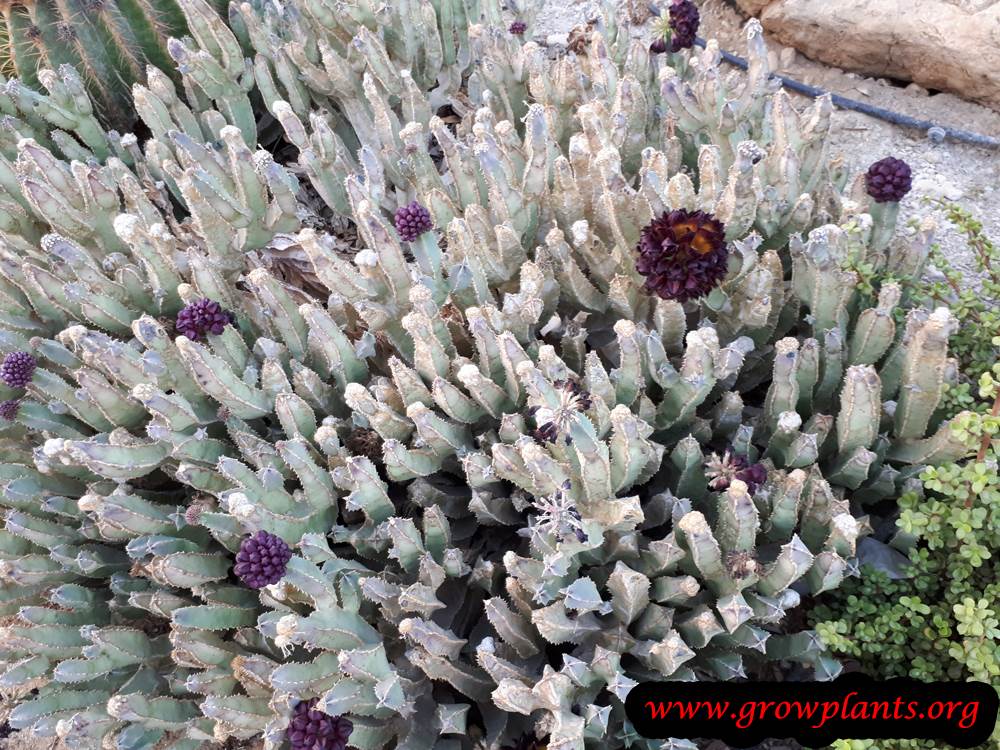
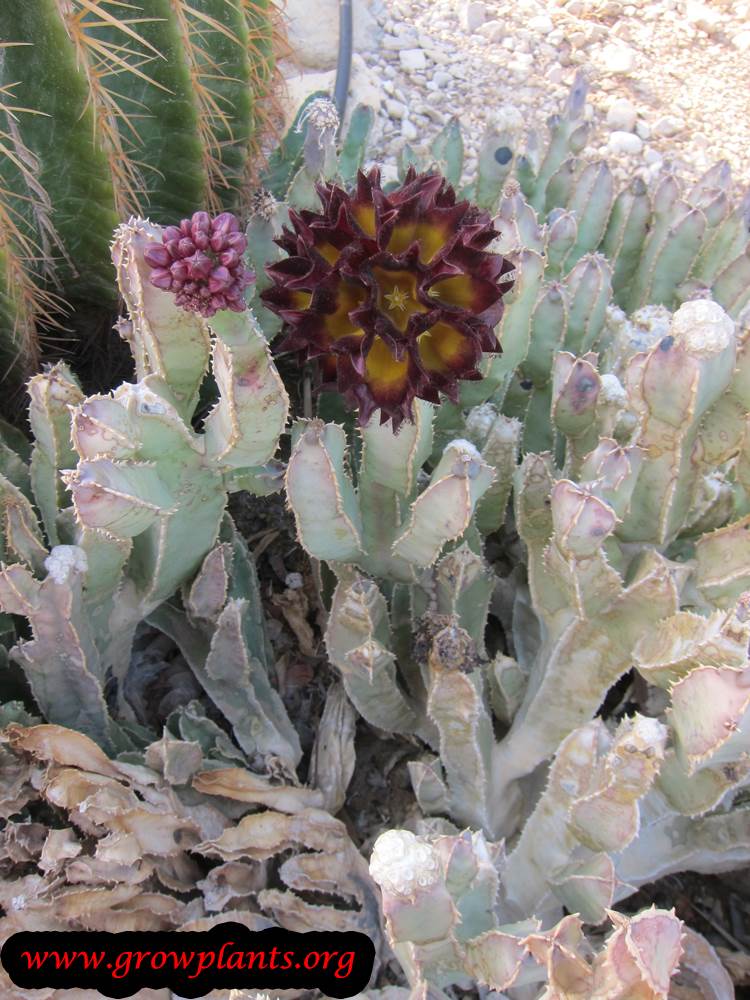
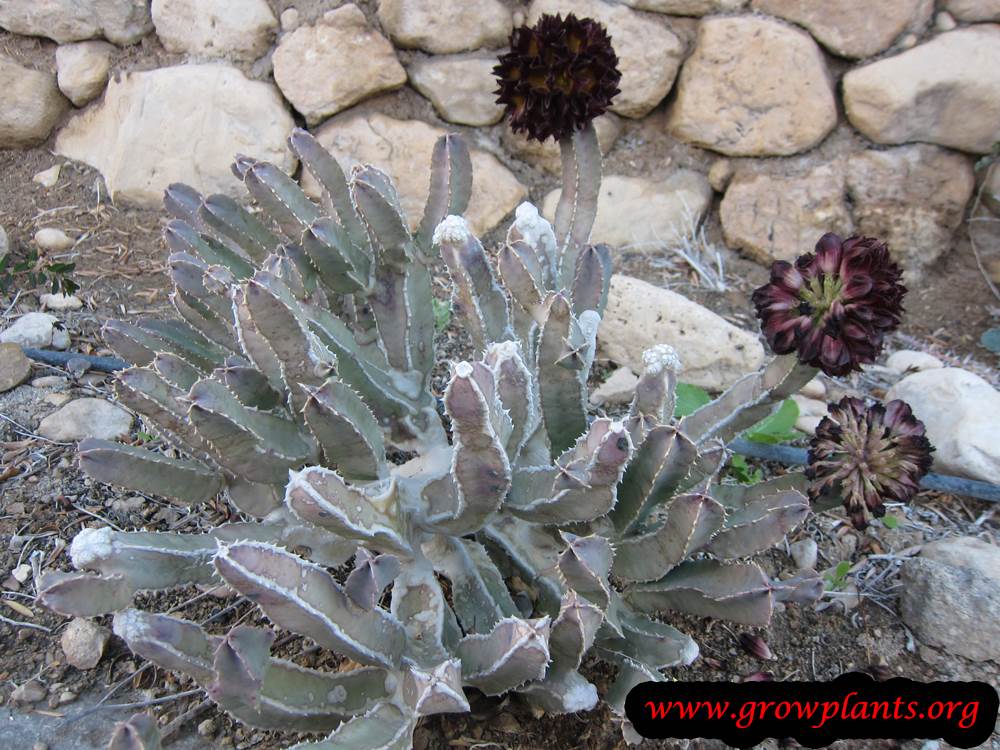
- Growth Habit & Form: Leafless, angled fleshy green stems (reddish at the tips) in a clumping succulent habit
- Lifespan & Maturity: Long-lived perennial; slow to build up a clump
Anatomy & Physical Features
- Stems & Form: Fleshy, angled green stems that photosynthesise in place of leaves
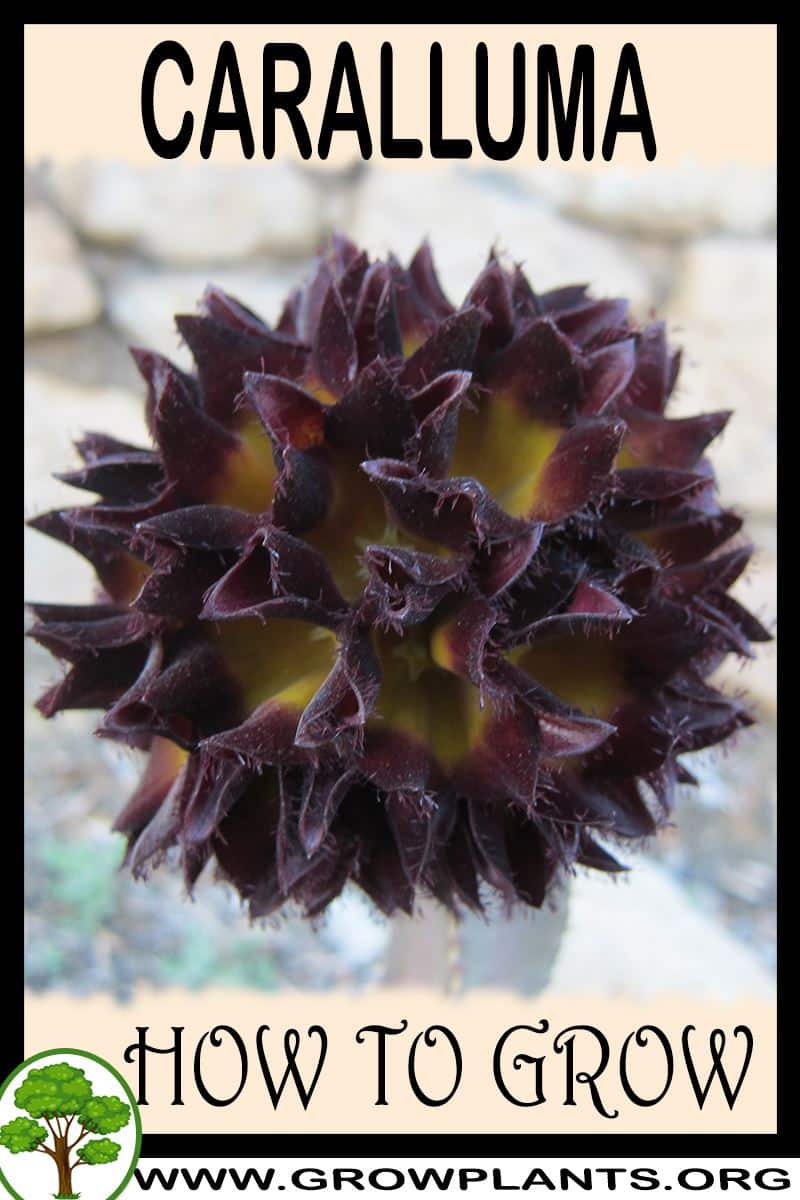
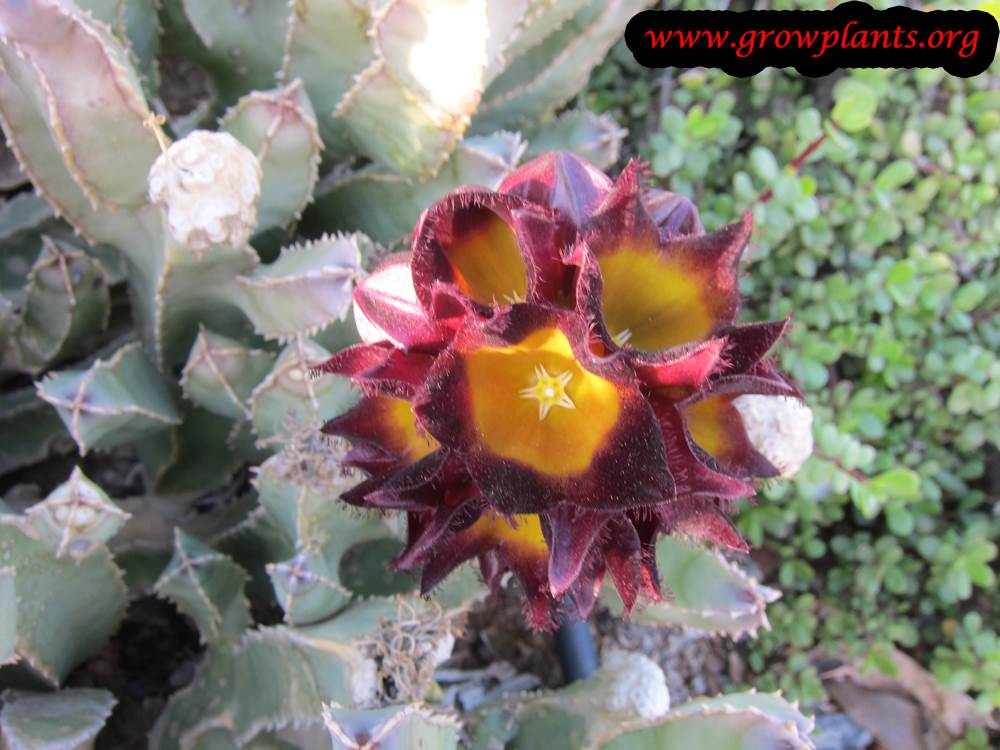
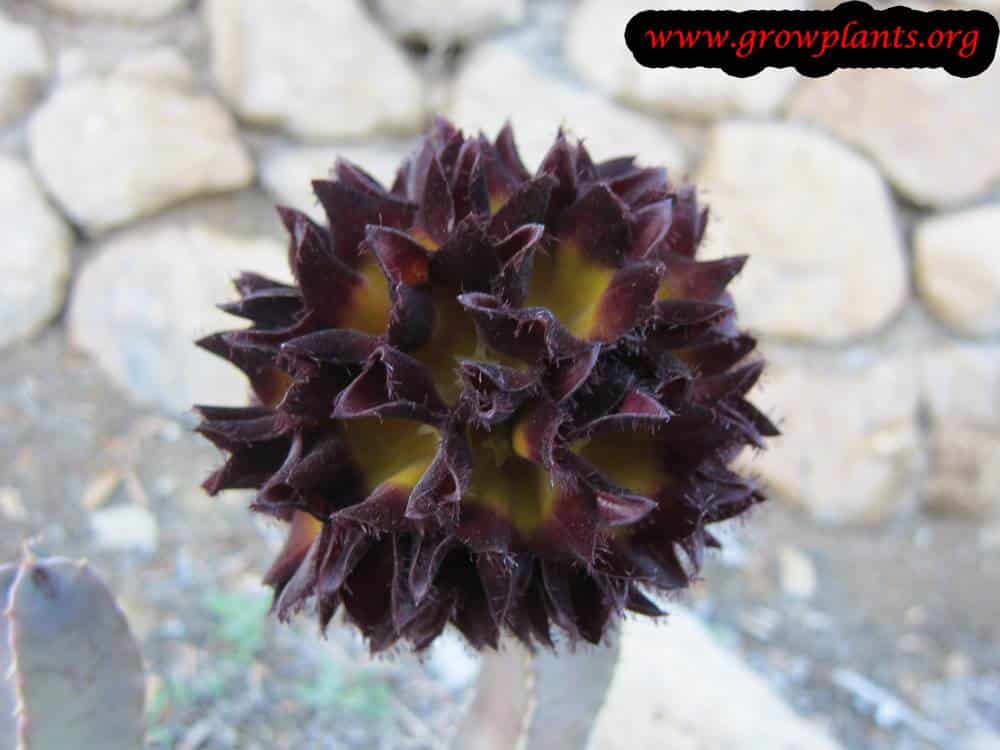
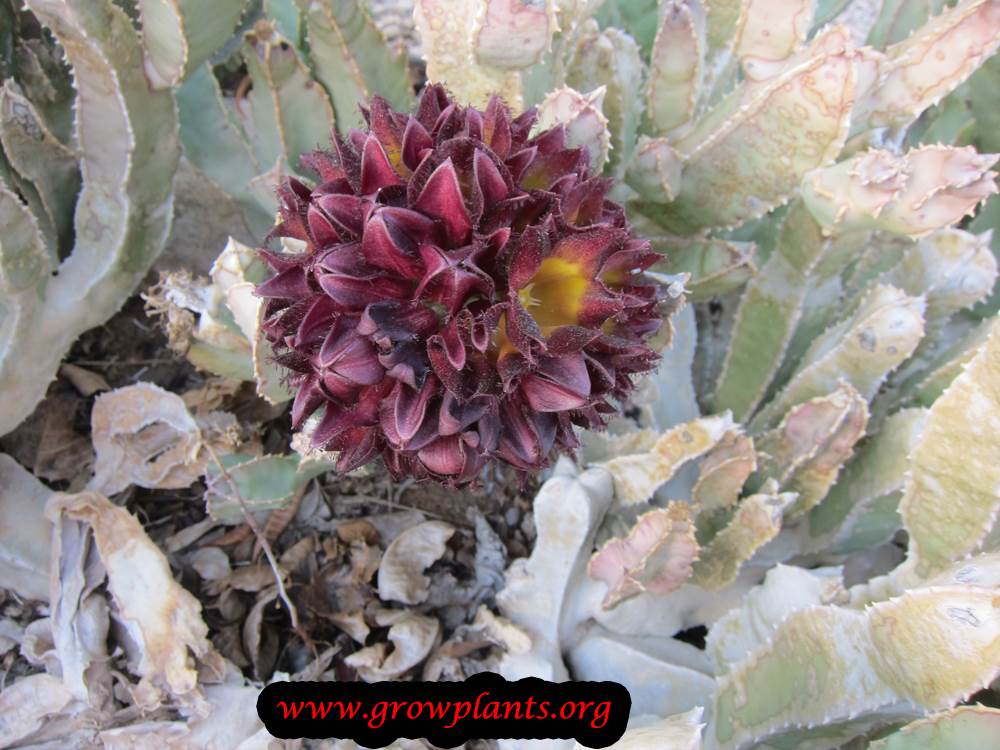
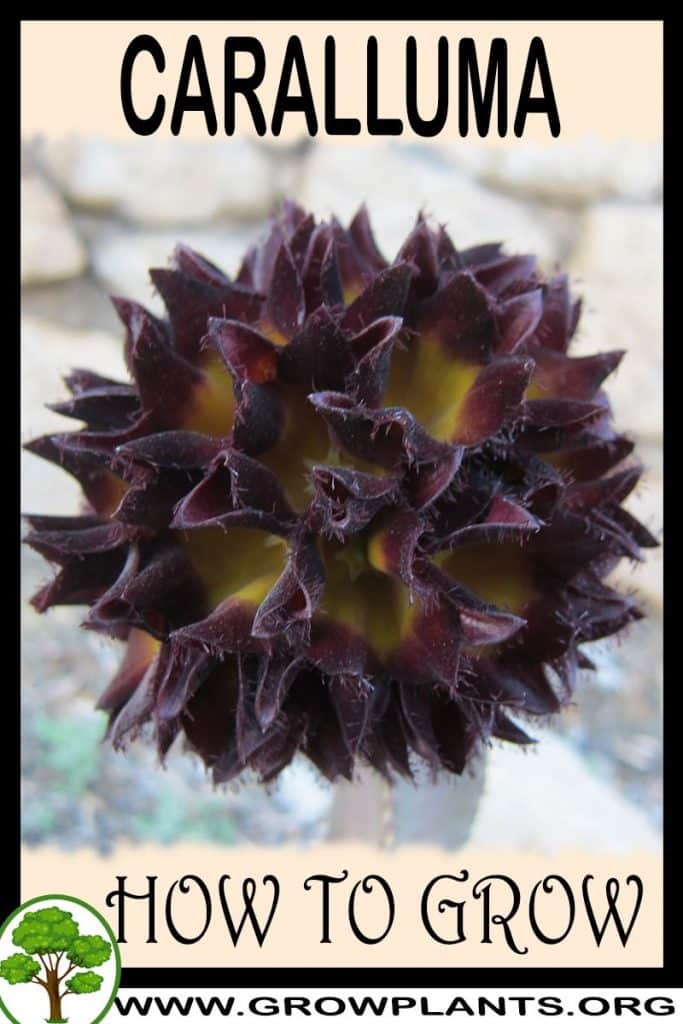
- Flower Characteristics: Star-shaped flowers (clustered into a ball in some species) in purple, brown, black, white, green, red or yellow, often multicoloured; carrion-scented
Primary Uses & Landscape Value
- Functional & Ornamental Roles: Ornamental succulent for rockeries, desert gardens and containers; grown as a houseplant with strong light; traditional medicinal uses
Care Guide: Planting, Soil & Watering
Overview: A slow-growing, clump-forming succulent for very free-draining soil and bright light with only occasional water. It thrives on the dry side and rots if kept wet.
Quick Care Requirements
| Requirement | Ideal Condition |
|---|---|
| Planting Season | In the warm season (spring through autumn) |
| Growth Rate | Slow |
| Soil Type | Very free-draining, gritty/sandy cactus-type mix |
| Water Need | Low – water sparingly and never overwater |
Planting & Establishment
- Best Planting Season: Plant during the warm growing season, from spring to autumn, once the soil is warm.
- How to Plant:
- Hole Preparation: Dig a shallow hole just larger than the root mass.
- Soil Amendments: Blend in coarse sand or grit for sharp, fast drainage.
- Planting Depth: Set the crown at soil level and avoid burying the fleshy stems.
- Growth Speed & Expectations: Slow but steady, forming a low clump to around 20–60 cm.
Soil, Watering & Drainage Care
- Soil Mix & Drainage Needs: A gritty, very free-draining succulent/cactus mix; excellent drainage is essential to prevent rot. Grows well in containers and indoors with plenty of light.
- Watering Schedule & Technique:
- Young / Newly Planted: Water lightly to settle it in, then let it establish.
- Established: Water sparingly, allowing the mix to dry out fully between waterings.
- Seasonal Adjustments: A little more in hot weather; keep nearly dry through the cool season.
Climate, Light & Hardiness
Caralluma succulents are drought-tolerant plants suited to hot, dry mediterranean, desert, and subtropical climates, or as bright houseplants. They are reliably hardy outdoors only in USDA zone 10b–12a, needing essentially frost-free conditions to survive.
Quick Climate Specifications
| Climate Zones | Mediterranean, desert, subtropical, or grown as a houseplant with plenty of light |
|---|---|
| USDA Hardiness Zones | Approximately 10b–12a |
| Frost Tolerance | Very low |
| Light Conditions | Half shade to full shade with plenty of light |
Sunlight & Light Exposure
Optimal Light Setup
Grows in half shade to full shade, but like many succulents still needs a good amount of bright light to stay compact and healthy, particularly indoors.
Shade & Heat Management
Tolerates hot, dry conditions well thanks to fleshy, drought-adapted stems.
Temperature Extremes & Hardiness
USDA Hardiness & Regional Limits
Confined to a narrow, warm outdoor range of about USDA zone 10b–12a; outside this it needs to be grown as a protected container or houseplant.
Cold Damage & Winter Protection
Cold, wet conditions are particularly damaging to succulents like this, since chilled, damp stems are prone to rot; keep dry and sheltered whenever temperatures drop.
Frost Sensitivity
Highly frost-sensitive; frost is likely to be fatal.
Extreme Heat Tolerance
Well adapted to strong heat and drought as a true desert-type succulent genus.
Growing in Pots, Balconies & Indoors
Caralluma is a clump-forming stem succulent that the grower confirms makes a fine houseplant and container plant. Its upright, cactus-like stems and curious star-shaped flowers do well in a bright spot indoors or on a warm patio.
Quick Details
- Container Size: A small-to-medium, wide, shallow pot – the roots are modest and dislike sitting wet
- Indoor Suitability: A good houseplant given bright light
- Best Spot: Bright light with some shade from the fiercest midday sun
- Soil & Drainage: Gritty cactus/succulent mix; sharp drainage is essential
- Watering in Pots: Water sparingly and let it dry out well between waterings – never overwater
Indoors & On the Windowsill
- A good houseplant: The grower grows it indoors – give it the brightest window you can; it takes strong light but appreciates a little shade from scorching midday sun.
- Windowsill: Its compact size suits a sunny sill; keep it on the dry side, especially in the cooler, low-light rest period.
- A note on the flowers: The star-shaped blooms can carry a faint carrion scent to attract flies – some growers move plants outside while they are open.
On a Balcony or Patio
- Warm & bright: Ideal on a warm, sheltered balcony in bright light with shade from the harshest sun; in a small pot it dries fast, which suits this drought-lover.
Choosing the Pot, Soil & Long-Term Care
- Pot & drainage: A shallow, wide pot with strong drainage holes; skip a saucer of standing water to prevent rot.
- Potting mix: A gritty, free-draining cactus/succulent mix – potting mix or sandy soil with plenty of perlite; add gravel at the base.
- Feeding: A dilute low-strength feed once or twice in active growth is plenty – succulents need little.
- Repotting: Pot on every few years into fresh gritty mix; it clumps up steadily and can be divided.
Fertilizing & Feeding
This genus profile covers Caralluma stem succulents generally – drought-tolerant and slow-growing, they need only minimal, light feeding during active growth, with the guidance here applying across the genus’s species unless a specific one is known to differ.
Quick Fertilizing Specs
| Feeding Level | Light |
|---|---|
| young_feeding | Very light or none while a cutting or seedling is still rooting in. |
| mature_feeding | An occasional light, low-nitrogen feeding during the warm growing season for established plants. |
| Main Nutrient Priority | Low nitrogen and an overall restrained approach that favors firm growth over soft, fast growth. |
| Best Feeding Period | The warm growing months. |
| Organic Options | A light top-dress of well-aged organic matter for ground-planted specimens in mild climates. |
| Reduce/Stop Feeding | Stop feeding as growth slows heading into cooler weather. |
Feeding by Growth Stage
Active Growth (Warm Season)
Support firm, healthy new stem growth typical of the genus without pushing soft, rot-prone tissue.
| Nutrient direction | Low-nitrogen, minimal feeding favoring firm stem development over rapid soft growth. |
|---|---|
| Timing | During the warm season while new stem segments are visibly forming. |
| Frequency | Feed sparingly – as a genus, Caralluma species are slow growers that need only occasional light feeding. |
| Fertilizer types | A heavily diluted low-nitrogen succulent or cactus fertilizer for container specimens, A light top-dress of organic matter for plants grown in well-drained open ground |
| Precautions | Never fertilize dry, drought-stressed soil, and avoid feeding right after taking cuttings or repotting until new roots form. |
Dormant or Cool-Season Rest
Let the plant rest through its slow period rather than encouraging growth that cool conditions won’t support.
| Nutrient direction | None – withhold fertilizer while growth has slowed or stopped for the season. |
|---|---|
| Timing | Cooler months when new stem growth clearly stalls. |
| Frequency | No feeding at this stage – resume only once active growth clearly restarts in the warm season. |
| Fertilizer types | No feeding at this stage – occasional light watering only, no fertilizer product needed. |
| Precautions | Do not fertilize during the rest period; feeding a dormant plant of this genus risks salt buildup and stem or root rot. |
Nutrient Deficiency Signs & Corrections
Stems turn unusually soft or dull instead of holding their normal firm, often reddish-green color.
| Possible causes | Overwatering or poor drainage causing root and stem stress, Insufficient light reducing overall vigor and color, An overly rich or overly frequent feeding routine pushing soft tissue |
|---|---|
| Appears first on | The newest stem growth |
| What to check | Check drainage and how quickly the growing medium dries between waterings, Check light levels before assuming a nutrient cause |
| Possible correction | Improve drainage and light first, and reduce rather than increase feeding frequency if stems look soft. |
The plant shows no new stem growth even during its expected active season.
| Possible causes | Insufficient light limiting overall growth energy, A depleted, compacted, or poorly draining growing medium, General nutrient scarcity after a long stretch without feeding |
|---|---|
| Appears first on | The whole plant, most noticeable at the growing tips |
| What to check | Check how long it has been since the growing medium was refreshed, Check that light and temperature fall within the plant’s normal growing-season range |
| Possible correction | Refresh the growing medium and confirm conditions are adequate before introducing a light, low-nitrogen feeding. |
Pruning, Training & Seasonal Maintenance
Plants in the genus Caralluma are leafless, clumping stem succulents without any woody framework, so pruning is really sanitary maintenance — removing dead or rotting stem tissue rather than shaping the plant. Flowers form on current stem growth, not on persistent wood, so trimming has no bearing on next season’s bloom. Because the fleshy stems can rot where clumps grow dense and humid, the safest routine is light, clean removal as needed throughout the year rather than a fixed seasonal prune.
Quick Pruning & Maintenance Specs
| Pruning Tolerance | Low (sanitary removal only) |
| Primary Pruning Window | Any time of year, as needed |
| Typical Frequency | Occasional, whenever damage or rot appears |
| Main Objective | Remove dead or rotting stems; keep clumps open enough to stay dry |
| Young Plant Priority | Leave newly rooted stems untouched |
| Mature Plant Priority | Remove old or rotting stems; thin crowded clumps for airflow |
| Best Tool Type | Sterile grafting knife or precision snips |
| Avoid Heavy Pruning During | Cool, damp or low-light periods when cuts seal slowly |
Pruning by Plant Age & Size
Newly Established
Leave a newly potted or newly rooted stem alone; remove only tissue visibly damaged during transplant or handling.
Young / Formative
No structural training applies to this low, clump-forming habit — there is no leader or framework to build.
Mature / Established
In thickened clumps, periodically remove a stem from the crowded center to let air circulate; this is done to prevent rot, not to shape the plant.
Structural Pruning & Training
Canopy density works against this genus rather than for it: a tightly packed clump holds humidity at the stem bases and raises rot risk, so thinning a dense clump is a genuine health measure.
Special Growth to Remove
- Dead or shriveled stems: cut back to firm tissue whenever noticed.
- Rotting stems: remove promptly, cutting into clean tissue well past the visible damage, to protect the rest of the clump.
Container & Small-Space Pruning
Container-grown clumps concentrate humidity around the base more than plants in open ground, so thin them a little more readily; height control is not a concern given this genus’s naturally low, spreading habit.
Tools
- Grafting knife: for clean, sterile cuts into fleshy stems when removing rot or dividing a clump.
- Precision snips: for small dead or shriveled stem tips.
Tool Hygiene & Disease Risk
Increased risk: cuts into fleshy stem tissue are a real entry point for bacterial and fungal rot in this genus, so disinfect the blade around any rotten material and let fresh cuts callus before they meet moist soil.
Cut Placement & Technique
Cut back into firm, healthy tissue well below any rot or damage using a single clean stroke rather than sawing, which bruises the soft stem.
Heavy Pruning & Rejuvenation
Not tolerated in the traditional sense: there is no woody framework to hard-prune for renewal. A leggy or overgrown clump is better refreshed through stem cuttings than by cutting back the original plant.
Post-Pruning Care
Keep fresh cuts dry and shaded until callused (typically several days) before resuming normal watering, and avoid wetting a fresh wound directly.
Common Pruning Mistakes
- Allowing clumps to stay too dense, encouraging the rot this genus is prone to.
- Watering directly onto a fresh, uncallused cut.
- Cutting rotten tissue with an unsterilized blade and spreading infection to healthy stems.
When NOT to Prune
Avoid cutting during cool, damp, or low-light periods, when wounds heal slowly and are more susceptible to rot organisms.
Recommended Tools (by task)
- grafting_knife: sterile cuts for rot removal or clump division, reducing infection risk in tissue prone to it.
- precision_snips: quick removal of small dead or shriveled stem tips.
Propagation Guide
Caralluma species are most reliably propagated from stem cuttings or by dividing their clumping stems, which root readily and preserve the plant exactly; seed is possible but, as with related stapeliad succulents, flowers depend on fly pollination so seed set can be sparse and slower to grow on. Vegetative propagation is not required for this genus, and overall it is Easy to propagate from stem material.
Quick Propagation Specs
| Best Propagation Method | Stem cuttings or clump division |
| Alternative Methods | Seed (slower, seed set can be inconsistent) |
| Propagation Difficulty | Easy |
| Seed True-to-Type | Usually true-to-type for the species; hybrid or mixed plantings may vary |
| Vegetative True-to-Type | Yes |
| Best Propagation Season | Spring, summer or autumn |
| Cutting Rooting Time | Typically several weeks once callused and potted |
Growing from Seed
Seed is a slower route for these succulents; stapeliad-type flowers are fly-pollinated and seed set can be inconsistent, so sow promptly after collection into a gritty, well-drained mix and expect uneven, unhurried germination.
Stem Cuttings
Cutting Type
Stem segments cut from the clumping, fleshy stems.
Best Timing
Spring through autumn, during the plant’s active growing season.
Cutting Preparation
Cut a healthy stem section and let the cut end dry and callus for a few days before planting, as with most fleshy succulent stems, to reduce the risk of rot.
Rooting Setup
Insert the callused cutting into a very well-drained soil and water only sparingly until roots form, in line with this plant’s low water needs.
Rooting Hormone
Not necessary — stem cuttings of this succulent generally root without it.
Rooting Time
Typically several weeks.
Division, Offsets, Pups & Suckers
Where the base has produced multiple clumping stems, an already-rooted stem clump can be separated with roots attached and replanted directly into well-drained soil without needing to callus first, since it is not a bare cutting.
Bloom & Flower Guide
Quick Details
- Bloom Season: Summer and autumn, and occasionally in winter
- Flower Appearance: Star-shaped flowers, often multicolored – purple, brown, black, white, green, red or yellow
- Edibility: The flowers are not eaten – grown as an ornamental succulent
Detailed Blooming Overview
Caralluma is a genus of clump-forming succulents grown for their unusual star-shaped flowers. Blooming comes mainly in summer and autumn, and sometimes in winter, in Mediterranean, desert and subtropical climates or under bright light indoors, across roughly zones 10b-12a.
Flower Characteristics
- Five-pointed star flowers, often vividly multicolored across purple, brown, black, white, green, red and yellow.
- In some species the blooms cluster together into a rounded, ball-like head.
- Typical of the group, they carry a carrion scent and are pollinated by flies.
Bloom Care & Thinning
- Position: Strong light and gritty, free-draining soil encourage flowering.
- Pollination: Pollinated by flies drawn to the scent.
Fruit & Uses
Caralluma is a large genus of fleshy-stemmed succulents, and the site notes a traditional medicinal association for the genus. In a number of individual Caralluma species the young stems are eaten as a bitter cooked vegetable or used as a traditional appetite-related herbal preparation, but this varies considerably by species, so it should not be assumed for every plant sold or grown under this genus name.
Quick Edible Specs
| Edible Parts | Stems (in some species only; varies across the genus) |
|---|---|
| Main Use(s) | Medicinal-note (traditional use, per site); vegetable/food use documented in specific species such as C. fimbriata and C. edulis |
| Eaten Raw or Cooked | Not recommended raw |
| Preparation Required | Cook (boiling to reduce bitter latex, where stems are used) |
| Harvest Season | Not documented |
| Time to First Harvest | Not documented |
| Storage | Not documented |
| Safety/Toxicity Caveat | Bitter latex is typical of the genus; edibility and safety differ by species, so plants should be positively identified to species level before any use is considered |
Shoots & Stems
The fleshy, often ribbed or toothed green stems are the part associated with any documented use across this genus. In species where food or medicinal use is established, young stems are typically peeled and boiled to remove their characteristic bitter latex before being used as a cooked vegetable, pickle, or herbal preparation (most notably Caralluma fimbriata, known as a traditional appetite-related supplement plant). Because Caralluma spans roughly 200 species across Africa, the Middle East and India with very different levels of documentation, this should be treated as genus-wide background rather than an instruction that applies to any individual plant.
Preparation, Uses & Safety
Where stem use is considered for a specific, identified species, cooking (boiling) is the standard preparation to remove bitter latex; raw stems should be avoided. Any medicinal association noted on the site is traditional in nature, and no health claims or dosing guidance are given here. Because edibility and safety vary by species within this genus, always confirm the exact species before considering any use, and default to treating an unidentified Caralluma as ornamental only.
Pests, Diseases & Troubleshooting
Overview: As a stapeliad (carrion-flower) succulent, Caralluma is relatively pest-resistant but exceptionally prone to rot: the real threats are soft-bodied pests (mealybugs, especially root mealybugs, plus aphids on the flowers and scale) and, above all, stem and root rot from overwatering or cold-and-wet conditions. Management is mostly cultural — a lean, gritty mix, careful watering, warmth and good airflow — with spot treatment of pests and prompt surgery on any rot.
Quick Troubleshooting Overview
| Issue / Pest | Main Symptom | Primary Solution |
|---|---|---|
| Mealybugs (incl. root mealybug) | White cottony tufts on stems or roots; sticky honeydew | Alcohol swab, repot in fresh gritty mix, neem/oil |
| Aphids on buds | Distorted, aborted flowers and honeydew | Rinse buds, insecticidal soap, beneficials |
| Scale | Fixed brown/gray bumps on stems | Scrape off, prune, horticultural oil |
| Stem / black rot | Yellow-to-black mushy stems, foul smell | Cut back to clean tissue, dust with sulfur, re-root |
| Overwatering / root rot | Soft collapsing stems, blackened roots | Gritty mix, sparse watering, sharp drainage |
| Cold damage | Glassy then black soft patches after cold | Keep warm and dry, above ~10°C, remove damage |
Common Pests & Management
- Mealybugs (Pseudococcus / Planococcus spp.):
- Symptoms: White cottony tufts nestled in stem angles, tubercles and around the base; sticky honeydew and sooty mold; stems yellow and soften. Root mealybugs (Rhizoecus) hide in the soil as white powder on roots and are a leading killer of stapeliads.
- Prevention & Control: Wipe visible clusters with a cotton swab dipped in dilute alcohol; isolate affected plants; for suspected root mealybug, bare-root, wash the roots, and repot in fresh, gritty mix. Neem oil or a light horticultural-oil spray helps, but keep the succulent skin dry between treatments.
- Aphids (Aphis spp.):
- Symptoms: Clusters of small soft insects on flower buds and tender new stem tips, causing distortion, aborted flowers and honeydew; stapeliad blooms are a magnet for them.
- Prevention & Control: Rinse buds gently with water or wipe them clean; encourage lacewings and ladybirds; treat persistent colonies with insecticidal soap, taking care around the delicate flowers.
- Scale insects (Diaspididae / Coccidae):
- Symptoms: Small brown, tan or gray bumps fixed along stems that do not brush off; yellowing and slow decline, with honeydew from soft scales.
- Prevention & Control: Scrape off light infestations by hand or with an alcohol-dipped swab; prune out badly encrusted stems. Horticultural oil smothers crawlers; repeat as new ones emerge.
- Spider mites (Tetranychus spp.):
- Symptoms: Fine stippling, dull bronzed stems and faint webbing in hot, dry, stagnant air; more a risk indoors or in a closed greenhouse.
- Prevention & Control: Improve airflow and avoid dusty, overheated conditions; an occasional gentle rinse deters them. Treat outbreaks with insecticidal soap or a light oil, ensuring the plant dries quickly afterward.
Diseases & Fungal Issues
- Stem and black rot (Fusarium / Pythium / Erwinia):
- Symptoms: The classic stapeliad killer: stems turn yellow then translucent, blacken and go mushy, often starting at the base or a wound and spreading fast; a foul smell signals bacterial soft rot. Almost always triggered by overwatering, cold-and-wet conditions or a fungus entering through damaged tissue.
- Treatment & Management: Prevention is everything: use a very free-draining mineral mix, water sparingly and only in warmth, and never leave plants cold and wet. At the first sign, cut well back into clean green tissue with a sterile blade, dust with sulfur, let it callus, and re-root a healthy cutting — the parent is often lost.
- Sooty mold (Capnodium spp.):
- Symptoms: Black superficial coating on stems wherever honeydew from mealybugs, aphids or scale has fallen; harmless itself but blocks light and signals a pest problem.
- Treatment & Management: Control the underlying sap-suckers, then wipe stems clean with a damp cloth; the mold fades once the honeydew source is gone.
Growing Difficulties & Abiotic Problems
- Overwatering and root rot:
- Cause & Symptoms: Soft, collapsing, yellowing stems and blackened roots when the plant is watered too often or sits in dense, water-retentive soil — the single most common cause of death in these succulents.
- Correction Strategy: Grow in a gritty, mostly mineral mix in a pot with ample drainage; water only when the soil is fully dry and the plant is in active, warm growth; reduce watering sharply in cool or dormant periods.
- Cold damage:
- Cause & Symptoms: Glassy, water-soaked, then black soft patches after exposure to cold, especially combined with damp; these tropical/subtropical stapeliads have little frost tolerance.
- Correction Strategy: Keep above roughly 10°C and completely dry during cold spells; move containers under cover before cold weather; remove damaged tissue back to firm growth.
- Etiolation and sunburn:
- Cause & Symptoms: Pale, thin, stretched stems leaning toward light indicate too little sun; conversely, bleached or scorched patches appear when a shade-grown plant is suddenly moved into fierce direct sun.
- Correction Strategy: Provide bright light with some protection from the harshest midday sun; acclimate gradually when increasing light to avoid scorch.
What Helps — Products & Tools
The key tools here are cultural: a sharp, gritty mineral potting mix, restrained watering and warmth. For pests, keep 70% isopropyl alcohol and cotton swabs (mealybugs, scale), insecticidal soap and a light neem or horticultural oil on hand, plus a sterile blade and flowers of sulfur (or a fungicidal dust) for cutting out rot and dusting cut surfaces before re-rooting. A systemic soil drench for mealybugs can be considered for valuable plants.