


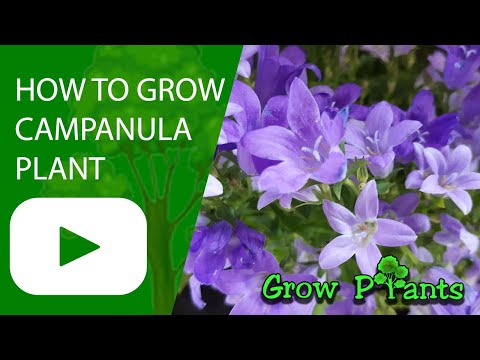
Plant Profile & Key Characteristics
Overview: Campanula longistyla (bellflower) is a herbaceous perennial bellflower (family Campanulaceae) reaching 10–30 cm (4–12 in) tall. Upright herbaceous bellflower with long-styled flowers.
Quick Specifications
| Specification | Attribute |
|---|---|
| Plant Type / Life Cycle | Herbaceous perennial (sometimes grown as an annual) |
| Foliage Type | Deciduous (herbaceous) |
| Mature Size | 10–30 cm (4–12 in) tall |
| Growth Rate | Moderate to fast |
| Toxicity | Non-toxic; young leaves and flowers of many bellflowers are edible |
| Hardiness | USDA zones 3–9 |
Growth Form & Structure
- Height & Spread: In the ground it reaches 10–30 cm (4–12 in) tall; equally at home in pots, troughs and rock crevices (grows well in containers).
- Growth Habit & Form: Upright herbaceous bellflower with long-styled flowers.
- Lifespan & Maturity: A perennial that reaches its modest mature size within a season or two; it flowers each year and produces dry seed capsules rather than fleshy fruit.
Anatomy & Physical Features
- Leaves & Foliage: Green, ovate leaves with serrated margins.
- Flower Characteristics: Nodding, bell-shaped purple flowers with a long protruding style, borne at the stem tips.
Primary Uses & Landscape Value
- Edible Uses: Young leaves and flowers of many bellflowers are edible, used raw as a mild salad green or garnish.
- Functional & Ornamental Roles: Ornamental for rock gardens and borders and grown as a cut flower; also suited to containers.
Care Guide: Planting, Soil & Watering
Overview: Campanula longistyla is a cool-climate bellflower that performs best in a humus-rich, moisture-retentive soil that still drains freely, with steady, even moisture through the growing season. Give it an open, fertile bed in full sun to part shade and it settles in quickly as a low ornamental ground cover.
Quick Care Requirements
| Requirement | Ideal Condition |
|---|---|
| Planting Season | Spring, after the last frost, through early summer |
| Growth Rate | Moderate to Fast |
| Soil Type | Well-draining, moisture-retentive, humus-rich soil |
| Water Need | Moderate to High – keep evenly moist, never waterlogged |
Planting & Establishment
- Best Planting Season: Plant in spring once the danger of frost has passed and the soil has begun to warm, continuing into early summer. Within its hardiness range (zones 3-9), the cool, mild weather it favours at planting time gives the fastest establishment.
- How to Plant:
- Hole Preparation: Dig a hole about twice as wide as the root ball and no deeper, loosening the surrounding soil so the fine roots can spread out easily.
- Soil Amendments: Work in compost or well-rotted organic matter to enrich the bed, and on heavy ground add coarse grit or sand to sharpen drainage.
- Planting Depth: Set the plant so the root collar sits level with the surrounding soil surface – do not bury the crown or stem, which invites rot.
- Growth Speed & Expectations: In cool, moist, well-drained conditions expect moderate to fast growth, with the plant knitting together into a spreading mat of foliage over its first season.
Soil, Watering & Drainage Care
- Soil Mix & Drainage Needs: Aim for an open, aerated soil that holds moisture yet drains freely; in a container use a quality potting mix lightened with grit or perlite, and always ensure drainage holes so water never pools around the roots and causes rot.
- Watering Schedule & Technique:
- Young / Newly Planted: Water in well at planting and keep the soil consistently moist while the roots establish, watering whenever the top of the soil starts to dry.
- Established: Water deeply and regularly so the soil stays evenly moist through the growing season, letting only the very surface dry between waterings.
- Seasonal Adjustments: Increase watering during hot, dry spells, and cut back in the cooler months when growth slows and the soil holds moisture longer.
Climate, Light & Hardiness
Campanula longistyla (bellflower) is a cool-climate herbaceous perennial grown a cut-flower perennial in temperate, Mediterranean, and subtropical regions, favouring mild temperatures and consistent moisture. It performs best in full sun to partial shade and is notably cold hardy, overwintering reliably in USDA zones 3–9 while resenting prolonged summer heat.
Quick Climate Specifications
| Climate Zones | Temperate, Mediterranean, and subtropical |
|---|---|
| USDA Hardiness Zones | 3–9 |
| Optimal Temp Range | Approximately 15–24 °C (59–75 °F) |
| Approx. Survival Minimum | About −40 to −34 °C (−40 to −30 °F) at the zone 3 limit |
| Frost Tolerance | High |
| Light Conditions | Full sun to partial shade |
| Wind Tolerance | Moderate |
| Salt / Coastal Tolerance | Low |
Sunlight & Light Exposure
Optimal Light Setup
Campanula longistyla flowers most freely in full sun in cool and temperate climates. Where summers are hot, a site with morning sun and afternoon shade protects flower colour and prolongs bloom.
Direct Sun Requirement
The plant is listed for full sun to half shade, so it genuinely uses direct sun - several hours a day improves flowering and habit. The trade-off is heat: the hotter the climate, the more the midday and afternoon sun should be tempered.
Shade & Heat Management
Use light afternoon shade and a cool root run (mulch, or shade from neighbouring plants) to carry it through heat waves. In cool-summer climates little or no shade is needed.
Best Exposure / Orientation
Open, south-facing positions suit cool-summer gardens; in Mediterranean and subtropical areas favour an east-facing aspect or light shade from midday onward to buffer heat.
Temperature Extremes & Hardiness
USDA Hardiness & Regional Limits
The site data places Campanula longistyla in USDA hardiness zones 3–9, an unusually wide, cold-hardy range. Zones 3–9 describe winter cold survival; the practical warm-climate limit is set by summer heat and humidity rather than by cold, so in the hottest, most humid parts of zone 9 it is often shorter-lived.
Cold Damage & Winter Protection
As a hardy herbaceous perennial it dies back or retreats to a ground-hugging crown for winter and regrows in spring. Established crowns tolerate hard frost and deep cold at the zone 3 end (roughly −40 to −34 °C / −40 to −30 °F). The usual winter risk is not cold itself but cold combined with wet: sharp drainage prevents crown rot during freeze–thaw cycles. Container-grown plants are more exposed - their root zone freezes faster, so give pots shelter in severe winters.
Frost Sensitivity
Frost sensitivity is low. Light frosts do not harm dormant or hardened plants, and evergreen foliage on mild-winter plants may only be cosmetically damaged by severe freezes while the crown survives. Tender new spring growth can be nipped by a late hard frost but the plant recovers.
Extreme Heat Tolerance
Prolonged heat is the chief limiting factor for this cool-season perennial. High temperatures, particularly hot, humid nights, cause flagging, faster fading of flowers, and premature dormancy. Afternoon shade, a mulched cool root zone, and good air circulation all help it persist through hot summers.
Wind, Humidity & Microclimate
Humidity Preferences
Moderate humidity with free air movement suits it best. Warm, damp, stagnant air encourages foliar problems and shortens the life of hot-climate plants, so airflow matters as much as the humidity level itself.
Dry-Air Tolerance
Tolerates moderately dry air when roots are kept cool and evenly moist. Very hot, dry, windy spells stress it, so a sheltered, mulched position is preferable in exposed gardens.
Wind Tolerance
The mounded, fairly low habit gives moderate wind tolerance. In very exposed sites taller flower stems may need light shelter or support.
Coastal / Salt Tolerance
These are inland, mountain- and woodland-origin plants with little natural salt exposure; treat coastal salt-spray and saline soils as poorly tolerated and site them away from direct sea wind.
Rainfall & Seasonal Moisture
It is adapted to climates with reliable moisture through the growing season and drier, colder winters. The key climatic risk is winter wet on heavy ground - sharp drainage that sheds excess rain protects the crown, while summer moisture (as climate, not irrigation) supports steady growth.
Microclimate Recommendations
- Cool, evenly moist, sharply drained ground gives the longest life and best flowering.
- In warm climates use afternoon shade and mulch to keep the root zone cool.
- Give some shelter and airflow in exposed or humid sites; keep winter drainage sharp.
Growing in Pots, Balconies & Indoors
Campanula longistyla is a compact, cushion-forming alpine bellflower – a natural for pots, troughs, alpine pans and rock-garden containers. The grower notes it is not a true indoor houseplant – like most bellflowers it wants full sun to half shade and cool, airy conditions that a warm living room can’t give – but it grows very well in a container on a patio or balcony, and a compact plant can be kept on a bright, cool windowsill.
Quick Details
- Container Size: A small, shallow pot, alpine pan or trough (roughly 15-25 cm / 6-10 in across) suits its compact size; good in a mixed alpine trough too.
- Indoor Suitability: Not a deep-room houseplant; fine on a bright, cool, sunny windowsill and excellent as an outdoor container plant.
- Best Spot: Full sun to half shade outdoors; happiest with bright light and cool roots.
- Soil & Drainage: Gritty, free-draining mix; alpine bellflowers dislike wet feet.
- Watering in Pots: Keep evenly moist through the growing season (it likes a good drink) but never waterlogged – pots dry faster than open ground, so check often in warm weather.
Indoors & On the Windowsill
- Houseplant limits: The grower marks it as not a houseplant. Deep in a warm room the light is too weak and the air too still, so growth is leggy and flowering is poor.
- Windowsill growing: A bright, cool windowsill with a few hours of direct sun is a different story – there a compact plant can flower well. Keep it cool and airy, and turn the pot now and then for even growth.
- Overwintering: In cold climates a potted plant is easy to shelter – move it to a cold but frost-free spot (an unheated porch, cold frame or bright cool windowsill) over winter, keep it barely moist, and return it outside once hard frosts pass.
On a Balcony or Patio
- Light & wind: Give it a bright spot with sun for part of the day. Walls, railings and paving reflect heat and dry small pots quickly, so check moisture daily in warm, breezy weather. A drip irrigation kit with a timer can take over that watering check automatically.
- Alpine display: Perfect for a sunny trough, alpine pan or the edge of a mixed container with other low rockery plants.
- Practicalities: These are light, small containers that are easy to place; still stand pots so drainage water runs away freely rather than pooling on the balcony floor.
Choosing the Pot, Soil & Long-Term Care
- Pot & drainage: Use a pot with strong drainage holes and skip a standing-water saucer, which invites root rot. Terracotta breathes and dries fast (ideal for these grit-lovers); glazed or plastic holds moisture longer, so water more sparingly if you use it.
- Potting mix: A free-draining, aerated mix – a good potting/loam-based compost lightened with plenty of perlite, coarse grit or vermiculite. A gravel mulch over the surface keeps the neck dry and sets off the flowers.
- Feeding: Potted plants need feeding more often than those in the ground, as watering leaches nutrients away; a weak balanced liquid feed every few weeks through the growing season is plenty – don’t overfeed alpines.
- Repotting: Refresh the mix or pot on about every couple of years. For these perennials, divide or lightly trim the clump and shear off spent flowers to keep it neat and encourage more bloom.
Fertilizing & Feeding
This bellflower is a moderate feeder that responds to light, steady feeding through the active growing season and needs little to none while it rests over winter.
Quick Fertilizing Specs
| Feeding Level | Moderate |
|---|---|
| Main Nutrient Priority | Balanced feeding with adequate nitrogen; avoid excess |
| Best Feeding Period | Active growth through the spring and summer bloom |
| Soil pH | Near neutral to slightly acidic; tolerates a range |
| Organic Options | Compost and other organic matter worked into the soil |
| Reduce/Stop Feeding | Ease off as growth slows into autumn and winter |
Feeding by Growth Stage
Spring growth flush
Support vigorous new stems and foliage as growth resumes in spring.
| Nutrient direction | A balanced, complete fertilizer to fuel leafy growth heading into bloom. |
|---|---|
| Timing | As new growth emerges in spring. |
| Frequency | Light, steady feeding through the active growing season. |
| Fertilizer types | A balanced complete garden fertilizer, Compost or other organic matter worked in at planting |
| Precautions | Avoid heavy nitrogen, which pushes soft leafy growth at the expense of flowers. |
Blooming period
Sustain flowering through the spring and summer bloom.
| Nutrient direction | Keep feeding balanced; adequate nitrogen in a complete fertilizer supports continued bloom. |
|---|---|
| Timing | Through the flowering period in spring and summer. |
| Frequency | Continue light feeding while the plant is actively blooming. |
| Fertilizer types | A balanced complete fertilizer |
| Precautions | Skip high-phosphorus ‘bloom booster’ products; balanced feeding and good light drive flowering. |
Dormancy / winter rest
Let the plant rest without stimulating tender growth.
| Nutrient direction | None – withhold fertilizer while the plant is dormant. |
|---|---|
| Timing | Late autumn through winter as growth stops. |
| Frequency | No feeding at this stage. |
| Fertilizer types | No feeding at this stage – withhold fertilizer during dormancy. |
| Precautions | Do not fertilize until active growth resumes in spring. |
Nutrient Deficiency Signs & Corrections
Uniform yellowing of older, lower leaves with slowed growth.
| Possible causes | Low nitrogen availability in the soil, Waterlogged or compacted roots limiting uptake, Nutrients leached from container mixes by frequent watering |
|---|---|
| Appears first on | Older, lower leaves |
| What to check | Recent feeding history and overall soil fertility, Drainage and how wet the root zone stays |
| Possible correction | Apply a balanced complete fertilizer and improve drainage; correct watering habits. |
Yellowing between the veins of the youngest leaves while the veins stay green.
| Possible causes | Iron or manganese made unavailable by high soil pH, Poor drainage and over-watering stressing the roots, Cold, wet soils slowing micronutrient uptake |
|---|---|
| Appears first on | New growth at the stem tips |
| What to check | Soil pH and drainage, Whether the symptom tracks the newest leaves |
| Possible correction | Correct soil pH and drainage; apply a chelated iron product per its label if needed. |
Browning, scorched leaf edges, most noticeable on container plants.
| Possible causes | Fertilizer salt buildup in the root zone, Under-watering or inconsistent moisture, Restricted, pot-bound roots in containers |
|---|---|
| Appears first on | Leaf margins of mature leaves |
| What to check | Feeding rate and any white salt crust on the soil or pot, Watering consistency and root congestion |
| Possible correction | Ease back on fertilizer, water thoroughly to flush accumulated salts, and repot congested plants. |
Pruning, Training & Seasonal Maintenance
Campanula longistyla is grown as a cut flower rather than as groundcover, with taller, more upright stems than its low mat-forming relatives in this genus. It is entirely soft-stemmed and tolerates pruning well, but the real task here is harvest-timing: cutting stems for the vase or deadheading spent ones as flowers fade both serve the same purpose – keeping the plant producing fresh flowering growth through the season.
Quick Pruning & Maintenance Specs
| Pruning Tolerance | High – soft-stemmed, reflushes readily |
| Primary Pruning Window | Through the bloom season, as stems are cut or flowers fade |
| Secondary Maintenance Window | End-of-season cutback once flowering stops |
| Typical Frequency | Frequent light cutting if grown for the vase; otherwise deadhead every 1–2 weeks |
| Main Objective | Sustain flower production and keep stems upright |
| Young Plant Priority | Let the clump bulk up before heavy cutting for the vase |
| Mature Plant Priority | Regular harvest/deadhead cycle; stake if stems lean |
| Best Tool Type | Precision snips – stems are soft, not woody |
| Avoid Heavy Pruning During | Early bud formation, if a full flush of blooms or a cut-flower harvest is the goal |
Pruning by Plant Age & Size
Newly Established
Allow a new planting to root in and build size before cutting stems for the vase; remove only damaged growth in the first season.
Young / Formative
No woody framework applies; staking is the only relevant training, useful if young stems are grown in a sheltered or rich bed where they lean before the clump matures.
Mature / Established
Cutting flowering stems for arrangements is the ongoing task and functions as deadheading at the same time. Divide the clump every few years in spring if flowering declines.
Seasonal Pruning Schedule
Post-Flowering
Objective: keep the plant producing new flowering stems. Cut spent or harvested stems back to the basal foliage; don’t remove healthy non-flowering growth. A further flush typically follows within a few weeks.
Ongoing Sanitary
Remove any foliage marked by the spider mites, aphids or slugs recorded for this genus, particularly lower leaves that stay damp longest.
Structural Pruning & Training
Height and stem support are the relevant concerns for a taller, cut-flower-type campanula like this one – light staking or twiggy support keeps stems straight for both display and harvest. No hedging or canopy shaping applies.
Special Growth to Remove
- Spent flower stems – cut for the vase or deadheaded, whichever applies; this is the core recurring task.
Container & Small-Space Pruning
In a container, cut stems a little more conservatively to avoid stripping too much foliage from a smaller root system at once, and divide sooner than an in-ground clump as the pot fills.
Tools
Precision snips for both flower harvest and deadheading – the stems never require anything heavier.
Tool Hygiene & Disease Risk
Routine. No transmissible disease risk is documented for this species; clean tools are sufficient.
Cut Placement & Technique
Cut on a slant just above a leaf node, low enough on the stem to encourage a strong replacement shoot – the same technique for a vase harvest or a deadheading pass.
Heavy Pruning & Rejuvenation
A full cutback to basal foliage once flowering ends for the season is well tolerated and tidies the clump without affecting next year’s bloom, since flowers form on fresh growth each season.
Post-Pruning Care
Water after a full cutback to support regrowth, and watch new shoots for aphids or spider mites, which favor the same tender growth that follows any cut.
Common Pruning Mistakes
Cutting every stem for the vase at once and leaving nothing to keep the clump photosynthesizing; letting spent stems stand and set seed instead of a prompt deadhead.
When NOT to Prune
Avoid stripping stems heavily while buds are still forming if a full bloom display or maximum cut-flower yield is the goal – harvest lightly and let some stems finish flowering first.
Recommended Tools (by task)
- precision_snips – the primary tool for both cut-flower harvest and deadheading.
- soft_ties_stakes – light support for taller stems that lean in rich soil or exposed positions.
Propagation Guide
Campanula longistyla (Bellflower) is easily raised from seed and, as an established clump, can also be divided or started from basal cuttings to reproduce a particular plant exactly. Seed of the species comes largely true and grafting is never needed; the fine seed is surface-sown because it needs light — overall easy to propagate.
Quick Propagation Specs
| Best Propagation Method | Seed |
| Alternative Methods | Division of established clumps; basal cuttings |
| Propagation Difficulty | Easy |
| Seed True-to-Type | Mostly uniform — the species comes largely true, though seedlings may vary if it cross-pollinates with other campanulas nearby |
| Vegetative True-to-Type | Yes — division and cuttings reproduce the parent plant exactly |
| Best Propagation Season | Spring (sowing and division); early autumn is also suitable for dividing perennial clumps |
| Seed Germination Time | typically 2–4 weeks, often slow and uneven |
| Cutting Rooting Time | usually a few weeks under warm, humid conditions |
| Germination Temperature | Around 15–21°C (60–70°F) |
| Seed Sowing Depth | Surface-sow, uncovered or barely covered — the seed needs light |
Growing from Seed
Seed Handling & Viability
The seed is very fine and dust-like. Collect it once the capsules ripen and dry, keep it cool and dry until sowing, and sow the small quantities thinly so seedlings are not crowded.
Sowing Season
Sow in spring, in line with the recommended spring-to-summer planting window. Perennial types can also be sown in early autumn in mild areas.
Sowing Depth & Orientation
Press the seed onto the surface of a moist, well-drained mix and leave it uncovered, or barely sift a dusting over it; it needs light to germinate, so do not bury it.
Germination Conditions
Keep the surface evenly moist and in good light at around 15–21°C (60–70°F). High bottom heat is not needed and can reduce germination.
Germination Time
Seedlings usually appear in about 2–4 weeks, but germination is often slow and staggered.
Seedling Care
Prick out the tiny seedlings once they can be handled, grow them on in bright, airy conditions, and harden them off before planting out. Most reach flowering size the following season.
Basal & Stem Cuttings
Cutting Type
Take short basal cuttings — young shoots pulled or cut from the base of the crown in spring, each with a small heel of firm tissue where possible.
Best Timing
Spring, as new basal growth appears, gives the quickest rooting.
Rooting Setup
Insert them in a gritty, free-draining cuttings mix, keep humid and lightly shaded until roots form. Rooting hormone is optional and only a minor help on these soft shoots.
Rooting Time
Roots usually form within a few weeks; pot on once the cuttings are growing away.
Division
Lift an established clump in early spring (or early autumn in mild areas) and pull or cut it into pieces, each with roots and at least one growth point. Replant at the same depth, water in, and keep moist while they root. Divisions re-establish over the following weeks. Division is the surest way to reproduce a chosen plant exactly, as seedlings can vary slightly.
Bloom & Edible Flower Guide
Quick Details
- Bloom Season: Late spring into summer, and in mild frost-free climates on into winter
- Time to First Bloom: Usually in the first or second year from a young plant
- Flower Appearance: Purple, bell-shaped flowers carried at the tips of the stems
- Edibility: The flowers, and tender young leaves, of bellflowers are edible with a mild, slightly sweet taste
Detailed Blooming Overview
This bellflower is grown as an ornamental and cut flower for its nodding, bell-shaped purple blooms, which open at the ends of the stems from late spring through summer. In hot, frost-free climates it can keep flowering well into winter. The blooms are a favourite of bees and make a charming, edible garnish.
Flower Characteristics
- Purple, bell-shaped flowers held at the ends of the stems.
- Long season, from late spring through summer and beyond in mild areas.
- Rich in nectar and attractive to bees.
Bloom Care & Thinning
- Deadheading: Removing spent flowers keeps the plant tidy and encourages a longer display.
- Cutting: Stems can be cut for the vase just as the first bells open.
- Pollination: Mainly bee-pollinated; no intervention is needed for the show.
Fruit & Uses
This bellflower is grown as an ornamental, but like other members of the genus Campanula its very young leaves can be used as a salad green or cooked potherb and its open bell-shaped flowers make an edible garnish. There is no species-specific record confirming its edible use, so treat it with caution: identify the plant with certainty and eat only small amounts.
Quick Edible Specs
| Edible Parts | Young leaves, flowers |
|---|---|
| Main Use(s) | Culinary – salad green, cooked potherb, edible flower garnish |
| Eaten Raw or Cooked | Very young leaves and flowers raw; older leaves cooked |
| Preparation Required | None for very young leaves & flowers; older leaves best cooked |
| Harvest Season | Young leaves in spring before flowering; flowers through the bloom season (Spring / Summer (in hot climate can be until the winter)) |
| Storage | Best used fresh; leaves keep only a few days refrigerated |
| Safety/Toxicity Caveat | Species-specific edibility unconfirmed – positive ID essential; eat only in moderation |
Leaves & Greens
The tender young leaves are the part used as a green. The leaves are ovate shape with serrated edge. Pick them while they are small, soft and pale green in spring, before the flowering stems shoot up — once the plant comes into flower the foliage turns tougher and more bitter. Very young leaves can go raw into a mixed salad; older or larger leaves are better cooked briefly like spinach as a potherb. Take only a few leaves from each plant so growth is not checked (see Pruning for how removing growth affects the plant).
Flowers & Flower Buds
The bell-shaped flowers in shades of purple are used as an edible garnish. Pick them when they are newly and fully open and still firm, during the bloom season (Spring / Summer (in hot climate can be until the winter)); pinch off the green base and any bitter styles if preferred. Scatter the whole blooms over salads, desserts and drinks for colour, or use them fresh as a plate decoration. Their flavour is mild and slightly sweet, so they are valued more for appearance than taste. Use them the day they are picked.
Preparation, Uses & Safety
Safety first: there is no published record confirming the edible use of this particular bellflower — the guidance here rests on the general edibility of the genus Campanula, whose young leaves and flowers are eaten. Do not eat it unless you have identified the species with certainty, and then only in small amounts. Very young leaves and open flowers are used raw; older leaves are cooked as a potherb. No special detox process is known for the genus and no serious toxicity is recorded, but as with the genus generally the leaves and roots contain inulin, which can cause wind in quantity — another reason to keep portions small. Wash all parts before use.
Pests, Diseases & Troubleshooting
Overview: This is a tall, short-lived (annual/biennial) bellflower whose overwintering rosette is vulnerable to wet-rot and slugs, and whose flowering stems attract aphids and can flop without support. Rust and powdery mildew are the main foliar diseases in humid spells. Work preventively — sharp winter drainage, airflow and staking — and treat cultural/organic-first.
Quick Troubleshooting Overview
| Issue / Pest | Main Symptom | Primary Solution |
|---|---|---|
| Slugs & snails | Ragged holes, vanished seedlings, slime trails | Remove hiding places, grit/copper barriers, hand-pick or iron-phosphate bait |
| Aphids | Sticky, curled new growth with clustered insects | Water jet, encourage predators, insecticidal soap or neem |
| Rust | Orange-brown pustules under leaves, yellow blotches above | Remove infected leaves, improve airflow, sulfur fungicide if severe |
| Powdery mildew | White powdery coating on leaves/stems | Thin for airflow, avoid stress, bicarbonate or sulfur spray |
| Crown / root rot | Wilt in moist soil, blackened mushy crown | Sharp drainage, crown proud with grit collar, never overwater |
| Floppy stems | Tall growth splaying and flopping | Full sun, stake early, avoid excess nitrogen |
Common Pests & Management
- Slugs & snails (Deroceras reticulatum, Cornu aspersum): the number-one pest of bellflowers, above all on young and alpine growth.
- Symptoms: irregular holes with ragged edges in leaves and flowers, whole seedlings vanishing, and tell-tale silvery slime trails on soil and foliage; damage is worst in mild, wet weather and at night. Overwintering rosettes and spring shoots are prime targets and can be grazed to the crown.
- Prevention & Control: clear leaf litter, boards and stones where they shelter; water in the morning so surfaces are dry by night; ring vulnerable plants with a barrier of sharp grit, crushed shell or copper tape; hand-pick after dark or trap with beer or bran; encourage ground beetles, frogs and birds; use iron-phosphate pellets (pet- and wildlife-safe) sparingly only if pressure is high.
- Aphids (Aphis and Myzus spp.): soft green, grey or black sap-suckers on new shoots, buds and leaf undersides.
- Symptoms: curled, distorted or yellowing new growth, sticky honeydew and the sooty mould that grows on it, and clusters of insects with cast white skins; they can also transmit mosaic viruses. On tall stems they mass under the developing flower spikes.
- Prevention & Control: encourage ladybirds, lacewings and hoverflies; knock colonies off with a firm jet of water; pinch out badly infested tips; feed with restraint since lush, over-fed growth attracts them; spray insecticidal soap or neem/horticultural oil on the undersides if needed, applying in the evening to spare bees.
- Two-spotted spider mite (Tetranychus urticae): a hot, dry-weather pest, worst on sheltered or indoor/alpine-house plants.
- Symptoms: fine pale stippling or bronzing of leaves, a dull dusty look, and in bad cases delicate webbing over shoot tips; leaves dry and drop. Confirm by tapping foliage over white paper and watching for moving specks.
- Prevention & Control: raise humidity and hose foliage in hot spells since mites hate moisture; avoid drought stress; remove and destroy heavily webbed growth; introduce predatory mites (Phytoseiulus) under cover; treat with insecticidal soap or horticultural oil, repeating to catch newly hatched mites.
- Thrips (Frankliniella occidentalis and Thrips spp.): tiny slender insects that rasp leaves and flowers, most active in warm weather.
- Symptoms: silvery-white flecking and streaking on leaves and petals, tiny black frass spots, and distorted or discoloured blooms; slide open a bud to find the fast-moving pale nymphs. Thrips can also spread tospoviruses.
- Prevention & Control: use blue sticky traps to monitor and reduce adults; remove spent and damaged flowers; keep plants unstressed; encourage predatory mites and lacewings; spot-treat hotspots with insecticidal soap or spinosad, rotating modes of action.
- Froghoppers / spittlebugs (Philaenus spumarius): sap-sucking nymphs that shelter in frothy ‘cuckoo-spit’.
- Symptoms: blobs of white froth in leaf axils and on stems in late spring and early summer; damage is mostly cosmetic — occasional slight wilting or stem distortion — but the foam is unsightly.
- Prevention & Control: tolerate light infestations, as harm is minor; simply wash the froth (and the nymph inside) off with a jet of water, or wipe it away by hand. Chemical control is rarely warranted.
Diseases & Fungal Issues
- Rust (Coleosporium tussilaginis, Puccinia spp.):
- Symptoms: raised orange, rust-brown or reddish pustules, mostly on leaf undersides, with yellow blotches showing on the upper surface; heavy infection yellows and kills foliage and weakens flowering.
- Treatment & Management: pick off and destroy (do not compost) affected leaves at the first pustules; improve spacing and airflow and water at soil level to keep foliage dry; clear infected debris in autumn; grow more resistant stock where possible; if persistent, apply a sulfur or approved fungicide preventively.
- Powdery mildew (Erysiphe / Golovinomyces spp.):
- Symptoms: white to grey powdery patches on leaves and stems, later causing yellowing, distortion and early leaf drop; worst on crowded plants and in warm days with humid nights or dry-root stress.
- Treatment & Management: increase airflow by thinning and dividing congested clumps; avoid drought stress and overhead evening watering; remove affected leaves; treat with a potassium-bicarbonate spray, sulfur or a light horticultural-oil solution, covering both leaf surfaces.
- Crown & root rot (Pythium, Phytophthora, Rhizoctonia): a frequent cause of losing the overwintering rosette.
- Symptoms: wilting despite moist soil, blackened mushy crown and roots, a rosette that lifts away easily, and sudden collapse; almost always tied to wet, cold or compacted soil and buried crowns.
- Treatment & Management: prevention is the only reliable cure — plant in sharp, gritty, free-draining soil with the crown proud of the surface and a collar of grit around the neck; never overwater; remove affected plants and improve drainage before replanting.
- Ramularia & Septoria leaf spot (Ramularia / Septoria spp.):
- Symptoms: small round-to-angular brown or purplish spots, sometimes with pale centres or yellow halos, that enlarge and merge in wet weather; badly spotted leaves yellow and fall.
- Treatment & Management: remove spotted leaves and clear fallen debris; water at the base and keep foliage dry; space for airflow; a copper-based fungicide can check spread if the problem is severe.
- Southern blight & Sclerotinia (Sclerotium rolfsii, Sclerotinia sclerotiorum):
- Symptoms: sudden wilt and collapse with a soft, brown rot at the stem base or crown; look for white cottony fungal threads and small tan-to-brown mustard-seed-sized sclerotia on the crown and nearby soil, especially in warm, wet, mulched ground.
- Treatment & Management: remove and destroy infected plants together with the surrounding soil and sclerotia; avoid piling mulch against crowns; improve drainage and rotate the position; there is no easy cure, so sanitation and prevention are everything.
Growing Difficulties & Abiotic Problems
- Floppy / leggy growth needing support:
- Cause & Symptoms: tall stems splay open and flop, especially after rain, in shade, or with over-rich feeding; the clump opens at the centre and flowers face the ground.
- Correction Strategy: give full sun to light shade, avoid excess nitrogen, and stake or ring-support stems early in the season; cut back after the first flush to encourage sturdier re-growth and often a second bloom.
- Winter wet & crown rot:
- Cause & Symptoms: cold, standing moisture around a dormant crown causes browning, softening and rot over winter, so plants that looked healthy in autumn fail to return in spring — the commonest way bellflowers are lost.
- Correction Strategy: plant on a slope, raised bed or gritty bank; work grit into the planting hole and mulch the neck with grit rather than moisture-holding organic matter; in very wet climates shelter alpine types with a pane of glass or grow them in an alpine house.
- Heat & humidity collapse:
- Cause & Symptoms: in hot, muggy summers the taller, leafier types wilt, brown at the edges and rot at the base as airflow drops and fungal pressure rises; performance fades in prolonged heat.
- Correction Strategy: give afternoon shade in hot climates, space plants for air movement, water at the base in the morning, and mulch to keep roots cool; remove tired foliage to reduce disease.
- Chlorosis (nutrient / pH imbalance):
- Cause & Symptoms: yellowing leaves with green veins point to iron or magnesium shortage, often from waterlogging, very alkaline soil, or starvation in old container compost rather than true deficiency.
- Correction Strategy: fix drainage first; feed with a balanced fertiliser and refresh container compost; apply chelated iron or a magnesium (Epsom-salt) foliar feed to correct acute cases while addressing the soil cause.
What Helps — Products & Tools
For this bellflower, cultural and organic tools carry most of the load. Keep on hand slug barriers and baits (sharp grit, crushed shell, copper tape, iron-phosphate pellets), insecticidal soap and neem or light horticultural oil for aphids, mites and thrips, and blue sticky traps for monitoring. For disease, a potassium-bicarbonate or sulfur fungicide covers rust and powdery mildew, and a copper-based fungicide checks leaf spots — always the cultural fixes (airflow, drainage, sanitation) first, sprays second, and applied in the evening to protect pollinators.