
Plant Profile & Key Characteristics
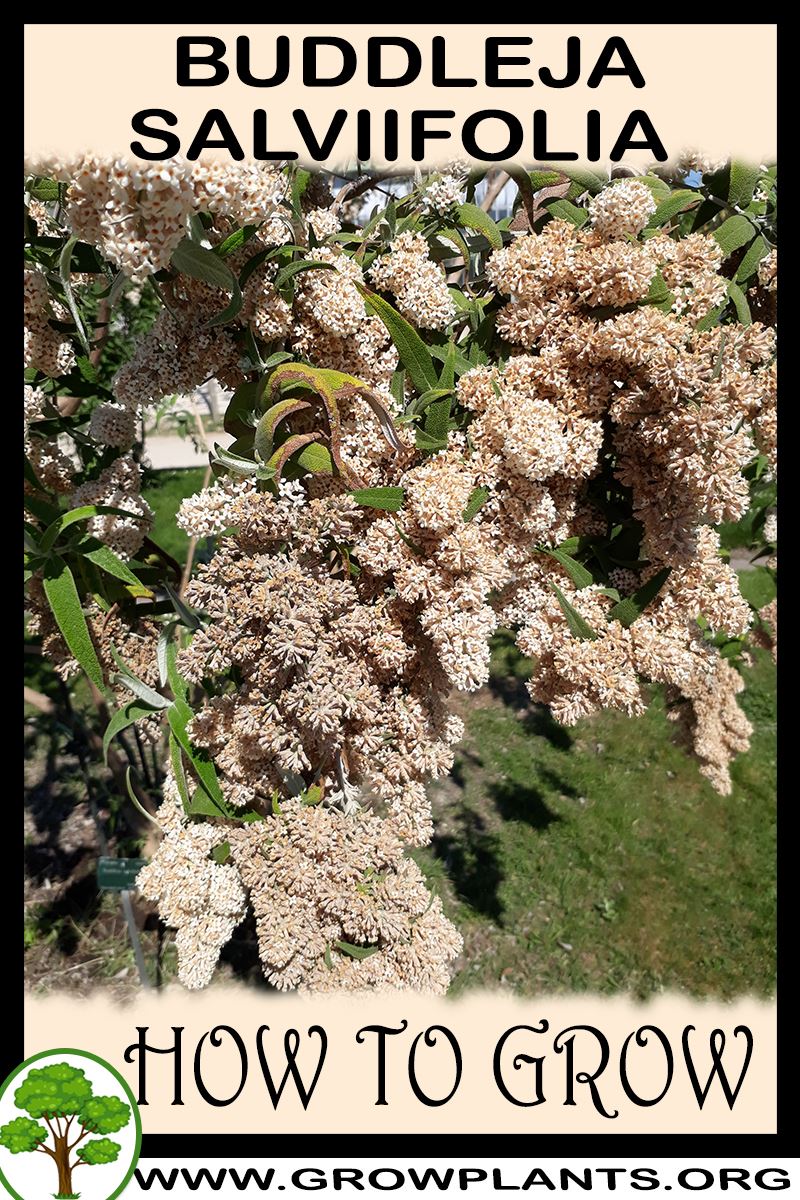
Overview: A fast-growing, large multi-stemmed shrub reaching 4-8 m (12-24 ft), semi-evergreen (evergreen to deciduous depending on climate). Grown as an ornamental, pollinator-attracting flowering shrub and informal hedge.
Quick Specifications
| Specification | Attribute |
|---|---|
| Plant Type / Life Cycle | Perennial (woody shrub) |
| Foliage Type | Semi-evergreen (evergreen or deciduous by climate) |
| Mature Size | 4-8 m tall (12-24 ft) |
| Growth Rate | Fast to Moderate |
| Root System | Fibrous, spreading |
| Hardiness | USDA zones 8-11 |
Growth Form & Structure
- Height & Spread: 4-8 m (12-24 ft) in the ground, arching to a similar width; more restrained when confined to a large container.
- Growth Habit & Form: Large, multi-stemmed shrub with arching stems, well suited to informal hedging and screening.
- Lifespan & Maturity: Long-lived perennial shrub that reaches full size quickly given its fast growth rate.
Anatomy & Physical Features
- Leaves & Foliage: Green, lanceolate, sage-like leaves (hence the common name Sagewood), typically felted and paler beneath.
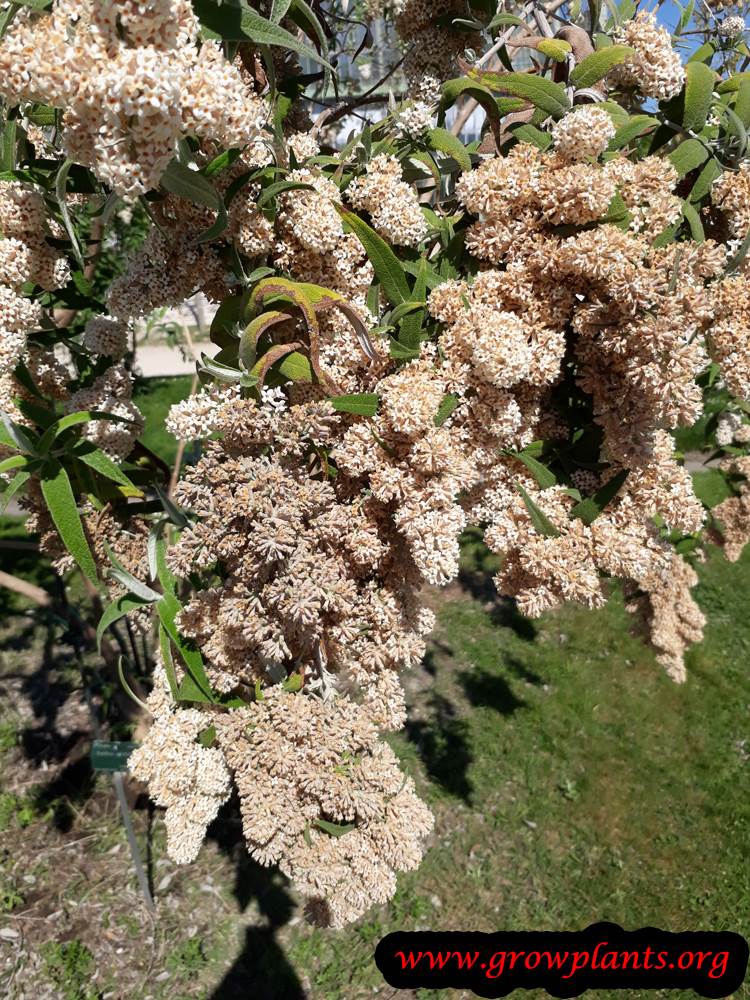
- Flower Characteristics: Small, star-shaped, fragrant flowers in purple, pink or white, massed into dense cone-shaped panicles that attract pollinators.
Primary Uses & Landscape Value
- Functional & Ornamental Roles: Ornamental flowering shrub, informal hedge or screen, and a strong pollinator (butterfly and bee) plant.
Care Guide: Planting, Soil & Watering
Overview: A tough, fast-establishing shrub for warm-temperate to subtropical gardens (hardiness zone 8-11), happy in full sun to light shade. It wants rich, well-drained soil and a moderate, fairly steady supply of water once in growth.
Quick Care Requirements
| Requirement | Ideal Condition |
|---|---|
| Planting Season | Warm season – spring through autumn |
| Growth Rate | Moderate to Fast |
| Soil Type | Rich, well-drained |
| Water Need | Moderate to High |
Planting & Establishment
- Best Planting Season: Plant during the warm season – spring through autumn – giving roots time to settle before any cold snap; in the mildest zones (10-11) autumn planting works well.
- How to Plant:
- Hole Preparation: Dig a hole about twice the width of the root ball and no deeper, so the plant sits at its original level.
- Soil Amendments: Fork compost or well-rotted organic matter into the backfill to enrich the soil and improve drainage.
- Planting Depth: Set the root collar level with the surrounding soil – don’t bury the stem base.
- Growth Speed & Expectations: A quick grower in good conditions, putting on height fast and reaching 4-8 m as a large shrub or hedge.
Soil, Watering & Drainage Care
- Soil Mix & Drainage Needs: Rich but sharply drained soil is ideal; heavy, wet ground should be lightened with grit and organic matter to keep water moving and prevent root rot.
- Watering Schedule & Technique:
- Young / Newly Planted: Water regularly through the first season to keep the root zone from drying while it establishes.
- Established: Once settled, water deeply but let the top few centimetres dry before watering again.
- Seasonal Adjustments: Increase watering in summer heat and cut right back over cool, wet winters.
Climate, Light & Hardiness
Sage bush is an adaptable shrub across subtropical, desert, Mediterranean, and temperate climates, thriving in full sun to half shade with moderate winter cold tolerance for a Buddleja.
Quick Climate Specifications
| Climate Zones | Subtropical, Desert, Mediterranean, Temperate |
|---|---|
| USDA Hardiness Zones | 8–11 |
| Frost Tolerance | Moderate |
| Light Conditions | Full Sun to Half Shade |
Sunlight & Light Exposure
Optimal Light Setup
Full sun gives the densest habit and best flowering; half shade is tolerated with slightly looser growth.
Direct Sun Requirement
Needs a good share of direct sun to flower well and attract pollinators.
Shade & Heat Management
Handles hot climates well; in the most intense desert heat, light afternoon shade can help.
Best Exposure / Orientation
Open, sunny hedgerow or border positions suit its vigorous, spreading habit.
Temperature Extremes & Hardiness
USDA Hardiness & Regional Limits
Hardy in zones 8–11; not reliably cold hardy north of zone 8.
Cold Damage & Winter Protection
Where evergreen (mild climates) it holds foliage year-round; toward the colder part of its range it may behave as a die-back shrub, resprouting from the base after a hard winter.
Frost Sensitivity
Moderately frost tolerant; young growth is more vulnerable than established wood.
Extreme Heat Tolerance
Good; tolerates desert and Mediterranean summer heat well, especially with occasional deep watering.
Wind, Humidity & Microclimate
Humidity Preferences
Adaptable across humid subtropical and dry desert/Mediterranean air.
Dry-Air Tolerance
Good.
Rainfall & Seasonal Moisture
Adapts to seasonal rainfall patterns; established plants tolerate dry spells, though regular moisture supports the best flowering.
Growing in Pots, Balconies & Indoors
This sage-leaf butterfly bush is a large, fragrant shrub – not a houseplant, but it can be grown in a big container on a sunny patio or balcony, kept in bounds by regular pruning.
Quick Details
- Container Size: A large pot for a vigorous 4-8 m (12-24 ft) shrub – prune to keep it smaller
- Indoor Suitability: Not a houseplant – too large and light-hungry for indoors
- Best Spot: Full sun to half shade
- Soil & Drainage: Free-draining, average soil
- Watering in Pots: Average to plentiful – keep evenly moist; large pots dry quickly
Indoors & On the Windowsill
- Houseplant limits: Not an indoor plant – it grows into a big shrub and needs strong outdoor light to flower.
- Overwintering: In colder areas a potted plant can shelter in a frost-free spot over winter and be cut back hard in the process.
On a Balcony or Patio
- Light & wind: Give it the sunniest spot; it is a magnet for butterflies. Prune hard to keep it compact, and shelter a tall plant from strong wind. Large pots dry fast in reflected heat – check often.
- Practicalities: Use a big, stable, heavy pot; a vigorous shrub in a light pot can blow over.
Choosing the Pot, Soil & Long-Term Care
- Pot & drainage: A large pot with strong drainage holes and no saucer; regular hard pruning keeps a potted plant to size.
- Potting mix: A well-aerated, organic-rich mix – peat or coir blended with perlite or vermiculite so it drains freely.
- Feeding: Potted plants need feeding more often than those in open ground, since frequent watering leaches nutrients from the mix – feed regularly through the growing season.
- Repotting: Refresh the top of the mix each year and pot up about every two years; for perennials, lightly prune the root ball and top growth when you do.
Fertilizing & Feeding
A moderate feeder: this vigorous, fast-growing shrub responds well to balanced feeding through the growing season to support its flush of growth and spring flowers.
Quick Fertilizing Specs
| Feeding Level | Moderate |
|---|---|
| young_feeding | Balanced feeding to establish a strong shrub framework |
| mature_feeding | Balanced feeding through spring growth and bloom |
| Main Nutrient Priority | Balanced nutrition with adequate nitrogen for foliage and flowering |
| Best Feeding Period | Spring, as new growth begins and through flowering |
| Organic Options | Compost and well-rotted manure worked into rich, well-drained soil |
| Soil pH | Adaptable to a range of well-drained soils |
| Reduce/Stop Feeding | Ease off after flowering and withhold through winter dormancy |
Feeding by Growth Stage
Spring growth
Fuel the vigorous spring flush of shoots and leaves on Buddleja salviifolia.
| Nutrient direction | A balanced complete fertilizer supports the shrub’s fast, sometimes aggressive growth habit. |
|---|---|
| Timing | Early in the growing season as new growth resumes after winter. |
| Frequency | A light feeding as growth starts, repeated modestly through spring. |
| Fertilizer types | Balanced complete shrub or garden fertilizer, Compost or well-rotted organic matter |
| Precautions | Because this shrub can grow aggressively, avoid over-feeding with nitrogen, which only pushes more rampant growth that needs extra pruning. |
Bloom
Support a full show of the shrub’s small, cone-clustered flowers.
| Nutrient direction | Keep feeding balanced with adequate nitrogen; balanced nutrition, not high phosphorus, drives good bloom. |
|---|---|
| Timing | From bud formation through the spring flowering period. |
| Frequency | Light, steady feeding while the shrub is in active bloom. |
| Fertilizer types | Balanced complete fertilizer, Compost as a slow background source |
| Precautions | Do not rely on high-phosphorus ‘bloom booster’ products; balanced feeding is enough to support flowering. |
Dormancy or rest
Let the shrub rest after flowering without pushing tender new growth into cooler weather.
| Nutrient direction | None – withhold fertilizer once flowering ends and growth slows for the season. |
|---|---|
| Timing | After flowering, through autumn and winter dormancy. |
| Frequency | No feeding at this stage. |
| Fertilizer types | No feeding at this stage; do not fertilize until active spring growth resumes. |
| Precautions | Do not fertilize dormant plants; resume only once new spring growth restarts. |
Nutrient Deficiency Signs & Corrections
Older, lower leaves fade to pale green or yellow and growth slows.
| Possible causes | Low soil nitrogen, Poor, leached or sandy soil, Cold or waterlogged soil limiting root uptake |
|---|---|
| Appears first on | Older, lower leaves |
| What to check | Recent feeding history, Soil organic matter and drainage |
| Possible correction | Apply a balanced complete fertilizer as growth resumes and build soil with compost. |
Young leaves yellow between still-green veins.
| Possible causes | High soil pH limiting iron availability, Waterlogged or compacted soil, A genuine iron shortage |
|---|---|
| Appears first on | Youngest leaves at the shoot tips |
| What to check | Soil pH, Drainage, Whether only new growth is affected |
| Possible correction | Correct soil pH where possible and apply a chelated iron product per its label. |
Lush leafy growth but a disappointing show of flowers.
| Possible causes | Excess nitrogen relative to other nutrients, Heavy shade reducing flowering, Over-feeding with a high-nitrogen fertilizer |
|---|---|
| Appears first on | The whole shrub, as leaves outpacing flowers |
| What to check | Fertilizer type and feeding history, Light levels, Recent pruning and vigour |
| Possible correction | Switch to balanced feeding, ease off nitrogen and ensure adequate sun. |
Pruning, Training & Seasonal Maintenance
Buddleja salviifolia (sage bush) is a fast-growing, pollinator-attracting shrub noted here as aggressive/invasive-leaning and often used as a hedge, so its pruning is mainly about restraint and containment rather than stimulating more growth. The species is lightly shaped in autumn/winter, ahead of its spring bloom, with cuts kept modest (“just for design”) since spring flowers form on the previous season’s growth – a harder renewal cut is better saved for right after flowering if an overgrown plant needs it.
Quick Pruning & Maintenance Specs
| Pruning Tolerance | Moderate–High (vigorous grower; tolerates cutting back well) |
| Primary Pruning Window | Autumn/winter – light shaping ahead of spring bloom |
| Secondary Maintenance Window | Right after spring flowering – the better window for any harder renewal cut |
| Typical Frequency | At least once yearly, given its fast growth and tendency to spread |
| Main Objective | Contain size/spread and maintain hedge shape without sacrificing the spring flower display |
| Best Tool Type | Bypass secateurs for shaping; loppers for thicker basal stems; hedge shears if formally hedged |
| Avoid Heavy Pruning During | Just before spring bloom, since that would remove the wood about to flower |
Pruning by Plant Age & Size
Newly Established
Limit cuts to removing damaged growth; let a young plant build its framework rather than shaping it hard in its first year.
Young / Formative
Light tip pruning can encourage bushier growth; no formal leader-training system is used on this shrub.
Mature / Established
Light autumn/winter shaping to control size and hedge line, plus removal of unwanted root suckers given this species’ spreading tendency; reserve any harder renewal cut for right after spring bloom.
Seasonal Pruning Schedule
Dormant/Winter
Objective: shape and contain, not renew. In autumn/winter, lightly shape the plant and control its size/hedge line. Keep cuts modest here rather than hard, since the wood present now is what will carry the coming spring’s flowers.
Post-Flowering
Objective: renewal, if needed. If the plant has become overgrown or leggy, a harder cutback is best done right after spring flowering finishes rather than in the preceding autumn/winter – this gives a full growing season for new wood to mature before the next spring bloom, whereas a hard autumn/winter cut would remove flowering wood just before it blooms.
Flowering & Fruiting Wood
This species flowers in spring from growth made during the previous season, not from wood produced fresh that same spring. That is why the routine autumn/winter prune is kept light rather than hard – a heavy cutback at that point removes the very wood about to flower. Where a harder renewal cut is genuinely needed, doing it right after bloom instead gives a full season for replacement wood to mature and set up the following year’s display.
Structural Pruning & Training
If kept as a hedge, a light shear in autumn/winter maintains the line; because this shrub is noted as aggressive/fast-growing, an occasional deeper thinning cut (removing an older stem to its base) helps keep the hedge from becoming a dense, twiggy wall and gives more even light to the interior.
Special Growth to Remove
- Root suckers/basal shoots – this species is noted as aggressive and can spread; remove unwanted suckers at their base to keep it contained.
- Spent flower panicles – removing them before seed sets is worth doing given the plant’s invasive tendency, on top of any cosmetic benefit.
- Dead or damaged wood – remove whenever seen.
Tools
- Bypass secateurs – for shaping cuts and deadheading.
- Loppers – for thicker basal stems on a mature shrub reaching several meters.
- Hedge shears – if the plant is kept as a clipped hedge line.
Tool Hygiene & Disease Risk
Routine: aphids, the pest noted for this species, are not tool-transmitted. Keep in mind that pruning stimulates the soft new growth aphids favor, so a post-prune flush is worth watching.
Cut Placement & Technique
Make shaping cuts just above a healthy bud or leaf pair; remove unwanted root suckers as close to their point of origin at the base as possible so they don’t simply regrow from a stub.
Heavy Pruning & Rejuvenation
Well tolerated given this shrub’s vigor. An overgrown or leggy plant can be cut back hard, but do it right after spring flowering rather than in the preceding autumn/winter, and expect a strong flush of regrowth given how fast this species grows – which also means it will need restraining again the following year.
Post-Pruning Care
Water normally through the regrowth flush; avoid extra feeding, since this is already a fast, vigorous grower that doesn’t need encouragement. Watch new soft growth for aphids.
Common Pruning Mistakes
- Doing a hard renewal cut in autumn/winter instead of right after bloom, which removes the wood about to flower.
- Leaving root suckers unchecked, letting an already aggressive grower spread further.
- Repeated shallow hedge shearing without ever thinning, leading to a dense, twiggy shell.
When NOT to Prune
Avoid a hard cutback in the period immediately before spring bloom, since it removes the flowering wood; also avoid letting spent flowers set seed given this species’ spreading tendency.
Pruning Troubleshooting
| Problem | Possible Cause | What to Check | Corrective Action |
| Reduced spring flowering | Hard cutback done in autumn/winter, removing wood about to bloom | Timing and severity of the last prune | Keep autumn/winter cuts light; move any hard renewal to right after spring bloom |
| Unwanted shoots spreading away from the main plant | Root suckers from this spreading-prone species | Base of the plant and surrounding ground for new shoots | Remove suckers at their point of origin; monitor regularly |
| Dense, twiggy hedge with a bare interior | Repeated shallow shearing at the same line without deeper renewal | Canopy density and light penetration inside the hedge | Remove an occasional older stem to its base to open up the interior |
Recommended Tools (by task)
- bypass_secateurs – for shaping cuts, deadheading, and removing root suckers.
- loppers – for thicker basal or older stems on a mature shrub.
- hedge_shears – only if the plant is maintained as a clipped hedge line.
Propagation Guide
Buddleja salviifolia (sage bush) is most easily and quickly increased from semi-hardwood stem cuttings, which root reliably and reproduce the parent plant exactly. It can also be grown from seed — as a true species rather than a named cultivar it comes reasonably true from seed, and grafting or vegetative propagation is not required to keep its character — so overall propagation is considered Easy.
Quick Propagation Specs
| Best Propagation Method | Semi-hardwood stem cuttings |
| Alternative Methods | Seed |
| Propagation Difficulty | Easy |
| Seed True-to-Type | Yes (true species, not a cultivar) |
| Vegetative True-to-Type | Yes |
| Best Propagation Season | Spring to summer for cuttings; spring for seed |
| Seed Germination Time | Typically a few weeks under warm conditions |
| Cutting Rooting Time | Usually a few weeks under warm, humid conditions |
| Germination Temperature | 18–24°C (64–75°F) |
| Seed Sowing Depth | Surface-sow or barely cover; seed is fine and benefits from light |
Growing from Seed
Seed Handling & Viability
Buddleja seed is very fine and dust-like; using fresh seed gives the most even germination.
Sowing Season
Sow in spring, within this plant’s spring-to-autumn planting window.
Sowing Depth & Orientation
Press seed onto the surface of the mix rather than burying it — light aids germination.
Germination Conditions
Keep the medium lightly moist and warm; germination across a batch can be somewhat uneven.
Seedling Care
Grow seedlings on in bright light until sturdy enough to pot up or plant out.
Stem Cuttings
Cutting Type
Semi-hardwood (or softwood) tip cuttings, roughly 10–15cm (4–6in) long.
Best Timing
Late spring to summer, ahead of this plant’s autumn/winter pruning window.
Cutting Preparation
Cut just below a node and strip the lower leaves before inserting into a free-draining cutting mix.
Rooting Setup
A humid, sheltered environment (propagator or covered tray) with bright indirect light improves success.
Rooting Hormone
Optional — can speed and even out rooting but is not required for this genus.
Rooting Time
Typically a few weeks under warm, humid conditions.
Bloom & Flower Guide
Quick Details
- Bloom Season: Spring.
- Flower Appearance: Small star-shaped flowers in purple, pink or white, packed into tapering cone-shaped clusters.
- Edibility: Ornamental only – grown for display and pollinators, not for eating.
Detailed Blooming Overview
Buddleja salviifolia, the sagewood, wraps its arching branches in fragrant, cone-shaped flower clusters in spring. Each spike is made of many tiny star-shaped blooms, and the honey scent draws in bees and butterflies – which is exactly why it is valued as a pollinator hedge.
Flower Characteristics
- Tiny star-shaped flowers in purple, pink or white.
- Massed into tapering, cone-like clusters.
- Fragrant and highly attractive to butterflies and bees.
Bloom Care & Thinning
- Prolonging bloom: Removing spent flower clusters keeps the shrub tidy and can encourage further flowering; a harder prune after bloom maintains shape.
Pests, Diseases & Troubleshooting
Overview: Butterfly bush is a vigorous, largely trouble-free shrub whose main weaknesses are sap-sucking pests during hot dry spells (especially spider mites) and root problems in heavy, waterlogged soil rather than any single serious disease. Manage it culturally first – good airflow, sensible watering, and encouraging the predators that its own nectar attracts – and reach for sprays only when an outbreak builds.
Quick Troubleshooting Overview
| Issue / Pest | Main Symptom | Primary Solution |
|---|---|---|
| Spider mites | Fine stippling and bronzing on leaves, faint webbing in heat | Hose off, raise humidity, insecticidal soap or horticultural oil |
| Aphids | Sticky honeydew, curled shoot tips, sooty mould | Blast with water, encourage ladybirds, soap spray |
| Caterpillars | Chewed, notched or skeletonised leaves | Hand-pick, Bacillus thuringiensis (Bt) |
| Downy / powdery mildew | Grey-purple or white patches on leaves | Improve airflow, avoid wetting foliage, sulphur |
| Root rot / dieback | Wilting, blackened stems, collapse in wet soil | Improve drainage, cut out dead wood, avoid overwatering |
Common Pests & Management
- Two-spotted spider mite (Tetranychus urticae):
- Symptoms: The most common serious pest in warm, dry, dusty conditions. Look for fine pale stippling that turns leaves bronze or grey, with delicate webbing on leaf undersides and shoot tips; heavy infestations cause leaf drop.
- Prevention & Control: Raise humidity and hose foliage undersides forcefully in the cool of the day to knock down populations. Avoid drought stress, which favours mites. Conserve predatory mites and lacewings; if needed, spray insecticidal soap or horticultural oil in the evening, covering leaf undersides, and repeat every 5–7 days.
- Aphids (Aphis and Myzus spp.):
- Symptoms: Clusters of green, brown or black soft-bodied insects on new growth and flower stalks, causing distorted tips, sticky honeydew and black sooty mould.
- Prevention & Control: Tolerate light numbers – butterfly bush draws in ladybirds, hoverflies and lacewings that clear them. Dislodge colonies with a strong water jet; for persistent build-ups use insecticidal soap or a light oil, avoiding open flowers to protect pollinators.
- Caterpillars (tussock moths, loopers and cutworms):
- Symptoms: Irregular chewed holes, notched margins or skeletonised leaves, often with frass (droppings) and the larvae hiding on leaf undersides.
- Prevention & Control: Hand-pick at dusk and remove egg masses. Encourage birds and parasitic wasps. For outbreaks on young plants, spot-treat with Bacillus thuringiensis (Bt), which is selective and pollinator-safe.
- Root and vine weevils (Otiorhynchus spp.):
- Symptoms: Adults notch leaf margins with C-shaped bites at night; the far more damaging white, legless grubs chew roots and can cause sudden wilting or collapse of container plants.
- Prevention & Control: Inspect rootballs of new stock. Water the soil with entomopathogenic nematodes (Heterorhabditis) in warm soil to target grubs, and trap adults with cardboard bands or night hand-picking.
- Capsid bugs and whitefly (occasional):
- Symptoms: Capsids cause small ragged holes and puckered, distorted young leaves; whitefly appear as tiny white flying insects with honeydew when plants are grown under cover.
- Prevention & Control: Usually cosmetic outdoors and rarely needs action. Keep plants unstressed; use yellow sticky traps for whitefly under glass and insecticidal soap only if numbers surge.
Diseases & Fungal Issues
- Downy mildew (Peronospora sp.):
- Symptoms: Angular yellow blotches on the upper leaf with grey-purple fuzzy growth on the underside, mainly in cool, damp, crowded conditions.
- Treatment & Management: Improve air circulation by thinning and spacing, avoid overhead watering, and clear fallen leaves. Remove affected foliage; copper-based sprays help in persistent damp weather.
- Powdery mildew (Erysiphe / Golovinomyces spp.):
- Symptoms: White powdery coating on leaves and shoots, usually late in the growing season on shaded or crowded plants.
- Treatment & Management: Prune for light and airflow, avoid excess nitrogen, and space plants. Treat early with sulphur, potassium bicarbonate, or a horticultural oil.
- Leaf spots (Cercospora / Septoria spp.):
- Symptoms: Brown to purplish spots that may merge; largely cosmetic and worse in wet seasons.
- Treatment & Management: Rake up and destroy infected leaves, water at the base, and improve spacing. Fungicides are rarely warranted.
- Phytophthora root rot and stem dieback:
- Symptoms: Wilting despite moist soil, dark discoloured roots and crown, blackened collapsing stems – most common in heavy, poorly drained ground.
- Treatment & Management: Prevention is key: plant in free-draining soil, never let the crown sit wet, and avoid overwatering. Cut dieback back to healthy wood and improve drainage; badly rotted plants rarely recover.
Growing Difficulties & Abiotic Problems
- Waterlogging & wet feet:
- Cause & Symptoms: Yellowing, wilting and dieback in soggy or clay soils; butterfly bush strongly prefers sharp drainage and resents standing water.
- Correction Strategy: Plant on a slight mound or in raised, gritty soil; water deeply but infrequently and let the surface dry between waterings.
- Winter dieback:
- Cause & Symptoms: Stems blacken and die back after cold winters, especially on young or container plants; this is normal for the species.
- Correction Strategy: Leave old growth over winter for protection, then cut hard back to a low framework as growth resumes – it flowers on new wood and recovers vigorously.
- Drought stress:
- Cause & Symptoms: Wilting, leaf scorch and heavy mite pressure during prolonged dry heat.
- Correction Strategy: Mulch to conserve moisture and water established plants deeply during extended drought; avoid the chronic dryness that triggers spider mites.
- Chlorosis in alkaline / wet soil:
- Cause & Symptoms: Pale leaves with green veins from iron or manganese lock-out in high-pH or waterlogged ground.
- Correction Strategy: Improve drainage and organic matter; apply chelated iron as a short-term correction and avoid over-liming.
What Helps – Products & Tools
For this shrub the useful toolkit is insecticidal soap and horticultural/neem oil for mites and aphids, Bacillus thuringiensis (Bt) for caterpillars, beneficial nematodes for root-weevil grubs, sulphur or potassium bicarbonate for mildews, and copper fungicide for downy mildew and leaf spots – always spraying oils in the evening to protect the many pollinators this plant attracts.