Plant Profile & Key Characteristics
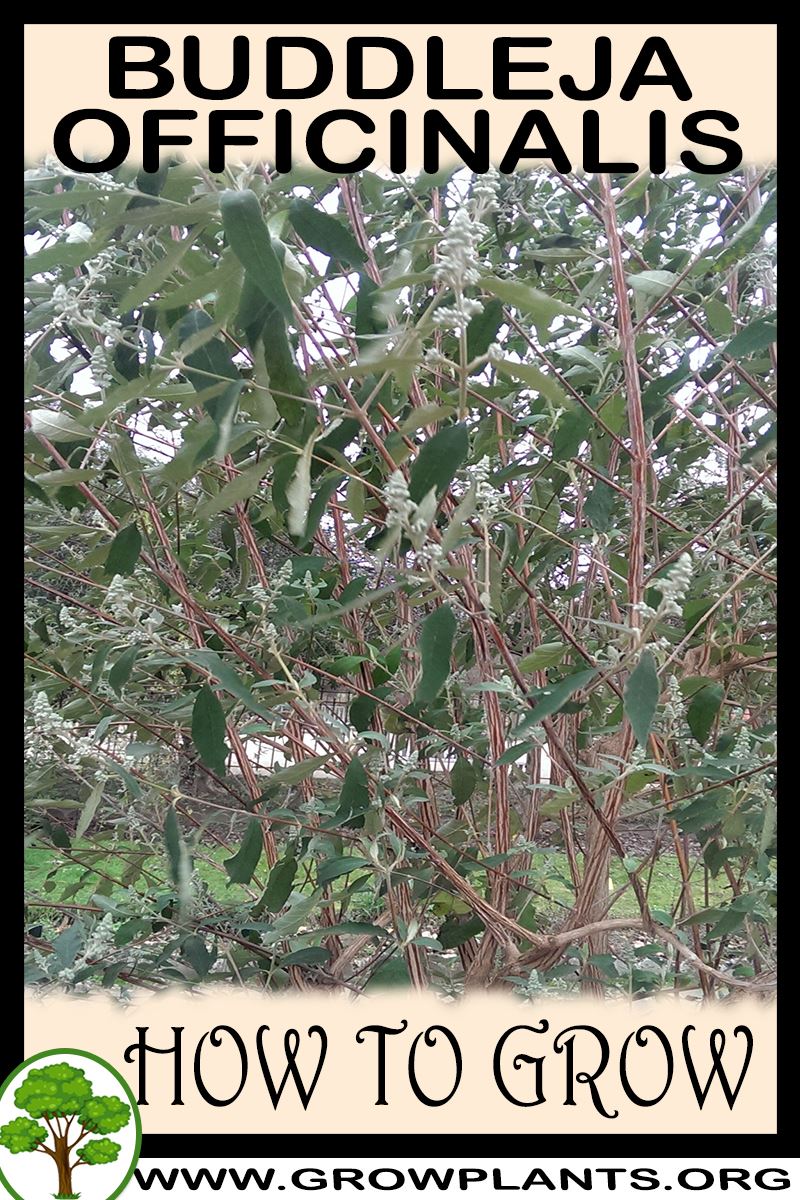
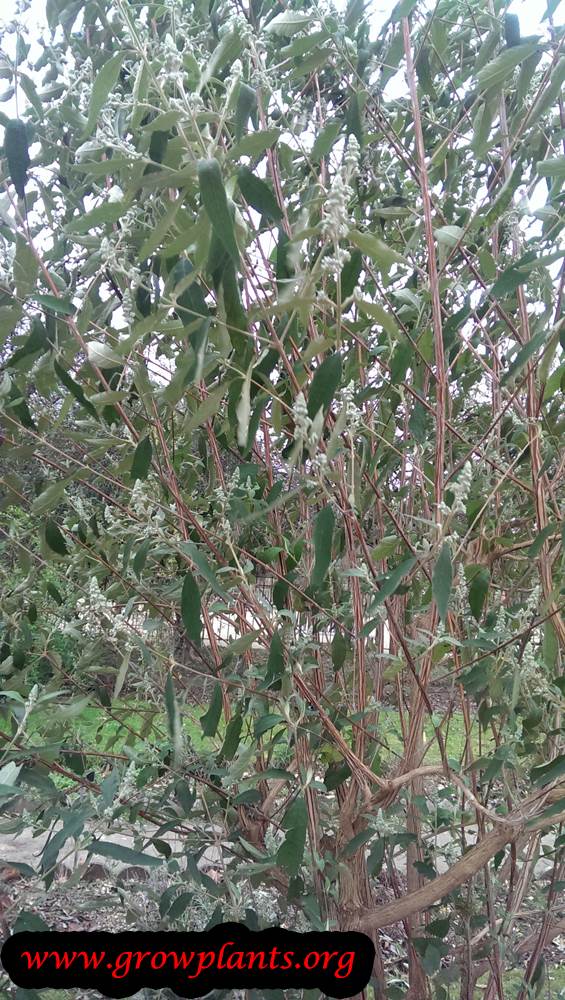
Overview: A fast-growing, winter-into-spring flowering shrub reaching about 1-2 m (3-7 ft), semi-evergreen (evergreen to deciduous by climate). Grown as an ornamental, pollinator-attracting shrub and informal hedge.
Quick Specifications
| Specification | Attribute |
|---|---|
| Plant Type / Life Cycle | Perennial (woody shrub) |
| Foliage Type | Semi-evergreen (evergreen or deciduous by climate) |
| Mature Size | 1-2 m tall (3-7 ft) |
| Growth Rate | Fast to Moderate |
| Root System | Fibrous, spreading |
| Hardiness | USDA zones 5-11 (per source) |
Growth Form & Structure
- Height & Spread: About 1-2 m (3-7 ft) in the ground; can be grown in a large container at reduced size.
- Growth Habit & Form: Multi-stemmed, arching shrub suited to informal hedging.
- Lifespan & Maturity: Long-lived perennial shrub that fills out quickly given its fast growth.
Anatomy & Physical Features
- Leaves & Foliage: Green, lanceolate leaves.
- Flower Characteristics: Small, star-shaped flowers in purple, pink, white or lilac, connected into cone-shaped clusters that attract pollinators.
Primary Uses & Landscape Value
- Functional & Ornamental Roles: Ornamental flowering shrub, informal hedge, and pollinator (butterfly) plant.
Care Guide: Planting, Soil & Watering
Overview: A hardy, quick butterfly bush for a wide climate range (hardiness zone 5-11) in full sun to light shade. It thrives in rich, well-drained soil with a moderate, steady supply of water.
Quick Care Requirements
| Requirement | Ideal Condition |
|---|---|
| Planting Season | Warm season – spring through autumn |
| Growth Rate | Moderate to Fast |
| Soil Type | Rich, well-drained |
| Water Need | Moderate to High |
Planting & Establishment
- Best Planting Season: Plant in the warm season – spring through autumn – so the roots establish before winter; in colder zones favour spring planting.
- How to Plant:
- Hole Preparation: Dig a hole about twice the width of the root ball and no deeper than it, keeping the plant at its original level.
- Soil Amendments: Blend compost or well-rotted organic matter into the backfill to enrich and open up the soil.
- Planting Depth: Set the root collar level with the surrounding soil – don’t bury the stem base.
- Growth Speed & Expectations: Fast to moderate in good conditions, forming a bushy 1-2 m shrub.
Soil, Watering & Drainage Care
- Soil Mix & Drainage Needs: Rich, free-draining soil suits it best; improve heavy or soggy ground with grit and organic matter so excess water drains and roots stay healthy.
- Watering Schedule & Technique:
- Young / Newly Planted: Keep the root zone reliably moist through the first growing season while the plant establishes.
- Established: Thereafter water deeply but allow the top few centimetres to dry between waterings.
- Seasonal Adjustments: Water more in summer heat and much less over cool, wet winters.
Climate, Light & Hardiness
This winter-flowering butterfly bush grows across a broad range of subtropical, Mediterranean, desert, and temperate climates, performing best in full sun to half shade; the site's zone data suggests notably wide cold tolerance for the genus, so gardeners at the cool end of that range should confirm local performance.
Quick Climate Specifications
| Climate Zones | Subtropical, Mediterranean, Desert, Temperate |
|---|---|
| USDA Hardiness Zones | 5–11 (site data; treat the cold end with caution - see below) |
| Frost Tolerance | Moderate |
| Light Conditions | Full Sun to Half Shade |
Sunlight & Light Exposure
Optimal Light Setup
Full sun produces the most compact growth and heaviest flowering; tolerates half shade with a looser form.
Direct Sun Requirement
Benefits from a good share of direct sun for reliable winter-to-spring bloom.
Shade & Heat Management
Tolerates heat well; light shade helps in the most intense desert summers.
Best Exposure / Orientation
An open, sunny hedge or border site suits its vigorous habit.
Temperature Extremes & Hardiness
USDA Hardiness & Regional Limits
Site data lists a broad zone 5–11 range, wider than typically reported for this species; treat the cold end cautiously and expect more die-back toward the coldest part of that range.
Cold Damage & Winter Protection
In cooler zones it likely behaves as a die-back or deciduous shrub in hard winters, resprouting from the base in spring; a protective mulch over the root zone is a sensible precaution at the cold end of its range.
Frost Sensitivity
New growth and flower buds are more frost-tender than established wood.
Extreme Heat Tolerance
Good; well suited to hot desert and Mediterranean summers.
Wind, Humidity & Microclimate
Humidity Preferences
Adaptable to both humid subtropical and dry desert/Mediterranean climates.
Dry-Air Tolerance
Good.
Rainfall & Seasonal Moisture
Tolerates seasonal dry spells once established; regular moisture supports the strongest flowering.
Growing in Pots, Balconies & Indoors
Buddleja officinalis is a winter-into-spring flowering butterfly bush. It is not a houseplant, but its more modest 1-2 m size makes it a manageable large-container shrub for a sunny patio or balcony.
Quick Details
- Container Size: A large pot for a 1-2 m (40-80 cm across) shrub
- Indoor Suitability: Not a houseplant – it needs strong outdoor light
- Best Spot: Full sun to half shade
- Soil & Drainage: Free-draining, average soil
- Watering in Pots: Average to plentiful – keep evenly moist; pots dry faster than open ground
Indoors & On the Windowsill
- Houseplant limits: Not an indoor plant; it flowers on outdoor light and air and grows too large for a room.
- Overwintering: In cold areas a potted plant can be sheltered frost-free; prune after its main flush to keep it tidy.
On a Balcony or Patio
- Light & wind: Give it full sun for the best fragrant flowering; shelter from strong wind and check moisture often, as reflected heat dries pots quickly.
- Practicalities: Use a stable, weighty pot and prune to keep the shrub in proportion.
Choosing the Pot, Soil & Long-Term Care
- Pot & drainage: A large pot with strong drainage holes and no saucer; prune to keep a potted plant compact.
- Potting mix: A well-aerated, organic-rich mix – peat or coir blended with perlite or vermiculite so it drains freely.
- Feeding: Potted plants need feeding more often than those in open ground, since frequent watering leaches nutrients from the mix – feed regularly through the growing season.
- Repotting: Refresh the top of the mix each year and pot up about every two years; for perennials, lightly prune the root ball and top growth when you do.
Fertilizing & Feeding
A moderate feeder: this fast-growing butterfly bush responds well to balanced feeding through the growing season to fuel its dense growth and clustered spring flowers.
Quick Fertilizing Specs
| Feeding Level | Moderate |
|---|---|
| young_feeding | Balanced feeding to establish a full, bushy shape |
| mature_feeding | Balanced feeding through spring growth and bloom |
| Main Nutrient Priority | Balanced nutrition with adequate nitrogen for foliage and flowering |
| Best Feeding Period | Spring, as new growth begins and through flowering |
| Organic Options | Compost and well-rotted manure worked into rich, well-drained soil |
| Soil pH | Adaptable to a range of well-drained soils |
| Reduce/Stop Feeding | Ease off after flowering and withhold through winter dormancy |
Feeding by Growth Stage
Spring growth
Fuel the spring flush of shoots and foliage on this fast-growing hedge and border shrub.
| Nutrient direction | A balanced complete fertilizer supports steady growth without encouraging the shrub’s naturally aggressive spread. |
|---|---|
| Timing | Early in the growing season as new growth resumes after winter. |
| Frequency | A light feeding as growth starts, repeated modestly through spring. |
| Fertilizer types | Balanced complete shrub or garden fertilizer, Compost or well-rotted organic matter |
| Precautions | Because this shrub can spread aggressively, avoid heavy nitrogen feeding, which only encourages more vigorous growth needing extra pruning. |
Bloom
Support a strong show of the fragrant, cone-clustered spring flowers.
| Nutrient direction | Keep feeding balanced with adequate nitrogen; balanced nutrition, not high phosphorus, drives good bloom. |
|---|---|
| Timing | From bud formation through the spring flowering period. |
| Frequency | Light, steady feeding while the shrub is in active bloom. |
| Fertilizer types | Balanced complete fertilizer, Compost as a slow background source |
| Precautions | Do not rely on high-phosphorus ‘bloom booster’ products; balanced feeding is enough to support flowering. |
Dormancy or rest
Let the shrub rest after flowering without pushing tender new growth into cooler weather.
| Nutrient direction | None – withhold fertilizer once flowering ends and growth slows for the season. |
|---|---|
| Timing | After flowering, through autumn and winter dormancy. |
| Frequency | No feeding at this stage. |
| Fertilizer types | No feeding at this stage; do not fertilize until active spring growth resumes. |
| Precautions | Do not fertilize dormant plants; resume only once new spring growth restarts. |
Nutrient Deficiency Signs & Corrections
Older, lower leaves fade to pale green or yellow and growth slows.
| Possible causes | Low soil nitrogen, Poor, leached or sandy soil, Cold or waterlogged soil limiting root uptake |
|---|---|
| Appears first on | Older, lower leaves |
| What to check | Recent feeding history, Soil organic matter and drainage |
| Possible correction | Apply a balanced complete fertilizer as growth resumes and build soil with compost. |
Young leaves yellow between still-green veins.
| Possible causes | High soil pH limiting iron availability, Waterlogged or compacted soil, A genuine iron shortage |
|---|---|
| Appears first on | Youngest leaves at the shoot tips |
| What to check | Soil pH, Drainage, Whether only new growth is affected |
| Possible correction | Correct soil pH where possible and apply a chelated iron product per its label. |
Lush leafy growth but a disappointing show of flowers.
| Possible causes | Excess nitrogen relative to other nutrients, Heavy shade reducing flowering, Over-feeding with a high-nitrogen fertilizer |
|---|---|
| Appears first on | The whole shrub, as leaves outpacing flowers |
| What to check | Fertilizer type and feeding history, Light levels, Recent pruning and vigour |
| Possible correction | Switch to balanced feeding, ease off nitrogen and ensure adequate sun. |
Pruning, Training & Seasonal Maintenance
Buddleja officinalis (Winter Buddleja) tolerates moderate, regular pruning but responds very differently from the familiar summer butterfly bush (B. davidii): it sets its flower buds on the previous season’s wood and blooms in late winter into spring. The safest and most effective time to prune is immediately after flowering finishes, not during dormant winter before bloom – a hard winter prune, the norm for summer-blooming Buddleja, would remove the very wood that was about to flower. Pruning mainly shapes the shrub or hedge line, renews old growth, and – because this species self-seeds aggressively – limits spread by removing spent flowers before seed set.
Quick Pruning & Maintenance Specs
| Pruning Tolerance | Moderate |
| Primary Pruning Window | Immediately after flowering (spring, once bloom fades) |
| Secondary Maintenance Window | Light sanitary/dead-wood removal in autumn–winter dormancy |
| Typical Frequency | Once a year, plus spot deadheading |
| Main Objective | Shape/hedge density, deadheading to limit self-seeding, renewal of old stems |
| Young Plant Priority | Light tip-pinching to build a bushy framework |
| Mature Plant Priority | Post-bloom deadheading plus renewal-thinning of the oldest stems |
| Best Tool Type | Bypass secateurs (hedge shears only if kept as a clipped hedge) |
| Avoid Heavy Pruning During | Late winter/early spring before bloom, and while in flower |
Pruning by Plant Age & Size
Newly Established
Remove only damaged or crossing growth; pinch soft tips to encourage branching. Do not hard-prune a young plant – let it build size and wood first.
Young / Formative
Open, multi-leader shrub form for a specimen planting, or a loosely trimmed hedge line if used for screening; tip-pinch after the first flowering flush to thicken growth.
Mature / Established
Annual post-bloom deadhead of spent flower trusses; renewal-remove the oldest one to three stems at the base every year or two to stop the shrub becoming leggy and to maintain flowering vigor.
Seasonal Pruning Schedule
Post-Flowering (old-wood bloomer)
Objective: renew and shape without sacrificing next year’s bloom. Remove: spent flower clusters, up to a third of the oldest woody stems at the base, damaged growth. Do not remove: vigorous current-season shoots that have not yet flowered – these carry next year’s buds. Response: a summer flush of new growth that matures into next season’s flowering wood. Flowering impact: pruning now protects next year’s crop; delaying it into winter or early spring cuts it off instead.
Ongoing Sanitary
Remove dead, frost-damaged or aphid-distorted tips at any time.
Flowering & Fruiting Wood
Buddleja officinalis flowers on wood produced the previous season, not on the current year’s new growth – the opposite timing from the familiar summer butterfly bush (B. davidii), which blooms on new wood and is traditionally cut hard in late winter. Applying that same late-winter hard prune here removes the buds already set for the coming bloom. Always prune this species right after it finishes flowering, giving new growth a full season to mature and set next year’s buds.
Structural Pruning & Training
Thin the oldest, thickest stems at the base every year or two to prevent the bare, leggy base typical of overgrown Buddleja; keep hedges low-branched by shaping just after bloom rather than shearing repeatedly through summer.
Special Growth to Remove
Deadhead spent flower trusses promptly – this species is noted as aggressive/invasive by self-seeding, so removing faded flowers before seed set is a meaningful control measure, not just cosmetic tidying. Remove dead or winter-damaged tips.
Container & Small-Space Pruning
Root restriction in a container naturally caps size; still prune right after bloom rather than in dormancy, and pinch new shoots to keep a compact, well-branched shape.
Tools
Bypass secateurs for deadheading and stem thinning; loppers for older, thicker renewal stems at the base; hedge shears only if the plant is deliberately kept as a sheared hedge line (accept a lighter bloom in exchange for a formal shape).
Tool Hygiene & Disease Risk
Routine care is sufficient – keep tools clean and sharp. Aphids are the main pest noted for this species; they are not spread by pruning cuts, so no special disinfection protocol is needed.
Cut Placement & Technique
Use thinning cuts at the base to remove whole old stems rather than heading them partway; when shaping, cut just above an outward-facing bud.
Heavy Pruning & Rejuvenation
An overgrown, leggy specimen tolerates fairly hard renewal cutting – remove up to a third of the oldest stems to the base right after flowering, spreading a full rejuvenation over two to three seasons on a very neglected plant so it is never left without any flowering wood.
Post-Pruning Care
Expect a vigorous flush of new growth; watch it for aphids, which favour the soft new shoots. Water moderately during regrowth; no extra feeding is needed on this fast, naturally vigorous grower.
Common Pruning Mistakes
Hard-pruning in dormant winter as if it were a summer-blooming Buddleja (strips next year’s flowers); shearing repeatedly through the season without ever allowing a post-bloom flush; leaving spent flowers to set seed, worsening its self-seeding spread.
When NOT to Prune
Avoid structural or renewal cuts in late winter/early spring before bloom, and avoid stripping flowering wood while the shrub is in bloom (deadheading individual spent trusses is fine).
Recommended Tools (by task)
- bypass_secateurs – deadheading spent flower trusses and thinning smaller stems.
- loppers – removing thicker old renewal stems at the base.
- hedge_shears – only if maintained as a clipped hedge line.
Pruning Troubleshooting
| Problem | Possible Cause | What to Check | Corrective Action |
| Little or no spring bloom | Hard-pruned in dormant winter, removing old-wood flower buds | Timing of last major prune vs. bloom season | Shift heavy pruning to immediately after flowering |
| Bare, leggy base | No renewal pruning of old stems | Age/thickness of lowest stems | Remove oldest stems at the base post-bloom, staged over 2–3 years if severe |
| Volunteer seedlings nearby | Spent flowers left to set seed | Presence of faded flower trusses left on the plant | Deadhead promptly after bloom |
Propagation Guide
Buddleja officinalis is easiest raised from semi-hardwood stem cuttings, which strike quickly and reproduce the plant’s exact character. Seed is a workable alternative since this is a true species rather than a cultivar and grafting or vegetative propagation is not needed to preserve its type; overall difficulty is Easy by either route.
Quick Propagation Specs
| Best Propagation Method | Semi-hardwood stem cuttings |
| Alternative Methods | Seed |
| Propagation Difficulty | Easy |
| Seed True-to-Type | Yes (true species, not a cultivar) |
| Vegetative True-to-Type | Yes |
| Best Propagation Season | Spring to summer for cuttings; spring for seed |
| Seed Germination Time | Typically a few weeks under warm conditions |
| Cutting Rooting Time | Usually a few weeks under warm, humid conditions |
| Germination Temperature | 18–24°C (64–75°F) |
| Seed Sowing Depth | Surface-sow or barely cover; seed is fine and benefits from light |
Growing from Seed
Seed Handling & Viability
Seed is very fine and dust-like; sow fresh seed where possible for the most even results.
Sowing Season
Sow in spring, within this plant’s spring-to-autumn planting window.
Sowing Depth & Orientation
Press seed onto the surface rather than burying it — light aids germination.
Germination Conditions
Keep the medium lightly moist and warm; germination can be uneven across a sowing.
Seedling Care
Grow seedlings on in bright light until sturdy enough to pot up or plant out.
Stem Cuttings
Cutting Type
Semi-hardwood (or softwood) tip cuttings, roughly 10–15cm (4–6in) long.
Best Timing
Late spring to summer, ahead of this plant’s autumn/winter pruning window.
Cutting Preparation
Cut just below a node and remove the lower leaves before inserting into a free-draining cutting mix.
Rooting Setup
A humid, sheltered spot (propagator or covered tray) with bright indirect light improves success.
Rooting Hormone
Optional — can speed and even out rooting but is not required for this genus.
Rooting Time
Typically a few weeks under warm, humid conditions.
Bloom & Flower Guide
Quick Details
- Bloom Season: Spring.
- Flower Appearance: Small star-shaped flowers in purple, pink, white or lilac, gathered into cone-shaped clusters.
- Edibility: Ornamental only – grown for display and pollinators, not for eating.
Detailed Blooming Overview
Buddleja officinalis flowers in spring with softly fragrant, cone-shaped sprays of tiny star-shaped blooms in lilac and pink tones. Like others in the genus it is a magnet for butterflies and bees and is often planted as a flowering hedge.
Flower Characteristics
- Small star-shaped flowers in purple, pink, white or lilac.
- Clustered into tapering, cone-like sprays.
- Fragrant and attractive to pollinators.
Bloom Care & Thinning
- Prolonging bloom: Trim off faded clusters to keep the plant neat and encourage more flowers.
Fruit & Uses
This species does not produce a food crop; its only documented edible-adjacent use is a narrow, traditional one — the dried, unopened flower buds are steeped as a herbal tisane in Traditional Chinese Medicine, known as "Mi Meng Hua." The buds themselves are not eaten, only infused in hot water, and this is a traditional practice rather than a culinary food.
Quick Edible Specs
| Edible Parts | Flower buds (dried, traditional use only) |
|---|---|
| Main Use(s) | Medicinal-note (traditional Chinese herbal tisane); not a culinary food |
| Eaten Raw or Cooked | Not eaten — buds are dried and steeped as a tea/infusion |
| Preparation Required | Dry buds fully before steeping; use sparingly |
| Harvest Season | Spring, before buds open (matches this plant’s Spring bloom season) |
| Time to First Harvest | Not documented for this species specifically |
| Storage | Dried buds kept in a cool, dry, airtight container |
| Safety/Toxicity Caveat | Not an established food; traditional medicinal use only — should not be presented as edible/culinary, and any medicinal use should be discussed with a qualified practitioner |
Flowers & Flower Buds
Only the unopened flower buds, picked in spring before they open, are used, then air- or sun-dried. A small pinch of the dried buds is steeped in hot water as a traditional tisane; the buds are not chewed or eaten directly. This use is traditional and cultural rather than culinary, and is not documented as a general food.
Preparation, Uses & Safety
Safety caveat first: this plant is grown here as an ornamental hedge and pollinator plant, and it is not a food crop — no part of it should be treated as edible produce. Only the dried, unopened flower buds have a documented traditional use, steeped as a herbal infusion in Chinese herbal practice and traditionally associated with soothing tired eyes. This is noted as a traditional practice only, not a medical claim, and no dosing information is given. Because this use is narrow, non-culinary, and not confirmed in this plant’s own site data, it should be treated as a minor traditional note rather than presented alongside genuinely edible plants.
Pests, Diseases & Troubleshooting
Overview: Butterfly bush is a vigorous, largely trouble-free shrub whose main weaknesses are sap-sucking pests during hot dry spells (especially spider mites) and root problems in heavy, waterlogged soil rather than any single serious disease. Manage it culturally first – good airflow, sensible watering, and encouraging the predators that its own nectar attracts – and reach for sprays only when an outbreak builds.
Quick Troubleshooting Overview
| Issue / Pest | Main Symptom | Primary Solution |
|---|---|---|
| Spider mites | Fine stippling and bronzing on leaves, faint webbing in heat | Hose off, raise humidity, insecticidal soap or horticultural oil |
| Aphids | Sticky honeydew, curled shoot tips, sooty mould | Blast with water, encourage ladybirds, soap spray |
| Caterpillars | Chewed, notched or skeletonised leaves | Hand-pick, Bacillus thuringiensis (Bt) |
| Downy / powdery mildew | Grey-purple or white patches on leaves | Improve airflow, avoid wetting foliage, sulphur |
| Root rot / dieback | Wilting, blackened stems, collapse in wet soil | Improve drainage, cut out dead wood, avoid overwatering |
Common Pests & Management
- Two-spotted spider mite (Tetranychus urticae):
- Symptoms: The most common serious pest in warm, dry, dusty conditions. Look for fine pale stippling that turns leaves bronze or grey, with delicate webbing on leaf undersides and shoot tips; heavy infestations cause leaf drop.
- Prevention & Control: Raise humidity and hose foliage undersides forcefully in the cool of the day to knock down populations. Avoid drought stress, which favours mites. Conserve predatory mites and lacewings; if needed, spray insecticidal soap or horticultural oil in the evening, covering leaf undersides, and repeat every 5–7 days.
- Aphids (Aphis and Myzus spp.):
- Symptoms: Clusters of green, brown or black soft-bodied insects on new growth and flower stalks, causing distorted tips, sticky honeydew and black sooty mould.
- Prevention & Control: Tolerate light numbers – butterfly bush draws in ladybirds, hoverflies and lacewings that clear them. Dislodge colonies with a strong water jet; for persistent build-ups use insecticidal soap or a light oil, avoiding open flowers to protect pollinators.
- Caterpillars (tussock moths, loopers and cutworms):
- Symptoms: Irregular chewed holes, notched margins or skeletonised leaves, often with frass (droppings) and the larvae hiding on leaf undersides.
- Prevention & Control: Hand-pick at dusk and remove egg masses. Encourage birds and parasitic wasps. For outbreaks on young plants, spot-treat with Bacillus thuringiensis (Bt), which is selective and pollinator-safe.
- Root and vine weevils (Otiorhynchus spp.):
- Symptoms: Adults notch leaf margins with C-shaped bites at night; the far more damaging white, legless grubs chew roots and can cause sudden wilting or collapse of container plants.
- Prevention & Control: Inspect rootballs of new stock. Water the soil with entomopathogenic nematodes (Heterorhabditis) in warm soil to target grubs, and trap adults with cardboard bands or night hand-picking.
- Capsid bugs and whitefly (occasional):
- Symptoms: Capsids cause small ragged holes and puckered, distorted young leaves; whitefly appear as tiny white flying insects with honeydew when plants are grown under cover.
- Prevention & Control: Usually cosmetic outdoors and rarely needs action. Keep plants unstressed; use yellow sticky traps for whitefly under glass and insecticidal soap only if numbers surge.
Diseases & Fungal Issues
- Downy mildew (Peronospora sp.):
- Symptoms: Angular yellow blotches on the upper leaf with grey-purple fuzzy growth on the underside, mainly in cool, damp, crowded conditions.
- Treatment & Management: Improve air circulation by thinning and spacing, avoid overhead watering, and clear fallen leaves. Remove affected foliage; copper-based sprays help in persistent damp weather.
- Powdery mildew (Erysiphe / Golovinomyces spp.):
- Symptoms: White powdery coating on leaves and shoots, usually late in the growing season on shaded or crowded plants.
- Treatment & Management: Prune for light and airflow, avoid excess nitrogen, and space plants. Treat early with sulphur, potassium bicarbonate, or a horticultural oil.
- Leaf spots (Cercospora / Septoria spp.):
- Symptoms: Brown to purplish spots that may merge; largely cosmetic and worse in wet seasons.
- Treatment & Management: Rake up and destroy infected leaves, water at the base, and improve spacing. Fungicides are rarely warranted.
- Phytophthora root rot and stem dieback:
- Symptoms: Wilting despite moist soil, dark discoloured roots and crown, blackened collapsing stems – most common in heavy, poorly drained ground.
- Treatment & Management: Prevention is key: plant in free-draining soil, never let the crown sit wet, and avoid overwatering. Cut dieback back to healthy wood and improve drainage; badly rotted plants rarely recover.
Growing Difficulties & Abiotic Problems
- Waterlogging & wet feet:
- Cause & Symptoms: Yellowing, wilting and dieback in soggy or clay soils; butterfly bush strongly prefers sharp drainage and resents standing water.
- Correction Strategy: Plant on a slight mound or in raised, gritty soil; water deeply but infrequently and let the surface dry between waterings.
- Winter dieback:
- Cause & Symptoms: Stems blacken and die back after cold winters, especially on young or container plants; this is normal for the species.
- Correction Strategy: Leave old growth over winter for protection, then cut hard back to a low framework as growth resumes – it flowers on new wood and recovers vigorously.
- Drought stress:
- Cause & Symptoms: Wilting, leaf scorch and heavy mite pressure during prolonged dry heat.
- Correction Strategy: Mulch to conserve moisture and water established plants deeply during extended drought; avoid the chronic dryness that triggers spider mites.
- Chlorosis in alkaline / wet soil:
- Cause & Symptoms: Pale leaves with green veins from iron or manganese lock-out in high-pH or waterlogged ground.
- Correction Strategy: Improve drainage and organic matter; apply chelated iron as a short-term correction and avoid over-liming.
What Helps – Products & Tools
For this shrub the useful toolkit is insecticidal soap and horticultural/neem oil for mites and aphids, Bacillus thuringiensis (Bt) for caterpillars, beneficial nematodes for root-weevil grubs, sulphur or potassium bicarbonate for mildews, and copper fungicide for downy mildew and leaf spots – always spraying oils in the evening to protect the many pollinators this plant attracts.