Plant Profile & Key Characteristics
Overview: A compact deciduous shrub 10–40 cm tall, grown for its edible berries and medicinal leaves. It needs acidic, moist, well-drained soil and a cold-winter chill.
Quick Specifications
| Specification | Attribute |
|---|---|
| Plant Type / Life Cycle | Perennial (deciduous shrub / subshrub) |
| Foliage Type | Deciduous |
| Mature Size | 10–40 cm H (4–16 in) |
| Growth Rate | Moderate |
| Root System | Fibrous, shallow (acid-loving) |
| Toxicity | Non-toxic / edible (edible berries) |
| Hardiness | USDA zones 2–8 (to 9–10a with care) |
Growth Form & Structure
- Height & Spread: 10–40 cm(4–16 in) tall; in containers start in a pot 40–60% larger than the rootball (about 7–20 L) using acidic peat mix, and pot up as it fills.
- Growth Habit & Form: Deciduous shrub / subshrub needing acidic, moist, well-drained soil.
- Lifespan & Maturity: Long-lived; begins bearing fruit in about 1–2 years.
Anatomy & Physical Features
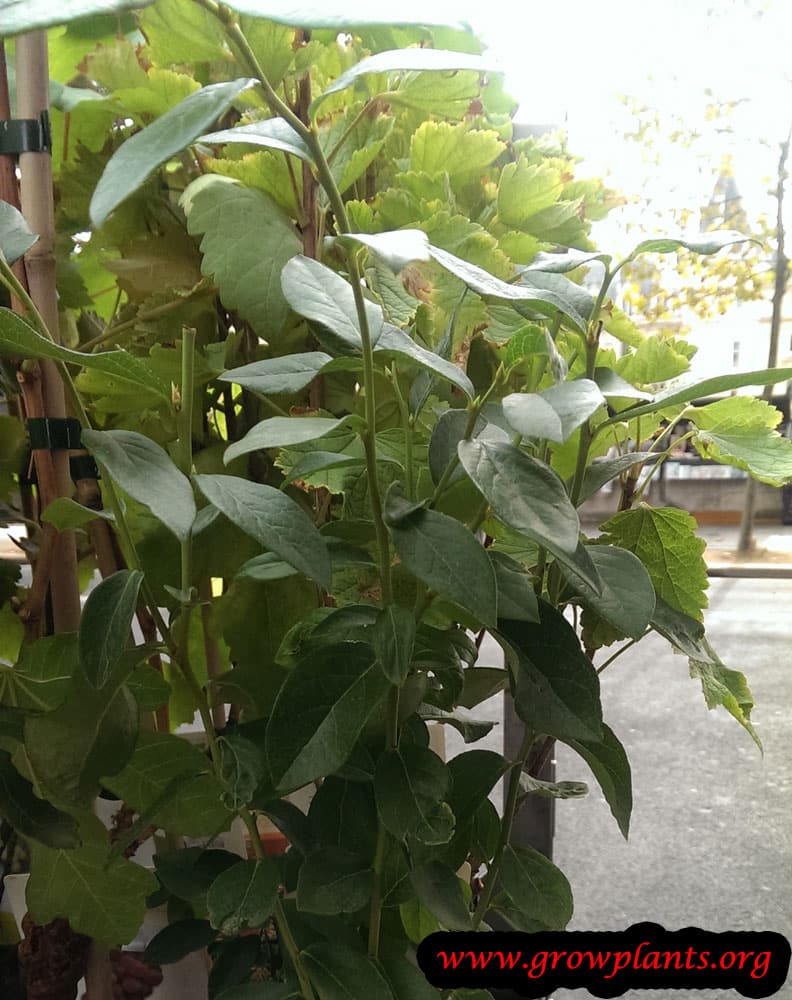
- Leaves & Foliage: Oval green leaves that turn red in autumn (or emerge red then green); the leaves are also used medicinally.
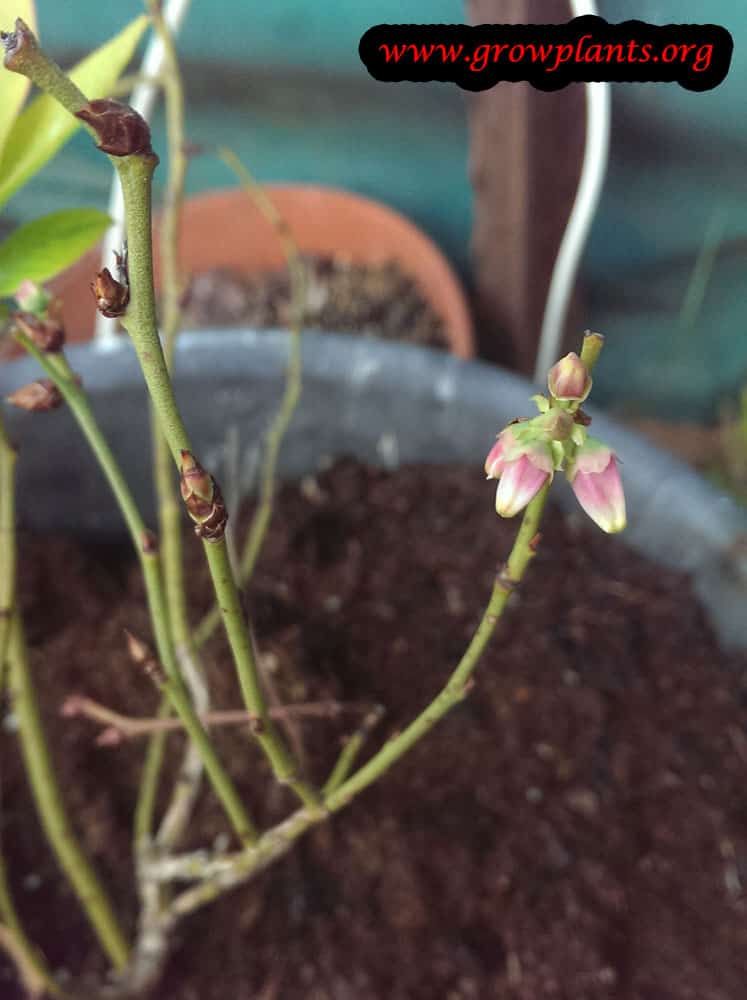
- Flower Characteristics: Red or red-green bell-shaped flowers in clusters (full detail in the Bloom accordion).
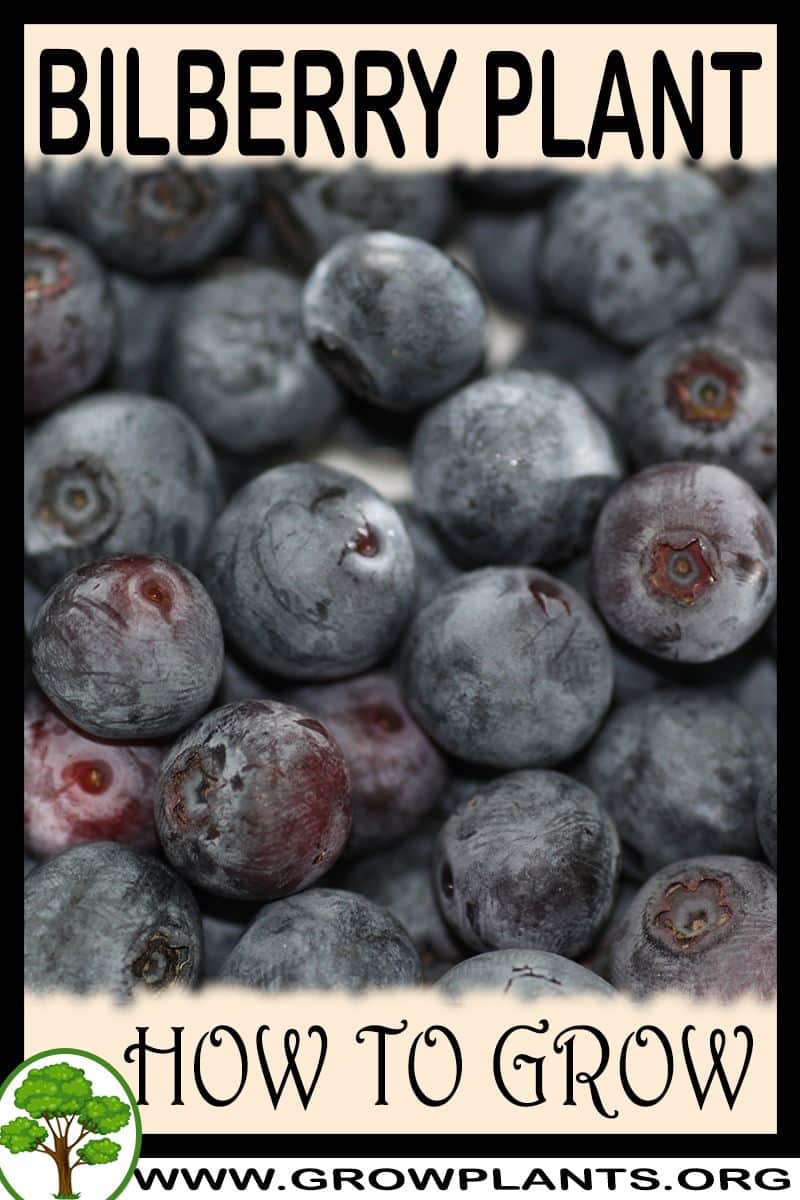
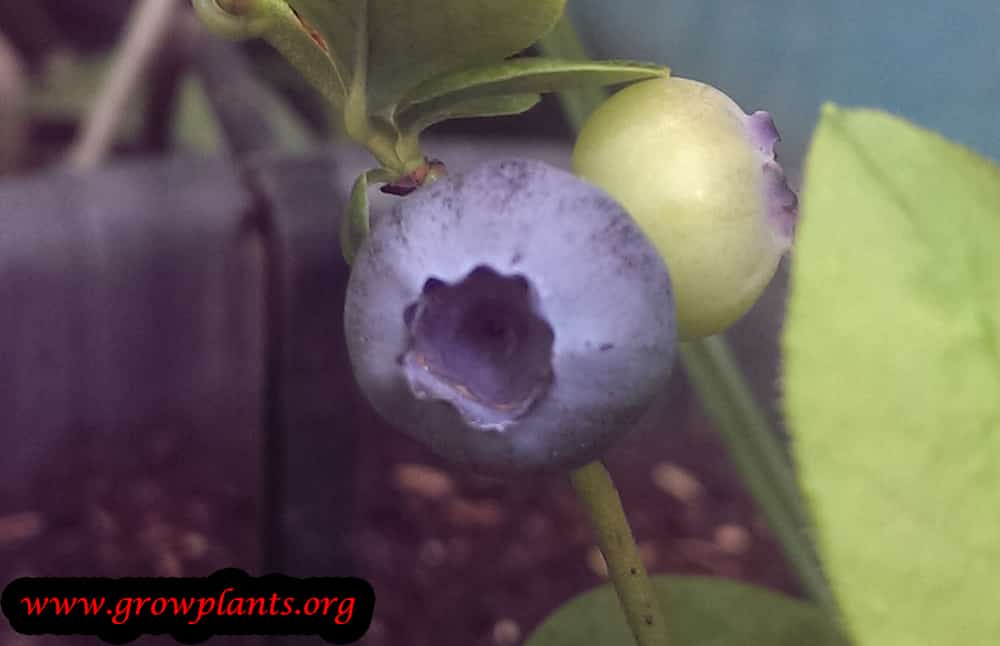
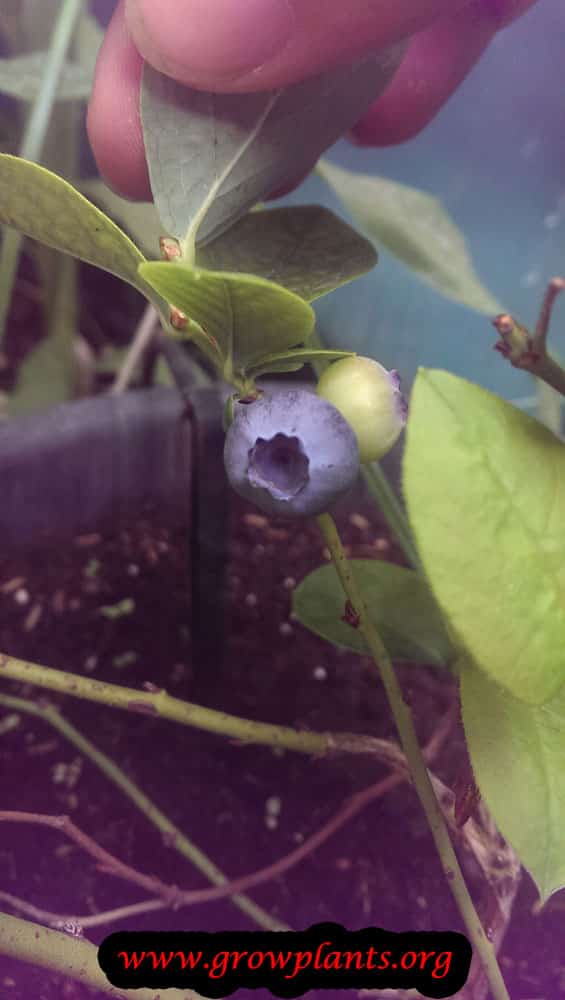
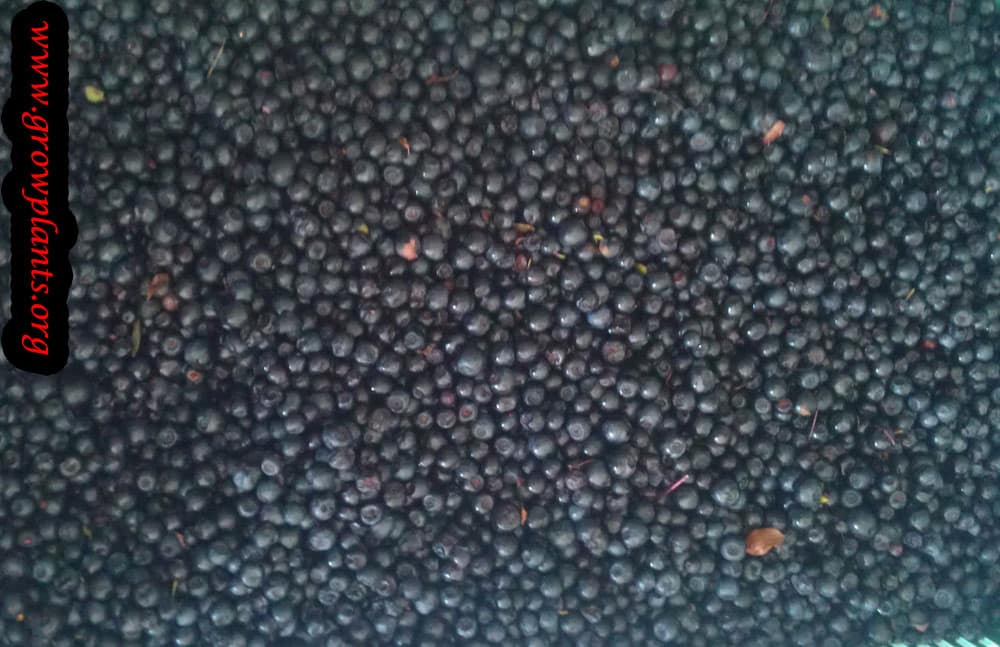
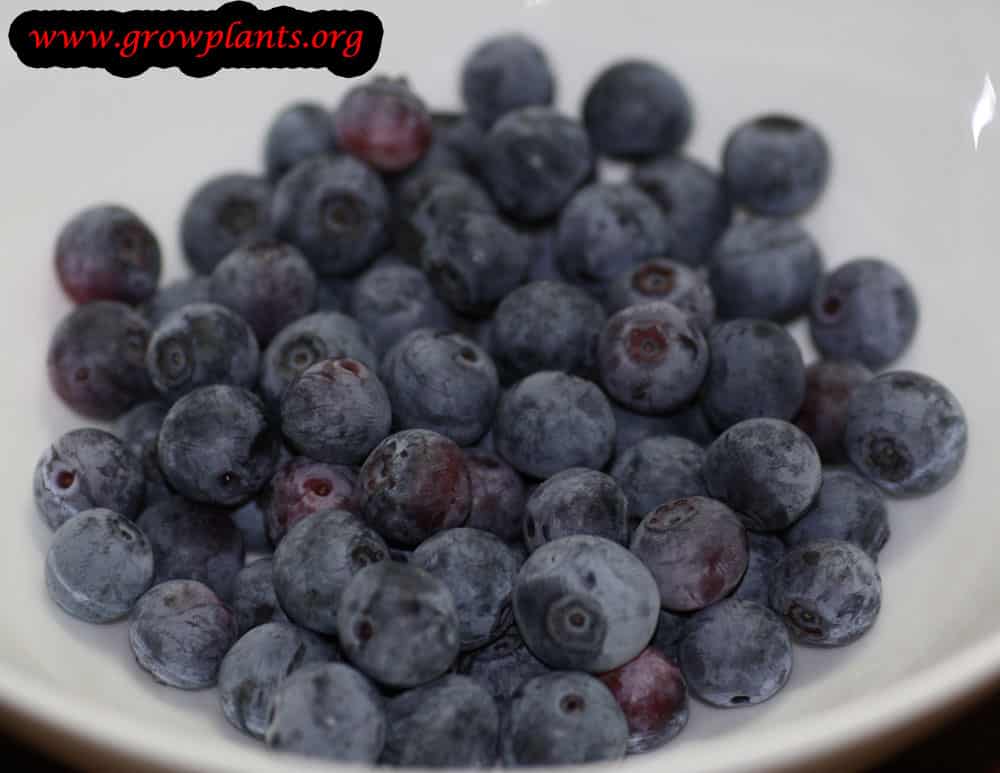
- Fruit Profile: Small purple-black berry with a little crown at the tip (full detail in the Fruit accordion).
Primary Uses & Landscape Value
- Edible Uses: Berries eaten raw and made into jams, juice and beverages.
- Functional & Ornamental Roles: Ornamental acid-soil shrub and edible-berry crop; the leaves are also used for medicinal tea.
Care Guide: Planting, Soil & Watering
Overview: Bilberry (European blueberry) is an acid-loving deciduous shrub that needs a distinctly acidic, humus-rich soil to thrive, plus a cold-winter chilling period. Grow it in full sun in moist but well-drained soil kept consistently damp under a pine mulch.
Quick Care Requirements
| Requirement | Ideal Condition |
|---|---|
| Planting Season | Winter to spring |
| Growth Rate | Moderate |
| Soil Type | Acidic, rich in organic matter, moist yet well-draining |
| Soil pH | 4.5-5.5 (strongly acidic) |
| Water Need | Moderate to High; keep the soil consistently moist |
Planting & Establishment
- Best Planting Season: Plant during dormancy, in winter to spring; in the coldest zones (2-8) it can also be planted in summer. Avoid planting in the heat of summer.
- How to Plant:
- Hole Preparation: Dig a wide hole; if planting bare-root stock, trim any damaged roots first.
- Soil Amendments: Mix in acidic organic matter such as humus, peat, pine bark and dead leaves to acidify and enrich the soil.
- Planting Depth: Set the crown at soil level, then mulch with pine bark or needles and water in well.
- Growth Speed & Expectations: A moderate grower reaching about 10-40 cm (4-16 in).
Soil, Watering & Drainage Care
- Soil Mix & Drainage Needs: Keep it in acidic, humus-rich soil (peat, pine bark and leaf mould) that stays moist but drains freely. In a container use an ericaceous mix with good drainage and some lava grit at the base, and finish with a pine mulch.
- Watering Schedule & Technique:
- Young / Newly Planted: Keep the soil consistently moist and increase watering right after planting to settle the roots.
- Established: Water regularly and deeply so the soil never dries out; soft or rain water is best for keeping the soil acidic.
- Seasonal Adjustments: Water more in heat and while fruiting, and ease back during winter dormancy.
Climate, Light & Hardiness
Bilberry plant is a cold-hardy, deciduous shrub naturally suited to temperate climates, with some extension into milder Mediterranean and subtropical zones given extra care. It grows in full sun to half shade and needs a genuine winter chill period to grow and fruit well.
Quick Climate Specifications
| Factor | Detail |
|---|---|
| Climate Zones | Temperate, with some Mediterranean/subtropical range possible |
| USDA Hardiness Zones | 2–8 naturally; extendable to 9–10a with attentive care |
| Frost Tolerance | High (dormant plant); tender new growth and blossoms are more vulnerable |
| Light Conditions | Full sun to half shade (half shade recommended in zone 9) |
Sunlight & Light Exposure
Optimal Light Setup
Full sun supports the best fruiting in cooler climates, while half shade is recommended once grown toward the warm end of its range (zone 9) to reduce heat stress.
Shade & Heat Management
In warmer parts of its range, afternoon shade and consistent soil moisture help offset heat that this cool-climate shrub did not evolve with.
Best Exposure/Orientation
A sunny to lightly shaded spot with acidic, humus-rich, well-drained soil and a pine-bark mulch suits it well.
Temperature Extremes & Hardiness
USDA Hardiness & Regional Limits
Site data places Bilberry in hardiness zone 2–8, an unusually cold-hardy range for a fruiting shrub, and notes that with the right care it can also be grown in zone 9–10a.
Cold Damage & Winter Protection
As a genuinely cold-climate deciduous shrub it tolerates hard winter cold once dormant; no specific cold-damage threshold is given in the source data, but spring frost after bud break can still damage new growth and flowers, so late-frost-prone sites warrant some protection at that stage.
Frost Sensitivity
Low for the dormant, established plant; higher for young growth, opening flowers, and newly planted specimens.
Chilling Requirement
The site specifies a chilling requirement of about 2–5 months of cold; insufficient winter chill in warmer parts of its range (zone 9–10a) can reduce bud break, flowering, and fruit set.
Wind, Humidity & Microclimate
Rainfall & Seasonal Moisture
Prefers consistently moist, rich, acidic soil rather than a dry spell; the site recommends increasing water at planting time and maintaining moisture through the growing season.
Microclimate Recommendations
A cool-to-mild, sunny to lightly shaded spot with acidic, well-drained, moisture-retentive soil and a protective mulch suits Bilberry best; toward the warmer, zone 9–10a edge of its range, added shade and mulch help compensate for insufficient winter chill and summer heat.
Growing in Pots, Balconies & Indoors
Bilberry is a compact, acid-loving fruiting shrub rather than a houseplant – it needs full sun (light shade in the hottest zones) and the winter chill of the outdoors to crop well, so it belongs on a balcony, patio or terrace rather than deep inside a room. In a well-drained, peat-based pot it makes an excellent long-term container plant and often fruits more reliably in a pot sized to suit it.
Quick Details
- Container Size: 7-12 L (1.8-3 gal); start about 40-60% larger than the root ball and pot up in stages as it fills
- Indoor Suitability: Not a houseplant – grow it outdoors in strong light; it needs seasonal cold to fruit
- Best Spot: Full sun on a balcony or patio (half shade in very hot climates)
- Soil & Drainage: Acidic, peat-based mix with strong drainage – holes plus some lava grit or similar in the base
- Watering in Pots: Average to generous – pots dry fast, so keep the mix moist but never waterlogged.
Indoors & On the Windowsill
- Not a houseplant: The grower marks it as unsuitable indoors. It wants full sun and a proper cold season, neither of which a warm room provides, so keep it outside year-round.
- Cold climates: These berries are hardy and actually rely on winter chill to set fruit – leave the pot outdoors through the cold months rather than sheltering it warm indoors.
On a Balcony or Patio
- Light & exposure: Give it the sunniest spot; in the hottest zones ease it into afternoon shade. Walls and railings reflect heat and dry pots quickly, so check moisture often in warm weather.
- Practicalities: A low, spreading shrub that sits happily in a trough or pot on a balcony – just ensure runoff can drain away freely.
Choosing the Pot, Soil & Long-Term Care
- Pot & drainage: A 7-12 L (1.8-3 gal) pot with strong drainage holes; the grower puts some lava grit or similar in the base. A saucer is fine only if you let it fill when watering and then dry out the same day – never leave the roots standing in water.
- Potting mix: An acidic, peat-based mix is essential for these plants; a pine-bark or pine-needle mulch on top helps hold moisture and keep the mix acidic.
- Feeding: The grower fertilizes about once a year; use an acid-loving (ericaceous) feed, since potted plants leach nutrients faster than those in the ground.
- Refreshing the mix: He replaces the soil in the middle of the cold season – potting mix loses its structure over time, and a refresh keeps the roots healthy.
Grower’s Container Tip
- Pot up in stages: Start in a pot only 40-60% larger than the root ball; each time the roots fill it, move up to the next size until you reach the pot you want. Growing it in a snug, well-fitted pot tends to give more fruit.
Fertilizing & Feeding
A moderate, acid-loving feeder – low, steady feeding through the growing season suits it far better than a single heavy application, and it is easily overfed with alkaline-forming products.
Quick Fertilizing Specs
| Feeding Level | moderate |
|---|---|
| young_feeding | Keep feeding light and infrequent while the plant is newly established |
| mature_feeding | An established plant still does best on light, regular feeding rather than infrequent heavy applications |
| Main Nutrient Priority | Nitrogen while the plant builds its low, spreading framework, shifting to balanced feeding with adequate potassium as flowering and fruiting begin |
| Best Feeding Period | Through the active growing season, tapering off well before the plant goes dormant for winter |
| Organic Options | Acidic compost, well-rotted pine mulch, and other acid-forming organic amendments worked lightly into the soil |
| Micronutrients | Iron is the micronutrient most likely to need attention if soil pH drifts away from acidic |
| Soil pH | Strongly prefers acidic soil; avoid liming or alkaline amendments near the root zone |
| Reduce/Stop Feeding | Ease off and stop feeding as the growing season winds down so new growth has time to harden before cold weather |
Feeding by Growth Stage
Establishment after planting
Help a newly planted bilberry settle into acidic, organic-rich soil and knit new roots before pushing heavy top growth.
| Nutrient direction | Balanced feeding, kept light, with no push toward soft leafy growth while the root system is still small |
|---|---|
| Timing | The first growing season after planting, once new growth confirms the plant has taken |
| Frequency | A light feeding to start is usually enough; hold back further feeding until active root and shoot growth is clearly underway |
| Fertilizer types | An acid-forming, balanced fertilizer formulated for acid-loving shrubs, Acidic compost or well-rotted organic matter worked into the planting area |
| Routine trace nutrients | iron |
| Precautions | Avoid high-nitrogen or alkaline-forming products at planting; they can push soft growth the young root system cannot support and raise pH around the roots |
Vegetative growth
Build a productive framework of canes and foliage ahead of flowering, favoring the ammonium-based nitrogen forms these acid-loving shrubs use best.
| Nutrient direction | A nitrogen-forward, acid-forming feeding to drive canopy growth, easing off as new growth slows toward flowering |
|---|---|
| Timing | Through the active spring flush into early summer |
| Frequency | Several light feedings through the active growing season rather than one heavy application |
| Fertilizer types | An acid-forming fertilizer with a nitrogen lean, using ammonium-based nitrogen where possible, Pine bark or pine-needle mulch renewed as an organic, slow-release feed |
| Routine trace nutrients | iron |
| Precautions | Nitrate-heavy fertilizers are poorly used by these acid-soil shrubs and can also drift soil pH upward over time |
Flowering and fruiting
Support flower set, fruit development and ripening without encouraging the soft late-season growth that hurts fruit quality and winter hardiness.
| Nutrient direction | Shift toward balanced feeding with adequate potassium as bloom opens, tapering nitrogen once fruit has set |
|---|---|
| Timing | From bud swell and bloom through harvest |
| Frequency | Light feeding during bloom and early fruit set, then reduce and stop as fruit ripens |
| Fertilizer types | A balanced, acid-forming fertilizer with adequate potassium, A fresh layer of pine mulch to feed organically and hold soil acidity |
| Routine trace nutrients | iron |
| Precautions | Excess nitrogen late in fruiting favors leafy growth over fruit quality and can leave new growth unprepared for winter |
Nutrient Deficiency Signs & Corrections
Interveinal yellowing on new leaves while the veins themselves stay green
| Possible causes | Soil pH has drifted above the acidic range this plant needs, locking up available iron, Iron is genuinely scarce in the soil, Waterlogged or compacted roots limiting overall nutrient uptake, Recent liming, concrete runoff, or alkaline irrigation water raising pH near the roots |
|---|---|
| Appears first on | The newest leaves at the shoot tips |
| What to check | Soil pH near the root zone, Drainage and root health, Any recent lime, alkaline mulch, or hard water use nearby |
| Possible correction | Lower soil pH with an acid-forming amendment and apply a chelated iron product per its label; reassess before repeating |
Overall pale green to yellow older leaves with weak, short shoot growth
| Possible causes | Low available soil nitrogen, Soil pH outside the plant’s preferred acidic range limiting nutrient uptake generally, Poor drainage or root stress reducing nutrient uptake, Heavy fresh mulch tying up nitrogen as it breaks down |
|---|---|
| Appears first on | Older, lower leaves first |
| What to check | Overall growth rate compared to prior seasons, Mulch type and depth, Drainage around the root zone |
| Possible correction | Apply a light, nitrogen-forward acid-forming feeding during active growth and watch for greener new growth |
Reddish-purple discoloration along the margins of older leaves while the leaf center stays green
| Possible causes | Magnesium is naturally low in many acidic, sandy soils these shrubs are grown in, Heavy potassium feeding suppressing magnesium uptake, Root stress from waterlogged or compacted soil, General nutrient imbalance rather than magnesium alone – worth confirming before treating the bilberry |
|---|---|
| Appears first on | Older leaves first |
| What to check | Soil type and drainage, Recent heavy potassium or high-salt feeding, Whether the pattern matches magnesium versus another deficiency |
| Possible correction | Correct with a balanced acid-forming fertilizer that includes magnesium, or a chelated magnesium product per its label |
Pruning, Training & Seasonal Maintenance
Bilberry is a small, acid-loving deciduous shrub grown on a cane-renewal system. It fruits on buds formed the previous season on one-year-old wood, so pruning aims to keep a steady supply of young productive canes by removing the oldest, weakest and worn-out wood while the plant is dormant. It is low in vigour and small (10–40 cm), so pruning is light and selective — done in late autumn or early winter, or after harvest if the crop was light.
Pruning & the Edible Harvest
The edible crop is the berry, carried on one-year-old wood. The pruning aim is to keep young productive canes coming by removing the oldest, worn-out canes each dormant season while never stripping the one-year wood that holds next season’s fruit buds. Light bud thinning trades berry number for larger individual berries.
Quick Pruning & Maintenance Specs
| Pruning Tolerance | Low to Moderate — light cane renewal only |
| Primary Pruning Window | Dormant (late autumn–winter) |
| Secondary Maintenance Window | After harvest in a light-crop year; deadwood any time |
| Typical Frequency | Once a year, lightly |
| Main Objective | Renew fruiting canes, keep young one-year wood coming, admit light |
| Young Plant Priority | Little pruning — let the bush build a framework of canes |
| Mature Plant Priority | Remove oldest/weakest canes at the base; thin twiggy tips |
| Best Tool Type | Bypass secateurs; small loppers for old basal canes |
| Avoid Heavy Pruning During | Hard frost; and never strip the young one-year wood (next crop) |
Pruning by Plant Age & Size
Newly Established
For the first couple of years prune only dead or broken wood and let the plant establish a framework of healthy canes; removing early flowers helps it build.
Young / Formative
No structural training applies to this low bush — simply encourage a set of well-spaced canes and remove weak, spindly or crowded growth.
Mature / Established
Annually remove the oldest, least productive canes at the base to stimulate vigorous young replacements, thin overcrowded twiggy tips, and take out weak, dead and crossing shoots so light reaches the fruit.
Seasonal Pruning Schedule
Dormant / Winter (main)
Objective: cane renewal and light admission. Remove the oldest, weakest, dead and crossing canes and reduce excess buds for berry size. Do NOT remove healthy one-year-old wood — it carries next season’s fruit buds. Response: strong young replacement canes. Impact: sustains cropping and fruit size.
Post-Harvest (light-crop years)
A light tidy after fruiting is an alternative window when the crop was small.
Ongoing Sanitary
Remove any virus-affected or dead wood — virus is a key issue for this plant — and destroy it rather than leaving it in place.
Flowering & Fruiting Wood
Bilberry fruits on buds set the previous summer on one-year-old wood, borne on canes that stay productive for a few years before declining. The pruning consequence is direct: retain young one-year canes (this year’s and next year’s crop) and remove the oldest exhausted canes; over-hard pruning or shearing removes the very wood that fruits. Reducing excess flower buds increases individual berry size.
Structural Pruning & Training
There is no leader to train — manage the plant as a renewed clump of canes, removing weak, crossing and inward twiggy wood and keeping the bush open for light. New basal shoots are retained as renewal canes, not removed.
Special Growth to Remove
The plant is grown on its own roots from cuttings, so there is no graft and no rootstock suckers to remove; wanted new basal canes are kept for renewal. Remove only dead or virus-affected wood.
Container & Small-Space Pruning
Well suited to pots in an acidic (ericaceous) mix with pine mulch. Prune the same way — renew old canes and keep it open — and refresh soil and roots in midwinter.
Tools
Bypass secateurs handle nearly all cuts; small loppers cover only the oldest basal canes. A pruning saw is unnecessary on such small wood, and hedge shears would destroy the fruiting wood.
Tool Hygiene & Disease Risk
Risk level: Increased. Virus is a noted problem for Vaccinium and stem blights can enter wounds. Use clean, sharp secateurs, disinfect after cutting suspect, virus-affected or dead wood, and remove diseased prunings.
Cut Placement & Technique
Remove spent canes right at the base with no stubs, make clean thinning cuts to a strong shoot or bud, and avoid shearing the bush.
Heavy Pruning & Rejuvenation
A neglected bush is rejuvenated gradually by removing the oldest canes over 2–3 years so young canes replace them. Avoid cutting the whole small plant back hard at once, which removes most of the fruiting wood and checks a low-vigour shrub.
Post-Pruning Care
Maintain acidic, moist, pine-mulched soil and even moisture; no heavy feeding is needed after light pruning. Watch for aphids and virus symptoms.
Common Pruning Mistakes
- Shearing the bush or hard-cutting all canes, removing one-year fruiting wood.
- Never removing old canes, so yield declines and berries shrink.
- Treating wanted basal renewal canes as if they were suckers.
- Leaving virus-affected wood in place.
When NOT to Prune
Do not prune in hard frost, on a stressed plant, or so hard that you strip the one-year fruiting wood; delay heavy work on a newly planted bush.
Recommended Tools (by task)
- bypass_secateurs — cane thinning and shaping.
- loppers — removing old basal canes at the base.
Pruning Troubleshooting
| Problem | Possible Cause | What to Check | Corrective Action |
| Declining yield, small berries | Old canes not renewed, or too many buds left | Age of fruiting canes; bud load | Remove oldest canes yearly; thin excess buds |
| Weak, spindly growth | Overcrowding, or wrong (non-acid) soil | Cane density and soil pH | Thin canes; correct to acidic, mulched soil |
| Mottled or distorted foliage | Virus (not a pruning fault) | Leaf mottling/distortion patterns | Remove and destroy affected wood; disinfect tools |
| Dieback after cuts | Blunt/dirty tool or stem blight in wounds | Cut cleanliness; wound condition | Use clean, sharp, disinfected tools; cut to healthy wood |
Propagation Guide
Bilberry is a low, rhizomatous dwarf shrub that spreads underground, so dividing rooted clumps is the most dependable route, with softwood cuttings and seed as slower alternatives; vegetative methods also secure a chosen cultivar’s fruit. Everything demands an acid, peaty medium, and because cuttings are slow and seed needs stratifying, the overall difficulty is Moderate.
Quick Propagation Specs
| Best Propagation Method | Division of rooted, rhizomatous clumps |
| Alternative Methods | Softwood / semi-hardwood cuttings; seed |
| Propagation Difficulty | Moderate |
| Seed True-to-Type | Variable / cultivar-dependent — named selections must be propagated vegetatively to stay true |
| Vegetative True-to-Type | Yes (division and cuttings keep the cultivar) |
| Best Propagation Season | Softwood cuttings in summer; division in the dormant season; sow end of winter to spring |
| Seed Germination Time | 2–4 months |
| Cutting Rooting Time | At least two months (until spring if started in autumn) |
| Germination Temperature | 10–20°C (50–68°F) |
| Seed Sowing Depth | On the surface — do not cover |
Growing from Seed
Seed Handling & Viability
Store seed dry and dark, ideally in the refrigerator.
Dormancy & Pre-Sowing Treatment
Germination improves after a period of cold, moist conditions; refrigerated storage and a late-winter sowing supply this chilling, in keeping with the plant’s own 2–5 month chilling requirement.
Sowing Season, Depth & Medium
Sow from the end of winter into spring onto the surface of an acid, peaty mix — do not cover the fine seed, which needs light — spacing about 3×4 cm (1.2×1.6 in) in separate pots for easier care.
Germination Conditions & Time
Keep high humidity and a moist medium in full sun to half shade at 10–20°C (50–68°F); covering the pots with plastic wrap holds humidity. Germination takes about 2–4 months.
Seedling Care
Grow seedlings on in full sun, protecting them from pests, wind and heavy snow.
Stem Cuttings
Cutting Type & Medium
Take softwood or semi-hardwood cuttings and root them in an acid, peaty medium — ideally watered with sterile water — under high humidity in a moist medium.
Rooting Conditions
Hold the temperature above about 10–25°C (50–77°F).
Rooting Hormone
A rooting hormone is beneficial for these slow-rooting cuttings.
Rooting Time
Expect at least two months to root; a cutting started in autumn may not root until spring.
Division, Offsets, Pups & Suckers
Bilberry spreads by underground rhizomes, which makes clump division the most reliable method. Lift a rooted clump in the dormant season, separate sections that each carry roots and at least one shoot, and replant them straight into acid, peaty soil. Divisions reproduce the parent exactly.
Bloom & Flower Guide
Quick Details
- Bloom Season: Spring
- Flower Appearance: Small, waxy, urn- or bell-shaped flowers in red to red-green tones, nodding singly or in small clusters along the shoots
- Edibility: The flower is ornamental – bilberry is grown for its later fruit, not its blooms
Detailed Blooming Overview
Bilberry opens its modest, rounded bell flowers in spring as the new shoots leaf out. Each little urn hangs downward with its mouth pinched, a classic heather-family shape, and once pollinated these flowers give rise to the dark berries the plant is prized for. A cool spring with steady bee activity sets the best crop.
Flower Characteristics
- Waxy, urn- to bell-shaped flowers, red or red-green, nodding downward.
- Carried singly or in small clusters on the young shoots.
Bloom Care & Thinning
- Encouraging bloom: Grow in cool, moist, acidic soil in sun to light shade; acidic conditions are key to healthy flowering and fruit set.
- Pollination & fruit set: Pollinated by bees – bumblebees in particular “buzz” the flowers to release pollen, so protect early foraging bees rather than spraying at bloom.
Bloom Health & Protection
- Botrytis (grey mould) blossom blight: Cool, wet springs can brown and rot the open flowers; improving airflow and avoiding overhead watering during bloom helps, with a suitable fungicide only if pressure is high.
Fruit & Uses
The bilberry is grown for its edible purple-black berries, eaten fresh and made into jams, juice and other drinks. The leaves are also used, chiefly brewed as a traditional medicinal tea rather than eaten as food.
Quick Edible Specs
| Edible Parts | Fruit (berries); leaves (traditional medicinal tea) |
|---|---|
| Main Use(s) | Culinary – berries eaten raw and in jams, juice and beverages. Leaves – brewed as a traditional medicinal infusion |
| Eaten Raw or Cooked | Berries eaten raw or cooked; leaves steeped, not eaten whole |
| Preparation Required | Berries: none. Leaves: brewed as an infusion |
| Harvest Season | Spring to summer (both berries and leaves) |
| Time to First Harvest | Roughly one to two years to first fruit (see Care) |
| Safety/Toxicity Caveat | Leaf tea is a traditional remedy, not a food – no medicinal claims are made here |
Fruit
The berries are purple-black, each with a small crown at the tip. They are harvested in spring and summer and eaten fresh or made into jams, juice and beverages. Protect ripening fruit from birds (see Pests & Diseases).
Leaves & Greens
The oval leaves (reddish when young or in autumn) are picked in spring and summer, taken from growth away from the fruit and flowers so as not to reduce the crop. They are used to brew a beverage that has traditionally been taken medicinally.
Preparation, Uses & Safety
Berries are eaten raw or cooked into jams, juice and drinks. Bilberry leaves are steeped as a traditional medicinal tea rather than eaten as a green; they are recorded here only as a traditional use, with no health or dosage claims made.
Pests, Diseases & Troubleshooting
Overview: Blueberries and their wild relatives are acid-loving Ericaceous shrubs whose single most important cultural problem is iron chlorosis on soil that is not acidic enough, and whose fruit is heavily targeted by birds and, increasingly, by spotted wing drosophila. The signature disease is mummy berry. Management is acid soil, netting, orchard hygiene and trapping, with organic and cultural measures first.
Quick Troubleshooting Overview
| Issue / Pest | Main Symptom | Primary Solution |
|---|---|---|
| Birds | Ripe berries stripped from bushes | Netting, scaring – the number-one ‘pest’ |
| Spotted wing drosophila | Soft, collapsing ripe berries with maggots | Traps, prompt harvest, sanitation, netting |
| Blueberry maggot / fruitworms | Maggots or webbing inside berries | Traps, sanitation, remove infested fruit |
| Iron chlorosis | Yellow leaves with green veins | Acidify soil to pH 4.5-5.5, chelated iron |
| Mummy berry | Wilted shoots, then grey shrivelled berries | Remove mummies, mulch, sanitation |
| Phytophthora root rot | Weak, yellow, dying bushes in wet soil | Improve drainage, raised beds |
Common Pests & Management
- Birds (Aves):
- Symptoms: Ripe and ripening berries stripped from the bushes just before harvest – consistently the number-one pest of blueberries and bilberries.
- Prevention & Control: Drape bushes or build a fruit cage with fine netting well before fruit colours, use reflective tape or scaring devices as backup, and harvest promptly. Netting is the only truly reliable control.
- Spotted wing drosophila (Drosophila suzukii):
- Symptoms: A vinegar fly whose females cut into sound ripening fruit; berries turn soft, leak and collapse with small white maggots inside, often only obvious at or after harvest.
- Prevention & Control: Hang baited vinegar/yeast traps to monitor, harvest frequently and completely, remove and destroy (do not compost) overripe and fallen fruit, keep bushes open and mulched, and use fine exclusion netting; a spinosad-based spray is the softest option if pressure is high, applied in the evening to protect pollinators.
- Blueberry maggot and fruitworms (Rhagoletis mendax / Acrobasis / Grapholita spp.):
- Symptoms: Maggots tunnelling inside berries (blueberry maggot), or caterpillars webbing and hollowing clusters of fruit (cranberry and cherry fruitworms), causing prematurely blue, shrivelled or webbed berries.
- Prevention & Control: Monitor with yellow sticky and baited traps, remove and destroy infested and dropped fruit to break the cycle, cultivate lightly beneath bushes to disturb pupae, and encourage parasitic wasps; Bt or spinosad targets the caterpillars if needed.
- Aphids and scale (Aphidoidea / Coccidae):
- Symptoms: Aphids on shoot tips (which can spread blueberry viruses) and brown scale bumps on stems, both with honeydew and sooty mould.
- Prevention & Control: Encourage lady beetles and lacewings, prune out heavily infested wood, apply horticultural oil in the dormant season for scale, and use insecticidal soap for aphids on new growth.
- Blueberry stem borer and gall midge (Oberea / Dasineura spp.):
- Symptoms: Wilting shoot tips with twin puncture rings (stem borer), or distorted, blackened flower buds and shoot tips (gall midge).
- Prevention & Control: Prune out and destroy wilted or borer-tunnelled shoots below the damage, remove distorted tips, and keep bushes vigorous; sanitation is the main control.
Diseases & Fungal Issues
- Mummy berry (Monilinia vaccinii-corymbosi):
- Symptoms: The signature blueberry disease: sudden wilting and blackening of new shoots and flower clusters in spring, followed by infected berries that turn tan, shrivel and drop as hard grey ‘mummies’ that overwinter on the ground.
- Treatment & Management: Rake up and destroy or bury fallen mummies, refresh mulch beneath bushes to bury them, prune for airflow, and apply a suitable fungicide at bud break in problem plantings; choose resistant cultivars where available.
- Botrytis blight and anthracnose fruit rot (Botrytis cinerea / Colletotrichum spp.):
- Symptoms: Blighted blossoms and grey mould in cool wet springs, and ripe berries that soften with salmon-pink spore masses (anthracnose) in warm humid weather.
- Treatment & Management: Prune for airflow, avoid overhead watering, harvest promptly and cool the fruit quickly, remove infected berries, and use a protectant fungicide during bloom in wet seasons.
- Phytophthora root rot (Phytophthora cinnamomi):
- Symptoms: Weak, stunted, yellowing bushes with sparse growth and dieback, and blackened, rotted roots in heavy or waterlogged soil.
- Treatment & Management: Plant in free-draining acidic soil or raised beds amended with organic matter, never waterlog, improve drainage, and remove severely affected plants; this is a disease prevented rather than cured.
- Stem canker and blight (Godronia / Phomopsis spp.):
- Symptoms: Sunken, discoloured cankers on stems and dieback of canes, worse on stressed or winter-injured wood.
- Treatment & Management: Prune out and destroy cankered wood well below the lesion, keep bushes vigorous and well-nourished, and avoid winter injury; disinfect pruning tools.
Growing Difficulties & Abiotic Problems
- Iron chlorosis from high soil pH:
- Cause & Symptoms: The classic Vaccinium problem: on soil that is not acidic enough (above about pH 5.5) the plant cannot take up iron, so young leaves turn yellow with green veins and growth stalls.
- Correction Strategy: Grow only in acidic soil (pH 4.5-5.5); acidify with elemental sulphur or acidic organic matter such as pine needles and composted bark, use rainwater not hard tap water, mulch with acidic materials, and apply chelated iron for a quick green-up while the pH is corrected.
- Drought stress and winter injury:
- Cause & Symptoms: Blueberries have shallow, fibrous roots that dry out quickly, causing scorch and small fruit, while exposed bushes suffer cold and desiccation injury in hard winters.
- Correction Strategy: Keep the root zone evenly moist with mulch and steady watering (especially during fruiting), and shelter bushes from harsh winter wind; choose hardy cultivars for cold sites.
What Helps – Products & Tools
For blueberries the essentials are acid soil and netting. Keep elemental sulphur and chelated iron to manage pH and chlorosis, fine bird and insect exclusion netting, baited vinegar traps and (if needed) an evening spinosad spray for spotted wing drosophila, dormant horticultural oil for scale, insecticidal soap for aphids, and a protectant fungicide plus mulch and sanitation against mummy berry and fruit rots.