

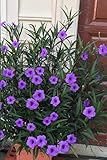


Plant Profile & Key Characteristics
Overview: Alstroemeria pelegrina (Peruvian lily) is a compact evergreen perennial geophyte reaching 30-60 cm (12-24 in). It is grown chiefly as an ornamental and as a long-lasting, lightly fragrant cut flower.
Quick Specifications
| Specification | Attribute |
|---|---|
| Plant Type / Life Cycle | Perennial (herbaceous geophyte) |
| Foliage Type | Evergreen |
| Mature Size | 30-60 cm (12-24 in) tall |
| Growth Rate | Moderate |
| Root System | Fleshy, rhizomatous storage roots |
| Toxicity | Sap can cause contact dermatitis; mildly toxic if ingested |
| Hardiness | USDA zone 7+ |
Growth Form & Structure
- Height & Spread: 30-60 cm (12-24 in) tall in the ground; also well suited to planters and containers
- Growth Habit & Form: Clump-forming geophyte with upright leafy stems arising from spreading rhizomes
- Lifespan & Maturity: Long-lived perennial that gradually spreads into wider clumps by rhizome
Anatomy & Physical Features
- Leaves & Foliage: Green, linear to oval leaves borne along stems that characteristically twist as they grow
- Flower Characteristics: Red, pink or purple blooms, often multi-coloured with a yellow throat and streaking or spotting, six petals at the stem tips (see the Bloom guide)
Primary Uses & Landscape Value
- Functional & Ornamental Roles: Ornamental border and bedding plant, and a prized long-vase-life cut flower with light fragrance
Care Guide: Planting, Soil & Watering
Overview: Alstroemeria pelegrina (Peruvian lily) is a tuberous perennial that thrives in full sun to light shade in mild, largely frost-free climates (hardiness zone 7+). It grows best in loose, well-draining soil kept evenly moist through the growing season, without leaving its fleshy roots waterlogged.
Quick Care Requirements
| Requirement | Ideal Condition |
|---|---|
| Planting Season | In spring after the last frost, or from the end of winter into summer once the soil has warmed |
| Growth Rate | Moderate |
| Soil Type | Loose, well-draining soil |
| Water Need | Moderate – keep evenly moist while in growth, easing off as the plant dies back |
Planting & Establishment
- Best Planting Season: Plant tubers or divisions in spring after the last frost, or at the end of winter in mild regions; container-grown plants can also go in through summer.
- How to Plant:
- Hole Preparation: Dig a hole a little wider than the root mass so the brittle, fleshy roots can spread without crowding.
- Soil Amendments: Work in compost or well-rotted organic matter and, on heavy ground, add coarse grit to sharpen drainage.
- Planting Depth: Set the tuberous roots so the crown sits a few centimetres below the surface; avoid burying the emerging stems.
- Growth Speed & Expectations: A moderate grower that forms a clump 30-60 cm tall, settling in over its first season before flowering freely in spring and summer.
Soil, Watering & Drainage Care
- Soil Mix & Drainage Needs: Free-draining soil is essential, as the fleshy roots rot in soggy ground. In containers use a quality potting mix with added grit or perlite and make sure the pot drains freely.
- Watering Schedule & Technique:
- Young / Newly Planted: Water in well and keep the soil consistently moist while new shoots and roots establish.
- Established: Water deeply but let the top few centimetres dry before watering again; a moderate, steady supply through the growing season gives the best flowering.
- Seasonal Adjustments: Increase watering in warm, dry spells and cut right back as the foliage dies down, keeping the roots on the dry side during dormancy.
Climate, Light & Hardiness
Alstroemeria pelegrina grows best in Mediterranean, subtropical, temperate, or tropical climates with full sun to half shade and consistently well-drained soil. It is rated to USDA zone 7 and warmer, with the fleshy root system considerably more cold-hardy than the top growth, which dies back with hard frost.
Quick Climate Specifications
| Climate Zones | Mediterranean, subtropical, temperate, tropical |
| USDA Hardiness Zones | 7 and warmer, per site data (no upper limit specified) |
| Cold Damage Begins | Top growth (stems and leaves) is damaged by hard frost well before the below-ground rhizome is threatened; site pruning guidance to remove old and dead leaves in autumn/winter reflects this seasonal dieback. |
| Approx. Survival Minimum | Approximately -18–-12°C (0–10°F) - the average annual minimum for USDA zone 7, the coldest zone in this plant's rated range. This describes the cold-hardy rhizome; unprotected top growth is lost well above this figure. |
| Frost Tolerance | Moderate (root system, within its rated zone); Low (top growth) |
| Light Conditions | Full Sun / Half Shade |
| Wind Tolerance | Moderate |
Sunlight & Light Exposure
Optimal Light Setup
Full sun to half shade; site data lists both as suitable rather than favoring one strongly over the other.
Direct Sun Requirement
Full sun gives the strongest flowering in climates with mild-to-moderate summer heat; where summers run hot, half shade is the safer choice.
Shade & Heat Management
In hot-summer climates, half shade (particularly in the afternoon) reduces heat stress on the foliage and helps sustain bloom quality through the growing season.
Best Exposure / Orientation
Open beds suit cooler climates; part shade, such as an east-facing exposure, suits hot-summer regions.
Temperature Extremes & Hardiness
USDA Hardiness & Regional Limits
Alstroemeria pelegrina is rated to USDA zone 7 and warmer on this site, with no upper zone limit given - consistent with a plant grown across Mediterranean, subtropical, temperate, and tropical climates alike. The fleshy, rhizomatous root system persists below ground through winters that kill back the top growth, resprouting the following spring; cold tolerance can vary by cultivar and is reduced in heavy, poorly drained soil that stays wet and cold over winter.
Cold Damage & Winter Protection
Foliage and flowering stems are damaged or killed by hard frost; site pruning guidance to remove old and dead leaves in autumn or winter reflects this normal seasonal dieback. A dry winter mulch over the root zone is a reasonable precaution toward the colder end of the rated range.
Frost Sensitivity
Top growth is frost-sensitive and reliably damaged by a hard freeze; the below-ground root system is considerably more resilient within the plant's rated zone.
Extreme Heat Tolerance
Generally good, given its native and cultivated range extends through subtropical and tropical climates. In very hot, dry conditions, some afternoon shade and steady soil moisture (covered further under watering) help sustain flower quality.
Wind, Humidity & Microclimate
Humidity Preferences
No strong preference is indicated; the plant is grown successfully across climates ranging from dry Mediterranean summers to humid subtropical and tropical conditions.
Dry-Air Tolerance
Reasonably tolerant, though prolonged heat combined with very dry air can shorten bloom quality and hasten wilting of cut flowers.
Wind Tolerance
Moderate; the slender flowering stems benefit from a somewhat sheltered position, or nearby companion planting for informal support, in consistently windy sites.
Rainfall & Seasonal Moisture
Adaptable to a range of rainfall regimes given its broad climate range; well-drained soil matters more than rainfall amount, particularly for the root system's winter survival in the cooler part of its range.
Microclimate Recommendations
A sheltered, well-drained bed protects both the flowering stems from wind damage and the dormant root system from the combination of winter wet and cold that is more damaging than cold alone.
Growing in Pots, Balconies & Indoors
Alstroemeria (Peruvian lily) is a tuberous perennial grown for its long-lasting flowers. The grower notes it is not a houseplant – it wants the full sun to part shade that indoor light cannot match – but it grows well in a planter or container on a sunny balcony or patio.
Quick Details
- Container Size: A large, deep container – the fleshy, tuberous roots spread and resent cramping
- Indoor Suitability: Not a houseplant; grow it outdoors in sun
- Best Spot: Full sun to half shade
- Soil & Drainage: Rich but free-draining mix
- Watering in Pots: Average, even moisture – pots dry faster than open ground; avoid waterlogging
Indoors & On the Windowsill
- Not for indoors: The grower marks it as not a houseplant – it needs more sun than a room offers, and would grow leggy and flower poorly.
- Brightest sill only: At most a very sunny windowsill could hold a pot briefly, but it belongs outdoors through the growing season.
- Overwintering: The tubers are frost-tender in cold climates; growing in a pot lets you move it somewhere bright and frost-free for winter, or mulch it heavily.
On a Balcony or Patio
- Light & wind: Give it a sunny, sheltered spot; tall flowering stems can flop, so provide light support on windy balconies. Walls and paving reflect heat and dry pots quickly – check moisture often.
- Practicalities: A large, filled pot is heavy – position it before filling, and let drainage water run off freely.
Choosing the Pot, Soil & Long-Term Care
- Pot & drainage: A large, deep pot with strong drainage holes; skip a standing-water saucer to avoid rotting the tubers. Terracotta breathes and dries faster; glazed or plastic holds moisture longer.
- Potting mix: A rich, aerated, free-draining mix, for example a quality potting mix with added perlite.
- Feeding: Feed potted plants more regularly than those in the ground, as watering leaches nutrients away – this fuels the long flowering season.
- Refreshing & dividing: Refresh the mix and divide the spreading tubers every couple of years to keep the clump healthy and free-flowering.
Safety: Alstroemeria sap can irritate skin – wear gloves when cutting stems, and keep plants away from pets that might chew them.
Fertilizing & Feeding
A moderate feeder while producing its run of red, pink, and purple blooms, then feeding tapers off and stops as the rhizomatous clump moves into its post-bloom rest.
Quick Fertilizing Specs
| Feeding Level | Moderate feeder |
|---|---|
| Main Nutrient Priority | Balanced feeding with adequate nitrogen for foliage and potassium to support flowering |
| Best Feeding Period | Spring into summer, through the main bloom season |
| Organic Options | Compost or well-rotted organic matter worked into the bed |
| Reduce/Stop Feeding | Taper off and stop feeding as the foliage yellows and the clump heads into its rest |
| Micronutrients | Usually met by a complete fertilizer and organic matter; correct only a diagnosed deficiency |
| Soil pH | Prefers well-drained soil; tolerates a fairly wide range |
Feeding by Growth Stage
Spring shoot and foliage growth
Build strong twisting stems and foliage as new shoots emerge from the rhizome ahead of the red-pink-purple bloom display.
| Nutrient direction | A balanced, complete fertilizer with adequate nitrogen supports the flush of new stems and leaves. |
|---|---|
| Timing | As new shoots emerge in spring. |
| Frequency | Regular light feedings support the developing clump through this stage. |
| Fertilizer types | A balanced complete fertilizer, Compost or well-rotted organic matter worked into the bed |
| Precautions | Keep nitrogen moderate; overly lush, soft growth can flop and becomes more attractive to slugs, snails, and aphids. |
Main flowering season
Sustain the red, pink, or purple bloom display with its bright yellow throat, prized for cutting.
| Nutrient direction | Continue a balanced, complete fertilizer with adequate potassium; a high-phosphorus product is not needed to drive flowering. |
|---|---|
| Timing | Through the spring-to-summer bloom season. |
| Frequency | Regular light feeding keeps flower production going through the bloom season. |
| Fertilizer types | A balanced complete fertilizer, A light top-dressing of compost |
| Precautions | Deadhead spent stems by pulling rather than cutting where practical, and avoid heavy feeding that produces weak, floppy stems. |
Post-bloom rest
Let the rhizome store energy and rest as the foliage yellows and dies back after flowering.
| Nutrient direction | None – withhold fertilizer while the clump is dying back and resting. |
|---|---|
| Timing | As foliage yellows and dies back after the bloom season, typically into autumn and winter. |
| Frequency | No feeding during this rest; resume only once new spring shoots appear. |
| Fertilizer types | No feeding at this stage; hold off fertilizing until spring shoots resume. |
| Precautions | Do not fertilize a resting or dying-back clump; feeding now wastes nutrients and will not revive yellowing foliage that is naturally shutting down. |
Nutrient Deficiency Signs & Corrections
Older, lower leaves pale to light green or yellow and stem growth is thin and weak.
| Possible causes | low available soil nitrogen, nitrogen leaching from heavy watering or rain, thin, low-organic-matter soil |
|---|---|
| Appears first on | older, lower leaves |
| What to check | recent feeding history, soil organic matter content, watering and drainage |
| Possible correction | Apply a balanced complete fertilizer and work in organic matter, then confirm drainage is adequate. |
Interveinal yellowing appears on older leaves while the veins themselves stay green.
| Possible causes | low soil magnesium, heavy potassium feeding competing with magnesium uptake, leaching in light, sandy soils |
|---|---|
| Appears first on | older, lower leaves |
| What to check | soil magnesium status, how potassium-heavy recent feeding has been, soil texture and leaching |
| Possible correction | Apply a labeled magnesium source such as Epsom salt and rebalance the feeding routine. |
Leaf margins brown or scorch and stem growth stalls despite adequate watering.
| Possible causes | fertilizer salt buildup in the root zone, feeding too often or too heavily, under-watering that concentrates salts |
|---|---|
| Appears first on | leaf margins and tips |
| What to check | recent fertilizer amounts, watering consistency, drainage, especially in containers |
| Possible correction | Ease off feeding, water thoroughly to flush accumulated salts, then return to lighter feeding. |
Pruning, Training & Seasonal Maintenance
Alstroemeria pelegrina, the Peruvian lily species with red-pink-purple, yellow-throated flowers, is a rhizomatous herbaceous perennial that tolerates frequent stem removal well – pulling each spent stem, rather than cutting it, prompts the rhizome to send up a replacement. There is no woody structure to train; the ongoing task is spent-stem removal through bloom, plus a fuller foliage tidy in autumn/winter.
Quick Pruning & Maintenance Specs
| Pruning Tolerance | High (regenerates readily from the rhizome) |
| Primary Pruning Window | Ongoing through Spring/Summer bloom |
| Secondary Maintenance Window | Autumn/Winter clean-up of old & dead leaves |
| Typical Frequency | Every 1–2 weeks in bloom; one seasonal tidy |
| Main Objective | Trigger new flowering shoots; remove old & dead leaves |
| Young Plant Priority | Establish undisturbed; remove only damaged growth |
| Mature Plant Priority | Ongoing stem pulling; periodic clump division |
| Best Tool Type | Bare hands (pulling); precision snips for brittle dead leaves |
| Avoid Heavy Pruning During | Active flowering if a display is wanted; hot/dry summer stress |
Pruning by Plant Age & Size
Newly Established
Let the clump build its rhizome network in the first season; remove only damaged or slug-chewed foliage.
Young / Formative
No structural training applies. Once flowering is regular, begin pulling every spent stem rather than cutting it.
Mature / Established
Continual spent-stem pulling is the main task; lift and divide congested clumps every 3–4 years to keep the yellow-throated blooms coming.
Seasonal Pruning Schedule
Spring/Summer (bloom period): Objective: sustain flowering. Remove: each stem once its bloom fades, pulled from the base. Do not remove: budding or flowering stems. Response: a fresh shoot emerges from the rhizome within weeks.
Autumn/Winter (dieback clean-up): Objective: sanitation for spring. Remove: yellowed/frost-damaged foliage and leftover spent stems. Do not remove: healthy evergreen foliage in milder gardens. Response: a clean base ready for spring regrowth.
Special Growth to Remove
Spent flowering stems – pull with a firm twist at the base; a cut stub can rot and yields fewer new shoots. Old & dead leaves – remove at the base once fully brown.
Container & Small-Space Pruning
Suits pot culture (not grown as an indoor houseplant). Same pull technique; container clumps become pot-bound sooner, so divide every 2–3 years.
Tools
Hand-pulling is the primary technique; keep precision snips or bypass secateurs only for dried leaves that resist pulling.
Tool Hygiene & Disease Risk
Routine – slugs, snails and aphids are pests, not transmissible disease, so ordinary clean tools are sufficient.
Cut Placement & Technique
Pull each stem low near the soil with a slight twist for a clean break from the rhizome; trim only physically damaged stems, cutting close to the base.
Heavy Pruning & Rejuvenation
Well tolerated: a full clump cutback near ground level in late winter, before spring growth starts, is standard and regrows vigorously. Dividing an overcrowded clump every few years serves as rejuvenation.
Post-Pruning Care
Water normally after routine pulling. Where a winter cutback happens at the cooler edge of zone 7+, mulch the crown until new shoots emerge and watch for slug feeding.
Common Pruning Mistakes
Cutting spent stems instead of pulling them (fewer replacement shoots); pulling stems still in bloom to tidy up (loses flowers); leaving spent stems in place, sheltering slugs.
When NOT to Prune
Not while a stem is still flowering unless harvesting. Not for a heavy clump cutback during hot, dry summer stress.
Recommended Tools (by task)
- precision_snips – tidying dried, brittle leaves that won’t pull cleanly.
- soft_ties_stakes – light support where stems flop or twist in open borders.
Pruning Troubleshooting
| Problem | Possible Cause | What to Check | Corrective Action |
| Fewer new stems each year | Stems cut instead of pulled | Cut stubs vs. cleanly pulled bases | Switch to pulling; divide an overcrowded clump |
| Stems flopping | Tall growth, wind or rich soil | Lodged stems after wind/rain | Stake early in the season; avoid excess nitrogen |
| Declining flower count | Old, congested clump | Bloom count vs. prior years | Lift and divide in autumn/winter |
Propagation Guide
Alstroemeria pelegrina is best propagated by dividing the clumping tuberous rhizomes, which reliably preserves the parent’s distinctive pink-to-purple flowers with their yellow-marked throat. As a true wild species rather than a modern hybrid, seed from an isolated, species-true plant can come reasonably close to the parent, but named color selections should still be divided to guarantee the exact coloring.
Quick Propagation Specs
| Best Propagation Method | Division of the tuberous rhizome clump |
| Alternative Methods | Seed (best from isolated, species-true stock) |
| Propagation Difficulty | Easy by division; Moderate by seed |
| Seed True-to-Type | Usually true-to-type from isolated species stock; variable if cross-pollinated with other Alstroemeria |
| Vegetative True-to-Type | Yes |
| Best Propagation Season | Spring, or end of winter into early spring, while the clump is dormant or just breaking dormancy |
| Seed Germination Time | Often slow and uneven – commonly several weeks, sometimes longer |
| Germination Temperature | Cool conditions, roughly 10–15°C (50–59°F); alternating cooler/warmer periods can help trigger germination |
| Seed Sowing Depth | Shallow, lightly covered, about 1 cm (0.4 in) |
Growing from Seed
Seed Handling & Viability
Use fresh seed where possible; viability declines with prolonged storage.
Dormancy & Pre-Sowing Treatment
Germination can be irregular; a period of cool stratification or alternating warm/cool temperatures is often used to even it out.
Sowing Season
Aligns with the plant’s recommended planting window – spring, or end of winter into early spring.
Sowing Depth & Orientation
Sow shallow and lightly cover, about 1 cm (0.4 in).
Germination Conditions
Cool, roughly 10–15°C (50–59°F); keep the sowing medium moist but not waterlogged.
Germination Time
Slow and can be uneven – commonly several weeks, sometimes longer.
Seedling Care
The fleshy contractile roots are brittle; handle seedlings gently and avoid disturbing the root system more than necessary when potting on.
Rhizomes, Tubers, Bulbs & Corms
Rhizome Division
Divide in spring, or after flowering while the clump is semi-dormant. Ease the clump out with a fork rather than pulling, since the fleshy contractile roots snap easily. Split into sections, each with several growth buds and a portion of root attached, and replant promptly so the roots don’t dry out. This guarantees the exact flower coloring, matching the plant’s own note that vegetative propagation is recommended for getting the desired color variety.
Bloom & Flower Guide
Quick Details
- Bloom Season: Spring and summer (often continuing into autumn)
- Flower Appearance: Red, pink or purple with a yellow inner throat, often streaked or dotted, with 6 petals borne at the stem tips
- Edibility: Not edible – the sap and foliage can cause skin irritation, so handle with care
Detailed Blooming Overview
Peruvian lily is one of the great long-season cut flowers, carrying its clustered, lily-like blooms at the tips of the stems from spring through summer and often well into autumn. The flowers are frequently streaked, dotted or flushed with a second colour, and they last a remarkably long time both on the plant and in the vase.
Flower Characteristics
- 6 petals in red, pink or purple, usually multicoloured.
- The inner top of the flower is yellow; petals may be striped or dotted.
- Blooms are borne in clusters at the ends of the stems.
Bloom Care & Thinning
- Keep them blooming: Rather than cutting the flowering stems, pull them away from the base with a gentle tug – pulling stimulates the plant to send up new flowering shoots.
- Deadheading: Remove spent blooms to keep the display tidy and prolonged.
- Handling: Wear gloves if you are sensitive – the sap can cause contact dermatitis.
Bloom Health & Protection
- Aphids and thrips: These can gather on buds and open flowers; a spray of insecticidal soap or neem oil usually keeps them down.
- Grey mould (Botrytis): In damp, still conditions the blooms can spot and rot; improving airflow and removing affected flowers helps.
Pests, Diseases & Troubleshooting
Overview: Alstroemeria pelegrina is a tuberous-rooted perennial grown for cut flowers and borders; its succulent stems and thin foliage attract sap-sucking pests (aphids, thrips, spider mites) and the tender new growth is a magnet for slugs and snails. Under glass or in humid, still air its greatest threat is Botrytis and root rot, so the management philosophy is airy spacing, moderate watering into free-draining soil, and cultural/biological control before any spray.
Quick Troubleshooting Overview
| Issue / Pest | Main Symptom | Primary Solution |
|---|---|---|
| Aphids | Curled shoot tips, sticky honeydew, sooty mould | Blast off, encourage ladybirds/lacewings, insecticidal soap |
| Slugs & snails | Ragged holes and slime trails on new shoots | Hand-pick at night, iron-phosphate bait, copper barriers |
| Thrips | Silver flecking and distorted young leaves | Blue sticky traps, remove weeds, spinosad if severe |
| Two-spotted spider mite | Fine stippling, webbing, bronzing in heat | Raise humidity, predatory mites, horticultural oil |
| Botrytis (grey mould) | Fuzzy grey rot on stems and spent flowers | Improve airflow, remove debris, avoid wet foliage |
| Root/tuber rot | Wilting, yellowing, mushy tubers | Improve drainage, reduce watering, avoid waterlogging |
Common Pests & Management
- Aphids (Aulacorthum / Myzus spp.):
- Symptoms: Green, pink or grey soft-bodied insects clustering on shoot tips, flower buds and leaf undersides; they leave sticky honeydew that blackens with sooty mould and can transmit viruses.
- Prevention & Control: Knock colonies off with a firm water jet; conserve ladybirds, hoverfly and lacewing larvae, and parasitic wasps; treat persistent outbreaks with insecticidal soap or neem, spraying undersides thoroughly.
- Slugs & snails (Deroceras / Helix spp.):
- Symptoms: Irregular holes chewed in tender new shoots and leaves, with tell-tale silvery slime trails; worst in damp, shaded, mulch-heavy beds and most damaging as spring growth emerges.
- Prevention & Control: Hand-pick after dark, remove hiding places, water in the morning so soil is drier at night; use iron-phosphate baits, copper tape/rings on pots, and rough grit or wool barriers.
- Western flower thrips (Frankliniella occidentalis):
- Symptoms: Silvery streaking and pale flecking on leaves and petals, distorted buds and ‘colour break’ in flowers; tiny slender insects that also vector tospoviruses such as TSWV.
- Prevention & Control: Use blue sticky traps to monitor, remove flowering weeds nearby, introduce predatory mites (Amblyseius) or minute pirate bugs; spinosad or insecticidal soap for heavy pressure, sprayed in the evening.
- Two-spotted spider mite (Tetranychus urticae):
- Symptoms: Fine pale stippling on upper leaf surfaces, bronzing and fine webbing on undersides in hot, dry conditions; leaves dry and drop under heavy infestation.
- Prevention & Control: Raise humidity and avoid drought stress, hose down foliage, release predatory mites (Phytoseiulus); apply horticultural oil or insecticidal soap, repeating to catch new hatches.
- Whitefly (Trialeurodes vaporariorum):
- Symptoms: Clouds of tiny white flies rising when disturbed; scales and nymphs on leaf undersides producing honeydew and sooty mould, common under glass.
- Prevention & Control: Hang yellow sticky traps, introduce Encarsia parasitic wasps, keep plants unstressed; wash foliage and use insecticidal soap or oil, targeting undersides.
- Caterpillars (Noctuidae spp.):
- Symptoms: Chewed leaves and flowers with dark frass; night-feeding loopers and cutworms can strip young shoots.
- Prevention & Control: Hand-pick, encourage birds and predatory wasps, and use Bacillus thuringiensis (Bt) which is selective and pollinator-safe.
Diseases & Fungal Issues
- Grey mould (Botrytis) (Botrytis cinerea):
- Symptoms: Fuzzy grey-brown mould on flowers, buds and stems, water-soaked lesions and collapse in cool, damp, still air; spent blooms are the usual entry point.
- Treatment & Management: Space plants for airflow, remove faded flowers and debris promptly, avoid overhead watering and evening wetness; ventilate under cover and apply a suitable fungicide only if pressure is high.
- Root and stem rot (Pythium / Phytophthora / Rhizoctonia spp.):
- Symptoms: Wilting despite moist soil, yellowing lower foliage, and brown, soft or rotted tubers and stem bases; plants collapse in waterlogged ground.
- Treatment & Management: Plant in free-draining, humus-rich soil, never waterlog, and avoid deep planting in heavy clay; improve drainage, ease off watering, and remove affected clumps to prevent spread.
- Powdery mildew:
- Symptoms: White powdery patches on leaves and stems in warm days with cool nights and crowded plantings.
- Treatment & Management: Increase spacing and light, avoid excess nitrogen; treat with sulphur, potassium bicarbonate or a horticultural-oil spray.
- Viruses (Alstroemeria mosaic virus / Tomato spotted wilt virus):
- Symptoms: Mottling, yellow streaking or ring spots, distorted growth and poor flowering; often introduced by thrips or aphids and not curable.
- Treatment & Management: Buy clean, virus-tested stock, control thrips and aphids rigorously, disinfect tools between plants, and rogue out and destroy infected clumps.
Growing Difficulties & Abiotic Problems
- Root rot from overwatering:
- Cause & Symptoms: Constantly wet, poorly drained soil starves roots of oxygen, causing wilting, yellowing and tuber decay.
- Correction Strategy: Water thoroughly then let the surface dry; grow in raised or well-drained beds and lighten heavy soil with grit and compost.
- Flower blast / heat stress:
- Cause & Symptoms: High heat and drought cause buds to abort, short stems and premature dormancy.
- Correction Strategy: Provide light afternoon shade in hot climates, mulch to keep roots cool and moist, and keep watering even during flowering.
- Iron chlorosis:
- Cause & Symptoms: Yellowing between veins on young leaves in alkaline or waterlogged soils where iron uptake is blocked.
- Correction Strategy: Correct drainage, add organic matter and, if needed, apply chelated iron; acidify very alkaline soils gradually.
- Sap contact dermatitis:
- Cause & Symptoms: The sap can cause allergic skin irritation for gardeners handling stems, especially when cutting.
- Correction Strategy: This is a grower-safety note, not a plant disease: wear gloves when cutting or dividing and wash hands afterwards.
What Helps – Products & Tools
Reach first for cultural tools and low-impact products: insecticidal soap and horticultural/neem oil for aphids, mites and whitefly; blue and yellow sticky traps for thrips and whitefly; iron-phosphate slug bait and copper barriers for molluscs; Bacillus thuringiensis (Bt) for caterpillars; and, for disease, sulphur or potassium-bicarbonate for mildew and a labelled fungicide for Botrytis. Spray oils in the evening to protect pollinators and follow all label directions.