

Plant Profile & Key Characteristics
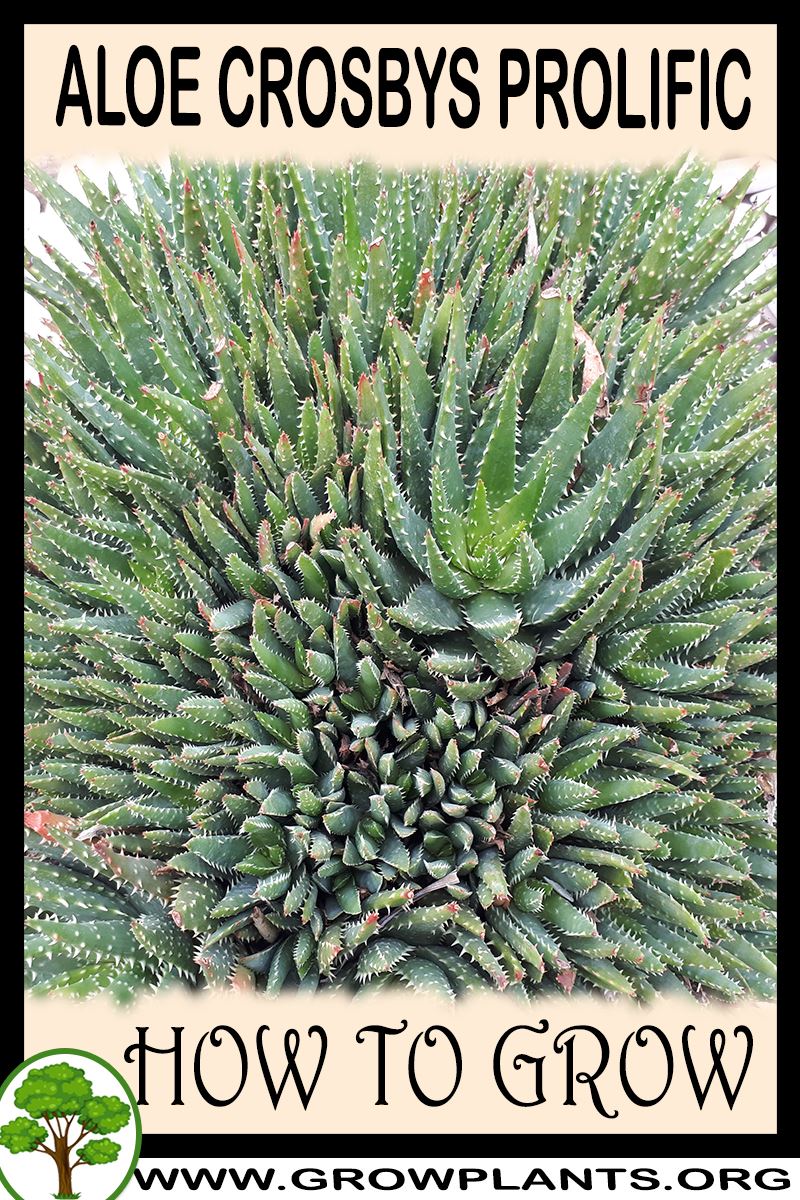
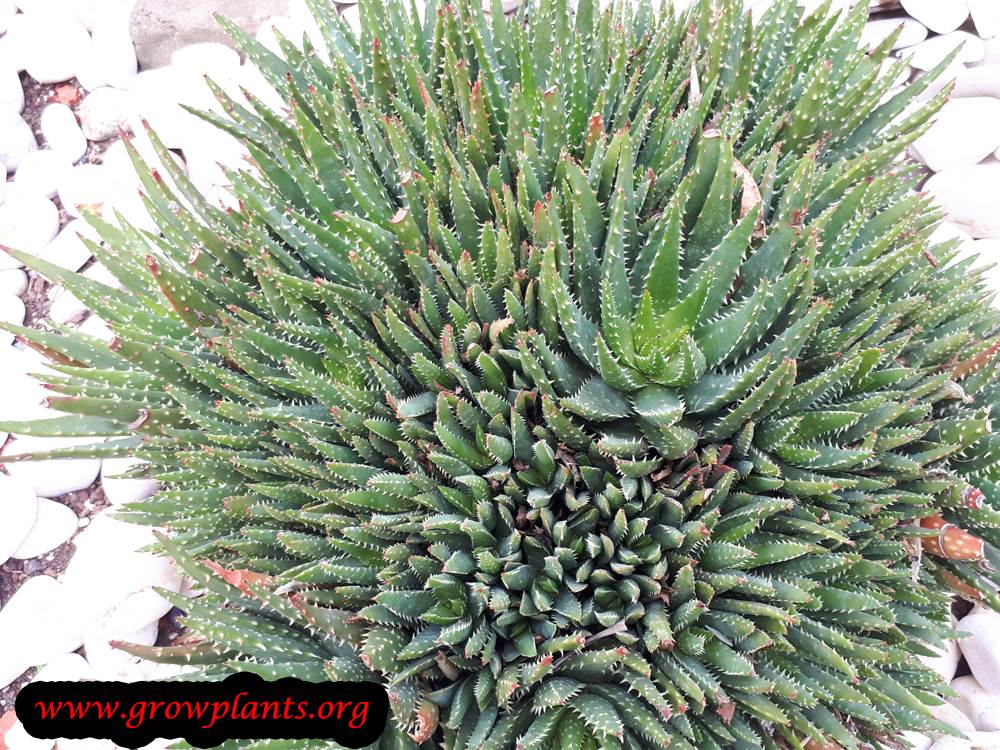
Overview: A slow-growing evergreen succulent hybrid forming prolific, freely offsetting rosettes. Grown as an ornamental foliage plant for its colourful, spine-edged leaves in warm, frost-free gardens.
Quick Specifications
| Specification | Attribute |
|---|---|
| Plant Type / Life Cycle | Perennial |
| Foliage Type | Evergreen (succulent) |
| Mature Size | 20-70 cm (8-28 in) tall, clumping |
| Growth Rate | Slow |
| Root System | Fibrous, shallow |
| Toxicity | Toxic to pets (cats and dogs) if the leaf is eaten — contains saponins and anthraquinones. |
| Hardiness | USDA zone 10b and warmer (zone 10a with winter protection) |
Growth Form & Structure
- Height & Spread: In the ground it forms clumping, offsetting rosettes; in a pot use a container about 30-50% larger than the root ball, filled with a free-draining cactus or gritty mix.
- Growth Habit & Form: Clump-forming rosette succulent that spreads by offsets into clusters.
- Lifespan & Maturity: Long-lived perennial; slow to reach mature size, gradually forming clumps through offsets.
Anatomy & Physical Features
- Leaves & Foliage: Fleshy leaves, green to orange, with spiny serrated edges, arranged in a rosette.
- Flower Characteristics: Orange (sometimes yellow, red or white) tubular flowers in an inflorescence; blooms once, at any time of year.
Primary Uses & Landscape Value
- Functional & Ornamental Roles: Ornamental succulent grown for its sculptural, spine-edged rosettes; well suited to rock and gravel gardens, xeriscaping and containers.
Care Guide: Planting, Soil & Watering
Overview: Aloe Crosbys Prolific is a drought-tolerant, evergreen succulent that grows best in bright light and fast-draining, gritty soil. It stores moisture in its fleshy leaves, so it needs only occasional watering and will rot if left in soggy ground.
Quick Care Requirements
| Requirement | Ideal Condition |
|---|---|
| Planting Season | Spring in zone 10a, spring through autumn in zone 10b, and year-round in zone 11 and warmer |
| Growth Rate | Slow |
| Soil Type | Sandy, gritty and sharply draining (cactus or succulent mix) |
| Water Need | Low — allow the soil to dry out completely between waterings |
Planting & Establishment
- Best Planting Season: Plant during the warm season once the risk of frost has passed — in spring in zone 10a, spring through autumn in zone 10b, and at any time of year in zone 11 and above.
- How to Plant:
- Hole Preparation: Dig the planting hole about 50–100% wider than the root ball so the roots can spread into loosened soil.
- Soil Amendments: Blend only a small amount of organic matter into gritty, free-draining soil; add coarse sand, grit or pumice if the ground holds water.
- Planting Depth: Set the plant with the base of the rosette at soil level and cover the roots lightly — never bury the crown. Where rainfall is heavy, plant slightly above the surrounding ground so water cannot pool around the base.
- Growth Speed & Expectations: A slow grower, so expect steady, modest growth as the rosette gradually fills out and produces offsets.
Soil, Watering & Drainage Care
- Soil Mix & Drainage Needs: Grow in a sandy, sharply draining medium — a cactus or succulent mix, or garden soil amended with grit and lava rock or pumice — with only a little organic matter. In containers make sure there are plenty of drainage holes and never leave the pot standing in water; excellent drainage is the single most important factor in preventing root rot.
- Watering Schedule & Technique:
- Young / Newly Planted: Water lightly after planting, then water sparingly, letting the mix almost dry out before watering again.
- Established: Water deeply but infrequently, always letting the soil dry out fully between waterings — overwatering is the most common cause of failure.
- Seasonal Adjustments: Cut back further in cool, wet weather and through winter dormancy, and water a little more often only during prolonged heat.
Climate, Light & Hardiness
Aloe Crosbys Prolific is a drought-tolerant succulent hybrid suited to desert, Mediterranean, subtropical, and tropical climates. It needs full sun to half shade and essentially frost-free conditions, though established plants can be nursed through light frost with protection.
Quick Climate Specifications
| Climate Zones | Desert, Mediterranean, subtropical, tropic |
|---|---|
| USDA Hardiness Zones | 10b+; possible in zone 10a with attentive overwintering care |
| Frost Tolerance | Low |
| Light Conditions | Full sun to half shade |
Sunlight & Light Exposure
Optimal Light Setup
Full sun to half shade suits this rosette-forming aloe well.
Temperature Extremes & Hardiness
USDA Hardiness & Regional Limits
Reliable outdoors year-round in USDA zone 10b and warmer; can be grown in zone 10a with careful winter protection.
Cold Damage & Winter Protection
Described in the source as needing frost-free conditions overall, though it can be nursed through occasional light frost if sited out of the wind and mulched with dead leaves for insulation.
Frost Sensitivity
Frost sensitive; protect from hard freezes and avoid planting in frost pockets.
Wind, Humidity & Microclimate
Wind Tolerance
Site out of strong winds, especially during cold snaps, to reduce cold and desiccation stress.
Dry-Air Tolerance
Very drought- and dry-air tolerant, in keeping with its succulent nature; allow the soil to dry between waterings.
Growing in Pots, Balconies & Indoors
Aloe ‘Crosby’s Prolific’ (Aloe nobilis x humilis) is a compact, slow-growing aloe (20-70 cm / 8-28 in). The grower marks it as not a deep-indoor houseplant – it is a light-hungry succulent – but that same love of strong light makes it a superb plant for a bright, sunny windowsill, where it thrives in a small, gritty pot.
Quick Details
- Container Size: A pot only 30-50% larger than the root ball – snug suits succulents
- Indoor Suitability: Best on a bright, sunny windowsill; too light-hungry for a dim room
- Best Spot: Full sun to light shade – the brightest position you can give it
- Soil & Drainage: Sandy/gritty or cactus mix with lots of drainage holes; drainage is critical
- Watering in Pots: Sparingly – a little water, then let it dry out fully between drinks
Indoors & On the Windowsill
- Windowsill, not deep indoors: The grower marks it “No” as a room houseplant because it needs strong light – set back from a window it etiolates and weakens. On a sunny sill, however, it does very well.
- Care on the sill: Give it the sunniest sill, water lightly and let it dry between waterings, and feed just once a year.
- Overwintering: Frost-tender, so keep it indoors on a bright sill over winter, nearly dry and cool during its rest.
On a Balcony or Patio
- Light & shelter: It loves a hot, sunny, sheltered balcony; protect it from prolonged rain, which waterlogs the gritty mix. Small pots dry fast – which suits a succulent.
- Safety: The leaf edges carry spines, and aloe leaf sap can upset the stomach if eaten – place it out of the reach of children and pets and handle with care.
Choosing the Pot, Soil & Long-Term Care
- Pot & drainage: A pot 30-50% bigger than the root ball with plenty of drainage holes; terracotta suits it as it dries fast. Better with no saucer – and if you use one, empty it so it is dry by day’s end.
- Potting mix: Sandy soil with lava grit or other inert material, or a cactus mix; it also grows well in regular potting mix with only a little organic matter.
- Feeding: Very little – once a year is enough.
- Watering: Small amounts, letting the mix dry between waterings; overwatering is the main danger.
Grower’s Container Tip
- Gritty mix, no wet feet: Use a sandy, gritty or cactus mix with generous drainage holes, water lightly and let it dry out, and avoid a saucer – if you must use one, be sure it is dry by the end of the day.
Fertilizing & Feeding
A slow-growing, drought-tolerant succulent that is naturally a light feeder: keep any fertilizer light and low in nitrogen, feed only during active warm-season growth, and let it rest through cool or frost-risk periods.
Quick Fertilizing Specs
| Feeding Level | Light feeder |
|---|---|
| Main Nutrient Priority | A light, low-nitrogen feeding during active warm-season growth |
| Best Feeding Period | The warm active-growth season, once the plant is established |
| Organic Options | A small amount of compost worked into fast-draining soil at planting |
| Reduce/Stop Feeding | Stop feeding during cool weather or any frost-risk period |
| Micronutrients | Usually met by a light general or succulent feed; correct only a diagnosed issue |
| Soil pH | Tolerates a range of soils provided drainage is fast and free |
Feeding by Growth Stage
Active growth
Support gradual rosette growth during this slow-growing succulent’s active period.
| Nutrient direction | A light, low-nitrogen feeding supports steady growth without pushing soft, rot-prone tissue. |
|---|---|
| Timing | During the warm active-growth season, once the plant is established and rooted. |
| Frequency | A very occasional light feeding is enough for this slow, drought-tolerant succulent. |
| Fertilizer types | A cactus- or succulent-labeled fertilizer, diluted and used sparingly, A light general-purpose fertilizer used well below the rate for leafy garden plants |
| Precautions | Keep feeding light and let the soil dry between waterings; overfeeding or overwatering a rosette this drought-adapted is the more common problem than underfeeding. |
Cool-season rest
Let the plant rest through frost-risk or cooler, low-growth conditions.
| Nutrient direction | None – withhold fertilizer while the plant is not in active growth. |
|---|---|
| Timing | During cooler weather and any frost-risk period. |
| Frequency | No feeding at this stage; resume only once active warm-season growth returns. |
| Fertilizer types | No feeding at this stage; hold off fertilizing until active growth resumes. |
| Precautions | Withhold fertilizer now; feeding a dormant or slow succulent wastes nutrients and raises the risk of root and stem rot. |
Nutrient Deficiency Signs & Corrections
Older leaves turn a uniform pale green or yellow and new growth is unusually slow.
| Possible causes | low soil fertility after a long period without any feeding, poor root function from waterlogged or compacted soil, very sandy soil with little nutrient-holding capacity |
|---|---|
| Appears first on | older, lower leaves |
| What to check | time since the last feeding, soil drainage and compaction, soil type and organic matter |
| Possible correction | Apply a light, low-nitrogen feed during active growth and confirm the soil drains freely. |
Leaves turn soft, translucent, or mushy at the base, and the rosette may pull loose from the soil.
| Possible causes | overwatering or poorly drained soil holding excess moisture, fertilizing during cool, slow-growth conditions when roots cannot use it, planting too deep or without adequate soil drainage |
|---|---|
| Appears first on | the base of the rosette and lower leaves |
| What to check | soil moisture and drainage, recent watering and feeding frequency, planting depth |
| Possible correction | Let the soil dry out, improve drainage, and hold off on both water and fertilizer until new healthy growth resumes. |
New leaves emerge pale yellow while the leaf veins stay comparatively green.
| Possible causes | iron tied up in alkaline or poorly drained soil, cold or waterlogged roots limiting nutrient uptake, general low-fertility soil |
|---|---|
| Appears first on | the newest, innermost leaves |
| What to check | soil drainage and moisture, soil alkalinity, recent root stress from cold or wet conditions |
| Possible correction | Improve drainage, let roots warm and dry out, and apply a chelated iron product per its label if the pale color persists. |
Pruning, Training & Seasonal Maintenance
Aloe Crosbys Prolific is a clustering succulent rosette hybrid with no woody framework, so pruning tolerance is low and limited to grooming: removing dead leaves and old flower stalks. Unlike agaves, true aloes are not monocarpic – this rosette can flower again in future seasons, so cutting back a spent bloom stalk does not end its flowering life. As the cultivar name suggests, it offsets freely, so ongoing maintenance also means deciding how many pups to let the clump keep. Pruning can be done any time of year, though cutting spent flower stalks is most naturally done right after a bloom finishes.
Quick Pruning & Maintenance Specs
| Pruning Tolerance | Low – grooming and offset management only |
| Primary Pruning Window | All year, best right after a bloom cycle finishes |
| Typical Frequency | Light, ongoing |
| Main Objective | Remove dead leaves and spent flower stalks; manage offset clumping |
| Young Plant Priority | Minimal handling while the rosette establishes |
| Mature Plant Priority | Thin or divide offsets to keep the clump from overcrowding |
| Best Tool Type | Precision snips (leaves/stalks); grafting knife (offset division) |
Pruning by Plant Age & Size
Newly Established
Remove only clearly dead or damaged lower leaves; avoid dividing pups from a young plant that has not yet built up its own clump.
Young / Formative
No structural training applies to a rosette succulent. The formative decision is whether to let offsets remain attached to build a dense clump or remove them early to keep a single specimen.
Mature / Established
Established clumps benefit from periodic thinning: remove some of the oldest, most crowded offsets at the base to keep air circulating through the clump and prevent the center from becoming congested and shaded out.
Seasonal Pruning Schedule
Ongoing Sanitary
Objective: keep the rosette tidy and free of decaying tissue. Remove: dried lower leaves and old flower stalks once fully faded. Do not remove: firm, green leaves – each one stores water the plant relies on in dry periods. Expected response: none from leaf removal; cutting a spent stalk simply tidies the plant since this species can produce new stalks in later seasons regardless. Flowering impact: none – removing an old, fully spent stalk does not reduce future blooming.
Structural Pruning & Training
Clump density: because this hybrid offsets prolifically, thinning is the main structural task – removing excess or overcrowded offsets keeps the clump open rather than letting it self-shade and decline in the center.
Special Growth to Remove
- Old flower stalks: cut at the base once fully dried; leaving them does no harm but they are purely cosmetic once spent.
- Dead or dried lower leaves: remove close to the stem.
- Offsets/pups: not inherently unwanted – given this cultivar’s vigorous offsetting, remove or divide surplus ones once they have their own roots to prevent overcrowding; leave enough to maintain the clumping habit that gives the cultivar its character.
Container & Small-Space Pruning
Not grown as an indoor houseplant per its needs, but does well in a container outdoors. In pots, offsets fill the space faster than in open ground, so thin or repot/divide more proactively to avoid the clump outgrowing the container and competing for the pot’s limited moisture and root space.
Tools
Precision snips for dead leaves and spent flower stalks; a grafting knife for cleanly dividing offsets from the parent at the base, since a clean cut through fleshy tissue heals better than a torn one.
Tool Hygiene & Disease Risk
Routine. Only aphids, slugs, and snails are noted as issues for this plant – none are tool-transmitted pathogens, so clean, sharp tools are sufficient without disinfecting between plants.
Cut Placement & Technique
Cut dead leaves and stalks close to the stem with a clean blade. When dividing an offset, cut as close to the parent’s base as possible to include any roots the pup has already formed, and let the cut surface dry and callus for a day or two before planting or watering it, as with any succulent cutting.
Heavy Pruning & Rejuvenation
Not tolerated in the sense of cutting the rosette itself back hard – there is no stem tissue below the leaves to regrow from. “Rejuvenation” for an overcrowded clump instead means dividing and replanting offsets rather than cutting the parent.
Post-Pruning Care
Resume normal watering on the schedule this drought-tolerant plant already keeps (allowing the soil to dry between waterings); avoid extra fertilizing beyond the plant’s usual once-a-year feeding. Let any offset-division wounds callus before watering directly on them.
Common Pruning Mistakes
- Cutting into firm, healthy leaves instead of leaving them as the plant’s water reserve.
- Dividing offsets before they have rooted on their own, leaving them without support.
- Letting the clump go too long without thinning, so the center overcrowds and declines from lack of light and airflow.
When Not to Prune
Avoid dividing or heavily handling the plant right before frost, since this species needs protection (mulch, dead-leaf cover) in cold weather and fresh wounds add unneeded stress during that vulnerable period. Avoid cutting into leaves while the plant is actively flowering if the goal is simply grooming – wait until the stalk has fully finished.
Recommended Tools (by task)
- precision_snips – for dead leaves and spent flower stalks.
- grafting_knife – for clean offset division at the base, given this cultivar’s vigorous clumping.
Propagation Guide
Aloe Crosbys Prolific is best propagated vegetatively when the goal is to preserve the selected or hybrid form. Seed should not be relied on to reproduce the named or hybrid form exactly.
Quick Propagation Specs
| Best Propagation Method | Vegetative propagation |
| Seed | Possible, but not reliable for preserving the named or hybrid form |
| Leaf Cuttings | Not recommended |
Seed Propagation
Sow fresh, mature seed in a clean, well-drained succulent propagation medium. Keep the medium lightly moist rather than wet and provide warm, bright conditions while seedlings establish.
Vegetative Propagation
Use naturally produced offsets, pups, divisions or suitable stem material where appropriate for this plant. Separate healthy material carefully and root it in a very well-drained succulent growing medium.
Aftercare
Keep newly propagated plants in excellent drainage and avoid prolonged wet conditions around developing roots. Increase light gradually after seedlings or vegetative propagules are established.
Bloom & Flower Guide
Quick Details
- Bloom Season: Can bloom at almost any time of year, but each mature rosette flowers only once
- Time to First Bloom: Once the plant is well established (usually a few years old)
- Flower Appearance: Tubular, cone-shaped flowers in orange (sometimes yellow, red or white, or mixed) on an upright inflorescence stalk
- Edibility: Not for eating – the sap (aloin) is a purgative and Aloe is toxic to people and pets if ingested; grown for its foliage and flowers
Detailed Blooming Overview
Aloe Crosbys Prolific (Aloe nobilis x humilis) is a small, clumping succulent grown chiefly for its rosettes, but a mature plant rewards you with a slender flower stalk. The tubular flowers open along an upright inflorescence and are rich in nectar. A healthy clump can flower at almost any time of year, with each rosette blooming once.
Flower Characteristics
- Tubular, cone-shaped flowers, mainly orange but sometimes yellow, red or white, or a blend of colours.
- Carried on an upright inflorescence stalk that rises above the rosette.
Bloom Care & Thinning
- Encouraging bloom: Plenty of sun, lean soil and a cooler, drier rest period help a mature clump flower well.
- After flowering: Cut the spent flower stalk back to the base once it fades.
- Pollination: The nectar-rich flowers are visited by birds (such as sunbirds) and bees in habitat.
- Safety: Keep the plant and its sap away from children and pets – Aloe is a known irritant and purgative and should not be eaten.
Pests, Diseases & Troubleshooting
Overview: Aloes are tough, drought-adapted succulents whose troubles come far more from water and light management than from insects; the classic killers are root and basal rot from overwatering and cold-and-wet soil. The few real pests are sap-suckers (scale, mealybug, aphids) plus the disfiguring aloe mite and the stem-boring snout weevil, and the guiding principle is a lean, gritty, sharply drained mix, bright light, and restraint with the watering can. A dwarf hybrid that offsets very freely; keep the tight clumps airy and dry to avoid mealybug and rot.
Quick Troubleshooting Overview
| Issue / Pest | Main Symptom | Primary Solution |
|---|---|---|
| Aloe mite (aloe cancer) | Warty, cauliflower-like galls on leaves, flowers or stem | Cut out and destroy galled tissue; isolate the plant |
| Scale | Flat brown or white limpet-like discs on leaves, sticky film | Scrape off; horticultural oil to smother crawlers |
| Mealybugs | White cottony fluff in leaf axils and on roots | Dab with alcohol; systemic or oil for heavy cases |
| Aloe snout weevil | Sudden collapse, rot at base, notched leaf margins | Remove and destroy grubs; keep plants unstressed |
| Root / basal rot | Soft, brown, mushy base; leaves yellow and topple | Dry out, cut to clean tissue, re-root; gritty mix |
| Sunburn / etiolation | Bleached scorched patches, or pale stretched growth | Acclimatise to sun; move to brighter light gradually |
Common Pests & Management
- Aloe mite / aloe wart mite (Aceria aloinis):
- Symptoms: A microscopic eriophyid mite whose feeding hormones trigger warty, lumpy, cauliflower-like galls (“aloe cancer”) of orange-green distorted tissue on leaves, stems and especially flower spikes; the growth is permanent and spreads plant to plant.
- Prevention & Control: There is no easy cure once galling starts: cut galled tissue well back into clean growth, bag and destroy it, and isolate affected plants and tools. Buy clean stock, and reserve a miticide or systemic only for prized collections where surgery cannot keep pace.
- Scale (Aspidiotus nerii and allies):
- Symptoms: Flat, brown or greyish-white limpet-like discs stuck along leaves and in axils; heavy colonies sap vigour, yellow the leaf, and leave a sticky, sooty-mould film.
- Prevention & Control: Scrape or wipe off with an alcohol-dipped cloth and inspect new plants before introducing them. Smother crawlers with horticultural oil or insecticidal soap, repeating to catch successive generations; encourage ladybirds and parasitic wasps outdoors.
- Mealybugs (Pseudococcus / Planococcus spp.):
- Symptoms: Tufts of white, waxy, cottony fluff tucked into leaf axils and the crown, with honeydew and sooty mould; a root form (Rhizoecus) coats roots in white meal and stunts potted plants.
- Prevention & Control: Spot-treat clusters with a cotton bud dipped in rubbing alcohol and rinse the crown. For persistent or root infestations, drench or spray with insecticidal soap, neem or horticultural oil, and repot into fresh gritty mix after washing the roots.
- Aphids (Aloephagus myersi / Aphis spp.):
- Symptoms: Soft green, grey or black insects clustering on tender new growth and, above all, on developing flower stalks, causing distortion, honeydew and sooty mould.
- Prevention & Control: Blast off with a jet of water and squash small colonies by hand; conserve ladybirds, lacewings and hoverflies. Use insecticidal soap or neem for stubborn build-ups, focusing on the flower spikes where they gather.
- Aloe snout weevil (Brachycerus spp.):
- Symptoms: A serious, often fatal pest of larger aloes; adults notch leaf margins and lay eggs at the base, and the fat grubs tunnel into the stem and crown, so the first obvious sign is sudden collapse and rot from within.
- Prevention & Control: Inspect the crown and base regularly, remove and destroy grubs, and cut out and burn tunnelled tissue. Keep plants healthy and unstressed, clear debris that shelters adults, and treat the crown of valued specimens preventively where the weevil is known.
- Spider mites (Tetranychus urticae):
- Symptoms: Fine pale stippling and a dull, bronzed look to the leaves with faint webbing in the axils, worst on plants kept hot, dry and dusty indoors or under glass.
- Prevention & Control: Raise humidity and rinse the foliage to knock mites back and lay dust; avoid drought stress. Treat flare-ups with horticultural oil or insecticidal soap and conserve predatory mites by avoiding broad-spectrum sprays.
Diseases & Fungal Issues
- Aloe rust (Uromyces aloes):
- Symptoms: Round, hard, black or dark-brown sunken spots on the leaf surface, sometimes with a yellow halo; the blackened areas are permanent scars where the fungus has killed the tissue, worst in cool, damp, humid conditions.
- Treatment & Management: Improve airflow and light, keep water off the foliage, and avoid crowding. Remove badly spotted leaves; the damage is cosmetic and rarely fatal, so fungicide is seldom needed, though a copper or sulfur product helps in a persistent damp season.
- Root & basal stem rot (Pythium / Phytophthora / Fusarium spp.):
- Symptoms: The commonest killer: the base turns soft, brown and mushy, lower leaves yellow and wilt, and the rosette eventually topples from a rotten core – almost always the result of cold, wet, poorly drained soil or overwatering.
- Treatment & Management: This is a cultural problem first. Unpot, cut away all soft brown tissue back to firm white flesh, let the wound callus, and re-root the clean top in dry gritty mix. Prevent it with sharp drainage, lean soil, and watering only when the mix is dry.
- Bacterial soft rot (Pectobacterium / Erwinia spp.):
- Symptoms: A fast, foul-smelling collapse in which leaves turn to translucent, water-soaked mush, often after cold damage or a wound in warm, wet conditions; it can destroy a plant in days.
- Treatment & Management: There is no cure for the rotted tissue. Cut out and destroy affected parts immediately, salvage clean offsets or leaf tops, keep the plant dry and warm, and sterilise tools between cuts. Prevention is dry, airy, uninjured growth.
- Leaf spot / anthracnose (Alternaria / Colletotrichum spp.):
- Symptoms: Soft, sunken, tan-to-brown or blackish spots, sometimes concentric or water-soaked at the edge, appearing on leaves kept too wet or splashed overhead.
- Treatment & Management: Water at the base, keep foliage dry, and give bright airy conditions. Remove spotted leaves and improve spacing; copper fungicide is only warranted where spotting spreads in a damp spell.
Growing Difficulties & Abiotic Problems
- Overwatering & root rot:
- Cause & Symptoms: By far the most common cause of decline – soggy soil, heavy potting mix, or an unglazed of drainage suffocates the roots; leaves go soft, yellow or translucent and the base rots. Aloes tolerate drought far better than wet feet.
- Correction Strategy: Use a fast-draining cactus/succulent mix with extra grit or pumice and pots with drainage holes; let the mix dry fully between waterings and water sparingly in cool weather. Rescue rotting plants by cutting to clean tissue and re-rooting dry.
- Sunburn / sun scorch:
- Cause & Symptoms: Plants moved abruptly from shade or indoors into full sun develop bleached, straw-coloured or brown scorched patches on the most exposed faces; the marks are permanent.
- Correction Strategy: Acclimatise gradually over one to two weeks, giving light afternoon shade at first, and provide some shade in the fiercest summer heat. Bright but filtered light produces the best colour without scorching.
- Cold & frost damage:
- Cause & Symptoms: Most aloes are frost-tender; freezing turns leaves translucent, water-soaked and mushy, and cold-plus-wet invites soft rot. Tips and margins may brown even from a light chill.
- Correction Strategy: Keep plants above freezing, dry and sheltered through cold spells, and move containers under cover. Withhold water in cold weather – dry aloes shrug off far more cold than wet ones – and remove frost-damaged tissue once growth resumes.
- Etiolation (weak, stretched growth):
- Cause & Symptoms: Too little light makes the rosette stretch, pale and open, with weak, floppy leaves reaching toward the window and loss of compact form and colour.
- Correction Strategy: Move to the brightest position available or add a grow light, turning the plant for even growth. New growth will be tight and coloured again; the stretched section stays as it is unless the plant is beheaded and re-rooted.
What Helps – Products & Tools
For aloes the kit is minimal and mostly cultural: a gritty free-draining succulent mix and a clean sharp knife are the real tools. Reach for rubbing alcohol and horticultural oil or insecticidal soap for scale, mealybug, aphids and mites; copper or sulfur fungicide only for persistent rust or leaf spot in damp spells; and rooting after surgery to save rot-struck plants. The source’s generic “aphids, slugs, snails” misses the aloe’s real threats – the aloe mite, snout weevil, scale, and above all rot from overwatering.