
Fungus gnats are the small black flies that rise up when you water a houseplant. The adults are mostly a nuisance, but their larvae live in damp potting mix and feed on organic matter and fine roots – a real problem for seedlings and cuttings. They thrive in one condition above all: constantly wet soil. Fix that, and you’re most of the way to control. This guide covers how to identify, prevent and clear fungus gnats.
As an Amazon Associate GrowPlants earns from qualifying purchases. We recommend product types that genuinely suit the plant; prices and availability are set by Amazon.
Quick identification
Tiny (2–4 mm) dark, mosquito-like flies running over the soil and flying weakly around plants when disturbed. Larvae are thin, translucent maggots with black heads in the top layer of moist mix.
Damage & commonly affected plants
Adults are harmless to healthy plants but annoying; larvae can damage seedlings, cuttings and fine roots, and heavy infestations stunt young plants. Most common on overwatered houseplants, seed trays and anything in rich, peaty mix.
Why they appear
Persistently damp topsoil and organic-rich mix are perfect breeding grounds. Overwatering is the number-one cause; poor drainage and leftover debris make it worse.
Prevention (the real fix)
- Let the top few centimetres of soil dry out between waterings – larvae can’t survive a dry surface.
- Water from the bottom so the surface stays drier.
- Use a well-draining mix and pots with drainage; avoid saucers of standing water.
- Top the soil with a layer of grit or sand to deter egg-laying.
Treatment options
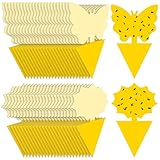
Yellow sticky traps
Catch the adults and break the breeding cycle – the simplest first step and a good monitor of how bad the problem is.


BTi (biological larvae control)
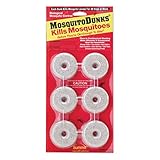
Bacillus thuringiensis israelensis products (mosquito bits/dunks) target gnat larvae in the soil without harming plants or pets. Follow the product’s directions.


Bottom-watering & grit topping
Keeping the surface dry and gritty is the long-term cure; the tools above just speed it up.


Common mistakes
- Keeping soil constantly moist – the root cause of every fungus-gnat problem.
- Spraying leaves; the larvae are in the soil, not on the foliage.
- Treating adults only and ignoring the larvae, so the cycle continues.
- Reusing soggy, old mix that’s already full of larvae.
FAQ
How do I get rid of fungus gnats? Let the topsoil dry between waterings, use yellow sticky traps for adults, and treat larvae with a BTi product – the drying-out is the real cure.
Are fungus gnats harmful? Adults are mostly a nuisance; larvae can damage seedlings, cuttings and fine roots in heavy numbers.
Why do I have fungus gnats? Almost always overwatering – constantly damp, organic-rich mix is their breeding ground.
Do sticky traps alone work? They cut adult numbers and monitor the problem, but you also need to dry the soil and/or treat larvae to fully clear them.
Final guidance
Fungus gnats are a watering problem first and a pest problem second. Let the top of the soil dry out, add yellow sticky traps for the adults and a BTi product for the larvae, and switch to bottom-watering. Do that and they disappear within a couple of weeks.
As an Amazon Associate GrowPlants earns from qualifying purchases. GrowPlants does not sell these products.
See also: aphid control · sticky traps & monitoring · all plant pests & protection.