
Water lilies and lotus are surprisingly hungry plants, and a well-fed lily flowers far more than a starved one. But you can’t just tip fertilizer into a pond – dissolved nutrients feed algae, not your plants. The answer is slow-release fertilizer tablets or pellets pushed into the soil at the roots, where the plant takes them up and the open water stays clear. This guide covers aquatic fertilizer types and how to feed without a green pond.
As an Amazon Associate GrowPlants earns from qualifying purchases. We recommend product types that genuinely suit the plant; prices and availability are set by Amazon.
Quick recommendations
- Best all-round: aquatic fertilizer tablets pushed into the soil
- Best for heavy feeders: water lily & lotus fertilizer tabs
- Best slow-release: coated aquatic pellets
- Avoid: liquid feeds broadcast into open water (feeds algae)
How we chose
We looked at formulation (slow-release, root-delivered), suitability for heavy feeders like lilies and lotus, how cleanly they keep the water, and ease of dosing. The guiding principle: nutrients belong in the soil at the roots, not dissolved in the pond. Based on water-gardening practice, not lab testing.
Recommended fertilizer types
Aquatic fertilizer tablets
The standard method: press a tablet into the plant’s soil every few weeks in the growing season. Nutrients release at the roots, keeping open water clear.
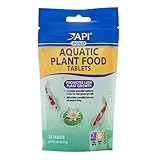


Water lily & lotus feeds
Higher-strength tabs made for hungry lilies and lotus, which flower much better when fed through summer.

Slow-release aquatic pellets
Coated pellets that feed gradually over weeks – convenient, but still placed in the soil, not scattered in the water.
How to feed aquatic plants
- Feed in the growing season (spring to late summer); stop as plants go dormant in autumn/winter.
- Push tabs into the soil near the roots – never dissolve fertilizer in the open pond.
- Follow the dose on the pack, scaled to pot/plant size; heavy feeders like lilies and lotus need more.
- Top with gravel so the basket soil (and fertilizer) stays put.
Feeding at a glance
| Plant | Feeding need | How |
|---|---|---|
| Water lily | Heavy | Tabs every few weeks in season |
| Lotus | Heavy | Regular tabs through summer |
| Marginals | Light–moderate | Occasional tab |
| Oxygenators | Usually none | Feed from water/fish waste |
Common mistakes
- Pouring liquid or general fertilizer into the pond – it triggers algae blooms, not blooms on your lily.
- Over-feeding – excess nutrients cloud and green the water.
- Feeding in autumn/winter when plants are dormant.
- Starving a water lily and then wondering why it won’t flower.
FAQ
How do I fertilize pond plants without causing algae? Use slow-release tablets pushed into the plant’s soil, not liquid feeds in the open water, so nutrients go to roots rather than algae.
How often should I feed water lilies? Every few weeks through the growing season; they’re heavy feeders and flower far better when fed. Stop in dormancy.
Can I use regular plant fertilizer in a pond? No – ordinary feeds dissolve into the water and fuel algae. Use fertilizer made for aquatic plants, placed in the soil.
Do all pond plants need feeding? No – oxygenators and many marginals get enough from the water and fish waste; lilies and lotus are the hungry ones.
Final recommendation
Feed water lilies and lotus with aquatic fertilizer tablets pushed into their soil every few weeks through the growing season, and stop in winter. Never broadcast liquid feed into the pond. Do that, and you get more flowers and clearer water – not algae.
As an Amazon Associate GrowPlants earns from qualifying purchases. GrowPlants does not sell these products.
See also: best pond pumps · aquatic plant baskets & pots · all pond equipment.