Plant Profile & Key Characteristics
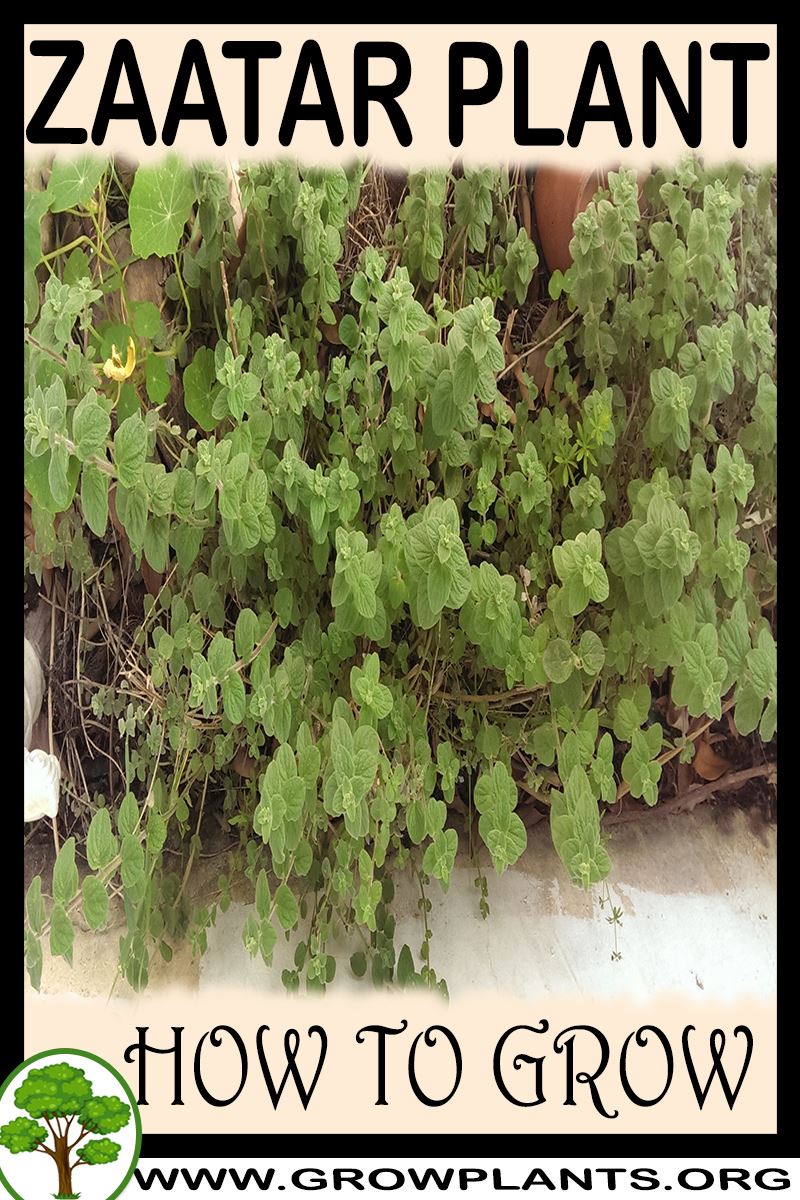
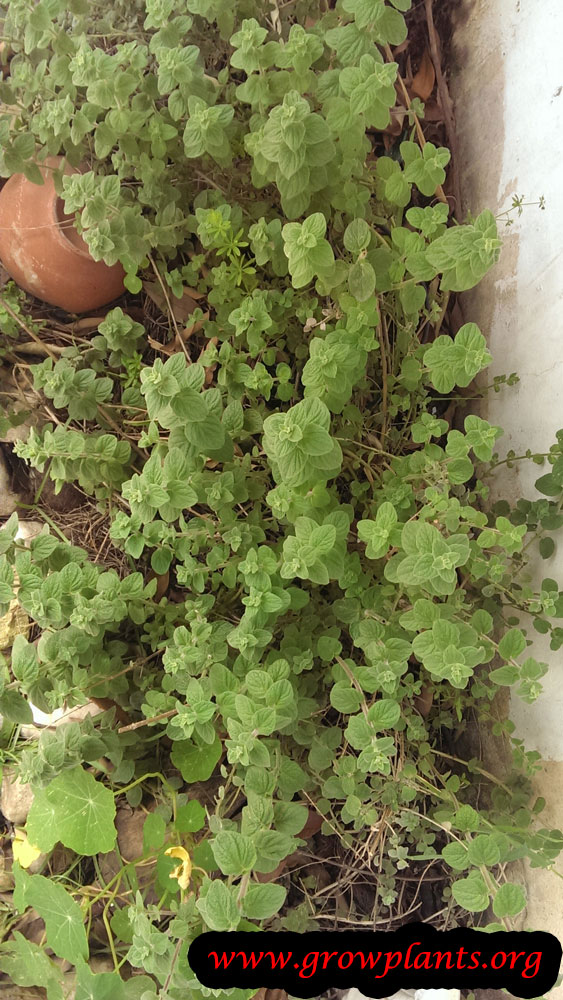
Overview: Za’atar (Origanum syriacum, biblical hyssop) is an aromatic evergreen perennial subshrub, 0.3-1.6 m tall and up to about 1.5 m wide. It is grown for its edible, fragrant leaves used fresh and as the base of the za’atar spice blend.
Quick Specifications
| Specification | Attribute |
|---|---|
| Plant Type / Life Cycle | Perennial (evergreen; grown as annual in cold climates) |
| Foliage Type | Evergreen |
| Mature Size | 0.3-1.6 m tall x 0.4-1.5 m wide (1-5 ft x ~1.5-5 ft) |
| Growth Rate | Moderate |
| Root System | Fibrous |
| Toxicity | Non-toxic / edible (culinary herb) |
| Hardiness | USDA zones 8-11 |
Growth Form & Structure
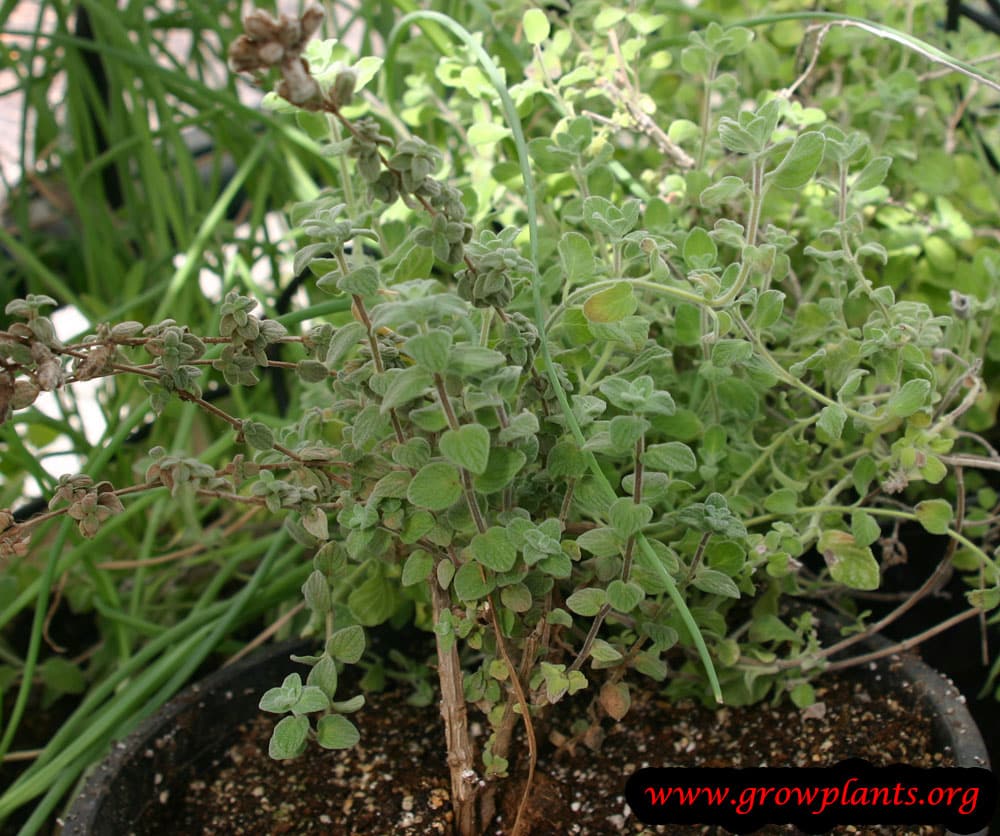
- Height & Spread: 0.3-1.6 m tall by 0.4-1.5 m wide in ground; grows well in pots and even indoors with strong light.
- Growth Habit & Form: Bushy aromatic subshrub with a woody base and soft leafy stems.
- Lifespan & Maturity: Long-lived perennial in mild climates.
Anatomy & Physical Features
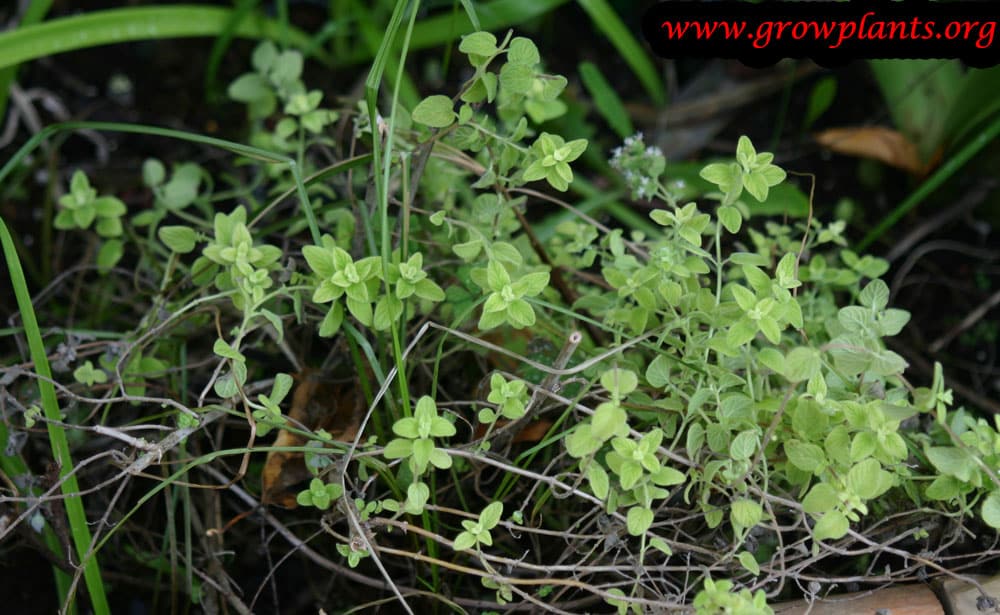
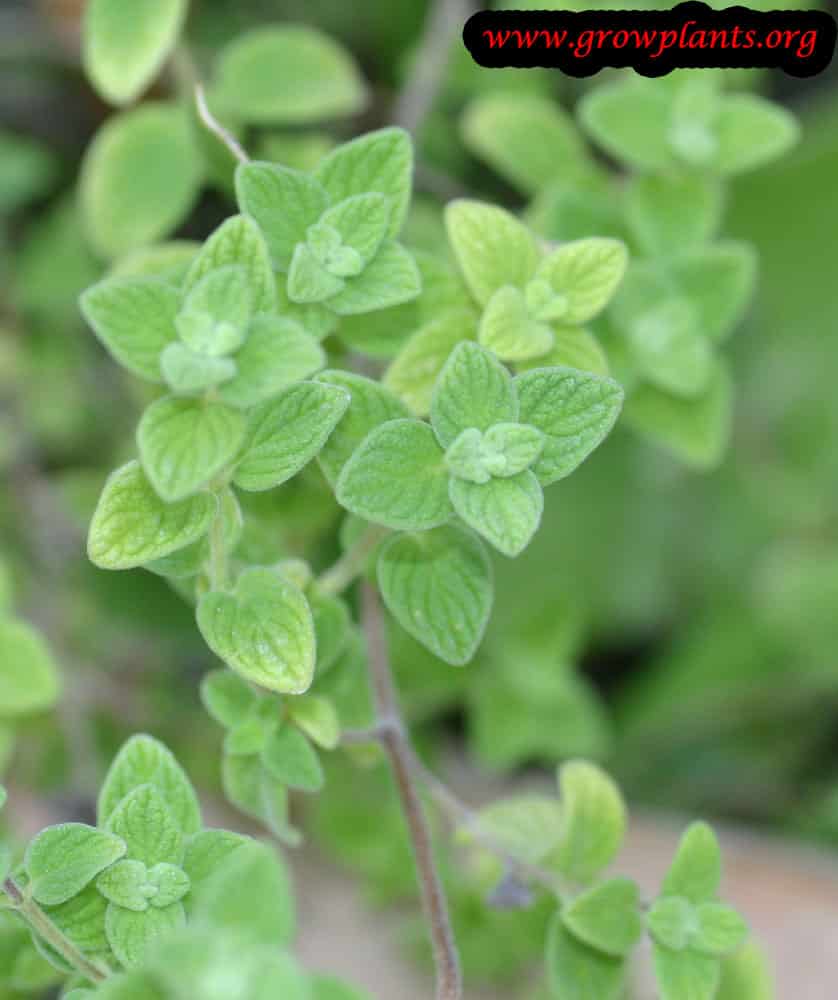
- Leaves & Foliage: Small (1-3 cm) ovate green aromatic leaves; winter leaves smaller and thicker.
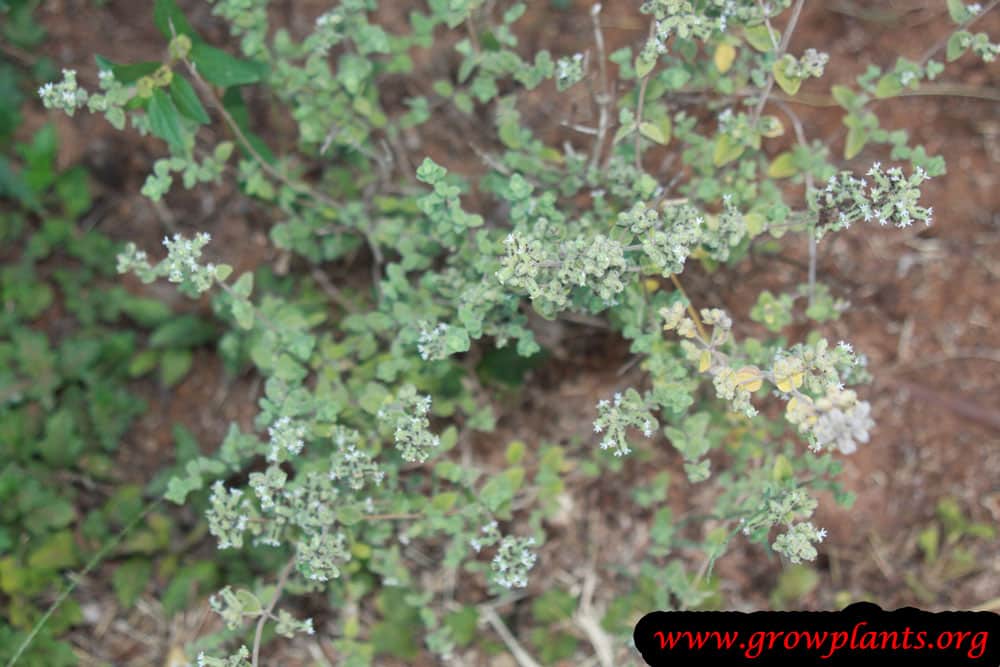
- Flower Characteristics: Small white flowers in spikes, with edible green or purple buds (full detail in the Bloom guide).
Primary Uses & Landscape Value
- Edible Uses: Leaves eaten raw, dried as a herb and spice, in spreads and the za’atar blend; buds also edible.
- Functional & Ornamental Roles: Fragrant culinary herb and ornamental.
Care Guide: Planting, Soil & Watering
Overview: Zaatar (Origanum syriacum, Biblical-hyssop) is a Mediterranean herb that loves full sun, warmth and light, sharply well-draining soil. It is sensitive to excess moisture and to water sitting on its leaves, so keep it on the drier side and water at the base.
Quick Care Requirements
| Requirement | Ideal Condition |
|---|---|
| Planting Season | Spring through autumn in the warm season; year-round in frost-free climates |
| Growth Rate | Moderate |
| Soil Type | Light, lean, well-draining soil – dislikes heavy, soggy ground |
| Water Need | Low to Moderate – drought-tolerant once established |
Planting & Establishment
- Best Planting Season: Plant in the warm season – spring after the last frost through summer and autumn; in warm, frost-free climates it can be planted almost year-round.
- How to Plant:
- Hole Preparation: Dig a hole a little larger than the root ball so the roots have loose soil to spread into.
- Soil Amendments: Mix a little compost or organic matter into the backfill, but keep the overall blend light and free-draining rather than rich and moisture-holding.
- Planting Depth: Set the crown at soil level – do not bury the stem base, as a buried, damp crown is prone to rot in this moisture-sensitive plant.
- Growth Speed & Expectations: Growth is moderate; regular light harvesting of the tips keeps the plant bushy and productive.
Soil, Watering & Drainage Care
- Soil Mix & Drainage Needs: Use a light, gritty, sharply draining mix; in containers choose a free-draining, well-ventilated potting mix and make sure the pot drains freely. Good drainage is essential to prevent root rot.
- Watering Schedule & Technique:
- Young / Newly Planted: Keep the soil lightly moist (not wet) while the plant establishes its roots, watering with a light hand.
- Established: Once established it is fairly drought-tolerant: water deeply, then let the top of the soil dry out before watering again.
- Seasonal Adjustments: Cut back watering in winter and during cool, wet spells; give a little more in summer heat. Always water the soil, never the foliage.
Climate, Light & Hardiness
Zaatar (Origanum syriacum) is a drought-adapted evergreen shrub of Mediterranean, desert, and temperate climates, hardy through USDA zone 8–11. Its ideal light shifts with climate: full sun where summers are cooler, easing toward half or even full shade in hot desert conditions.
Quick Climate Specifications
| Climate Zones | Mediterranean, desert, temperate |
|---|---|
| USDA Hardiness Zones | 8–11 |
| Frost Tolerance | Moderate |
| Light Conditions | Full sun in cooler climates; half to full shade in hot desert climates |
Sunlight & Light Exposure
Optimal Light Setup
In cooler parts of its range full sun suits it best; in hot desert climates some shade protects the foliage from scorch.
Shade & Heat Management
Where summers are intensely hot, moving toward half or full shade reduces heat stress without sacrificing the plant.
Temperature Extremes & Hardiness
USDA Hardiness & Regional Limits
Reliably hardy through USDA zone 8–11 across Mediterranean, desert, and temperate climates.
Wind, Humidity & Microclimate
Humidity Preferences
Prefers relatively dry air around the foliage; moisture sitting on the leaves or overly humid conditions increase disease risk, per its noted sensitivity to moisture on the leaves.
Microclimate Recommendations
Favor open, airy planting spots with good air movement to keep foliage dry, especially in humid microclimates.
Growing in Pots, Balconies & Indoors
Zaatar (Origanum syriacum, biblical hyssop) is an aromatic, drought-tolerant Mediterranean shrub. The grower says it can be grown indoors as a houseplant, with the important condition that it gets plenty of light – so give it your brightest window.
Quick Details
- Container Size: A free-draining pot sized to the plant (general guidance – the grower confirms containers and indoor growing suit it, with no set volume)
- Indoor Suitability: A houseplant per the grower, but only with strong light
- Best Spot: Full sun in cool climates; part to full shade in hot climates
- Soil & Drainage: Well-drained mix; it is sensitive to too much moisture and to water sitting on the leaves
- Watering in Pots: Water sparingly to moderately; let the mix dry between waterings – it dislikes constant wet
Indoors & On the Windowsill
- A houseplant with light: The grower confirms it grows indoors provided it gets ample light, so place it at a bright, sunny window; in dim rooms it will weaken.
- Care indoors: Keep it on the dry side and avoid wetting the foliage. Harvest and pinch to keep it bushy.
- Overwintering: Hardy only to about zone 8-11, so in colder areas an indoor pot by a bright window is a good way to carry it through winter.
On a Balcony or Patio
- Light, wind & heat: It is happy on a balcony or patio in good light. Pots dry quickly because walls and paving reflect heat, so check them often in warm spells; shelter tall stems from wind and mind the pot weight and drainage runoff.
- Practicalities: It is drought-tolerant and enjoys heat, so it copes well with hot, fast-drying balcony pots; avoid overhead watering.
Choosing the Pot, Soil & Long-Term Care
- Pot & drainage: Use a pot with strong drainage holes and empty any standing saucer so the roots never sit in water and rot.
- Pot material: Terracotta breathes and dries quickly (handy for sun-loving Mediterranean plants); glazed or plastic pots hold moisture longer.
- Potting mix: Well-aerated, free-draining mix – a good potting mix, or peat/coir blended with perlite or vermiculite and some organic matter.
- Feeding: Potted plants use up nutrients faster because watering leaches them out, so feed a little more often than plants in open ground – lightly, as it is a lean Mediterranean herb.
- Repotting: Refresh the mix or pot up every couple of years, lightly trimming the roots and top growth of perennials once the pot fills with roots.
Fertilizing & Feeding
A light feeder: this drought-tolerant Mediterranean and desert culinary herb is grown for its edible buds and leaves, and it is notably sensitive to excess moisture, so lean feeding on well-drained soil suits it far better than rich, wet conditions.
Quick Fertilizing Specs
| Feeding Level | Light feeder |
|---|---|
| Main Nutrient Priority | A balanced complete fertilizer used sparingly, since this herb thrives on lean, well-drained soil |
| Best Feeding Period | During the active growing season, primarily in spring |
| Organic Options | Compost or organic matter worked lightly into well-drained soil |
| Reduce/Stop Feeding | Feeding eases off as growth slows in cooler or drier periods |
| Micronutrients | Usually adequate from a complete fertilizer and organic matter in well-drained soil |
| Soil pH | Tolerates a wide range of well-drained soil |
Feeding by Growth Stage
Establishment after planting
Help a newly planted zaatar establish roots in well-drained soil while avoiding the excess moisture this herb dislikes.
| Nutrient direction | A light, balanced fertilizer supports root establishment without encouraging the soft, moisture-retentive growth this herb is prone to struggling with. |
|---|---|
| Timing | At planting, ideally in spring or another mild period suited to the local climate. |
| Frequency | A single light feeding at planting is usually enough while roots establish. |
| Fertilizer types | A balanced complete fertilizer used sparingly, Compost or organic matter worked lightly into the planting soil |
| Precautions | Keep water off the foliage and favor well-drained soil, since this herb is notably sensitive to moisture and leaf wetness. |
Active growth and leaf and bud harvest
Support steady leaf and bud production for culinary harvest without overfeeding this lean-loving desert herb.
| Nutrient direction | Light, balanced feeding maintains productive foliage while keeping the plant on the lean side it prefers. |
|---|---|
| Timing | Through the active growing season while harvesting leaves and buds. |
| Frequency | Feed sparingly through the growing season; this herb rarely needs more. |
| Fertilizer types | A balanced complete fertilizer at a light rate, Compost or organic matter as an occasional top-dressing |
| Precautions | Avoid overfeeding and overwatering together, since excess moisture combined with lush growth increases disease risk in humid conditions. |
Nutrient Deficiency Signs & Corrections
Leaves are smaller and paler than expected and leaf and bud production slows.
| Possible causes | low available soil nitrogen, leaching from watering in fast-draining soil, thin, low-organic-matter soil |
|---|---|
| Appears first on | older, lower leaves |
| What to check | recent feeding history, soil organic matter content, overall growth rate for the season |
| Possible correction | Apply a balanced fertilizer at a light rate and work in a modest amount of organic matter. |
New leaves turn yellow between the veins while the veins stay green.
| Possible causes | alkaline soil common in Mediterranean and desert growing conditions limiting iron availability, waterlogged roots from poor drainage, excess phosphorus tying up iron |
|---|---|
| Appears first on | newest growth at the shoot tips |
| What to check | soil pH and drainage, watering frequency and whether water is pooling, recent phosphorus-heavy feeding |
| Possible correction | Improve drainage first, since this herb is highly sensitive to wet conditions; apply a chelated iron product per its label only if alkaline soil is confirmed. |
Leaf tips and margins brown despite what seems like adequate watering.
| Possible causes | fertilizer salt buildup, especially in a container or raised bed, under-watering that concentrates salts, feeding more heavily than this light feeder needs |
|---|---|
| Appears first on | leaf margins and tips |
| What to check | recent feeding amounts, watering consistency, container or bed drainage |
| Possible correction | Ease off feeding, water thoroughly to flush salts, then resume only light feeding. |
Pruning, Training & Seasonal Maintenance
Za’atar grows into a genuinely woody-based small shrub up to about 1.6 m, larger and more structural than common oregano or marjoram, so pruning here does double duty as culinary leaf harvest through the growing season and a structural tidy in winter. Because it is noted as sensitive to moisture and to water sitting on the leaves, both the timing and the technique of pruning matter for disease prevention, not just shape. Cuts should stay within leafy, current growth – like other woody Mediterranean herbs, it does not reliably resprout from bare old wood, so winter pruning is a moderate shape-and-deadwood pass rather than a hard cutback.
Quick Pruning & Maintenance Specs
| Pruning Tolerance | Moderate (regular harvest-pruning yes, hard renewal into old wood no) |
| Primary Pruning Window | Winter (structural/dormant-season tidy) |
| Secondary Maintenance Window | Ongoing through the growing season, as leaf/stem harvest |
| Typical Frequency | One winter structural pass, plus frequent light harvest cuts in season |
| Main Objective | Compact woody framework, fresh leaf production, disease avoidance in humid conditions |
| Young Plant Priority | Tip-pinching to build a many-branched framework while stems are still young and flexible |
| Mature Plant Priority | Winter deadwood removal and light shaping, not hard cutback |
| Best Tool Type | Precision snips or bypass secateurs |
| Avoid Heavy Pruning During | Humid or wet periods (moisture-sensitive foliage), and any cut into bare woody stems |
Pruning by Plant Age & Size
Newly Established
Remove only dead or damaged growth while the plant is establishing; avoid shaping cuts until it is rooted in.
Young / Formative
Pinch tips to encourage branching low down on the plant while stems are still soft, since older woody stems on this species are less forgiving of correction later.
Mature / Established
Take a light structural pass each winter to remove dead stems and control size, and rely on regular harvest cuts through the season to keep the plant productive and bushy rather than one big annual cut.
Seasonal Pruning Schedule
Dormant/Winter
Objective: remove dead wood and lightly shape before spring growth. Remove: dead, damaged, or clearly non-leafing stems. Do not remove: healthy leafy wood or the plant’s main woody framework. Expected response: clean spring flush. Flowering/fruiting impact: minimal, since flowering follows in spring-summer regardless.
Ongoing Sanitary
Objective: keep foliage productive for harvest and reduce disease pressure from crowded, damp growth. Remove: individual leafy stems for use, and any foliage that has been sitting wet or shows spotting. Do not remove: so much foliage at once that the plant is left bare and stressed. Expected response: continual fresh leaf production. Flowering/fruiting impact: harvesting stems before they flower keeps leaf quality higher, similar to other culinary Origanum species.
Structural Pruning & Training
No formal training system is needed – Za’atar is shaped as a loose woody mound. Because it can reach 1.6 m, height and spread control through the winter tidy matters more than on the shorter Origanum species in this batch, and thinning crowded interior stems improves airflow, which is especially relevant given this plant’s noted sensitivity to moisture on the foliage.
Special Growth to Remove
- Dead or clearly woody, non-leafing stems, removed at their base each winter.
- Flower stalks, if leaf production (rather than the edible flowers/buds) is the priority – cutting before bloom keeps leaves more tender.
- Any foliage that has stayed wet or shows early disease spotting, given this species’ documented sensitivity to moisture on the leaves.
Container & Small-Space Pruning
Za’atar grows well in a container and, kept in a pot, is easier to keep compact with regular tip pinching than the in-ground plant, which can reach its full 1.6 m height. Ensure good airflow around a container specimen and avoid overhead watering onto the foliage, consistent with its noted moisture sensitivity.
Tools
Precision snips for routine leaf/stem harvest; bypass secateurs for the winter structural pass on thicker woody stems.
Tool Hygiene & Disease Risk
Increased: because this species is specifically noted as sensitive to moisture and to water sitting on the leaves, cut with clean tools and avoid pruning during or right after wet weather, when fungal issues are more likely to take hold on fresh cuts.
Cut Placement & Technique
Cut leafy stems just above a leaf node for harvest; make winter deadwood cuts back to healthy leafy tissue or to the base of the stem, avoiding stubs and avoiding cuts into completely bare wood.
Heavy Pruning & Rejuvenation
Not recommended. As a woody-based Mediterranean subshrub, Za’atar is unlikely to reshoot reliably from a hard cutback into old bare stems; keep renewal gradual (a moderate winter tidy each year) rather than attempting to rejuvenate an overgrown plant with one severe cut.
Post-Pruning Care
Water lightly and avoid wetting the foliage after pruning, given this species’ sensitivity to moisture on the leaves; do not fertilize heavily after a winter tidy, since it is adapted to lean, well-drained Mediterranean/desert conditions.
Common Pruning Mistakes
- Pruning or harvesting heavily during humid or wet weather, raising disease risk on a moisture-sensitive species.
- Cutting into old bare wood expecting it to resprout.
- Leaving the plant unharvested and unpruned for a full season, so it becomes overly woody and leggy.
When NOT to Prune
Avoid pruning during prolonged wet or humid weather, given this plant’s documented sensitivity to moisture on the foliage; avoid cutting into bare old wood at any time; and avoid heavy cuts right before winter cold in the cooler end of its zone 8-11 range.
Recommended Tools (by task)
- precision_snips – routine leaf and stem harvest through the growing season.
- bypass_secateurs – the winter structural pass on older, thicker stems.
- blade_disinfectant – useful given this species’ documented moisture-related disease sensitivity, especially when working on wet foliage.
Propagation Guide
Zaatar is most easily propagated by simple layering – bending a low stem to the ground and covering it with soil, the method described for this plant – and it also grows readily from seed, with vegetative propagation not strictly required. Because this species is sensitive to moisture sitting on its leaves, propagation is easiest with soil-level watering rather than overhead misting. Overall this is an easy plant to propagate.
Quick Propagation Specs
| Best Propagation Method | Simple/ground layering (bending a stem into the soil) |
| Alternative Methods | Seed |
| Propagation Difficulty | Easy |
| Seed True-to-Type | Usually true-to-type (species) |
| Vegetative True-to-Type | Yes |
| Best Propagation Season | Spring or autumn for layering; spring for seed |
| Air-Layering Rooting Time | 2–5 weeks |
| Germination Temperature | 18–24°C (64–75°F) |
| Seed Sowing Depth | Surface-sow to lightly covered – fine seed |
Growing from Seed
Zaatar seed germinates without special treatment; sow shallowly – surface-sown to just lightly covered – in a warm spot around 18–24°C (64–75°F) and keep the soil evenly moist. Water at the soil rather than misting the foliage, since this plant is sensitive to moisture sitting on its leaves.
Air & Ground Layering
Bend a low, flexible stem to the ground and cover part of it with soil. Do this in spring or autumn, and keep the covered section consistently moist. Roots typically form within about 2–5 weeks, after which the new plant can be severed from the parent and transplanted.
Bloom & Edible Flower Guide
Quick Details
- Bloom Season: Spring and summer
- Time to First Bloom: In late spring to summer once the plant is established
- Flower Appearance: Small white to pale purple flowers on upright spikes; buds may be green or purple
- Edibility: The flowering tops are edible, carrying the same savory za’atar aroma as the leaves
Detailed Blooming Overview
Za’atar, or biblical hyssop, is grown for its wonderfully savory leaves, and in spring and summer it adds small white-to-purple flowers on slender spikes. The flowering tops share the same aroma as the foliage and are edible, though many growers thin the blooms to keep the plant producing tender, flavorful leaves. Bees and flies work the flowers steadily.
Flower Characteristics
- Small white to pale purple flowers clustered on upright spikes.
- Buds may show green or purple before opening.
- Aromatic and edible, sharing the savory flavor of the leaves.
Bloom Care & Thinning
- Managing the bloom: Thin or pinch the flower spikes to steer the plant’s energy into fresh leaf growth.
- Pollination: Pollinated by bees and flies.
Fruit & Uses
Zaatar’s leaves are eaten fresh or dried as a classic Middle Eastern culinary herb, and the young flower buds are edible too. No cooking is required – both are used raw or dried straight into food.
Quick Edible Specs
| Edible Parts | Leaves, Flower buds |
|---|---|
| Main Use(s) | Culinary herb / spice; leaves are traditionally dried and ground as the base of the za’atar spice blend (with sumac, sesame, salt) |
| Eaten Raw or Cooked | Raw (fresh in salads/spreads) or dried; no cooking needed |
| Preparation Required | None for fresh use; air-dry leaves for the spice blend |
| Harvest Season | All year in warm climates; spring–autumn in cooler climates |
| Time to First Harvest | Once the plant is established, qualitatively |
| Storage | Fresh for a few days, or dry and store airtight for the spice blend |
| Safety/Toxicity Caveat | No toxicity noted; a widely eaten culinary herb |
Leaves & Greens
Leaves are ovate, green, 1–3cm, with a thicker, smaller winter form and a larger summer form. They are eaten raw in salads and spreads, or dried and crumbled into the well-known za’atar spice mix along with sumac, sesame and salt. Harvest by cutting stems once the plant is established.
Flowers & Flower Buds
The green or purple young buds are also edible and can be used the same way as the leaves, adding a mild extra flavor. Pick them while still young and tender, before the small white flowers fully open.
Preparation, Uses & Safety
For the spice blend, dry the leaves (and buds, if used) in a shaded, ventilated spot away from direct sun to preserve aroma, then crumble or grind once fully dry. No specific safety concerns are reported at normal culinary quantities.
Pests, Diseases & Troubleshooting
Overview: Za’atar (Syrian oregano) is an aromatic Mediterranean herb whose pungent oils make it naturally resistant to most pests; its real weaknesses are fungal rots brought on by wet soil, humid stagnant air and water sitting on the foliage. This is the true za’atar herb, harvested heavily for its leaves. Grow it hard and lean in full sun with sharp drainage and airflow, water at the base, and you will rarely need to spray at all.
Quick Troubleshooting Overview
| Issue / Pest | Main Symptom | Primary Solution |
|---|---|---|
| Aphids | Curled shoot tips, sticky honeydew, sooty mould | Water jet, insecticidal soap, encourage ladybirds |
| Spider mites | Fine pale stippling and webbing in hot, dry spots | Raise humidity, rinse foliage, neem/soap |
| Leafhoppers | White stippling and hopping insects on leaves | Reflective mulch, soap spray if severe |
| Root & stem rot | Wilting, blackened base, plant collapse | Improve drainage, water less, avoid wet crowns |
| Botrytis grey mould | Fuzzy grey mould on damp, crowded stems | Thin plants, improve airflow, remove affected parts |
| Mint rust | Orange pustules on leaf undersides | Remove infected growth, improve airflow |
Common Pests & Management
- Aphids (Aphididae):
- Symptoms: Clusters of soft green, grey or black insects on tender shoot tips and flower stalks, causing curling and stunting with sticky honeydew and sooty mould. Usually the only insect of note on oregano-type herbs.
- Prevention & Control: Dislodge with a firm spray of water, repeated as needed. Encourage ladybirds, lacewings and hoverflies. For heavier outbreaks use insecticidal soap or a light neem spray on culinary herbs, washing leaves before use and observing any harvest interval on the label.
- Spider mites (Tetranychus urticae):
- Symptoms: Very fine pale stippling that gives leaves a dusty, bronzed look, with delicate webbing on undersides in hot, dry, still air – the classic problem on indoor or greenhouse plants.
- Prevention & Control: Raise humidity and rinse the foliage regularly, as mites hate moisture on the plant even though the roots want it dry. Spray insecticidal soap or neem oil, covering leaf undersides, and repeat to catch hatchlings.
- Leafhoppers (Cicadellidae):
- Symptoms: Small wedge-shaped insects that hop or run sideways when disturbed; their feeding leaves whitish stippling and can pale the foliage. Noted in the source and plausible on Lamiaceae herbs.
- Prevention & Control: Encourage general predators and use a reflective mulch to deter them. Knock populations down with insecticidal soap directed at leaf undersides only if numbers become damaging; light infestations need no action.
- Whitefly (Trialeurodes vaporariorum):
- Symptoms: Tiny white moth-like insects that rise in a cloud when the plant is brushed, with honeydew and sooty mould building on lower leaves, mostly under cover.
- Prevention & Control: Hang yellow sticky traps to monitor and reduce adults, rinse foliage, and use insecticidal soap or neem for persistent numbers; improving ventilation greatly limits them.
Diseases & Fungal Issues
- Root and stem (crown) rot (Rhizoctonia solani / Pythium spp.):
- Symptoms: Plants wilt despite moist soil, the base darkens and softens, and whole clumps collapse – almost always the result of heavy, wet, poorly drained soil or overwatering.
- Treatment & Management: Prevent by growing in gritty, sharply drained soil or a raised bed, spacing plants for airflow, and letting the surface dry between waterings. Remove and destroy collapsed plants; do not replant herbs into the same wet spot without improving drainage first.
- Botrytis grey mould (Botrytis cinerea):
- Symptoms: Soft browning and a fuzzy grey mould on stems and leaves in cool, damp, crowded conditions, particularly on dense or over-fertilised growth.
- Treatment & Management: Improve airflow by thinning and dividing, avoid overhead watering late in the day, and clear dead material. Cut out affected growth promptly; fungicides are rarely justified on a culinary herb if culture is corrected.
- Mint / herb rust (Puccinia menthae):
- Symptoms: Small orange-to-brown powdery pustules on the undersides of leaves with yellow flecking above, occasionally seen on Lamiaceae herbs in humid conditions.
- Treatment & Management: Remove and destroy infected leaves at once, improve air circulation, and avoid wetting foliage. Cutting the plant back hard and letting clean new growth flush is the simplest cure; a sulphur fungicide is a last resort.
- Powdery mildew (Erysiphales):
- Symptoms: A white powdery coating on leaves and stems in warm days with cool humid nights and stagnant air.
- Treatment & Management: Space and prune for airflow, avoid excess nitrogen, and remove affected leaves; a potassium-bicarbonate or sulphur spray helps in stubborn cases on ornamental (golden) forms.
Growing Difficulties & Abiotic Problems
- Root rot from overwatering:
- Cause & Symptoms: The single most common way these herbs are killed: constantly moist or heavy soil suffocates the roots, the plant yellows, wilts and rots at the base.
- Correction Strategy: Plant in free-draining, even gritty soil, use pots with drainage holes, and water only when the top of the soil has dried; err always on the dry side.
- Legginess and loss of flavour:
- Cause & Symptoms: In too little light or with too much nitrogen the plant grows soft, sprawling and pale, with weak aroma and oil content.
- Correction Strategy: Give the sunniest possible position, feed sparingly, and pinch and harvest regularly to keep growth compact, dense and flavourful.
- Fungal spotting from wet foliage:
- Cause & Symptoms: Water sitting on the leaves in humid, still conditions invites leaf spots and mould, as the source notes this herb dislikes moisture on its foliage.
- Correction Strategy: Water at the base in the morning, keep foliage dry, and ensure good spacing and air movement around each plant.
- Winter cold and wet:
- Cause & Symptoms: Marjoram and dittany in particular resent cold, soggy winters and can rot or die back where oregano would survive.
- Correction Strategy: Sharpen drainage, mulch with grit rather than moisture-holding organic matter over winter, and grow tender species in pots that can be moved under cover.
What Helps – Products & Tools
Because these are edible aromatic herbs, keep interventions gentle: a water jet and hand-removal first, then insecticidal soap or neem oil for aphids, mites and whitefly, yellow sticky traps for monitoring, and – only if a fungal problem takes hold – a sulphur or potassium-bicarbonate fungicide. The best tools of all are gritty free-draining soil, full sun and airflow. Wash harvested leaves and respect label harvest intervals.