Plant Profile & Key Characteristics
Overview: An aromatic culinary herb 10-40 cm (4-16 in) tall, grown for its edible, spicy leaves. Depending on the species it is an annual or an evergreen perennial subshrub.
Quick Specifications
| Specification | Attribute |
|---|---|
| Plant Type / Life Cycle | Annual or evergreen perennial subshrub (depending on species) |
| Foliage Type | Evergreen (aromatic) in the perennial forms |
| Mature Size | 10-40 cm (4-16 in) tall |
| Growth Rate | Moderate to fast |
| Toxicity | Non-toxic / edible – a long-established culinary herb |
| Hardiness | USDA zones 3-11 |
Growth Form & Structure
- Height & Spread: In the ground a low, bushy herb 10-40 cm (4-16 in) tall; grows well in a container or herb pot.
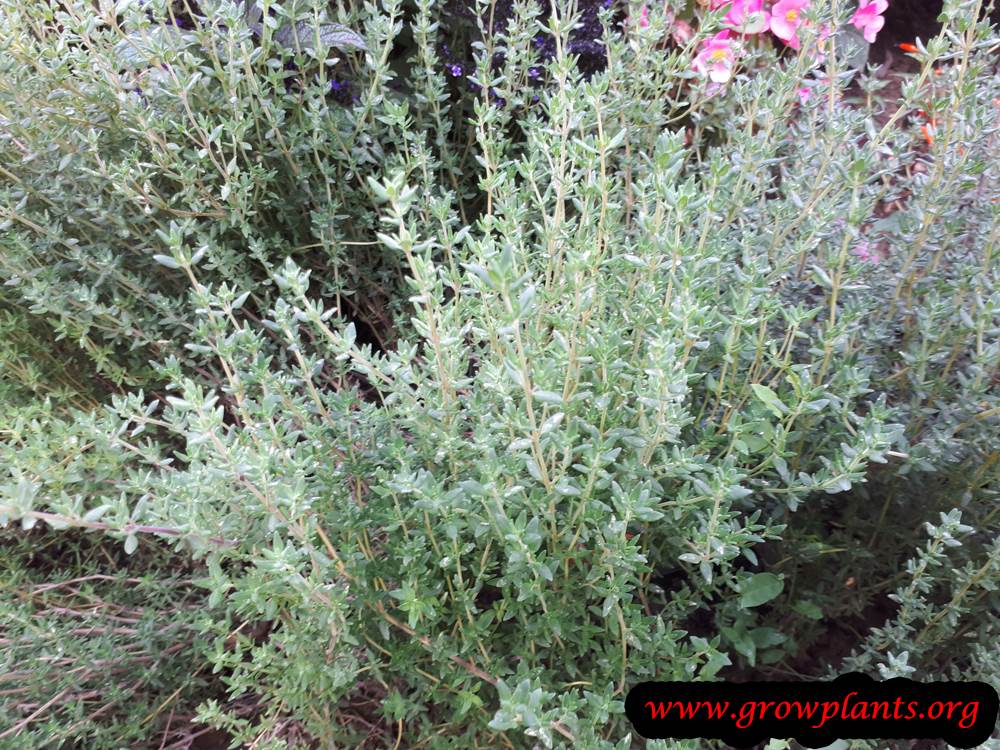
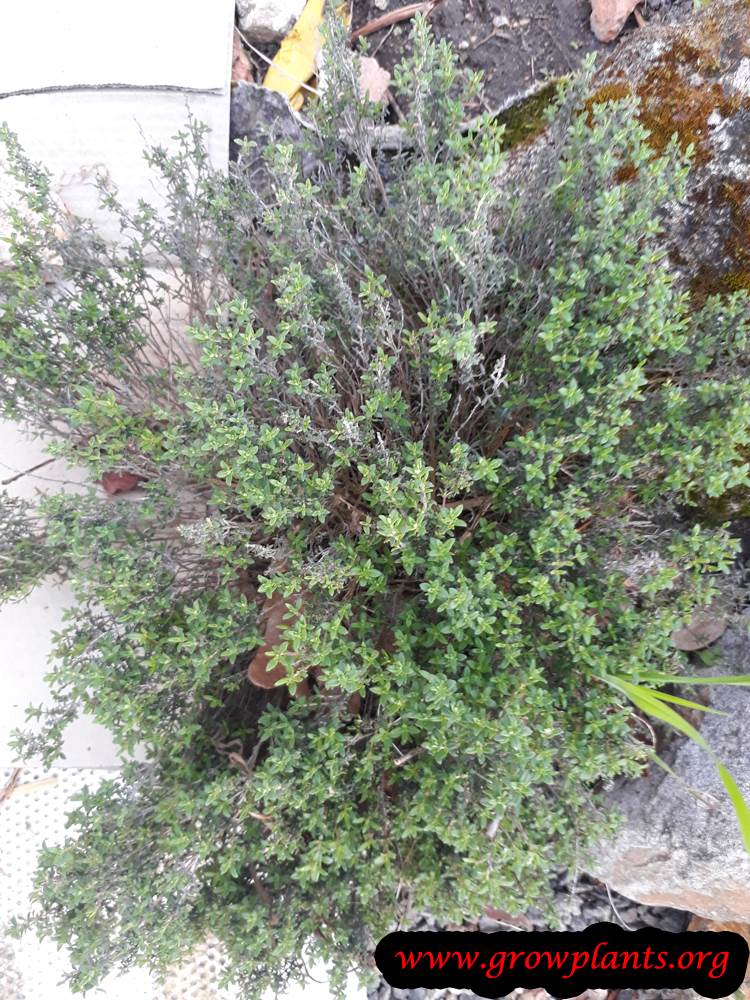
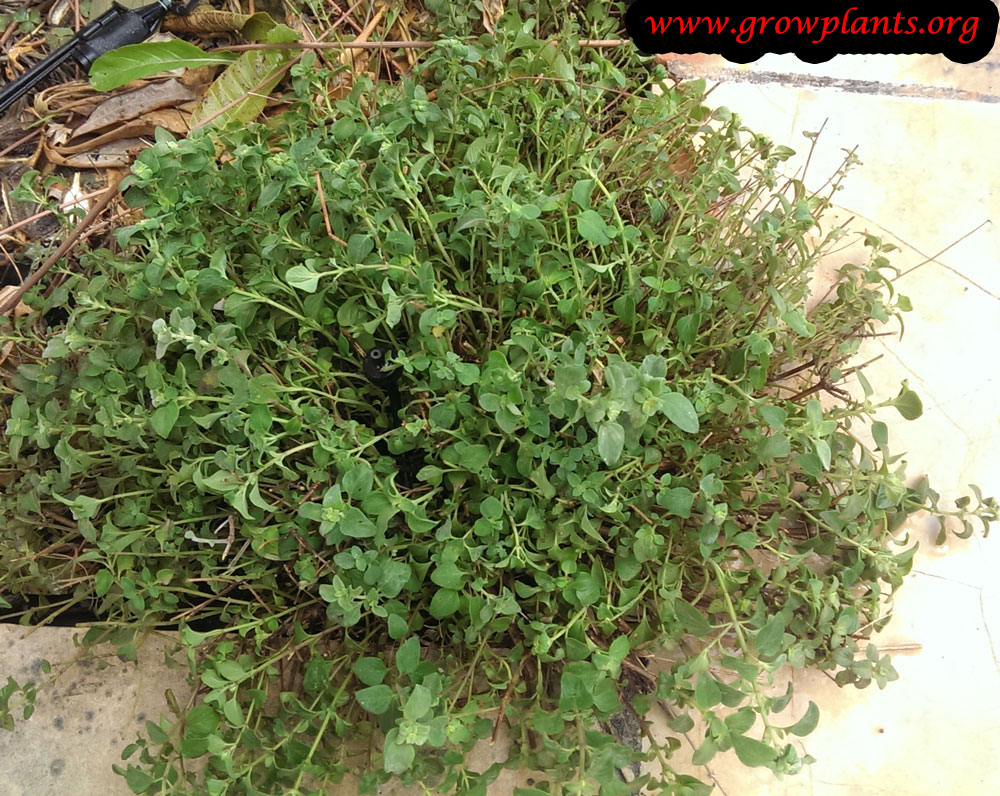
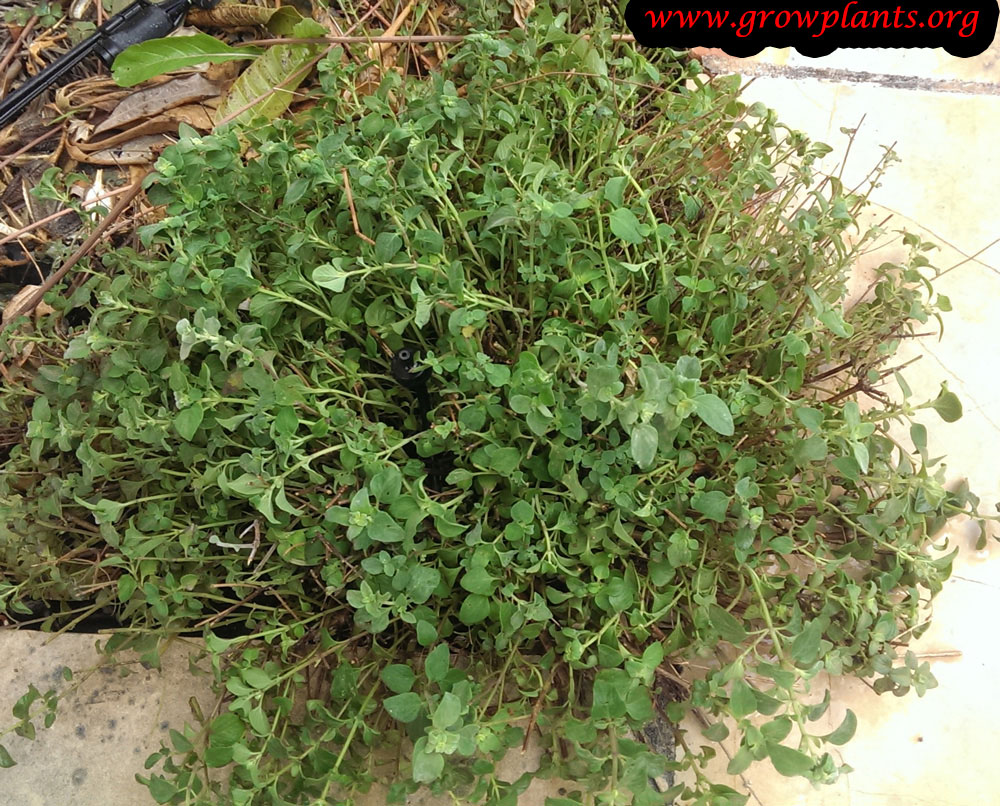
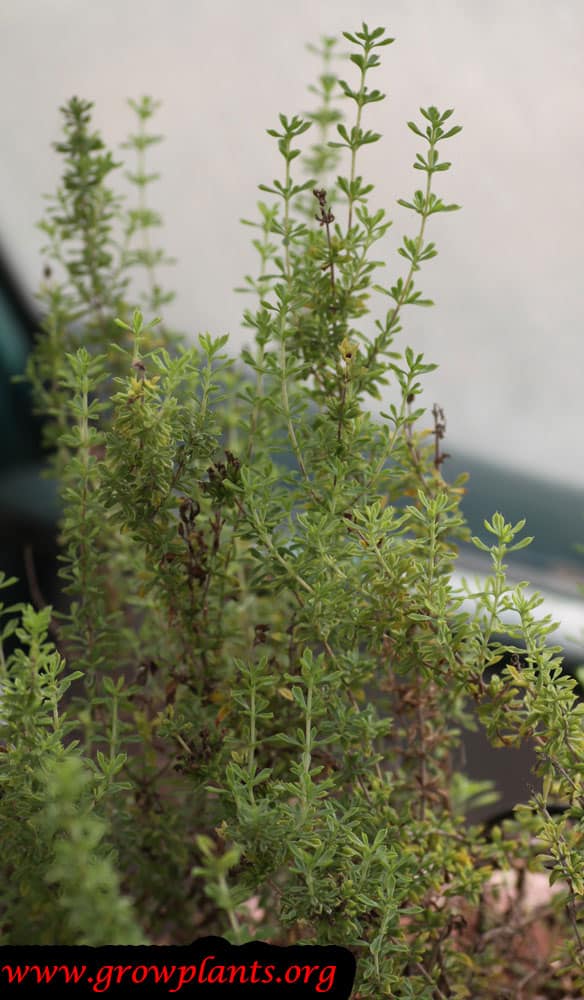
- Growth Habit & Form: Low, twiggy herb or subshrub forming a compact mound of aromatic leafy stems.
- Lifespan & Maturity: Quick to reach usable size from spring sowing; perennial forms persist for several years, annual forms complete their cycle in one season.
Anatomy & Physical Features
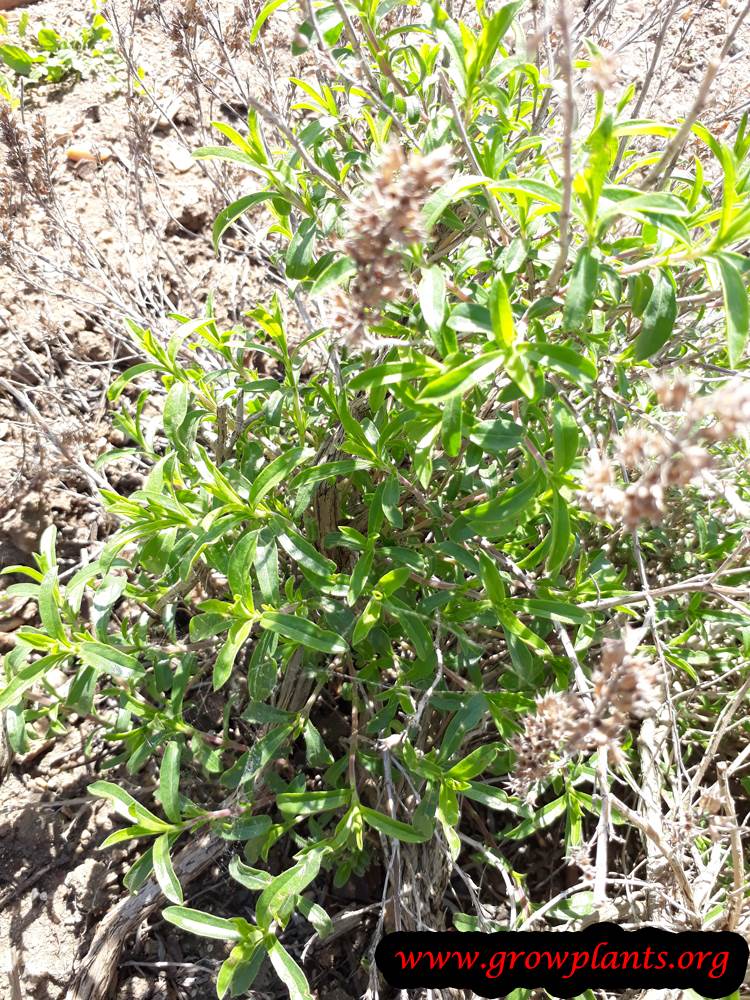
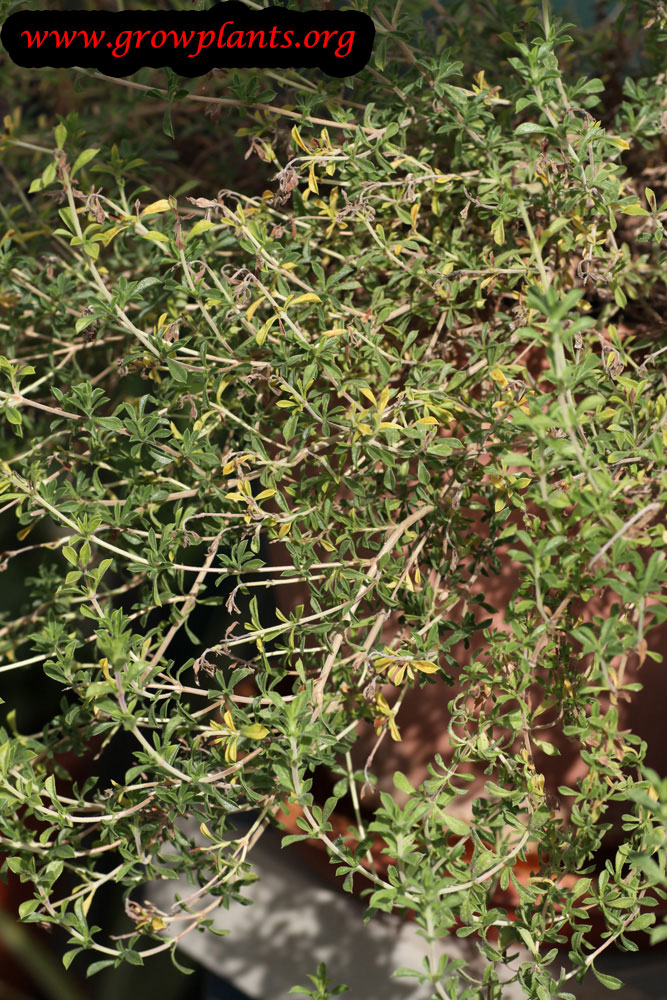
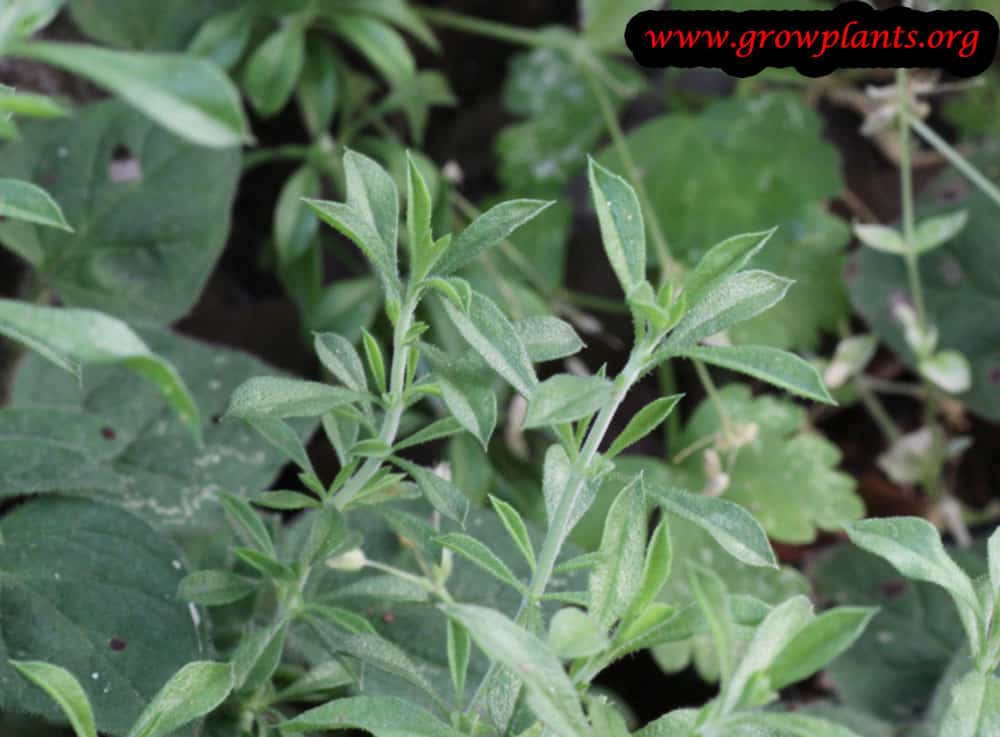
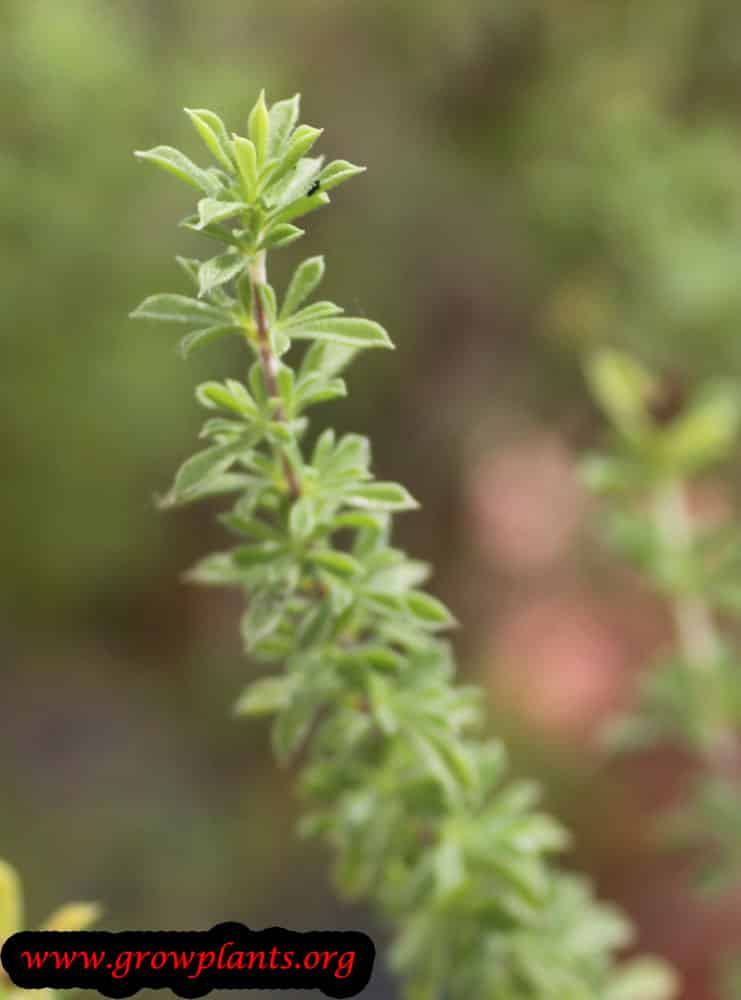
- Leaves & Foliage: Small (about 0.5-2 cm) aromatic green ovate leaves, edible and used as a spice.
- Flower Characteristics: Small edible flowers in pink, white, blue or purple, attractive to bees.
Primary Uses & Landscape Value
- Edible Uses: Leaves (and edible buds and flowers) are used fresh or dried as a peppery culinary herb and seasoning.
- Functional & Ornamental Roles: Herb-garden and container plant, also useful as a low aromatic edging and pollinator plant.
Care Guide: Planting, Soil & Watering
Overview: Savory (Satureja) is an aromatic culinary herb, grown as an annual or perennial shrub or subshrub in Mediterranean, subtropical and temperate gardens (hardiness zones 3-11). It thrives in full sun to light shade in light, well-draining, weed-free soil and is drought-tolerant once established.
Quick Care Requirements
| Requirement | Ideal Condition |
|---|---|
| Planting Season | Spring for annual types; spring, summer or autumn for perennials |
| Growth Rate | Moderate to Fast |
| Soil Type | Light, well-draining; mulched and weed-free |
| Water Need | Low to moderate; let the top dry between waterings |
Planting & Establishment
- Best Planting Season: Plant annual savory in spring, and perennial types in spring, summer or autumn, in a sunny, open spot.
- How to Plant:
- Hole Preparation: Dig a hole a little wider than the root ball; because savory resents disturbance, transplant only while young and settle it in gently.
- Soil Amendments: Keep the soil light and free-draining and mulch around the plant to suppress weeds and hold a little moisture.
- Planting Depth: Set the plant at the depth it grew previously, keeping the crown level with the surface.
- Growth Speed & Expectations: A moderate-to-fast grower reaching about 10-40 cm (4-16 inches), quickly making a compact, harvestable herb.
Soil, Watering & Drainage Care
- Soil Mix & Drainage Needs: Give light, sharply draining soil so the roots never stay wet. It grows well in a container with open drainage holes.
- Watering Schedule & Technique:
- Young / Newly Planted: Keep the soil lightly moist while young plants establish their roots.
- Established: Water moderately once established, letting the top of the soil dry before watering again.
- Seasonal Adjustments: Water a little more in summer heat and ease off through cooler, wetter weather.
Climate, Light & Hardiness
Savory, as a genus, thrives in a Mediterranean-type climate with full sun to half shade and light, well-drained soil. Cold tolerance varies noticeably between the annual and perennial species in this genus, so its listed hardiness range spans a broad USDA Zone 3–11.
Quick Climate Specifications
| Climate Zones | Mediterranean, subtropical, temperate |
|---|---|
| USDA Hardiness Zones | 3–11 (varies by species - annual types are simply killed by frost and replanted, perennial types persist outdoors) |
| Frost Tolerance | Varies by species - low for annual savories, moderate–high for perennial types once established |
| Light Conditions | Full Sun / Half Shade |
| Wind Tolerance | Moderate–High |
| Salt / Coastal Tolerance | Moderate |
Sunlight & Light Exposure
Optimal Light Setup
Full sun is best for compact, aromatic growth, though the site data notes half shade is also workable, particularly in hot climates.
Shade & Heat Management
In very hot regions, light afternoon shade can help; otherwise full sun with well-drained soil suits savory well.
Best Exposure / Orientation
An open, sunny bed with light, well-drained soil suits it best.
Temperature Extremes & Hardiness
USDA Hardiness & Regional Limits
The genus spans USDA Zone 3 through 11 in the site data, reflecting the mix of frost-tender annual savories (grown fresh from seed each year regardless of zone) and cold-hardy perennial savories (which persist outdoors through winter in milder zones). See the Summer savory and Winter savory pages for the specific ranges of each type.
Cold Damage & Winter Protection
Annual savories are killed outright by frost; perennial savories tolerate freezing winters once established but do best in free-draining soil that does not stay wet and cold.
Frost Sensitivity
Frost sensitivity depends heavily on species - treat annual savories as tender and perennial types as considerably hardier.
Extreme Heat Tolerance
Good - as Mediterranean-climate herbs, savories generally tolerate hot, dry summers well.
Wind, Humidity & Microclimate
Humidity Preferences
Prefers moderate humidity with good air movement; like many Mediterranean herbs it is more prone to problems in consistently damp, humid conditions.
Dry-Air Tolerance
Moderate to High once established, typical of Mediterranean-climate herbs.
Wind Tolerance
Moderate to High; low, woody or semi-woody growth habits generally cope well with open, breezy sites.
Coastal / Salt Tolerance
Moderate - generally manages reasonably well in coastal gardens.
Rainfall & Seasonal Moisture
Best suited to a dry-summer climate pattern; light, well-drained soil is emphasized in the site data, consistent with a plant that dislikes waterlogging.
Microclimate Recommendations
A raised or free-draining sunny bed with good airflow suits savory well, especially in humid climates.
Growing in Pots, Balconies & Indoors
Savory (Satureja) is a first-rate container herb for a balcony, patio or sunny windowsill rather than a deep-indoor houseplant – it needs strong, direct light to stay compact and full of flavour, which a room’s interior rarely supplies.
Quick Details
- Container Size: A small pot (a few litres) suits this compact herb; the grower confirms pot growing but gives no set size
- Indoor Suitability: Not a deep-indoor houseplant; thrives on a bright, sunny windowsill with direct light
- Best Spot: Full sun to half shade – a sunny balcony, patio or windowsill
- Soil & Drainage: Well-aerated, organic-rich mix (potting mix or peat/coir with perlite or vermiculite); must drain freely
- Watering in Pots: Water moderately – let the surface dry slightly between waterings; pots dry faster than open ground
Indoors & On the Windowsill
- Houseplant limits: The grower does not rate it as a deep-indoor houseplant – away from a window the light is too weak and growth turns leggy and less flavourful.
- Windowsill growing: On a bright, sunny sill with direct light it does well – pick a compact plant, turn the pot now and then for even growth, and pinch out the tips.
- Extending the season: Growing in a pot lets you move it under cover or onto a bright sill before hard frost, stretching the fresh-leaf season.
On a Balcony or Patio
- Light & warmth: Give it the sunniest, most sheltered corner. Walls and paving reflect heat, which basil enjoys, but that also dries pots quickly – check moisture daily in hot weather and water more on warm days. A drip irrigation kit with a timer can take over that watering check automatically.
- Wind & practicalities: Shelter it from strong wind, which shreds soft leaves and dries the mix; make sure the pot drains freely and sits where run-off will not stain the floor.
Choosing the Pot, Soil & Long-Term Care
- Pot & drainage: A modest pot (a few litres) with strong drainage holes is plenty for this compact herb. Skip a standing-water saucer to avoid root rot; terracotta breathes and dries faster, while glazed or plastic pots hold moisture longer.
- Potting mix: Use a well-aerated, organic-rich mix – potting compost, or peat/coir blended with perlite or vermiculite for drainage.
- Feeding: Potted herbs need feeding more often than those in the ground, as nutrients leach out with each watering – a light, regular feed through the growing season keeps the leaves coming.
- Repotting: Where it is kept as a perennial, the grower advises refreshing all or part of the mix about every two years; pot up if roots fill the container.
Fertilizing & Feeding
Savory is a light feeder from lean, well-drained Mediterranean soils – occasional light feeding through the growing season keeps growth sturdy and aromatic, with feeding withheld once the plant slows down or goes dormant.
Quick Fertilizing Specs
| Feeding Level | Light feeder |
|---|---|
| Main Nutrient Priority | Balanced to nitrogen-light feeding that favors sturdy, aromatic growth over lush leaves |
| Best Feeding Period | Spring through summer while actively growing |
| Organic Options | Compost or well-rotted organic matter worked into well-drained soil |
| Soil pH | Tolerates a range of well-drained soils; does best near neutral |
| Reduce/Stop Feeding | Hold off feeding as growth slows in autumn and through winter dormancy |
| Micronutrients | Rarely needed beyond what a complete fertilizer and organic matter supply; correct only a diagnosed issue |
Feeding by Growth Stage
Getting established after planting
Help newly planted or seeded savory build a root system and settle into well-drained soil.
| Nutrient direction | A balanced, modest feeding supports early root and leaf development without pushing soft growth. |
|---|---|
| Timing | At planting and through the first weeks of active growth in spring. |
| Frequency | A single light feeding is usually enough to start; let the plant settle in before feeding again. |
| Fertilizer types | A balanced complete fertilizer at a light rate, Compost or well-rotted organic matter worked into the planting area |
| Precautions | Keep new plantings on the lean side; savory that establishes in overly rich soil tends to sprawl and lose some of its characteristic aroma. |
Active growth through the season
Sustain steady leaf production for harvest while keeping the plant’s essential-oil-rich flavor concentrated.
| Nutrient direction | Light, infrequent feeding with a nitrogen-light or balanced fertilizer keeps growth sturdy rather than lush; heavy nitrogen dilutes the aromatic oils savory is grown for. |
|---|---|
| Timing | Through spring and summer while the plant is actively producing leaves. |
| Frequency | Feed sparingly – an occasional light feeding through the growing season is typically plenty for this Mediterranean herb. |
| Fertilizer types | A balanced or nitrogen-light complete fertilizer used sparingly, A light top-dressing of compost |
| Precautions | Avoid frequent or nitrogen-heavy feeding, which produces lax, less flavorful growth and can invite the moth pests savory is prone to. |
Winter dormancy in cooler zones
Let perennial savory rest through cold weather without pushing new growth it can’t harden off.
| Nutrient direction | None – withhold fertilizer while the plant is dormant or growing very slowly in cold weather. |
|---|---|
| Timing | Late autumn through winter in the cooler part of its hardiness range. |
| Frequency | No feeding during this rest period; resume light feeding only once active growth returns in spring. |
| Fertilizer types | No feeding at this stage; hold off fertilizing until spring growth resumes. |
| Precautions | Do not fertilize dormant plants; unused nutrients can leach away or encourage tender growth that winter cold will damage. |
Nutrient Deficiency Signs & Corrections
Older leaves turn pale green to yellow and overall growth and leaf production slow.
| Possible causes | low available soil nitrogen, thin or depleted soil low in organic matter, nitrogen leaching after heavy rain or watering |
|---|---|
| Appears first on | older, lower leaves |
| What to check | recent feeding history, soil organic matter level, drainage and watering pattern |
| Possible correction | Work in compost or apply a balanced fertilizer at a light rate, then reassess new growth. |
New leaves emerge pale yellow with the veins staying green.
| Possible causes | high soil pH limiting iron availability, waterlogged or compacted soil restricting root uptake, container growing in alkaline potting mix |
|---|---|
| Appears first on | newest growth at the shoot tips |
| What to check | soil or potting mix pH, drainage around the roots, whether the plant is in a container with alkaline irrigation water |
| Possible correction | Improve drainage, correct pH toward neutral, and apply a chelated iron product per its label if the pattern persists. |
Leaf tips and margins brown or look scorched even though the plant is watered adequately.
| Possible causes | fertilizer salts building up from over-feeding, under-watering that concentrates salts in the root zone, poor drainage in a container or heavy soil |
|---|---|
| Appears first on | leaf tips and margins |
| What to check | recent fertilizer amounts and frequency, watering consistency, container drainage if grown in a pot |
| Possible correction | Ease off feeding, flush the soil or pot thoroughly with water, then return to a lighter feeding routine. |
Pruning, Training & Seasonal Maintenance
Savory (Satureja) covers both annual species and perennial evergreen subshrubs, so pruning tolerance depends on which form you are growing. Annual savories tolerate cutting anywhere on the soft stem all season. Perennial types develop a semi-woody base with age and, like other Mediterranean subshrub herbs, do not reliably resprout if cut back into bare leafless wood. Safest approach: light, frequent trims through the growing season rather than one hard annual cut; regular pinching keeps leaf production high and delays the plant running to flower.
Quick Pruning & Maintenance Specs
| Pruning Tolerance | Moderate (High on soft annual growth; Low on old woody base of the perennial form) |
| Primary Pruning Window | Spring–summer for the annual form; spring regrowth through summer for the perennial form |
| Typical Frequency | Ongoing light pinching/harvest through the growing season |
| Main Objective | Bushy, leafy growth; delayed flowering/bolting; compact habit on perennial plants |
| Young Plant Priority | Pinch tips early to force branching from the base |
| Mature Plant Priority | Perennial form: shape lightly each spring and remove spent flower stems; keep cuts within leafy growth |
| Best Tool Type | Precision snips (soft growth); bypass secateurs for the woodier base of perennial plants |
| Avoid Heavy Pruning During | Late autumn/into dormancy on the perennial form, and cutting into bare old wood at any time |
Pruning by Plant Age & Size
Newly Established
Remove only damaged or weak growth; let the plant root in before any tip-pinching (per source notes, savory dislikes relocation and establishes best while still young).
Young / Formative
No formal training system – pinch growing tips to encourage branching and a fuller base, whether grown as an annual bed herb or as the start of a perennial subshrub clump.
Mature / Established
Annual plants: continue harvest-pinching until frost. Perennial plants: light spring shaping to control size and prevent the base from becoming sparse and woody, plus removal of spent flower stems.
Special Growth to Remove
- Dead and weak branches (explicitly the main pruning task per grower notes)
- Spent flower stems – thinning most of the bloom is recommended to keep the plant’s energy in leaf production rather than seed
Container & Small-Space Pruning
Savory grows well in pots or planters. In containers, pinch a little more assertively to keep the plant compact for the pot size, and on perennial specimens avoid letting the base get leggy since there is less room for it to recover.
Tools
- Precision snips – for routine tip-pinching and harvest of soft growth
- Bypass secateurs – for the thicker, semi-woody stems at the base of established perennial plants
Tool Hygiene & Disease Risk
Routine – clean, sharp tools are sufficient; savory has no major transmissible pruning-borne disease noted (moth is the recorded pest, not a canker/blight risk).
Cut Placement & Technique
Pinch or snip just above a leaf node to encourage two new shoots from that point. On perennial plants, always leave some green leafy growth below the cut – do not cut into the leafless woody base.
Heavy Pruning & Rejuvenation
Not recommended for the perennial form: like related Mediterranean subshrub herbs, savory that is cut hard into old bare wood often fails to resprout from that wood. If a perennial plant has become woody and sparse, renew it by propagating fresh plants rather than attempting a hard rejuvenation cut.
Post-Pruning Care
Water lightly after a shaping cut on perennial plants; no extra feeding is needed since routine pinching is minor stress. Watch new growth after any spring shaping cut to confirm the plant is resprouting well.
Common Pruning Mistakes
- Cutting the perennial form back into bare, leafless wood expecting regrowth
- Letting flower stems run unchecked, which shifts the plant’s energy away from leaf production
- Disturbing/heavily pruning a very young plant right after transplanting, when it is still establishing
When NOT to Prune
- Right after transplanting a young plant – let it establish first
- Into bare old wood on the perennial form, at any time of year
- Late in the season on perennial plants, where a hard cut would push tender new growth into cold weather
Recommended Tools (by task)
- precision_snips – everyday tip-pinching and leaf harvest on soft growth (both forms)
- bypass_secateurs – clean cuts on the thicker semi-woody stems of established perennial plants
Propagation Guide
Savory is grown almost exclusively from seed, which is easy and does not require grafting or vegetative propagation. Because this genus includes both annual and perennial species, seed-grown plants are generally uniform for the type sold, and overall propagation is easy.
Quick Propagation Specs
| Best Propagation Method | Seed |
| Alternative Methods | Stem cuttings or division for perennial, shrubby forms (optional, not required) |
| Propagation Difficulty | Easy |
| Seed True-to-Type | Mostly uniform (species-dependent) |
| Best Propagation Season | Spring |
Growing from Seed
Sowing Season
Sow in spring for annual types; for perennial forms planting can extend through spring, summer and autumn.
Germination Conditions
Keep the sowing medium lightly moist in a warm, sunny position; as with other Satureja species this is typically in the region of 18–24°C (64–75°F).
Seedling Care
Savory dislikes being moved once established, so transplant seedlings only while still young, or sow them directly where they are to grow.
Stem Cuttings
Vegetative propagation is not necessary for savory, but perennial, shrubby types can also be started from softwood stem cuttings taken in spring, which is a useful option for keeping a particular plant’s character.
Division, Offsets, Pups & Suckers
Established perennial (shrubby) savory can be lifted and divided at the base in spring; this is not relevant for annual forms.
Bloom & Edible Flower Guide
Quick Details
- Bloom Season: Spring into summer
- Time to First Bloom: Annual types flower in their first summer; perennial types usually from their second year
- Flower Appearance: Small flowers in pink, white, blue or purple
- Edibility: Edible – the little flowers share the peppery, aromatic character of the leaves and can be used the same way
Detailed Blooming Overview
Savory carries small, delicate flowers along its stems through the warm season, and they are a favourite of bees. Because the fragrant leaf is the main crop, most growers thin the bloom to keep the plant leafy – with annual types it is worth leaving a few flowers to set seed for next season.
Flower Characteristics
- Small flowers in shades of pink, white, blue or purple.
- Carried along the upper stems above narrow, aromatic leaves.
- Nectar-rich and much visited by bees and flies.
Bloom Care & Thinning
- Thinning the bloom: Thin most of the flowers to keep the plant putting its strength into leaves.
- Saving seed: On annual types, leave a small amount of bloom to ripen seed for the next crop.
- Pollination: Pollinated by bees and flies.
Bloom Health & Protection
- Aphids: They can gather on soft, flowering shoot tips – a jet of water or a spray of insecticidal soap or neem oil usually keeps them in check.
Fruit & Uses
Savory is grown for its small, peppery leaves, used fresh or cooked as a culinary herb and spice, and for its edible flower buds and flowers, which carry a milder version of the same flavor. All are eaten raw or cooked, with no special preparation needed.
Quick Edible Specs
| Edible Parts | Leaves; flower buds; flowers |
| Main Use(s) | Culinary herb – spices, seasoning, cooking |
| Eaten Raw or Cooked | Raw or cooked |
| Preparation Required | None (rinse before use) |
| Harvest Season | All year on perennial plants; spring & summer only on annual plants |
| Time to First Harvest | Once the plant is established |
| Storage | Use fresh, or dry for longer storage |
| Safety/Toxicity Caveat | None known – common culinary herb |
Leaves & Greens
Leaves are small, green and ovate (the site gives a size range of roughly 0.2–3 cm). They are the main edible part, used as a spice and cooking herb. Harvest by cutting a branch, then stripping the leaves by running a hand along the stem against the direction of growth.
Flowers & Flower Buds
Buds and open flowers – small, in pink, white, blue or purple – are also edible and can be used the same way as the leaves, typically as a milder garnish.
Harvesting
On perennial plants leaves can be cut all year; on annual plants, harvest is limited to spring and summer. Cut branches and strip the leaves off against the direction of growth.
Preparation, Uses & Safety
No special preparation is required beyond rinsing. Savory leaves, buds and flowers are used fresh or cooked as a spice and seasoning herb. No toxicity or safety caveats are noted.
Pests, Diseases & Troubleshooting
Overview: Savory is an easy, aromatic Mediterranean herb (both the annual summer and perennial winter kinds) that is largely free of significant pests and diseases – its oily foliage deters most insects. The main threats are cultural: root rot in wet, heavy soil, mildew in crowded damp, and, for the annual kinds, seedling damping-off. Lean soil, sharp drainage and full sun keep it healthy.
Quick Troubleshooting Overview
| Issue / Pest | Main Symptom | Primary Solution |
|---|---|---|
| Root rot | Wilting, blackening base in wet soil | Sharp drainage, ease off water |
| Damping-off | Seedlings collapse at soil line | Clean mix, warmth, don’t overwater |
| Powdery mildew | White powder on leaves in crowding | Space, airflow, sulphur/bicarb spray |
| Aphids | Sticky, distorted soft tips | Water jet, insecticidal soap |
| Spider mite | Stippled, bronzed leaves in heat | Raise humidity, oil/soap spray |
Common Pests & Management
- Aphids (Aphis spp. / Myzus persicae):
- Symptoms: Small green or black colonies on soft tips and flower shoots; sticky honeydew and distorted new growth – usually light on this aromatic herb.
- Prevention & Control: Rinse off with water and encourage ladybirds and hoverflies; pinch affected tips. Use insecticidal soap only if needed, and rinse edible leaves before use.
- Two-spotted spider mite (Tetranychus urticae):
- Symptoms: Fine stippling, bronzing and faint webbing in hot, dry conditions, especially under cover.
- Prevention & Control: Raise humidity and hose foliage in heat; treat persistent mites with insecticidal soap or horticultural oil on leaf undersides.
- Whitefly (Trialeurodes vaporariorum):
- Symptoms: Tiny white flies rising from disturbed plants, mainly under glass or in still, warm air; light honeydew.
- Prevention & Control: Improve airflow, use yellow sticky traps, and spray insecticidal soap if needed; rarely troublesome on outdoor, lean-grown plants.
Diseases & Fungal Issues
- Root and stem rot (Pythium / Rhizoctonia / Phytophthora):
- Symptoms: Wilting despite moist soil, blackening at the stem base and dark, soft roots, in wet or heavy, poorly drained ground – the main killer of savory.
- Treatment & Management: Grow in lean, sharply drained soil in full sun, water modestly, and avoid winter wet; improve drainage with grit on heavy ground and never leave pots standing in water. Remove and destroy collapsed plants.
- Powdery mildew (Golovinomyces spp.):
- Symptoms: White powdery coating on leaves in crowded, humid, dry-root conditions; foliage may yellow.
- Treatment & Management: Space plants for airflow, keep roots evenly (but not excessively) moist, and remove affected growth; a sulphur or bicarbonate spray helps if needed, though harvesting and pruning usually keep it in check.
- Damping-off (Pythium / Rhizoctonia):
- Symptoms: Seedlings fail to emerge or collapse and rot at soil level in cold, wet, crowded seed trays.
- Treatment & Management: Sow thinly in clean, free-draining, warm compost, water from below with clean water, and provide airflow; avoid cold, sodden conditions.
- Grey mould / botrytis (Botrytis cinerea):
- Symptoms: Fuzzy grey mould on damaged or crowded growth in cool, damp, still air.
- Treatment & Management: Remove damaged and faded growth, improve ventilation, and avoid overhead watering; good airflow and drainage prevent it.
Growing Difficulties & Abiotic Problems
- Root rot from overwatering / heavy soil – the main problem:
- Cause & Symptoms: Savory resents wet feet: over-watered plants or those in heavy, poorly drained soil wilt, blacken at the base and die.
- Correction Strategy: Grow in lean, gritty, free-draining soil in full sun and water only when the surface has dried; add grit or grow in raised beds/pots on heavy ground, and keep plants on the dry side in winter.
- Damping-off / legginess:
- Cause & Symptoms: Annual savory seedlings damp off in cold wet compost; perennial kinds become woody and open with age.
- Correction Strategy: Sow annuals into warm, clean, free-draining compost; on perennial kinds trim after flowering to keep them compact, avoiding cuts into bare old wood.
- Poor flavour / soft growth in shade or rich soil:
- Cause & Symptoms: Lush but poorly flavoured, floppy growth in shade or over-fertile, over-fed soil.
- Correction Strategy: Grow in full sun on lean soil with little or no feeding; savory develops the best aroma and habit when grown hard and dry.
What Helps – Products & Tools
Savory is a clean, aromatic herb needing minimal intervention: insecticidal soap or a light horticultural/neem oil for the occasional aphid, whitefly or spider mite, and clean, free-draining seed compost to avoid damping-off. There is no substitute for sharp drainage and full sun, which prevent the root rot and mildew that are the herb’s only real threats. Harvest and use the aromatic leaves freely – regular cutting keeps plants healthy and bushy.